7 Things About the Beretta M9 That Made the US Army Regret Dropping the 1911
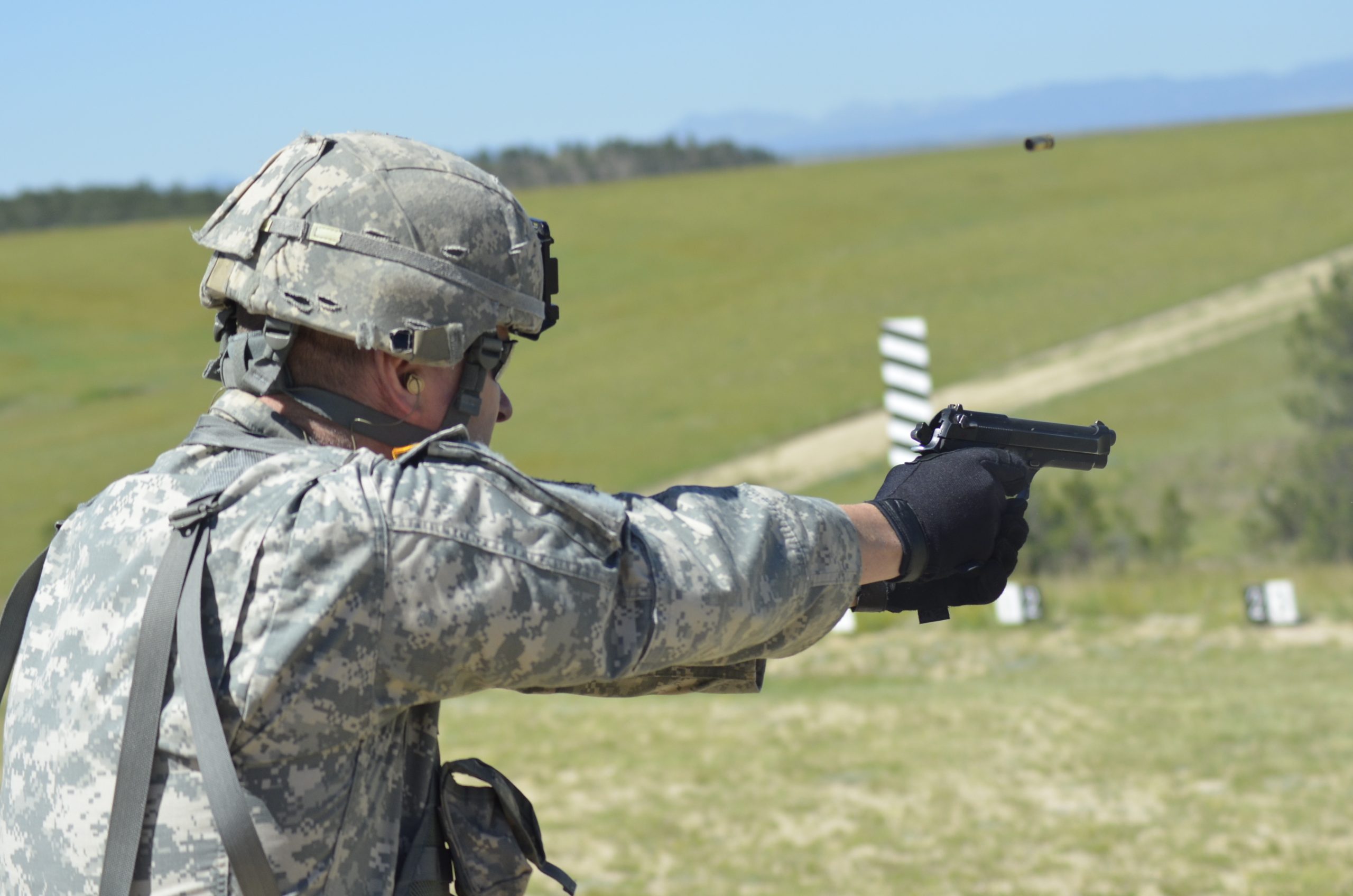
The M9 replaced the beloved 1911 with 9mm capacity and NATO compatibility, then became a legendary sidearm in its own right.

The M9 replaced the beloved 1911 with 9mm capacity and NATO compatibility, then became a legendary sidearm in its own right.
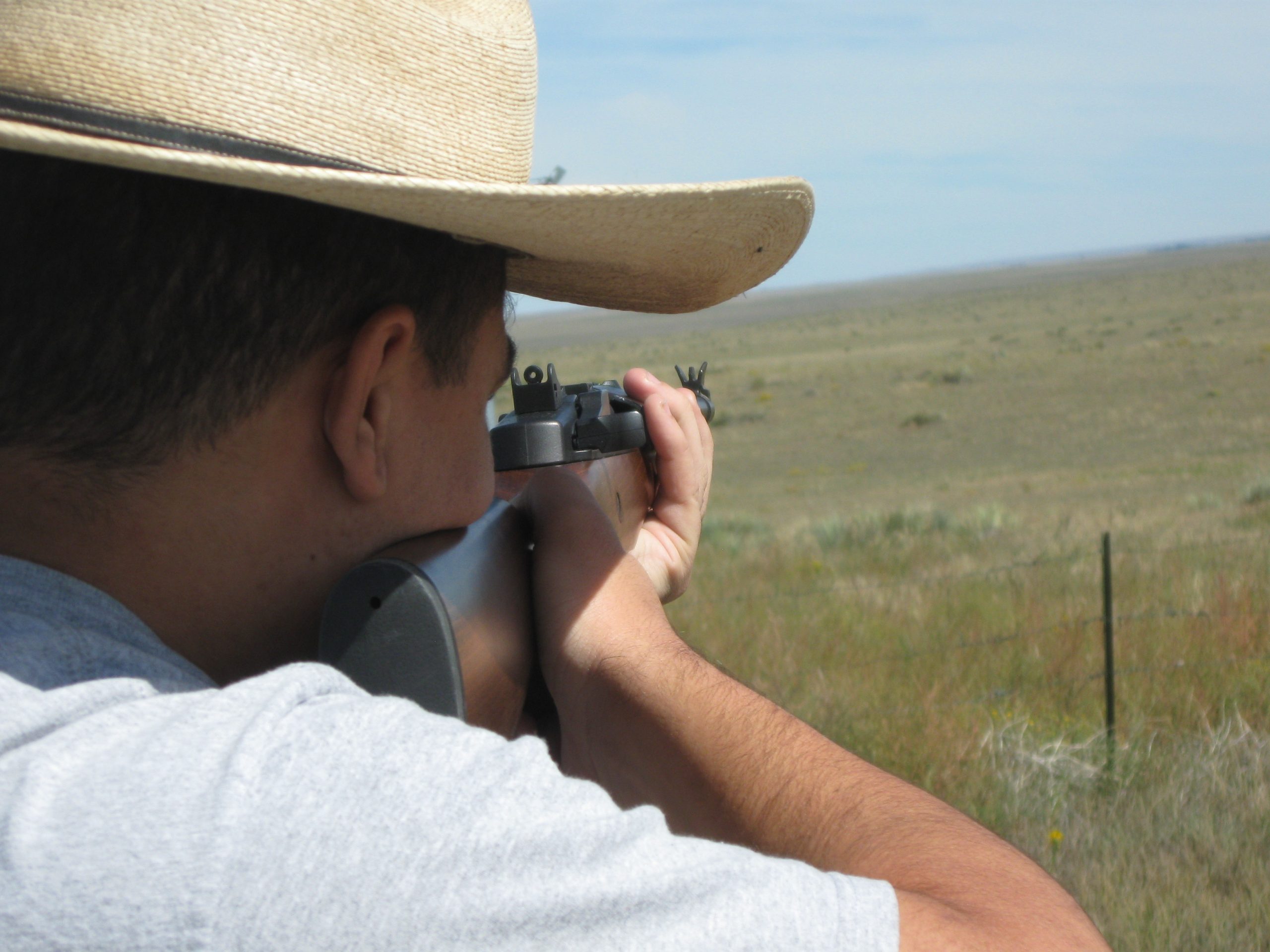
The Ruger Mini-14 became a quieter AR-15 alternative through classic styling, Garand-inspired mechanics and lasting versatility.
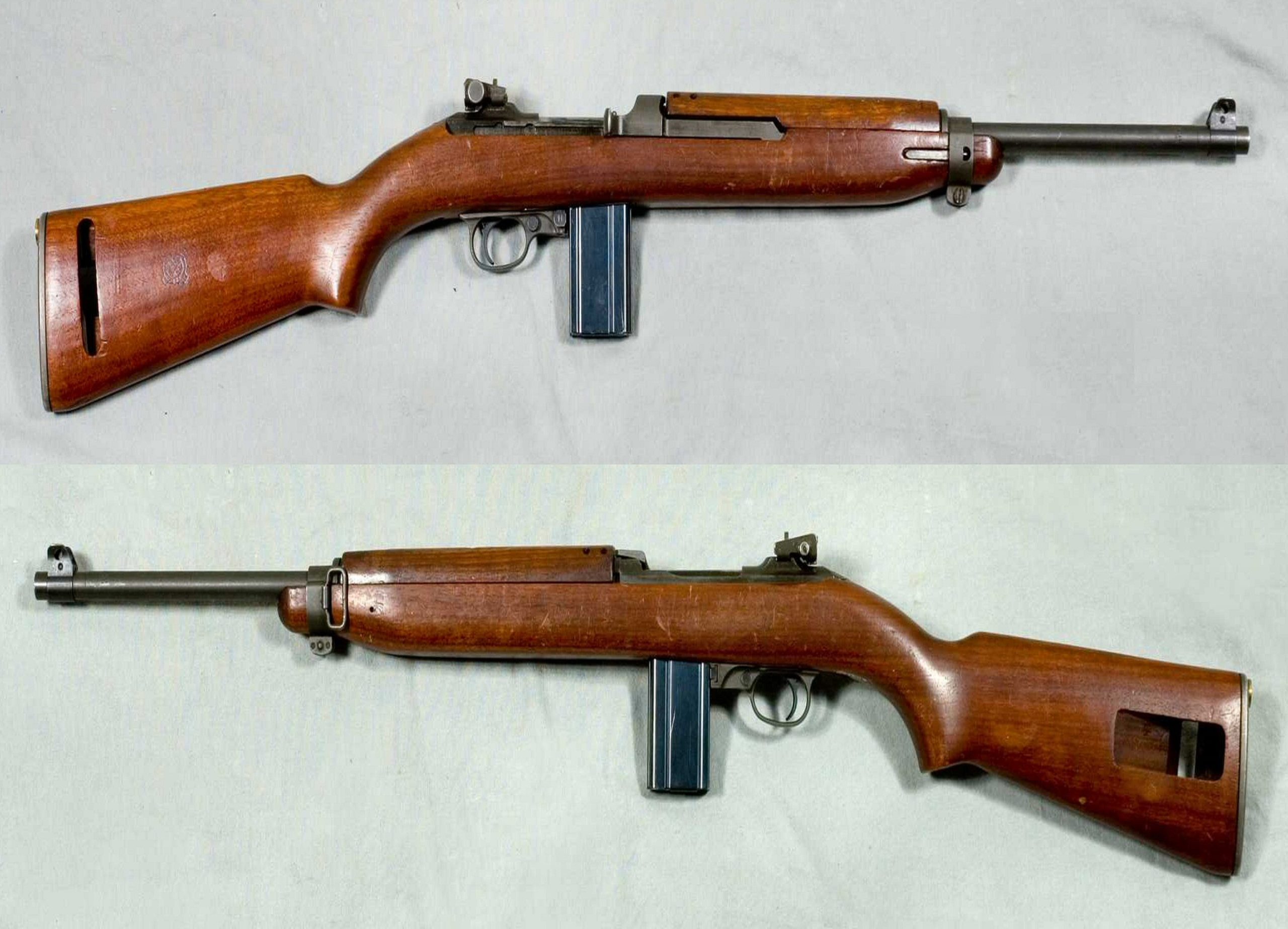
The M1 Carbine won soldiers over with light weight, low recoil, compact handling, and a surprisingly versatile design
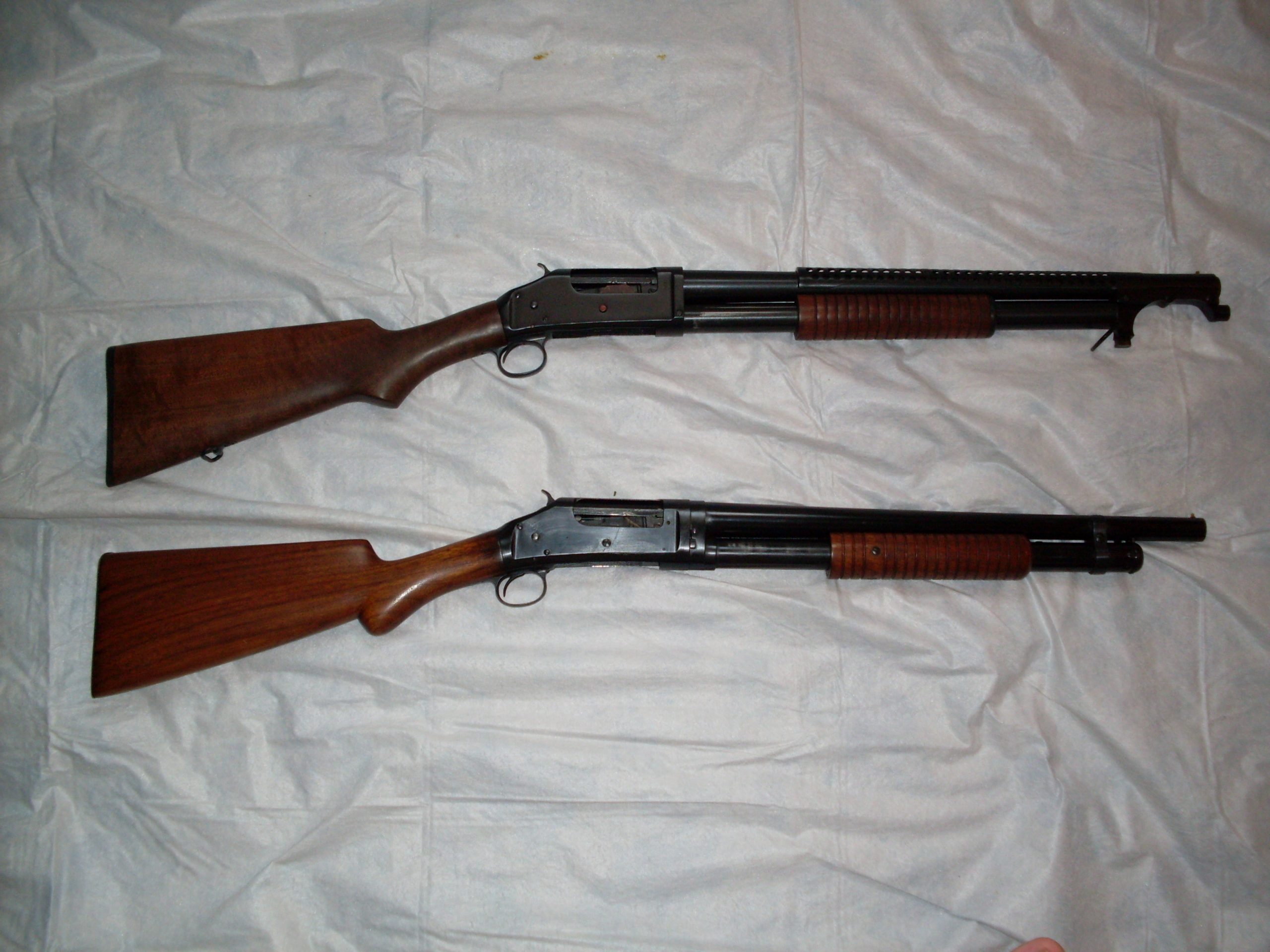
The Winchester Model 1897 became a feared trench gun, combining six rounds, rugged design, and rapid-fire potential too.

Discover mountain modern luxury: Venetian plaster accents, expansive views, and a wellness retreat await.

This stunning Jackson Hole home harmoniously blends alpine charm with modern elegance, showcasing exquisite details and breathtaking views.
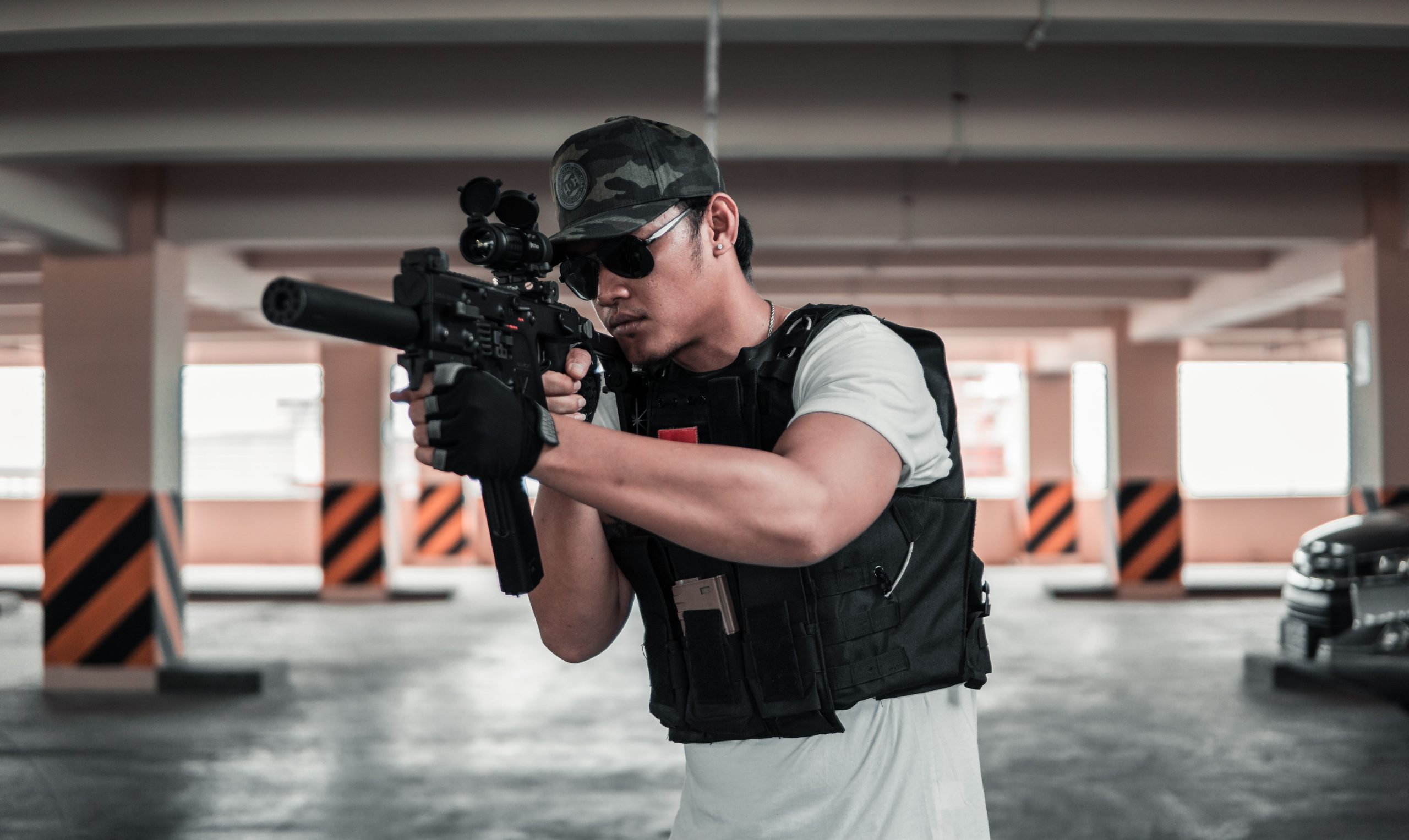
The CZ Scorpion became a PCC icon by blending Czech engineering, 9mm simplicity, modern controls, and striking design.
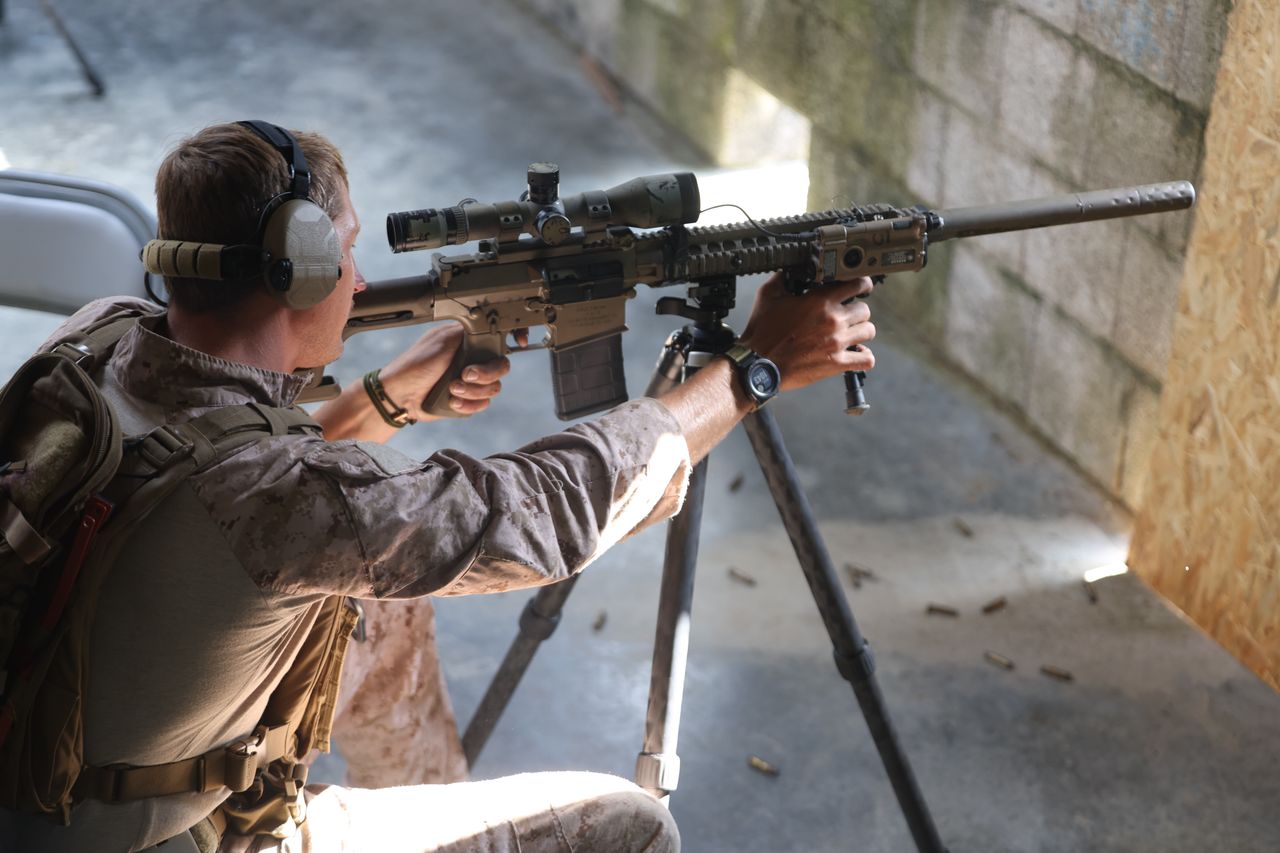
The Marine Corps has a long history of retiring weapons on paper and reviving them when battlefield needs change. This latest return says less about nostalgia and more about range, flexibility, and the hard lessons of modern combat.

One Army sniper rifle upgrade delivered such startling precision that it forced evaluators to rethink what a fielded long range weapon could do. Its performance was not magic, but a carefully engineered leap in range, optics, ammunition, and repeatable accuracy.

Few modern pistols have risen faster than SIG Sauer’s P320, and few have faced a more damaging safety controversy. This is the story of how one design issue triggered lawsuits, recalls by another name, and a bruising fight over trust.

After the 1986 Miami shootout exposed brutal gaps in gear, access, and readiness, the FBI leaned harder on a plain-looking pump shotgun that could be carried discreetly and brought into action fast. The Remington 870 became a practical answer to a tactical problem the Bureau could no longer ignore.

The move away from revolvers was never just about fashion or firepower. It was driven by a hard lesson in survival, training, liability, and the reality of modern gunfights.