Few American military shotguns have a reputation as dramatic as the Winchester Model 1897. Born as a civilian pump gun in 1897, it entered U.S. service before the First World War and was later adapted for the brutal close quarters of trench fighting. Its six-round capacity, compact 20-inch military barrel, rapid cycling, and rugged construction made it unusually well suited to that environment. Germany’s 1918 protest only added to its legend, but the real story is more interesting than the myth.
1. Born From a Better Pump Design
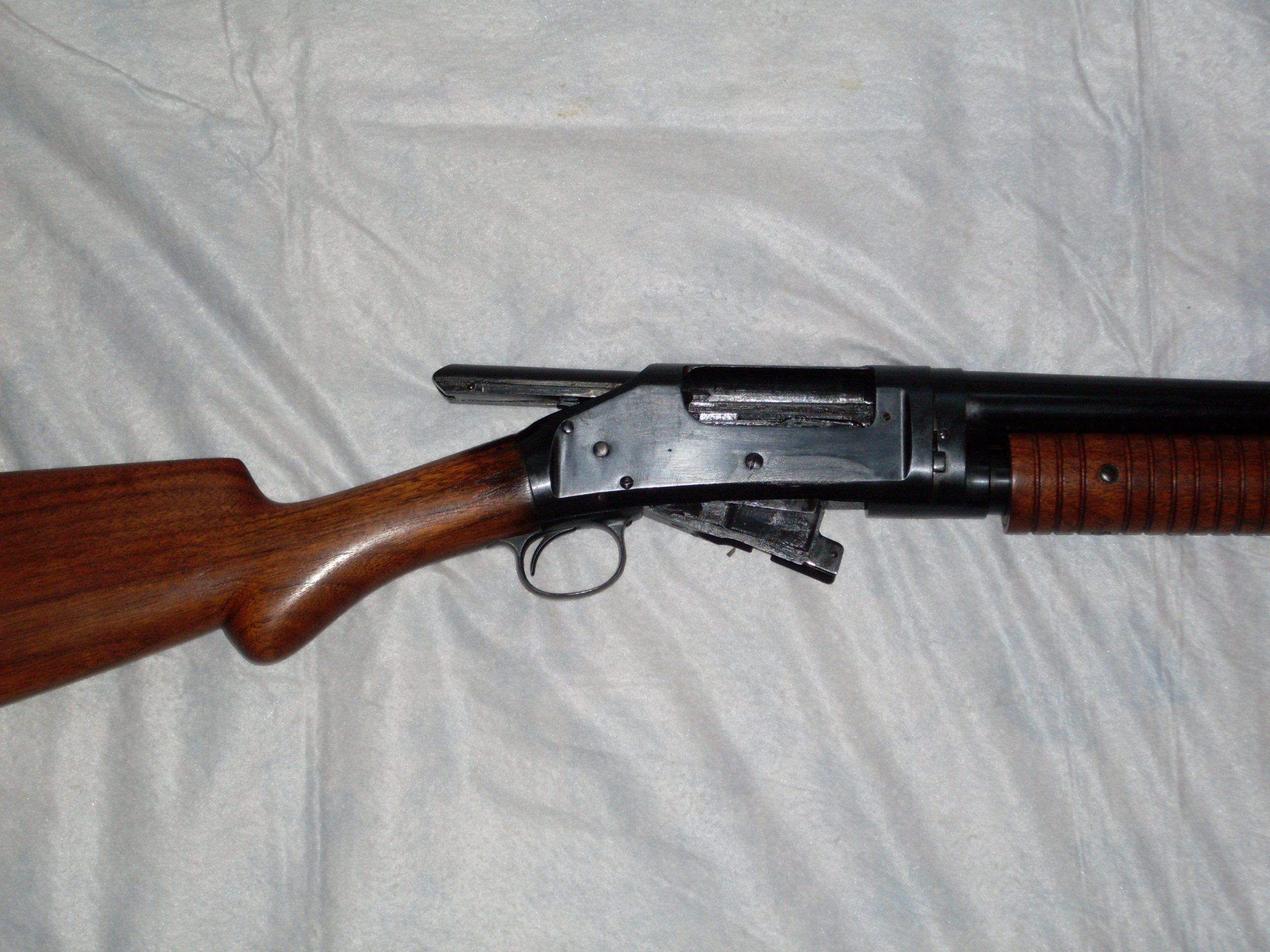
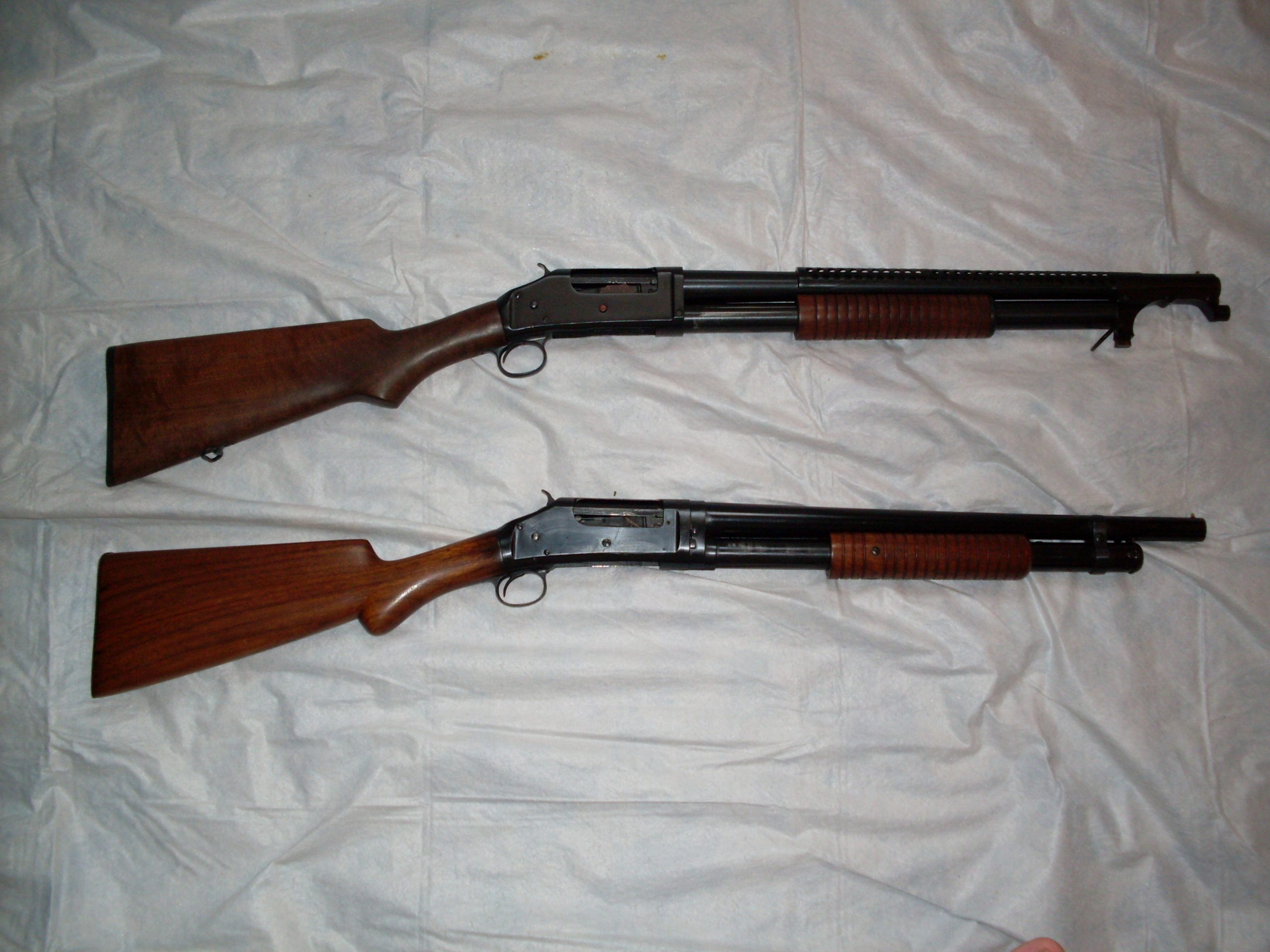
The Model 1897 grew from John Browning’s earlier Winchester Model 1893, but Winchester strengthened and refined the design for smokeless powder. Introduced in 1897, it became one of the first commercially successful pump shotguns. Its external hammer and bottom-mounted tubular magazine gave it a distinctive look, while the revised action made it far more durable. Production eventually exceeded 1,000,000 guns, showing that its appeal reached far beyond the battlefield and long before the First World War. That civilian success mattered when soldiers later needed a proven design.
2. Six Rounds in a Compact Package
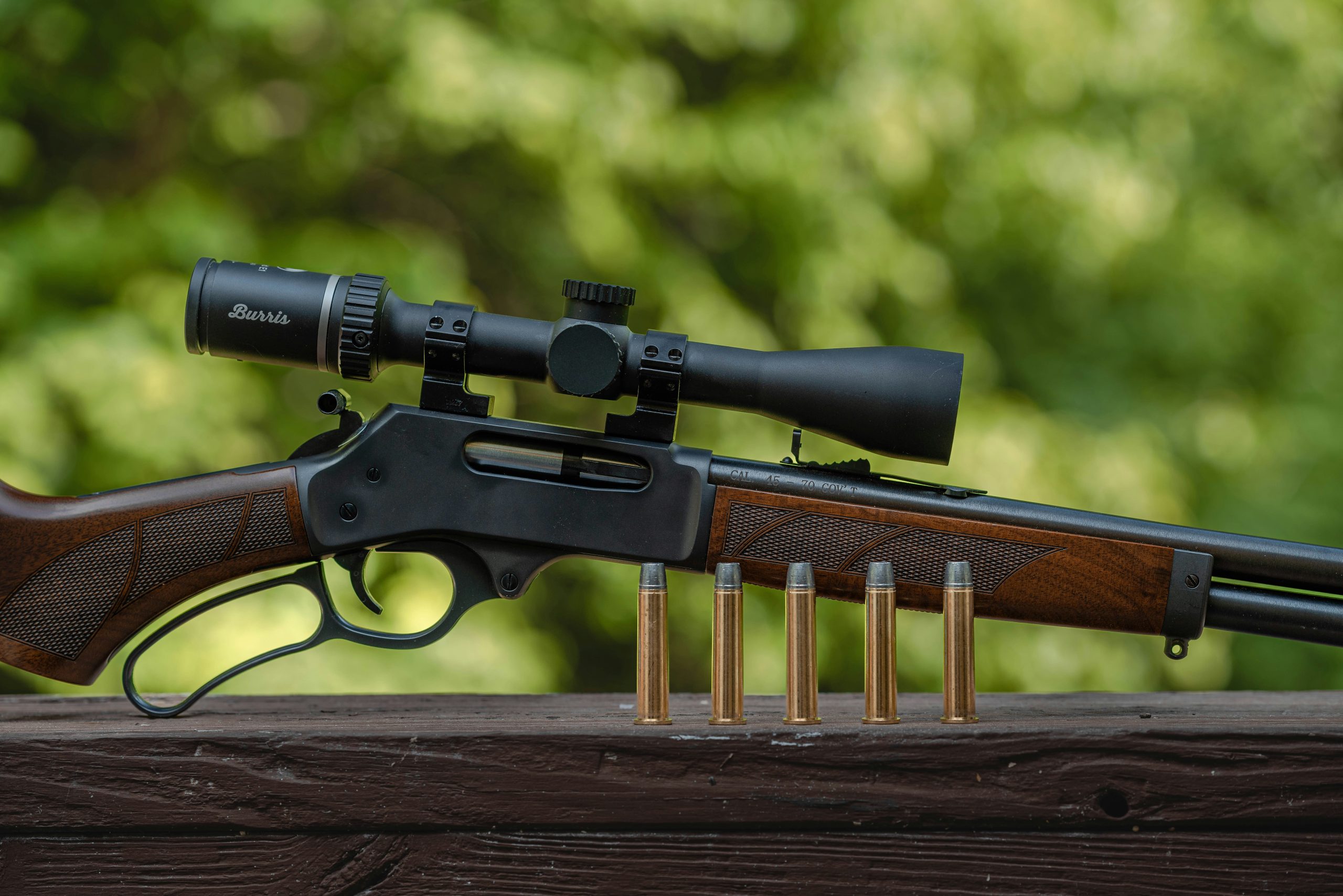
The military Model 1897 was a 12-gauge shotgun with a tubular magazine holding 5 shells, plus 1 chambered round, for a total capacity of 6. That capacity mattered in trench fighting, where engagements could become intensely close and chaotic within seconds. The short military barrel measured about 20 inches, making the gun handier than the longer hunting versions. Its compact form, substantial payload, and repeating action gave troops a weapon built around speed and close-range firepower. Those figures explain much of its appeal in cramped fighting.
3. Its Slam-Fire Action Was Unusual
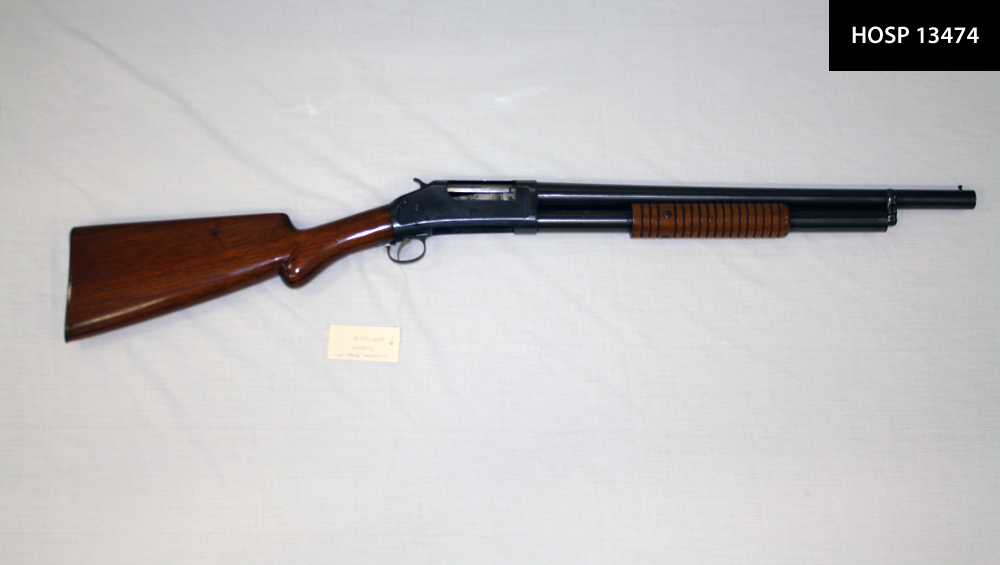
One of the Model 1897’s most famous mechanical traits was its lack of a trigger disconnector. With the trigger held back, cycling the action could fire the next chambered shell as the action closed. This became known as slam firing and could produce an unusually rapid sequence of shots in trained hands. The feature was not a special wartime modification; it came from the original design. In a confined trench, that ability helped explain why German observers viewed the American shotgun as an especially formidable weapon. Its 6-round capacity made the characteristic even more notable.
4. The Trench Version Was Heavily Modified
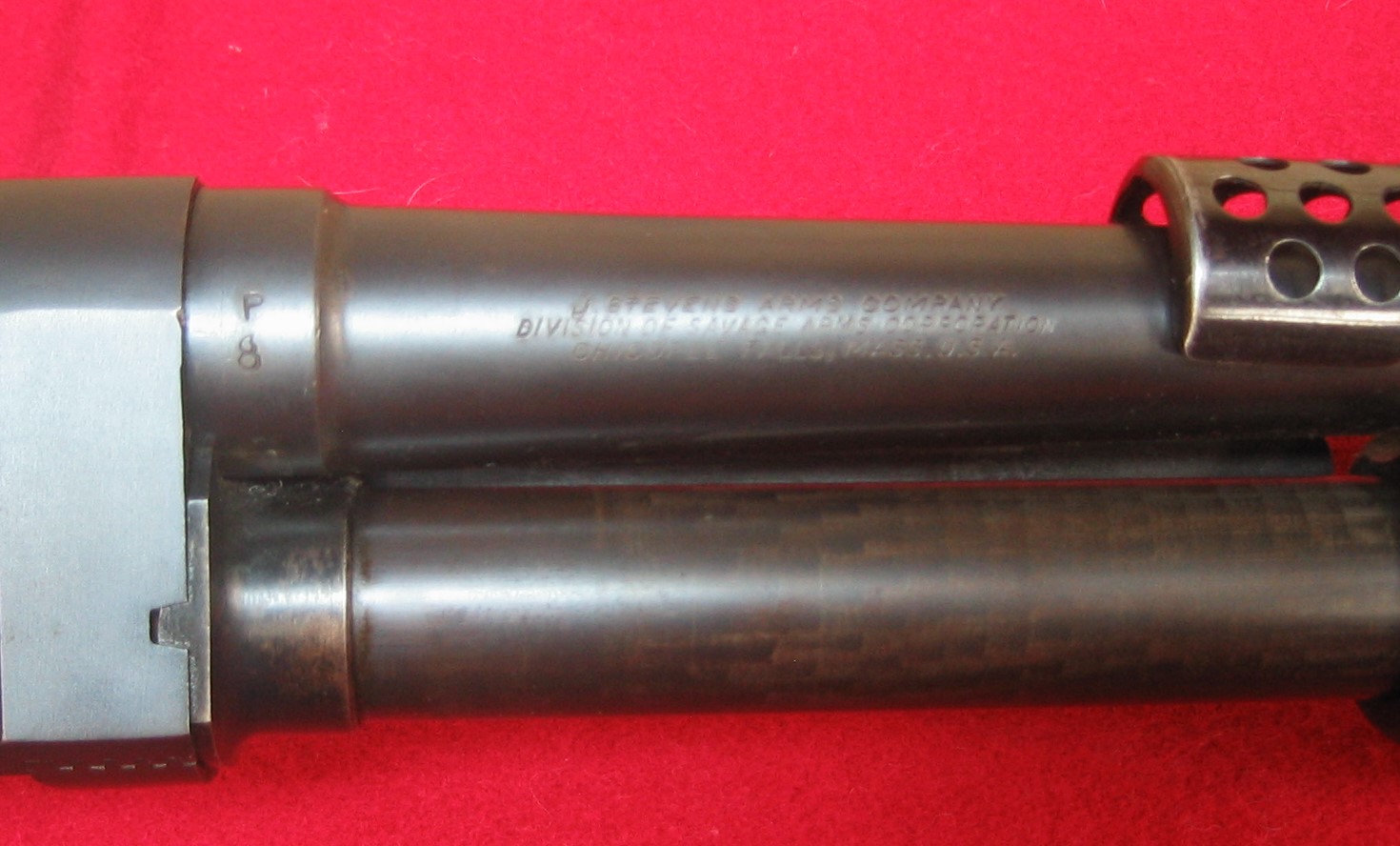
The military did not simply take a hunting shotgun and send it overseas unchanged. The trench version received a 20-inch cylinder-bore barrel, a perforated steel heat shield, sling swivels, and a bayonet mounting system. The shield protected the shooter’s hands from a hot barrel during repeated firing, while the bayonet allowed the gun to remain useful in close physical fighting. These changes turned a sporting arm into a purpose-built military tool suited to the cramped, muddy conditions of Western Front trenches. The 12-gauge chambering remained central to its combat role.
5. It Fits the Geography of Trench Warfare
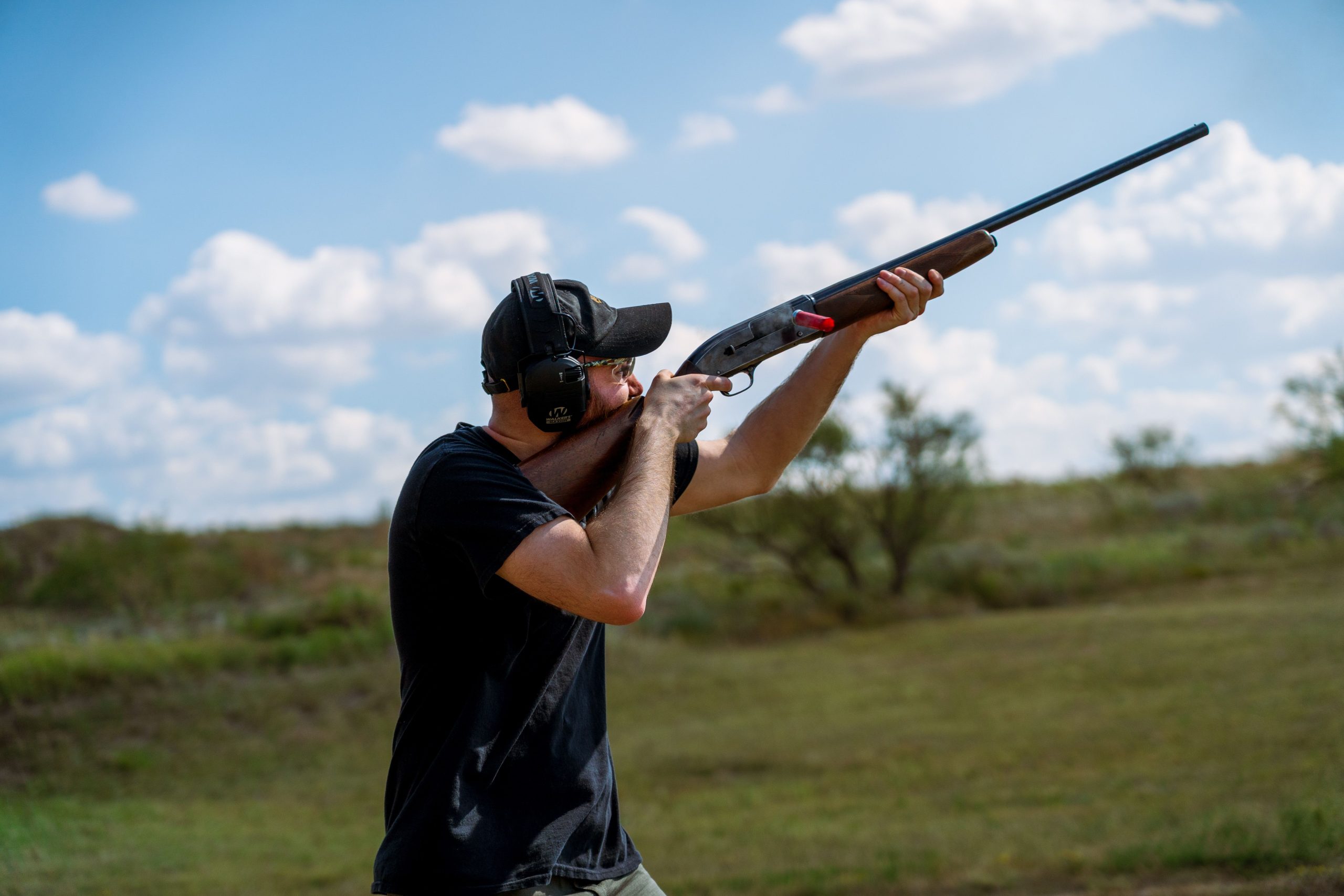
The Model 1897 made particular sense in a battlefield where soldiers sometimes fought at distances measured in yards rather than hundreds of yards. Trenches, dugouts, communication passages, and raids created situations where a conventional infantry rifle could be less convenient. The shotgun’s broad shot pattern gave it a strong close-range role, especially when confronting groups in confined spaces. U.S. units reported favorable results for scouting, patrols, and raids, helping establish the trench gun as a specialized rather than general-purpose infantry weapon.
6. Germany Filed a Formal Protest

The weapon became famous not only for its battlefield use but also for the diplomatic dispute surrounding it. In 1918, Germany protested American use of shotguns, arguing that their effects amounted to unnecessary suffering under the Hague rules. The United States rejected the complaint and maintained that the weapon was lawful. The dispute never produced a treaty banning shotguns in war. Germany’s threats against captured American personnel carrying the weapon were answered with a warning of retaliation, and the Model 1897 remained in service.
7. The Army Bought Thousands for World War I
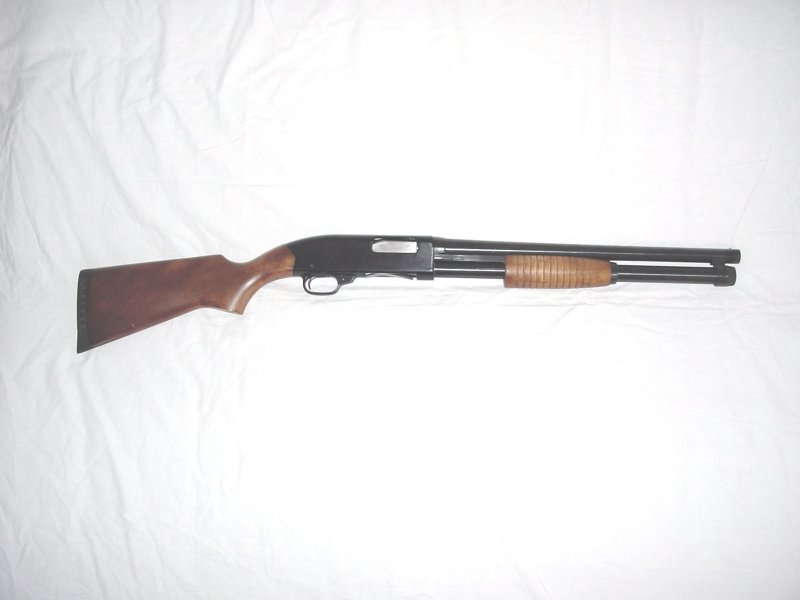
The Model 1897 was not a token experiment. During the First World War, the U.S. Ordnance Department procured roughly 25,000 Model 1897s for military use, including about 20,000 purpose-built trench guns and thousands of sporting models adapted for service. That figure shows how seriously American planners viewed the shotgun’s value in close combat. Several infantry divisions received trench guns, and favorable field reports reinforced the idea that a repeating shotgun had a legitimate role alongside rifles, machine guns, and grenades. Its wartime numbers were substantial for a specialist arm.
8. Ammunition Had a Real Weakness
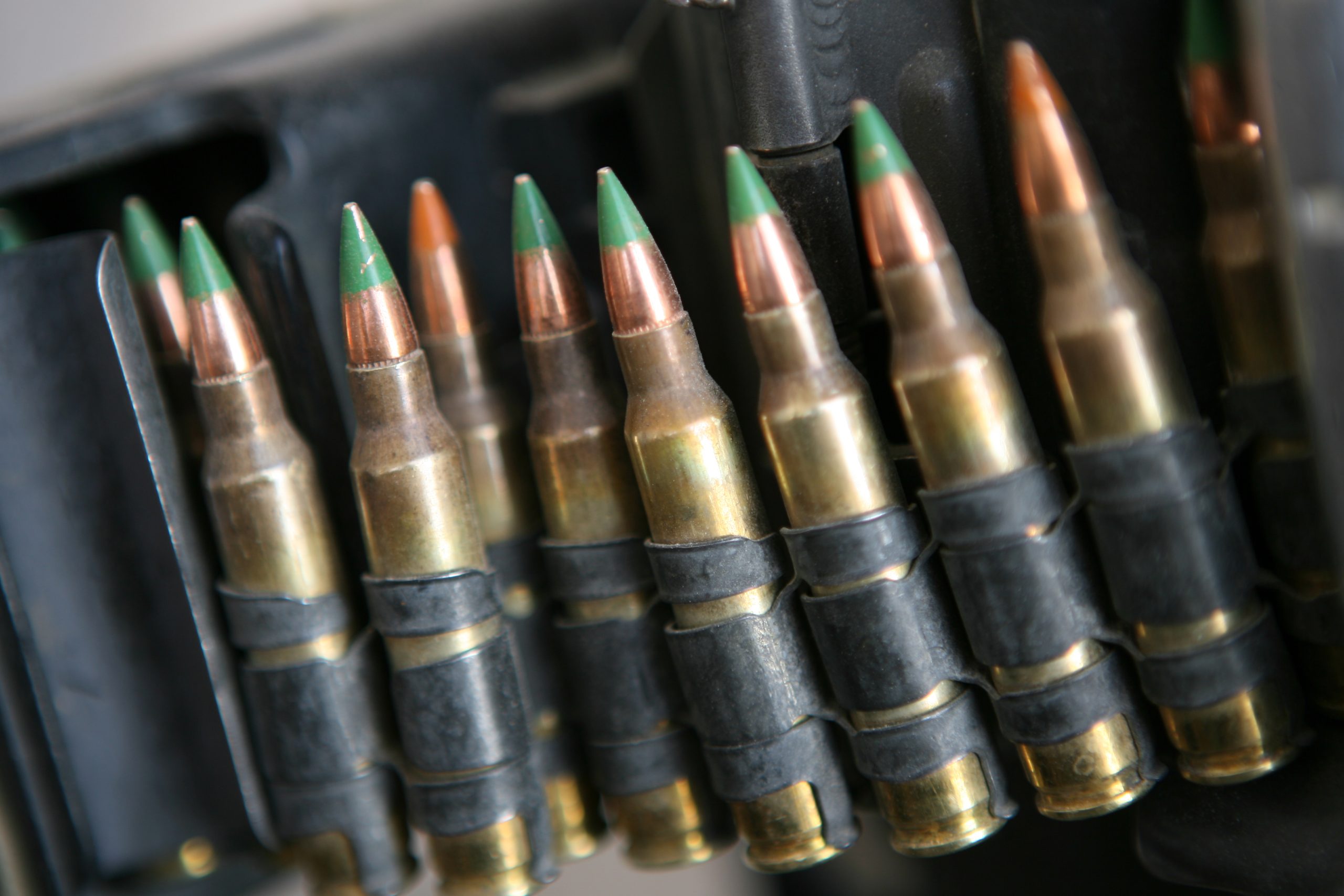
The Model 1897 was tough, but its ammunition was not always equally suited to trench conditions. Paper-cased shotgun shells could absorb moisture, swell, and become difficult or impossible to chamber or extract. Soldiers and testers also noted that carrying shotgun ammunition was less convenient than carrying rifle cartridges in standard equipment. These problems did not erase the weapon’s advantages, but they reveal an important truth about military history: battlefield effectiveness depends on the entire system, not simply the gun. Reliable ammunition was essential.
9. Its Reputation Outlived the Great War
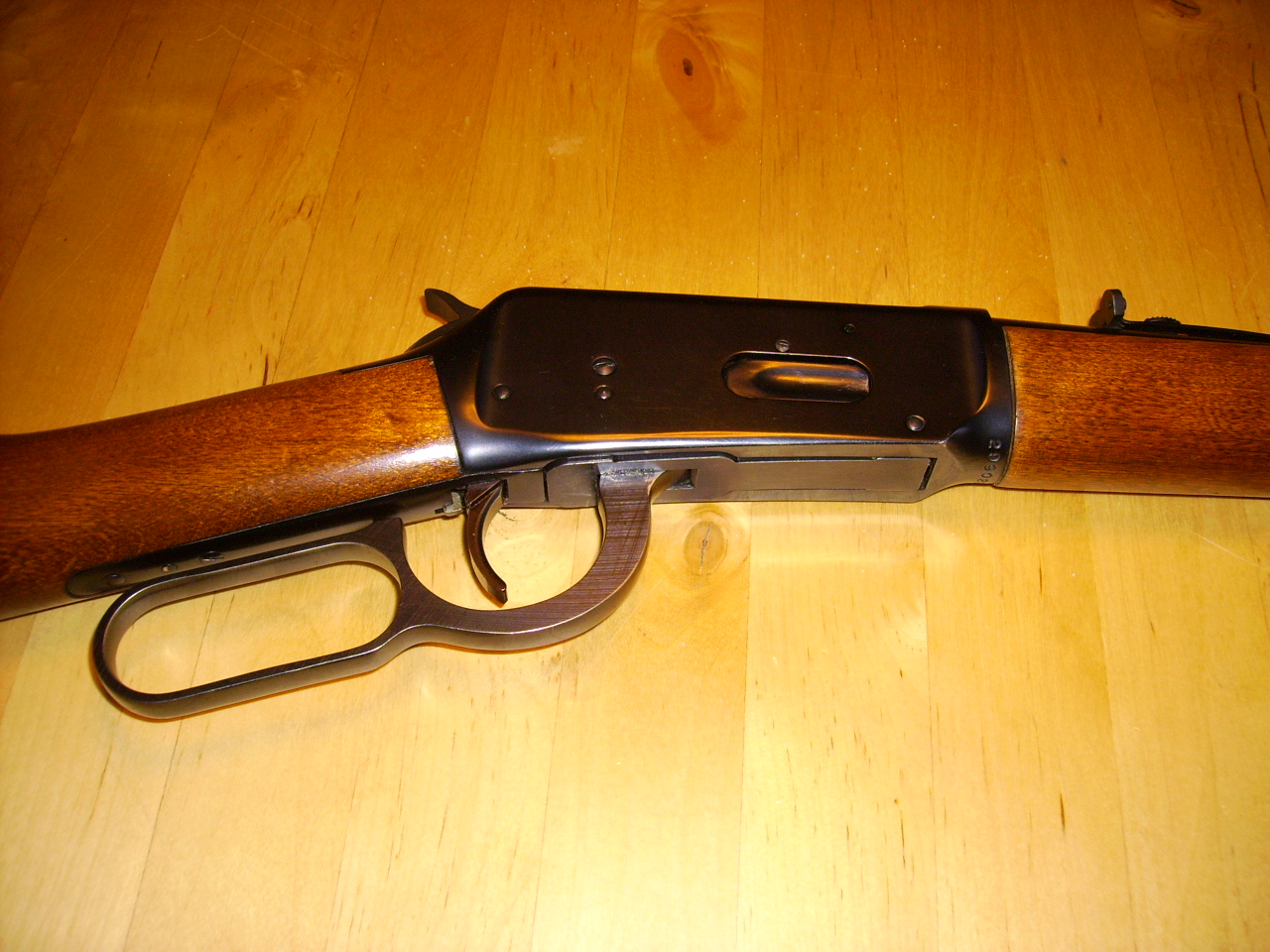
The Model 1897 did not disappear when the Armistice ended fighting in 1918. The design returned to American service during the Second World War, including use by the U.S. Army and Marine Corps. Military trench-gun versions were again produced, while older examples could also be reused. Production of the Model 1897 itself continued until 1957, by which point more than 1,000,000 examples had been made. Few military shotguns can match that combination of longevity, production scale, and historical recognition. Its service life stretched across 60 years of manufacture.
10. Its Legacy Is Bigger Than the “Trench Sweeper” Myth
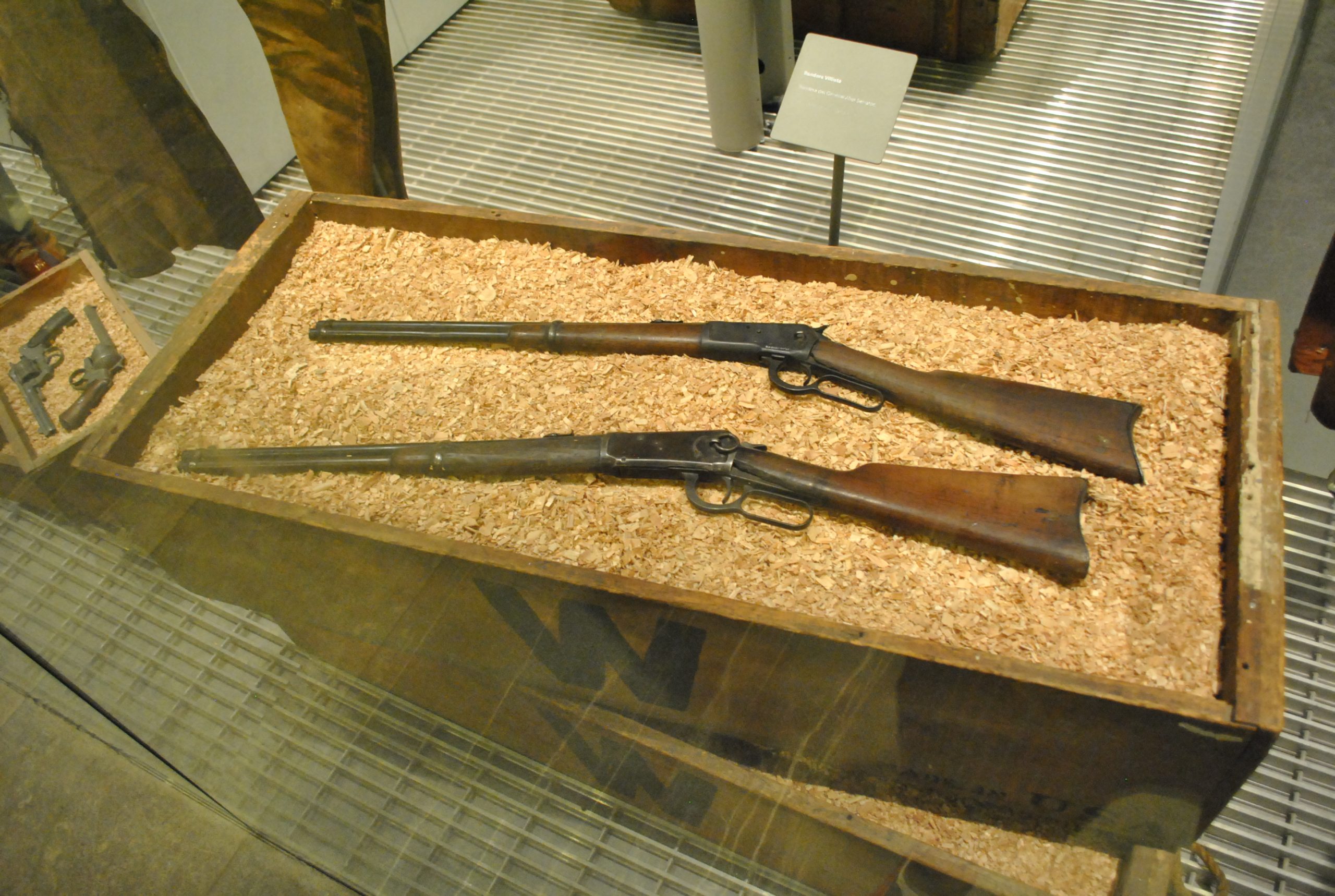
The Model 1897 deserves its reputation, but its history is broader than the dramatic nickname often attached to it. It began as a civilian pump shotgun, served hunters and police, became a specialized military arm, and returned to service decades after its introduction. Germany’s 1918 protest made it internationally famous, yet the weapon was never outlawed by treaty. Its real significance lies in how clearly it demonstrated the value of a repeating shotgun for specialized close-range combat, shaping American military shotgun doctrine for generations.