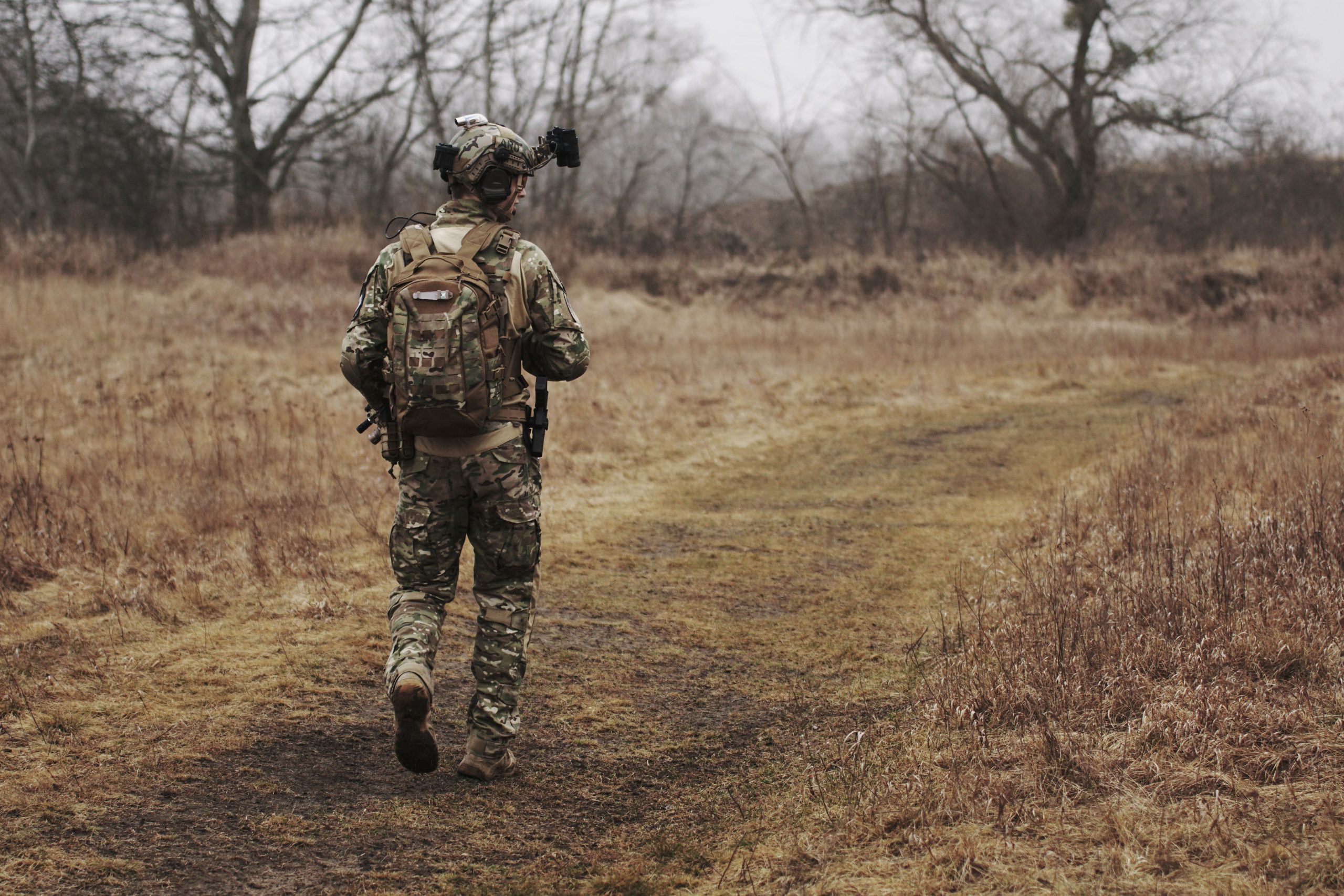
Military camouflage has always been a balancing act between experimentation and practicality. A pattern that works beautifully in a laboratory or a carefully chosen landscape can become a liability when soldiers move between forests, cities, deserts, and open fields. Over the decades, military designers have tested unusual color combinations, digital pixels, disruptive shapes, and highly specialized prints, only to replace some of them after their limitations became apparent. These 9 patterns reveal how changing technology, operational experience, and manufacturing costs shaped the uniforms armies eventually chose to leave behind.
1. U.S. Army Universal Camouflage Pattern
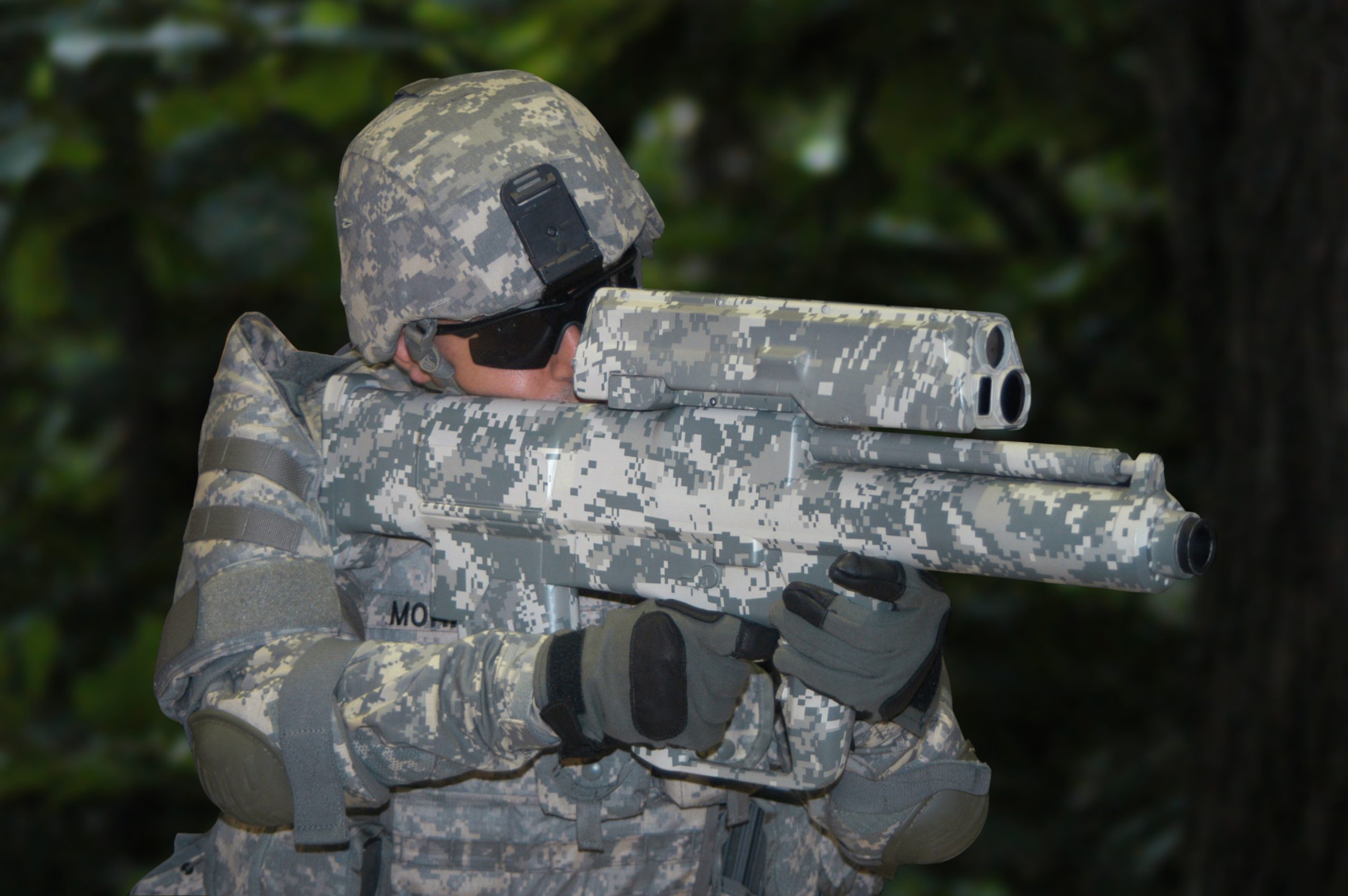
Introduced with the Army Combat Uniform in 2005, the Universal Camouflage Pattern used small digital blocks in gray, tan, and muted green. Its goal was to provide one design for several environments, reducing the need for separate uniforms. However, the pattern struggled to blend naturally into many landscapes, particularly dense greenery. After years of criticism and field experience, the Army began replacing it with Operational Camouflage Pattern uniforms in 2015. The experiment demonstrated that a universal design could simplify logistics without necessarily providing reliable concealment everywhere soldiers operated.
2. U.S. Marine Corps Desert MARPAT Experiment
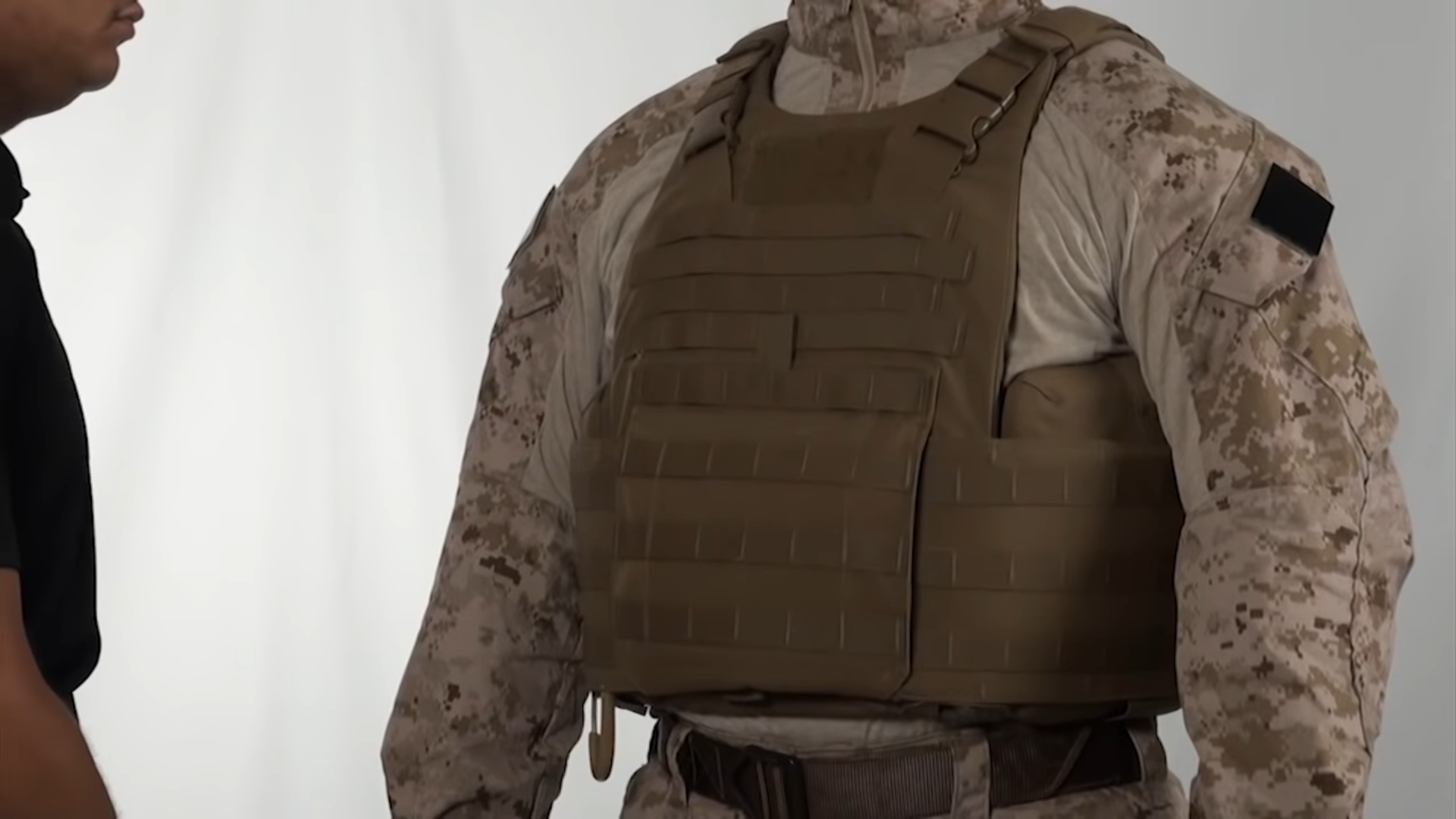
The Marine Corps introduced MARPAT in 2002, developing digital camouflage in woodland and desert versions. The desert pattern itself was not abandoned, but its broader lesson came from the limits of using specialized camouflage outside its intended surroundings. Its tan and brown pixels were designed for arid terrain, where they could break up a uniform’s outline against sand, rocks, and dry vegetation. In greener environments, those same colors could stand out. The Marines retained separate woodland and desert designs, illustrating why a single pattern cannot perform equally well across every landscape.
3. U.S. Army Desert Battle Dress Uniform
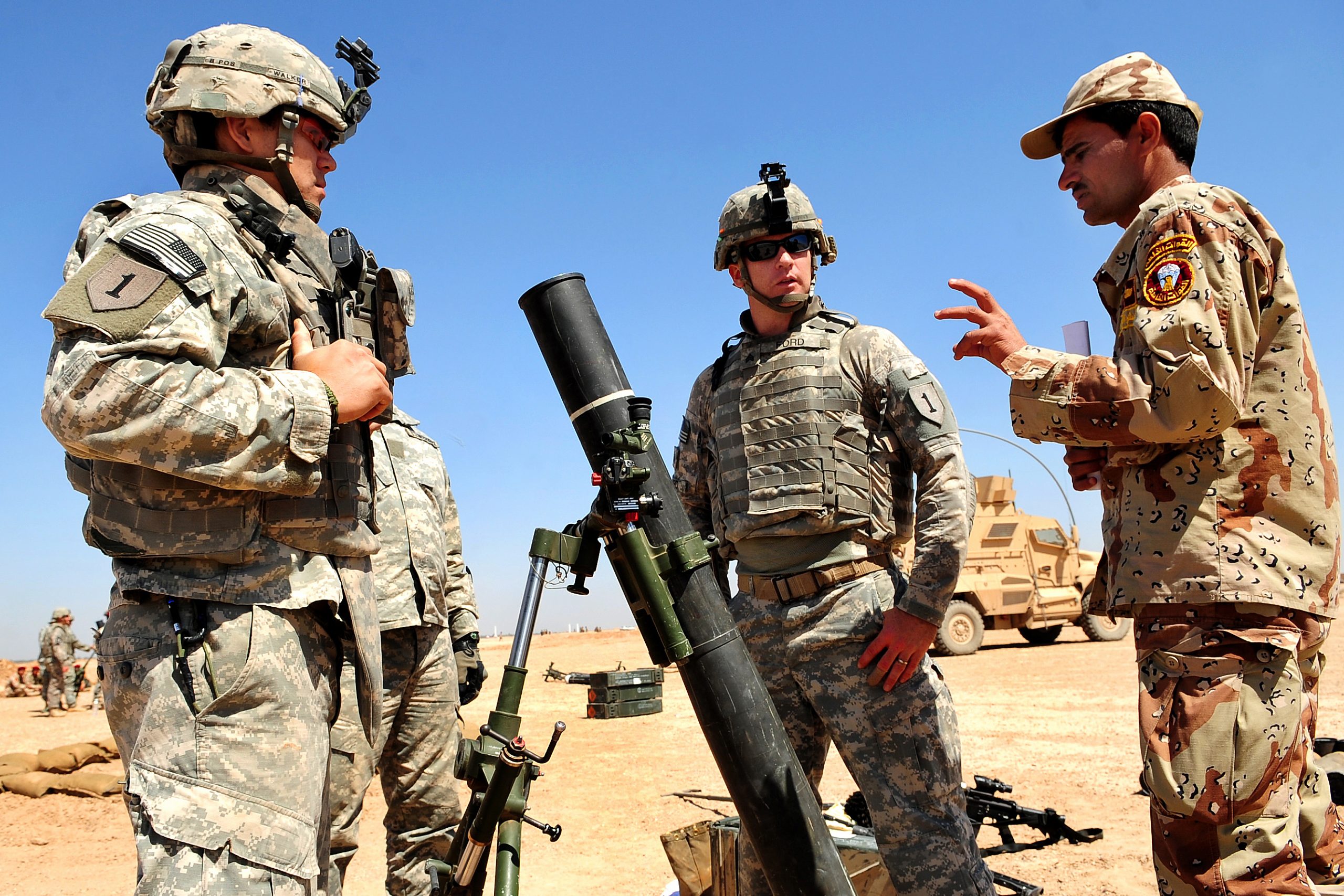
The Desert Battle Dress Uniform, commonly recognized by its three-color desert pattern, became familiar during the 1991 Gulf War. Its broad tan, brown, and pale shapes were designed for arid terrain rather than the full range of environments encountered by deployed troops. As military operations evolved, newer desert patterns offered different combinations of colors and shapes intended to suit changing landscapes. The older uniform was eventually phased out of regular Army use. Its history shows that even a widely recognized design can become outdated when operational requirements change, and newer alternatives are introduced.
4. U.S. Army Desert Camouflage Uniform
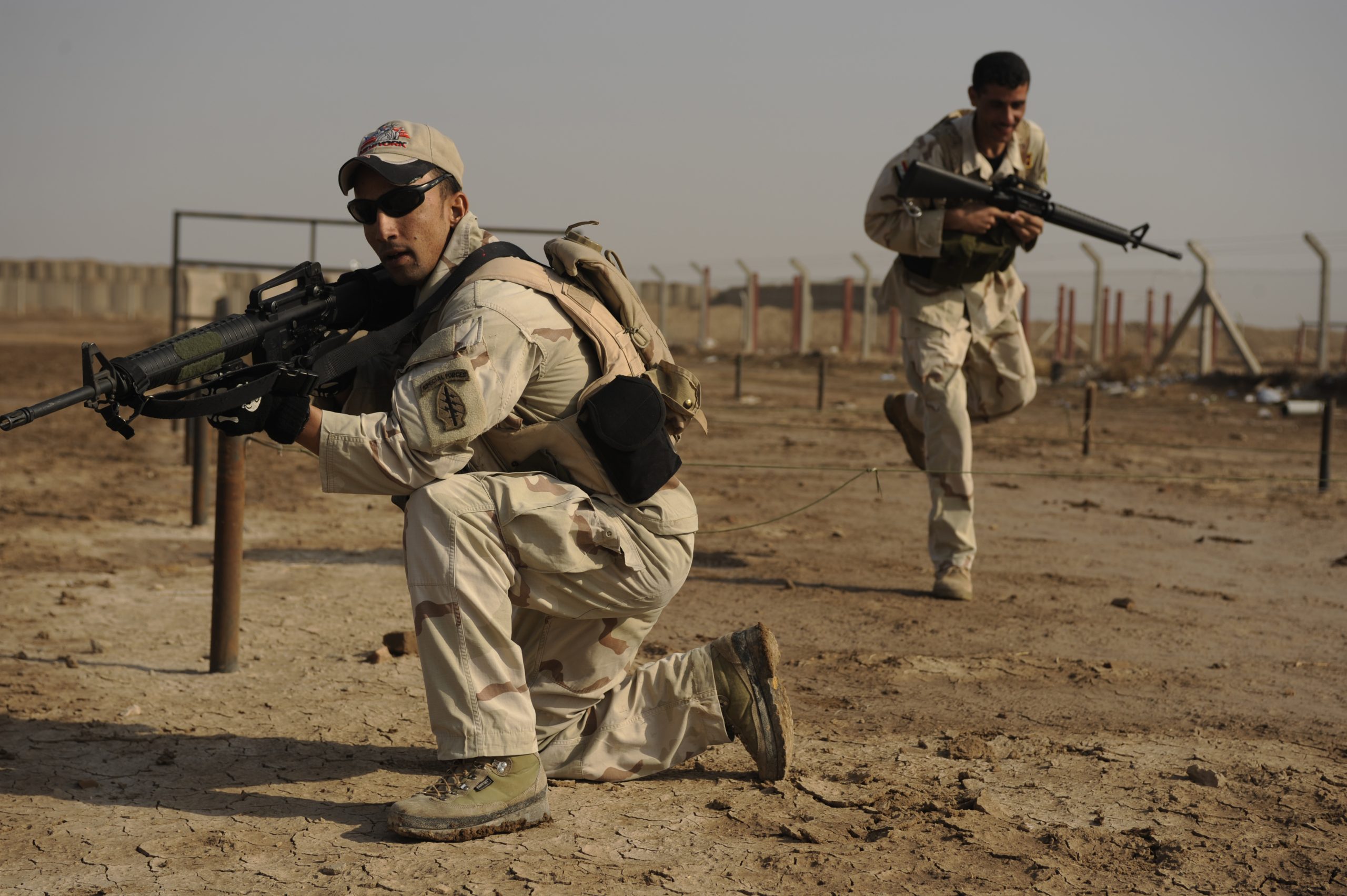
The Desert Camouflage Uniform, often called the six-color desert pattern, was developed during the 1980s and used six colors to create a distinctive rocky-desert appearance. Its nickname, “chocolate chip,” came from the dark spots scattered across a pale background. The design appeared during the 1991 Gulf War but was subsequently replaced by the three-color Desert Battle Dress Uniform for general desert operations. The pattern’s visual character made it memorable, yet its specialized appearance limited its suitability for other surroundings. Its retirement highlighted the military’s continuing search for adaptable, practical uniform designs.
5. U.S. Army Woodland Battle Dress Uniform
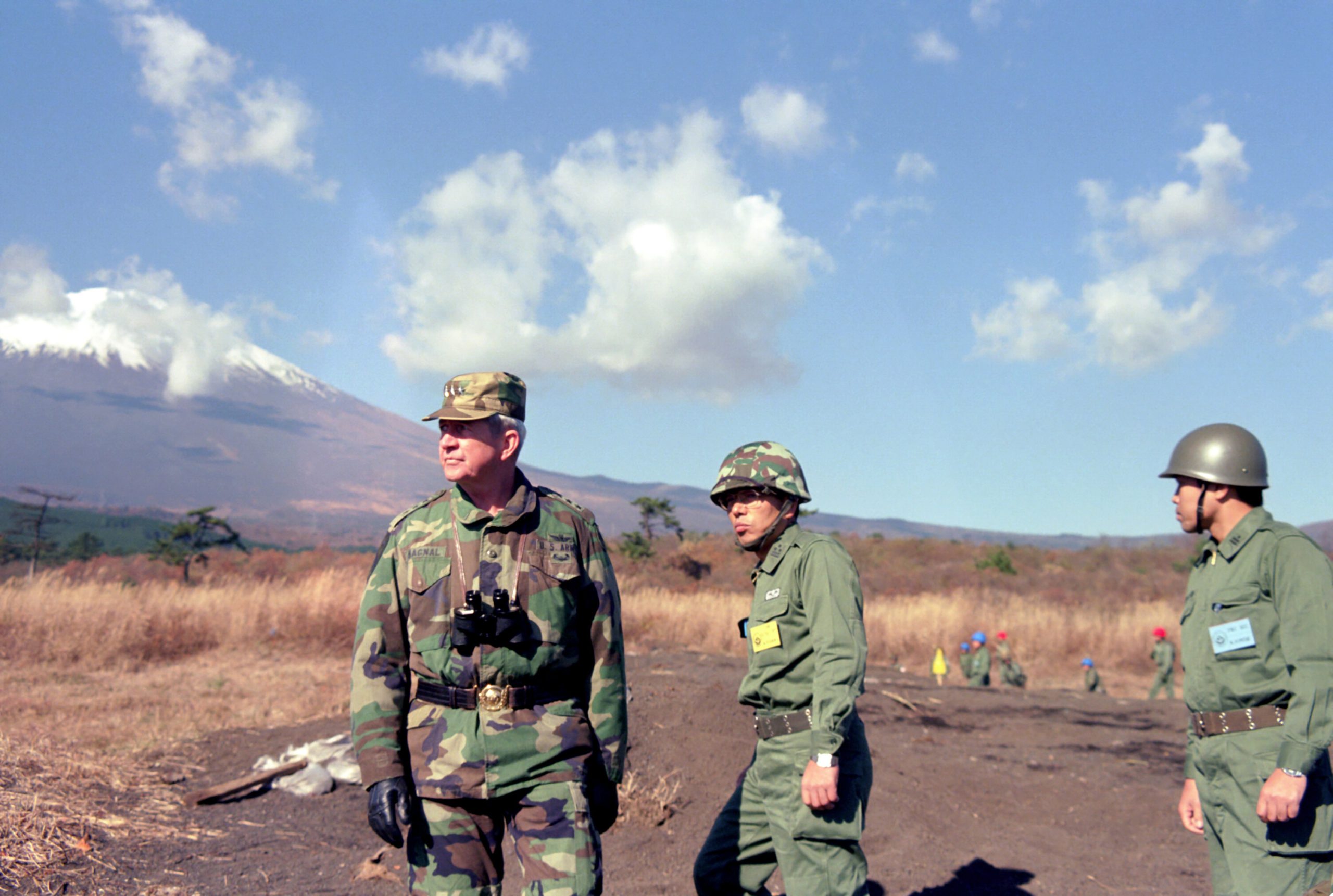
Introduced in the 1980s, the Woodland Battle Dress Uniform used large, irregular areas of green, brown, black, and tan to disrupt the wearer’s outline in vegetated terrain. It became one of the most recognizable military camouflage designs of its era. However, its effectiveness depended heavily on the environment, and its colors were poorly suited to many sandy or arid landscapes. The Army moved away from the uniform as it adopted newer combat clothing systems during the 2000s. Although the pattern disappeared from standard Army issue, its influence remains visible in military surplus clothing and civilian outdoor apparel.
6. British Disruptive Pattern Material

Britain’s Disruptive Pattern Material, widely known as DPM, became a defining feature of British military clothing from the 1960s onward. Its irregular green, brown, and black shapes were intended to break up the body’s outline in woodland and other vegetated environments. Different versions appeared for different climates, including desert operations, so DPM was never one completely uniform design. Britain began replacing its traditional patterns with Multi-Terrain Pattern clothing from around 2010. The transition reflected a desire for improved performance across varied operational settings, although DPM continued to appear in legacy stocks and other military organizations.
7. Canadian CADPAT Woodland Camouflage
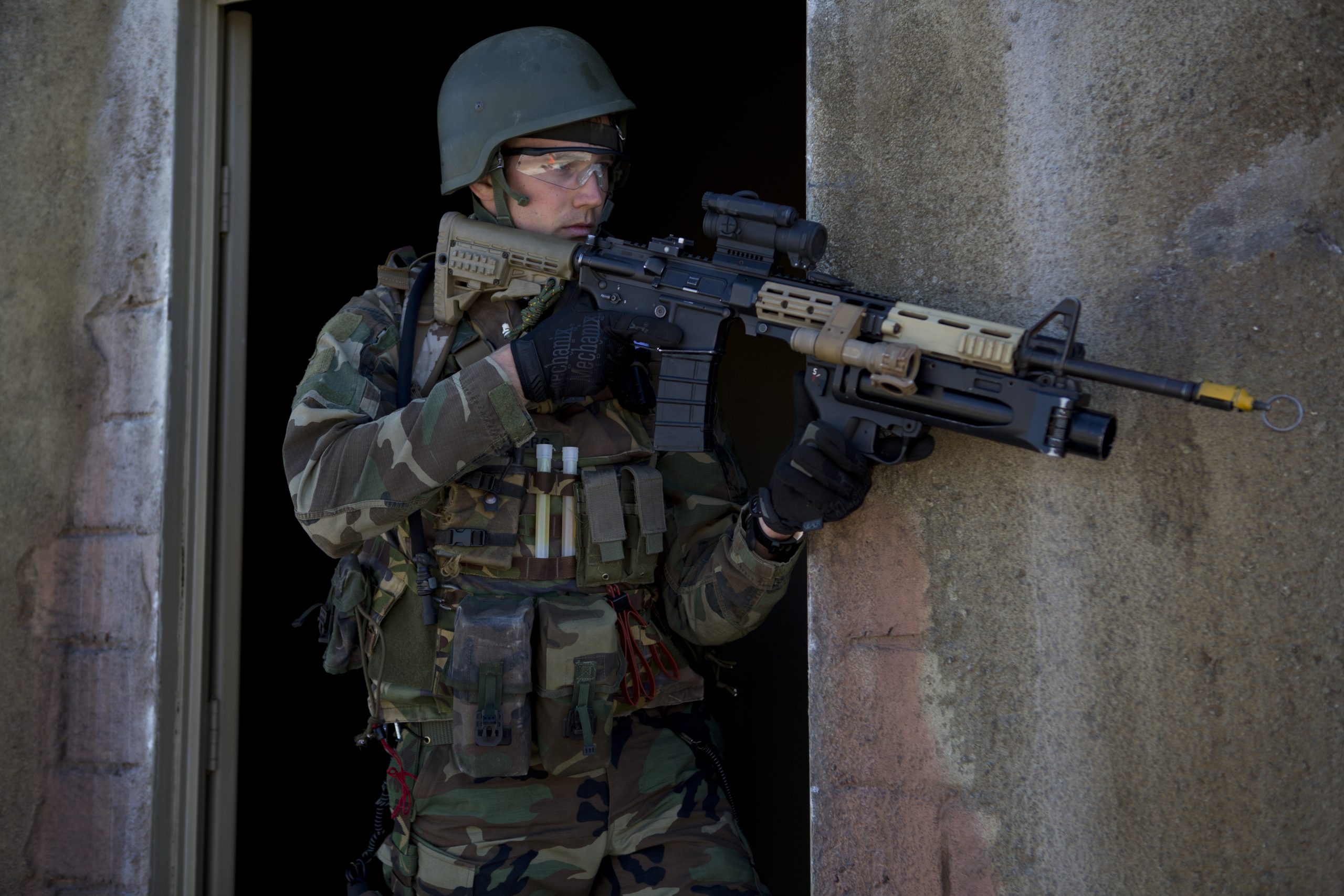
Canada introduced CADPAT in the late 1990s, using digital pixels to create a modern camouflage design. The woodland version was developed for Canadian landscapes, where its mixture of green, brown, and darker tones could help disrupt a soldier’s outline. It became an important example of digitally designed military clothing, influencing interest in pixel-based patterns elsewhere. However, its specialized woodland version was not intended to replace every climate-specific uniform. Canadian forces subsequently developed additional variants, including designs for arid environments. The woodland pattern itself was not simply discarded; rather, the experience demonstrated the value of tailoring camouflage to different operating conditions.
8. U.S. Navy Working Uniform Type I

The U.S. Navy introduced Working Uniform Type I in 2008, featuring a blue-gray digital pattern that looked distinctive but proved controversial. Its colors were designed partly around a common uniform appearance rather than effective concealment in every setting. Critics also questioned its usefulness during emergencies aboard ships, where blending into blue or gray surroundings offered little practical advantage. The Navy announced its retirement in 2016, with replacement uniforms introduced in the following years. The episode became a notable reminder that military clothing must serve practical safety and operational needs, not simply provide a modern appearance or a consistent visual identity.
9. Russian EMR Digital Camouflage
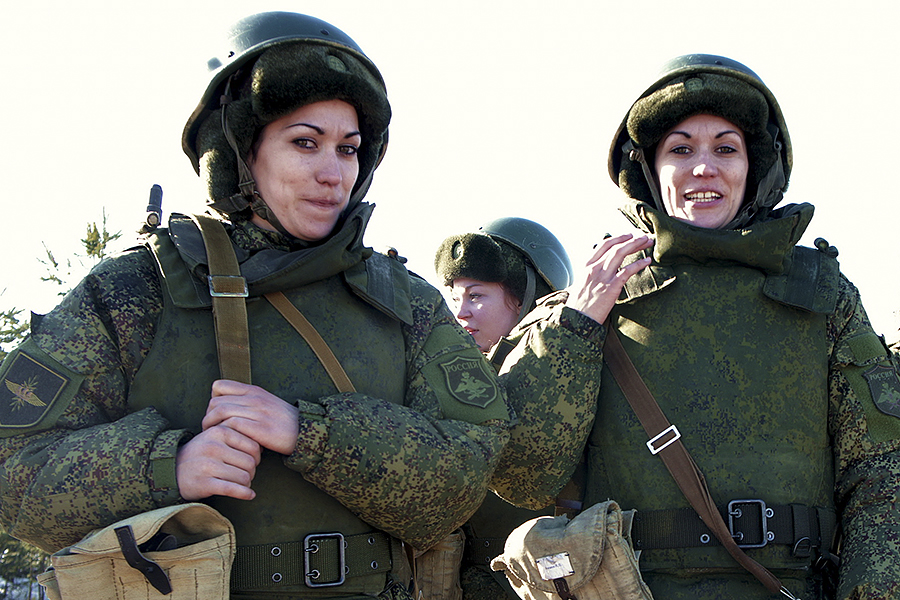
Russia adopted the digital-pattern family known as EMR, often called “Digital Flora,” during the 2000s and expanded its use across military clothing. The design used small, pixel-like marks and green-dominant colors suited to many vegetated environments. Over time, Russian forces also used other patterns and uniform variations, reflecting different procurement decisions and operational requirements. EMR was not abandoned across the entire military in one clearly defined transition; its continued appearance varies by unit, clothing supply, and context. Its history illustrates how military camouflage changes through gradual replacement and overlapping equipment systems rather than a single universal retirement date.