A popular knife can earn a strong reputation for its design, durability, or everyday usefulness, yet still leave owners frustrated by certain details. A handle may feel uncomfortable during extended use, a pocket clip may sit awkwardly, or a blade may demand more maintenance than expected. Even established manufacturers make compromises when balancing price, weight, materials, and appearance. These shortcomings do not automatically make a knife a poor purchase, but they can affect long-term satisfaction. Looking closely at 11 well-known models reveals why real-world ownership sometimes tells a more complicated story than a product’s reputation.
1. Benchmade Bugout

The Benchmade Bugout is popular among hikers and everyday carriers because its lightweight construction makes it easy to carry for hours. Its original version weighs approximately 1.85 ounces and uses a blade around 3.24 inches long. However, the emphasis on low weight creates trade-offs. Some owners find the Grivory handle scales less substantial than those on heavier folders, particularly when applying pressure during demanding tasks. Handle flex can also concern users accustomed to rigid metal construction. The Bugout remains practical for light cutting, but its premium price can make these compromises harder to accept.
2. Spyderco Para Military 2
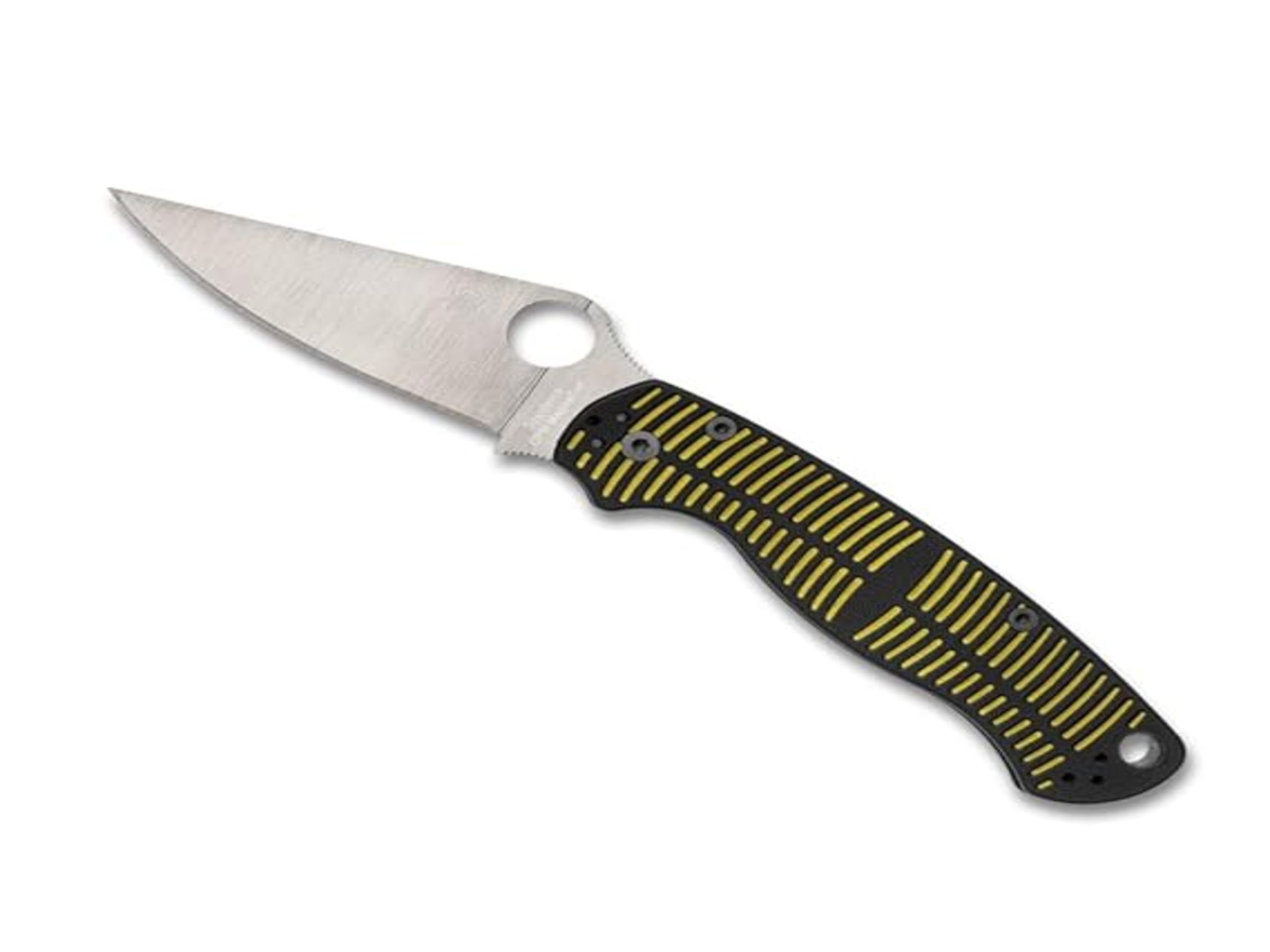
The Spyderco Para Military 2 has earned a loyal following for its blade geometry, compression lock, and ergonomic handle. Its blade measures approximately 3.44 inches, giving it useful reach for everyday cutting. However, its broad handle and distinctive opening hole create a pocket profile that some owners consider bulky. The exposed blade shape can also make sharpening less straightforward for beginners, especially when maintaining the original edge geometry. Depending on the steel and cutting conditions, maintenance needs vary. For users prioritizing discreet carry, its size and pocket presence can outweigh its excellent cutting performance.
3. Cold Steel Recon 1
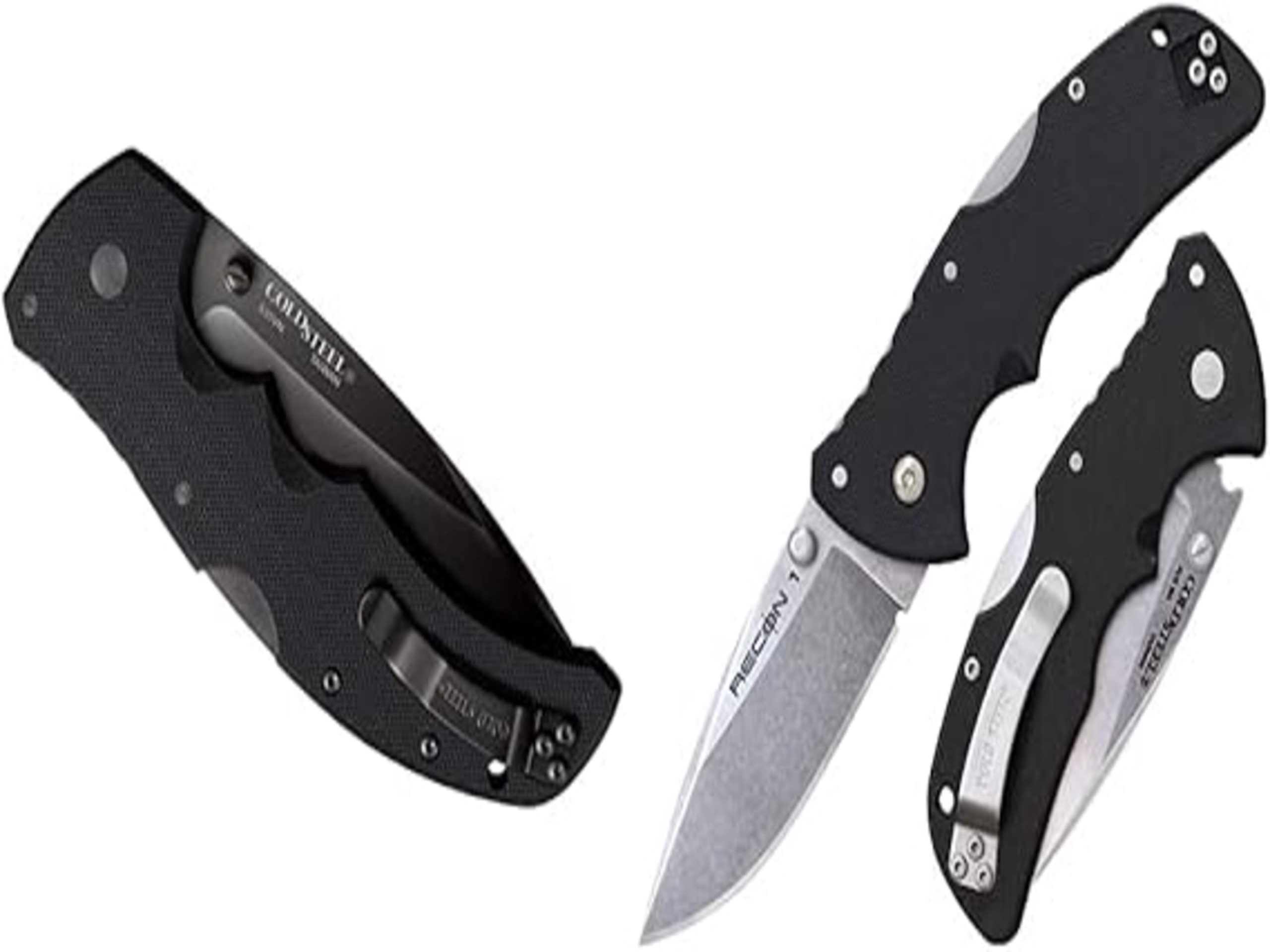
The Cold Steel Recon 1 is known for its sturdy construction and Tri-Ad locking mechanism. Depending on the version, its blade measures around 4 inches, making it larger than many conventional everyday folders. That extra size is useful for demanding cutting jobs, but it can become inconvenient during routine carry. Some owners find the handle overly long or the pocket clip uncomfortable against clothing. The lock may also feel stiff when new, requiring familiarization before operation becomes comfortable. The Recon 1 suits users who value a robust design, although its substantial dimensions are not ideal for everyone.
4. Kershaw Leek

The Kershaw Leek combines a slim profile with a blade approximately 3 inches long and an assisted-opening mechanism. Its narrow shape makes it easy to carry, but the slim blade and handle can feel less reassuring to users who prefer thicker, more substantial folders. The assisted mechanism also introduces moving parts that require appropriate cleaning and maintenance. Another common concern is the relatively pointed blade, which may be less forgiving during careless handling. Depending on the version, steel and finish differ, so corrosion resistance is not identical across the range. Its sleek design involves practical compromises.
5. Ontario RAT Model 1

The Ontario RAT Model 1 became popular for offering useful ergonomics and solid everyday performance at a relatively accessible price. Its blade is approximately 3.6 inches long, and the full-size handle accommodates a range of hand sizes. However, its overall dimensions make it less compact than many modern pocket knives. Some owners also report that the factory edge needs refinement before it meets their expectations. Depending on the steel variant, edge retention and corrosion resistance can differ noticeably. The RAT Model 1 remains a practical value choice, but its size, finish, and initial sharpness may disappoint buyers expecting premium refinement.
6. Buck 110 Folding Hunter

The Buck 110 Folding Hunter is a classic design with a blade measuring approximately 3.75 inches. Its brass bolsters, wood-style handle scales, and lockback mechanism contribute to its traditional appeal. However, the original full-size model weighs around 7.2 ounces, which feels heavy compared with many contemporary folders. It also lacks the convenient pocket clip found on numerous modern designs, so owners often carry it in a belt sheath. The weight and traditional carry arrangement may frustrate users accustomed to lightweight knives. Its durability and heritage remain appealing, but everyday convenience is not its strongest feature.
7. CRKT Pilar
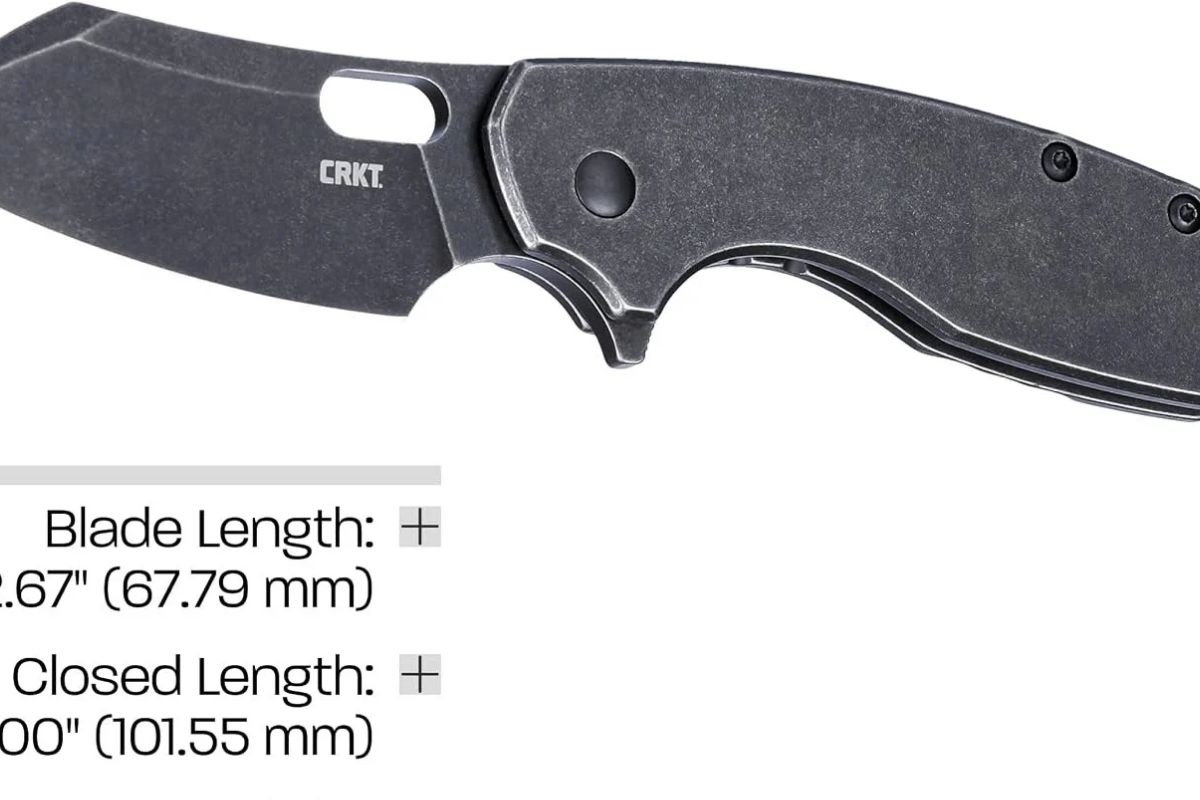
The CRKT Pilar stands out for its compact shape, broad blade profile, and distinctive opening hole. Depending on the version, the blade is approximately 2.4 to 2.7 inches long, making it manageable for small everyday cutting tasks. Its short cutting edge, however, limits its usefulness when working through larger materials. Some owners also find the handle cramped, particularly when they have larger hands or need a more extended grip. Steel selection varies by model, influencing edge retention and sharpening frequency. The Pilar’s compact design is its main attraction, but that same compactness restricts versatility.
8. Gerber Paraframe
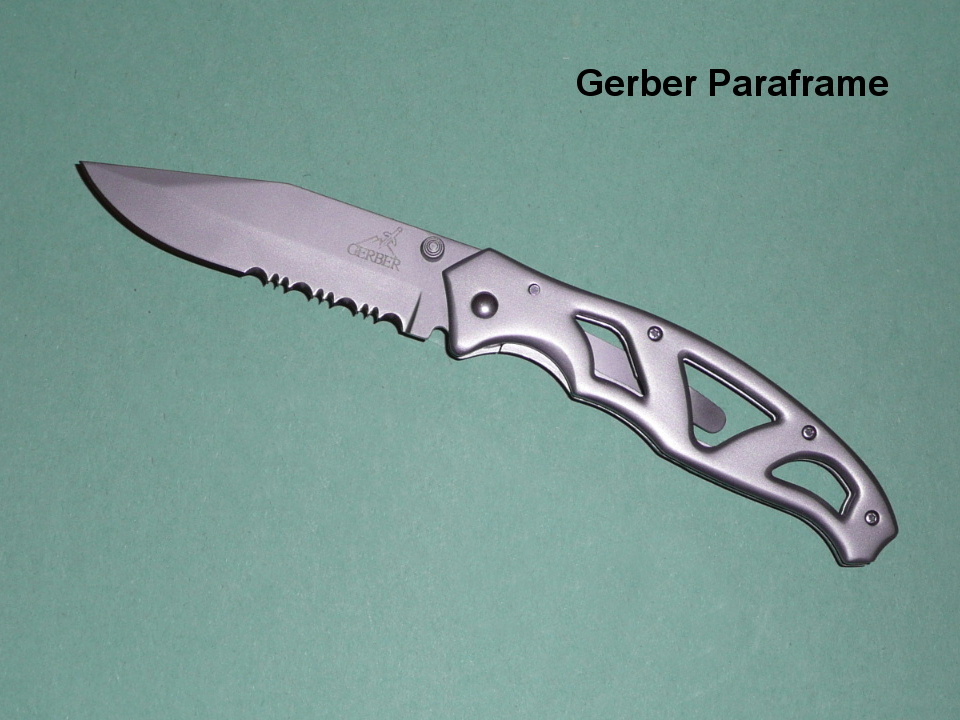
The Gerber Paraframe uses an open-frame metal handle that reduces material and gives the knife a distinctive appearance. Many versions feature a blade around 3 inches long, making them suitable for ordinary packaging and light cutting. However, the open construction can collect dirt and debris, while the thin metal handle may feel uncomfortable during prolonged use. Its relatively basic materials also mean it should not be judged by the standards of more expensive folders. Depending on the version, finish and edge performance can vary. The Paraframe is easy to carry, but its minimalist construction comes with noticeable compromises.
9. SOG Flash AT
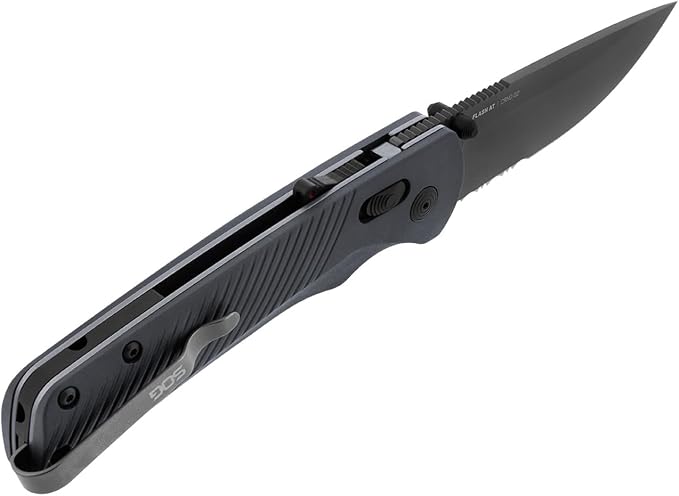
The SOG Flash AT offers assisted opening, a locking mechanism, and a blade measuring approximately 3.5 inches, depending on the version. These features make it appealing to users who want quick access to a practical everyday folder. However, the opening system adds complexity compared with a simple manual knife, and users must keep its mechanism clean and follow the manufacturer’s handling instructions. Some owners may also find the handle and pocket clip less comfortable than expected. Blade steel varies across versions, so edge retention and maintenance requirements differ. Its feature-rich design is convenient, but not every user needs that extra complexity.
10. Victorinox Swiss Army Huntsman
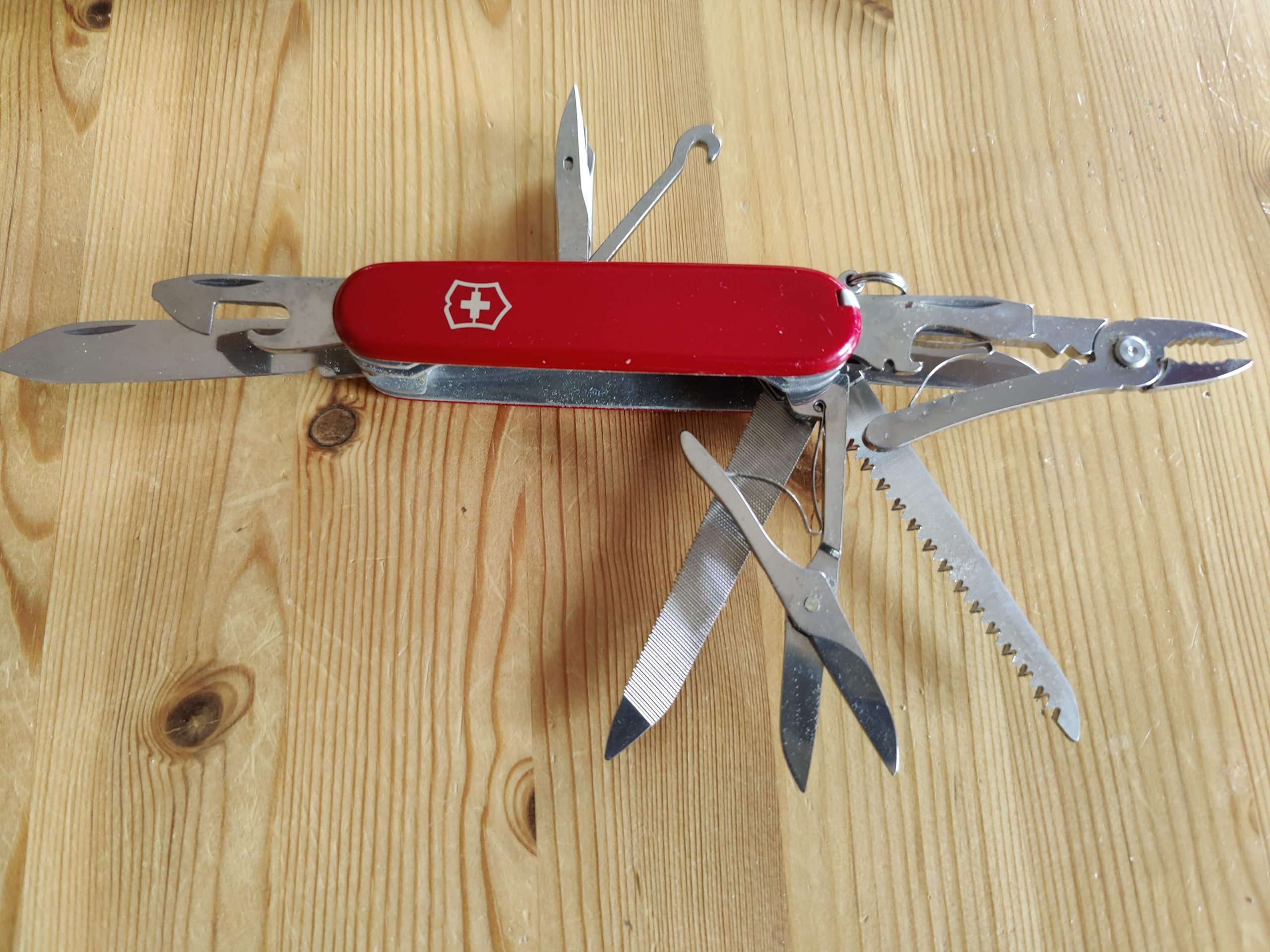
The Victorinox Huntsman packs 15 functions into a compact traditional design, including two blades, scissors, a saw, and several useful tools. Its versatility is impressive, but the layered construction can make individual tools harder to access when the knife is crowded with other items. The small blades also provide less cutting reach than a dedicated full-size folder. Because multiple tools share the same handle, opening one may require shifting fingers around neighboring implements. The Huntsman excels as a general-purpose companion, yet its compact tools and layered layout can feel limiting when a particular task demands a specialized implement.
11. ESEE-4

The ESEE-4 is a well-known outdoor knife with a blade approximately 4.5 inches long and a full-tang construction intended for demanding field use. Its sturdy build appeals to campers and outdoors enthusiasts, but it carries more weight and occupies more space than a small folding knife. The common 1095 carbon-steel version also requires attention to moisture because it can rust without suitable care. Its relatively thick blade is durable, although it may not slice as effortlessly as a thinner cutting design. The ESEE-4 is built for hard outdoor use, but its weight, corrosion concerns, and specialized carry needs deserve consideration.