Military weapons rarely disappear because engineers suddenly decide they are useless. More often, a promising design runs into one requirement it simply cannot satisfy. A weight limit, accuracy benchmark, reliability figure, ammunition problem, or comparative trial can turn years of development into a dead end. The following examples show how brutally decisive military testing can be. Some were genuinely flawed, while others were technically fascinating weapons that simply failed to deliver enough of an advantage when measured against the standard they were expected to replace.
1. EM-2: Accuracy Helped End Britain’s Bullpup Dream
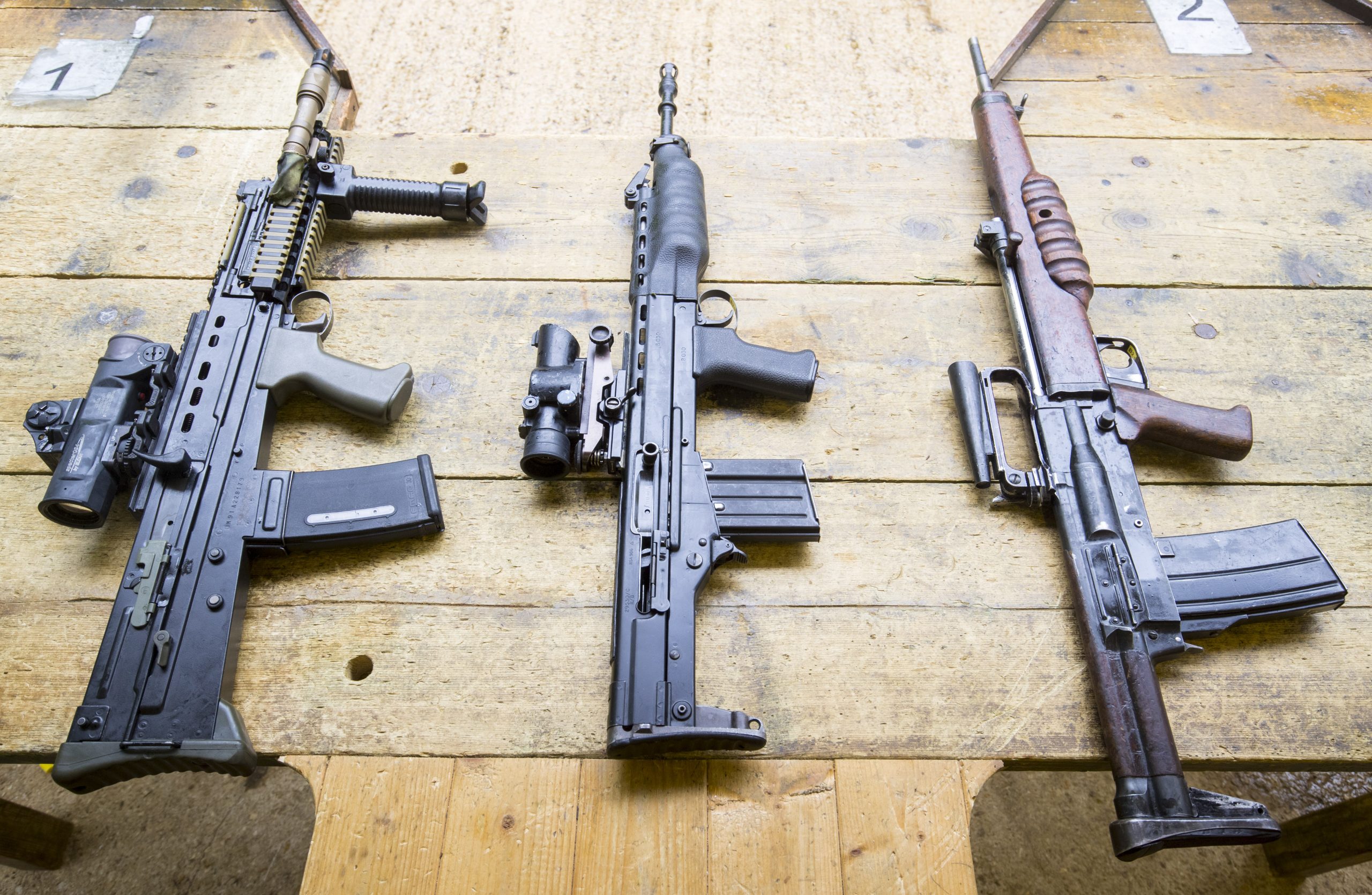
The British EM-2 looked remarkably futuristic when it emerged after World War II, combining a bullpup layout with an integral optical sight and a powerful intermediate cartridge. Yet its future was tied to changing requirements. During the early 1950s, the design faced accuracy and standardization considerations while Britain moved toward the NATO 7.62×51mm cartridge. The EM-2 had been developed around the .280 British concept, and its configuration no longer fit the direction Britain ultimately chose. In effect, one major requirement change undermined an otherwise advanced rifle. The EM-2 was adopted briefly in 1951, but the decision was reversed, leaving only about 1 year of official adoption.
2. Simpson Light Rifle: The Scale Delivered the Verdict
Springfield Armory’s Simpson light rifle was an experimental answer to America’s search for a lighter military arm during the 1941 light-rifle trials. Its blowback mechanism made it interesting from an engineering standpoint, but the numbers immediately created a problem. The rifle weighed approximately 6 pounds 10 ounces with its magazine, while the requirement called for a maximum of 5 pounds. That was not a minor difference that could easily be ignored. Designers also believed the construction offered little realistic opportunity for removing enough weight. Consequently, the Simpson was rejected before becoming a serious contender, demonstrating how one measurable specification can eliminate an otherwise worthwhile experiment.
3. White Automatic Rifle: It Lost Before the Firing Stage
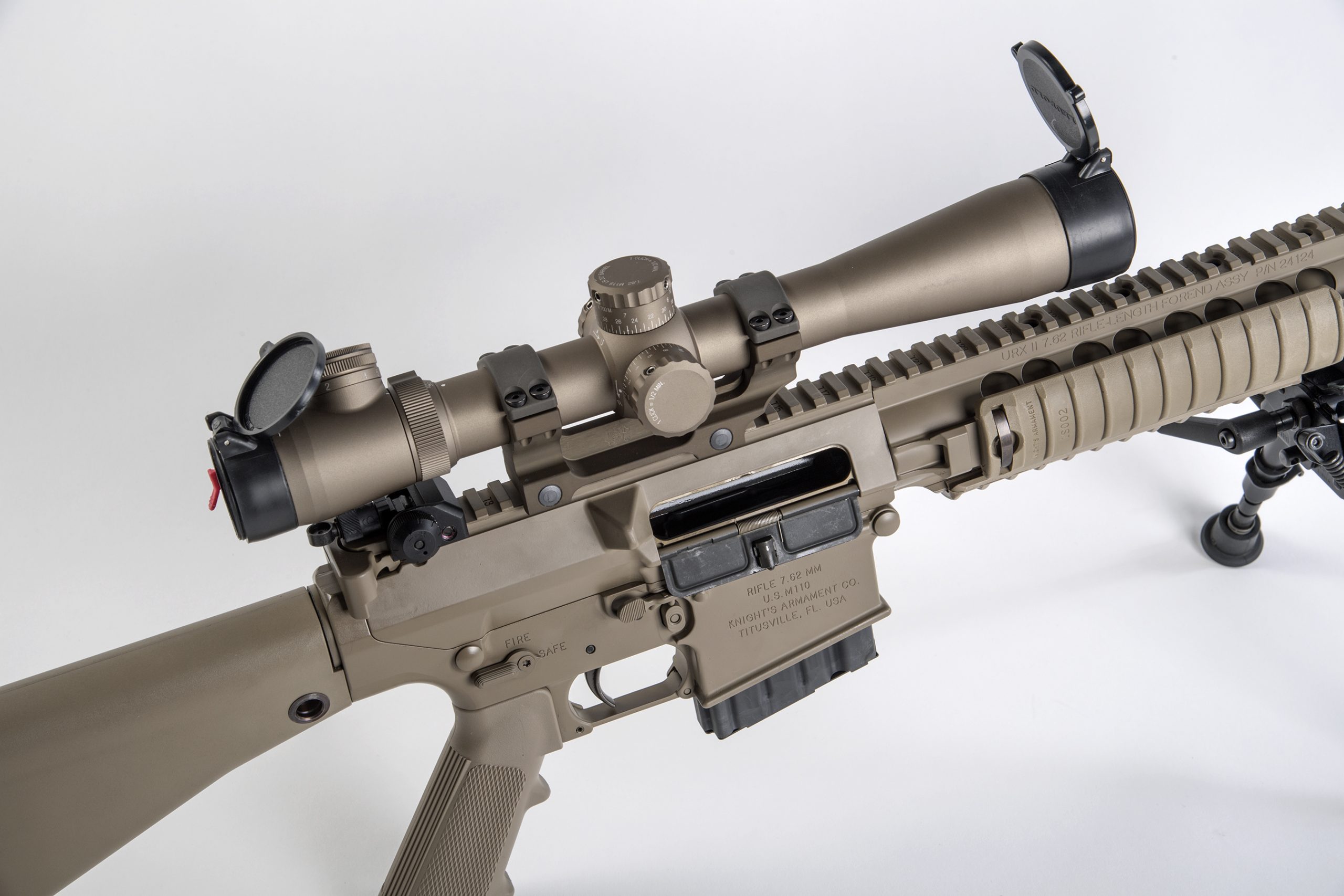
The White Automatic Gun Corporation submitted a gas-operated rifle for the 1941 U.S. light-rifle competition, but its prototype never received the chance to impress evaluators through a full trial. The reason was remarkably simple: caliber. The submitted weapon was chambered for .276, while the competition required another cartridge specification. Because military procurement tests are built around predetermined requirements, an otherwise interesting action could not compensate for missing such a basic condition. The rifle was therefore rejected before testing commenced. Its story is a useful reminder that military trials are not popularity contests. A technically clever weapon can be eliminated without a single endurance test if its fundamental specifications are wrong.
4. Auto-Ordnance Light Rifle: Endurance Was the Weak Link
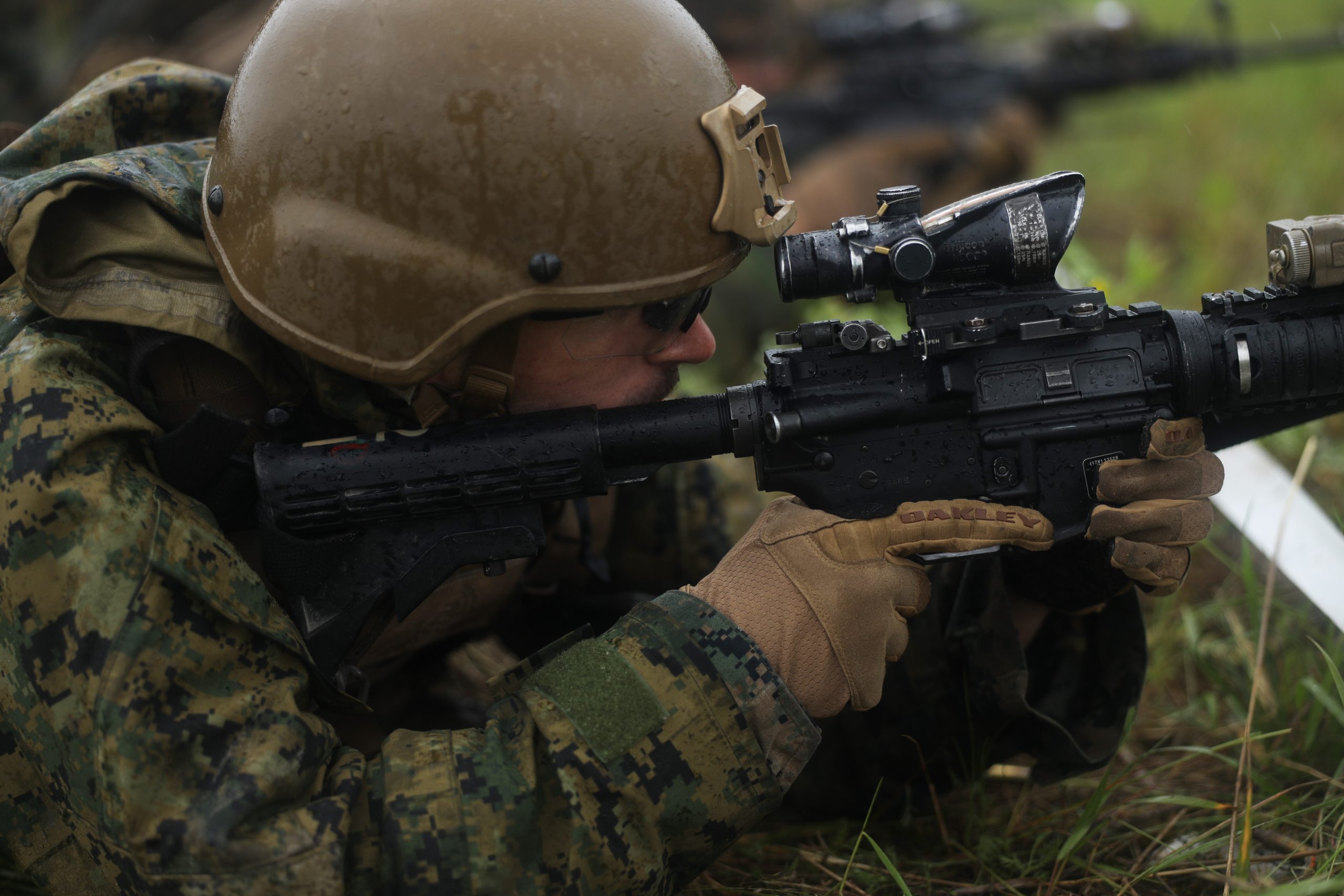
Auto-Ordnance entered a lightweight rifle in the U.S. preliminary trials of 1941, hoping its compact design would meet the Army’s demand for a handy service weapon. The prototype had one obvious positive: accuracy. Unfortunately, testing exposed problems in several more important areas, including function, endurance, assembly, and disassembly. Those results mattered because a military rifle must continue working after repeated use, not merely shoot well during a demonstration. The company eventually withdrew the design. Its experience showed why endurance testing can overwhelm a favorable accuracy result. A rifle may perform beautifully in one category, but weaknesses appearing across 4 practical areas can destroy its chances of becoming standard equipment.
5. Ares AIWS: Immaturity Stopped the Concept Early
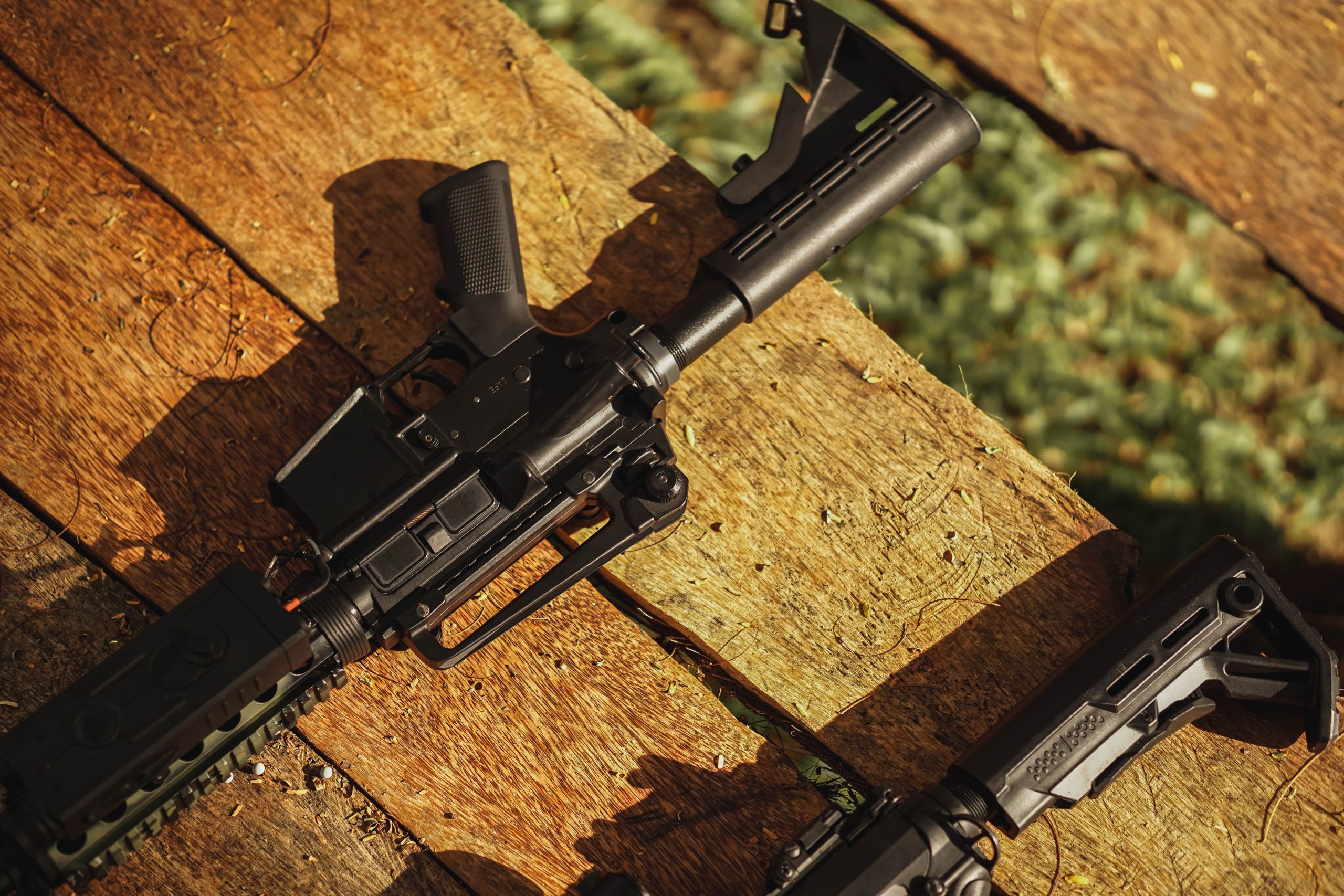
Eugene Stoner’s Ares Advanced Individual Weapon System entered the U.S. Army’s Advanced Combat Rifle effort with an unconventional approach centered on a 5mm projectile and a rising-chamber mechanism. The concept was intended to improve infantry hit probability through innovative ammunition and firing characteristics. However, the weapon did not progress because evaluators considered the hardware insufficiently mature. In 1987, Ares was among the entries dropped after the first phase because the concept was not developed enough for the next stage. An appeal allowed reconsideration, but the design never became mature enough to reach the final competition. Here, the decisive test was not battlefield failure, but whether the prototype was ready for serious evaluation.
6. McDonnell Douglas ACR: The Prototype Arrived Too Early
McDonnell Douglas Helicopter Systems entered the Advanced Combat Rifle program with an ambitious ammunition concept involving unusual lightweight projectiles. The company was one of 6 original Phase I participants when the program began, but its design was judged insufficiently mature after the initial evaluation. Along with Ares, McDonnell Douglas was removed from the main competition after Phase I in 1987. Appeals allowed both companies another opportunity, yet neither developed a mature contender in time for the later trials. The episode illustrates a harsh reality of military procurement: promising technology has to arrive on schedule. An idea can be scientifically interesting and still lose because evaluators cannot confidently take it from prototype status into demanding service-level testing.
7. H&K G11: The Test Numbers Refused to Justify It
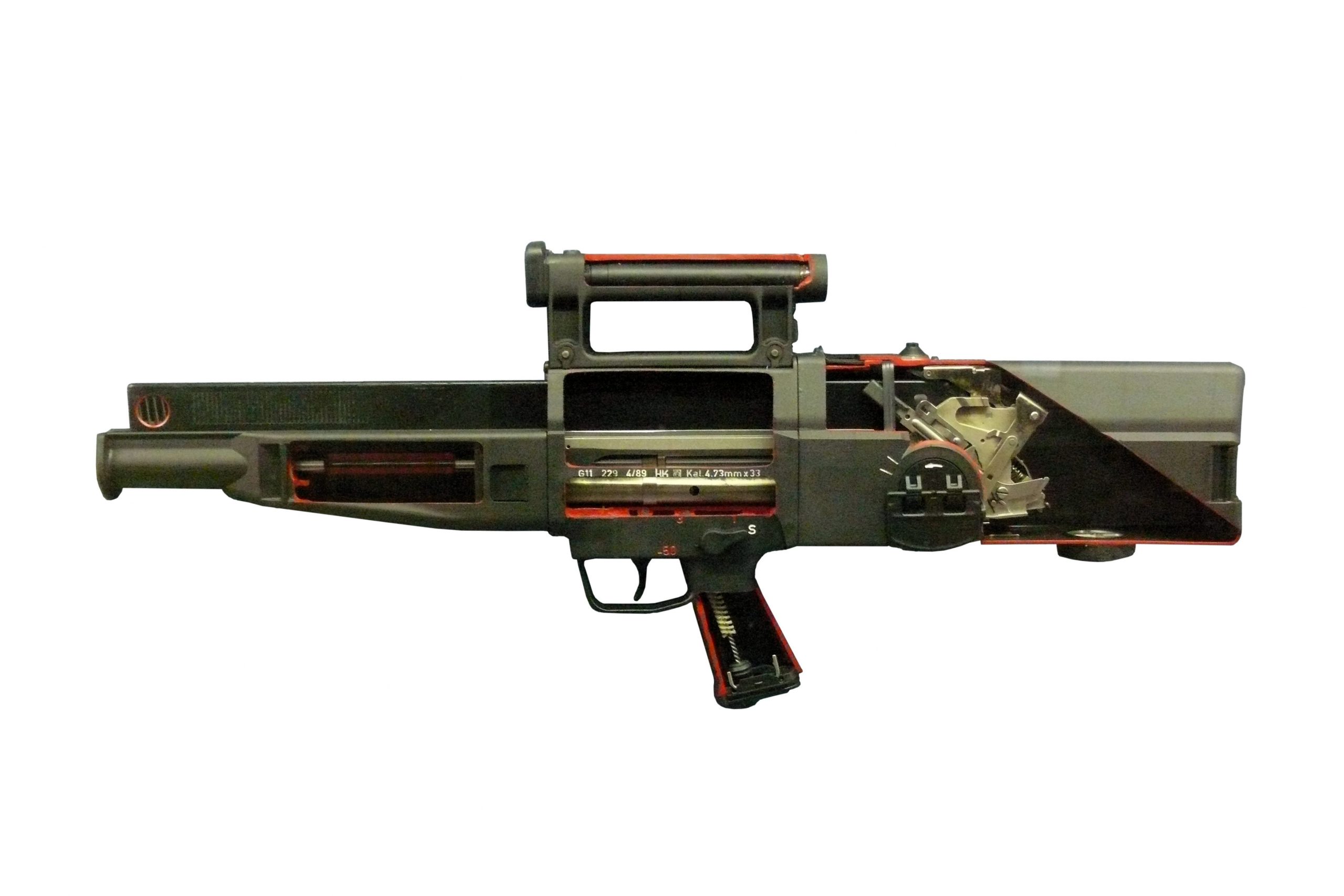
Heckler & Koch’s G11 was among the most ambitious infantry-rifle projects of the Cold War, combining a caseless 4.73×33mm cartridge with a highly unconventional action. During the U.S. Advanced Combat Rifle trials, it performed impressively in some short-range burst-fire work. The problem came when hit probability was compared across the wider test program. The G11 did not produce the decisive improvement over the M16A2 that the Army wanted, and some longer-range results were actually unfavorable. The ACR program demanded roughly a 100% improvement in hit probability, and none of the contenders achieved that threshold. The G11’s extraordinary technology therefore could not overcome one fundamental verdict: the test did not justify replacing the existing rifle.
8. Steyr ACR: The Ammunition Could Not Carry the Rifle
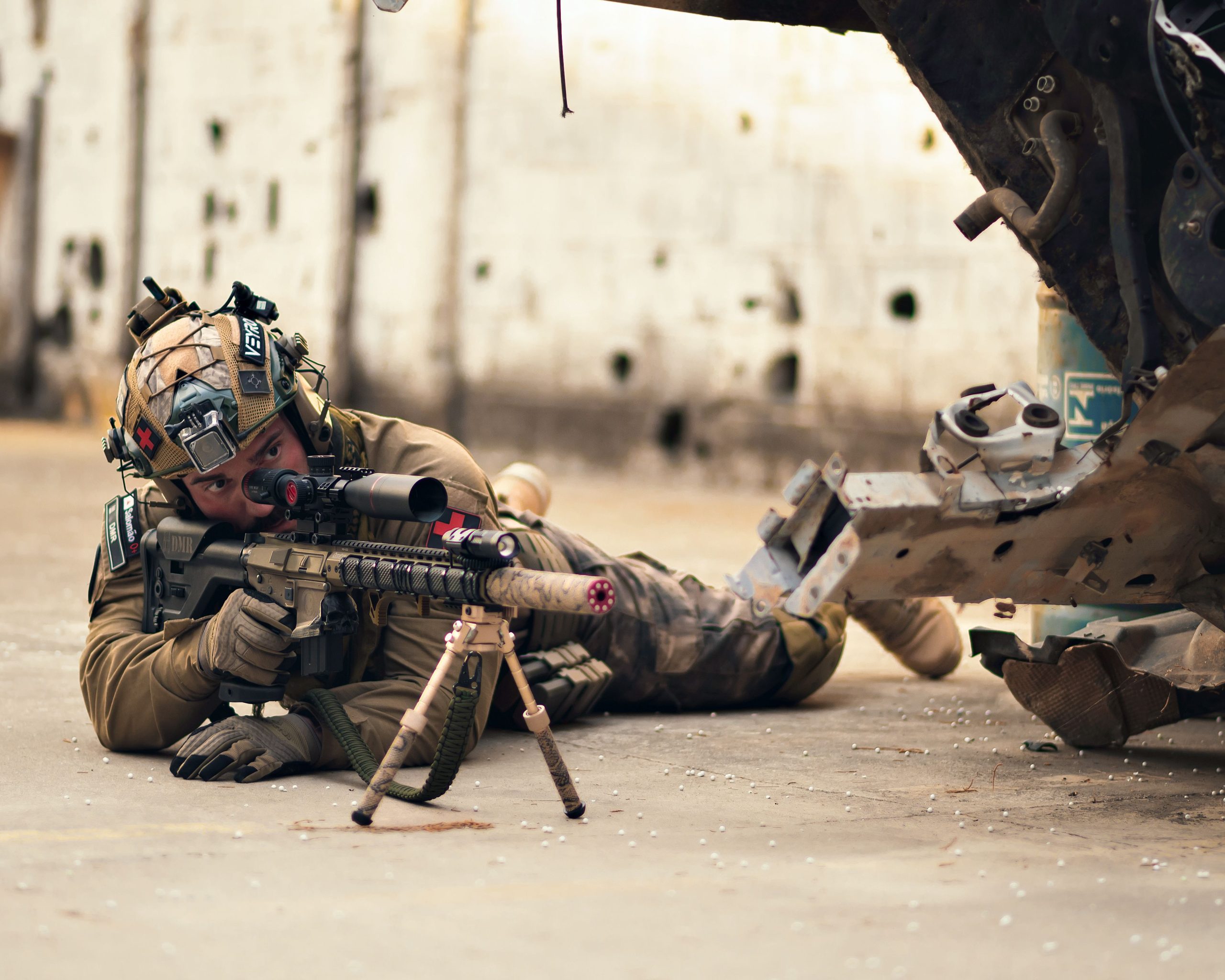
Steyr’s Advanced Combat Rifle was an unusual bullpup that fired flechettes from specialized polymer-cased ammunition. The rifle itself received favorable impressions from some testers, but its ammunition created a more serious problem. The ACR program wanted a dramatic improvement in hit probability over the M16A2, yet Steyr’s results fell short across important portions of the trials, particularly as range increased. At long range, reported hit probability became extremely poor, dropping below 10% in some test conditions. The design could perform well at shorter distances, but that was not enough. The experiment ultimately demonstrated that an innovative rifle cannot compensate for ammunition that fails to deliver consistent battlefield performance.
9. Colt ACR: The Improvement Was Simply Not Big Enough
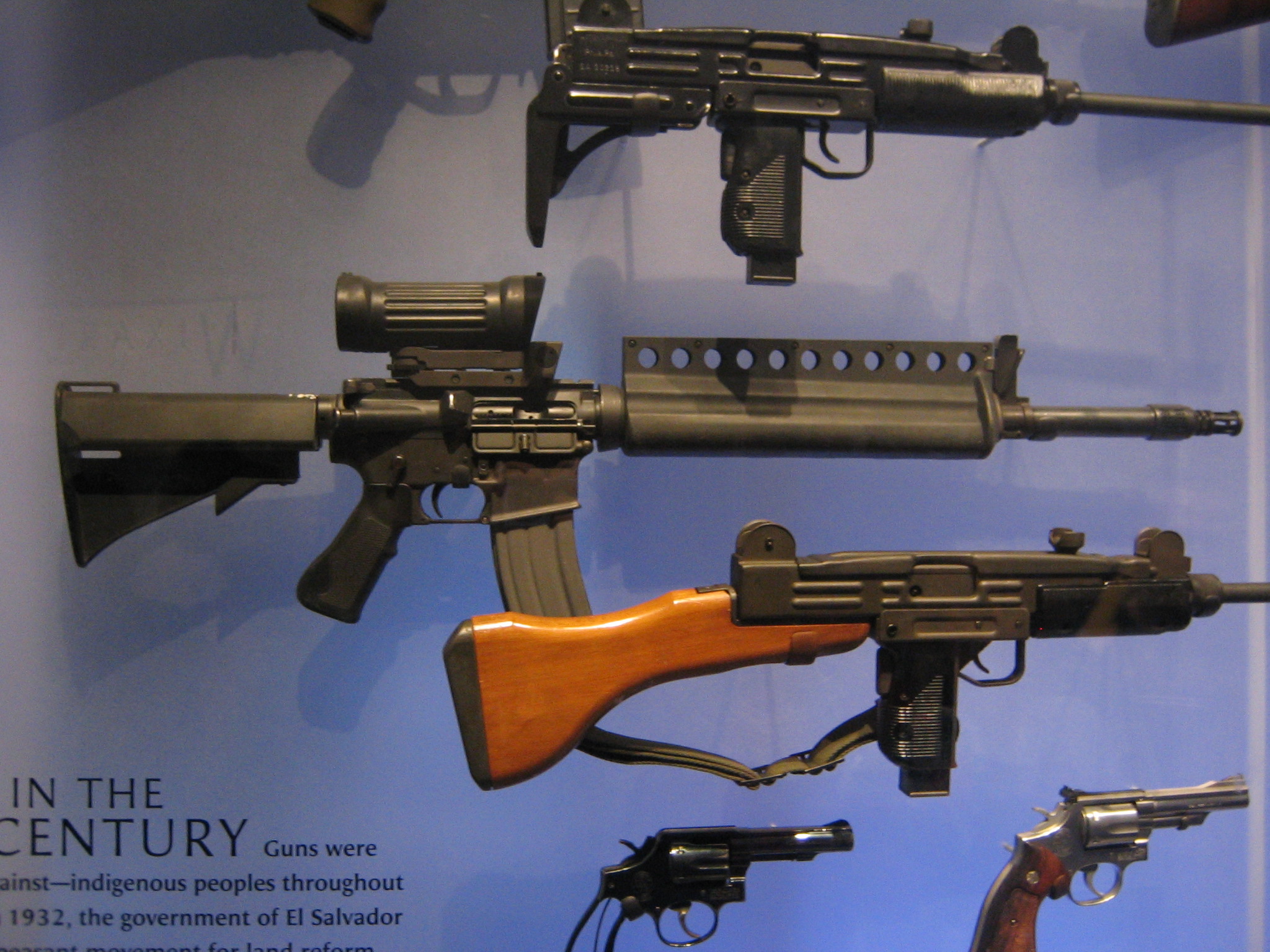
Colt approached the Advanced Combat Rifle competition by heavily modifying the familiar M16 platform rather than starting from an entirely new architecture. Its system used a specialized duplex cartridge containing 2 projectiles, combined with changes intended to improve controllability and hit probability. The idea was clever, but the Army was demanding an enormous improvement over the M16A2. The ACR program ultimately found that none of the candidates achieved the required 100% increase in hit probability. Colt’s rifle, therefore, had no clear enough advantage to justify replacing a mature service weapon. Its failure was not that the rifle could not function. The problem was much harsher: its measured improvement was insufficient for the Army’s stated goal.
10. SA80 A1: Reliability Testing Nearly Buried the Rifle
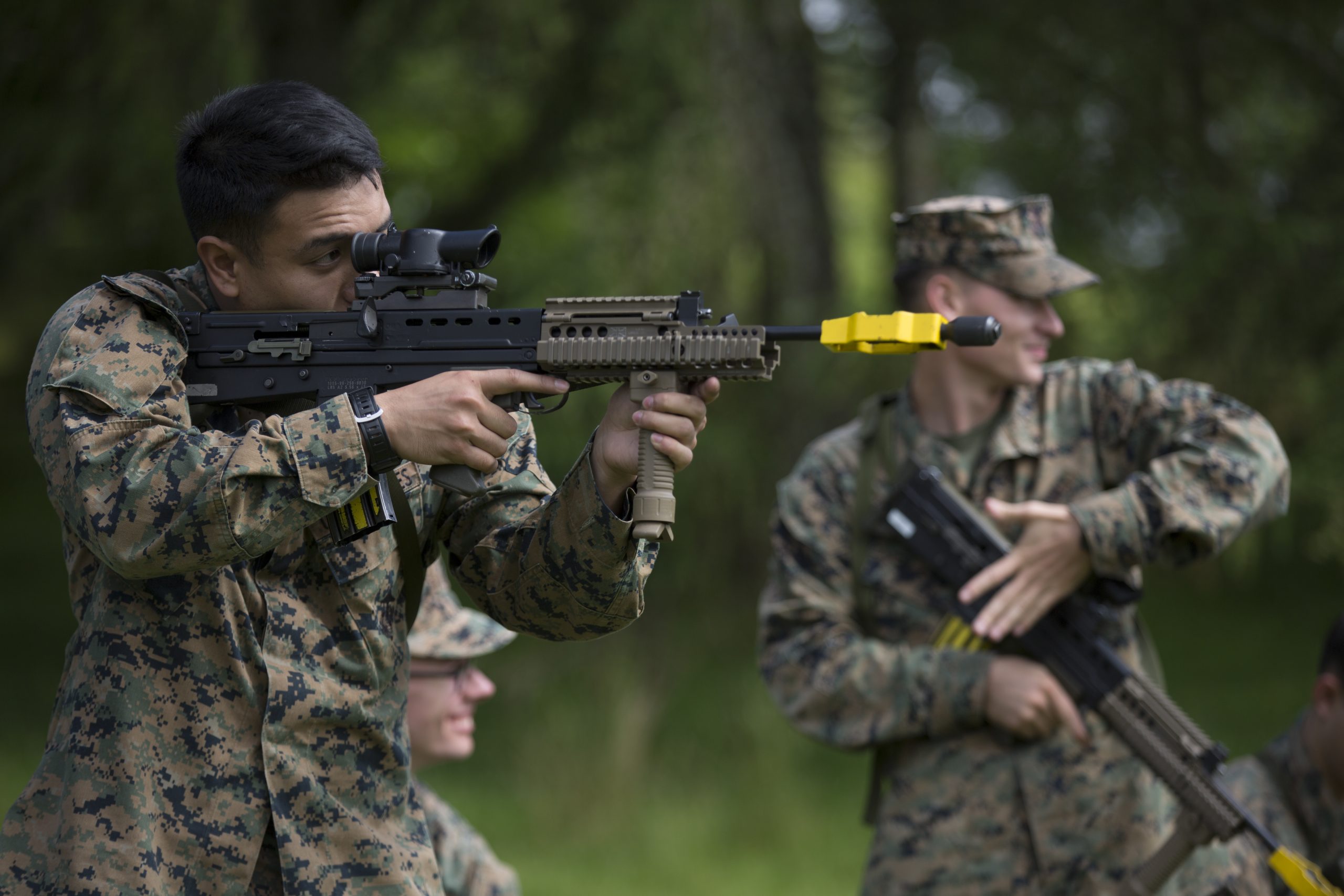
The original SA80 A1 provides one of the clearest examples of testing forcing a major redesign rather than immediate abandonment. During demanding 2001 trials conducted in Alaska, Brunei, Kuwait, and Britain, the A1 averaged only about 55% reliability across the climates. In Kuwait’s hot, dusty conditions, the figure fell to approximately 6%. The modified SA80 A2 performed dramatically better, averaging about 98% across the trials and roughly 95% in Kuwait. Those figures made the original configuration extremely difficult to defend. Britain ultimately chose a major modification program instead of replacing the rifle outright. The result became the SA80 A2, showing that a brutal test can kill a version without killing the entire weapon family.