A firearm that looks ideal in a shop or performs well at a shooting range may reveal unexpected limitations in the countryside. Rural environments bring changing weather, muddy roads, long walks, limited storage, and fewer opportunities to obtain replacement parts. Weight, ammunition availability, maintenance requirements, and reliability can matter more than appearance or impressive specifications. Even established designs involve compromises that become obvious through everyday use. These 11 firearms illustrate how practical considerations can change when a gun moves from a controlled setting into the demands of rural life.
1. Desert Eagle .50 AE
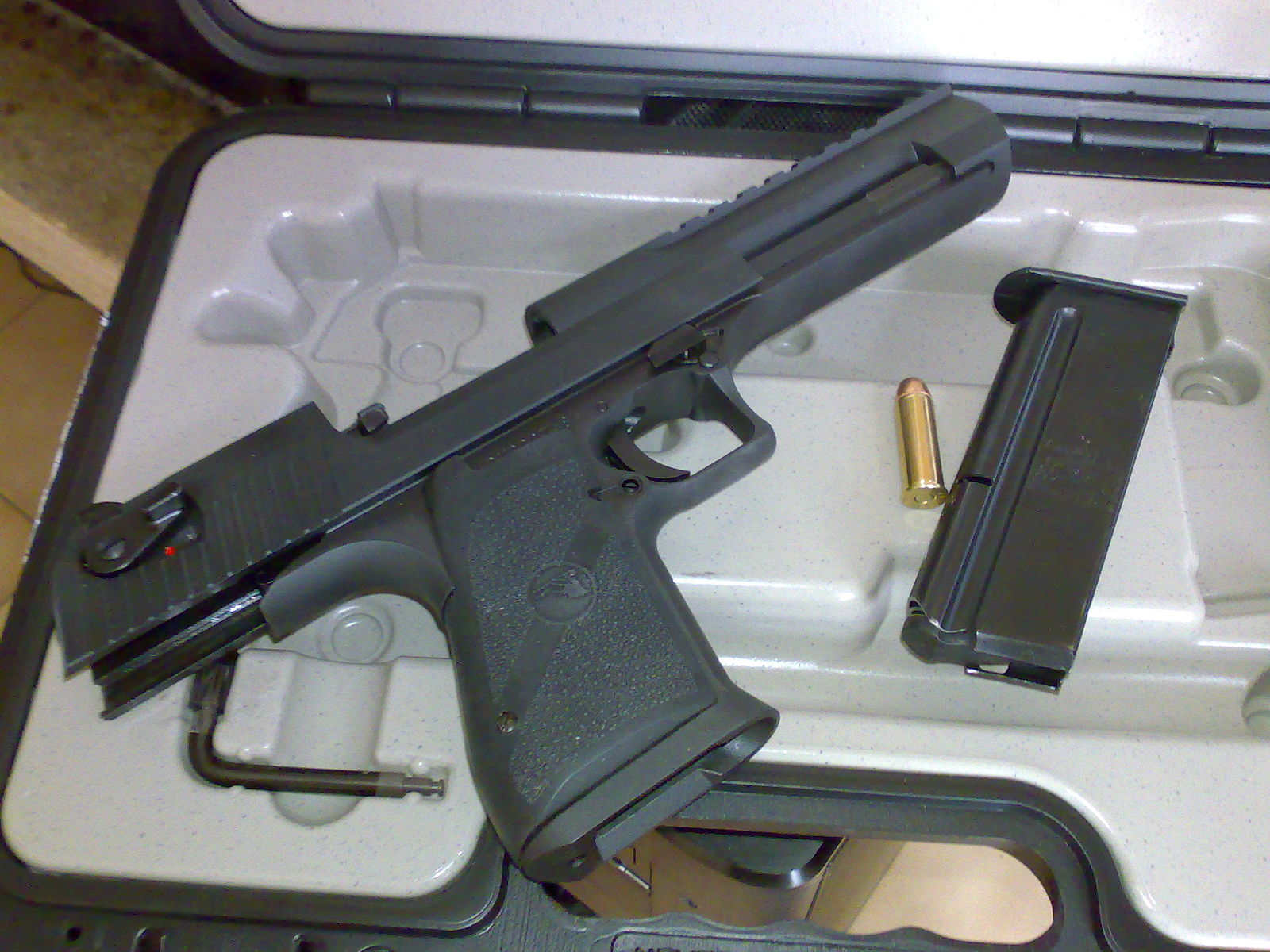
The Desert Eagle .50 AE makes a dramatic impression with its large frame, distinctive profile, and powerful chambering. However, its overall length of roughly 10.75 inches and unloaded weight of approximately 4.5 pounds make it considerably less convenient to carry than many conventional handguns. Its gas-operated action also differs from the simpler systems found in many pistols. In rural settings, its bulk, specialized ammunition, and greater maintenance demands can become disadvantages. A firearm that feels impressive at the range may prove unnecessarily cumbersome during routine outdoor activities.
2. AR-15 Pattern Rifles
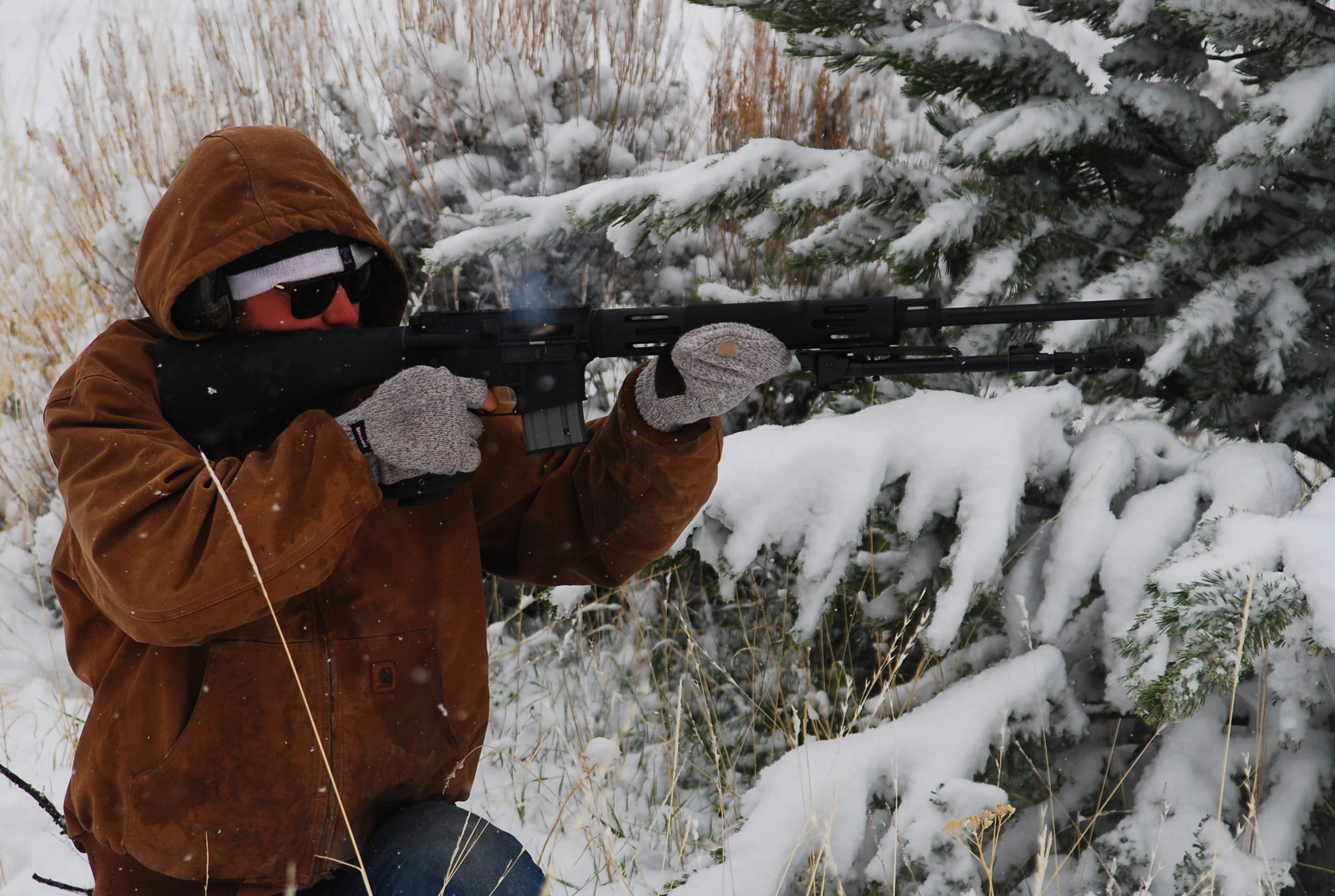
AR-15 pattern rifles are popular because of their modular construction, widespread availability, and compatibility with numerous accessories. A typical 16-inch-barreled model weighs around 6 to 8 pounds before adding optics, a sling, or other equipment. That weight can increase noticeably during a long walk across uneven ground. Their practical limitations also depend on ammunition availability, environmental exposure, and the quality of individual components. Although many models are reliable when properly maintained, additional accessories and incompatible parts can complicate ownership. Rural convenience depends on the complete setup, not simply the rifle’s reputation.
3. Taurus Judge
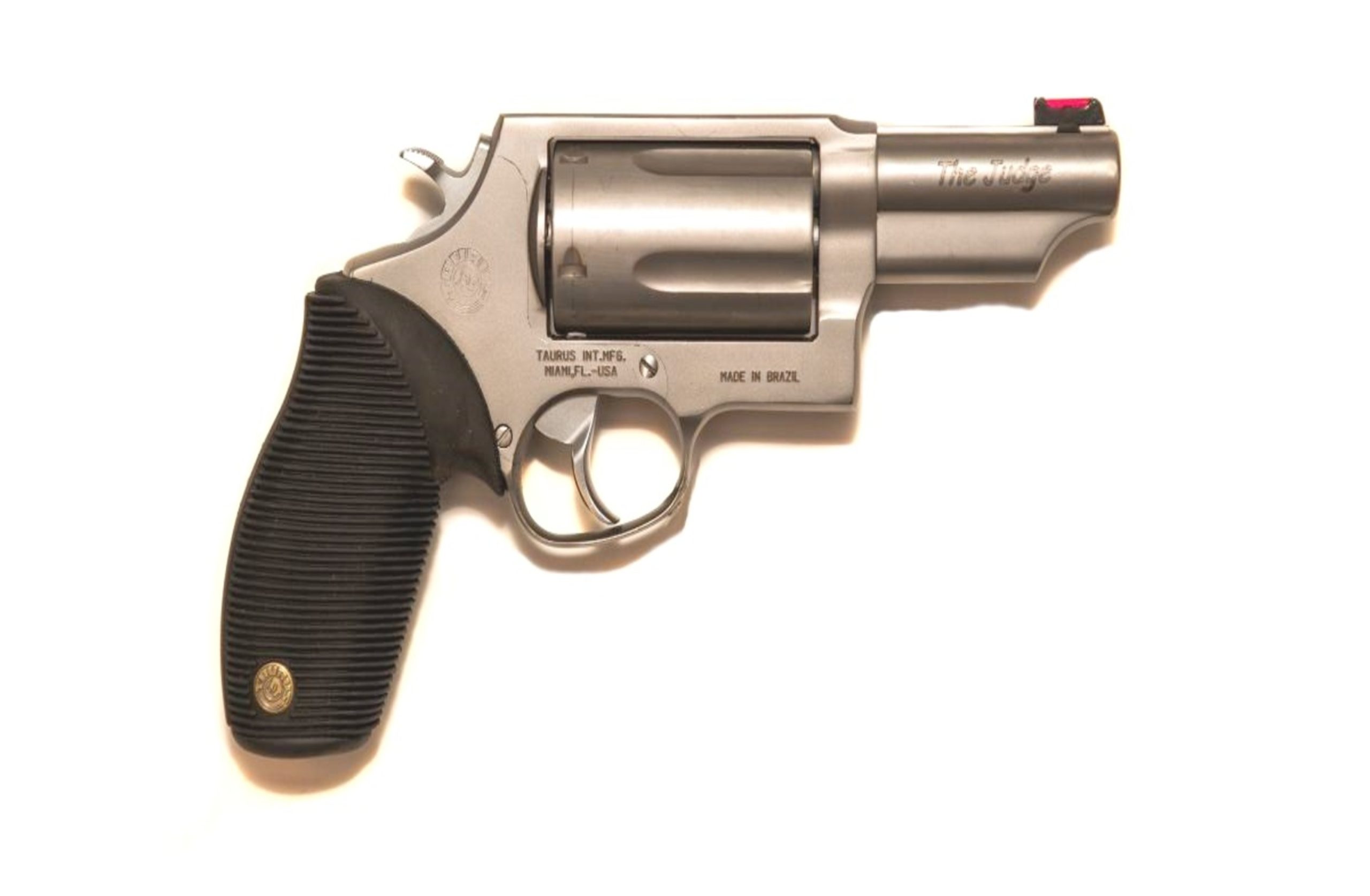
The Taurus Judge attracts attention because it can chamber .45 Colt ammunition and .410-bore shotshells, depending on the specific model. That flexibility sounds appealing to someone who prefers one firearm for different purposes. However, its versatility comes with compromises in size, weight, and ammunition performance. Common models have barrels around 3 inches long, while overall dimensions vary by version. The short barrel and specialized cylinder design can produce different results from those expected with conventional revolvers. In everyday rural use, carrying two ammunition types may also create unnecessary complexity rather than a genuine advantage.
4. Remington 870 Express
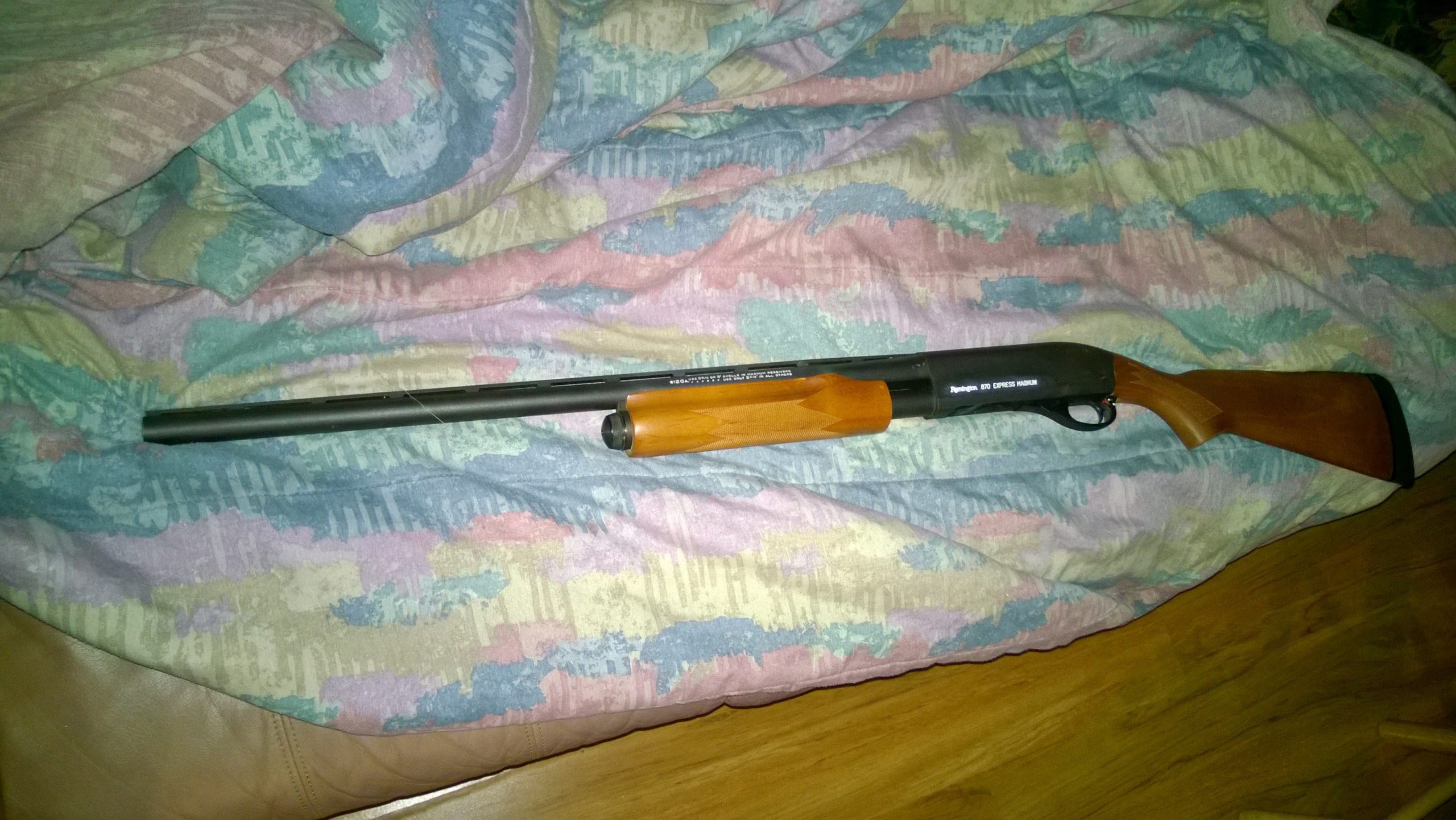
The Remington 870 Express built its reputation on a straightforward pump-action design, but individual examples can develop problems if neglected or exposed to persistent moisture. Many versions have a 28-inch barrel, although other configurations exist, and unloaded weight commonly falls near 7 to 8 pounds. Mud, rain, and condensation can create maintenance concerns, particularly when protective finishes or internal surfaces are worn. Its manual action also requires the user to operate the fore-end between shots. For rural owners, the important distinction is between a well-maintained shotgun and an older example whose condition has been taken for granted.
5. Henry Big Boy .44 Magnum

The Henry Big Boy combines traditional lever-action styling with a substantial brass or steel receiver, depending on the model. Certain .44 Magnum versions weigh approximately 8 to 9 pounds unloaded, making them heavier than their classic appearance might suggest. That extra weight can become noticeable during hours of walking across fields or wooded property. The rifle also requires ammunition appropriate to its chambering, and its tubular magazine imposes cartridge-shape considerations. Although its construction appeals to traditional firearm enthusiasts, the combination of weight, ammunition cost, and model-specific handling characteristics may be less convenient than expected for routine rural ownership.
6. Kel-Tec KSG
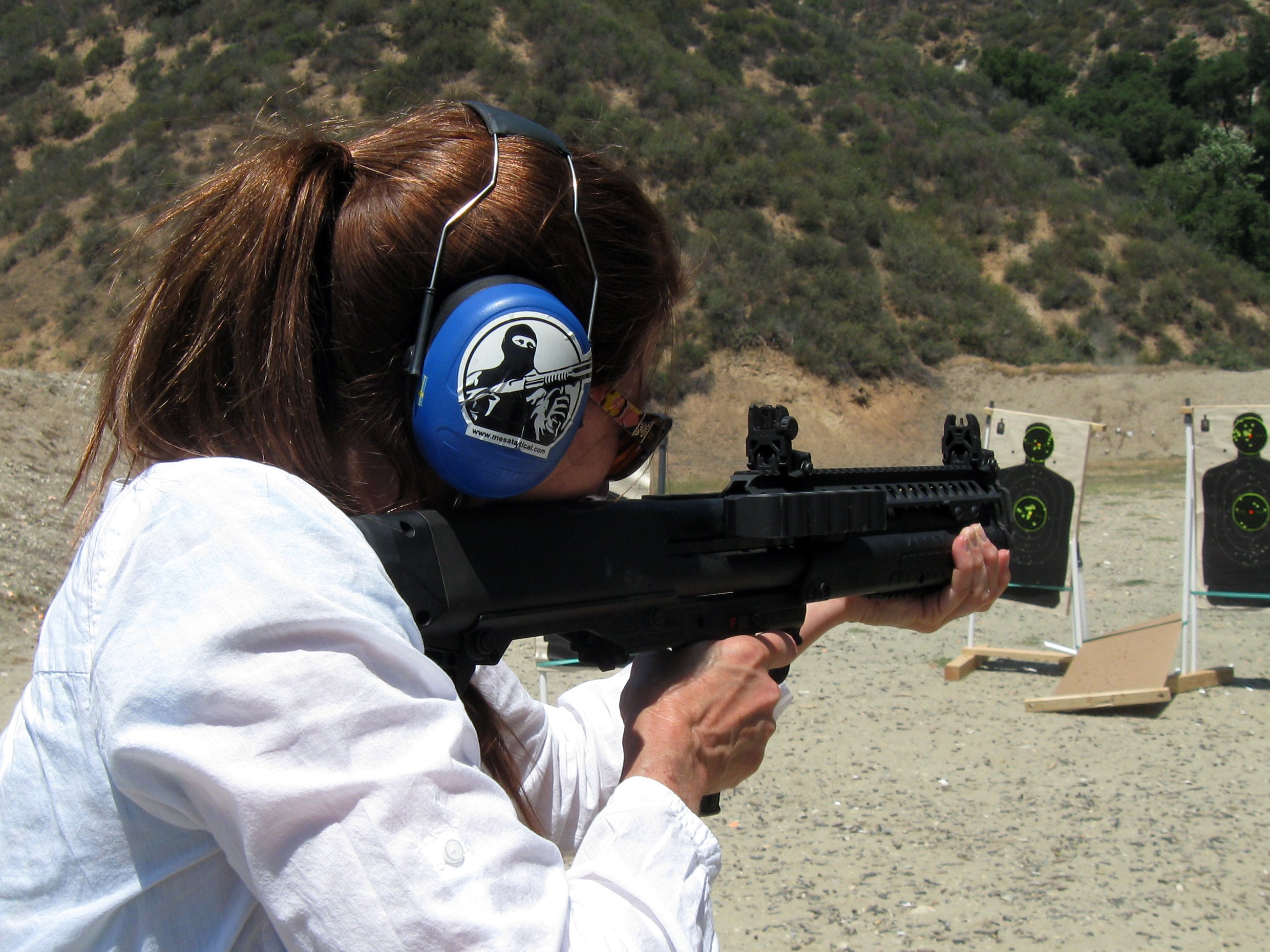
The Kel-Tec KSG uses a compact bullpup layout to accommodate a 12-gauge shotgun barrel within a relatively short overall package. Its length is approximately 26.1 inches, and unloaded weight is around 6.9 pounds. Those dimensions make it distinctive, but its dual magazine tubes and specialized controls introduce a learning curve. Depending on the ammunition and configuration, changing between magazine tubes and keeping track of their contents requires attention. Its compact shape does not automatically make it easier to maintain or operate than a conventional shotgun. For owners who value simplicity above unusual engineering, the design may feel unnecessarily complicated.
7. Ruger Mini-14
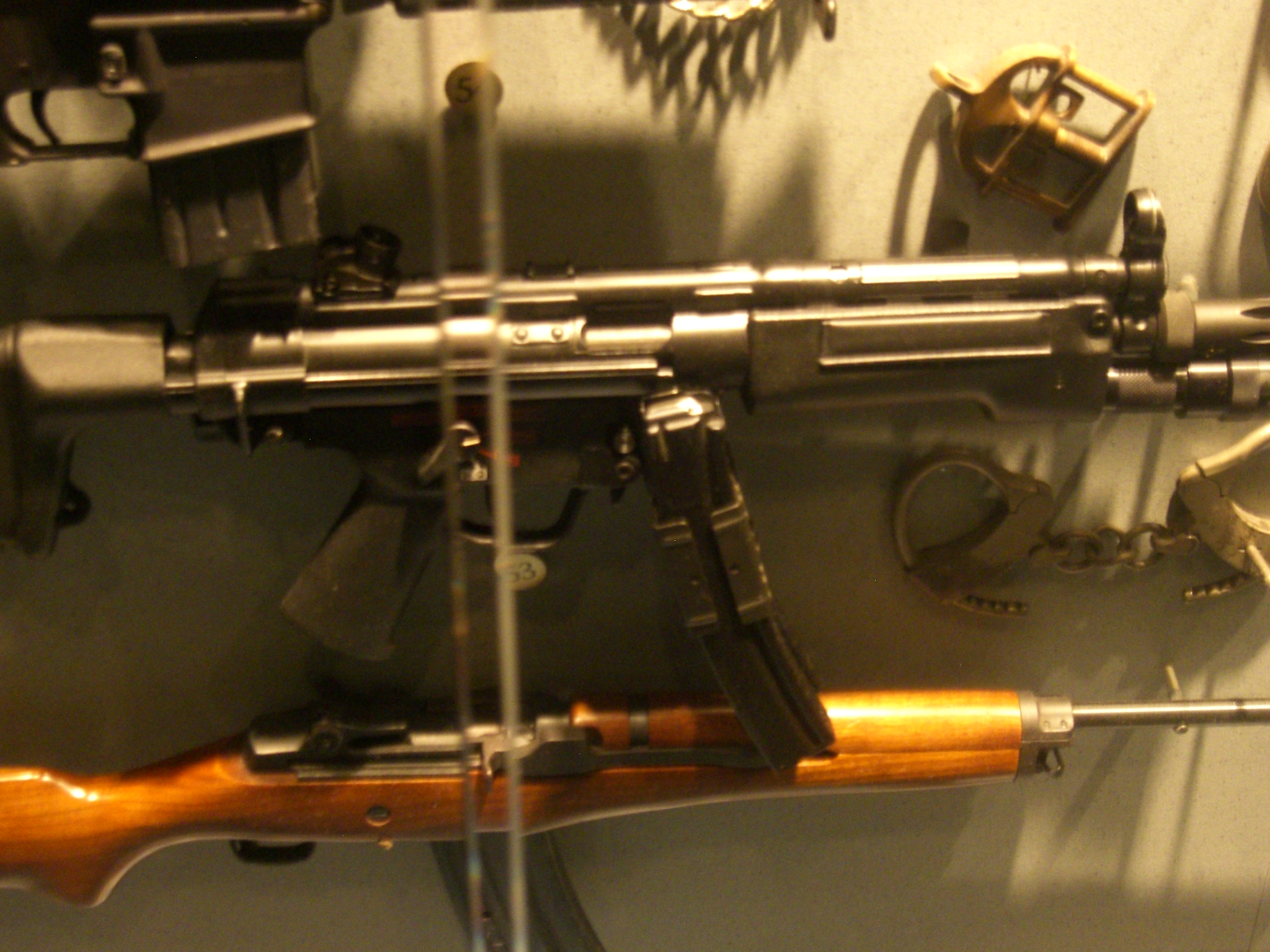
The Ruger Mini-14 offers a traditional rifle profile and uses the .223 Remington or 5.56 NATO chambering in models approved for the respective cartridge. Many standard versions weigh approximately 6.7 pounds unloaded and feature an 18.5-inch barrel. Its relatively familiar handling characteristics appeal to owners who prefer a conventional stock instead of a modular platform. However, magazine availability, model-specific compatibility, and ammunition selection still matter. Some older examples may also show different accuracy characteristics from newer production rifles. A familiar appearance does not eliminate the need to evaluate condition, maintenance history, and the availability of suitable replacement components.
8. Mossberg 590 Shockwave
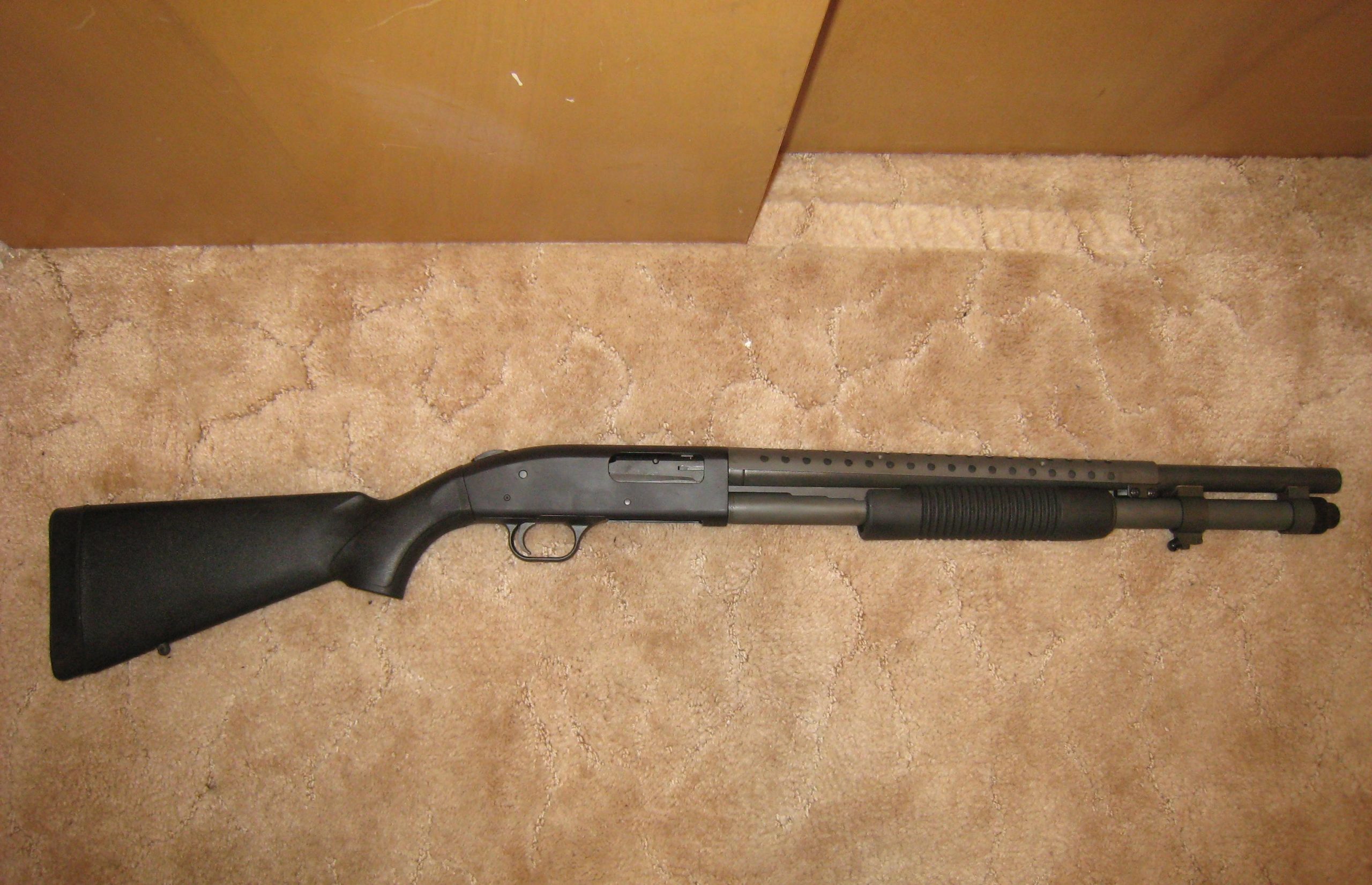
The Mossberg 590 Shockwave is a compact 12-gauge firearm with an overall length of approximately 26.37 inches in its standard configuration. Its short barrel and distinctive bird’s-head grip make it visually striking, but those same features can make comfortable handling more challenging for some users. Unlike a conventional shoulder-stocked shotgun, it lacks the same points of contact against the body. Recoil perception, grip comfort, and control can therefore differ considerably. Its legal classification also depends on the exact configuration and applicable jurisdiction. What appears convenient because of its compact dimensions may be less practical during extended use or routine transport.
9. Barrett M95
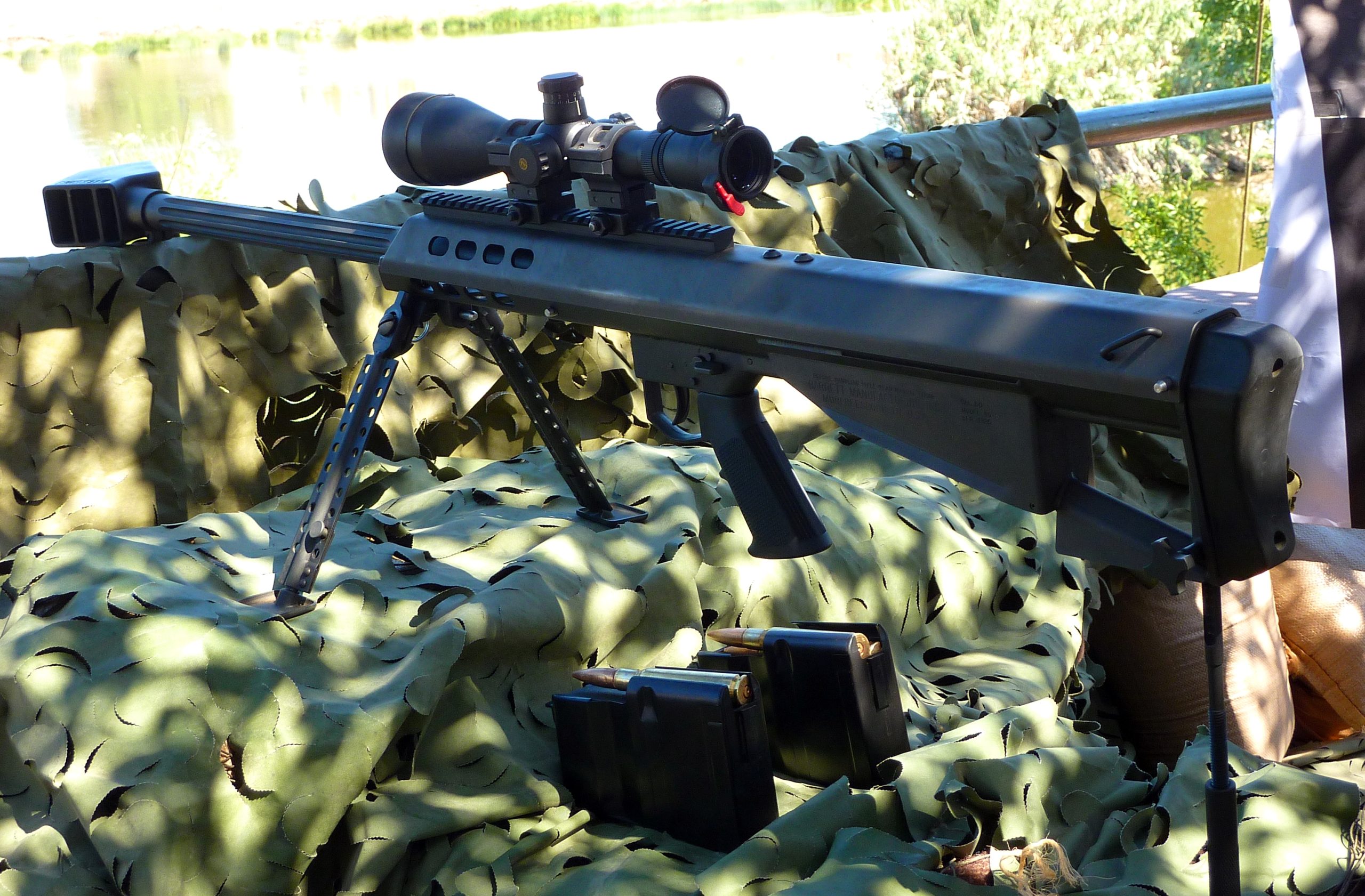
The Barrett M95 is a bolt-action rifle chambered in .50 BMG, designed around a large cartridge and a substantial overall structure. It weighs approximately 23.5 pounds unloaded and measures about 45 inches in length, depending on configuration. Those specifications immediately distinguish it from ordinary sporting rifles. Transporting it across rural property requires considerably more effort, while its specialized ammunition and equipment can add significant expense. Its size also makes storage and maintenance less convenient for owners without dedicated space. Although it serves specialized long-range roles, its impressive specifications do not translate into everyday practicality for most countryside activities.
10. Chiappa Rhino .357 Magnum
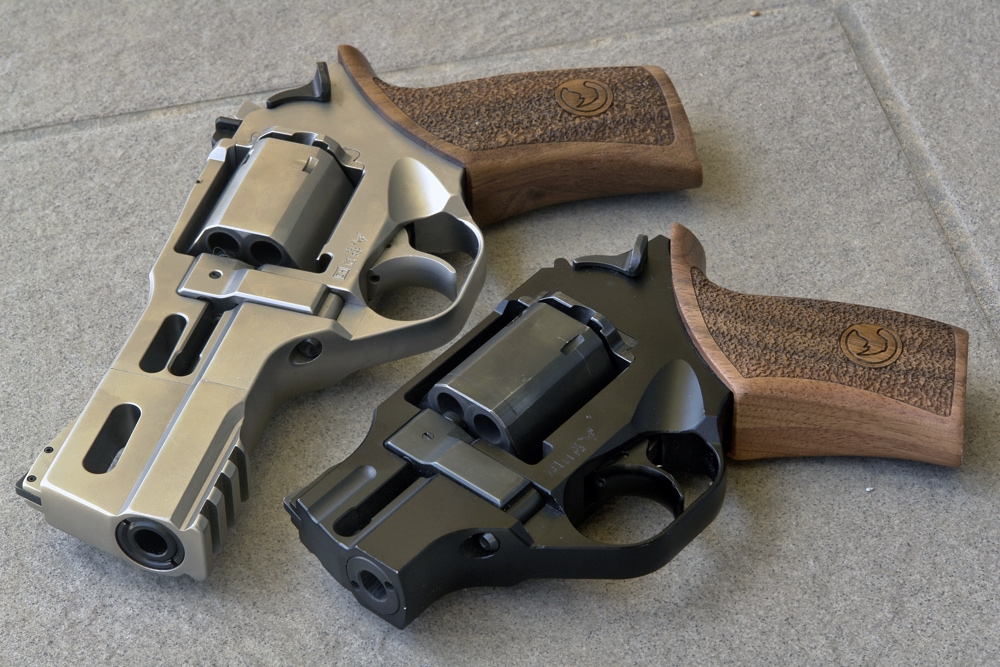
The Chiappa Rhino stands apart from conventional revolvers because its barrel aligns with the lower chamber of the cylinder. This arrangement is intended to reduce muzzle rise, while the firearm’s angular design gives it a distinctive appearance. Many .357 Magnum versions have a 6-round cylinder, with barrel lengths and unloaded weights varying by model. However, the unusual shape can affect holster compatibility, and replacement accessories may be less readily available than those for common revolver designs. Its specialized controls and appearance may also require an adjustment period for unfamiliar owners. Innovation can be useful, but it does not guarantee effortless everyday ownership.
11. Winchester Model 1895

The Winchester Model 1895 is a historic lever-action rifle distinguished by its box magazine, which accommodates pointed rifle cartridges in appropriate chamberings. Original military and sporting versions appeared in several calibers, including .30-06 Springfield in certain later production models. Depending on the variant, unloaded weight is generally around 8 to 9 pounds, and barrel length differs across configurations. Its historical appeal is undeniable, but age, parts availability, and ammunition compatibility can complicate ownership, especially with older examples. Collectibility and practical utility are separate considerations. Before regular use, the individual rifle’s condition and suitability for modern ammunition require careful verification.