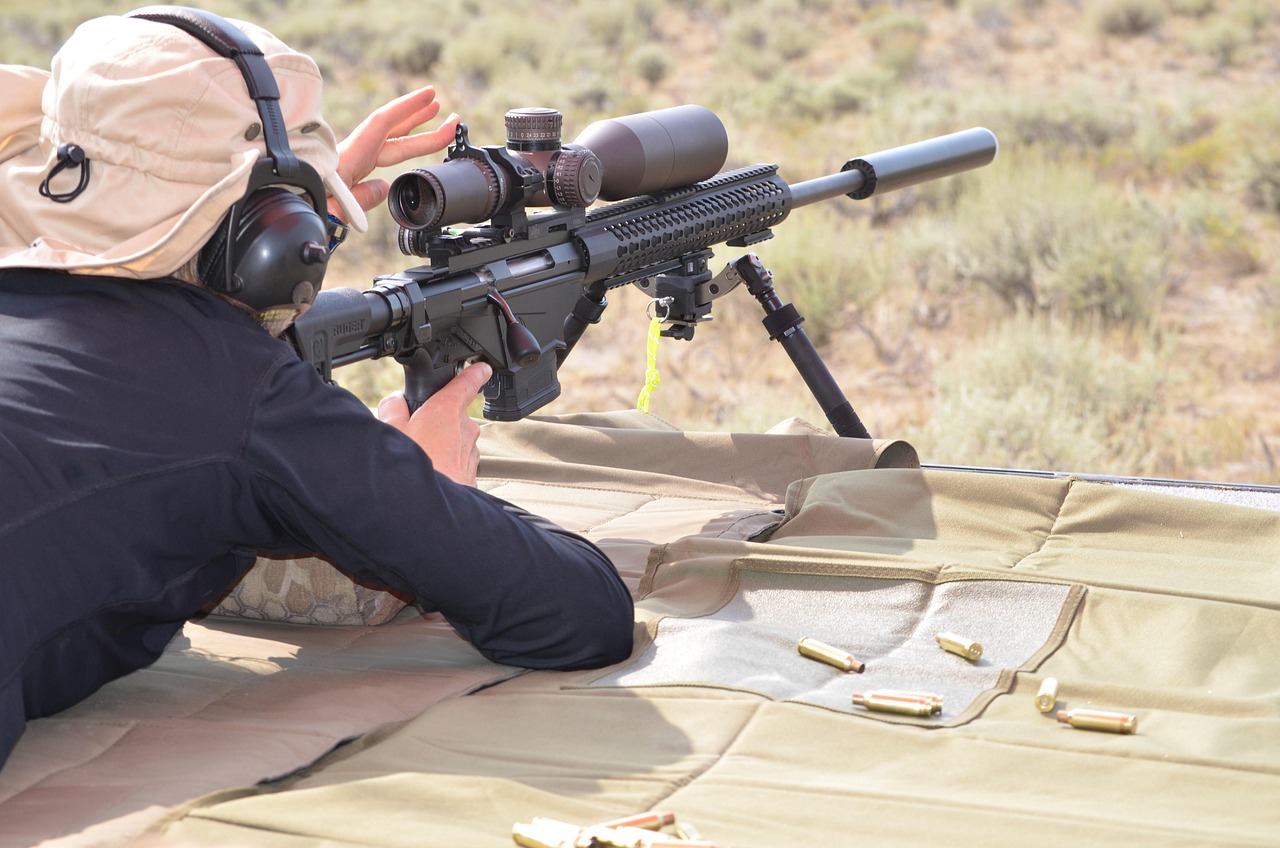
Gun trends come and go, but a few rifles never seem to leave the shelf for long. These are the models that kept earning buyers through changing calibers, new materials, and endless marketing cycles. Some won on price, some on reliability, and some simply became part of hunting and shooting culture in a way newer designs could not match.
Winchester Model 70

The Winchester Model 70 has long been called the rifleman’s rifle, and that reputation did not appear by accident. Introduced in the 1930s, it earned loyalty with strong controlled round feed versions, handsome lines, and the kind of reassuring feel that serious hunters notice right away.
Even when manufacturing changes sparked debate, demand never really disappeared. Shooters kept coming back for its balance of tradition, accuracy, and broad chambering options.
It survived fashion swings because it always looked, handled, and shot like a proper hunting rifle should. That kind of trust is hard for any trendier newcomer to replace.
Remington 700

Few bolt action rifles have matched the commercial reach of the Remington 700. Since the early 1960s, it has shown up in deer camps, police armories, target ranges, and custom gun shops, all because its basic action proved adaptable and easy to build around.
Part of its staying power came from sheer familiarity. Buyers knew what it was, gunsmiths knew how to tune it, and accessory makers built entire product lines around it.
That ecosystem matters more than hype. When one rifle platform becomes a default choice for hunters and precision shooters alike, it keeps selling even when the market gets crowded with the next big thing.
Ruger 10/22

The Ruger 10/22 may be the clearest example of a rifle that became bigger than its original job. Introduced in 1964 as a handy .22 LR autoloader, it quickly built a reputation for reliability, friendly handling, and the kind of fun that keeps shooters of all ages interested.
What really sealed its place was flexibility. Factory variants, endless aftermarket parts, and easy customization let owners turn one rifle into almost anything from a plinker to a small game setup.
Plenty of rimfires have come and gone, but the 10/22 remains a default recommendation. It is simple, familiar, and always ready for one more brick of ammo.
Marlin Model 336

The Marlin 336 held onto its audience by doing one thing extremely well. It offered hunters a practical, fast handling lever action rifle that felt right at home in woods country, especially where shots were quick and distances stayed reasonable.
Its side ejection and solid top receiver also helped it remain relevant as optics became more common. That may sound like a small detail, but it kept the rifle useful while some older designs felt more tied to iron sight tradition.
Generations of deer hunters bought the 336 because it was dependable, affordable, and easy to carry all day. Those virtues never really go out of style.
Winchester Model 94

The Winchester Model 94 is one of those rifles that exists beyond product status. It became a symbol of the American sporting rifle, helped by its slim profile, easy carry, and decades of association with hunting, ranch life, and popular culture.
It stayed relevant because it remained useful. Chambered in classics like .30-30, it continued to make sense for everyday deer hunters who valued speed, simplicity, and manageable recoil.
Even after newer actions dominated headlines, the Model 94 kept finding buyers who wanted a rifle with character and a real field record. Nostalgia helped, but practical performance did too.
Savage 110

The Savage 110 rarely relied on glamour, which is part of why it lasted. For decades, it built a following by delivering honest accuracy and strong value, giving everyday hunters and target shooters a rifle that often outperformed what its price tag suggested.
Savage also benefited from a willingness to evolve without losing the core appeal. Features like the AccuTrigger made the rifle feel modern, while the action itself remained familiar and trusted.
That blend of affordability and real performance is powerful. In a market full of polished marketing claims, the 110 kept selling because people actually shot it well and told others to buy one too.
Ruger American Rifle

Compared with some legends on this list, the Ruger American is a newer success story, but its sales strength has already proven unusually durable. It entered the market with a simple promise: useful accuracy, modern materials, and a price that made buying a centerfire rifle feel less intimidating.
That formula landed at exactly the right time. Hunters wanted practical gear, not necessarily heirloom finishes, and Ruger delivered a rifle that felt current without becoming gimmicky.
Its broad chambering list and straightforward design kept momentum going. When a rifle works, fits the budget, and comes from a familiar maker, it can become a long-term staple very quickly.
Henry Lever Action

Henry’s lever action rifles succeeded by tapping into something deeper than novelty. They offered the warmth of classic American styling, smooth handling, and approachable shooting in calibers that appealed to everyone from casual plinkers to seasoned hunters.
The company also understood presentation. Brass accents, polished finishes, and old school charm gave these rifles a strong visual identity at a time when much of the market leaned heavily tactical.
That contrast helped Henry stand out. Buyers who wanted tradition with modern manufacturing support kept showing up, and the rifles became a fixture in shops where heritage still closes plenty of sales.
SKS

The SKS has survived in the civilian market through a very different route than most sporting rifles. It built its reputation on ruggedness, simple operation, and affordability, especially during the years when surplus imports made it one of the most accessible centerfire rifles around.
It never needed to be fashionable to keep moving units. Buyers appreciated that it was durable, easy to understand, and chambered in a cartridge that remained widely available.
Even as tastes shifted between wood stocked classics and modular black rifles, the SKS retained a loyal following. It offered honest utility, and that counts for a lot when trends begin to fade.