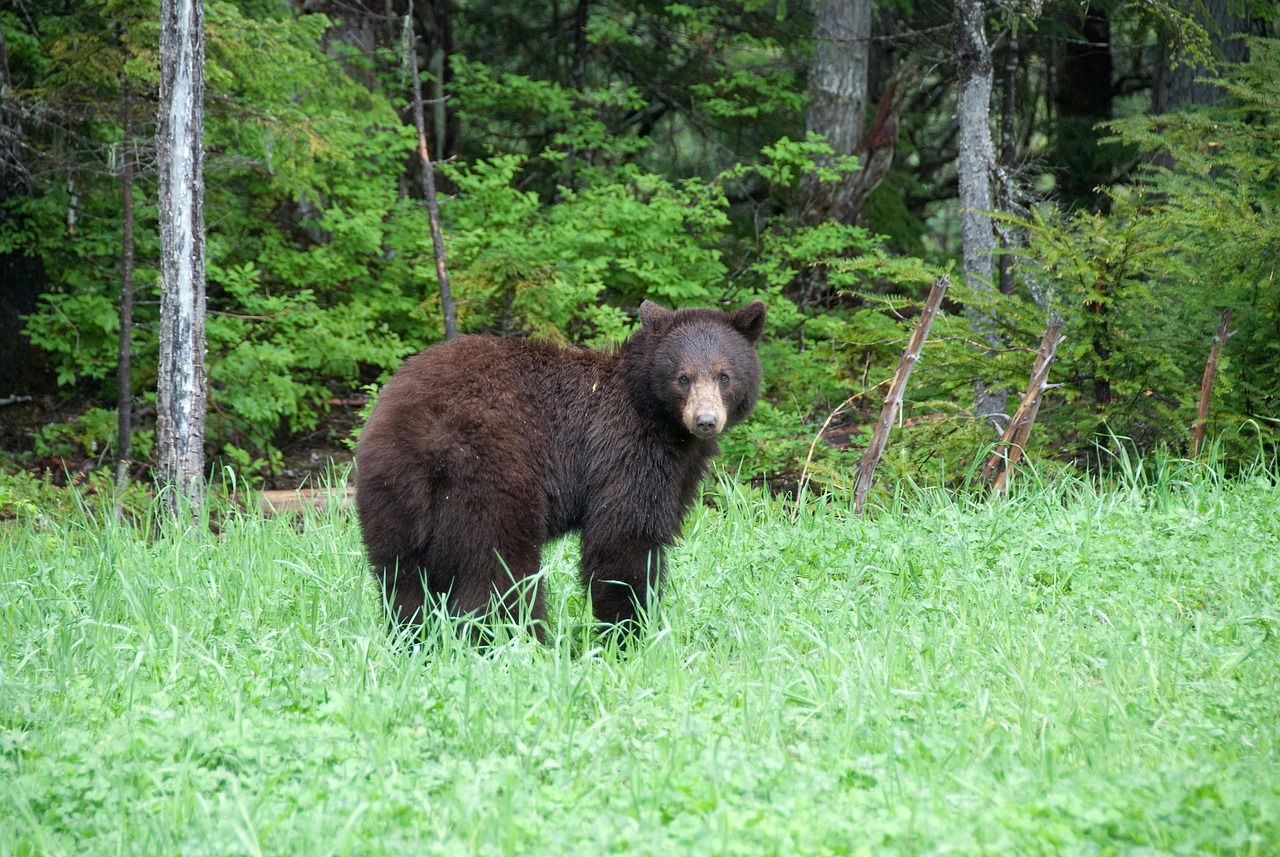
Bear sightings are no longer just a backcountry story. Across parts of the United States, expanding bear populations, crowded recreation areas, and human food sources are creating more opportunities for dangerous encounters. This gallery looks at nine states where bear attacks and aggressive incidents have drawn growing concern, along with the patterns experts say are driving the trend.
Montana
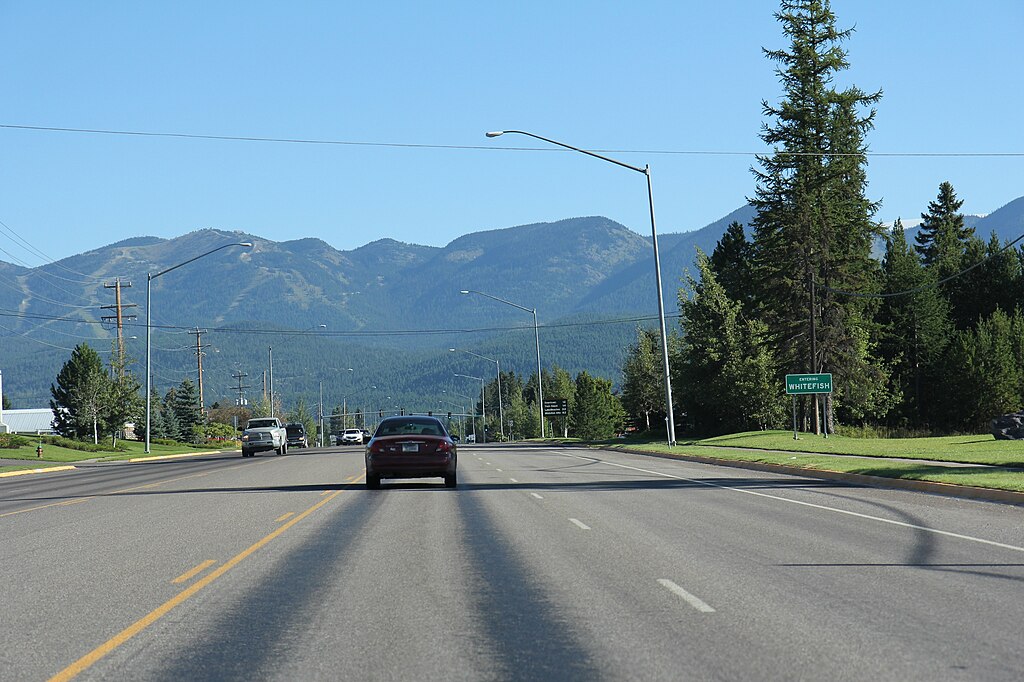
Montana has long been bear country, but recent years have kept the state in the spotlight for troubling encounters involving both black bears and grizzlies. With more people hiking, hunting, and camping deeper into prime habitat, the chances of surprise meetings have gone up.
The state’s mix of rugged wilderness and popular recreation corridors creates a difficult balance. In places around Yellowstone and Glacier ecosystems, wildlife officials regularly warn that bears are using many of the same landscapes people consider prime outdoor destinations.
Experts often point to food storage failures, close-range surprises, and habituated bears as recurring factors. In Montana, even experienced outdoors enthusiasts are being reminded that familiarity with bear country does not eliminate risk.
Wyoming

Wyoming’s bear incident record is shaped by a simple fact: some of America’s busiest wild spaces overlap with some of its most important grizzly habitat. That means tourists, anglers, hunters, and backcountry travelers are often moving through terrain where bears are active and protective.
The Greater Yellowstone region remains a major focus, especially during seasons when bears are feeding heavily or defending cubs. Officials frequently emphasize that a fast encounter on a trail or carcass site can turn serious in seconds.
As visitation rises, so does the need for bear spray, travel in groups, and cleaner camps. Wyoming is a reminder that spectacular scenery often comes with real wildlife risk, not just postcard views.
Alaska
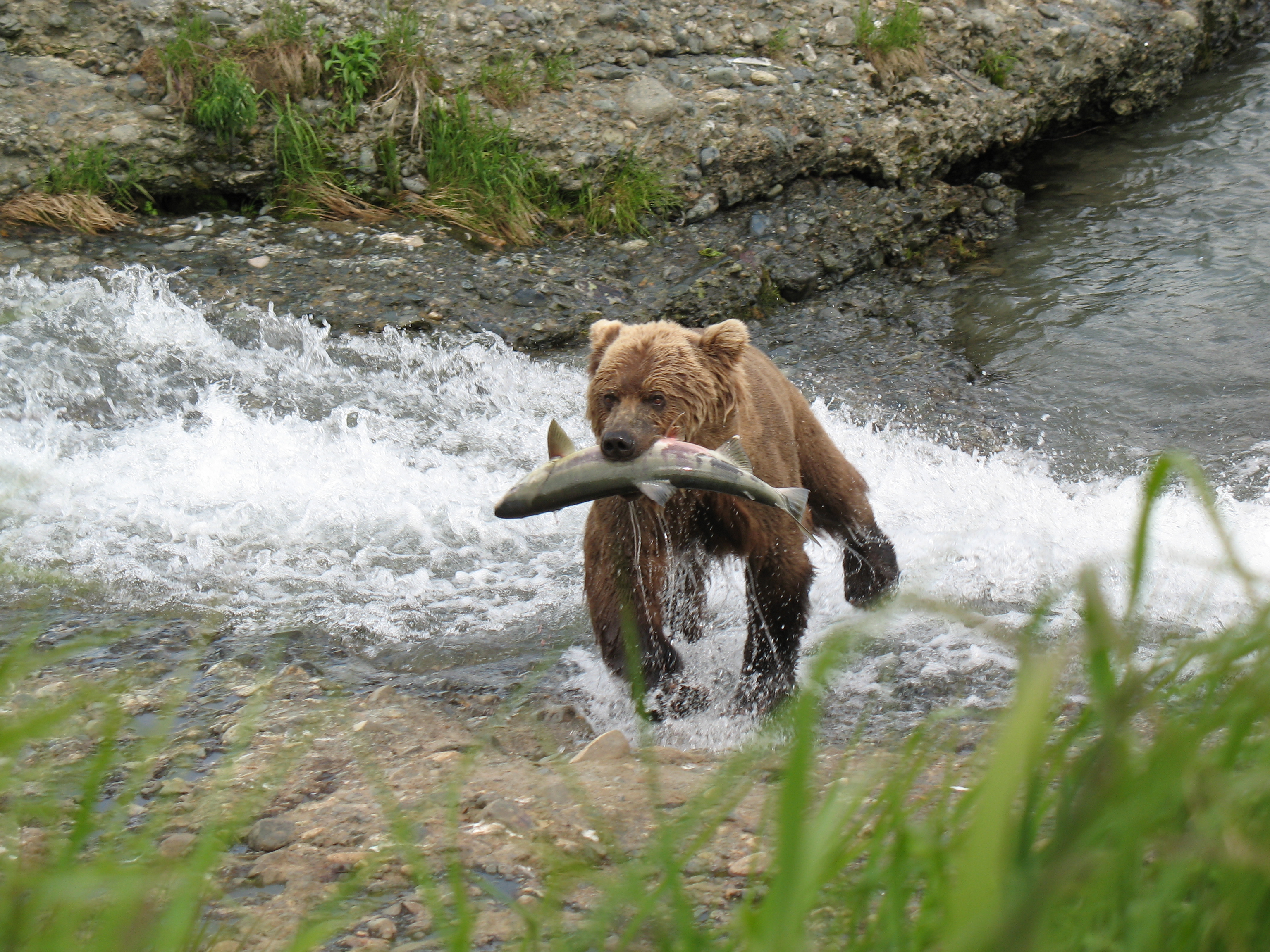
In Alaska, bear encounters have always been part of life, but the state continues to report serious attacks because people and large bear populations share enormous stretches of productive habitat. Fishing streams, berry patches, and remote trails can all become flashpoints when humans arrive at the wrong moment.
Both brown bears and black bears are involved, and the sheer scale of Alaska can create a false sense of security. Remote settings often mean delayed emergency response, which makes prevention even more important than in the lower 48.
Wildlife experts stress that noise, distance, and food discipline matter, but so does reading bear behavior. In Alaska, small mistakes can escalate quickly when the animals involved are among the largest in North America.
California

California may not be the first state many people associate with bear attacks, yet rising black bear encounters have become a growing concern in mountain towns, campgrounds, and foothill communities. As development pushes farther into wild land, bears are showing up where people live, vacation, and store food.
State officials have repeatedly noted that unsecured trash, pet food, and easy neighborhood meals can turn a cautious bear into a bold one. Once bears become comfortable around people, the odds of aggressive encounters can rise.
Most incidents still stop short of fatal attacks, but the trend line has drawn attention. California’s challenge is managing a large human population that increasingly shares space with adaptable, food-motivated wildlife.
Colorado

Colorado’s growing population and love of the outdoors have made bear safety a much bigger issue than it once was. Black bears are the state’s only bear species, but that has not stopped encounters from becoming more frequent in suburbs, campsites, and trail systems.
When bears find bird feeders, garbage, or open garages, they quickly learn that people can be an easy food source. Wildlife managers across Colorado have spent years urging residents to think of bear prevention as a neighborhood responsibility, not just a wilderness concern.
Attacks remain relatively rare, but aggressive behavior reports have reinforced a clear message. In Colorado, the line between mountain habitat and human space has become thin enough that everyday habits can influence wildlife behavior.
North Carolina
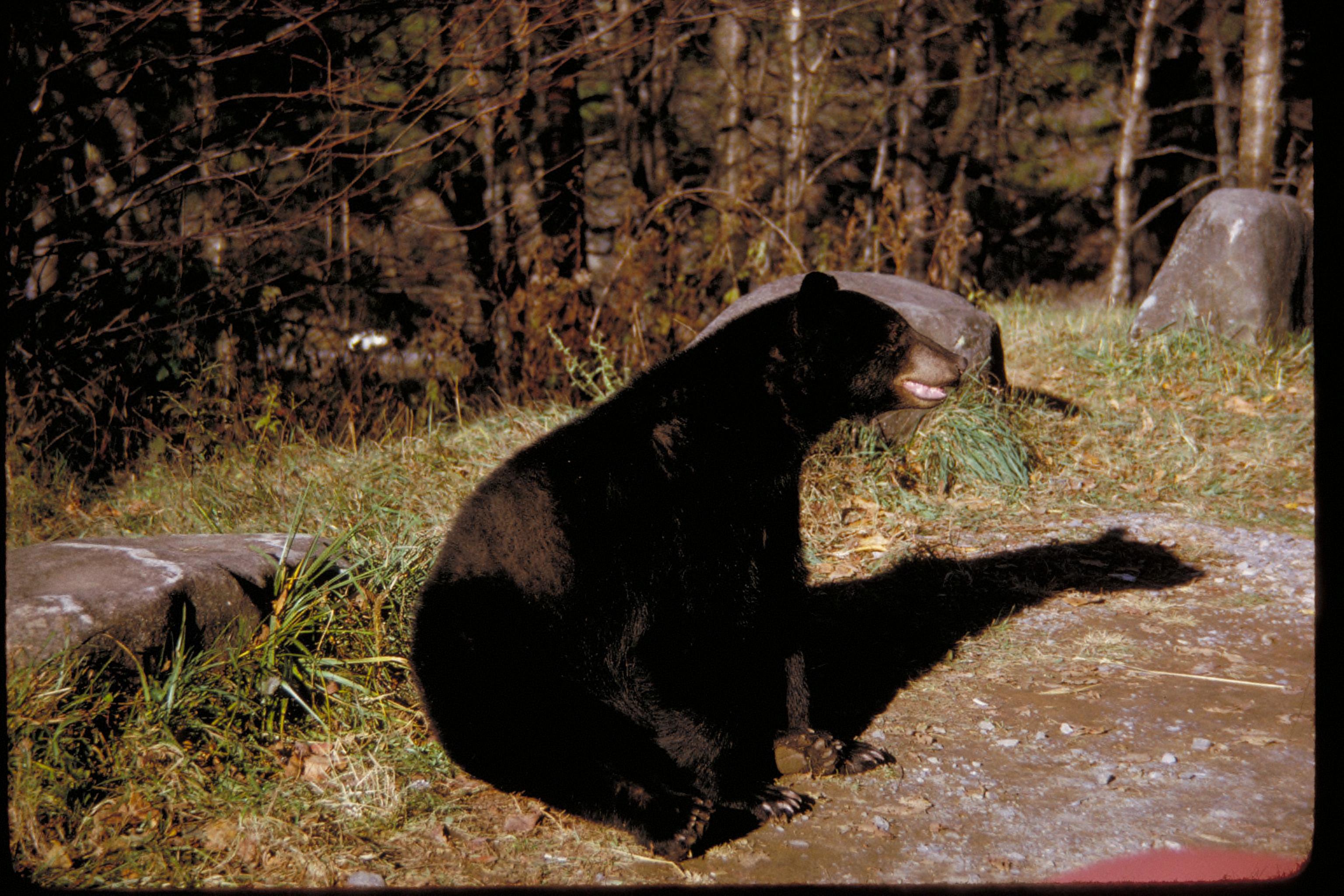
North Carolina has seen a steady rise in black bear visibility, especially in the western mountains and some coastal areas where populations have expanded. That growth is a conservation success story on one level, but it also means more chances for close calls in neighborhoods and recreation sites.
Residents in bear-heavy communities are increasingly familiar with sightings near porches, roads, and campgrounds. Wildlife officials often stress that feeding bears, intentionally or accidentally, is one of the fastest ways to create dangerous behavior.
The state’s encounters are usually tied to food attraction rather than predatory behavior, but that does not make them harmless. A cornered, startled, or food-conditioned bear can still cause serious injuries in a matter of moments.
Tennessee

Tennessee, especially in and around the Great Smoky Mountains region, has become one of the most closely watched states for black bear incidents. Millions of visitors pass through bear habitat each year, and not all of them understand how quickly a casual wildlife sighting can become a dangerous situation.
Officials in the Smokies routinely deal with bears drawn to coolers, vehicles, cabins, and picnic areas. Those repeated food rewards can produce unusually bold behavior, with bears approaching people at distances that should never feel normal.
Most bears still avoid conflict, but the state has recorded serious attacks and a growing number of unnerving encounters. In Tennessee, tourism and wildlife conservation now depend heavily on public behavior and constant education.
Florida

Florida’s bear story surprises many people, but black bears are expanding in several parts of the state, and interactions with humans have increased as suburban growth reaches deeper into natural corridors. In some communities, bears are no longer occasional visitors but regular nighttime scavengers.
Trash, outdoor pet food, grills, and neighborhood fruit trees can all attract bears into residential zones. Wildlife officials have worked to promote bear-resistant containers because once a bear repeatedly finds food near homes, conflict tends to escalate.
Serious attacks remain uncommon, yet Florida has seen enough alarming incidents to keep the issue in public view. The state shows that bear danger is not limited to mountains and remote forests; it can also emerge in fast-growing neighborhoods.
Wisconsin

Wisconsin has a well-established black bear population, particularly in the northern part of the state, and officials there have tracked a gradual increase in human-bear interactions over time. As more cabins, camps, and seasonal homes spread into wooded areas, bear encounters have become less unusual.
Many incidents begin with attractants that seem minor, like garbage cans, bird seed, or leftovers around outdoor spaces. Bears that repeatedly succeed in these settings can lose caution, leading to tense encounters with residents, hikers, or hunters.
Attacks are still infrequent compared with sightings, but the pattern has raised concern. Wisconsin’s experience underlines a common theme across the country: a food-conditioned bear is often the bridge between routine wildlife presence and real danger.
New Jersey

New Jersey stands out because it combines dense human population with one of the most closely watched black bear management debates in the country. In the northwestern part of the state, residents have become used to seeing bears in yards, near roads, and around suburban developments.
That close overlap has fueled concern about rising aggressive incidents, especially when bears become comfortable around garbage, bird feeders, and residential food sources. In a small state with limited wild space, bears do not have to travel far to end up in daily human life.
Wildlife officials and local communities often clash over the right approach, but the safety challenge is clear. New Jersey shows how quickly bear management becomes urgent when wildlife pressure meets crowded neighborhoods.