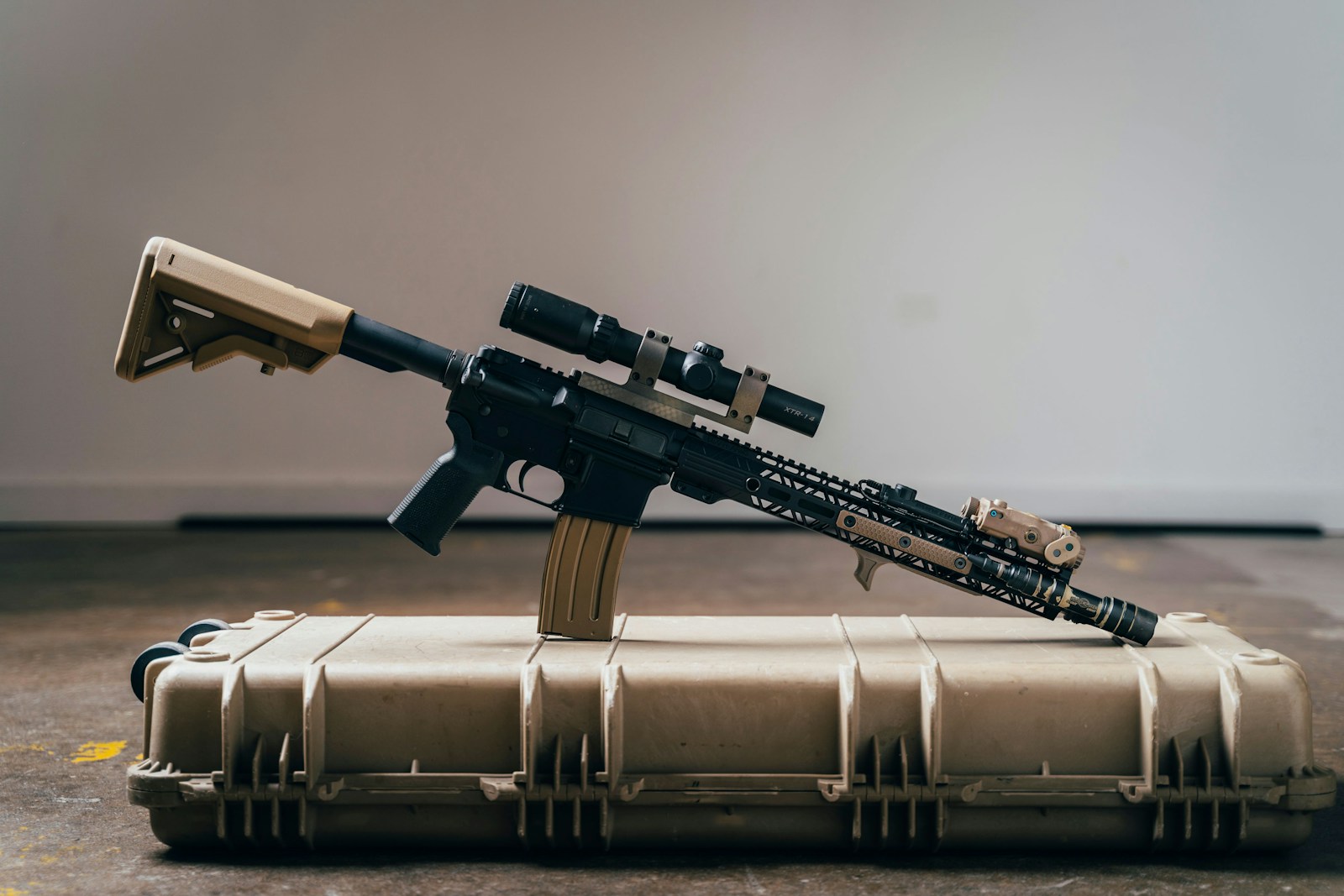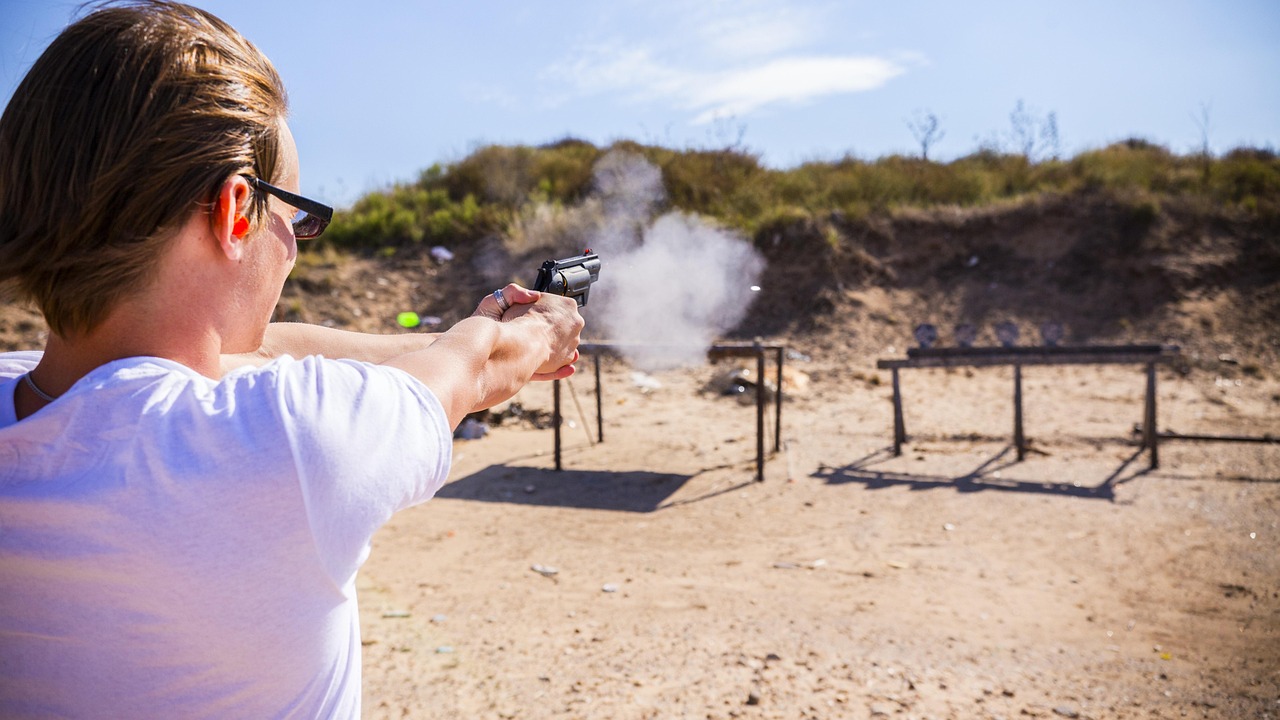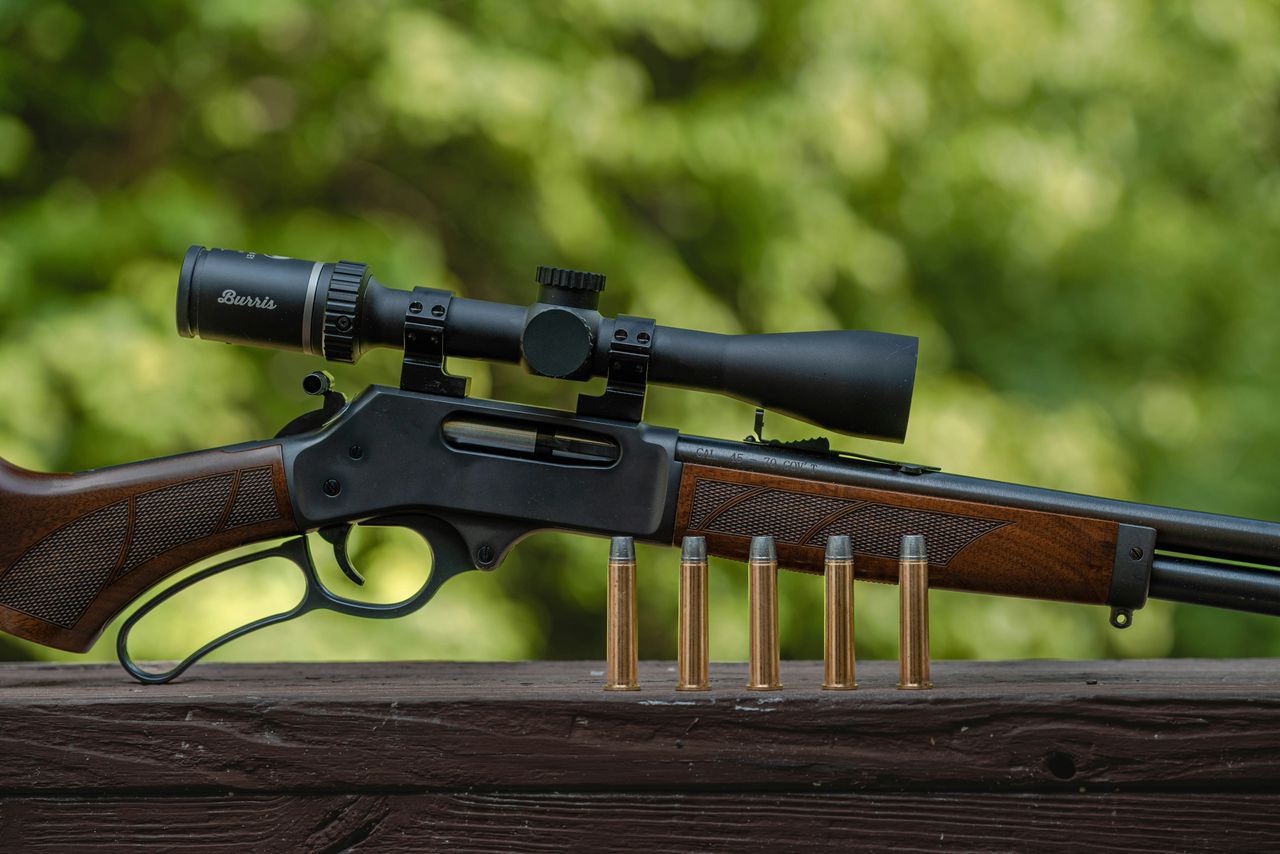
The .308 Winchester is not obsolete. But if you spend time around rifle counters, public ranges, and deer camps, one thing becomes clear: 6.5 Creedmoor has moved from trend to standard.
The caliber quietly taking the .308’s place

The cartridge replacing .308 in many hunting conversations is 6.5 Creedmoor. Introduced by Hornady in 2007, it was originally designed to give competitive shooters a round that fit short-action rifles, produced mild recoil, and held velocity exceptionally well at distance. Those same traits turned out to matter to hunters just as much as target shooters.
For the average deer hunter, the appeal is simple. A typical 6.5 Creedmoor load launches a 120- to 143-grain bullet with a high ballistic coefficient, which helps it resist wind drift and maintain speed downrange. Compared with standard .308 hunting loads in the 150- to 180-grain range, the 6.5 often shoots flatter and requires fewer holdover corrections at longer ranges.
That does not mean it hits harder in every scenario. The .308 still carries a larger bullet diameter and often delivers more momentum at short range with heavier projectiles. But many hunters have concluded that practical field accuracy matters more than raw caliber tradition, and 6.5 Creedmoor gives them a very forgiving shooting experience.
Why recoil matters more than most hunters admit
A lot of caliber debates focus on energy tables, but recoil changes what happens before the bullet ever reaches the animal. In lightweight hunting rifles, .308 has enough kick to cause flinching in newer shooters and enough muzzle jump to make spotting impacts more difficult. 6.5 Creedmoor generally produces noticeably less recoil, and that matters in the field.
Less recoil often means better shot placement. Hunters can stay on the scope, see the hit, and make a faster follow-up decision if necessary. That is especially useful for younger shooters, smaller-framed adults, and anyone trying to shoot accurately from awkward field positions instead of a perfect benchrest.
Many outfitters and rifle instructors have noticed the same pattern. When hunters practice more comfortably, they usually practice more often, and confidence rises with repetition. A softer-shooting rifle is not just easier on the shoulder; it can be the difference between a calm, precise trigger press and a rushed shot at the worst possible moment.
Ballistics are driving the shift.
The strongest technical case for 6.5 Creedmoor is external ballistics. With sleek bullets in the 129- to 143-grain class, the cartridge keeps velocity well and drifts less in the wind than many common .308 loads. That gives hunters a wider margin for error when distance estimation or crosswind judgment is less than perfect.
At 300 yards and beyond, the difference becomes more noticeable. A common 143-grain 6.5 Creedmoor hunting load may retain speed and energy surprisingly well while dropping less than a typical 150-grain or 165-grain .308 load zeroed the same way. For hunters shooting across bean fields, cutovers, or Western draws, flatter trajectories are not marketing fluff; they simplify real decisions.
That said, ballistic advantages should be kept in perspective. Inside 200 yards, where many whitetail deer are actually taken, both cartridges are highly effective with good bullets and proper placement. The shift away from .308 is not happening because .308 suddenly fails. It is happening because the 6.5 Creedmoor makes a lot of common hunting shots easier.
What real hunters are seeing in the field

The biggest reason a cartridge survives is simple: animals keep falling to it. Across North America, hunters have used 6.5 Creedmoor successfully on whitetails, mule deer, pronghorn, feral hogs, and even elk with disciplined shot selection and sturdy bullets. That record has done more to legitimize it than any advertising campaign ever could.
Plenty of experienced hunters were skeptical at first. Some viewed it as a paper-puncher’s cartridge that lacked authority on the game. But years of field reports, meat-pole evidence, and broad ammunition development changed that perception. Controlled-expansion bullets, bonded designs, and copper hunting loads have made the cartridge much more versatile than critics initially assumed.
In practical terms, many hunters report quicker confidence with 6.5 Creedmoor than with .308. They shoot tighter groups, recover from recoil faster, and make cleaner hits at moderate range. Those advantages do not guarantee better outcomes, but they help explain why more first-time rifle buyers now leave the store with a 6.5 rather than the old default choice.
Where .308 still holds a real advantage
None of this erases the strengths of the .308 Winchester. It remains one of the most proven, adaptable, and widely available rifle cartridges in the world. Ammunition choices are enormous, from inexpensive practice loads to deep-penetrating hunting rounds, and rifles chambered in .308 are available in nearly every action style and price range imaginable.
The .308 also retains advantages for hunters who want heavier bullets for larger-bodied game or tougher angles. With 165-, 178-, and 180-grain loads, it can offer excellent penetration and terminal performance at ordinary hunting distances. In dense woods, where shots are close and trajectory matters less, many hunters still prefer the confidence of that extra frontal diameter and bullet weight.
There is also a logistical argument. During ammunition shortages, .308 has historically been easier to locate than newer specialty rounds because of its military and sporting overlap. So while 6.5 Creedmoor is replacing .308 for many hunters, it is not replacing it everywhere, and probably never will.
The role of modern rifles and factory ammo

Part of 6.5 Creedmoor’s rise has nothing to do with internet hype and everything to do with timing. It arrived just as rifle makers began producing more affordable, inherently accurate bolt guns with better triggers, stiffer stocks, and threaded barrels. In that environment, a cartridge built for efficiency and precision was bound to gain traction quickly.
Factory ammunition also improved dramatically. Major manufacturers now offer a wide spread of 6.5 Creedmoor loads, including deer-specific soft points, premium bonded rounds, monolithic copper bullets, and match-accurate hunting hybrids. Hunters no longer have to handload to get excellent consistency, and that convenience has helped push the cartridge into the mainstream.
Retailers have responded to demand in a very visible way. Walk into many sporting goods stores today and compare shelf space, and the 6.5 Creedmoor often sits right beside .308 as a core offering rather than an exotic alternative. Once that happens, adoption becomes self-reinforcing: more rifles lead to more ammo, and more ammo leads to more hunters trying it.
Why this change is likely to stick
The reason hunters are quietly moving away from .308 is not that they are chasing novelty. It is because the 6.5 Creedmoor solves several real problems at once. It reduces recoil, simplifies longer shots, works well in compact short-action rifles, and delivers dependable hunting performance on the game most people actually pursue.
That combination is hard to ignore. For whitetail hunters in the South, antelope hunters on windy plains, and new rifle owners who want a cartridge they can shoot well without punishment, 6.5 Creedmoor makes immediate sense. Once a hunter sees smaller groups and more comfortable range sessions, loyalty to old standards tends to soften.
The smarter conclusion is not that one cartridge is universally superior. It is that the old center of gravity has shifted. The .308 Winchester is still a classic, but 6.5 Creedmoor has become the modern default for a huge number of hunters, and that quiet replacement is already well underway.