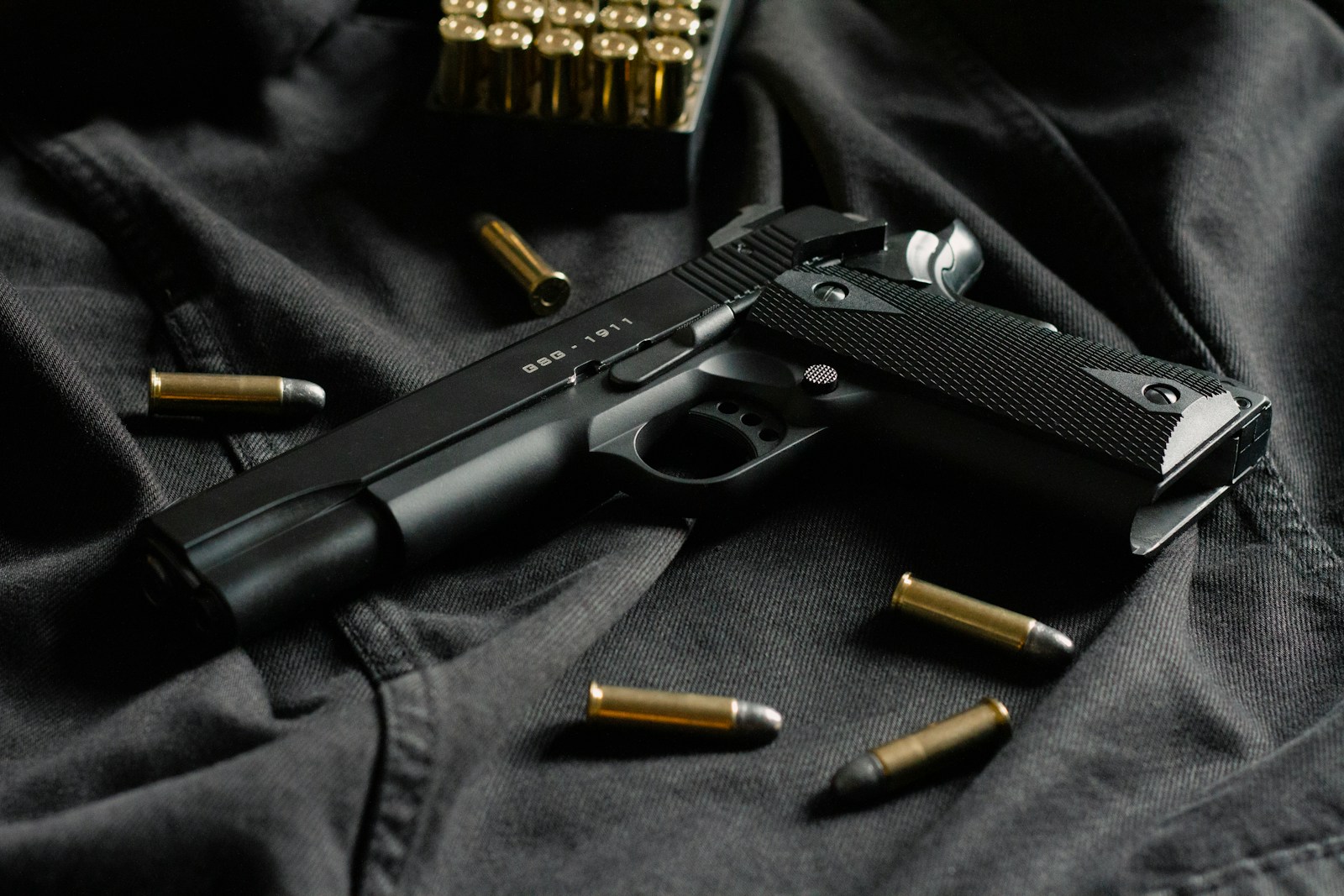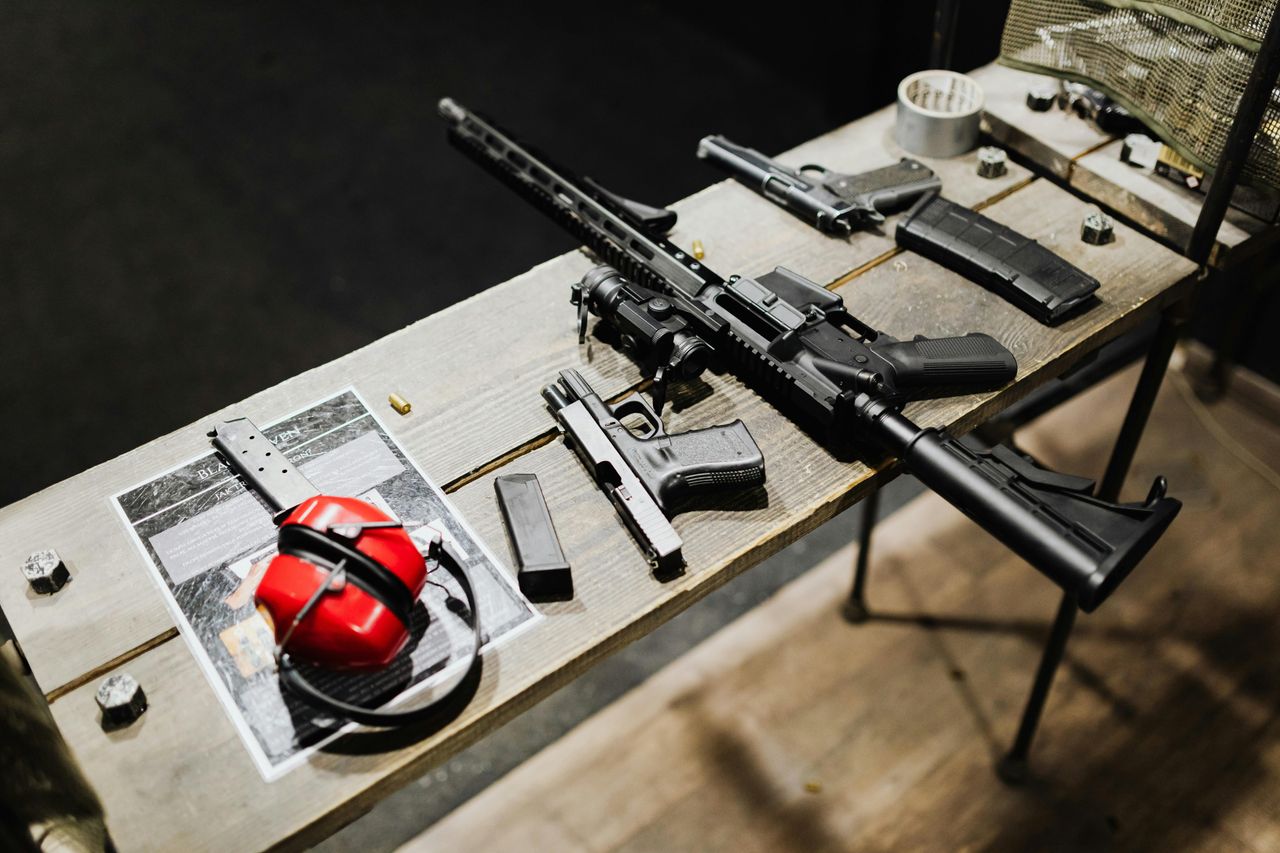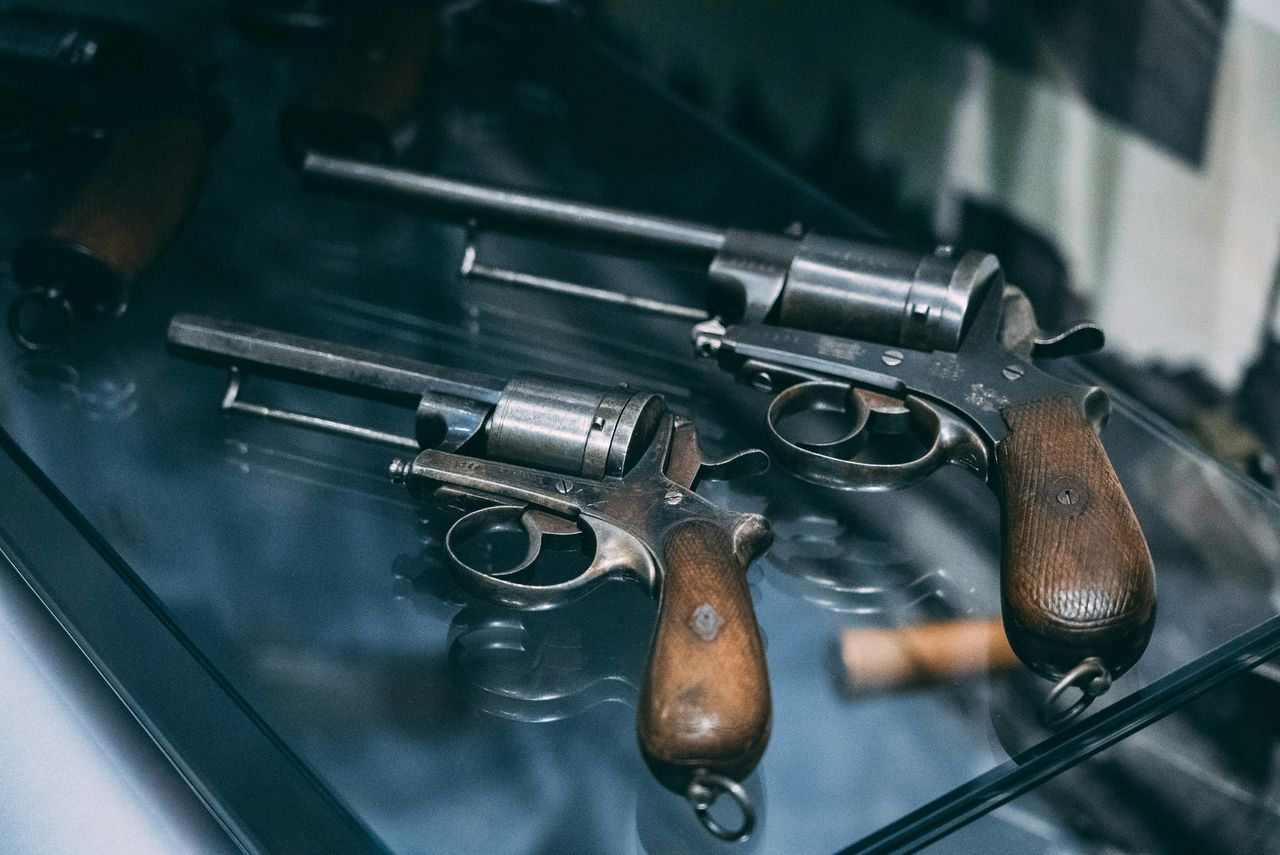
Some firearms become legends because they work. Others become cautionary tales because the ads, slogans, and launch hype were far better than the guns themselves. This gallery looks at a dozen heavily marketed firearms that grabbed attention, stirred curiosity, and then disappointed shooters, collectors, or military users once real-world experience set in.
Remington R51

When Remington brought back the R51 name, the pitch was irresistible. It promised a slim, elegant carry pistol with reduced recoil, classic lines, and modern concealed-carry appeal. On paper, it sounded like the return of a smart old idea updated for a new era.
In practice, early examples quickly developed a reputation for malfunctions, rough finishing, and inconsistent performance. Many shooters found that the soft-shooting promise was overshadowed by reliability concerns that no carry gun can afford. The relaunch eventually became less about innovation and more about recalls, delays, and damaged trust.
Winchester Model 100

The Winchester Model 100 looked like exactly what mid-century hunters wanted. It had sleek lines, a familiar brand name, and the appeal of a semi-automatic sporting rifle at a time when modern convenience was becoming part of the sales pitch. It was marketed as stylish, quick-handling, and ready for the deer woods.
The trouble came from durability and safety concerns, especially the notorious firing pin issue that later led to recalls. Accuracy was often described as merely acceptable, not exceptional, and the rifle never quite earned the confidence its looks suggested. It sold the idea of refinement better than the actual experience delivered.
Colt All American 2000

The All American 2000 arrived with the sort of branding that sounded destined for success. Colt pushed it as a fresh, modern answer in the polymer pistol era, hoping to show it could compete with the rising wave of high-capacity service handguns. The name alone was bold, confident, and unmistakably aimed at headlines.
Unfortunately, the pistol gained a reputation for awkward ergonomics, a heavy and unpopular trigger, and lackluster execution. Instead of becoming Colt’s grand modern comeback, it became an example of a company misunderstanding the market at a crucial moment. The marketing sounded patriotic and futuristic, but the product felt clumsy and unfinished.
Chauchat

The Chauchat is one of history’s clearest examples of a gun whose theory sold better than its reality. During World War I, it represented portable automatic fire for advancing infantry, a revolutionary concept that fit the moment perfectly. The idea was compelling enough that it gained broad adoption despite obvious warning signs.
Then mud, dirt, poor manufacturing, and bad magazine design turned battlefield use into a test of patience. Its open-sided magazines became symbols of everything fragile about the platform. The Chauchat mattered historically, but the gap between what it promised and what soldiers actually endured remains enormous.
Zip .22
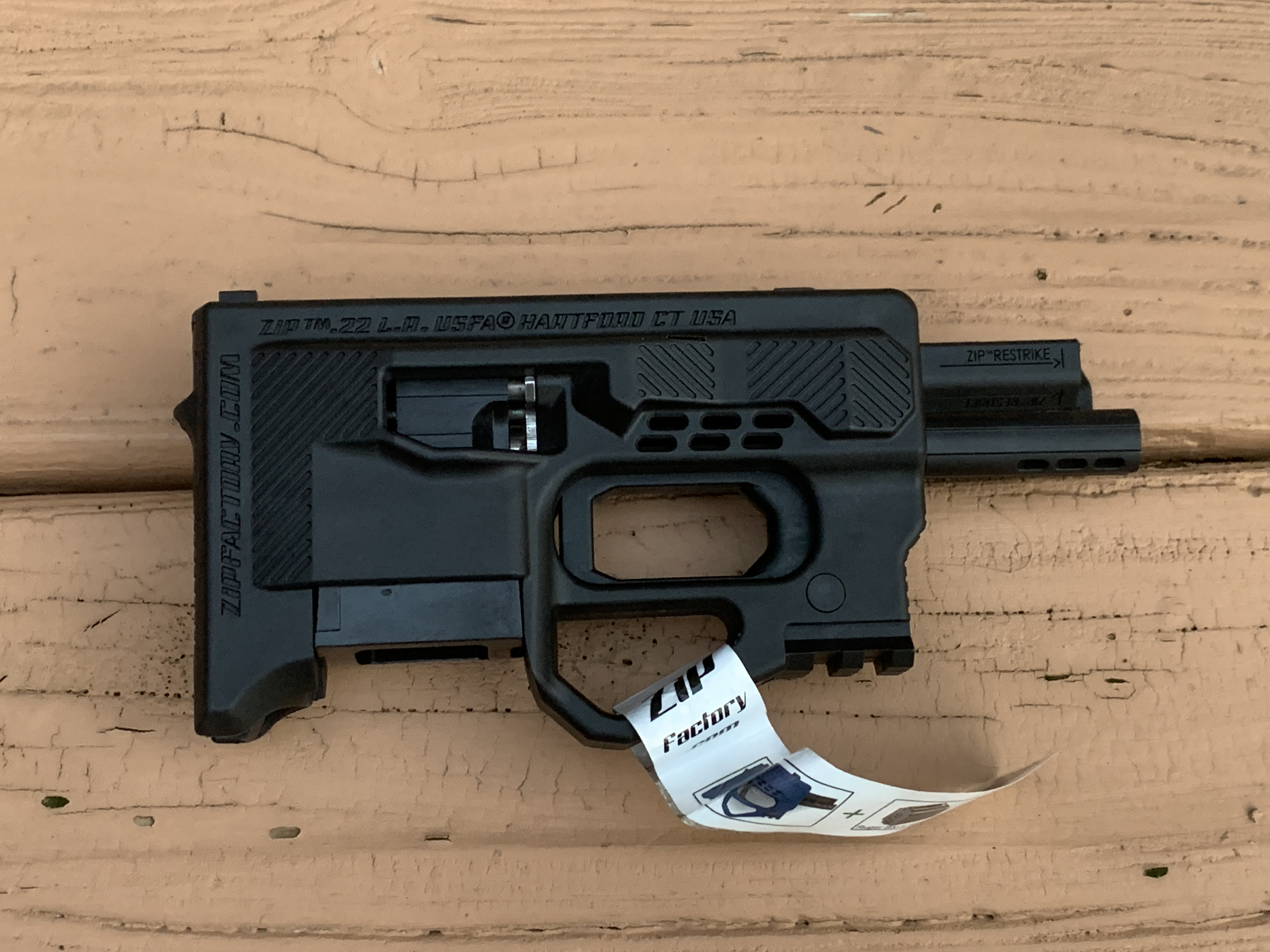
The Zip .22 was marketed with the kind of modern, modular language usually reserved for clever gadgets. It looked different, sounded innovative, and leaned hard into the promise that a .22 LR pistol could be reimagined for a new generation. That unusual shape made it instantly memorable, which is half the battle in marketing.
The other half is making something people actually enjoy using. The Zip .22 was widely criticized for awkward handling, poor reliability, and design choices that seemed to create more problems than they solved. It became internet-famous, but not in the way any manufacturer hopes for.
Ross Rifle

The Ross Rifle was sold as a precision instrument, and in some settings that description made sense. It had excellent accuracy potential and carried the prestige of careful engineering, which made it attractive to officials who valued marksmanship and technical sophistication. On the parade ground and the target range, it could look like a brilliant choice.
Combat revealed a very different story. In trench conditions, soldiers complained about jamming, difficult maintenance, and a design less forgiving than the Lee-Enfield it competed against. The Ross became a classic case of a rifle marketed around ideal performance while failing the dirty, chaotic test that mattered most.
Liberator Pistol

The FP-45 Liberator came wrapped in one of the most dramatic concepts in firearms history. It was never sold like a commercial product, but it was marketed strategically as a symbol of resistance, simplicity, and mass-produced rebellion during World War II. As an idea, it was powerful and unforgettable.
As a weapon, it was crude, short-ranged, and extremely limited. The single-shot design made its practical value far smaller than the mythology around it suggests today. Its reputation survives because the narrative was so compelling: a tiny pistol with outsized symbolic ambition, even if its actual utility was often disappointingly narrow.
Dardick Model 1500

Few firearms have ever looked more like the future than the Dardick. Its triangular ammunition and open-chamber revolver concept gave advertisers plenty to talk about, and the whole package felt like a science-fiction answer to conventional handgun design. It was inventive, eye-catching, and almost impossible to ignore.
But novelty is not the same thing as usefulness. Proprietary ammunition, limited practical appeal, and mechanical complexity made it a hard sell once the fascination wore off. The Dardick remains a collector conversation piece because the concept was so bold. That boldness just never translated into broad success or dependable real-world enthusiasm.
MAS 49-56 in 7.62 NATO conversions
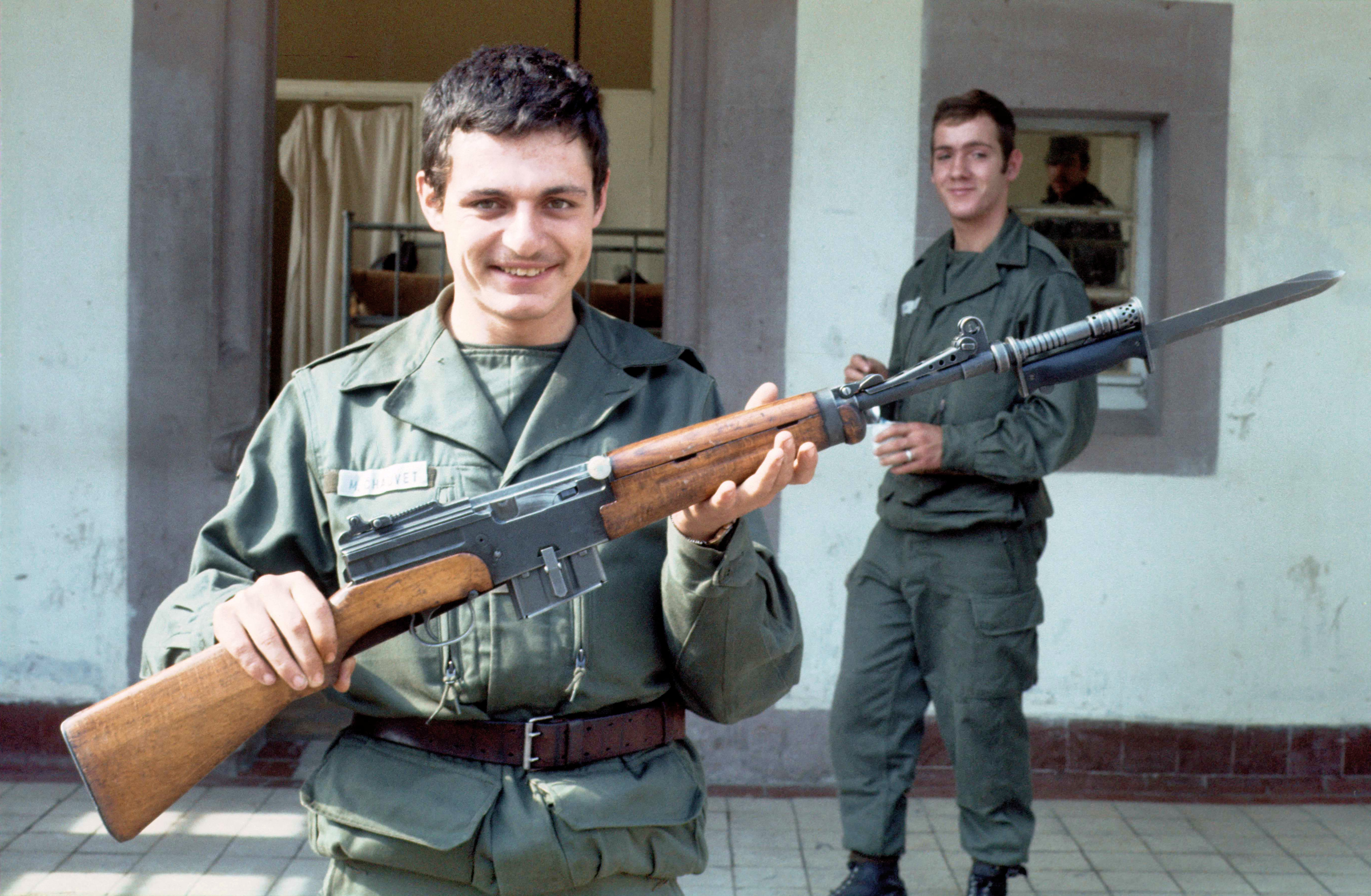
The original MAS 49-56 had strengths, but the converted 7.62 NATO versions entered the market with a more exciting sales pitch than their performance justified. Surplus buyers loved the idea of a battle rifle with French style, detachable magazines, and a common caliber. For many collectors and shooters, that combination sounded irresistible.
The conversions, however, developed a reputation for rough execution and inconsistent reliability. Feeding issues and general disappointment turned what should have been an easy surplus win into a warning to read the fine print. The marketing leaned on affordability and novelty, while the actual shooting experience could feel unpredictable and frustrating.
Hudson H9

The Hudson H9 entered the market with premium styling, enormous buzz, and the seductive claim that it blended classic 1911 ergonomics with modern striker-fired performance. It was sleek, expensive, and instantly recognizable, which made it catnip for gun media and enthusiasts looking for the next big thing.
Then reality arrived in the form of production issues, spotty reliability reports, and a company that could not sustain itself. The pistol had genuine ideas behind it, but consumers buying into the vision found themselves attached to a troubled platform with uncertain support. The H9 looked like a flagship product and was marketed like one, but the foundation underneath was shaky.