Starting a gun collection can feel exciting, personal, and even rewarding as values rise over time. But experienced collectors often say their biggest losses came early, when enthusiasm outpaced research and patience. This gallery breaks down the common mistakes that can drain a budget fast, from overpaying for the wrong firearm to ignoring paperwork, condition, and long-term storage.
Buying Before Learning the Market

Many first-time collectors buy the first gun that feels rare, historic, or simply exciting. That impulse can get expensive fast, because prices vary wildly depending on region, timing, originality, and how badly a seller wants to move inventory.
Experienced collectors usually spend more time watching sales than making them at the beginning. They compare auction results, dealer listings, and local show prices until they can spot a fair deal without guessing.
The costly part is not just overpaying once. It is setting a bad baseline, then repeating that mistake across several purchases before realizing the market never agreed with the price.
Confusing Refinished Guns With Original Condition
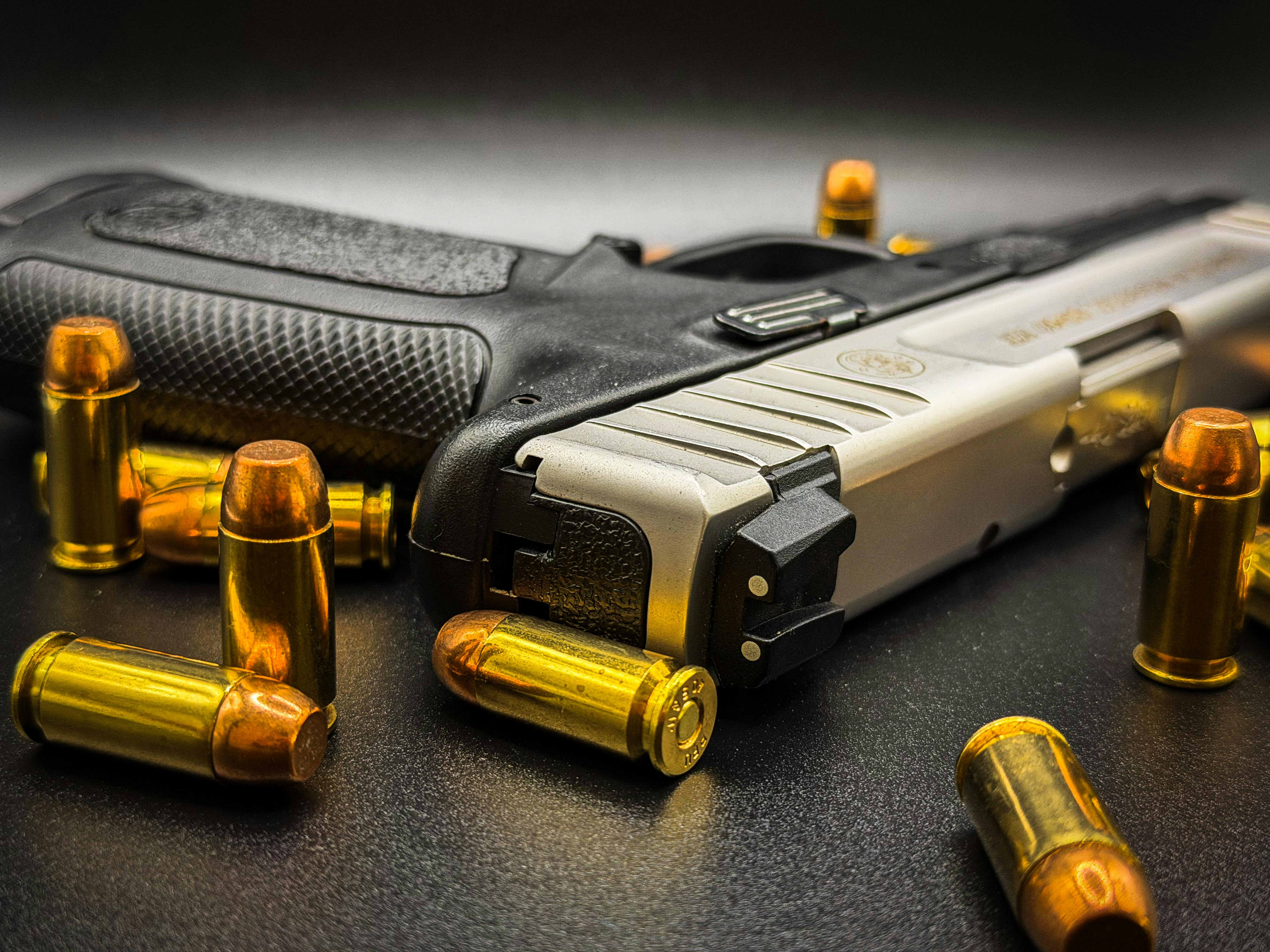
A gun can look beautiful and still lose collector value if the finish is not original. New collectors often mistake a polished, reblued, or heavily restored firearm for a better example, when many seasoned buyers see those changes as a major hit to desirability.
Original wear tells a story, and in collecting, honesty often beats shine. Light finish loss, edge wear, and correct aging can be more valuable than a surface that has been redone to look fresh.
The money mistake comes when someone pays premium pricing for cosmetics alone. Once they try to resell, knowledgeable buyers quickly discount the piece.
Ignoring Matching Parts and Serial Numbers
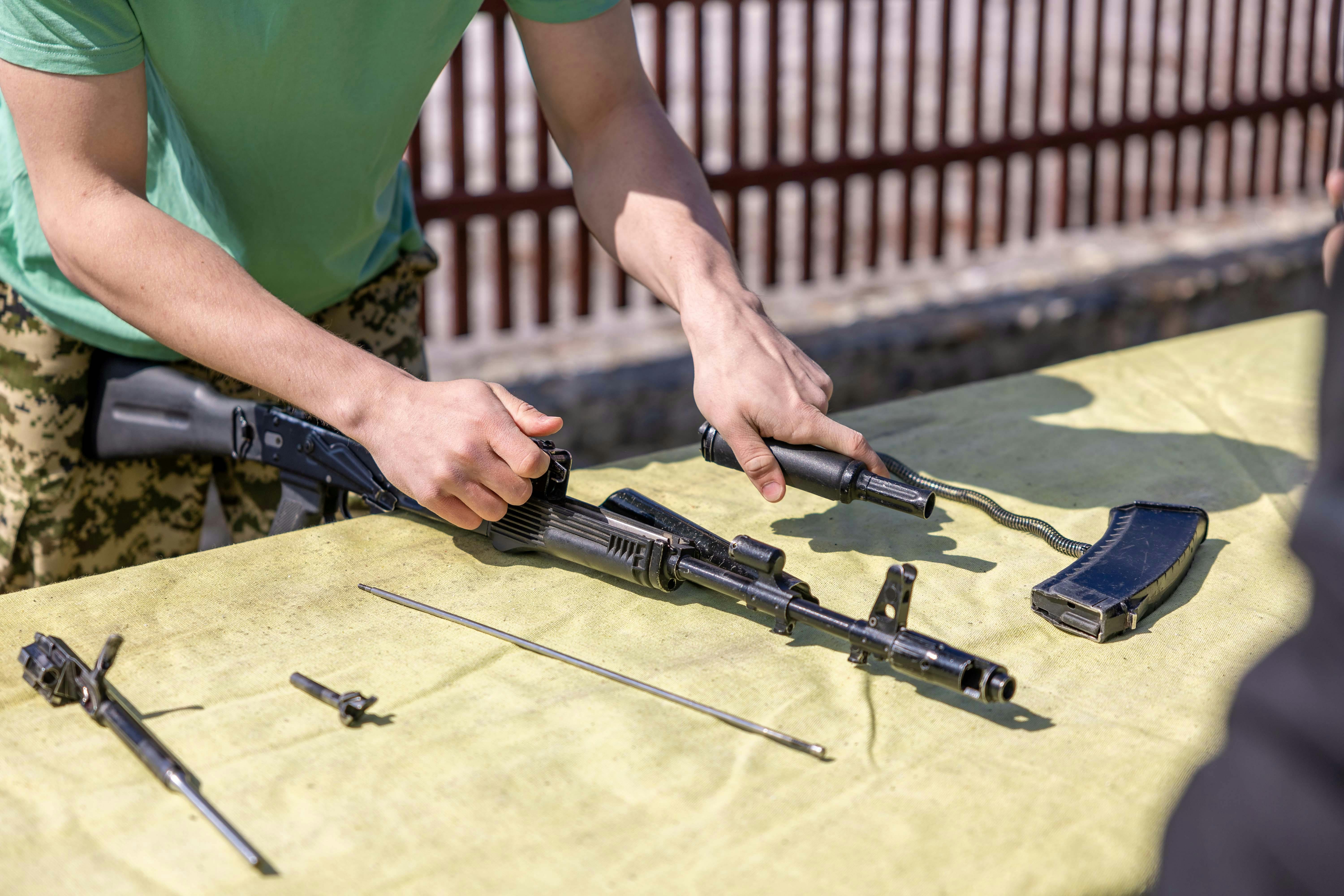
On many collectible firearms, matching numbers are not a small detail. They can be the difference between an average purchase and a truly valuable one. First-time buyers sometimes focus on the model name and miss the fact that key parts were swapped long ago.
Experienced collectors know that bolts, slides, cylinders, stocks, magazines, and even sights may affect originality. A gun assembled from correct-looking but mismatched parts often sells for much less than a fully matching example.
That discount can be painful when the buyer paid top dollar based on appearance alone. A few minutes checking markings can save a lot of money and future regret.
Skipping Provenance and Documentation
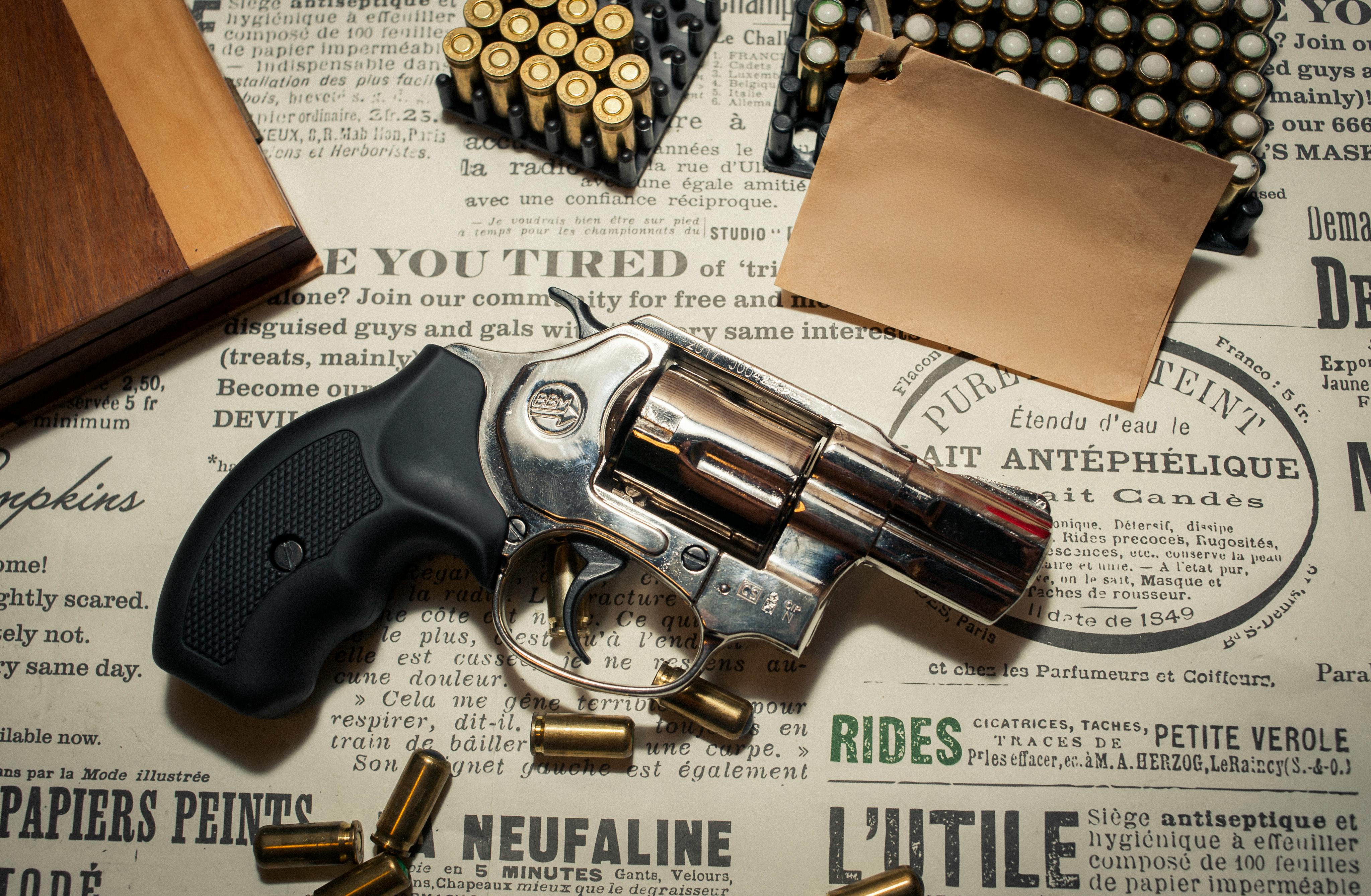
Stories sell guns, but documents support value. New collectors sometimes pay extra for a firearm tied to military service, a famous owner, or a historic event without asking for letters, receipts, factory records, or any traceable proof.
Seasoned collectors tend to be skeptical of colorful backstories unless paperwork follows the gun. A believable claim may still add little to resale value if the next buyer cannot verify it independently.
The expensive lesson usually arrives later, when sentiment meets the market. Without documentation, a supposedly special firearm may be priced like any ordinary example, no matter how compelling the tale sounds.
Chasing Every Deal Instead of Building a Focus
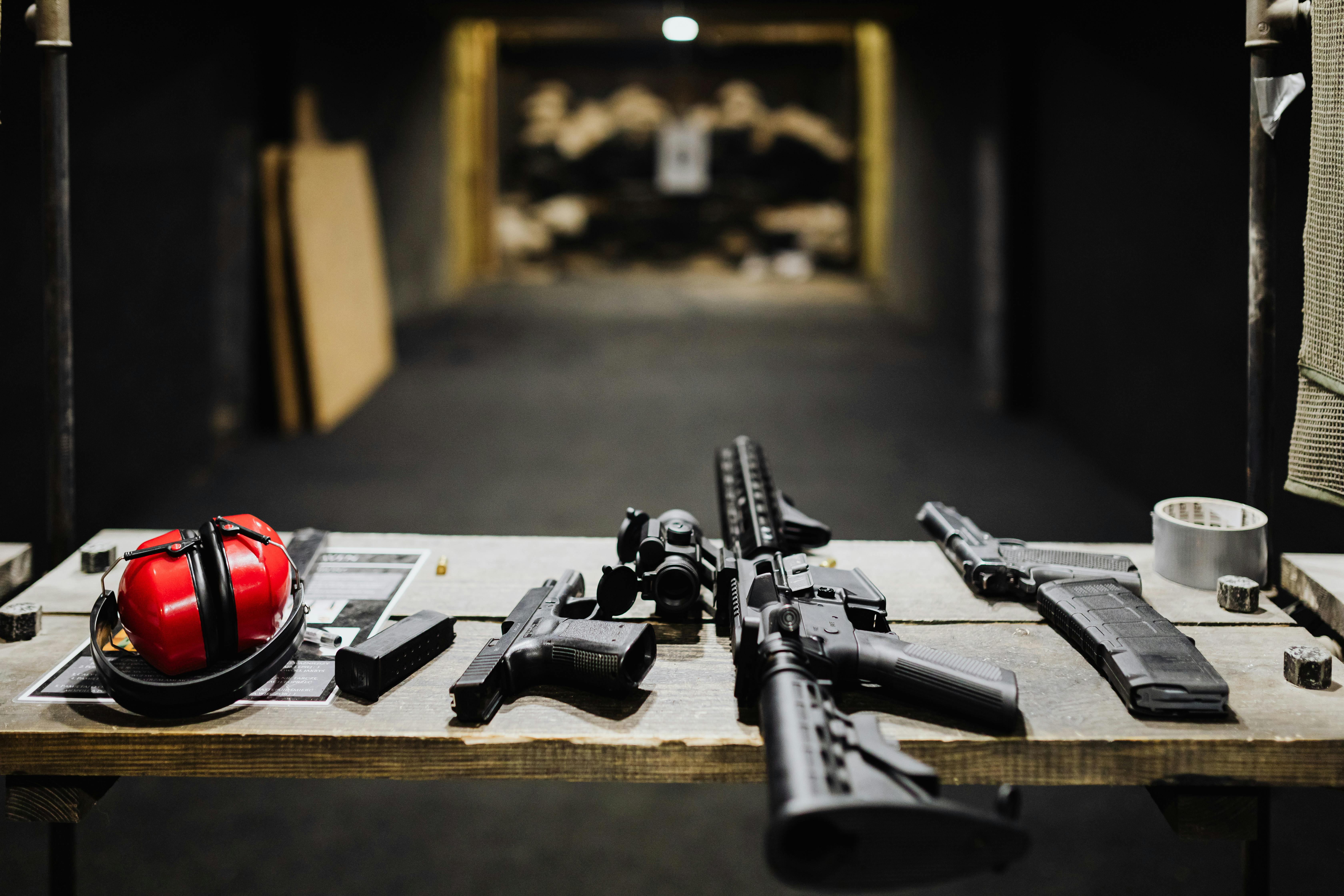
A low price can tempt any beginner, especially when a gun seems too cheap to leave behind. The problem is that random bargain buying often creates a pile of disconnected purchases that are hard to store, insure, resell, or upgrade into better pieces later.
Experienced collectors usually develop a lane, maybe military surplus, classic revolvers, sporting shotguns, or one specific maker. That focus helps them spot quality faster and reserve cash for examples that truly fit the collection.
Money disappears when every purchase feels like an opportunity. In practice, many of those impulse deals tie up funds that could have gone toward one stronger, more valuable firearm.
Underestimating Condition Issues That Hurt Value
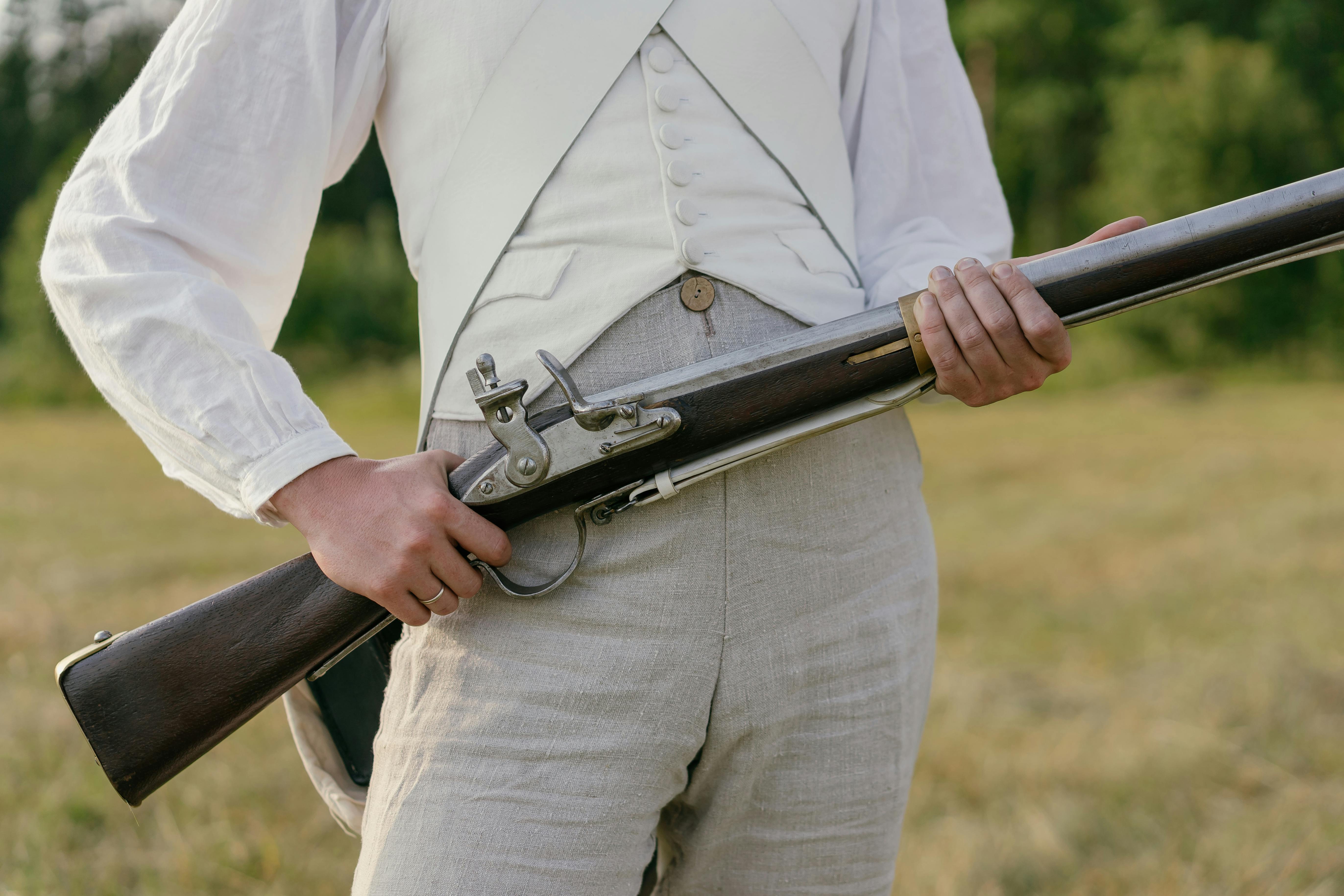
Rust, pitting, cracked stocks, buggered screws, dark bores, and missing small parts can look manageable to a beginner. Many first-time collectors assume those flaws are minor or easy to fix, only to discover that condition problems can sharply reduce both value and long-term desirability.
Veteran collectors pay attention to the little things because little things add up. A weak bore or altered screw head may suggest poor maintenance, amateur repairs, or hidden mechanical trouble.
The financial sting often comes from buying a project at nearly full price. Once the true condition is obvious, the gun may need expensive work and still remain worth less than a cleaner original example.
Assuming Accessories Are Always Correct
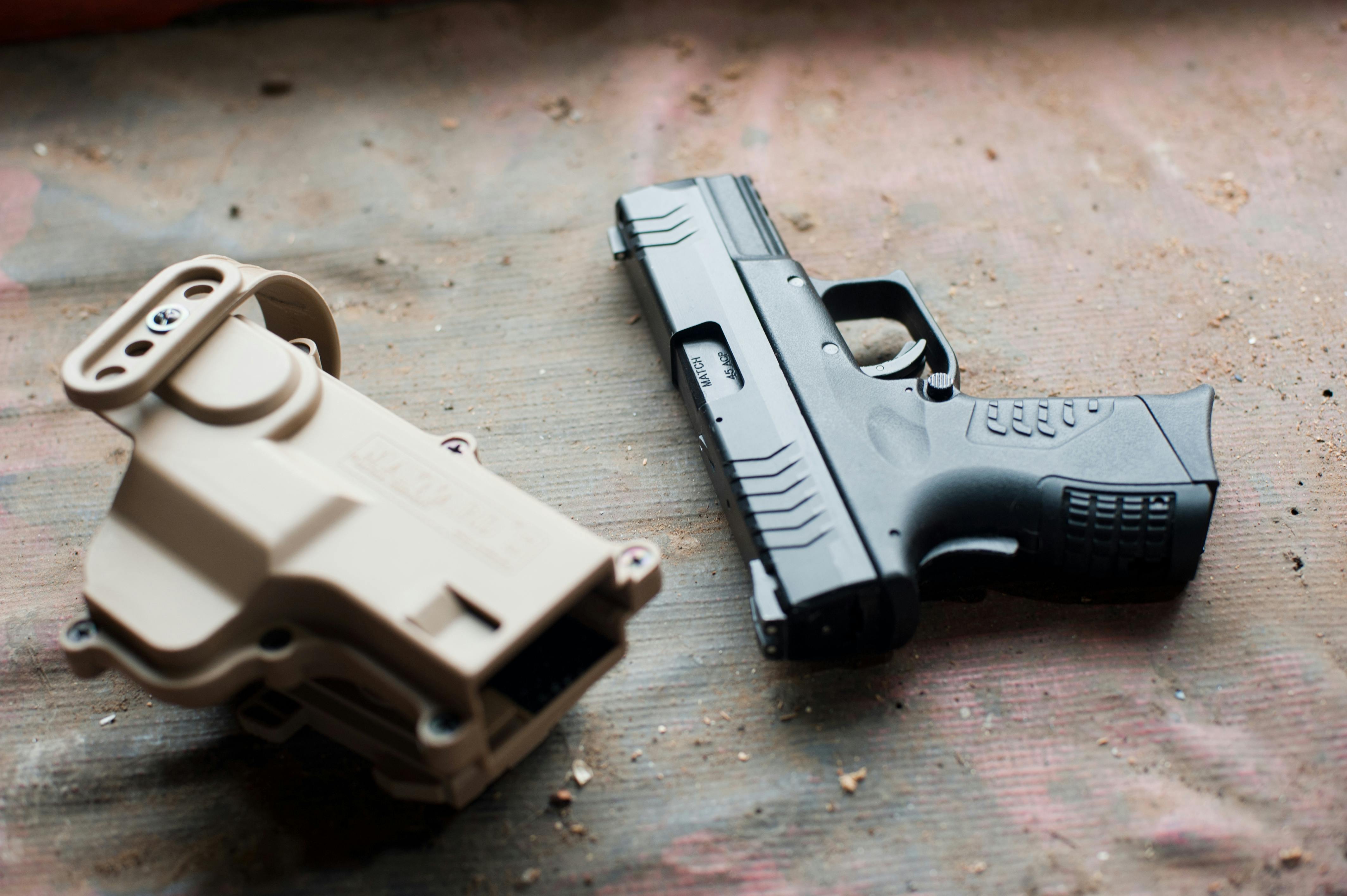
Boxes, holsters, slings, scopes, magazines, and bayonets can add real value, but only when they are correct to the firearm. New collectors often see a complete-looking package and assume everything belongs together because it was sold together.
Experienced buyers slow down and check dates, maker marks, stitching patterns, packaging labels, and model compatibility. Reproduction accessories and later replacements can look convincing enough to inflate a sale without adding true collector appeal.
This mistake gets costly when a buyer pays a premium for extras that are mismatched or modern. Once separated from the sales pitch, those accessories may contribute far less value than expected.
Neglecting Safe Storage and Insurance
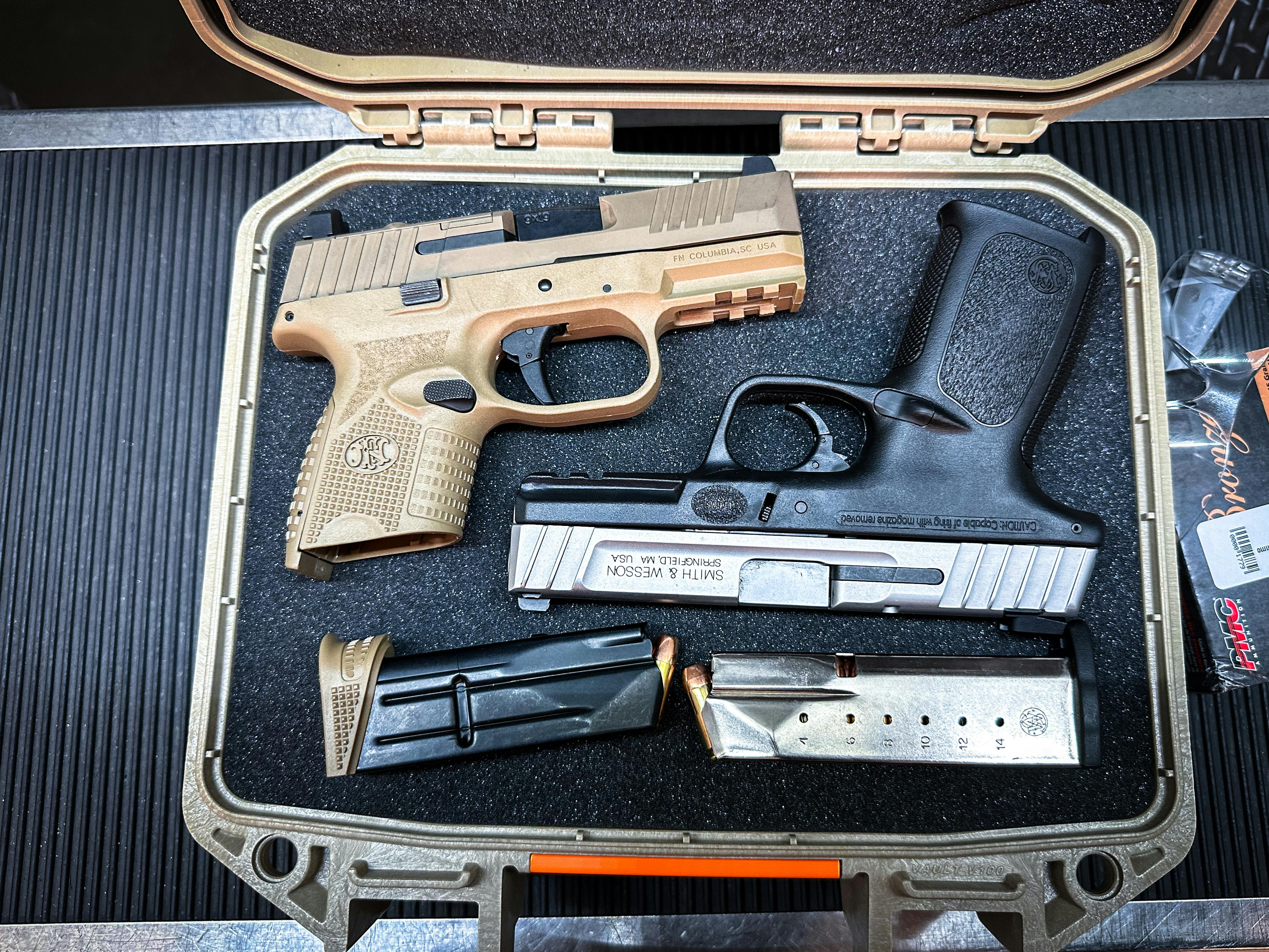
Collectors often think of losses as bad purchases, but damage after the sale can be just as costly. First-time owners sometimes store firearms in damp basements, soft cases, or unsecured cabinets, not realizing that rust, stock warping, theft, and paperwork loss can destroy value quickly.
Experienced collectors treat storage as part of the investment. Climate control, desiccants, secure safes, inventories, and photographs are not glamorous, but they protect both the guns and the ability to prove what was owned.
The money mistake here is painfully simple. A well-bought collectible can become a badly damaged asset if storage and insurance were treated as optional instead of essential.
Trying to Restore Instead of Preserve
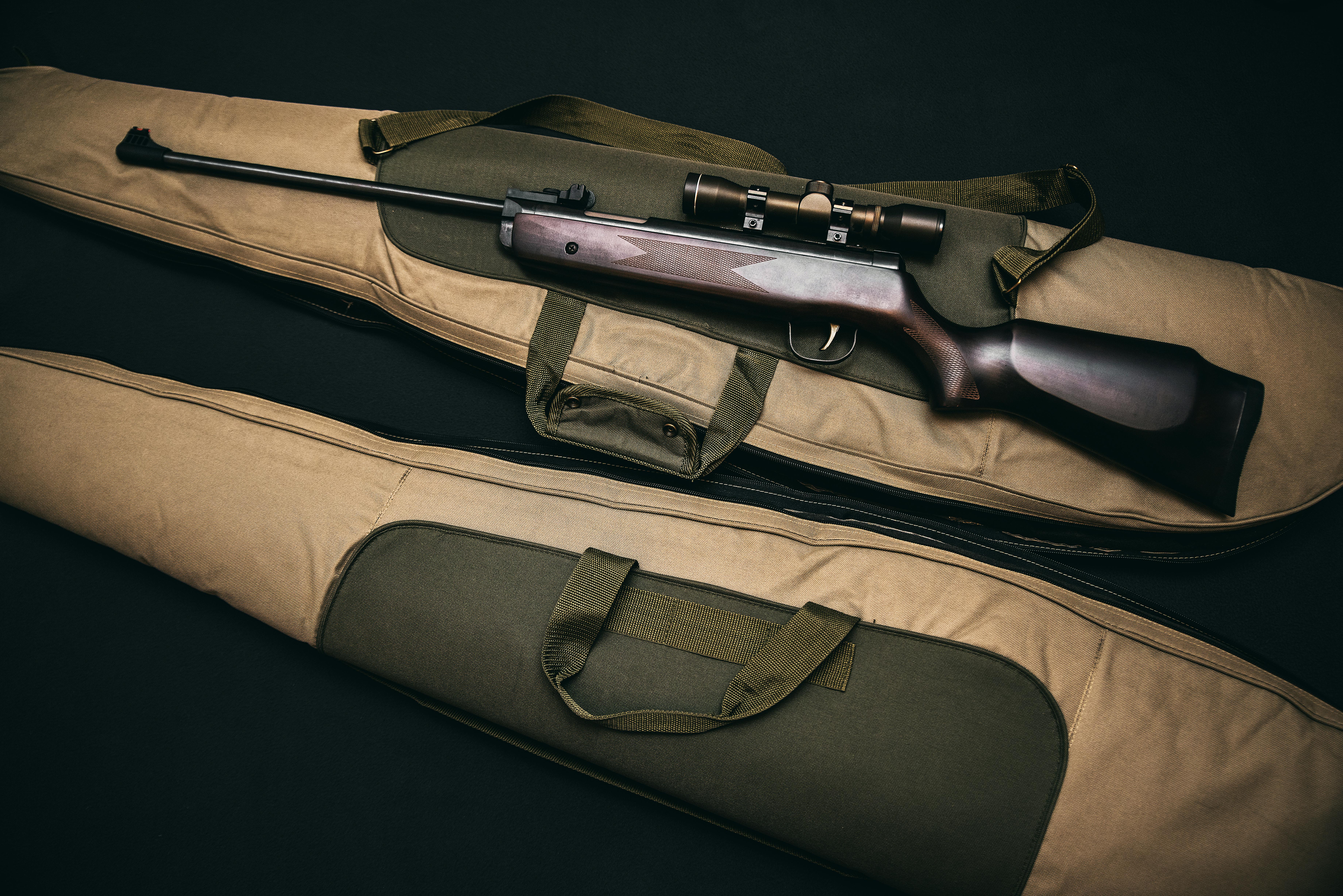
Beginners often believe they can improve value by refinishing wood, replacing worn parts, polishing metal, or cleaning aggressively. In the collecting world, that kind of work can erase originality, soften markings, and strip away the very features serious buyers care about most.
Experienced collectors usually aim to stabilize rather than modernize. Gentle cleaning, proper lubrication, and careful preservation are very different from restoration meant to make an old gun look factory new.
The expensive surprise comes when the owner spends money on work that lowers the gun’s appeal. A firearm that looks nicer to a novice may look far less authentic to the market that sets its price.