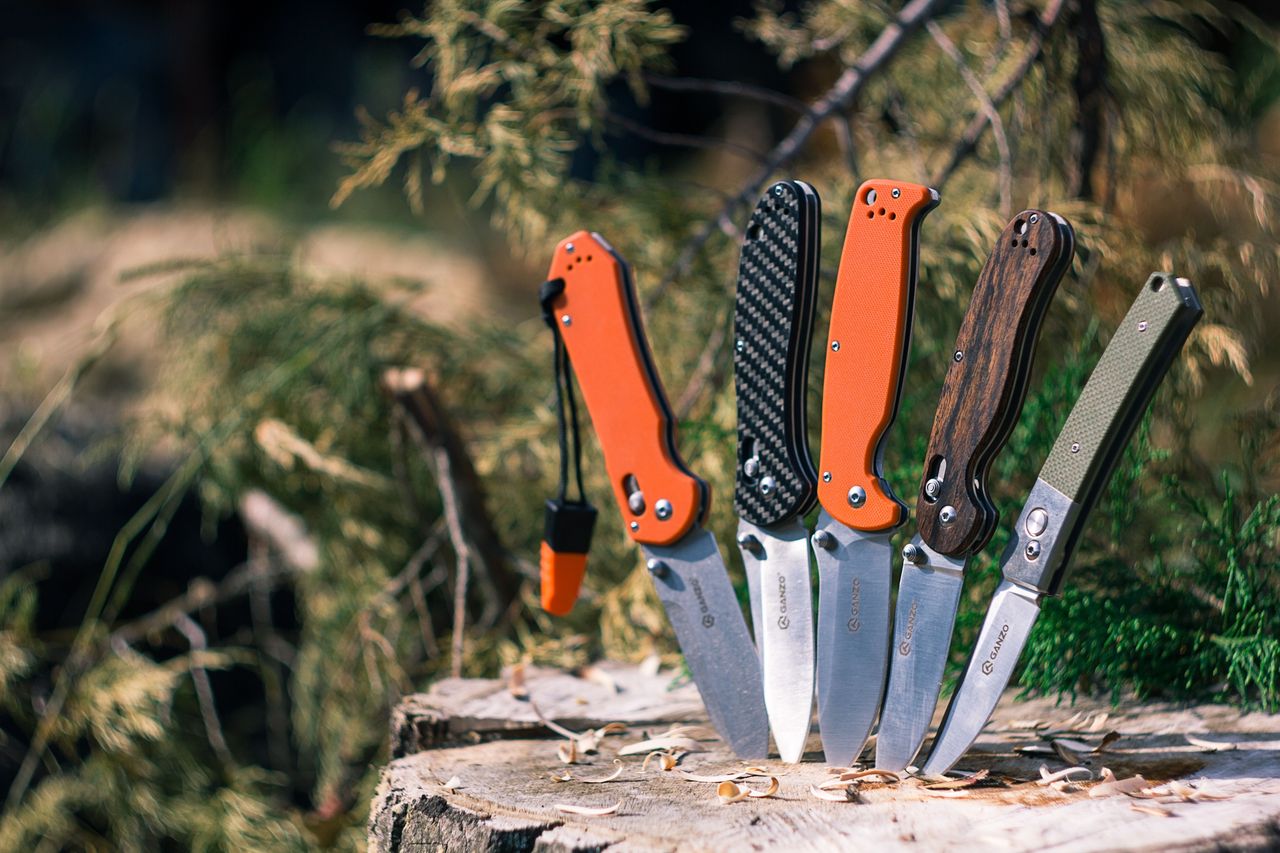
Pocket knives used to be easy to explain. Now they come with a cultural argument attached.
Why this debate has become impossible to ignore
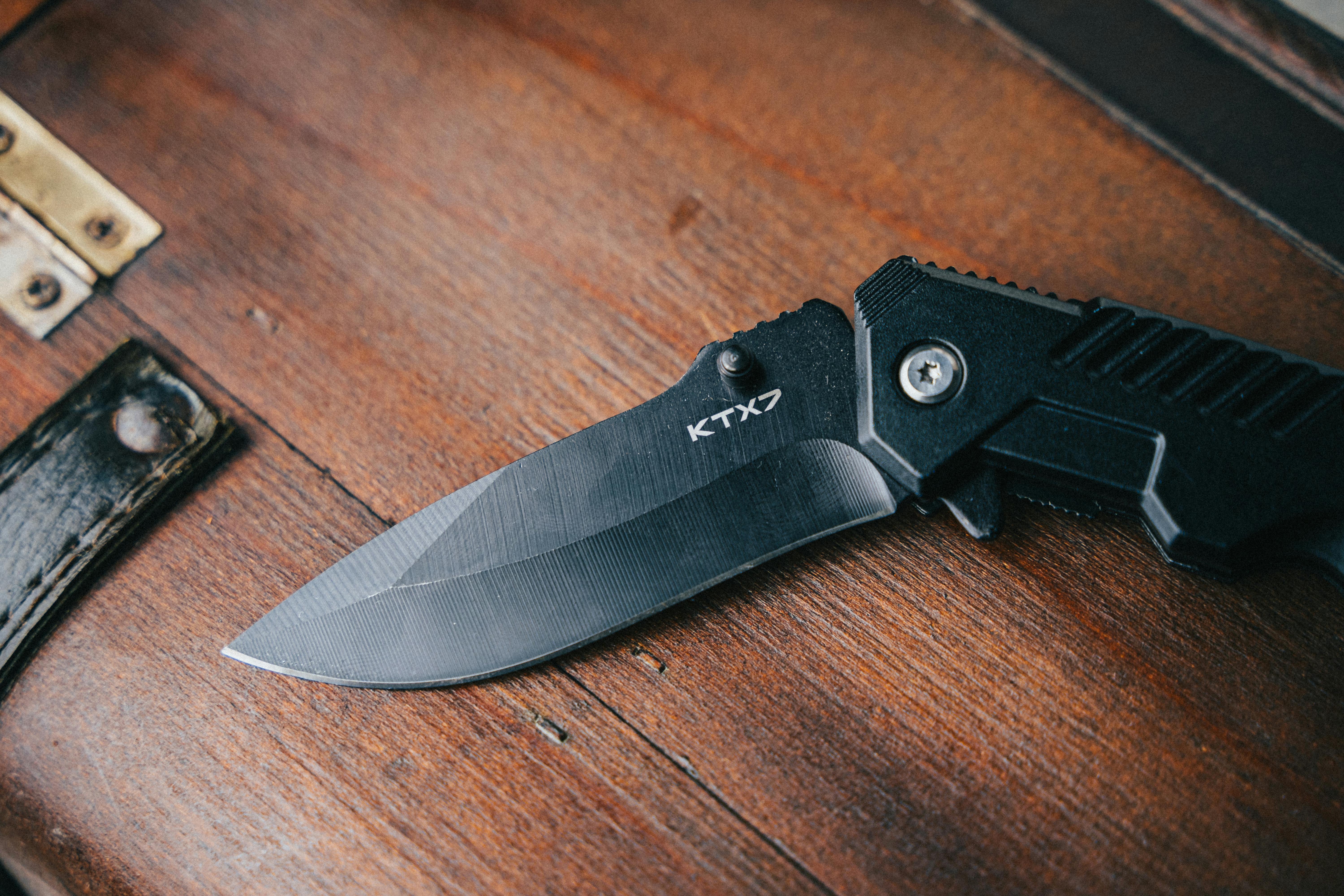
For years, the EDC knife scene presented itself as deeply practical. A knife was for opening boxes, cutting cord, breaking down packaging, and handling the thousand small tasks that pop up in ordinary life. That framing still exists, but the market around it has changed dramatically. Blade steel, lock strength, deployment speed, and defensive rhetoric are now common selling points, and that has pushed many longtime users to ask what exactly is being normalized.
The conversation has intensified because knives no longer live only in workwear or outdoors culture. They appear in curated pocket dumps, luxury gear drops, social video clips, and collector communities where a folding knife can cost as much as a phone. As the audience widened, so did the range of motives for carrying. Some buyers want a cutting tool. Others plainly like the feeling of carrying something that projects readiness, toughness, or tactical competence.
Public concern also matters. A person clipping a large black folder to athletic shorts in a coffee shop creates a different social signal than someone carrying a small slipjoint inside a pocket. That distinction may feel unfair to enthusiasts, but it is central to the debate. The knife community is not just arguing about steel and edge geometry. It is arguing about appearance, intent, and the line between private justification and public perception.
The designs themselves are driving the argument.
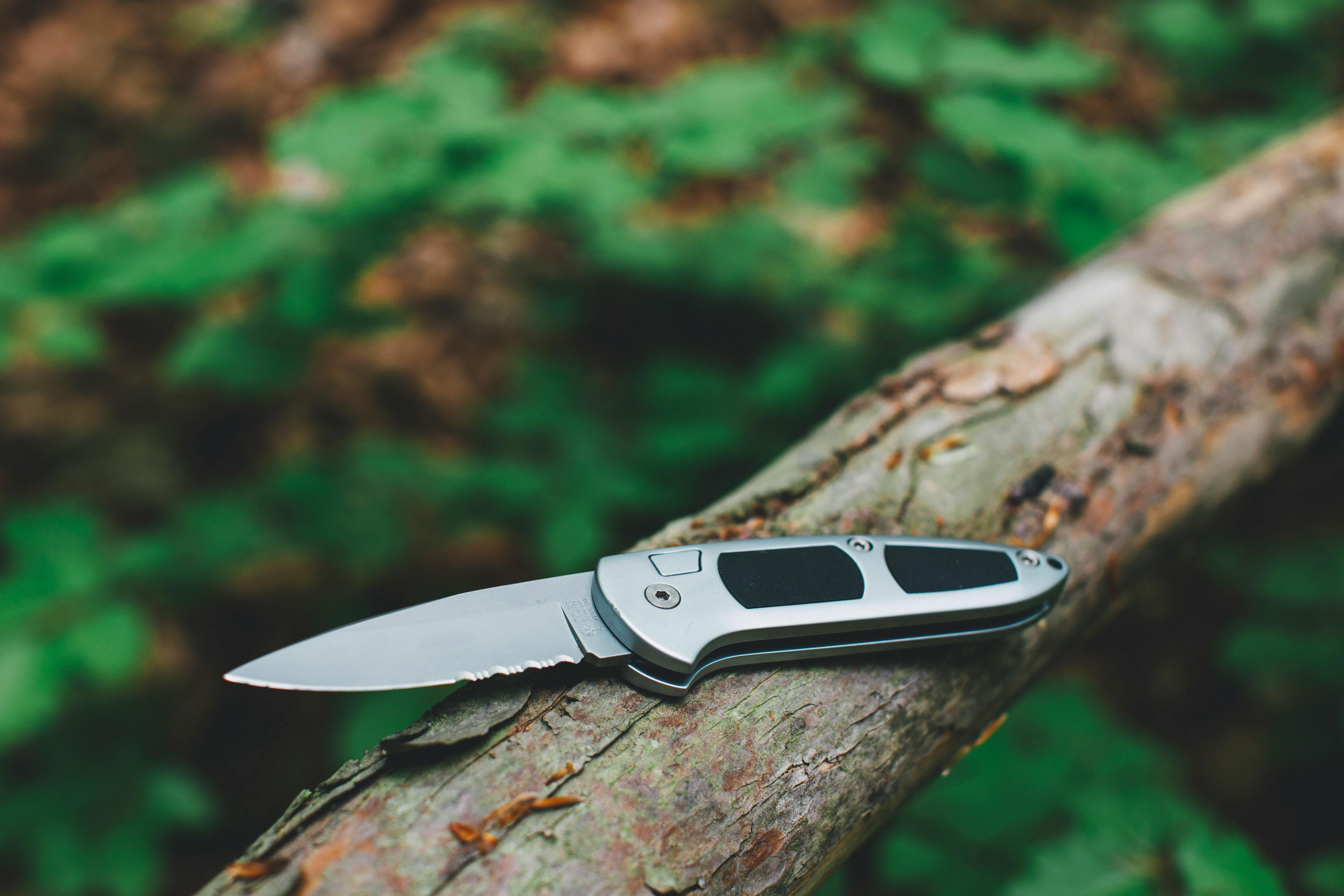
Knife design has become one of the biggest fault lines in the discussion. Many modern EDC folders are marketed around fast one-handed deployment, aggressive blade shapes, textured scales, glass breakers, deep lockup, and terms borrowed from military language. None of those features automatically make a knife a weapon, but taken together,r they can create a profile that looks optimized for confrontation rather than routine cutting.
This is where disagreements inside the community get specific. One camp argues that quick deployment is simply good ergonomics and that a secure lock is basic safety. They are not wrong. If you are cutting zip ties on a ladder or breaking down heavy cardboard, one-handed opening and a strong lock can be genuinely useful. Utility and defensive capability can overlap in the same object.
The other camp says that overlap is exactly the problem. A hawkbill or tanto blade with a blacked-out finish, marketed with language about threat response, tells a different story than a modest drop-point folder sold as a work tool. Industry messaging matters. When brands emphasize combat heritage and social media creators talk about “self-defense options” while claiming pure utility, critics see a community trying to enjoy weapon aesthetics without owning the implications.
Law does not neatly separate tools from weapons.
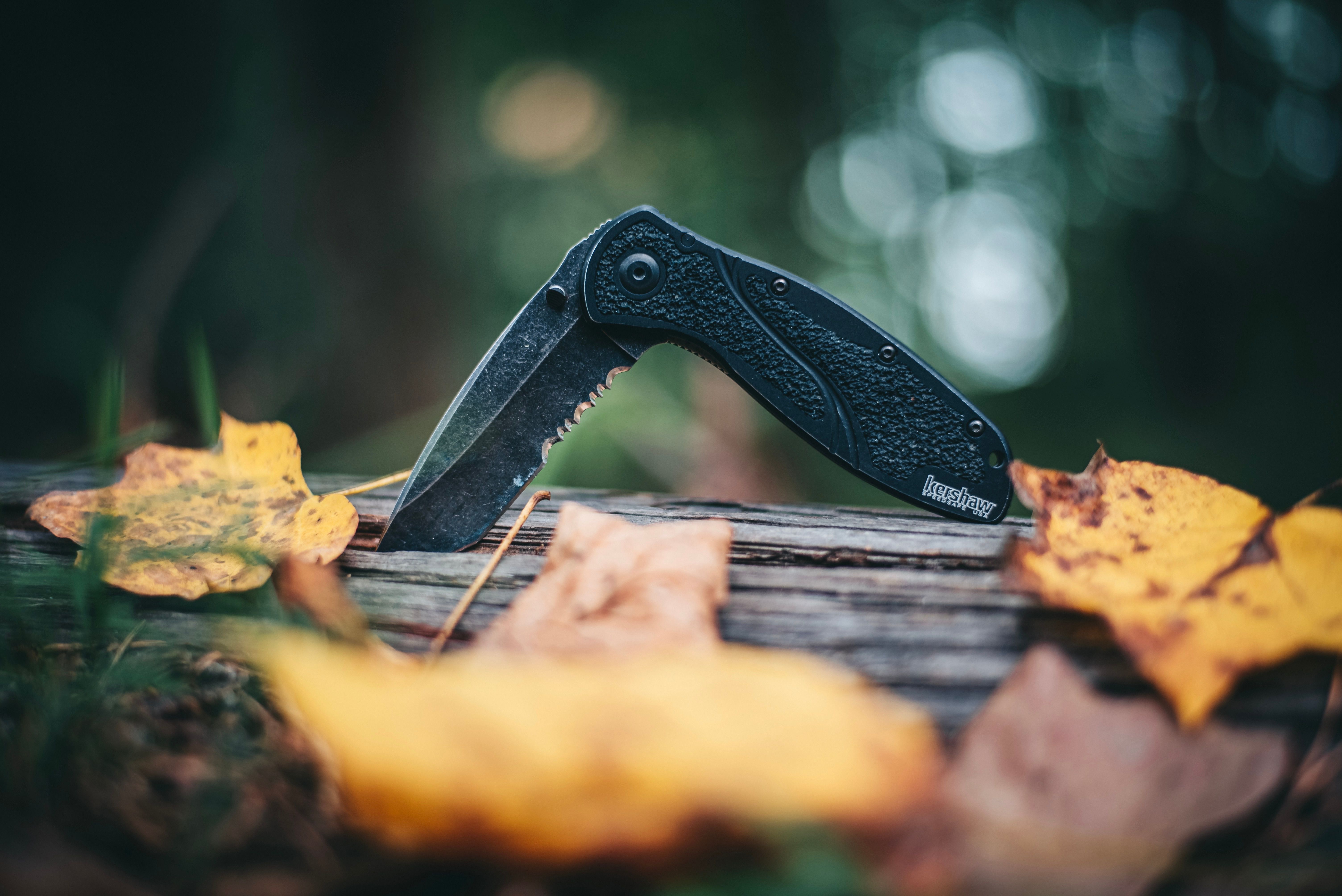
One reason this debate stays messy is that the law is inconsistent almost everywhere. In the United States, knife rules vary by state, city, school zone, courthouse, transit system, and workplace policy. In some places, blade length is the key issue. In others, the focus is on the opening mechanism, concealment, or whether the knife is carried with unlawful intent. The same folder may be unremarkable in one county and legally risky in the next.
That legal patchwork has shaped community behavior. Many EDC users have become amateur legal researchers, studying definitions like gravity knife, switchblade, dirk, or dangerous instrument. New York’s long fight over gravity knife enforcement became a famous example of how ordinary pocket knife carriers could get entangled in criminal law. Cases like that made enthusiasts more alert to the gap between how they describe a knife and how police, prosecutors, or employers might describe it.
Intent complicates everything. A box cutter used at work is obviously a tool, yet almost any edged object can be treated as a weapon if carried or used in a threatening context. That is why the community keeps circling back to conduct, not only gear. What you carry matters, but where you carry, how you carry, what you say about it, and how you present it may matter just as much when legal scrutiny begins.
Social media turned a quiet hobby into a public performance.

The internet did not create knife culture, but it absolutely changed its incentives. Online, a modest two-blade traditional pocketknife rarely gets the same attention as a flipper with a dramatic action, titanium scales, and a blade profile that looks intimidating on camera. Algorithms reward visual intensity, novelty, and status signaling. That has nudged parts of EDC culture away from quiet practicality and toward something closer to lifestyle branding.
The phrase “pocket jewelry” captures part of this shift. Plenty of owners admit they enjoy the machining, sound, finish, and fidget factor as much as the cutting performance. There is nothing inherently wrong with that, but the aesthetic arms race can blur the line between collecting tools and celebrating objects whose appeal depends on implied force. A knife that is carried mainly to be photographed, flicked, and admired may still be legal, yet it occupies a different cultural space than a simple daily work knife.
Social media has also amplified backlash. More women, office workers, teachers, urban commuters, and newer enthusiasts are participating in EDC conversations and asking basic but important questions: Do I really need this size? Why is so much marketing framed around threats? Why do some users insist a knife is just a tool while discussing defensive use in the next sentence? Those questions have forced the community to examine its own contradictions.
Utility is real, but so is signaling.g
People in the knife world are often correct when they say most daily cutting tasks are mundane. Opening mail, slicing fruit, trimming loose threads, processing shipping boxes, and cutting rope are ordinary uses. Tradespeople, warehouse staff, maintenance crews, first responders, and outdoor workers often rely on a blade throughout the day. In those settings, knife carry is not performative at all. It is practical and sometimes essential.
But utility is not the whole story, because humans communicate through objects. The watch you wear, the flashlight you clip, and the knife you carry all send signals about taste, identity, and readiness. A small Swiss Army Knife says something different from a large serrated tactical folder clipped visibly to the pocket. Neither object speaks on its own, yet people around you interpret them through context, clothing, behavior, and environment.
That social signaling is what many careful EDC users now emphasize. They ask whether the knife matches the life actually being lived. If you work in an office, commute on public transit, and spend your day around clients, carrying a 4-inch tactical folder may be harder to defend as an everyday utility. The current debate is not anti-knife. It is a call for honesty about when practical need ends and identity performance begins.
Self-defense is the most uncomfortable part of the conversation.
This is the point where discussions often get tense. Many carriers insist they do not carry a knife for self-defense, yet they also value rapid deployment, retention, and blade geometry associated with fighting use. Others are more direct and say they want a knife as a last-ditch protective option. That honesty at least clarifies intent, but it also raises hard questions about training, judgment, legality, and risk.
Most self-defense experts are cautious here. Instructors across the combatives and legal defense fields regularly warn that knives are extremely high-risk defensive tools. They require close contact, can be taken away, escalate encounters fast, and create severe legal consequences even in situations where the carrier feels threatened. Compared with avoidance, escape, verbal de-escalation, or regionally lawful alternatives, a knife is often a poor first answer to personal safety.
That is why many in the EDC community object to treating defensive carry as a wink-and-nod subtext. If a knife is being selected primarily for fighting potential, critics argue it should not be disguised as neutral utility. The problem is not only moral. It can become evidentiary. Marketing language, social posts, and casual remarks about “backup protection” may all look very different after an incident than they did in a hobby forum.
Where the line may ultimately be drawn
There probably will never be a universal rule that separates an everyday carry knife from a weapon in every circumstance. The same object can be a tool in the morning, a policy violation by afternoon, and a weapon in the eyes of the law if introduced during conflict. That ambiguity is frustrating, but it is also a reality. The wiser voices in the community increasingly accept that the line is defined by a combination of design, intent, context, and conduct.
A more mature EDC culture is starting to emerge from this debate. It values practical blade sizes, clearer legal awareness, lower-profile carry, and more disciplined language about purpose. It also asks brands and influencers to stop hiding behind the word utility while selling fantasies of confrontation. There is room in the knife world for craftsmanship, collecting, and daily usefulness without pretending every tactical aesthetic choice is socially neutral.
In the end, this debate matters because EDC is about more than gear. It is about judgment. Carrying responsibly means choosing tools that fit real tasks, respecting the environments you move through, and being honest about why an object is in your pocket in the first place. That is where everyday carry remains credible, and where weapon carry, whether intended or merely implied, begins to look like something else entirely.