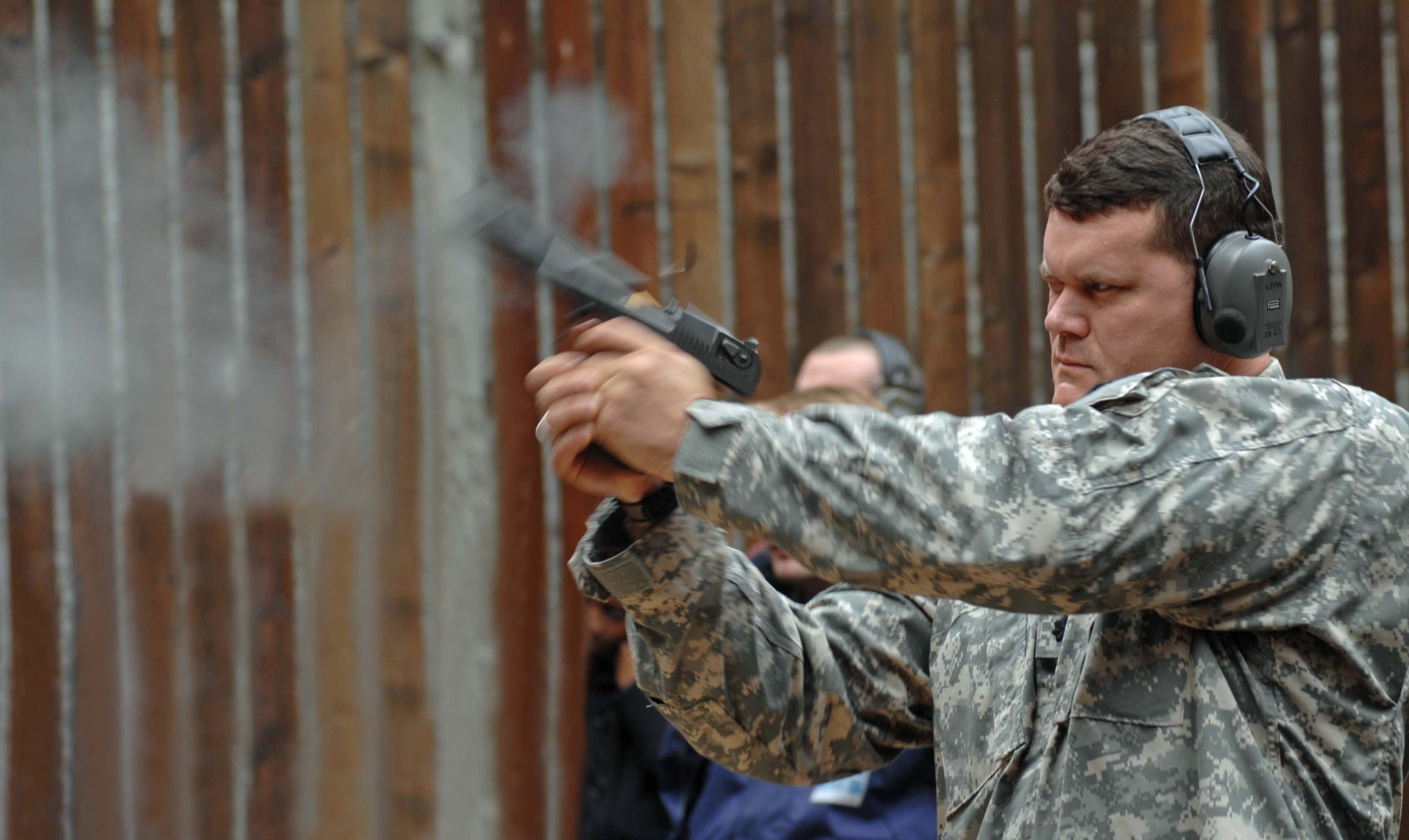
It was built to be the modern sidearm of choice. Now it is at the center of one of the most contentious product safety fights in the firearms industry.
How the P320 Became a Duty Gun Powerhouse

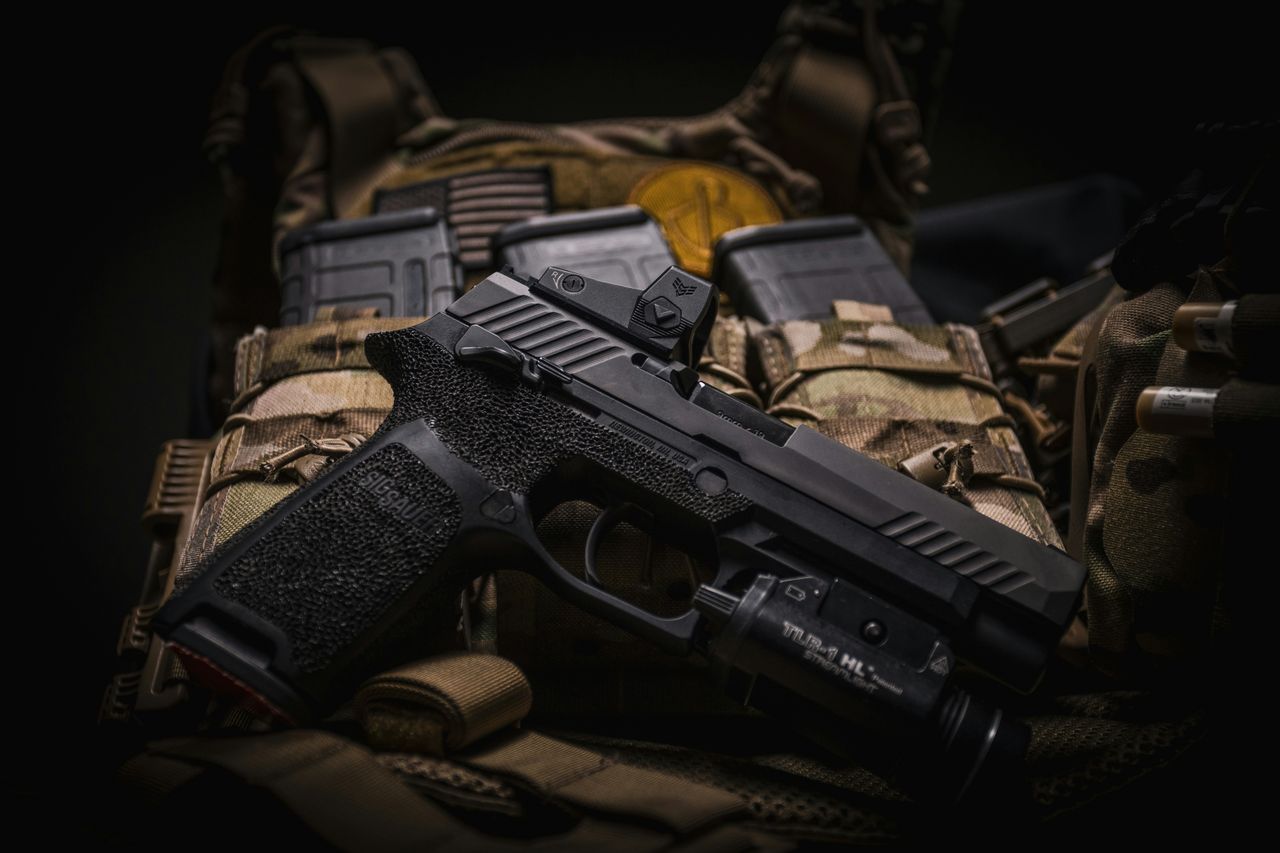
The pistol at the center of this controversy is the SIG Sauer P320, a striker-fired, modular handgun introduced to the commercial market in 2014. Its appeal was obvious from the start: a removable fire control unit, multiple grip sizes, easy caliber changes, and the kind of clean, duty-ready profile that law enforcement agencies and civilian shooters both tend to like. For departments shopping for a modern sidearm, it looked like a smart upgrade.
Its rise accelerated when the U.S. military selected a version of the design, the M17 and M18, for the Modular Handgun System program. That military win gave the platform enormous credibility, and it quickly spread through police holsters and gun counters across the country. According to court records cited by WBUR, more than 2.5 million P320 pistols had been sold by mid-2024.
That kind of market success matters because it explains why the lawsuits have drawn so much attention. This is not a niche range toy or a one-off import that vanished after a short production run. The P320 became a mainstream duty pistol, trusted by officers, armed citizens, and institutional buyers who assumed the design had already been tested from every angle.
The stakes are even higher because duty pistols live close to the body, are often loaded, and are handled in stressful environments. When a gun with that footprint is accused of firing without a trigger pull, the issue immediately moves beyond internet argument and into product liability, agency procurement, and public confidence.
Where the Safety Questions Started

The earliest widely reported safety issue involved drop-fire concerns. In August 2017, SIG Sauer announced what it called a voluntary upgrade program for P320 pistols, saying the company had developed enhancements tied to function, reliability, and overall safety, including drop performance. SIG has consistently maintained that the program was voluntary, not a recall, and that the pistol met applicable safety standards.
That distinction has been central to the debate ever since. Critics argue that a company does not redesign trigger, sear, and striker-related components unless something meaningful needs fixing. Supporters counter that manufacturers routinely refine products, and that passing formal standards is not the same thing as admitting a defect.
SIG’s own upgrade materials say the company responded after learning of a specific incident in which a P320 discharged after an impact from a height and angle beyond industry standard drop tests. The company says upgraded guns have since passed rough handling standards that exceed U.S. safety requirements. That response addresses the original drop fire controversy, but it did not end broader claims of unintentional discharge.
What changed next was the nature of the allegations. Instead of focusing only on drops, plaintiffs began claiming the pistol could fire while holstered, during movement, or in ordinary handling, without a finger on the trigger. That is a much more serious accusation, and it is the claim that has fueled years of litigation.
The Injury Claims That Drove the Lawsuits

A 2023 investigation by The Washington Post and The Trace found that more than 100 people alleged their P320 pistols discharged without a trigger pull, and at least 80 people were injured. Many of the reported incidents involved law enforcement officers, which gave the issue unusual visibility because duty guns are carried daily, logged carefully, and often tied to official incident reports.
The injuries described in lawsuits are not minor scares. Plaintiffs have alleged gunshots to the legs, feet, and thighs during holstering, training, vehicle movement, or routine carry. One reason these claims resonate is that several plaintiffs were experienced gun handlers, including officers and long-time firearms users, not first-time buyers unfamiliar with safe handling basics.
That does not prove every allegation is true, of course. Product liability cases often turn on competing theories: design defect, handling error, worn holsters, aftermarket parts, or foreign material entering the trigger guard. SIG Sauer has repeatedly argued that the P320 cannot fire without the trigger being moved rearward and has said many claims collapse under technical inspection.
Still, the sheer volume of complaints has kept the issue alive. Recent reporting has described dozens of active suits and, depending on the count method, well over 100 filed cases tied to alleged uncommanded firing. In plain English, too many people have made similar claims for the controversy to fade on its own.
What the Courts Have Said So Far
For several years, SIG Sauer pointed to dismissed cases and defense wins as evidence that the allegations were overstated. The company still emphasizes that many lawsuits have been thrown out or resolved in its favor. In 2025, SIG said it had achieved nearly 20 dismissals in P320 cases, and it has used those outcomes to argue that the gun’s design is being unfairly attacked.
But the legal picture changed in 2024. In June 2024, a federal jury in Georgia found SIG liable in a case brought by Robert Lang, who said his holstered P320 fired and wounded him while he was removing it. The jury awarded about $2.35 million, a verdict widely seen as a major setback for the company.
Then came another headline-grabbing result. Reporting in 2025 noted that a Philadelphia jury in late 2024 awarded $11 million to Army veteran George Abrahams in a separate P320 case. Those verdicts did not settle the broader debate, but they showed that some juries were persuaded by plaintiff arguments that the design was defective.
At the same time, appellate and trial courts have continued to produce mixed outcomes. Reuters reported in May 2025 that a federal appeals court revived a New York detective’s product liability case after he alleged his holstered department-issued P320 was fired during training. So the courtroom story is not one clean trend line. It is a patchwork of dismissals, plaintiff wins, revived claims, and ongoing fights.
SIG Sauer’s Defense and Why It Still Has Supporters
SIG Sauer’s public position has been remarkably firm. The company says the P320 is one of the most tested and successful pistols in modern firearms history and denies that it is capable of firing without the trigger being pulled. It has also stressed that military and law enforcement organizations continue to use the platform, which it presents as real-world validation.
That argument carries weight with many gun owners. The P320 remains accurate, modular, easy to shoot, and widely supported with holsters, optics cuts, grip modules, and parts. In the handgun market, familiarity matters, and a pistol with a huge installed base often keeps loyal users even when controversy surrounds it.
Supporters also point out that unintended discharges can involve gear, training, or user error. A poorly fitted holster, damaged trigger guard area, loose foreign objects, or altered internals can all complicate incident reconstruction. In a real-world carry environment, proving exactly what happened in a split-second event is notoriously difficult.
Even so, that defense has limits. A gun can be popular, widely issued, and genuinely effective while still facing serious questions about a subset of failures. That is why the controversy has lasted so long. The P320’s strengths are real, but so is the persistence of the allegations against it.
Why Law Enforcement and Regulators Are Watching Closely
Police agencies do not like uncertainty in sidearm programs. A duty pistol is supposed to reduce variables, not create new ones. That is why reports of officers being wounded by their own holstered guns have been so damaging. Once internal confidence slips, agencies start asking whether retraining, reholstering, or replacing the weapon is the safer move.
Some departments have already moved away from the P320 or resold inventories, according to The Trace. In July 2025, The Washington Post reported that the Air Force temporarily limited the use of the M18, the military version of the P320, after a deadly discharge incident involving a security forces airman. That did not amount to a final judgment on the design, but it showed how seriously institutions take even a single catastrophic case.
Regulators have also stepped in. In October 2025, New Jersey’s attorney general sued SIG Sauer over the P320, calling the handgun defective and accusing the company of deceptive marketing around safety. That case matters because it moves the dispute beyond private plaintiffs and into state-level consumer protection and public safety enforcement.
For agencies, the decision is practical rather than ideological. If there is even a modest chance a sidearm can fire in a holster under ordinary conditions, administrators have to consider the cost in injuries, workers’ compensation claims, training disruption, and trust inside the ranks.
What This Means for Gun Owners Right Now

For the general public, the biggest takeaway is not panic but seriousness. The P320 controversy sits at the uncomfortable intersection of engineering, litigation, and real-world gun handling. Millions of these pistols are in circulation; many owners report years of trouble-free use, and SIG Sauer continues to stand behind the design. At the same time, the number and consistency of the allegations make it impossible to dismiss the issue as random noise.
Owners of older P320s should know whether their pistol received the post-2017 voluntary upgrade. That is not a legal conclusion about later allegations, but it is a practical baseline. Beyond that, careful inspection of holsters, strict avoidance of unauthorized modifications, and disciplined handling matter more than ever when a platform is under this much scrutiny.
The broader lesson is bigger than one gun. A duty pistol earns trust not only through accuracy and reliability, but through the confidence that it will stay inert until the shooter deliberately presses the trigger. That is the standard by which the P320 is now being judged, in courtrooms, armories, and gun shops alike.
Whether the pistol ultimately emerges as vindicated, redesigned again, or permanently shadowed by these claims, the controversy has already reshaped how buyers think about safety promises. In the firearms world, reputation is hard-won and easily damaged. The P320 is living proof of that.