The Remington 742 still has a loyal following, thanks to its familiar feel, hunting heritage, and affordable used prices. But buyers who jump too quickly can end up with a rifle that is frustrating to run and expensive to sort out. This gallery breaks down the most common trouble spots so you know what to inspect before bringing one home.
Worn or Damaged Receiver Rails

One of the best-known Remington 742 trouble spots is wear inside the receiver rails. If the rifle has been fired heavily, run dirty, or cycled with rough parts, those rails can get chewed up over time. That wear can make the action feel gritty, hesitant, or inconsistent when it moves.
This matters because the receiver is not a simple part to replace economically. A used 742 with rail damage may still look decent on the outside, but the real issue is hidden inside. Buyers should inspect the action closely and cycle it carefully, because excessive rail wear is often a walk-away problem.
Failure to Feed
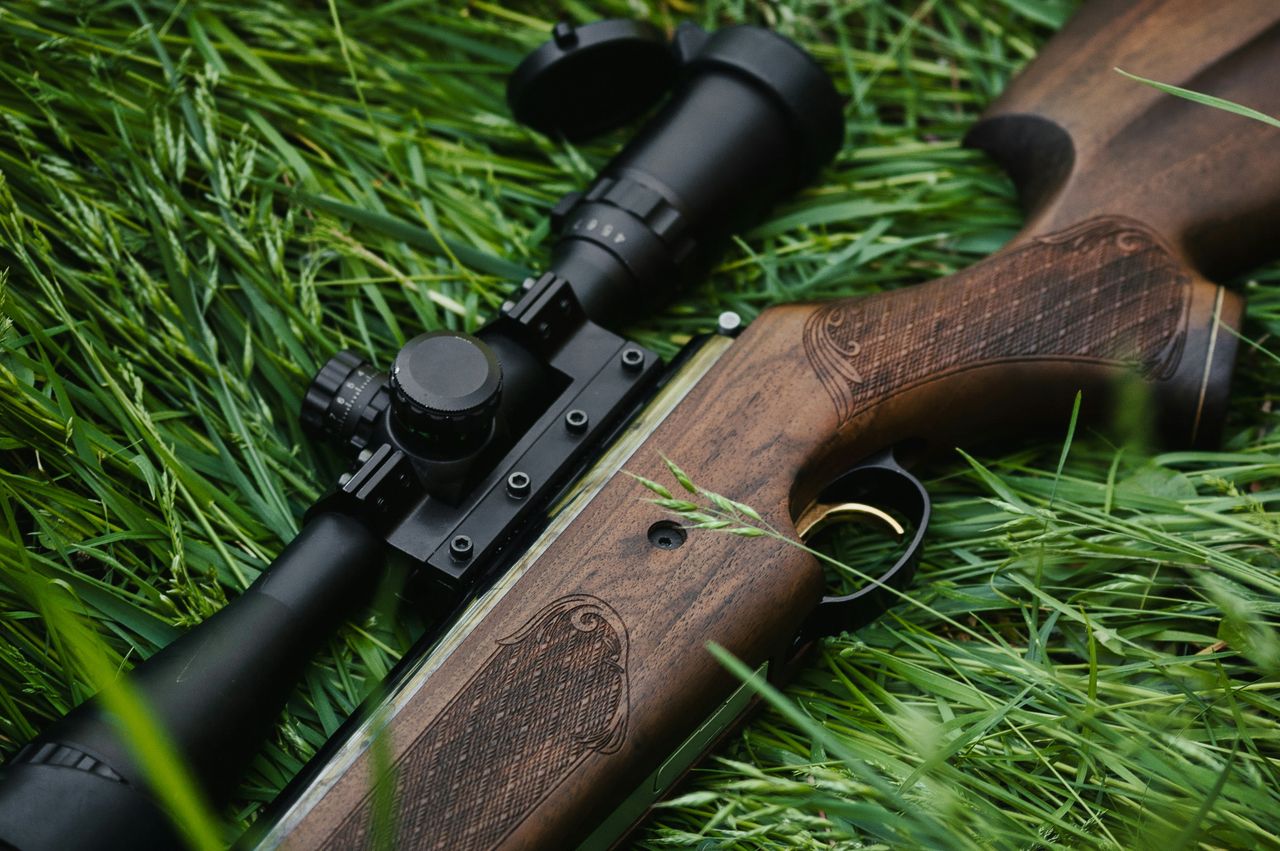
A used Remington 742 that struggles to chamber the next round can quickly turn a range session or hunting trip into a headache. Feeding issues may come from a worn magazine, a weak magazine spring, a dirty chamber, or internal wear that slows the bolt as it travels forward.
The tricky part is that a seller may blame the ammunition, and sometimes that is true. Still, repeated nose-dives, partial feeds, or rounds hanging up on the way in are warning signs. A buyer should test with quality magazines and watch whether the rifle feeds smoothly or feels like it is fighting itself.
Failure to Extract

Extraction problems are another common complaint with older 742 rifles. When the action fires but leaves the spent case stuck in the chamber, the rifle can become difficult to clear and unreliable in a hurry. This issue often traces back to chamber roughness, fouling, or a worn extractor that no longer grips the case as firmly as it should.
For used buyers, this is more than a minor annoyance. A rifle that extracts poorly may need real diagnostic work rather than a quick cleaning. If possible, inspect spent brass for signs of sticking, and pay attention to any rifle that has a reputation for needing force to open after firing.
Failure to Eject

Ejection problems can look similar to extraction issues, but they are not always the same thing. In a 742, the spent case may come loose but fail to clear the action cleanly, causing stovepipes or jams. That can point to a tired ejector, sluggish bolt speed, or general grime slowing down the rifle’s cycling.
This kind of malfunction often shows up intermittently, which makes it easy for a seller to downplay. A rifle that tosses brass weakly or unpredictably deserves closer attention. Consistent, energetic ejection usually signals a healthier action, while weak ejection suggests the rifle may need parts, cleaning, or deeper repair work.
Magazine Problems

Sometimes the rifle gets blamed when the real issue is the magazine. On a used Remington 742, bent feed lips, weak springs, worn followers, or aftermarket magazines of uneven quality can all create reliability complaints. A rifle that runs badly with one magazine may perform much better with another, which is why magazine testing matters so much.
Buyers should not assume every included magazine is good just because it comes with the gun. Original factory magazines are often preferred, especially if they remain in solid condition. If the magazine fit feels loose or the rounds sit oddly, expect feeding troubles until that issue is corrected.
Gas System Wear or Carbon Buildup

Like many semi-automatic rifles, the 742 depends on a gas system that needs to stay reasonably clean and in spec. Carbon buildup, neglected maintenance, or worn components can reduce the energy available to cycle the action. When that happens, the rifle may short-stroke, feed inconsistently, or eject brass weakly.
This can be especially frustrating because the symptoms overlap with several other problems. A used buyer may see random malfunctions and not realize the gas system is part of the story. If the rifle appears dirty overall or the seller cannot speak confidently about maintenance, it is smart to treat cycling issues with extra caution.
Cracked or Tired Stocks

A used 742 may show stock damage that goes beyond simple cosmetic wear. Hairline cracks at the wrist, around the action screws, or in stress-bearing areas can worsen with recoil and regular handling. Even if the rifle still feels solid at first, wood fatigue on an older hunting gun should never be dismissed casually.
Stock problems matter for more than appearance. Cracks can affect how securely the action sits in the stock, and that can influence both reliability and accuracy. Buyers should look carefully for repairs, gaps, and dark lines in the wood, especially on rifles that have seen years of field use.
Inconsistent Accuracy

Not every Remington 742 shoots poorly, but some used examples can be surprisingly inconsistent on target. Wear, a tired barrel, stock fit issues, loose mounts, or action problems can all open up groups. For a buyer hoping for a dependable deer rifle, that uncertainty can be disappointing if the gun looked fine in the rack.
Accuracy issues can also be difficult to diagnose without actual range time. A rifle may seem mechanically functional yet still refuse to group the way it should. If a seller makes big claims about performance, ask what ammunition was used and whether the rifle has a recent, credible shooting history.
Limited Parts Availability and Repair Costs
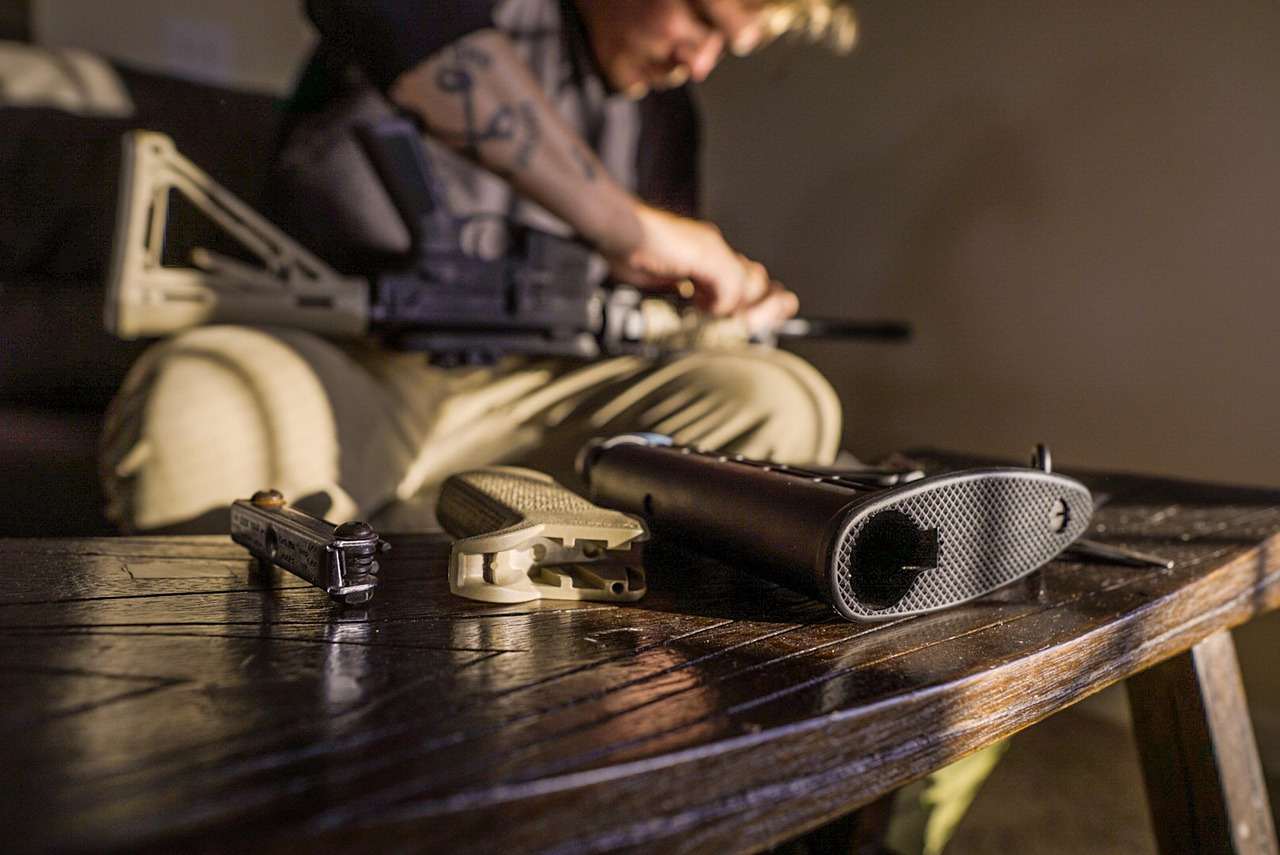
One of the biggest practical concerns with any older semi-automatic rifle is what happens after something breaks. The Remington 742 has been out of production for years, and while some parts are still around, others can be harder to source or expensive to fit. That changes the value equation for used buyers right away.
A cheap purchase price can stop looking cheap if the rifle needs specialized work from a knowledgeable gunsmith. Some problems are manageable, while others can turn the gun into a project with no sensible finish line. Before buying, it is worth asking not just what is wrong, but whether fixing it is actually realistic.