When weather turns or shade is suddenly in short supply, a quick shelter can make all the difference. This gallery rounds up 12 simple designs that are realistic for beginners, fast to assemble, and easy to picture with reliable image-friendly concepts. Whether you’re camping, prepping for an outdoor event, or just curious about practical builds, these shelters show how much protection you can create in under an hour.
A-Frame Tarp Shelter
The A-frame tarp shelter is the classic quick-build option for a reason. String a ridgeline between two trees, drape a tarp evenly over the top, and stake down both sides. In calm to moderate conditions, it gives you fast overhead protection with a shape that sheds light rain surprisingly well.
It is also one of the easiest shelters to photograph and identify, which makes it ideal for readers who want dependable visuals to match the concept. Look for images with a centered tarp over a taut ridgeline, open ends, and clean triangular sides. If you have rope, stakes, and a tarp, this is often the first design worth trying.
Lean-To Shelter
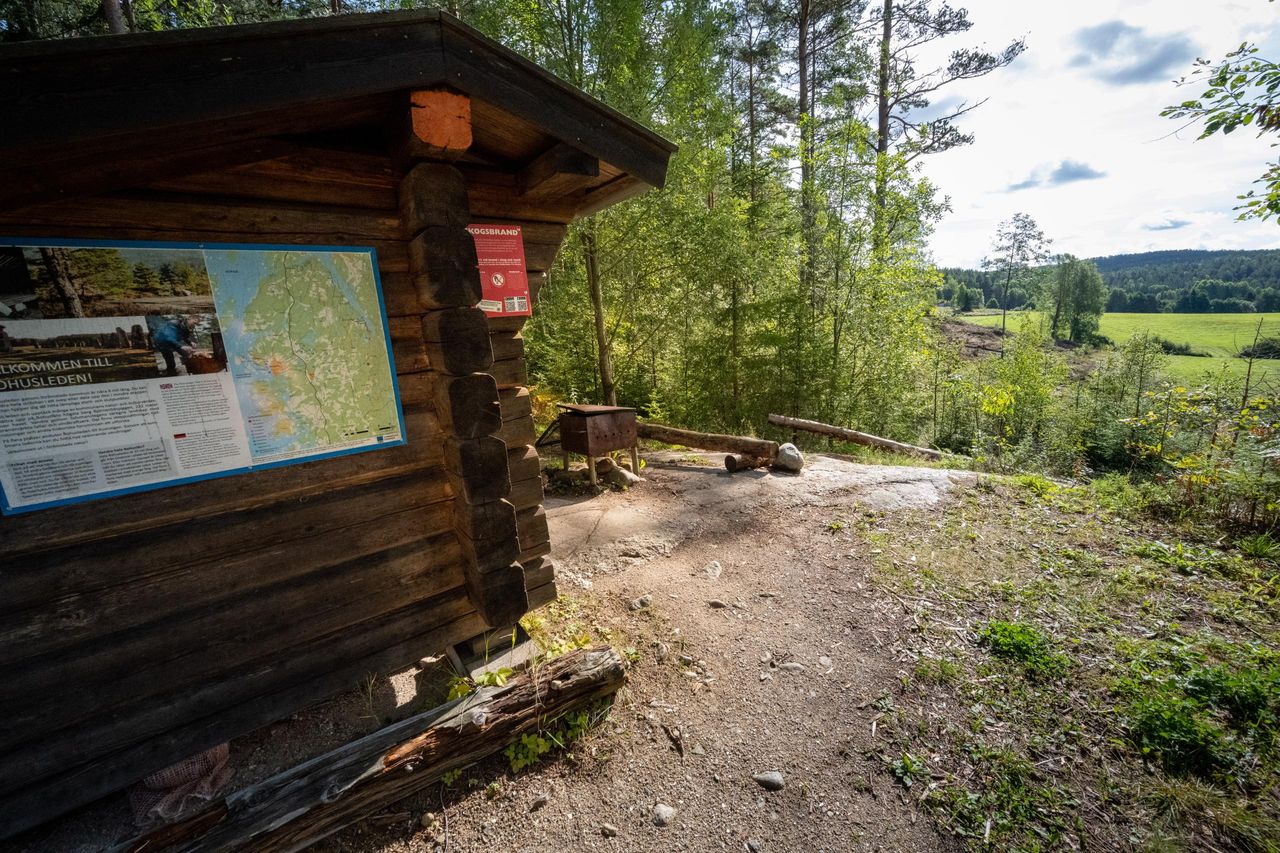
A lean-to is a smart choice when you need quick cover from wind or light rain coming from one direction. One side of the tarp attaches higher on a line or branch, while the opposite edge is staked low to the ground. The result is an open-front shelter that feels simple, practical, and easy to enter.
This design works especially well for reliable images because its slanted roofline is instantly recognizable. Search for setups facing a campfire or overlooking a campsite, with the rear edge lower and tighter than the front. It is a straightforward build that balances speed, visibility, and useful weather protection.
Plow Point Shelter

The plow point shelter creates a compact, storm-minded shape from a single tarp and one main anchor point. Tie one corner to a tree, spread the tarp outward, and stake down the remaining corners to form a low, angular wedge. It comes together fast and offers a more enclosed feel than many open tarp designs.
Visually, this shelter stands out because the front often forms a pointed, faceted entrance that photographs well from several angles. Images are easiest to find when the tarp is pitched low in a forest or on a campsite. If conditions look rough and you want something quick but more protective, this is a solid option.
Tarp Burrito Shelter

The tarp burrito shelter is less about elegance and more about immediate cover. The idea is simple: wrap the tarp around a sleeping area, gear cache, or seated person, then secure the edges with rocks, stakes, or cord. It is especially useful when time is short and the goal is to trap warmth or block wind fast.
Because this design is unconventional, image searches work best when focused on low-profile emergency tarp wraps rather than polished campsite layouts. Look for close-to-ground shelters with a cocoon-like shape and minimal headroom. It may not be the most comfortable setup, but it can be one of the quickest to improvise.
Tube Tent Shelter

A tube tent shelter is one of the simplest enclosed shelters you can create with plastic sheeting or a purpose-made emergency tube tent. Run a line between two supports, drape the material over it, and secure the sides near the ground. In a matter of minutes, you have a narrow tunnel that blocks wind from both sides.
This is another design with dependable image potential because the silhouette is so distinct. Search for bright emergency material in a forest, campground, or backyard setup, with the structure stretched along a central line. It is basic, a little cramped, and very effective when your top priority is speed.
Debris Lean-To

The debris lean-to takes the familiar lean-to frame and adds a thick layer of leaves, grass, pine needles, or brush for insulation. Once the ridge support and angled ribs are in place, natural material gets piled on top until the shelter starts to look more like part of the landscape than a campsite. It can be built quickly if debris is plentiful nearby.
For imagery, the best searches highlight rustic woodland shelters with visible branches and natural covering rather than modern tarps. The appeal here is visual as much as practical: it looks handcrafted, earthy, and rooted in traditional bushcraft. It is especially useful when you have time, natural materials, and no synthetic cover.
Poncho Shelter
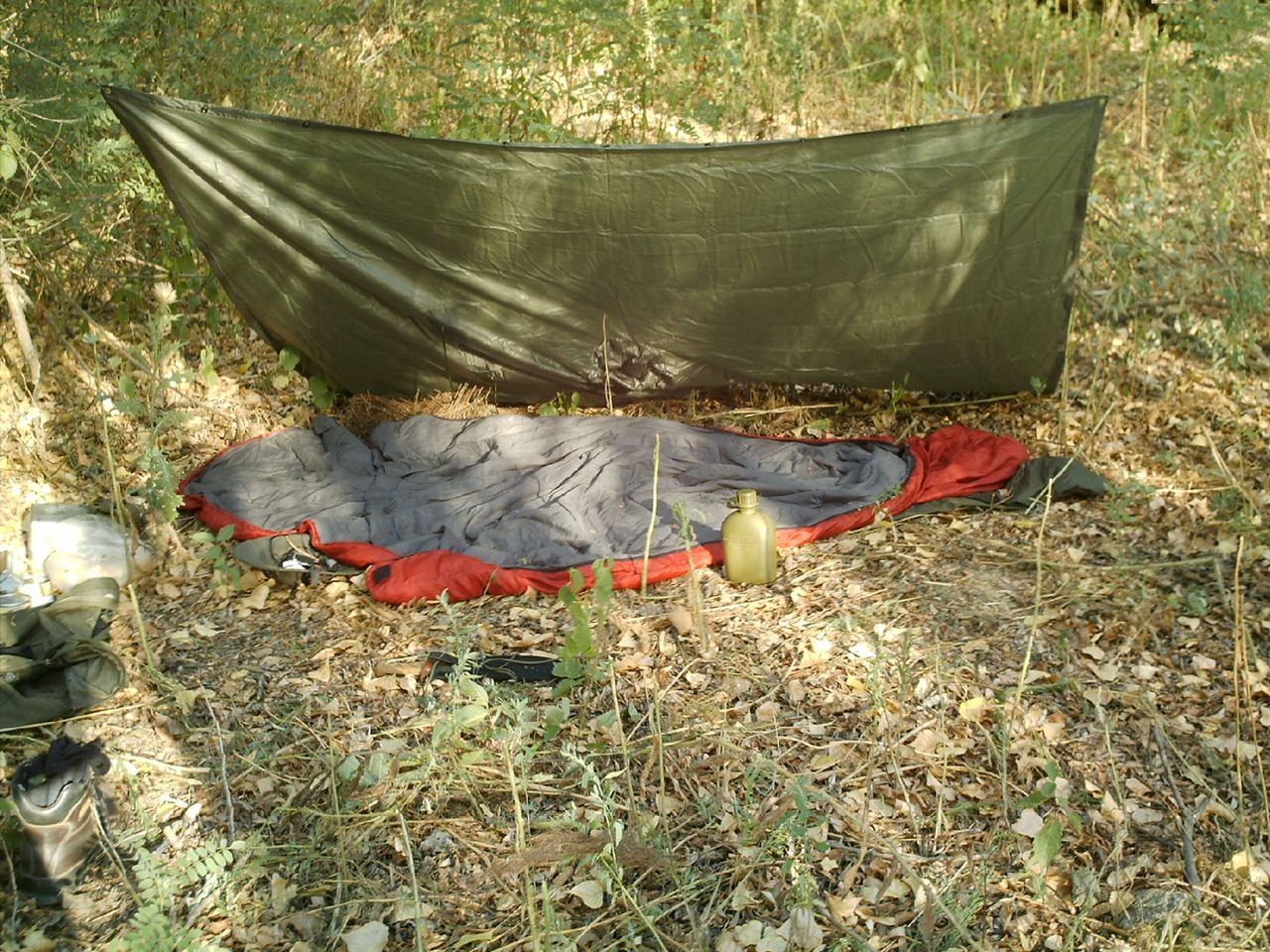
A poncho shelter proves that small gear can do double duty. With a military-style or hiking poncho, a bit of cord, and a couple of stakes, you can pitch a tiny roof for one person in remarkably little time. The setup is compact, but that is part of its appeal when every ounce and every minute matters.
Image searches are usually reliable here because the shape tends to mirror miniature tarp shelters, often with grommets visible along the edges. Search for camping poncho shelters pitched low to the ground or tied between trekking poles. It is a minimalist design, but for solo use, it punches above its size.
C-Fly Wedge Shelter
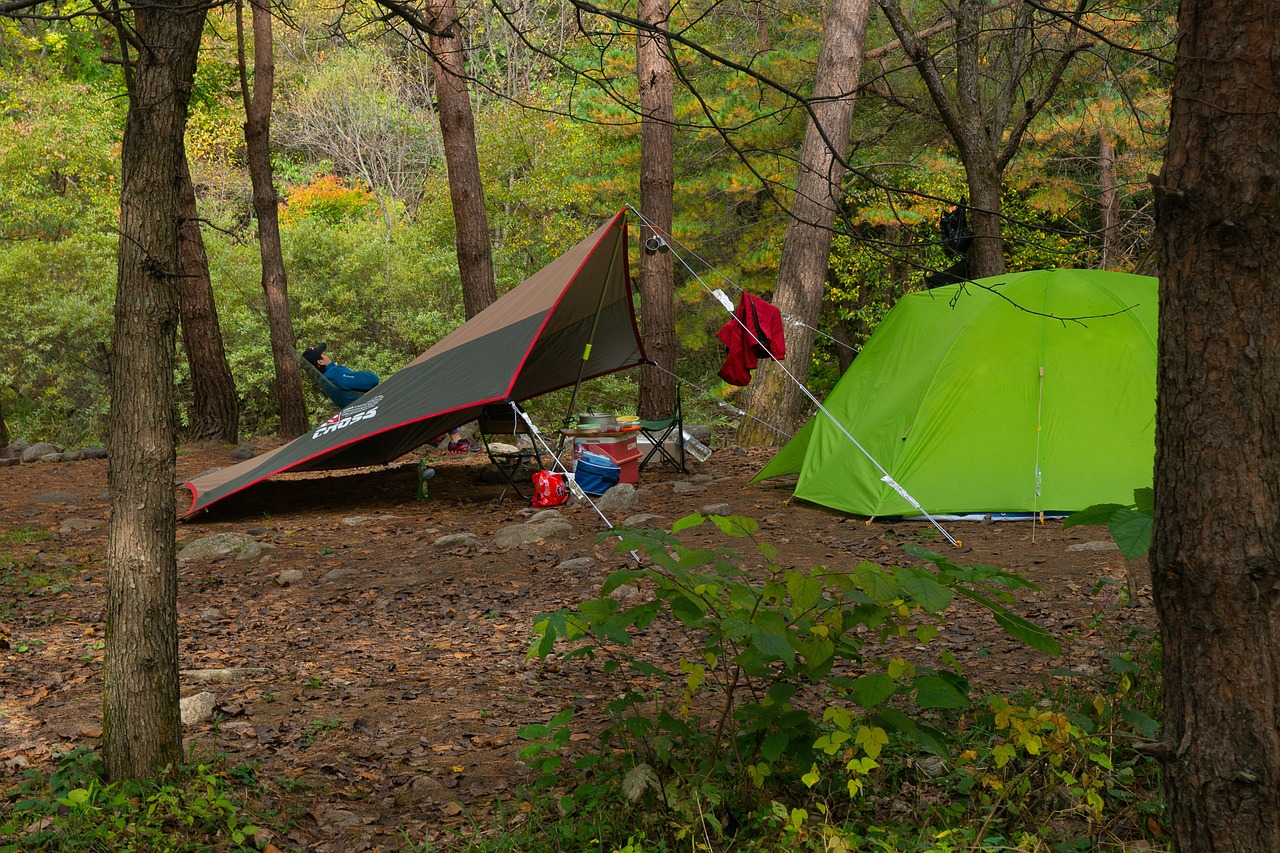
The C-fly wedge shelter is a low, angled setup designed to block weather while keeping one side partially open. It usually relies on one elevated edge and several low anchor points, creating a shape that is sleeker than a standard lean-to and a bit more directional in how it handles wind. It can be set up quickly with one tarp and basic cordage.
For photos, this design is easiest to identify by its asymmetrical wedge profile and taut lines. Look for images in exposed campsites, woodland edges, or open fields where the sloping roofline is clearly visible. It is a nice middle ground between a broad open shelter and a tighter emergency pitch.
Trekking Pole Pyramid Shelter

A trekking pole pyramid shelter comes together fast when you have a square tarp and at least one sturdy pole. Stake the corners, raise the center with a trekking pole or stick, and tension the sides until the shelter forms a clean pyramid. The shape is efficient, neat, and surprisingly roomy for the amount of material involved.
This shelter is also very image-friendly because the geometry is unmistakable. Search for square tarp pyramid shelters in alpine camps, grassy meadows, or minimalist backpacking sites. If you like designs that look polished without requiring complicated steps, this is one of the most satisfying quick builds on the list.
Beach Windbreak Shelter
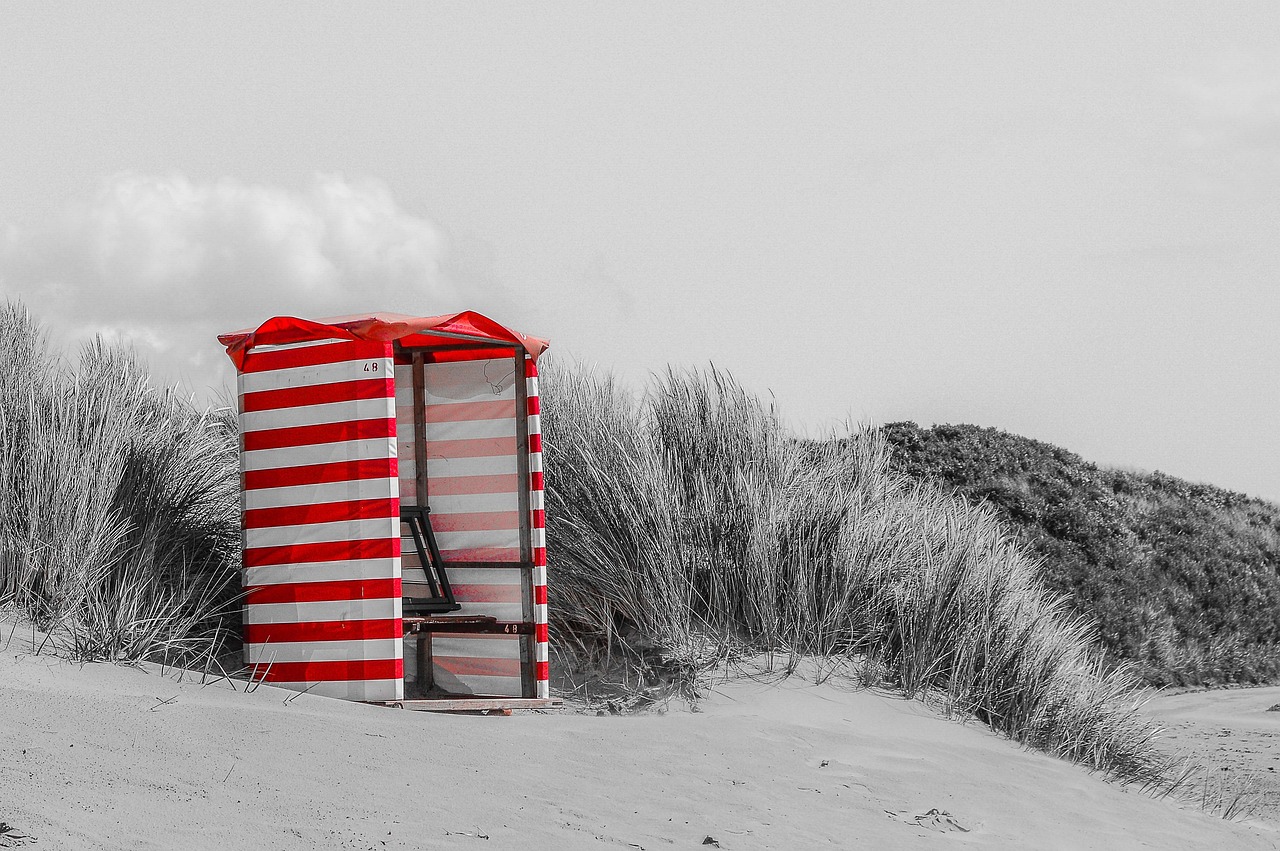
The beach windbreak shelter is built for open, breezy ground where overhead cover may matter less than side protection. Using poles, paddles, driftwood, or even chairs, you can stretch fabric or a tarp into a low wall or partial canopy. It is simple, social, and especially handy for families trying to create a more comfortable patch of sand.
Reliable images are easy to find because this setup is common in coastal settings and visually distinct from woodland shelters. Search for low fabric barriers on beaches with sand anchors or corner poles. It may not look rugged, but it solves a very real shelter problem quickly and with minimal fuss.
Carport Tarp Shelter

A carport tarp shelter makes smart use of a vehicle as one side of the structure. Tie or clip a tarp to a roof rack, raised hatch, or sturdy anchor point on the vehicle, then extend it outward with poles or lines. In just a short time, you create shade, rain cover, and a convenient outdoor living area.
This design is dependable for photography because overland campers and day-trippers use it constantly, so the visual references are plentiful. Search for SUV or truck tarp awnings at campsites, trailheads, or picnic spots. It is less of a wilderness shelter and more of a comfort-minded setup, but speed and usefulness are hard to beat.
Emergency Plastic Sheet Shelter
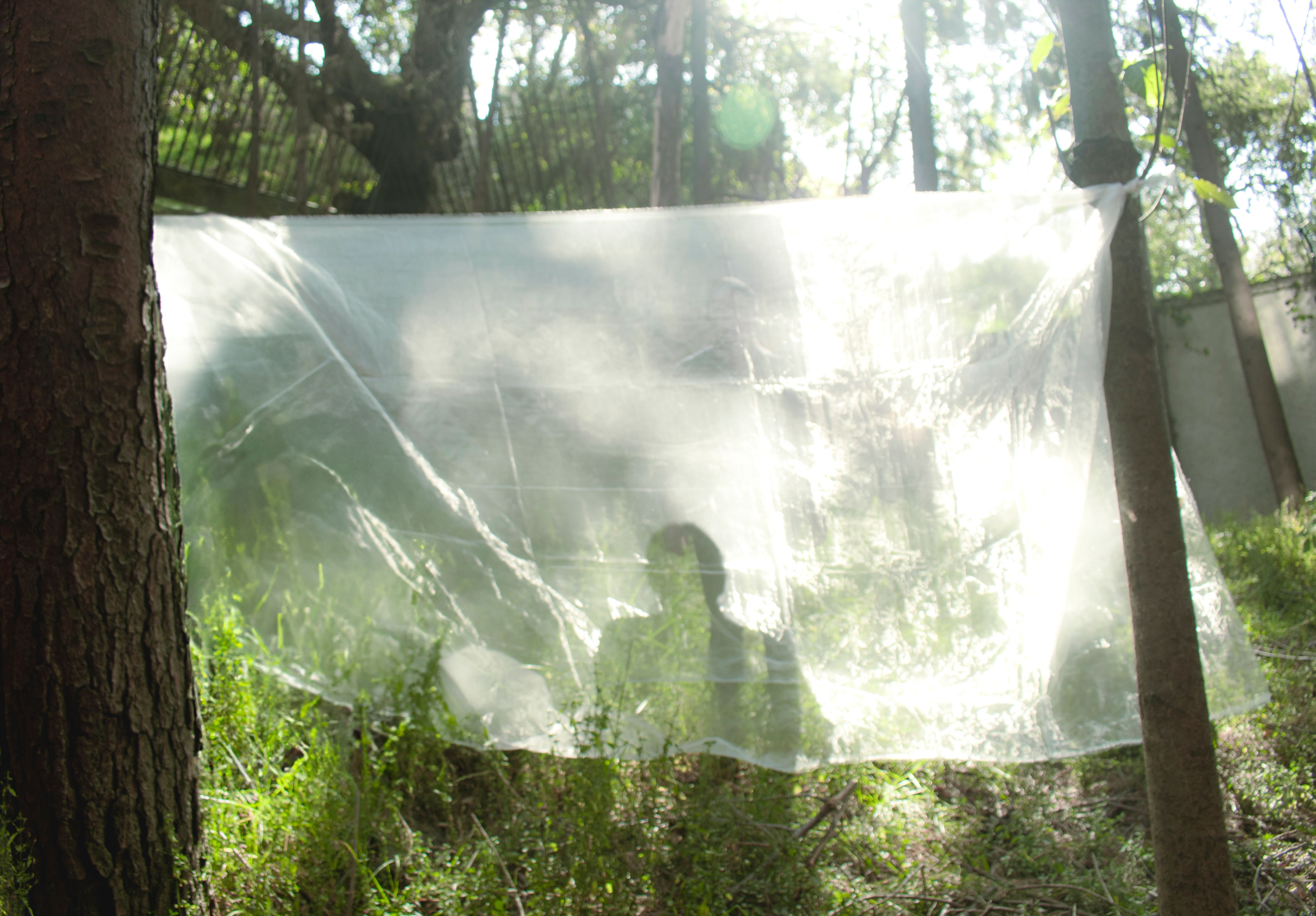
The emergency plastic sheet shelter is about getting dry, fast, with whatever is available. A sheet of heavy plastic, some cord, and a few anchor points can become a roof, a windbreak, or a crude enclosed space in minutes. It is not glamorous, but in a sudden downpour or unexpected cold, practical wins over pretty every time.
For visuals, search for clear or colored plastic sheeting stretched between trees, poles, or improvised supports. The key is a setup that looks functional rather than staged, with obvious tension lines and simple anchoring. This is the kind of shelter that reminds you how little material it can take to create meaningful protection.