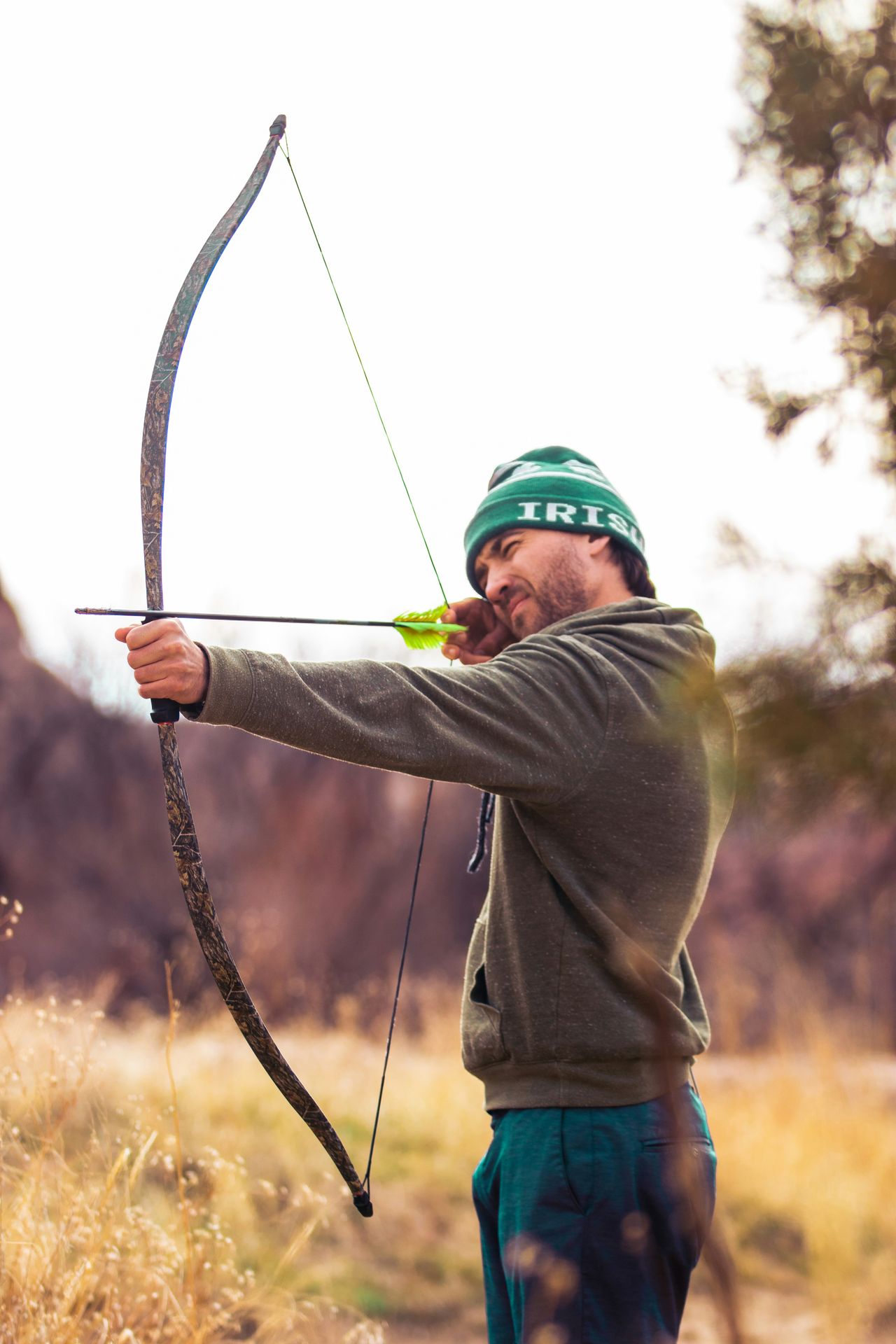
A bow can only do so much if the arrow on the string is the wrong match for the moment. Before deer season opens, smart bowhunters build a quiver that covers practice, tuning, confidence, and clean performance in the field. This gallery walks through 11 arrow options and setups worth having on hand so opening day feels prepared instead of rushed.
Field Point Practice Arrow

Every bowhunter needs a dependable field point arrow that becomes the baseline for nearly everything else. This is the shaft you shoot most often, the one that reveals how your bow is grouping, how your form is holding up, and whether your setup feels truly settled before the opener.
A good practice arrow should match your hunting arrow in spine, length, and overall weight as closely as possible. That way, your reps are honest and your sight picture stays familiar.
When one arrow type gets the most wear, it also becomes the early warning system for nocks, vanes, inserts, and your own shooting habits. Ignore it, and small problems can sneak into the season.
Paper Tuning Arrow

A dedicated arrow for paper tuning can save a lot of frustration when the bow starts acting a little off. Instead of mixing your best hunting shafts into endless setup changes, keep one clearly marked arrow ready for tuning sessions and fine adjustments.
This arrow helps you check for clean flight and spot issues with rest alignment, nock point, or grip pressure. It is a workshop tool as much as a hunting tool.
Once it is labeled and set aside, you know exactly which shaft you are using when reading tears and making changes. That consistency matters when tiny adjustments have outsized effects downrange.
Bare Shaft Tuning Arrow

Few arrows tell the truth like a bare shaft. Without fletching to correct mistakes, it exposes poor tune, weak form, and mismatched components in a hurry. That makes it one of the most valuable arrows to keep around before deer season.
A bare shaft lets you compare impact and flight against your fletched arrows at short to moderate distances. If they agree, your setup is probably close. If they do not, the bow or the shooter still has work to do.
This is not the flashiest arrow in the quiver, but it can do more for confidence than any fancy accessory. Clean flight starts here, long before broadheads come out.
Broadhead Matched Hunting Arrow

This is the arrow that matters most when the moment finally arrives. Your broadhead matched hunting arrow should mirror your practice setup closely, but it also needs to be built and tested for the real work of penetration, durability, and dependable flight.
The key is consistency. Same shaft model, same insert system, same nock fit, and a total weight you trust. If you build several, they should all spin true and group together.
Too many hunters assume a broadhead arrow will behave like a field point arrow without confirming it. The wise move is to shoot enough of them before season that there are no surprises when a buck steps into range.
Fixed Blade Broadhead Arrow

A fixed blade broadhead arrow deserves a place in the quiver because it offers simplicity and trust. There are no deployment questions, no moving blades to think about, just a sharp, sturdy head built to fly well when the bow is tuned correctly.
For many bowhunters, this arrow is the standard for durability and bone-breaking confidence. It rewards careful tuning and punishes shortcuts, which is part of why experienced hunters still lean on it.
If your setup sends fixed blades accurately, you can head into the season with real peace of mind. That kind of certainty is hard to overvalue when adrenaline starts to rise in the stand.
Mechanical Broadhead Arrow

A mechanical broadhead arrow can make sense for hunters who want field point like flight and a wider cutting profile. When paired with a bow that has enough energy and a head designed for reliability, it can be a very effective deer arrow.
The important part is not hype, it is testing. Shoot the exact head you plan to carry, confirm accuracy, and inspect the retention system carefully before every hunt.
This arrow belongs in the conversation because modern bowhunting is full of different priorities. Some hunters value compact flight and ease of tuning, and a well-vetted mechanical setup can fit that preference nicely.
Heavy Arrow Setup

A heavy arrow setup is popular for good reason. More mass can improve momentum, quiet the bow, and give a hunter a more settled feeling at the shot. For many whitetail setups, it is an appealing way to balance forgiveness and penetration.
This is the arrow you build when you want a little more authority on impact and a little less noise at release. It may arc more at longer distances, but many hunters are happy to make that trade.
Having at least one heavy build tested before season gives you options. It helps you decide whether your current setup feels too light, too loud, or just not quite as composed as it could be.
Lightweight Speed Arrow

Not every bowhunter wants a heavy shaft, and that is where a lightweight speed arrow enters the picture. It can flatten trajectory, simplify pin gaps, and feel especially useful for hunters who keep shots moderate but want a quicker, more responsive setup.
The catch is that lighter arrows can be less forgiving if they are pushed too far or built carelessly. Component strength and total arrow balance become especially important.
Still, this type of arrow has a place in the quiver because every bow and shooter combination is different. For some hunters, a lighter build simply tunes well, groups tightly, and inspires the most confidence from opening morning onward.
Low Light Tracking Arrow

A low light tracking arrow is all about visibility when legal shooting time gets dim and the woods start swallowing details. Bright wraps, high-visibility vanes, and even lighted nocks can make it easier to follow arrow flight and identify the impact location.
That extra visibility can provide immediate clues after the shot, especially when nerves are high and daylight is fading. It is not just about seeing the arrow, it is about gathering information quickly and clearly.
For deer hunters, that can be a meaningful advantage. The better you understand where the arrow went and what happened at impact, the better your next decision will be.
Backup Hunting Arrow

A backup hunting arrow sounds obvious, but plenty of hunters head into season with only one or two trusted broadhead shafts. That is risky. Vanes get torn, blades get dulled, and arrows can be damaged in the truck, at camp, or in the stand.
A true backup should not be an afterthought. It needs the same build quality, same point of impact, and same testing as your primary arrow.
When something goes wrong the night before a hunt or right after a practice session, a backup keeps the plan intact. It is one of the least glamorous pieces of preparation and one of the smartest.
Small Game or Stump Shooting Arrow

A small game or stump shooting arrow may not be headed to the deer stand, but it is a useful quiver addition before season. It turns casual shooting into meaningful practice and helps sharpen instinctive yardage judgment in realistic outdoor settings.
Many bowhunters use these arrows during offseason walks, camp days, or low-pressure tune-up sessions. The goal is not trophy hunting, it is building comfort with the bow in natural terrain.
That kind of shooting can make a hunter feel more fluid and less mechanical by opening day. In a sport where confidence is often earned one repetition at a time, this arrow quietly pays dividends.
Final Sight-In Arrow

The last arrow every bowhunter should have is the one reserved for final sight-in checks just before the season starts. It is the calm, controlled confirmation shot, not the arrow you burn through hundreds of times in summer practice.
Keeping one pristine arrow for this role helps remove variables. Fresh vanes, perfect spin, and a known broadhead or point create a more trustworthy read when you are making those final decisions.
There is something reassuring about ending preseason with one carefully chosen arrow and one clear purpose. It brings the process full circle and lets you head into deer season feeling organized, tested, and ready.