World War I did not invent the military rifle, but it brutally tested the designs that nations had spent decades developing. Mud, trenches, rapid fire, long-range engagements, mass production, and ammunition shortages exposed weaknesses that peacetime trials could overlook. The rifles below became important not simply because soldiers carried them in 1914 to 1918, but because their actions, magazines, cartridges, and manufacturing ideas influenced generations of military rifles that followed.
1. Mauser Gewehr 98
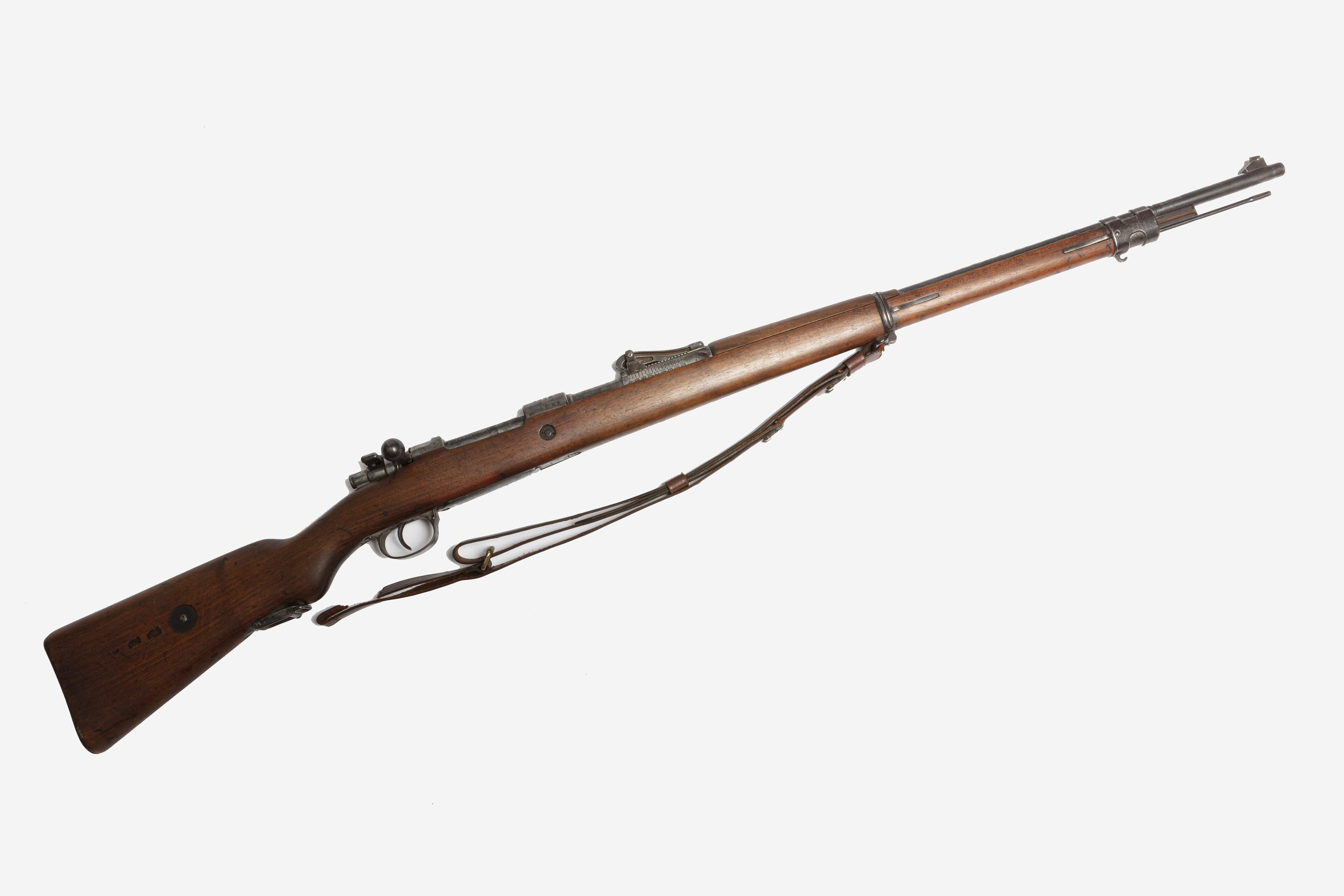
Germany’s Gewehr 98 became the benchmark against which later military bolt actions were judged. Adopted in 1898, it used a five-round internal magazine, a strong dual-lug bolt, and controlled-round feed. Its 7.92×57mm cartridge offered a useful mix of range and power. The design influenced the U.S. M1903 Springfield directly and shaped countless later Mauser-pattern actions. Its legacy was less about copying every part than proving how a rugged, orderly bolt system could survive hard service.
2. Lee-Enfield SMLE
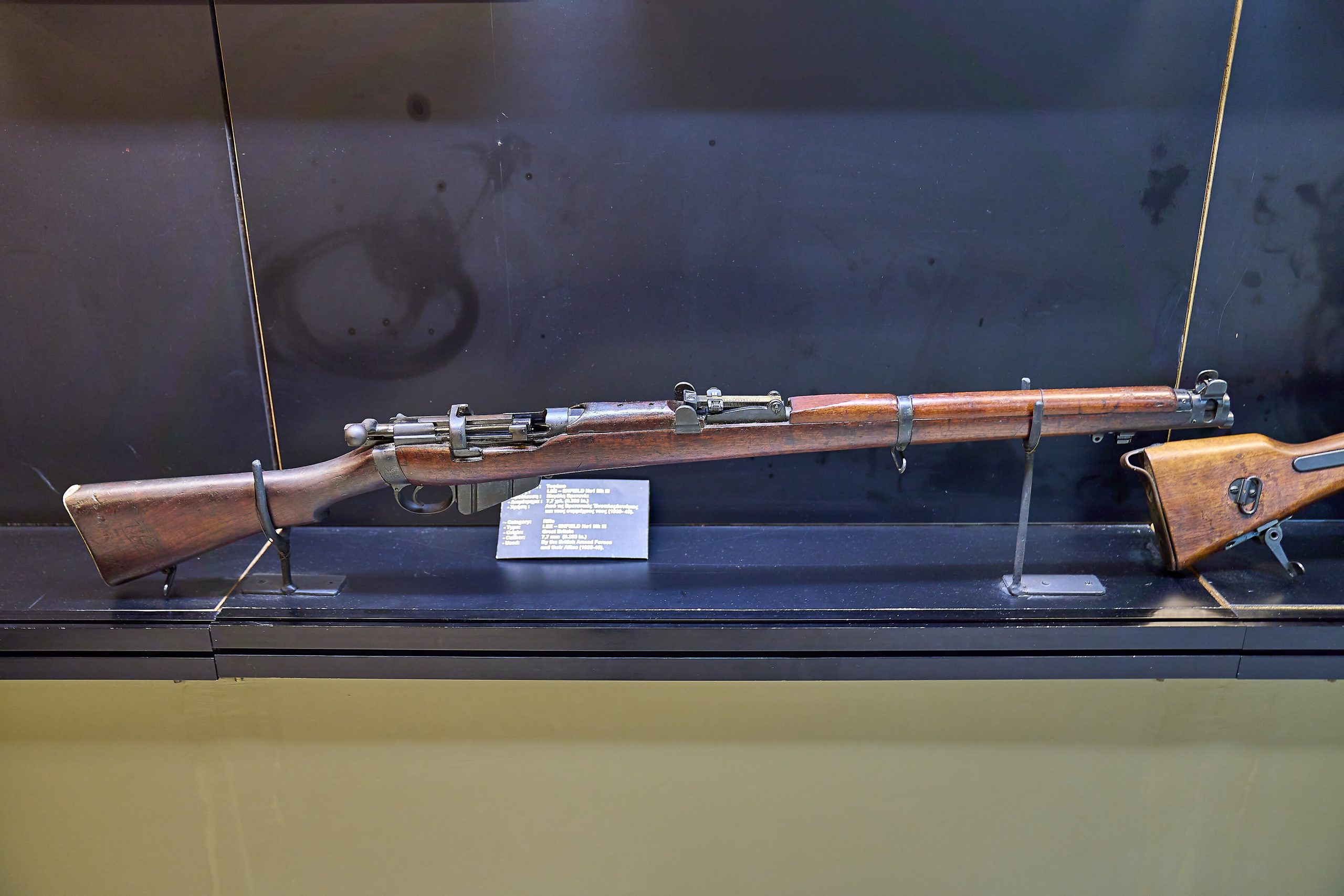
Britain’s Short Magazine Lee-Enfield Mk III showed that a military rifle did not have to sacrifice handling for useful range. Adopted in 1907, the SMLE carried 10 rounds, twice the capacity of many rival service rifles, and its Lee rear-locking bolt could be cycled rapidly by trained soldiers. Chambered in .303 British, it became famous for dependable trench service. Its real influence was the balance it offered: moderate length, generous capacity, fast operation, and practical battlefield handling.
3. Springfield M1903
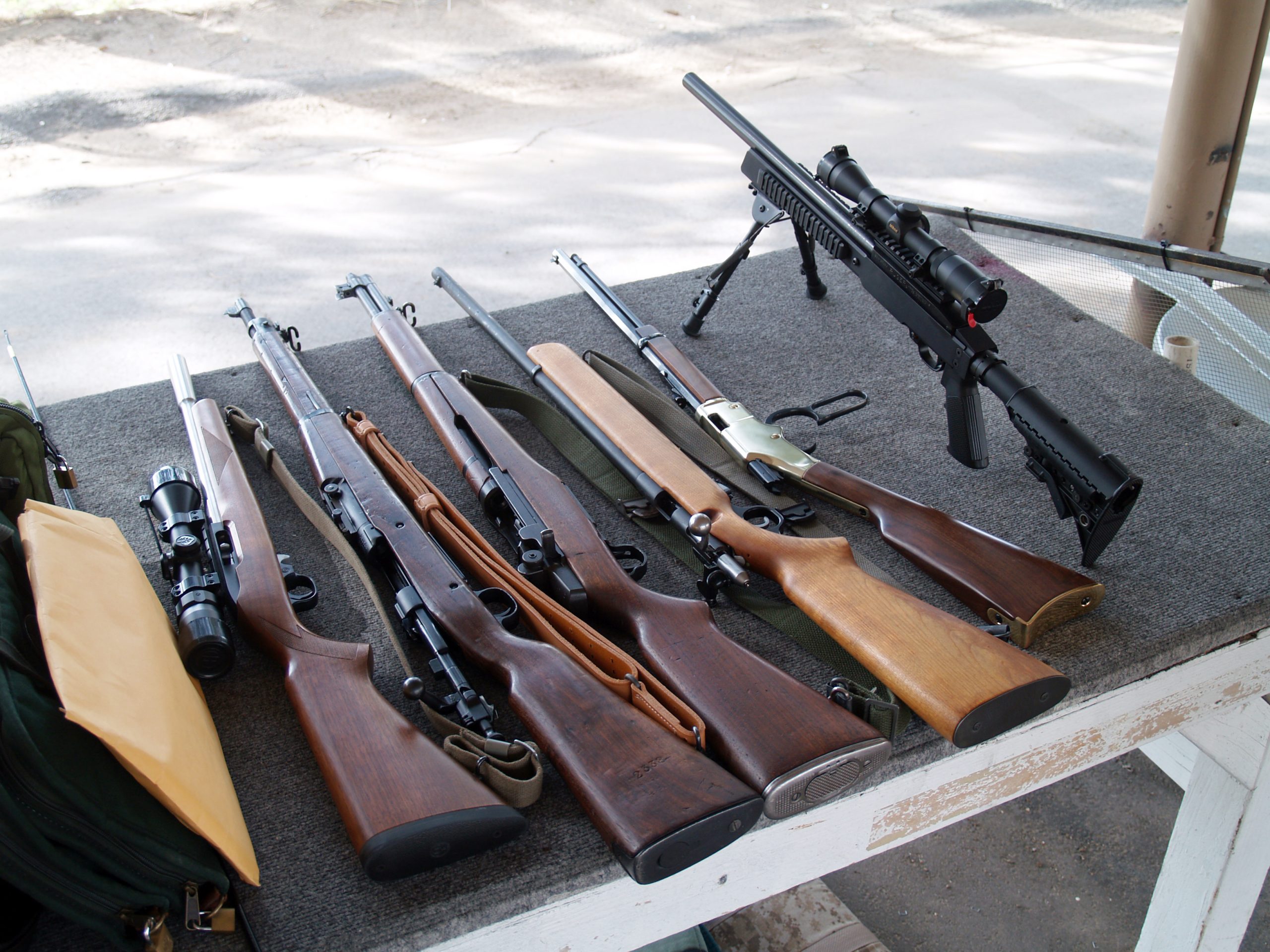
The U.S. M1903 Springfield was adopted in 1903 and became one of America’s defining bolt-action rifles. Its five-round magazine and .30-06 cartridge combined a strong action with excellent accuracy and a powerful military round. The rifle drew heavily from Mauser engineering, including features that led to a licensing arrangement. During World War I, it shared American service with the M1917. Its importance lies in how closely it translated European bolt-action lessons into a distinctly American service rifle.
4. Mosin-Nagant M1891
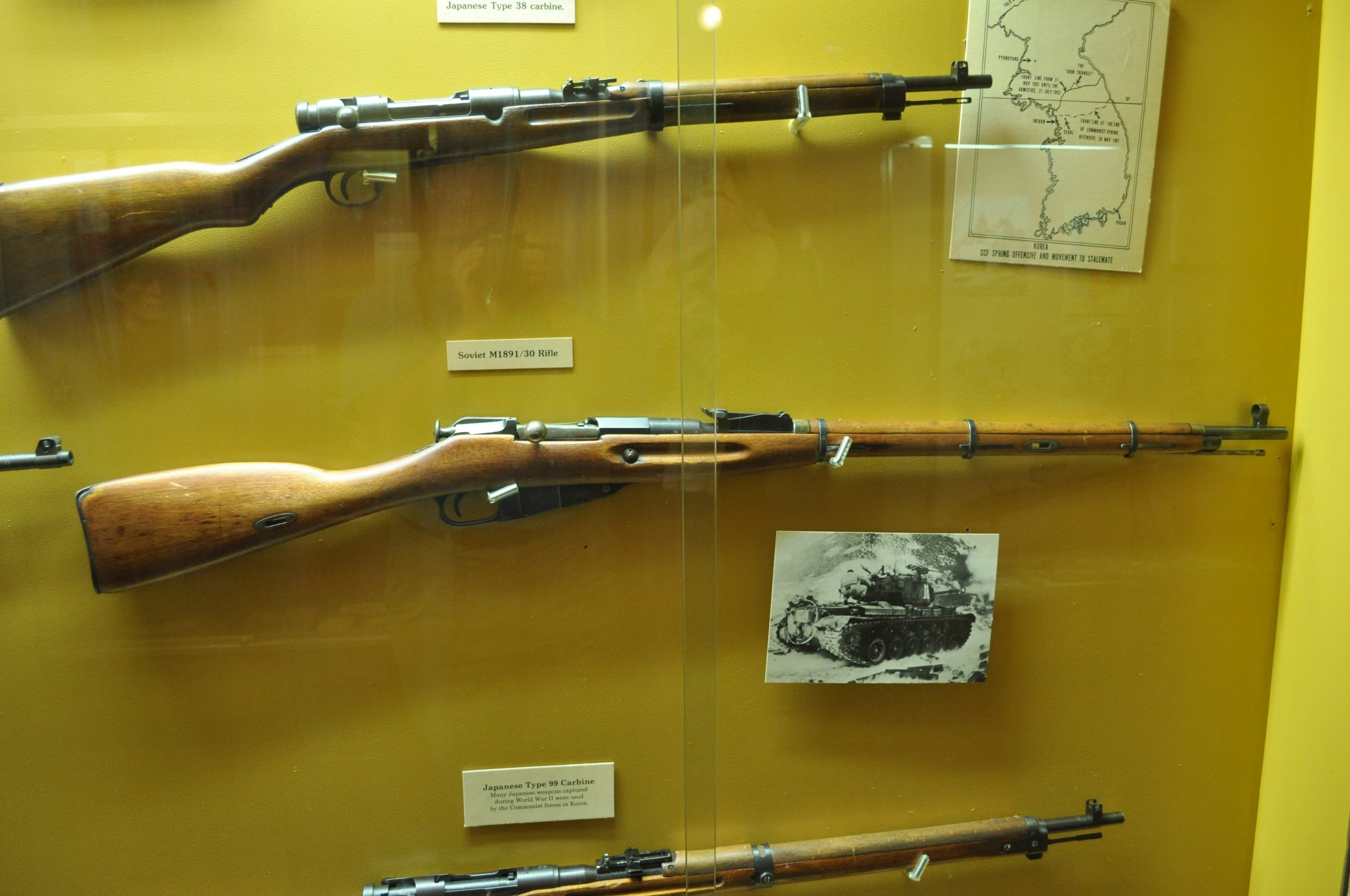
Russia’s Mosin-Nagant M1891 entered service in 1891 and carried a five-round magazine chambered for 7.62×54mmR. Its action was not as elegant as some Western competitors, but its straightforward construction, strong cartridge, and tolerance for difficult conditions made it valuable in large numbers. The rifle became a defining Russian infantry arm in World War I and survived into later conflicts. Its lasting lesson was simple: a military rifle could remain useful when ruggedness and production practicality mattered more than refinement.
5. Lebel Model 1886
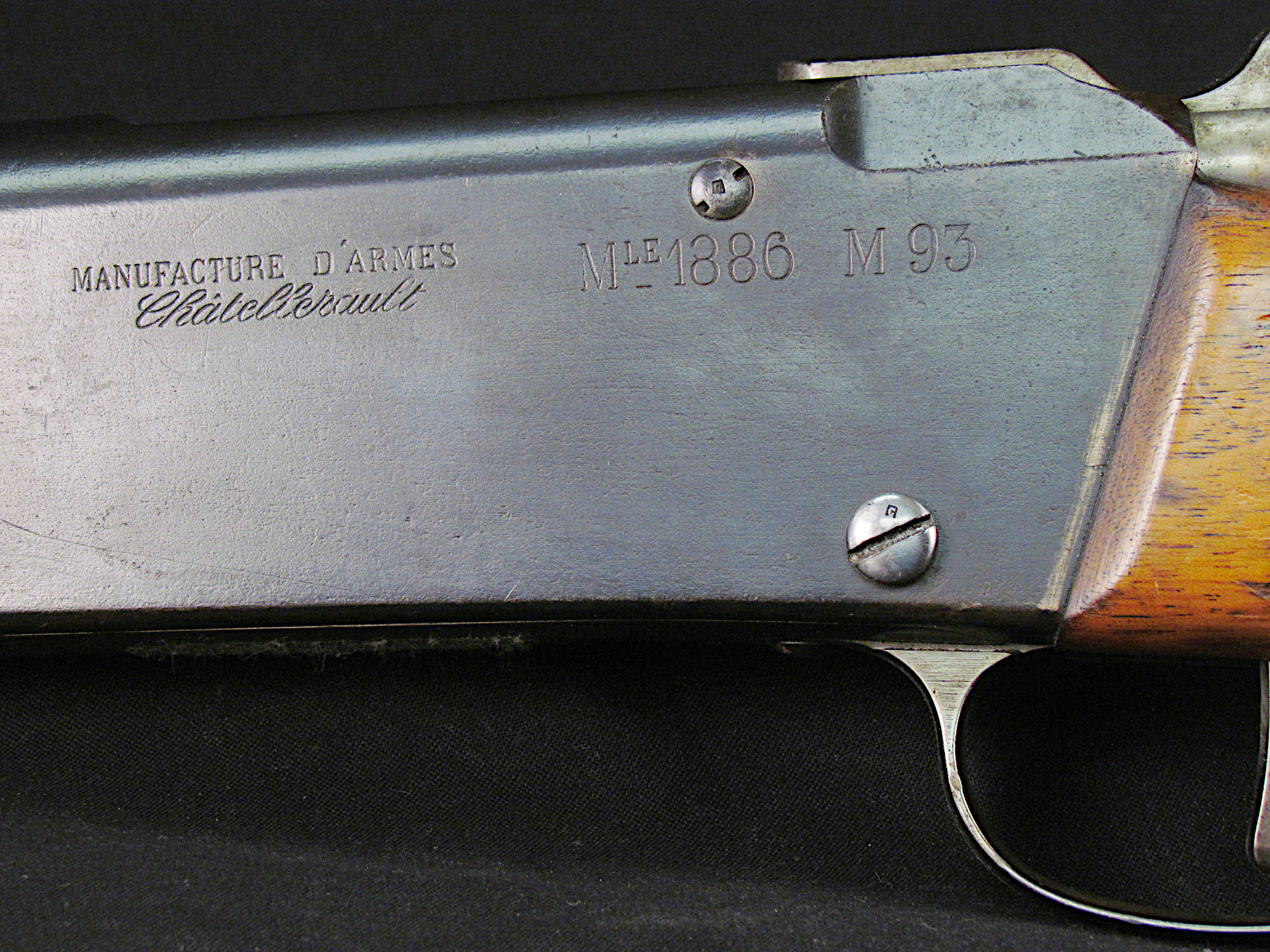
France’s Lebel Model 1886 changed military rifle development by pairing a smokeless cartridge with a repeating infantry rifle. Its 8×50mmR ammunition and eight-round tubular magazine were innovative for the era, although the tube was slower to replenish than later box magazines. The Lebel remained a principal French rifle in World War I despite its age. Its greatest influence came from the transition it represented: smokeless powder, smaller-caliber high-velocity bullets, and repeating rifles helped establish the modern military rifle.
6. Berthier Mle 1907/15
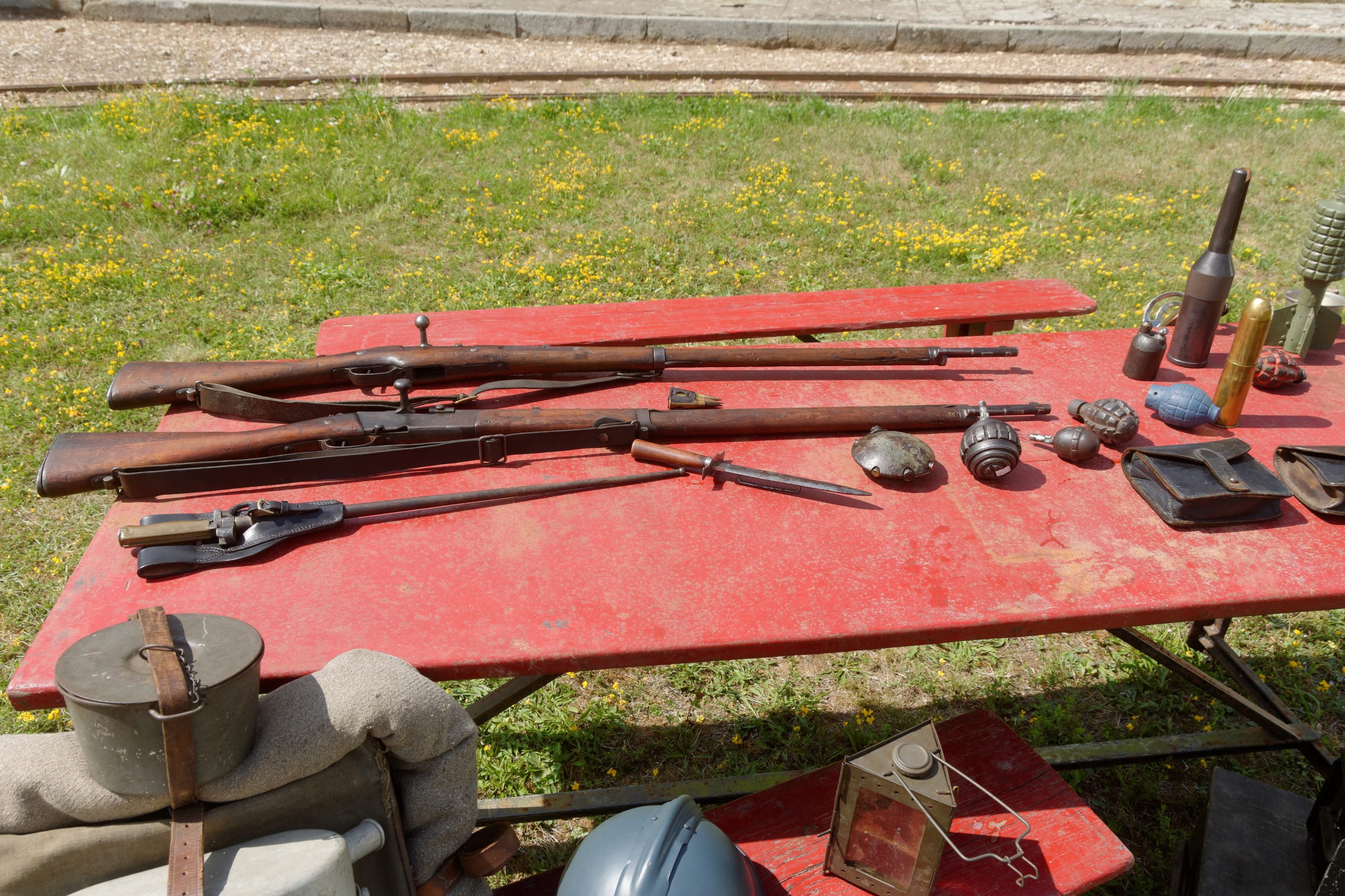
The Berthier series reflected France’s attempt to move beyond Lebel’s dated magazine arrangement. The Mle 1907/15 used a box magazine and Mannlicher-style en-bloc clips, making loading more modern and manufacturing more manageable. Its early three-round capacity proved inadequate beside five-round rivals, so the Mle 1916 was developed with a five-round magazine. That wartime evolution is important because it reshaped rifle design, making capacity and dirt resistance practical priorities.
7. Mannlicher M1895
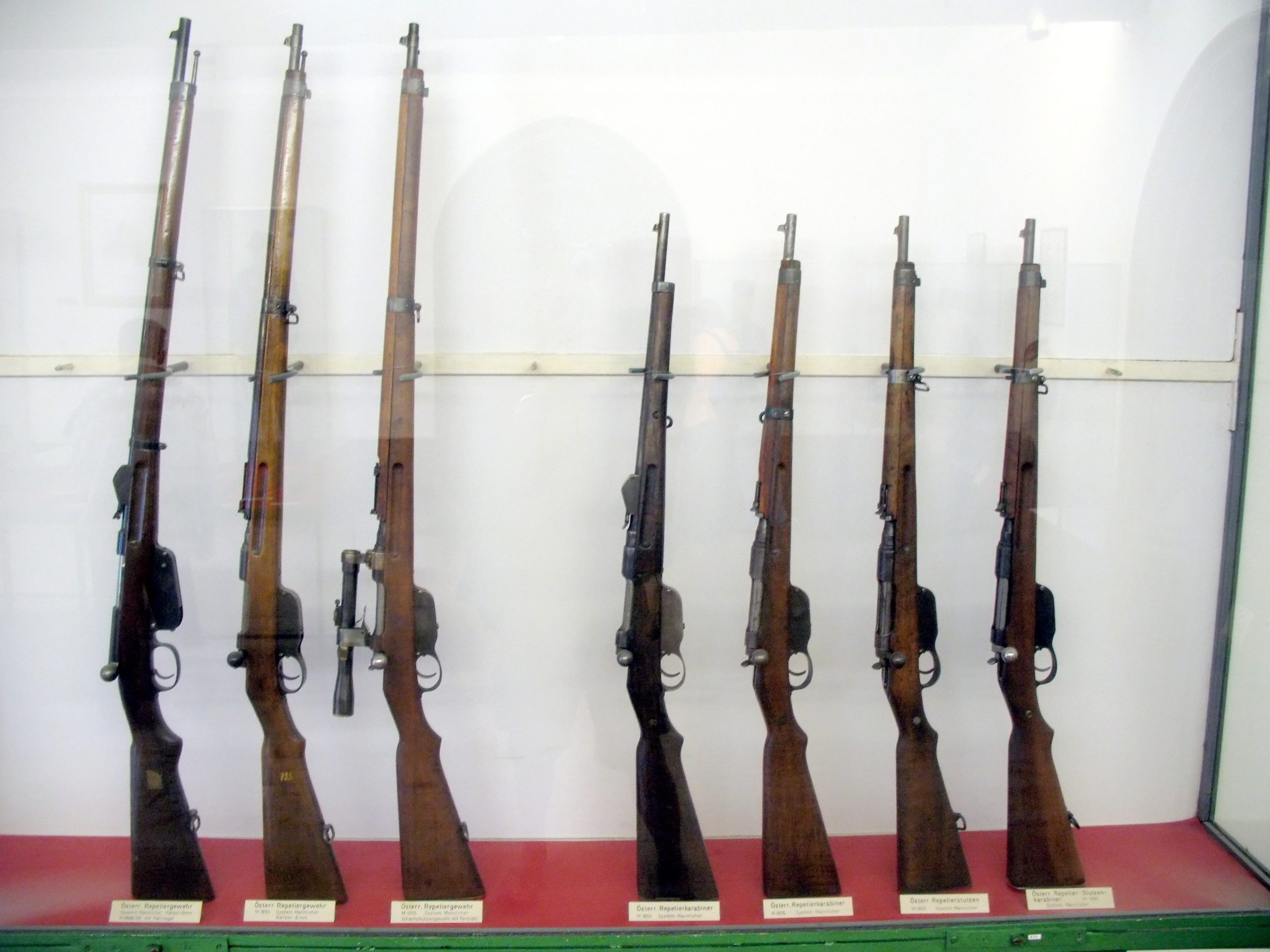
Austria-Hungary’s Mannlicher M1895 stood apart from many contemporary rifles through its straight-pull bolt, allowing the shooter to operate the action without rotating the handle. It used an en-bloc clip and was chambered for 8×50mmR Mannlicher. The design demonstrated that rapid cycling could be pursued through a different action layout. Although it did not become the universal pattern like Mauser, the M1895 remains important because it expanded the engineering choices available to later military rifle designers.
8. Italian Carcano M1891
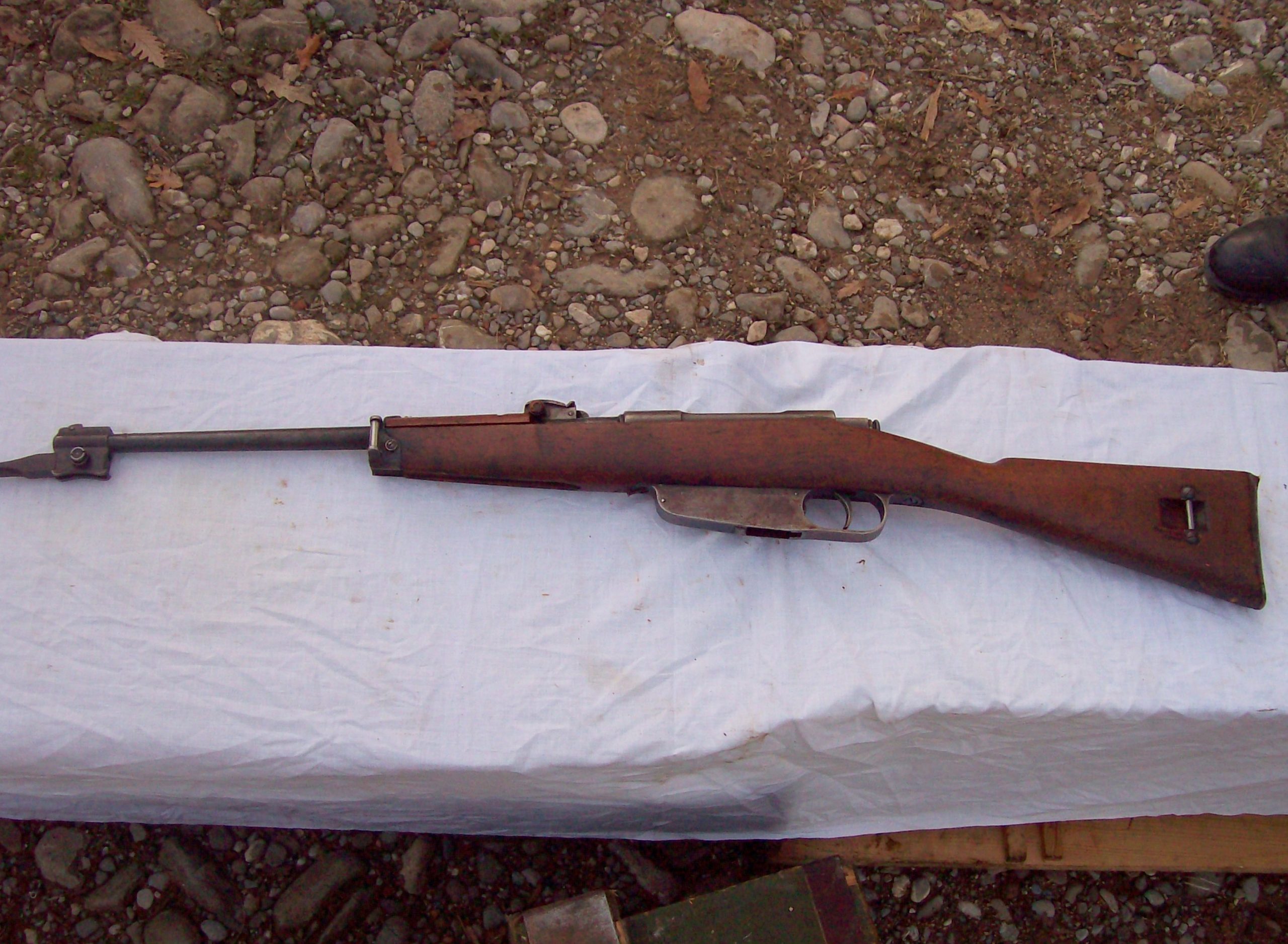
Italy’s Carcano M1891 entered service in 1891 and used a six-round en-bloc magazine with the 6.5×52mm cartridge. It was light for a full-length rifle and was built around a Mannlicher-influenced feeding system. World War I exposed the practical strengths and limitations of such designs under mass mobilization. The Carcano mattered less because later rifles copied it directly and more because it showed how cartridge size, rifle weight, magazine capacity, and manufacturing demands had to be balanced in a military arm.