Some artifacts tell history. This one also escaped it, twice.
A gun with a presidential legend
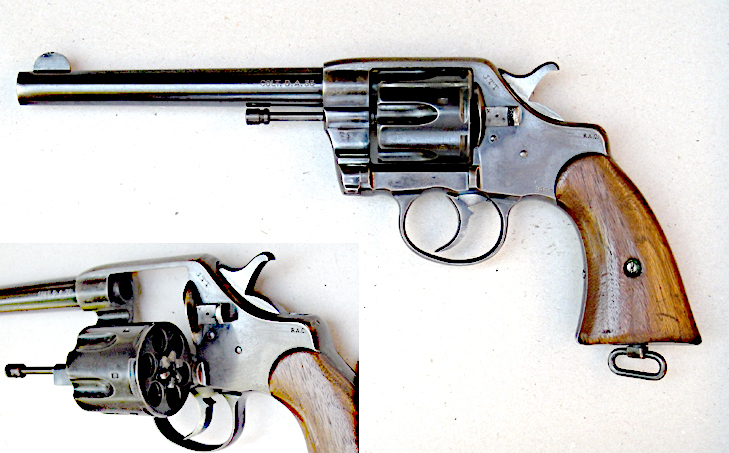
The revolver at the center of this story belonged to Theodore Roosevelt, the 26th president and one of the most weapon-savvy figures ever to occupy the White House. Long before he became president, Roosevelt built a public image around action, risk, and military service.
The gun itself was a Colt Model 1892, a .38-caliber double-action Army and Navy revolver. According to accounts repeated by the FBI, Sagamore Hill historians, and several museum writers, it had been recovered from the wreck of the battleship Maine after the ship exploded in Havana Harbor in 1898.
That detail gave the sidearm instant mythology. It was not just Roosevelt’s gun. It was a relic linked to the Maine, the Spanish-American War, and the charge up San Juan Hill, where Roosevelt carried it as commander of the Rough Riders.
How Roosevelt came to own it
Roosevelt did not buy the revolver off a shelf. It was reportedly given to him by Captain Robley D. Evans or, in some retellings, passed along through naval channels after being salvaged from the Maine, reflecting how deeply Roosevelt was tied to the Navy Department at the time.
What matters most is that Roosevelt treasured it. He was known for keeping firearms close, and this particular revolver became one of the most evocative objects associated with his life because it connected his military persona to a defining national crisis.
After Roosevelt’s death in 1919, the gun remained part of the collection at Sagamore Hill, his Oyster Bay, New York home. Over time, the estate became a National Historic Site, and the revolver shifted from personal possession to public artifact, which made its later disappearances all the more alarming.
The first theft and the first recovery
The first theft came in 1963, when the revolver vanished from Sagamore Hill. Details of that episode are thinner in public sources than the later case, but historians and firearms specialists consistently note that the gun was stolen and then recovered, establishing the first chapter in its strange criminal afterlife.
That recovery mattered because it kept the revolver in public hands. Had it disappeared into a private collection in the 1960s, the story likely would have ended there, with only rumors and catalog descriptions standing in for the original piece.
Instead, the gun returned to Sagamore Hill and resumed its place as one of the site’s headline artifacts. In hindsight, that first recovery may also have created a false sense that the revolver’s ordeal was over. It was not.
The 1990 theft that made national news

The second theft happened in April 1990, and this one drew much wider attention. News reports at the time said the revolver disappeared from a display at Sagamore Hill while the site was preparing for the busy visitor season.
The Los Angeles Times reported the missing pistol was then valued at $500,000, a figure that underscored both its monetary and symbolic worth. This was not simply an antique handgun. It was a presidential artifact tied to war, politics, and one of the most recognizable personalities in American history.
Investigators believed the gun had likely been taken between April 5 and April 7. The theft exposed a problem common to many historic-house museums in that era: priceless items were often displayed in spaces never originally designed for modern security threats.
Sixteen years missing, then a break
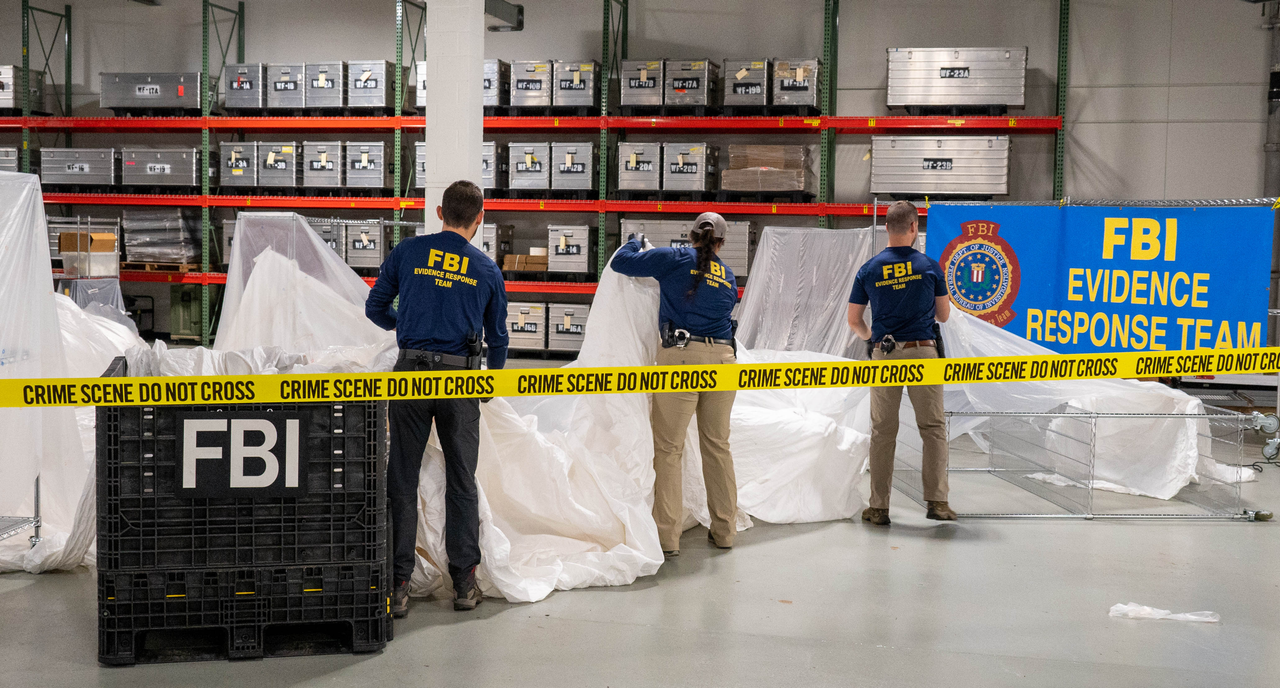
The second disappearance lasted far longer. The revolver remained missing for 16 years, an astonishing stretch for such a famous object. Yet its fame may also have helped doom any effort to sell it openly, because knowledgeable buyers would have recognized it immediately.
According to the FBI, the break came after a tipster contacted Sagamore Hill and said, in essence, that the gun belonged back at Roosevelt’s home. That tip set federal investigators and partners in motion, eventually leading them to recover the revolver in the South in 2006.
The return was treated as more than a property case. FBI art crime investigators emphasized that historic objects carry public meaning beyond price tags. In this case, the recovered revolver restored a tangible link to Roosevelt’s military life and presidential legend.
Why this story still resonates
What makes this revolver unforgettable is not only that it belonged to a president. It survived the Maine disaster, accompanied Roosevelt into war, entered a museum, was stolen twice, and somehow came back both times. That is the kind of chain of events that sounds invented until you trace the record.
It also reveals how fragile public history can be. Museums do not just preserve objects. They defend memory against theft, neglect, and the private market that can swallow important artifacts for generations.
And there is a final irony here. Roosevelt loved stories of grit, pursuit, and recovery. Few artifacts connected to him have lived out a more Rooseveltian adventure than the battered Colt revolver that vanished twice and refused to stay lost.