Some attic finds are junk. Others stop you cold.
Why an Attic Rifle Discovery Grabs People
When a rifle surfaces after 40 years in a farmhouse attic, it instantly taps into two powerful ideas: hidden history and unanswered family stories. Old rural homes often become time capsules, especially when belongings were packed away after a death, a move, or a farm sale and then simply forgotten.
That kind of discovery is exciting because firearms carry layers of meaning. They are tools, heirlooms, status symbols, and sometimes battlefield or frontier artifacts. According to museums and collectors, provenance can matter as much as the gun itself, especially when an owner, maker, or place can be tied to a larger American story.
Attic conditions also add drama. Heat, humidity, dust, and neglect can ruin wood stocks, corrode bores, and erase finish. So when a rifle emerges with readable markings, solid metal, and original parts still intact, collectors know they may be looking at something far more important than an old gun leaning in the rafters.
What Makes a Rifle Rare Instead of Just Old

Age alone does not make a rifle rare. Plenty of old farm guns are common production pieces made in huge numbers, and while they may have sentimental value, they do not always command collector attention. True rarity usually comes from low production totals, unusual chamberings, limited regional manufacture, or historical significance.
Condition is the next big separator. In the gun world, originality is king. Refinished wood, replaced sights, drilled receivers, or modern recoil pads can hurt value fast, while matching parts, sharp markings, and an untouched patina often help a rifle stand out in a crowded collector market.
Then there is maker reputation. Winchester, Colt, Sharps, Springfield Armory, and certain 19th-century Pennsylvania and Kentucky long-rifle builders continue to draw deep interest. Smithsonian coverage of recovered historic firearms shows how a single verified piece can matter not only to collectors, but to curators, historians, and local communities preserving regional history.
The Clues Experts Look For First
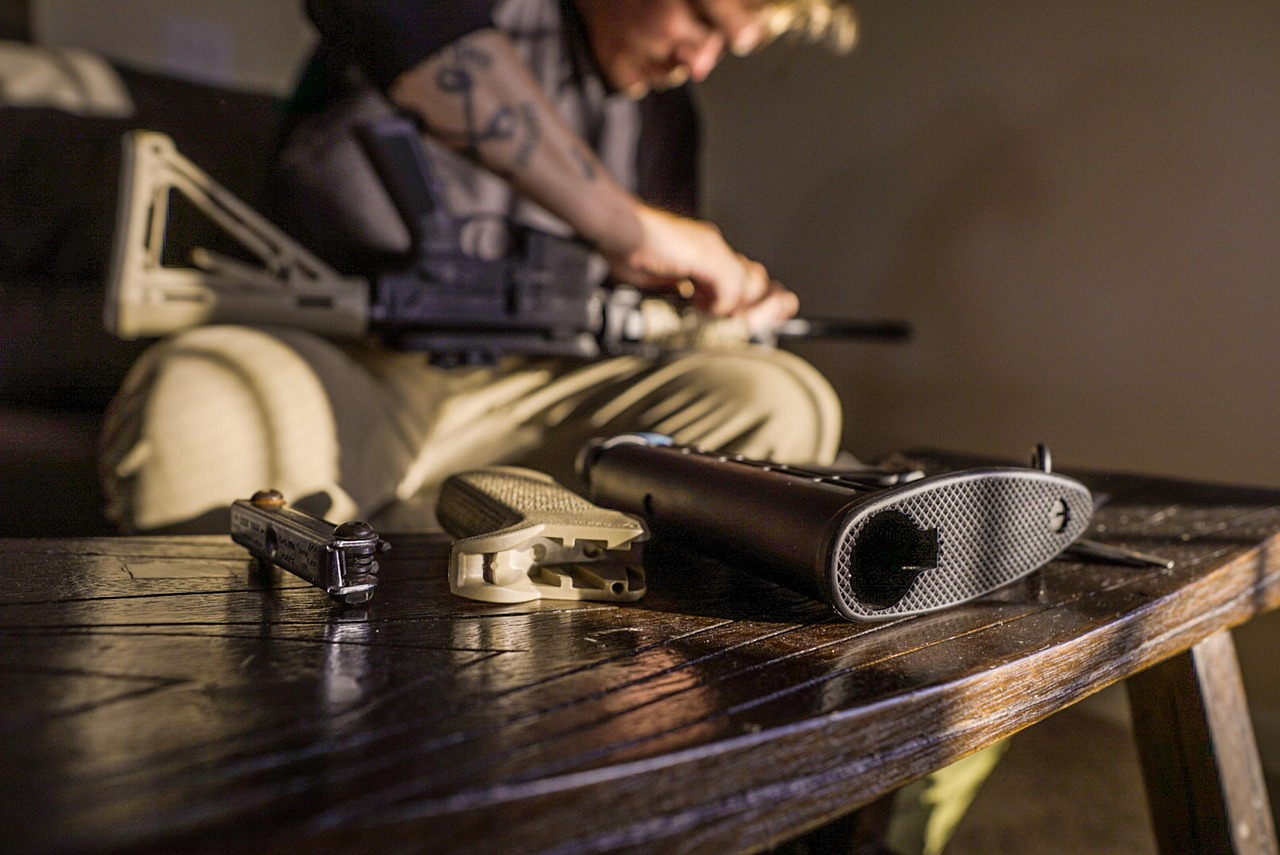
The first thing a knowledgeable appraiser checks is safety. A rifle hidden for decades may have rust in the bore, weakened springs, stock cracks, or old ammunition nearby. No one serious about antique arms tries to fire a newly discovered gun before a proper inspection, because damage that looks minor can hide dangerous internal problems.
After that comes identification. Barrel markings, serial numbers, patent dates, proof stamps, and stock cartouches tell the real story. Even a worn tang stamp can narrow a rifle to a production window, factory, or military contract. Sometimes a name scratched into the wood, or a penciled note in the attic, ends up being the most valuable clue of all.
Collectors also study configuration. Barrel length, magazine type, sights, buttplate shape, and caliber all matter. A standard rifle is one thing; a factory special-order version is another. That is why experts photograph everything before cleaning, because aggressive scrubbing can destroy finish, remove inspection marks, and wipe away evidence that proves rarity.
Why Farmhouses Produce These Finds
Old farmhouses are unusually good at hiding important objects because they accumulate possessions across generations. Families stored hunting gear, military souvenirs, and inherited firearms in attics, lofts, wall cavities, and outbuildings, often with no written record. After ownership changes, those spaces might remain untouched for decades.
There is also a practical reason. In many rural households, a rifle was just another tool, no more glamorous than harness hardware or a seed scale. That mindset helped preserve surprising pieces. A gun that would have been altered, traded, or refinished in regular use might instead sit undisturbed under blankets, trunks, or boards.
The broader antiques market has shown how often overlooked spaces produce serious discoveries. The Associated Press has reported on attic finds ranging from coins to paintings worth thousands or even far more, underscoring the same lesson every gun appraiser knows: value is often hiding in plain sight, disguised by dust and familiarity.
What a Find Like This Could Be Worth
Value depends on three pillars: authenticity, condition, and story. A common turn-of-the-century deer rifle with attic wear may be worth modest money, while a scarce Civil War-era arm, deluxe Winchester, or documented regional long rifle can jump dramatically once experts confirm exactly what it is and where it came from.
The temptation is to clean it first. That is usually a mistake. In the collectibles world, original finish and honest age often beat polished metal and sanded wood. Auction houses, firearms historians, and seasoned dealers consistently warn owners that well-meant restoration can strip away both evidence and market value in a single afternoon.
Real numbers vary wildly. Some attic guns bring a few hundred dollars, some bring several thousand, and exceptional examples climb far higher. The biggest premiums usually go to rifles with hard documentation, rare factory features, or ties to notable events, because buyers are paying for certainty as much as steel and walnut.
The Right Way to Handle a Discovery

If a rifle turns up in an attic, the smart move is simple: leave it unloaded, handle it minimally, and document everything. Photograph the gun exactly as found, including the room, case, box, sling, tags, and any papers nearby. Context can disappear quickly once objects are moved and family members start sorting.
Next, consult a qualified firearms appraiser, reputable auction specialist, or museum curator if the piece appears unusually old or historically important. In some cases, local laws, estate rules, or transfer requirements may also matter, so owners should verify what applies before transporting or selling the firearm.
Most of all, resist the urge to turn the moment into a DIY restoration project. A rifle hidden for 40 years has already survived neglect; it does not need enthusiastic polishing to finish the job. The best attic discoveries are preserved, researched, and understood carefully, because their real value lies in the history they still carry.