Some hunters feel the sticker shock first and ask questions later. But when you look under the hood, the rising price of guided hunts makes a lot of sense.
The Cost Of Simply Getting Hunters Into The Field
A guided hunt starts burning money long before a hunter spots an animal. Trucks, UTVs, horse trailers, boats, fuel tanks, and camp equipment all have to be bought, maintained, and replaced on a schedule that seems to get shorter every year.
Fuel alone has become a major line item for outfitters who cover huge country. According to Outdoor Life, even guided fishing trips have climbed sharply because of higher fuel and gear costs, and hunting operations face the same pressure with longer drives, pack-outs, and supply runs.
Maintenance adds another layer. Tires, brakes, generators, chainsaws, wall tents, cots, optics, saddles, and GPS units are all more expensive to repair or replace than they were a few seasons ago, and every one of those costs eventually shows up in the final hunt price.
Labor Is Pricier And Good Guides Are Harder To Keep

A quality guide is not just someone who knows where elk bed or where mule deer cross a ridge. A dependable guide can judge wind, read clients, handle horses, navigate emergencies, and keep a hunt safe and productive in rough country.
That level of skill costs money, and it should. Bureau of Labor Statistics data show employer compensation costs remain substantial, with wages and benefits together making labor one of the biggest expenses in service-heavy businesses, including hospitality-linked operations that guided hunts often resemble.
There is also a retention problem. Outfitters who want experienced guides, cooks, wranglers, and camp staff have to compete with construction, energy, and other seasonal work, so raising pay is often the only way to keep reliable people from leaving before the season peaks.
Tags, Licenses, And Applications Keep Moving Up
Hunters often focus on the guided hunt fee and forget the growing pile of government costs attached to the trip. In many Western states, nonresident licenses, tag fees, and even application costs have risen enough to noticeably change the total budget.
Washington’s proposed increases showed just how dramatic that can get, with GOHUNT reporting nonresident deer and elk combinations rising by roughly 25%. Utah also approved major nonresident fee increases, and Outdoor Life reported some elk-related prices moving sharply higher for traveling hunters.
That matters because guided hunts depend heavily on nonresident clients. When the base cost of legally entering the draw, buying the license, and securing the tag rises, outfitters either package those increases into pricing or sell to a smaller pool of hunters who can still afford the trip.
Access And Opportunity Are More Limited Than They Used To Be
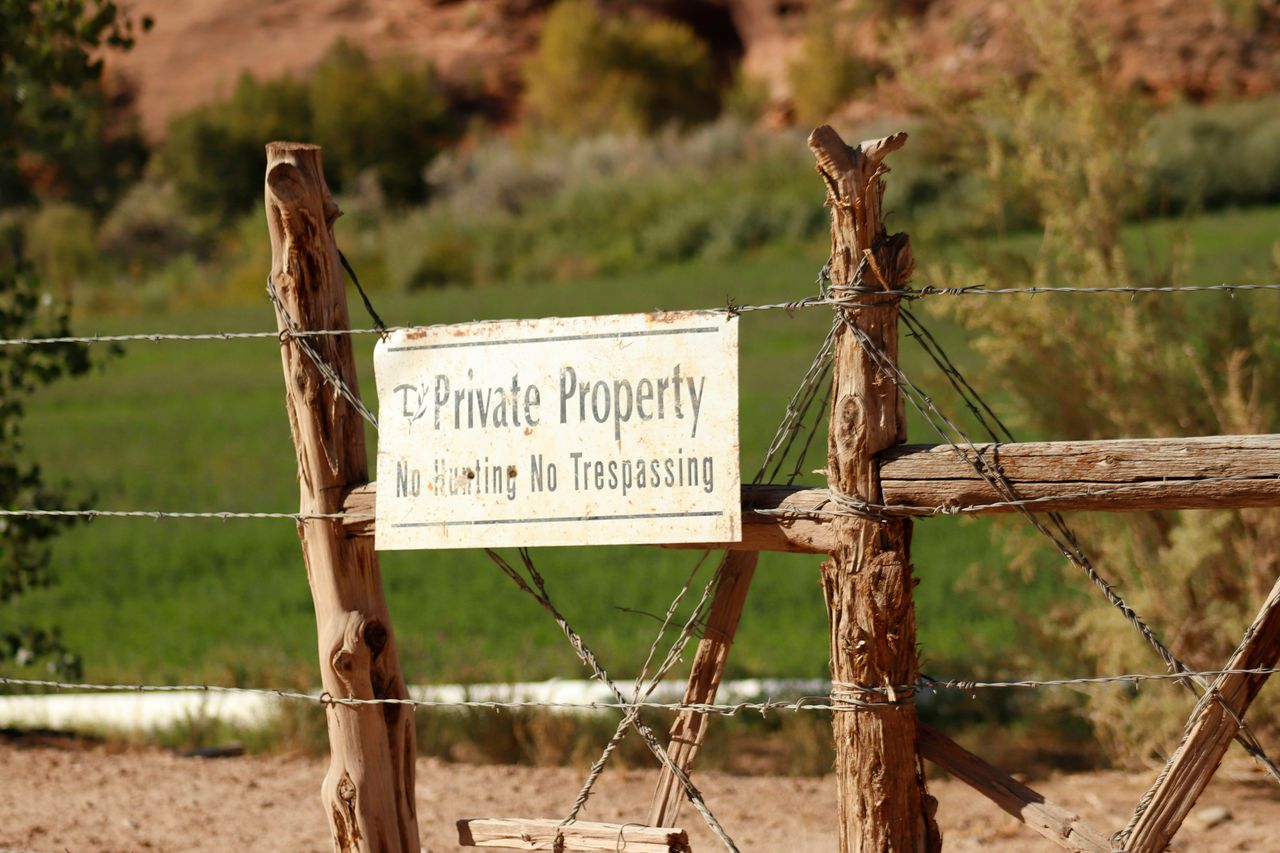
One reason guided hunts cost more is that quality opportunity is harder to secure. On both private and public ground, outfitters are paying more for leases, access agreements, scouting time, and the effort required to stay on productive animals in crowded units.
At the same time, demand has grown for bucket-list species and limited tags. Outdoor Life noted that Dall sheep hunts now sit around $30,000, while other sheep hunts can reach $50,000 or more, which reflects not just luxury pricing but scarce opportunity and enormous logistics.
In simple terms, scarcity raises value. When there are fewer tags, tighter seasons, more hunters applying, and more pressure on prime ranches or concession areas, the hunts that remain viable become more expensive because access itself has become a premium asset.
Insurance, Compliance, And Risk Are Real Business Costs
Most hunters never see the paperwork side of an outfitting business, but it is expensive. Liability coverage, workers’ compensation, vehicle insurance, land-use permits, lease agreements, and emergency planning all cost more than they used to, especially for operators working with stock animals or remote camps.
Risk also shapes pricing. When a guide service has to protect itself from accidents, weather delays, equipment loss, and no-show clients, it builds those realities into deposits, cancellation policies, and trip rates because one bad season can wreck margins.
Recent disputes involving guided operations have also reminded outfitters that weak staffing or bad business practices can become financially devastating. That pushes serious operators to spend more on better systems, better people, and better oversight, and those are healthy costs even if they raise prices.
Hunters Are Also Paying For Demand, Reputation, And Results
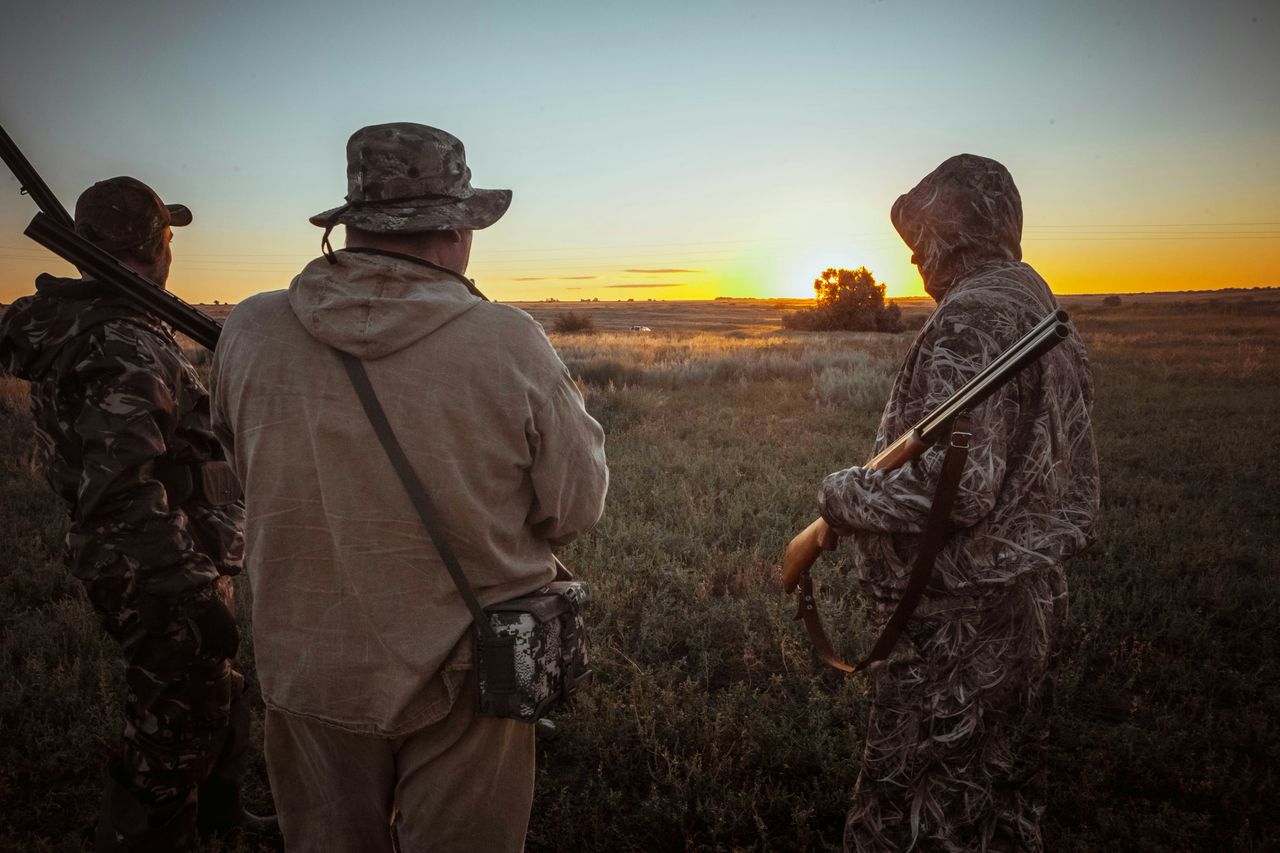
The final reason prices keep climbing is simple: many guided hunts are still selling. Strong outfitters with proven success rates, repeat clients, and access to desirable tags can raise prices because the market keeps rewarding reliability over bargain shopping.
Social media and online booking have widened that demand. More hunters now discover destination hunts faster, compare trophy photos instantly, and book prime dates earlier, which gives reputable outfitters confidence to charge what their calendars and waitlists say the market will bear.
That does not mean every expensive hunt is worth the money. But in most cases, the higher price reflects a real mix of labor, logistics, regulation, scarcity, and demand, which is why guided hunts have become more expensive almost every single season.