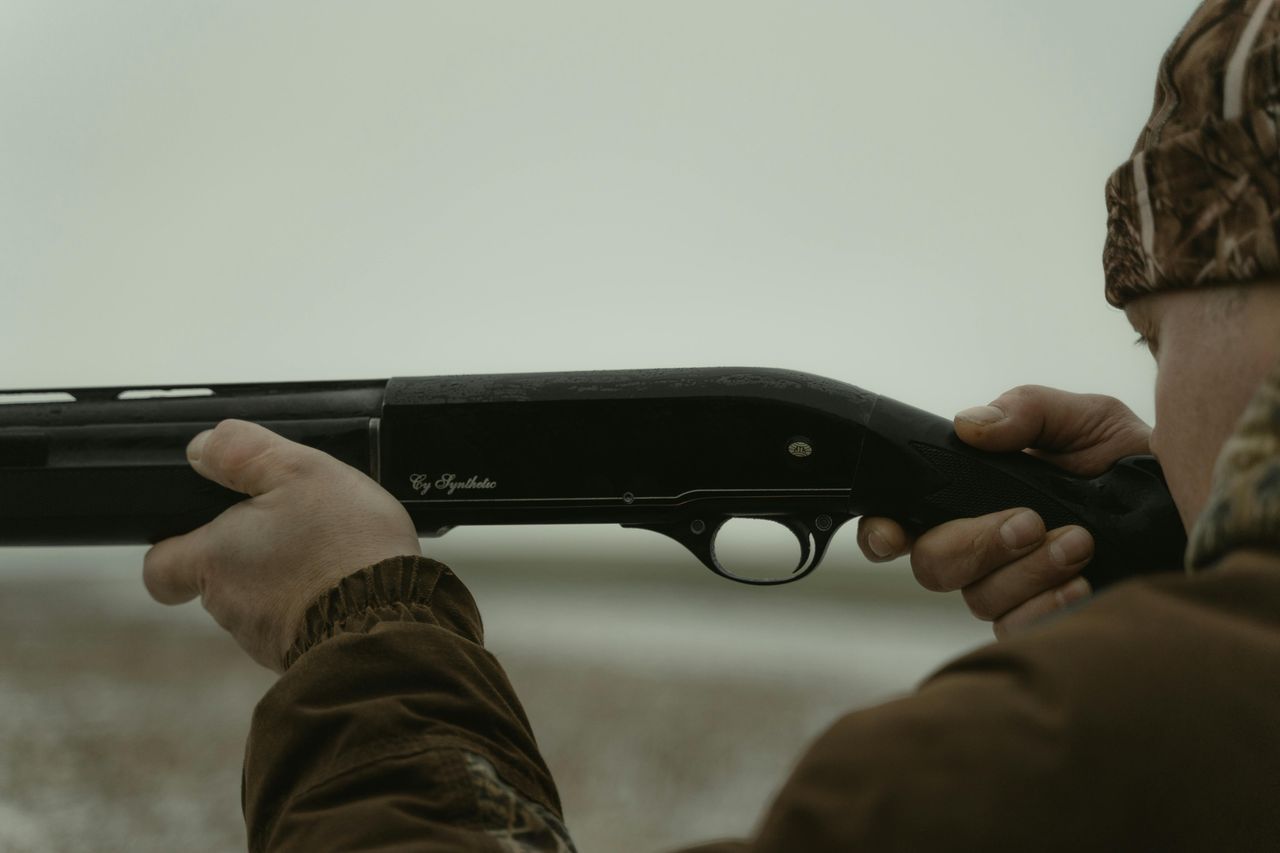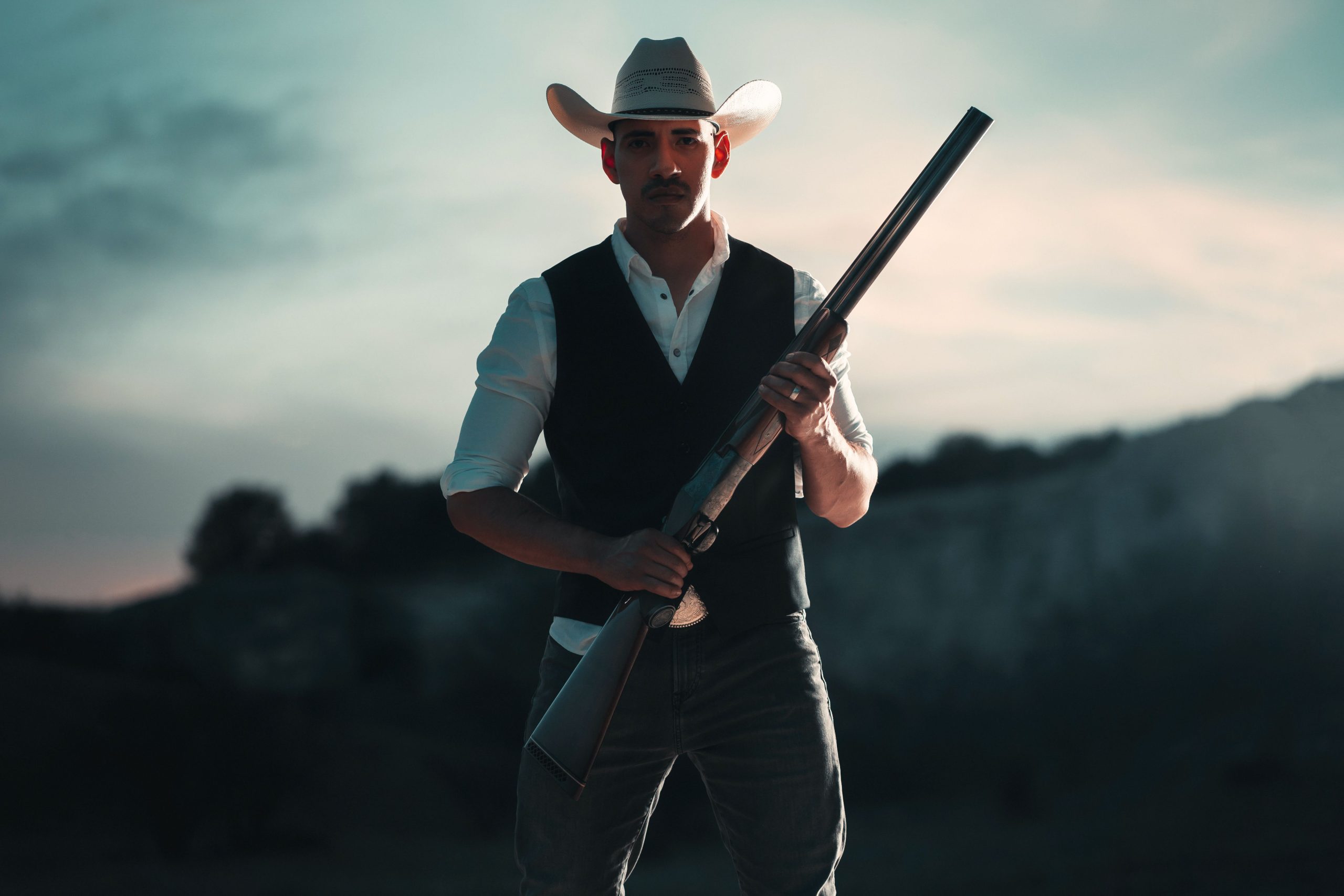
Cowboy action shooting is about more than hitting targets with historic-style firearms. This sport combines shooting skills with clothing, equipment, and traditions inspired by the American Old West. New participants often discover that their modern shooting clothes and familiar range accessories do not always fit the event’s expectations. From choosing a period-inspired outfit to carrying ammunition safely, several rules can catch beginners off guard. Understanding these seven costume and gear requirements before your first match can help you avoid unnecessary surprises and enjoy the experience.
1. Your Outfit Must Match the Event’s Historical Theme
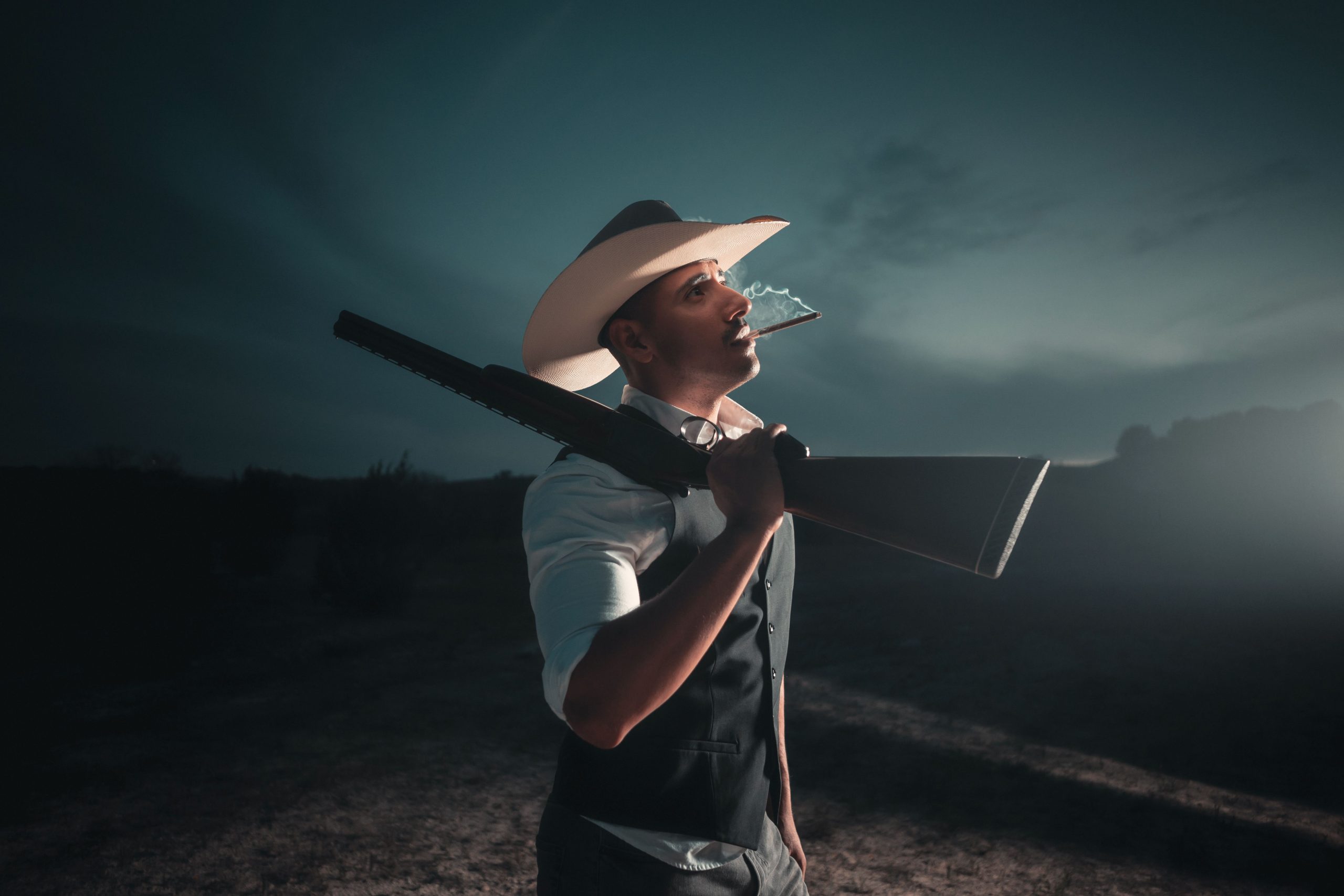
Cowboy action shooting often requires clothing inspired by the late 19th-century American West, rather than ordinary modern range wear. A first-time participant may need a long-sleeved shirt, trousers, a belt, and suitable footwear instead of jeans paired with a contemporary shooting jersey. Many matches also expect a hat or other period-appropriate headwear, although exact requirements vary. You do not necessarily need expensive reproductions to get started. A simple outfit can work if it follows the match rules. Before spending money, check the current dress code and confirm which clothing items are mandatory for your chosen category.
2. Modern Tactical Accessories May Not Qualify
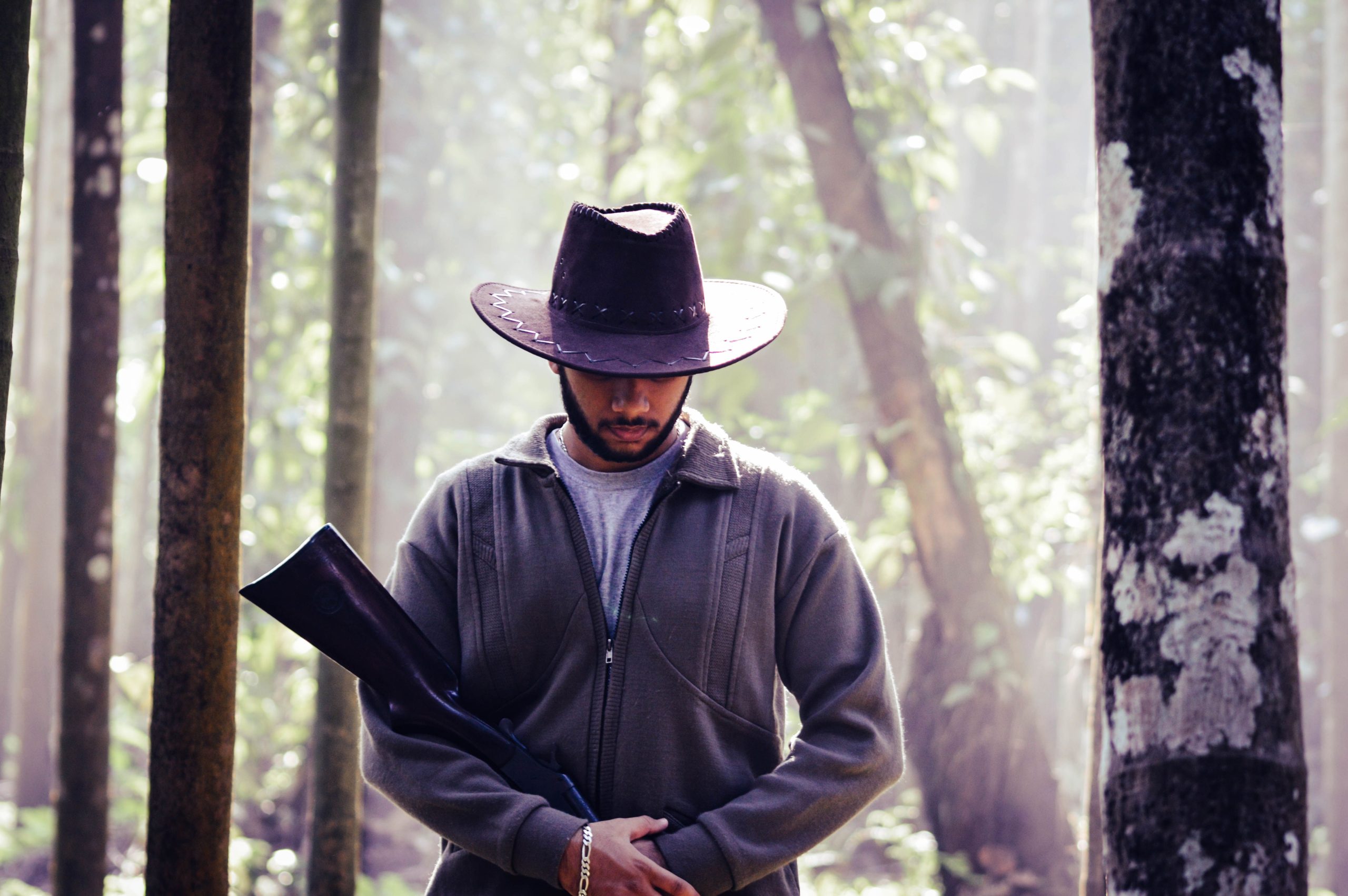
Equipment designed for practical shooting does not automatically fit cowboy action competition. Modern tactical vests, camouflage clothing, and conspicuous polymer accessories may conflict with the traditional appearance or category rules of a particular match. Some events distinguish between traditional and modern costume interpretations, so the restrictions are not identical everywhere. A beginner should check the rulebook before purchasing a specialized rig or adding accessories to an existing belt. Even a small detail can affect whether your equipment meets the selected category’s requirements. Reviewing the rules at least 1 week before competition gives you time to make adjustments without rushing.
3. Holsters Must Be Suitable for Your Firearms
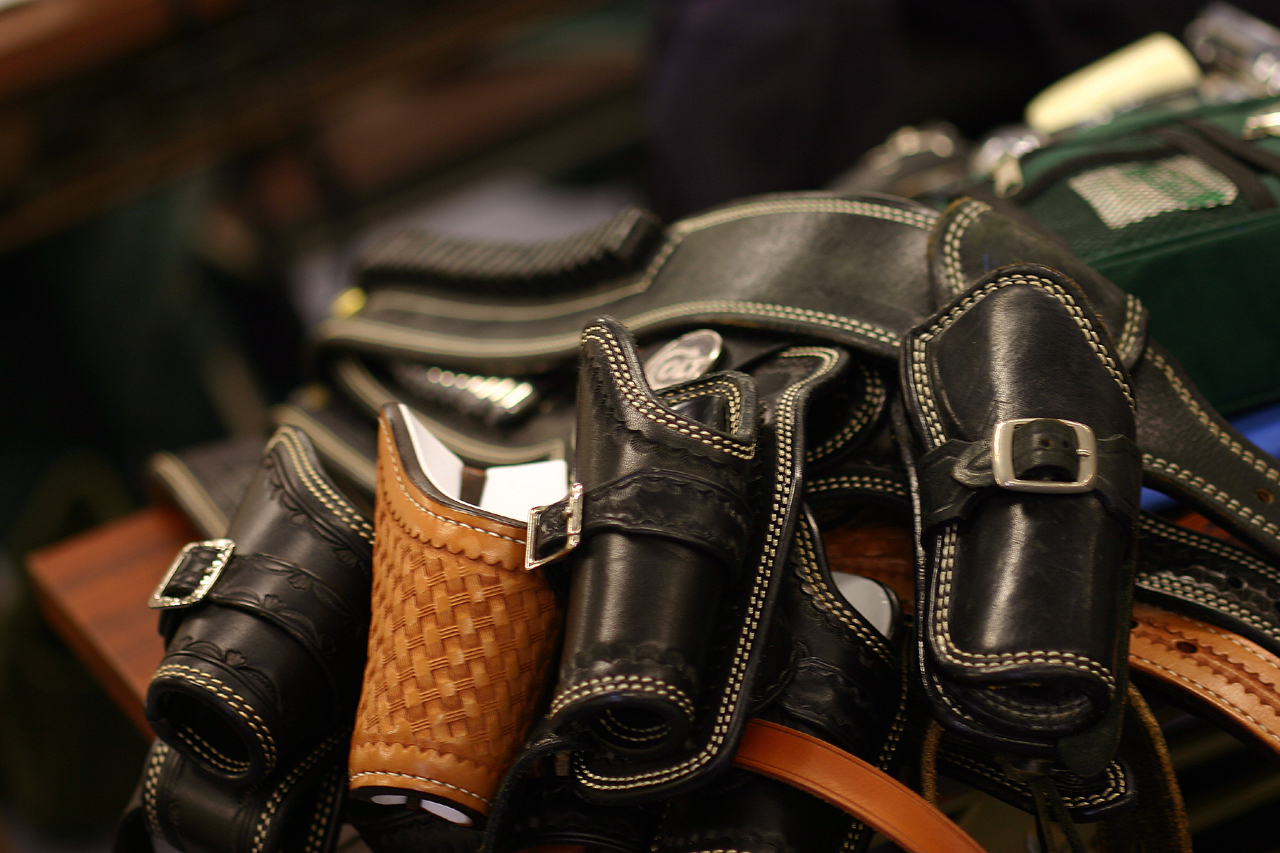
A decorative Western holster may look authentic but still be unsuitable for competition. Holsters must fit the firearm securely, permit safe access, and meet the event’s equipment regulations. Cowboy action competitors commonly use holsters designed for their approved revolvers, while certain categories impose additional restrictions on their placement or style. A loose fit, damaged stitching, or an unsuitable retention arrangement can create safety problems. Never assume that a costume accessory is automatically acceptable for live-fire use. Test your complete setup under qualified supervision and have a range officer inspect it before your first match. Safe handling matters more than appearance.
4. Ammunition Belts Must Be Practical, Not Just Decorative
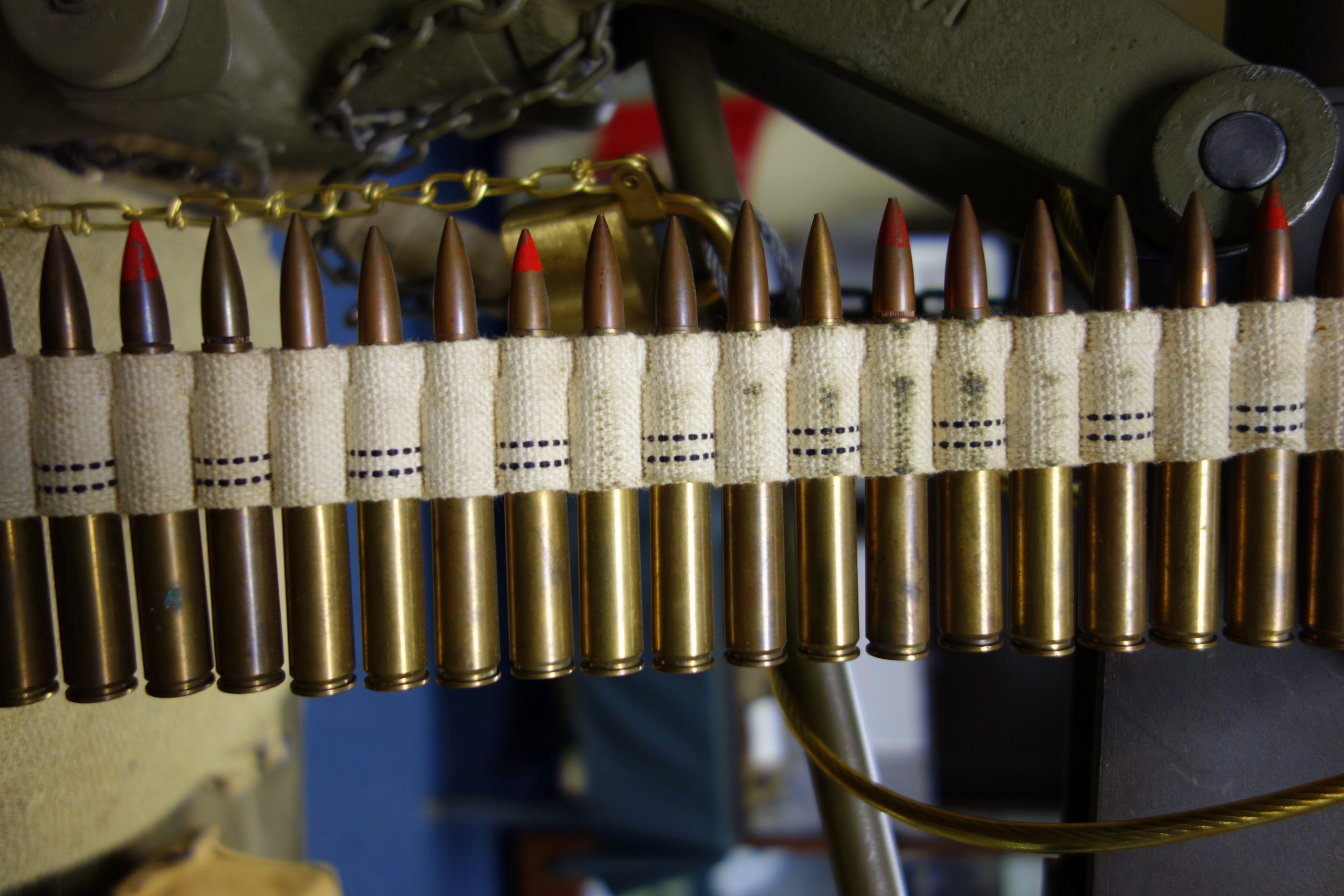
A cartridge belt is one of the most recognizable parts of cowboy shooting gear, but its appearance is only part of the requirement. It must hold the correct ammunition securely and remain comfortable during movement. Some competitors use separate loading arrangements for different firearms, while others carry cartridges in approved loops or pouches. Capacity and placement may depend on the match rules and the stage being shot. For example, a belt with 20 loops does not automatically mean every loop must be filled. Confirm the permitted arrangement, keep ammunition organized, and avoid loose cartridges that could fall out during a stage.
5. Footwear Can Affect Both Compliance and Safety
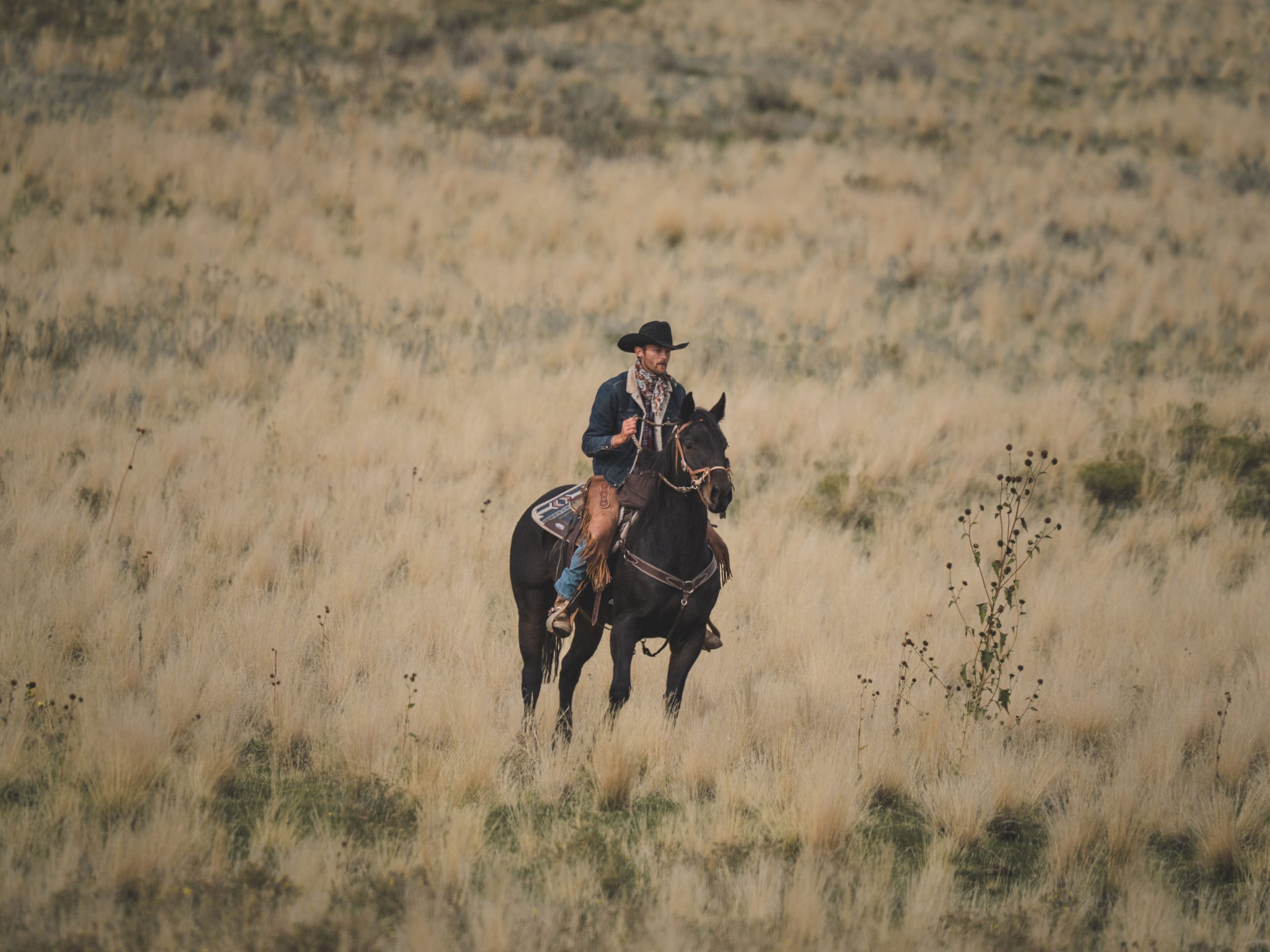
Old West-inspired boots are popular, but choosing footwear involves more than matching the rest of your costume. Shoes must provide stable footing on the range, where gravel, uneven ground, dust, and spent cartridge cases can create hazards. Some matches specify acceptable footwear, so sandals and open-toed shoes may be prohibited. A beginner might be surprised to learn that comfortable modern boots can be more practical than stiff costume footwear, provided they satisfy the rules. Try your chosen pair during practice before match day. Even 30 minutes of walking in unfamiliar boots can reveal rubbing, poor support, or difficulty moving safely.
6. Eye and Ear Protection Still Take Priority Over Authenticity
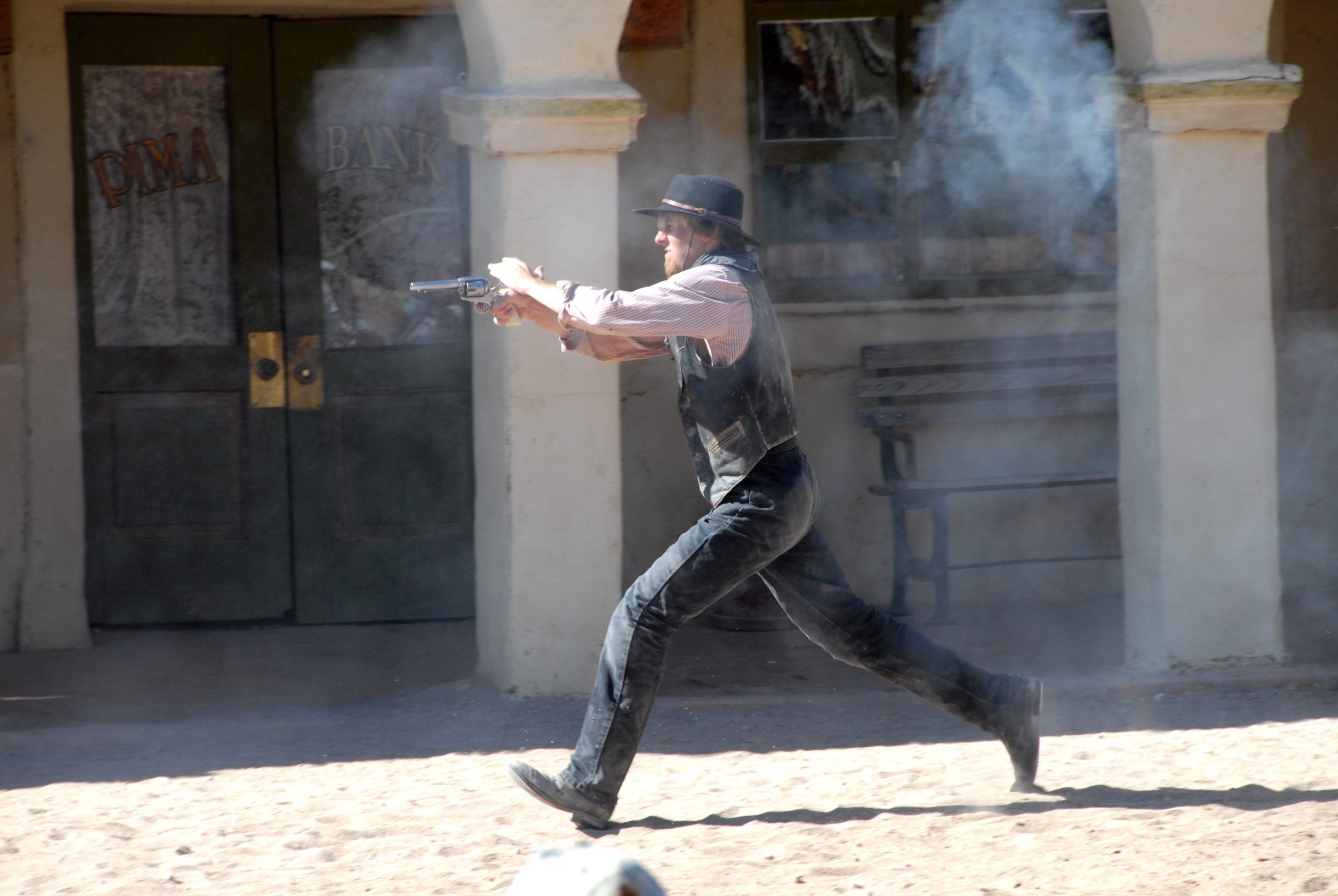
A period-inspired appearance never overrides modern range safety. Cowboy action shooting involves live ammunition, so suitable eye and hearing protection are essential, even when the rest of the outfit resembles clothing from the 1800s. Clear safety glasses may be a practical choice because they preserve visibility in changing light, while properly fitted earmuffs or earplugs help reduce exposure to gunfire. Some competitors choose discreet protective equipment to maintain their costume’s appearance, but protection must remain effective. Bring at least 2 suitable options if you are unsure about fit or comfort. Follow the range officer’s instructions throughout every stage.
7. Every Gear Choice Must Follow Your Match Category
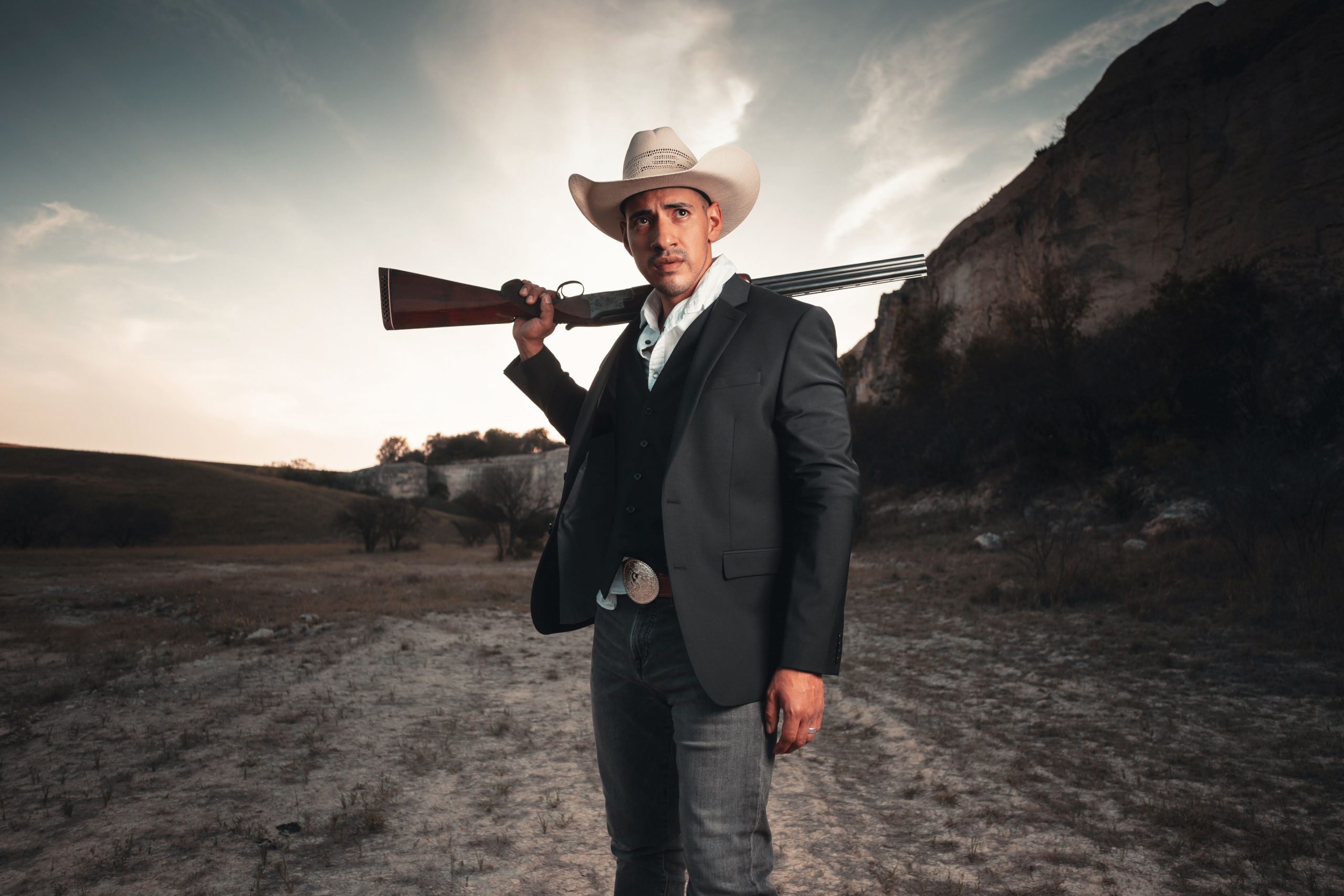
Cowboy action shooting includes different competition categories, and their clothing and equipment requirements can vary significantly. One category may favor a traditional Western appearance, while another permits selected modern interpretations or different equipment arrangements. Firearms, holsters, ammunition carriers, and costume details may all be affected by the category you enter. Choosing gear first and checking eligibility later can lead to avoidable expenses or last-minute changes. Read the current rulebook, confirm your intended category with the match organizer, and ask questions before registration. Give yourself at least 1 week to check your complete setup, correct problems, and arrive prepared for a safe competition.