The Benelli M2 earns praise fast. It also teaches a few expensive lessons even faster.
The M2 Is Lighter and Faster Than Many Buyers Expect

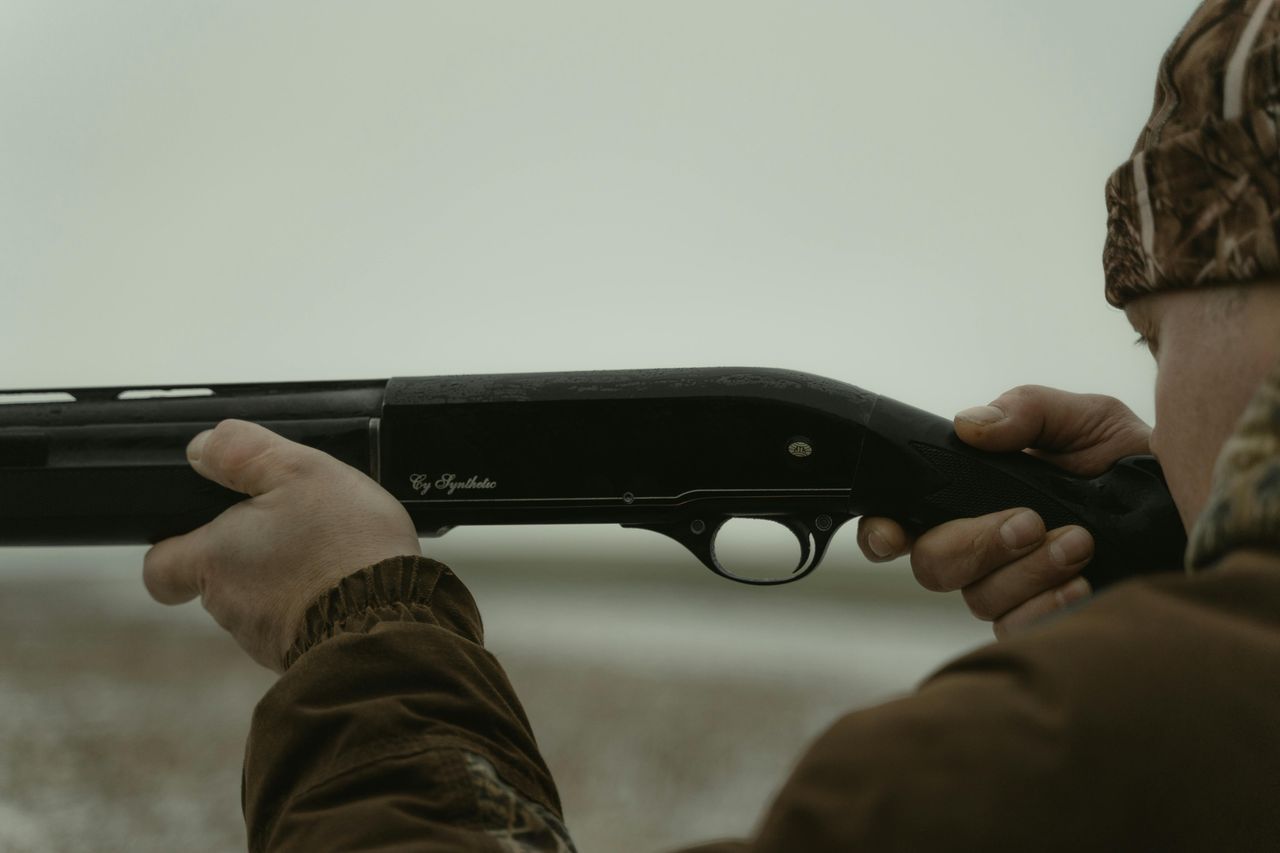
A lot of first-time buyers choose the Benelli M2 because they want a reliable semi-auto that feels premium without becoming too heavy in the field. What surprises many owners is just how light and lively it feels compared with gas-operated competitors. That low weight makes it excellent for carrying all day during upland hunts, walking long dove fields, or moving quickly through a sporting clays station. It shoulders fast, swings easily, and feels athletic in the hands.
The tradeoff is that lightness changes the shooting experience. Recoil is often sharper than buyers expect, especially with heavy hunting loads. People coming from heavier gas guns sometimes assume the difference will be minor, then discover the M2 has a more immediate, snappy feel under recoil. It is not punishing for most shooters, but it is much more noticeable during long range sessions.
This matters most for high-volume use. If you shoot a few boxes a season, you may love the lively handling and never think twice. If you shoot hundreds of shells in a weekend, the M2’s lightweight design can become tiring. Many owners later say they should have handled and fired one side by side with a softer-shooting gas gun before buying.
Experienced shooters often frame this as a use-case issue, not a flaw. For upland birds and general field carry, the M2’s light build is a real advantage. For marathon clay sessions or recoil-sensitive shooters, the same feature may feel like a compromise. That distinction is one of the biggest things owners wish they had understood upfront.
Inertia Operation Is Brilliant, but It Has Quirks
One reason the M2 has such a strong following is Benelli’s inertia-driven operating system. Owners love that it runs cleaner than many gas guns because it does not vent the same fouling into the action. Less grime in the mechanism often means easier maintenance and dependable cycling in ugly field conditions. For hunters who crawl through dust, mud, wet grass, and cold weather, that reputation is a major selling point.
What some buyers do not realize is that inertia guns depend on the shotgun moving under recoil to cycle properly. That means very light target loads, weak shoulder mounting, or unusual accessories can affect reliability more than expected. Some new owners blame the gun immediately when they get a few failures with bargain ammunition. Later, they learn the system often prefers a proper break-in period and ammunition with enough energy to run the action consistently.
This is why owner experiences vary so much online. One shooter reports flawless operation after thousands of rounds, while another struggles in the first few boxes and feels disappointed. In many cases, the difference comes down to ammo choice, gun fit, lubrication habits, and whether the gun has been shot enough to settle in. The M2 usually rewards correct setup, but it is less forgiving of bad assumptions than some buyers expect.
Seasoned M2 owners often say they wish they had budgeted for several boxes of heavier loads during break-in. They also wish someone had explained that inertia reliability feels almost boringly good once the gun is set up right. The problem is that nobody enjoys learning that through trial, error, and expensive shells after the purchase is already made.
Fit, Shim Adjustments, and Stock Setup Matter More Than People Think

Many buyers focus on barrel length, finish, and price, then treat stock fit like a secondary detail. With the Benelli M2, that can be a mistake. The gun includes shim options that let owners adjust drop and cast, and those changes can dramatically affect how the shotgun points. A buyer who ignores this feature may spend months thinking the gun just does not shoot where they look.
Shotgun performance is deeply personal because it depends on how the gun aligns with your eyes and shoulder. If the comb sits too high or too low, your sight picture changes and your pattern placement follows. Some owners initially complain that the M2 shoots high, low, or strangely off line, only to discover the stock setup was wrong for their build. Once adjusted, the exact same shotgun suddenly feels natural and accurate.
This issue comes up often with buyers who purchase online or make a quick decision at the counter. They know the M2 has a strong reputation, so they assume it will fit them automatically. In reality, even excellent shotguns need tuning to the shooter. A proper patterning session on paper tells you more in an afternoon than weeks of guessing in the field.
Veteran owners routinely say they wish they had spent more time with the shim kit from day one. It is not glamorous, and it does not get the same attention as chokes or optics-ready features, but it matters. A Benelli M2 that fits correctly feels fast, instinctive, and deadly. One that does not fit can leave a buyer unfairly disappointed in a very capable shotgun.
Maintenance Is Simple, but Not Quite as Minimal as the Reputation Suggests

The M2’s reputation for reliability sometimes creates the impression that it can be neglected indefinitely. Compared with many semi-autos, maintenance is straightforward and less messy, which is absolutely part of its appeal. Owners appreciate being able to strip it down without fighting a complex gas system packed with carbon. That simplicity leads some buyers to assume cleaning can be almost optional.
In practice, the M2 still rewards basic discipline. The recoil spring, bolt assembly, magazine tube area, and choke threads all deserve periodic attention. Moisture, old oil, powder residue, plant debris, and rust can still create problems if the gun is used hard and then put away dirty. Hunters in wet climates often learn this quickly after a rainy weekend in the blind or a muddy late-season pheasant trip.
A common surprise involves the recoil spring housed in the stock on many configurations. New owners may shoot the gun for a long time without realizing that this part also needs inspection and care. If corrosion or grime builds there, cycling problems can appear and seem mysterious. What feels like a reliability failure is often just deferred maintenance catching up.
Owners who stay ahead of cleaning usually rave about long-term durability. The M2 is not high-maintenance, but it is not maintenance-proof either. That difference matters because people buy this shotgun expecting near-total indifference to abuse. What experienced owners wish they had known is simpler: treat it well, keep key parts clean, and it will likely reward you with the kind of consistency that built its reputation.
Accessories, Upgrades, and Ammo Costs Add Up Quickly
A lot of buyers tell themselves the shotgun is the expensive part and everything after that will be minor. Then real ownership begins. Many M2 owners end up buying extra choke tubes, sling hardware, magazine extensions, shell carriers, recoil pads, oversized controls, or aftermarket sights depending on how they use the gun. The base gun may be premium, but customization can turn into a second bill that arrives in pieces.
Ammo is another hidden factor. Because many owners want the M2 for hunting, clays, home defense roles, or even 3-gun use, they start testing loads to see what patterns and cycles best. That experimentation costs money fast. Premium waterfowl loads, buckshot, slugs, and quality target ammo are not cheap, and the M2 tends to expose shooters who hoped one bargain shell would do everything well.
There is also the Benelli tax, as some owners jokingly call it. Factory parts, branded accessories, and even some gunsmith work can cost more than buyers expected. None of this means ownership is unreasonable, but it does mean the sticker price rarely tells the whole story. The people happiest with the M2 often went in knowing they were buying into a premium platform, not just a premium shotgun.
That perspective changes the buying decision. If your budget is tight after the purchase, you may not enjoy the trial-and-error period that helps the M2 shine. Owners often say they wish they had planned for the full setup cost from the beginning. The gun itself may impress immediately, but building it into your ideal version usually takes more money than first-time buyers expect.
It Excels in the Field, but It Is Not Automatically Perfect for Every Role

The Benelli M2 has one of those reputations that makes people think it can do everything equally well. To be fair, it is extremely versatile. Hunters use it for ducks, geese, pheasants, turkeys, rabbits, and doves. Competitive shooters run M2 variants in practical shotgun matches, and many households keep one configured for defensive use. That range of applications is real, but owners often learn that versatility is not the same as specialization.
A field setup that feels perfect in upland country may not be ideal for home defense or competition. Barrel length, magazine capacity, sighting systems, loading port work, and recoil management all matter differently depending on the task. Someone who buys a hunting M2 and later wants to use it for 3-gun may discover they need meaningful modifications. Another owner who buys a short tactical version may find it less pleasant for clay games than expected.
This is where buyer expectations can drift from reality. The M2 platform is flexible, but each configuration has strengths and compromises. Owners who are happiest usually had a very clear primary purpose before purchase. Those who bought on reputation alone sometimes spend months trying to make one setup cover every scenario and never feel fully satisfied.
Experienced owners often say they wish they had defined their main use more honestly. If 80 percent of your shooting is waterfowl, buy for waterfowl first. If you mostly shoot clays, test alternatives before assuming the M2 is your best answer. The shotgun is excellent, but the smartest purchase usually starts with a specific mission, not a vague belief that one premium gun solves everything.
The Resale Value Is Strong, but So Are Expectations
One reason people feel comfortable buying a Benelli M2 is that the resale market tends to stay healthy. Good examples often hold value better than many competing semi-autos, which softens the risk of buying premium. That is genuine peace of mind, especially for owners who may later switch setups or calibers. A strong used market helps explain why the M2 remains so visible year after year.
The flip side is that high expectations come attached to that price and reputation. Buyers expect flawless performance, premium finish quality, and immediate confidence from the first outing. When anything goes wrong, even something small like fit issues or early cycling hiccups, disappointment hits harder because the gun cost real money. Owners are not just evaluating a shotgun at that point, they are evaluating whether the legend was worth it.
Most long-term owners eventually say yes, but many also admit the learning curve was steeper than expected. They had to understand break-in, fitment, ammunition preferences, and maintenance habits before the M2 fully made sense. Once those details clicked, the shotgun often became a trusted favorite. Before that moment, some wondered if they had overpaid for a name.
That may be the biggest lesson of all. The Benelli M2 is rarely a bad purchase, but it is also not magic. Owners who knew what they were getting into usually love it sooner. Owners who expected perfection without setup, testing, and adjustment are the ones most likely to say, “I wish I knew that before I bought it.”