Few rifle makers have altered the hunting conversation as decisively as Blaser. By rethinking how a sporting rifle should cycle, lock, carry, and adapt, the German brand pushed practical innovation into the field in a way hunters could feel immediately. This gallery explores 11 ideas that made Blaser stand out and helped change expectations for hunting rifles everywhere.
Straight-pull bolt operation
Blaser’s straight-pull action changed the rhythm of a follow-up shot. Instead of lifting, pulling, pushing, and turning a conventional bolt, the shooter simply draws back and drives forward. That makes cycling feel fast, direct, and surprisingly natural, especially when a second opportunity appears for only a moment.
The real innovation was not just speed for speed’s sake. It was speed without forcing the rifle off target more than necessary. For hunters in driven game situations or anyone shooting from awkward field positions, that smoother movement made the rifle feel more like an extension of the body than a mechanical obstacle.
Radial collet locking system

At the heart of Blaser’s action is its radial collet lock, a design that looks different because it is different. Rather than relying on traditional rotating bolt lugs locking into a receiver, the expanding collet locks directly into the barrel. It is an elegant engineering move with serious practical consequences.
By locking into the barrel itself, the system supports strength, consistency, and a compact receiver layout. Hunters may never see the mechanism at work once the rifle is closed, but they feel the benefit in a rifle that balances well and inspires confidence. It is one of those hidden innovations that quietly changes everything around it.
Modular barrel change system

Blaser helped normalize the idea that one rifle could do the work of several. Its quick-change barrel system lets hunters switch calibers and barrel lengths with far less fuss than a conventional setup. That flexibility was a major departure from the old expectation that every role required a separate rifle.
The appeal goes beyond convenience at the gun safe. A hunter could configure the same familiar platform for mountain game, woodland stalking, or larger species by changing key components instead of relearning an entirely new rifle. That modularity made premium rifles feel more adaptable, more economical in the long run, and far more practical for serious field use.
Barrel-mounted scope return to zero
Blaser’s saddle mount became a benchmark because it addressed a real hunter’s anxiety: removing a scope without losing zero. By attaching the optic to the barrel assembly rather than the receiver in the conventional way, the system preserves the relationship between barrel and sighting device with impressive repeatability.
That may sound technical, but the field impact is simple. Hunters can remove optics for travel, swap between day scopes and other sighting setups, and return to the rifle with confidence. It made modularity practical instead of theoretical, and it helped turn detachable optics from a compromise into a genuine advantage.
Manual cocking safety

One of Blaser’s most influential ideas was treating readiness as a deliberate act. Its manual cocking system allows the rifle to be carried with a chambered round while the firing mechanism remains uncocked until the hunter intentionally cocks it. That approach reframed the conversation around field safety.
For many hunters, the design offers peace of mind during movement, climbing, or entering tight blinds. It is fast to engage when the shot is near, but reassuringly resistant to accidental readiness when the moment is not right. In practical use, it blends security and speed in a way that many traditional safeties never fully managed.
Receiver-free stock and barrel architecture
Blaser challenged the traditional visual language of a bolt-action rifle by minimizing the classic receiver concept. Because the lockup occurs in the barrel and the architecture is more compact, the rifle can be shorter overall without sacrificing barrel length. That is not just clever packaging, it changes how the rifle handles.
In dense woods, from vehicles, or on steep terrain, every inch matters. A shorter, better-balanced rifle is easier to carry all day and quicker to mount when game suddenly appears. This design philosophy showed that compactness did not have to mean compromise, and many hunters quickly understood the appeal the first time they picked one up.
Take-down portability
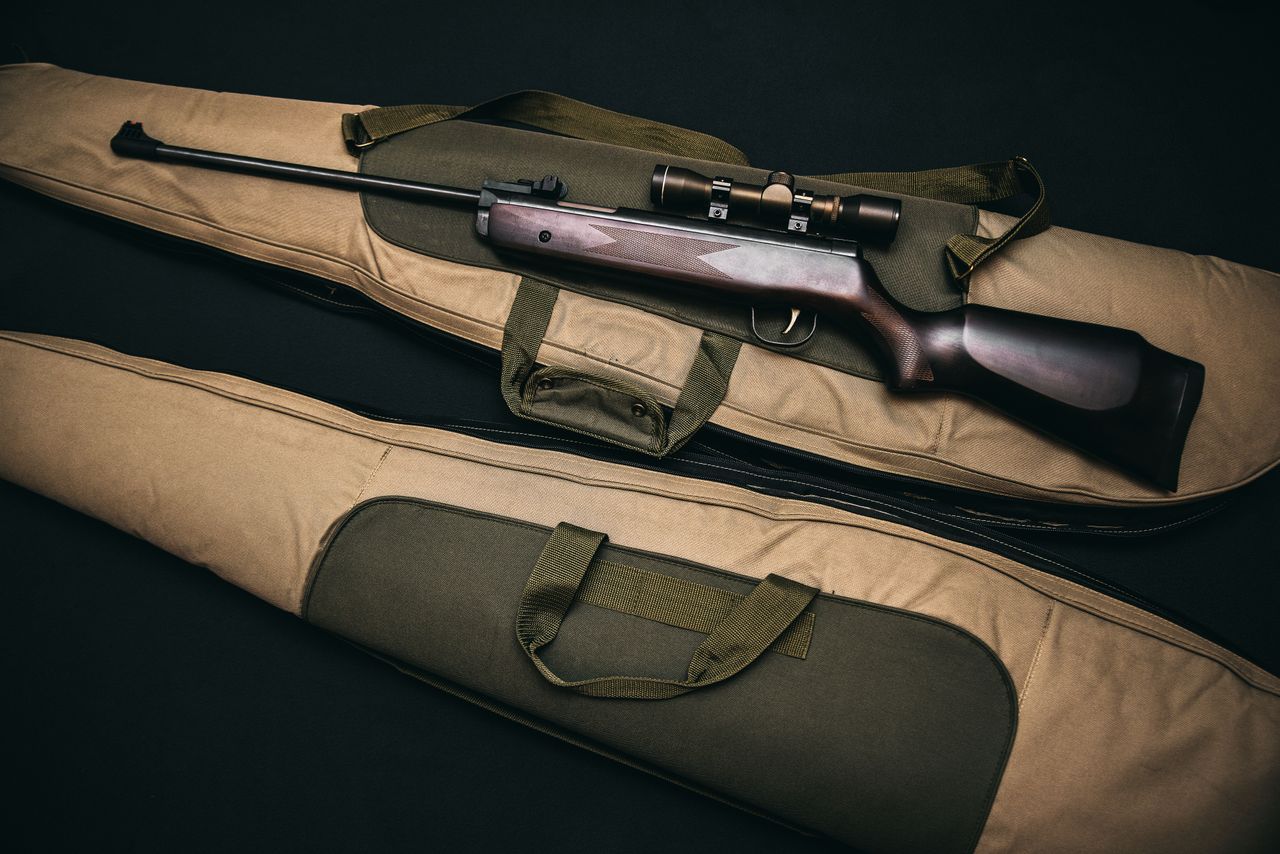
Blaser rifles helped make take-down capability feel premium rather than improvised. The system lets the rifle be separated into compact components for transport, fitting neatly into travel cases that are easier to handle in vehicles, on flights, or during long hunting journeys. For modern sportsmen, that is a meaningful quality-of-life improvement.
What mattered was that portability did not come with a penalty in seriousness. Hunters were not being asked to accept a novelty rifle or a fragile mechanism. They were getting a full-performance hunting arm that simply packed smarter. In an increasingly mobile hunting world, that idea landed at exactly the right time.
Integrated magazine and trigger unit
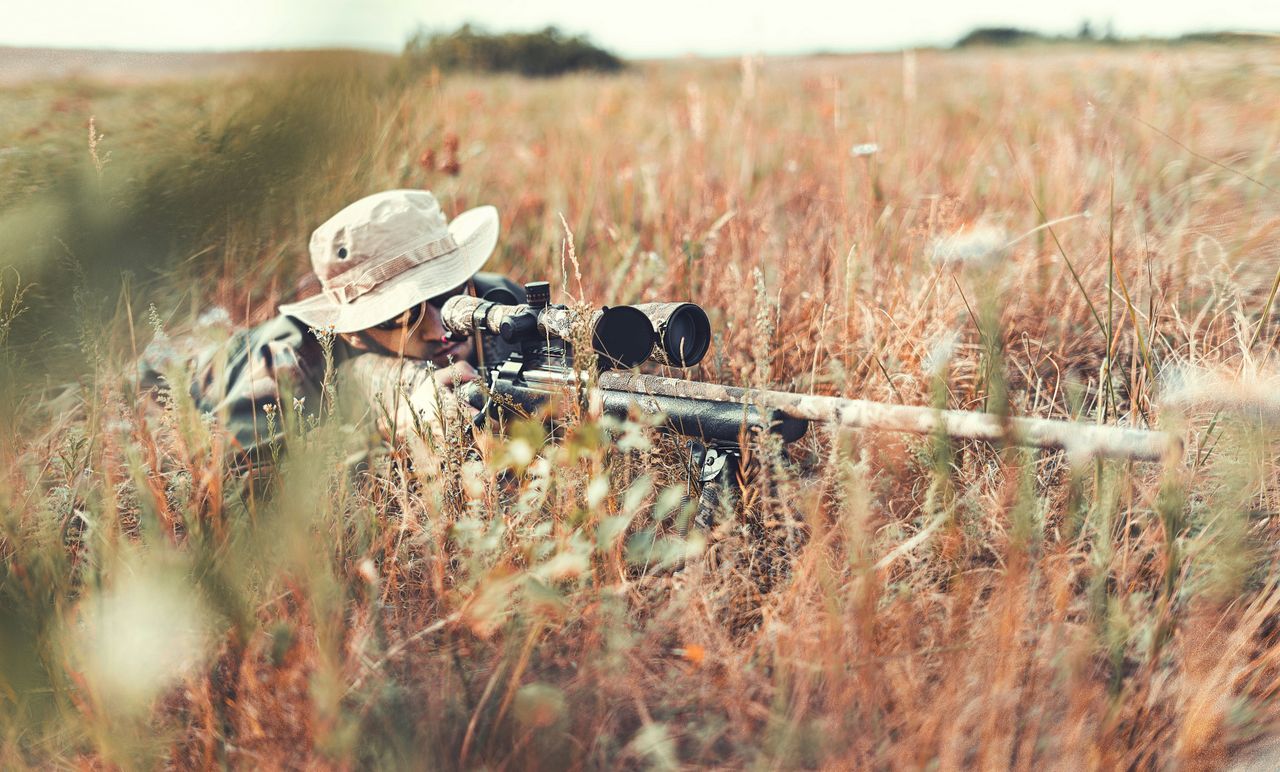
Blaser’s detachable magazine and trigger assembly combined two critical components into a single removable module. It was an unusual solution, but it addressed both handling and security in one move. Remove the unit, and the rifle is effectively out of action in a way that is obvious and immediate.
The design also streamlined unloading and administrative handling in camp or at the vehicle. Hunters appreciated the clarity of the system, even if it looked unconventional at first glance. It is a classic Blaser move: solve a practical field problem with a mechanical idea that seems bold initially, then becomes logical once you live with it.
User-adjustable fit and ergonomics
Blaser recognized earlier than many competitors that rifle fit matters just as much in hunting as it does in target shooting. Adjustable stocks, comb options, and modular furniture allowed shooters to tailor the rifle to their build, optics height, and shooting style. That translated directly into comfort and consistency.
A well-fitted rifle comes to the shoulder faster, aligns the eye more naturally, and reduces the subtle fighting that can happen between shooter and stock. For a general audience, that may sound minor. In practice, it can shape confidence on every shot. Blaser helped elevate fit from a luxury feature into an essential part of the hunting rifle conversation.
Premium synthetic and all-weather materials
Blaser embraced the idea that a high-end hunting rifle did not need to be confined to polished walnut and blued steel. By pairing premium engineering with synthetic stocks, corrosion-resistant finishes, and weather-tolerant materials, the company helped legitimize the modern all-weather rifle at the top end of the market.
That mattered because serious hunting rarely happens in perfect conditions. Rain, snow, mud, and sudden temperature swings expose every weakness in a rifle system. Blaser showed that resilience could coexist with refinement, and that practical materials were not a downgrade. For many hunters, this shift expanded what a luxury field rifle could be.
Specialized platforms for different hunting styles
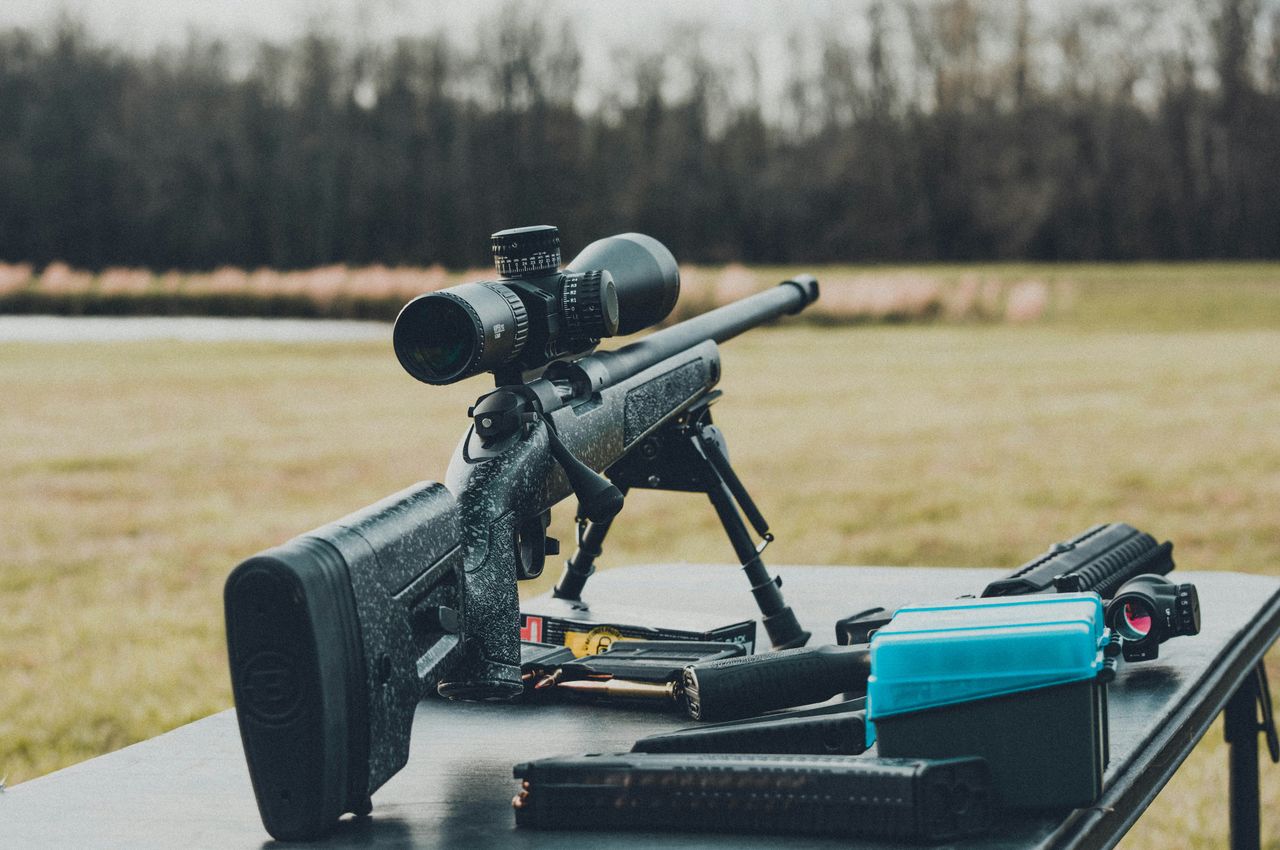
Rather than forcing one rifle format to cover every role awkwardly, Blaser developed specialized versions for distinct hunting needs. From lightweight mountain setups to driven game configurations and safari-capable options, the company treated adaptability as a core product philosophy rather than a marketing slogan.
This approach helped hunters think more clearly about mission-specific equipment while still staying within a familiar operating system. It was a subtle but powerful innovation: variety without fragmentation. Once a shooter learned one Blaser platform, moving between versions felt intuitive. That continuity made specialization less intimidating and far more appealing to real-world hunters.