
The Remington Nylon 66 was one of those rifles that could start an argument just by showing up at the range. To some shooters, it was smart, light, and ahead of its time. To others, it looked cheap, felt strange, and broke with too many traditions. Here are seven reasons this classic .22 still divides opinion.
The futuristic plastic stock shocked traditionalists
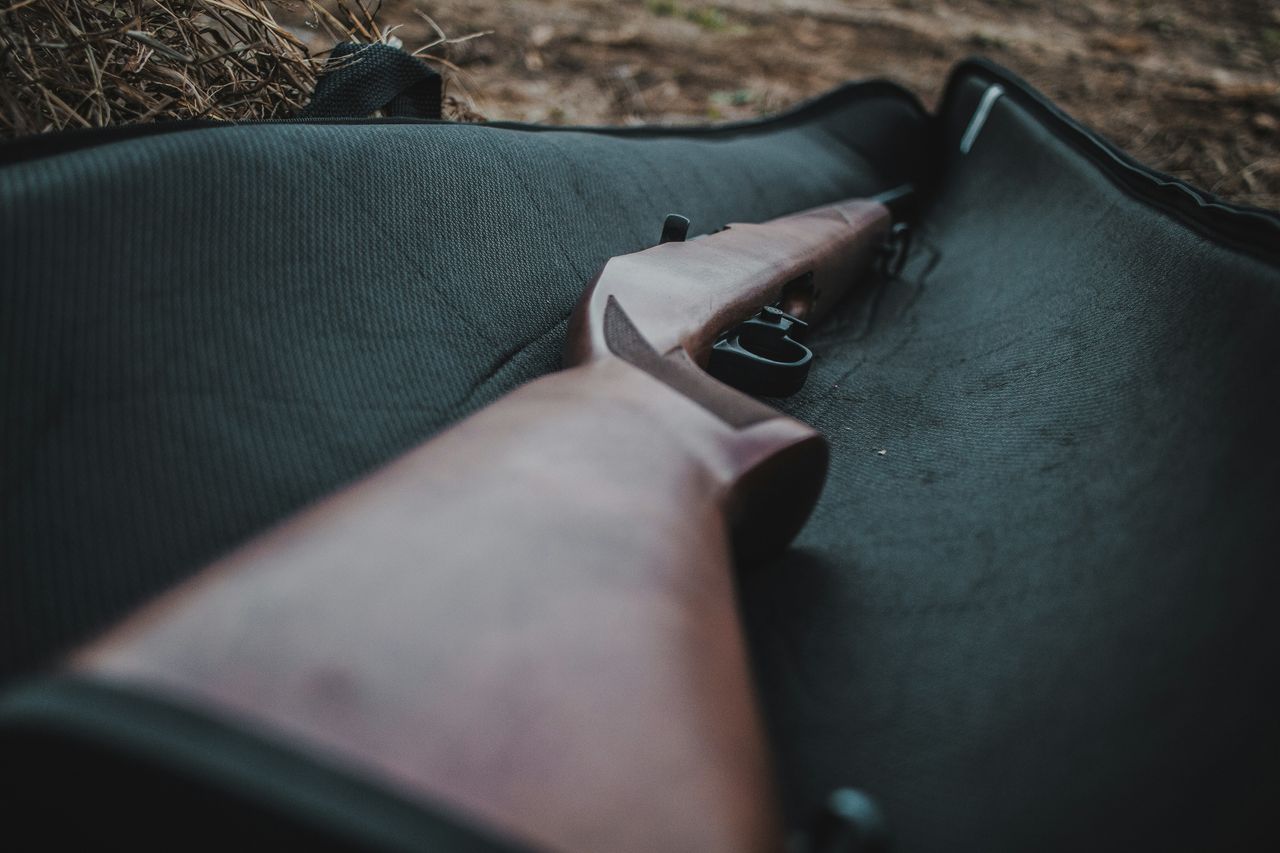
When the Nylon 66 arrived in 1959, its biggest talking point was impossible to miss. The stock was made from DuPont Zytel nylon, a space age material that looked radically different from the walnut and blued steel most shooters expected from a sporting rifle.
For some buyers, that was exciting. The rifle seemed modern, practical, and refreshingly different. For others, it felt like a toy masquerading as a firearm, and that first impression was hard to shake.
That visual break with tradition created a split that never fully disappeared. Even people who respected its performance sometimes struggled to love how it looked.
Its light weight felt brilliant or flimsy

One reason many owners adored the Nylon 66 was simple. It was light. At roughly 4 pounds, it carried easily through the woods, handled quickly, and made a long day of plinking or small game hunting less tiring.
That same quality turned other shooters off. A rifle with so little heft could feel unsubstantial, especially to people used to heavier wood stocked guns that seemed steadier and more serious in the hands.
So the very feature that made it convenient also made it suspect. Depending on your taste, the Nylon 66 either felt wonderfully handy or disappointingly insubstantial.
Reliability won converts despite the skepticism

Critics often dismissed the Nylon 66 before they fired it, but plenty changed their minds after a trip to the range. The rifle earned a reputation for running well even when dirty, and many owners found it remarkably dependable with the right ammunition.
That reliability mattered because a .22 lives or dies by trust. People use them for teaching, plinking, and hunting, so constant stoppages quickly ruin the appeal. In real world use, the Nylon 66 often performed better than its unusual appearance suggested.
Still, the gap between expectation and experience fueled debate. Some praised it as proof that innovation worked, while others remained reluctant to credit a rifle that looked so unconventional.
The slick receiver changed how it felt to handle
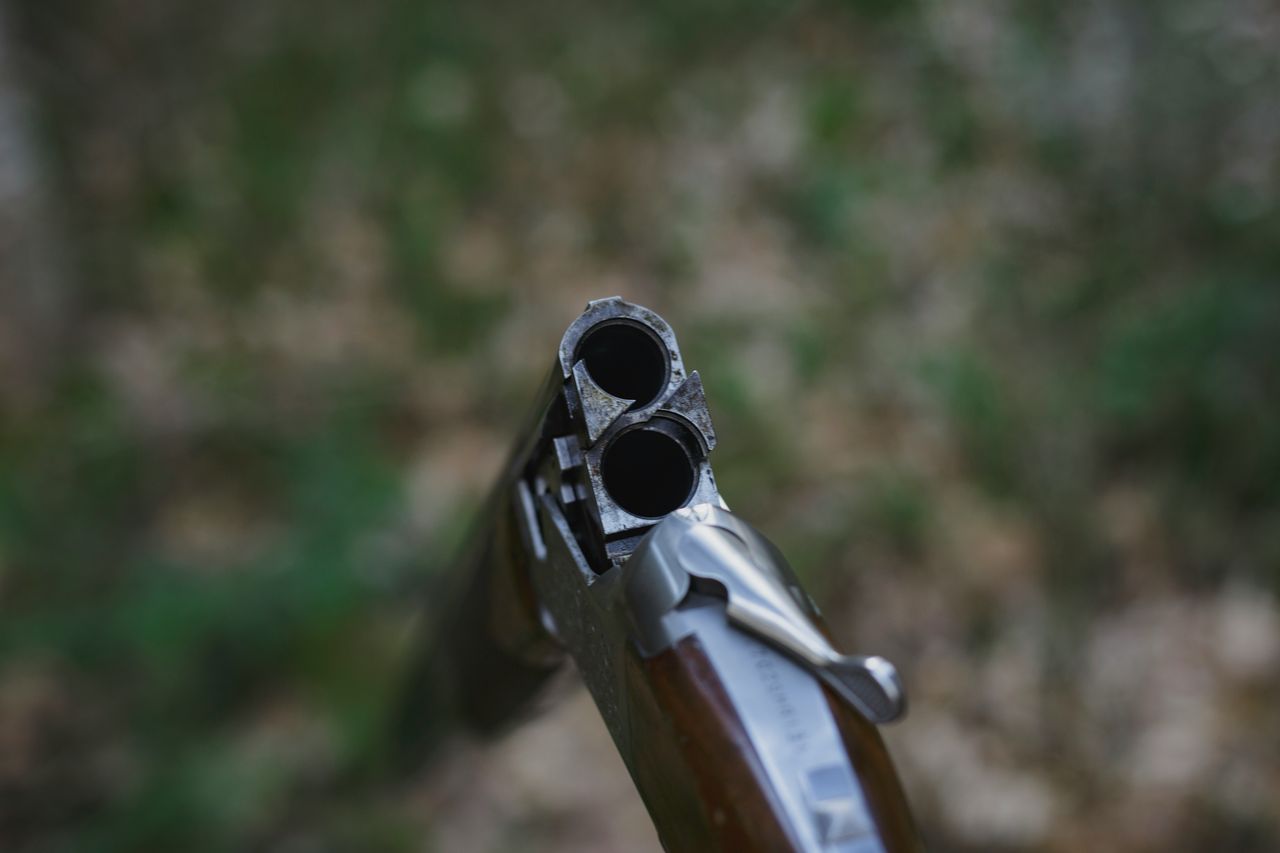
Unlike many rifles of its era, the Nylon 66 used a sheet metal cover over the receiver and leaned into a smoother, lower maintenance approach. To fans, that gave the gun a clean, efficient personality that matched its modern promise.
To detractors, it removed some of the mechanical charm shooters often enjoy. There was less of that familiar steel and walnut intimacy, less of the sense that you were handling a traditional machine built the old fashioned way.
That tactile difference mattered more than it might seem. Firearms are practical tools, but they are also emotional objects, and the Nylon 66 felt different enough to trigger strong reactions.
Maintenance myths followed it for years
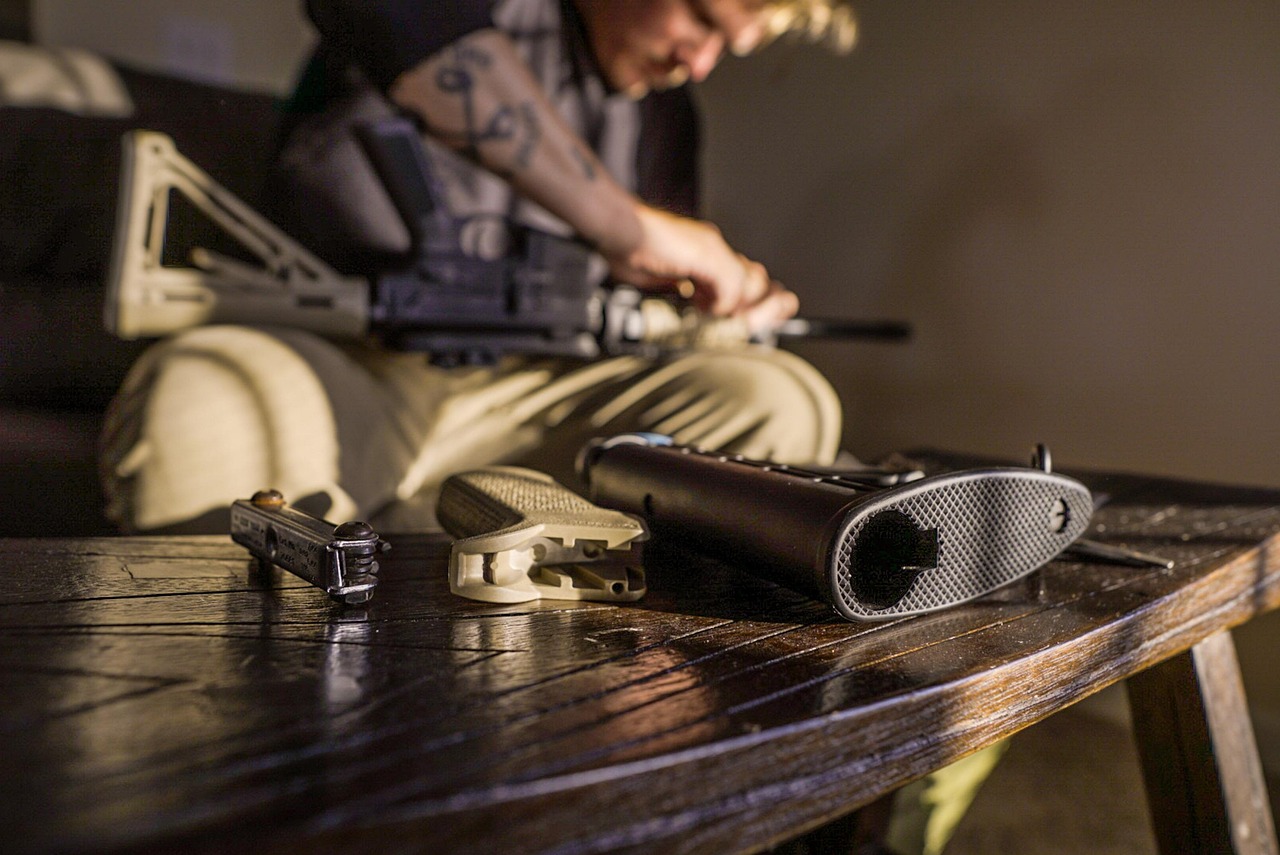
Because the rifle used unusual materials and a different construction style, rumors grew around it. Some shooters assumed it would crack, wear out quickly, or become impossible to service, even though many examples proved durable over decades of ordinary use.
At the same time, the Nylon 66 was not immune to age, neglect, or broken parts. Owners who treated it like an indestructible novelty could run into trouble, especially with old rifles that needed proper care and specific replacement pieces.
That mix of truth and exaggeration kept arguments alive. Admirers pointed to longevity, while critics focused on repairs, scarcity of parts, and the unease that comes with anything outside the norm.
Accuracy was good enough, but not magical

Many owners found the Nylon 66 accurate enough for what a .22 rifle usually does best. It could handle cans, squirrels, and informal targets with confidence, which was exactly what much of its audience wanted from a handy rimfire.
But praise sometimes overshot reality. The rifle was not universally seen as a tack driver, and shooters obsessed with tiny groups often preferred heavier, more target oriented rifles that inspired greater confidence from the bench.
That left the Nylon 66 in an interesting middle ground. It was practical and capable, yet not always the last word in precision, which gave both supporters and skeptics ammunition for the debate.
Its popularity made enthusiasts and snobs dig in

The Nylon 66 sold in huge numbers, and mass popularity can create its own backlash. A rifle embraced by everyday shooters, young hunters, and casual plinkers is not always the one collectors or purists are eager to celebrate.
That broad appeal gave the gun a democratic charm. It was accessible, useful, and memorable, which is exactly why so many families kept one around for generations and remember it fondly.
But popularity can also invite condescension. Once a firearm gets labeled common or unserious, some people stop judging it on performance alone, and the Nylon 66 carried that cultural baggage for years.