If you had to seal one rifle in a cache and walk away, theory suddenly becomes personal. That is exactly where the AR-15 vs. AK-47 debate stops being internet noise and starts becoming a real preparedness decision.
What 100 preppers told us when the question became simple

We posed a narrow scenario to 100 preppers, firearms owners, and survival-focused hobbyists: if you could bury only one practical semi-automatic rifle for later retrieval, would it be an AR-15 or an AK-47 pattern rifle? The answers were not unanimous, but they were revealing. A modest majority chose the AR-15, while a large minority stayed loyal to the AK platform, and only a handful refused to pick one without defining climate, storage method, and intended ammunition reserve.
The AR camp consistently emphasized familiarity, accuracy, and parts availability. Many said that in the United States, the AR-15 is the easiest rifle to support over time because magazines, springs, bolts, optics mounts, and basic accessories are everywhere. Several respondents also noted that if a cached rifle must serve multiple family members, the lighter recoil and more adaptable ergonomics of most ARs matter.
AK supporters were less interested in modularity than in tolerance. They repeatedly described the rifle as the gun they would trust after neglect, bad weather, rough handling, and uncertain maintenance. In their view, a cache gun is not a range toy but an emergency tool, and a design with a long reputation for running dirty still carries enormous psychological appeal even when modern AR reliability is far better than old stereotypes suggest.
Why the AR-15 won more votes than many people expect
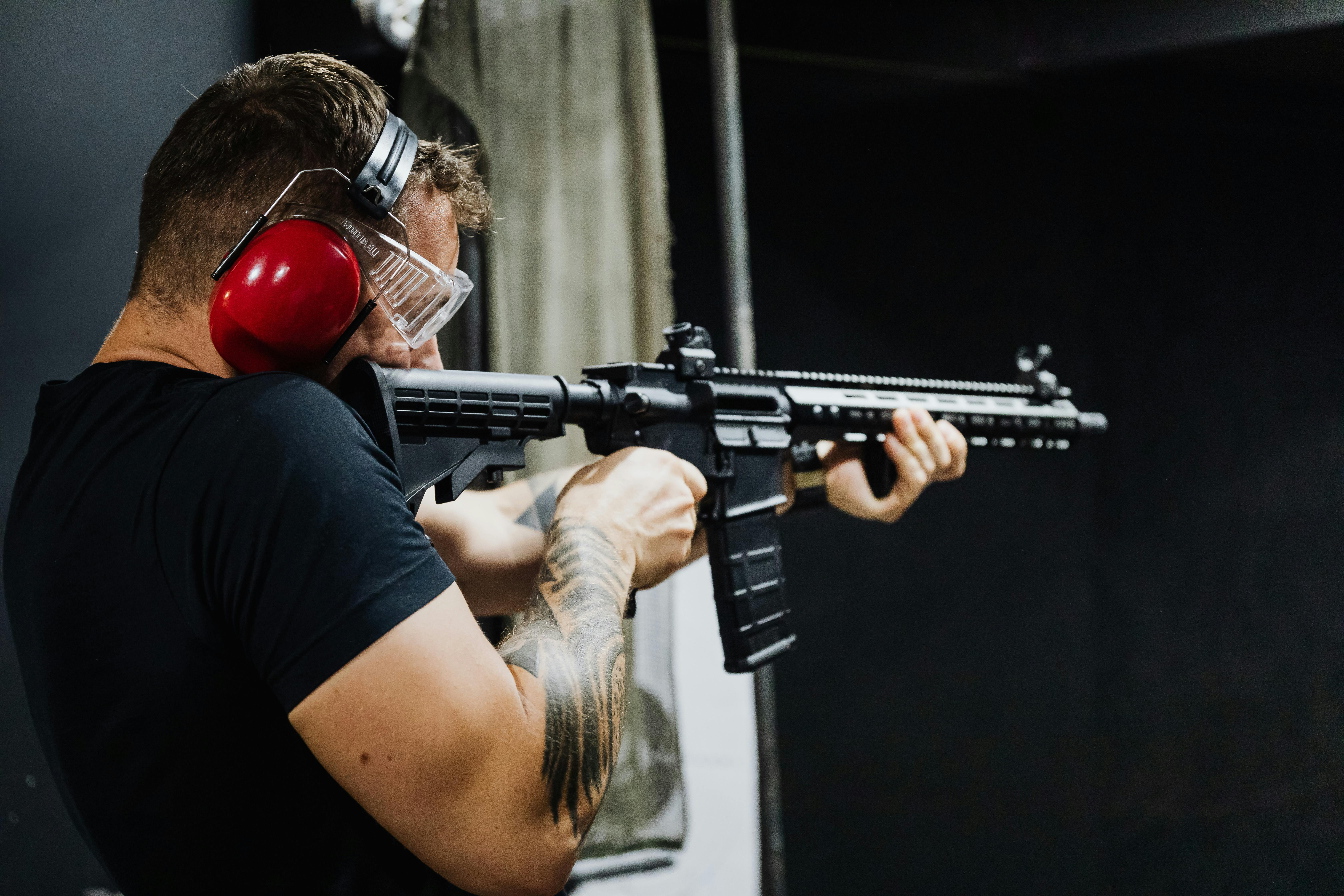
The AR-15’s edge in our informal poll came down to support infrastructure as much as rifle performance. Preparedness is not just about what works on day one; it is about what you can feed, repair, and train with over years. In that context, respondents repeatedly pointed to the dominance of 5.56 NATO and .223 Remington in the U.S. market, plus the sheer abundance of magazines and replacement parts.
Accuracy was the second major reason. Even average factory ARs often deliver practical precision that helps ordinary shooters make cleaner hits at distance. Several preppers mentioned that if a buried rifle is ever recovered during a chaotic moment, the one advantage they want immediately is confidence from 50 to 300 yards without having to fight crude sights, heavy triggers, or inconsistent ammunition performance.
Weight and accessory compatibility also mattered. Many modern AR carbines are easier to carry with lights, slings, red dots, and backup irons while still staying manageable. Owners who had trained spouses or teenagers on both systems often said the AR simply fit more people better, which mattered in a household contingency plan where the rifle might not be used by its primary owner.
Why the AK-47 still inspires hard-core loyalty
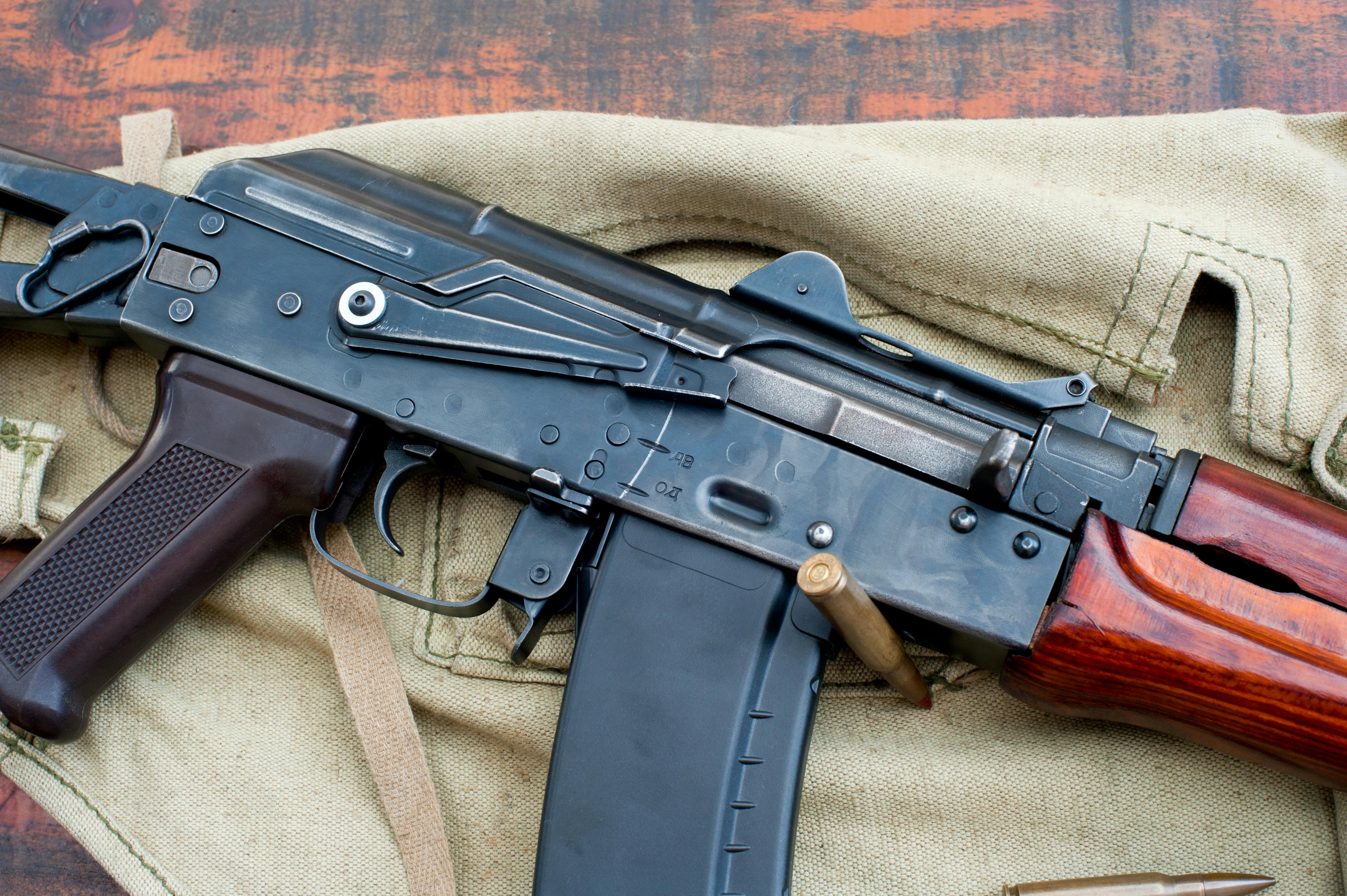
The AK did not lose because people distrust it. It lost because the question involved burying one rifle in America, where supply chains and training ecosystems favor the AR. Yet the AK inspired stronger emotional confidence, and that matters in preparedness culture. For many respondents, the AK remains the archetype of a rifle that shrugs off grime, poor lubrication, and abuse that would make owners nervous with more finely tuned platforms.
That reputation is not baseless, though it is often simplified. Military AK-pattern rifles have earned global fame for functioning in sand, mud, snow, and neglect, but civilian AKs vary widely depending on country of origin, build quality, and magazine fit. Several respondents who chose the AK specifically said they were not choosing “an AK” in the abstract; they were choosing a proven rifle from a trusted manufacturer with tested magazines and known zero.
Ammunition also shaped the loyalty. Some preppers favored 7.62×39 because it remains effective from short barrels, hits with authority at close to moderate distances, and tends to perform well through intermediate barriers. Others liked the idea of caching a simpler iron-sighted rifle with fewer fragile attachments, fewer adjustments, and a manual of arms they believed would remain intuitive under stress.
Reliability underground is about storage, not internet mythology
One of the clearest lessons from experienced respondents was that buried-gun success depends more on caching method than brand tribalism. A rifle sealed in a poor container with moisture, temperature swings, and cheap packing materials can emerge compromised whether it is an AR or an AK. Conversely, a properly prepared firearm with corrosion protection, desiccants, vacuum sealing, and a durable waterproof tube can survive long-term storage remarkably well.
Several preppers with military or armorer backgrounds pushed back on the lazy claim that an AK can simply be tossed into a hole and forgotten. Corrosion attacks barrels, gas systems, springs, optics batteries, and magazines without regard for internet legends. If your cache includes steel-cased ammunition, loaded magazines, and low-grade metal accessories, every component becomes part of the preservation problem.
The most careful voices recommended building the cache around recoverability. That means documenting the zero, storing lubricant, batteries, basic tools, and spare critical parts, and using a container that can be opened without specialized equipment. In that framework, the AR’s supposed delicacy looks overstated, while the AK’s supposed invincibility looks incomplete. Storage discipline narrows the gap between the two more than most arguments admit.
Ammunition, magazines, and spare parts decide the smarter choice
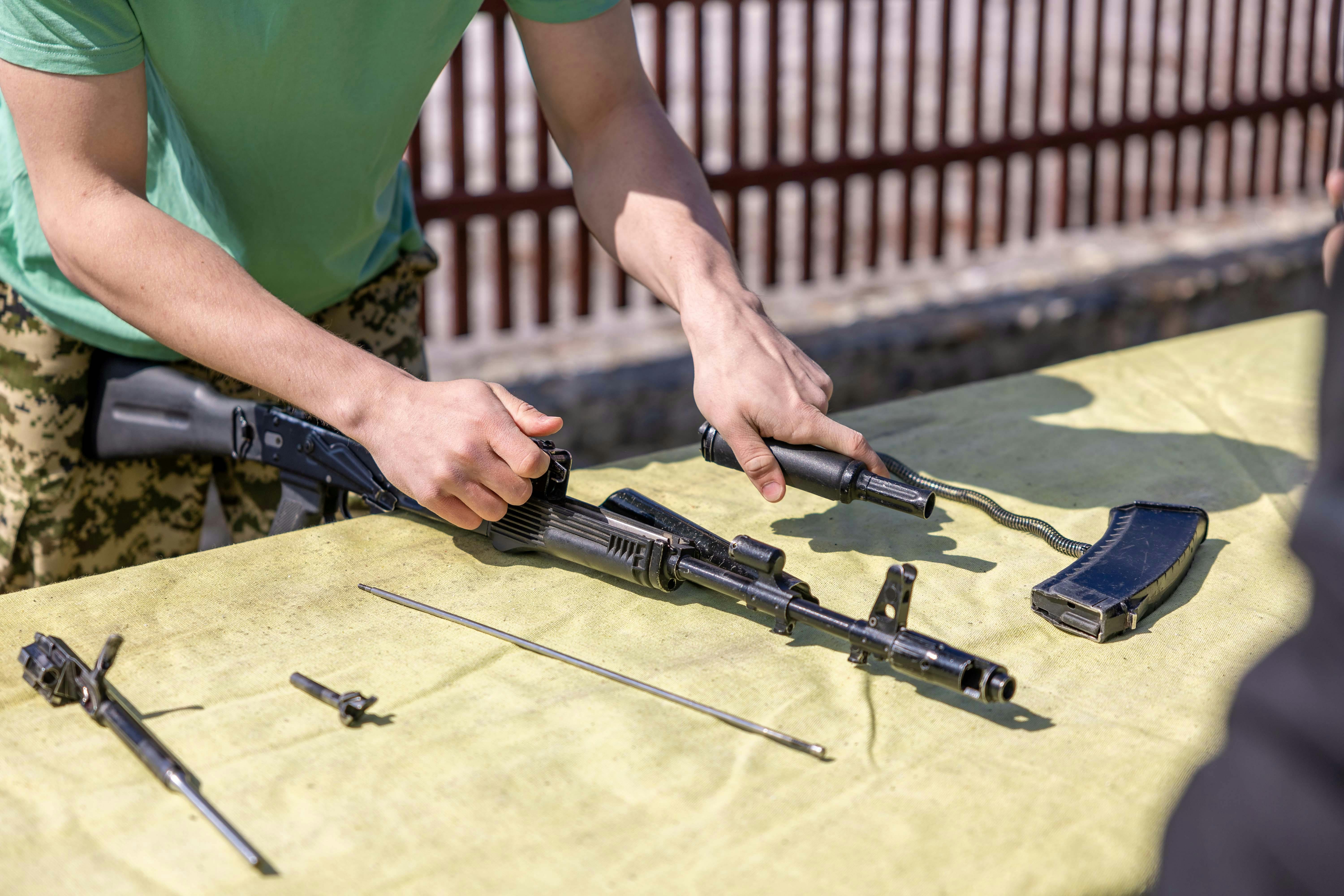
A buried rifle without sustainment is really just a heavy object with emotional value. That is why many respondents evaluated the rifle only after considering magazine commonality, ammunition bulk, and small-part replacement. On that score, the AR-15 performed strongly because STANAG-pattern magazines are plentiful, affordable, and widely standardized. Even respondents who liked the AK admitted that AR magazine compatibility is often easier to manage at scale.
Parts support was even more decisive. Bolts, extractors, gas rings, firing pins, springs, and complete uppers for ARs are easy to source in the U.S., and many owners already keep spares. AK parts availability has improved, but fitment can be less plug-and-play across variants, and quality differences between imports and domestic builds can complicate long-term planning. Preppers who think in systems, not slogans, found that a major advantage.
Ammunition price trends also entered the discussion. Historically, cheap 7.62×39 helped the AK case, but recent volatility has changed the equation. Import restrictions, shifting supply, and caliber availability have made some former assumptions less reliable. For many respondents, a cache rifle had to align with the caliber they already stock deepest, and in the U.S., that often pushed the answer toward 5.56.
Handling, recoil, and training matter more than chest-thumping
Preparedness culture sometimes overvalues mechanical reputation and undervalues shooter performance. Our respondents who train regularly were blunt: the better cache rifle is the one you can run well under stress, in low light, and with minimal warm-up. For many people, that means an AR-15. Its controls, stock geometry, optic mounting, and generally softer recoil impulse help average shooters recover sight picture faster and make better follow-up shots.
That does not make the AK clumsy, but it does make it less forgiving for some users. The charging handle, safety lever, length-of-pull variations, and optic mounting solutions on many AK-pattern rifles can slow inexperienced shooters. Several respondents said they loved the AK in theory but watched newer shooters perform better, sooner, on an AR, especially when using modern red-dot setups and simple weapon lights.
The most practical preppers framed the issue around household usability. If one rifle may need to serve a spouse, an adult child, or a trusted neighbor, ease of use matters more than forum bragging rights. In that environment, a mid-length AR with a durable optic, sling, and confirmed zero looked to many respondents like the more democratic choice, even if the AK still inspired more romance.
So which rifle are preppers actually burying, and why?
Taken as a whole, the 100 responses point to a clear conclusion: the AR-15 is the more common backyard-cache choice, but not because the AK-47 pattern rifle has lost relevance. The AR won because modern preparedness is less about mythology and more about supportability. Owners trust what they can train with often, repair cheaply, equip flexibly, and feed from deep reserves already stacked in closets, safes, and sealed cans.
The AK remains the pick for people who prioritize rugged simplicity and who already know the platform well. Among respondents living in wet, dirty, or rural conditions with established 7.62×39 stocks, the AK was still viewed as a profoundly credible answer. Its appeal endures because confidence is part of survival planning, and many shooters simply believe they can neglect it more and still count on it.
If there was one shared lesson, it was this: your buried rifle should match your existing ecosystem, not your favorite argument. A well-prepared AR beats a poorly planned AK, and the reverse is also true. In the end, the smartest preppers are not burying a legend. They are burying the rifle they have tested, maintained, supplied, and built a real plan around.