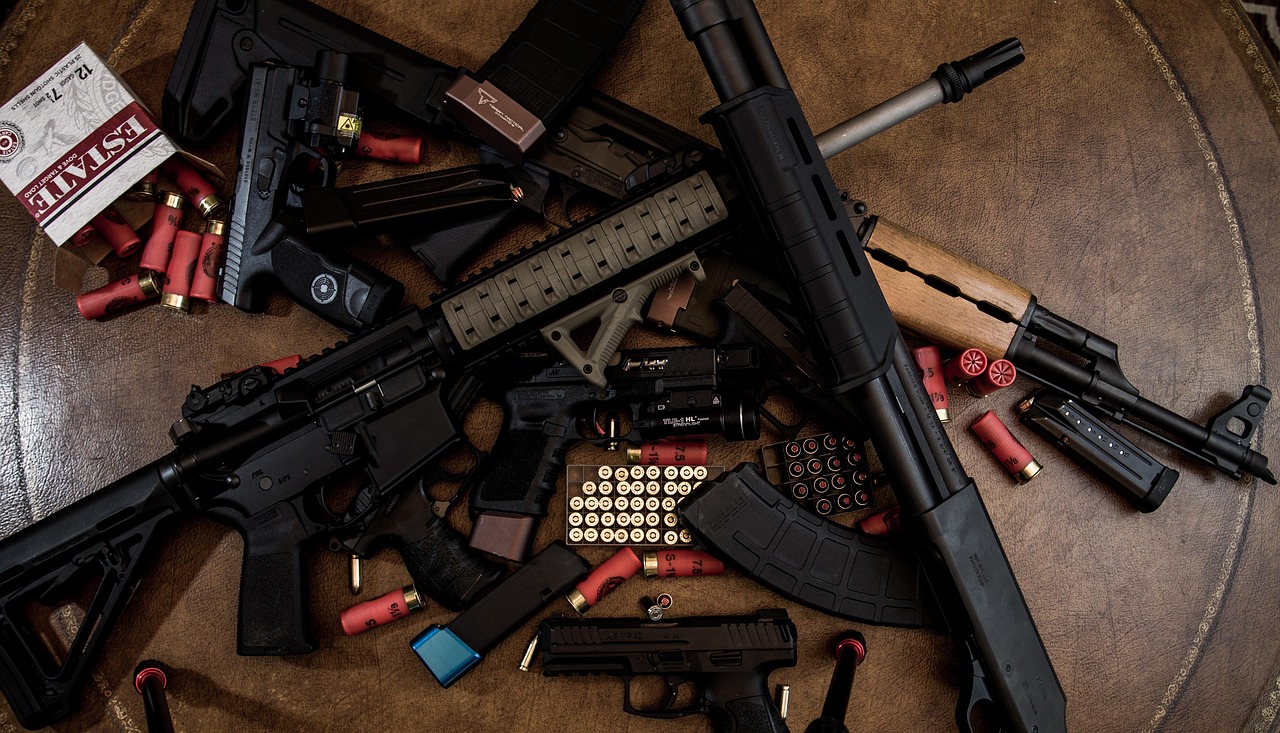
Most buyers follow the crowd. That is usually the worst possible time to make a smart purchase.
The market rewards people who think one cycle ahead

Gun buying patterns are famously emotional. A new carry pistol gets attention on social media, a military-style rifle dominates discussion boards, or a particular caliber suddenly becomes the must-have option, and demand piles into one narrow corner of the market. Once that happens, prices rise, shelves thin out, and buyers end up competing for the same products at the same time.
The overlooked guns sitting a few rows over often become far more interesting. They may not be featured in the latest launch videos or hyped by a wave of first-time buyers, but they frequently offer better fit, better build quality, and better pricing. In any enthusiast market, popularity and value are not the same thing, and firearms are no exception.
Retailers and distributors know this well. When attention moves elsewhere, slow-moving inventory becomes more negotiable, rebates appear, and used examples start showing up in cleaner condition because owners are selling to chase the next fashionable platform. For the patient buyer, that is exactly when the opportunity opens up.
This is not just about bargain hunting. It is about recognizing that the best gun to own is often the one that solves a real need reliably, not the one currently dominating conversation. The market tends to overreward novelty and underreward proven designs, which is why “nobody’s buying it” can be a very useful signal.
Cooling demand often creates the best value in the store
When a category falls out of favor, pricing tends to soften in several ways at once. New guns may get dealer discounts, factory incentives, or bundled extras such as magazines, optics, cuts, or hard cases. On the used side, sellers become more flexible because they know buyer traffic is weaker than it was during the peak of the trend.
That creates a better buying environment than the average shopper realizes. Instead of paying inflated launch pricing on the newest compact pistol, a buyer may find a full-size duty handgun with a long service record for significantly less money. Instead of scrambling for a tactical rifle everyone wants, they may be able to pick up a high-quality hunting rifle, revolver, or metal-frame semiauto at a meaningful discount.
There is a psychological reason people miss this. Buyers often interpret low buzz as a warning sign, when in many cases it simply means the item is not fashionable right now. Cars, watches, and camera gear all behave this way, and firearms do too. A temporary loss of attention can mask excellent underlying value.
Savvy collectors have worked this angle for decades. Police trade-in pistols are a classic example: not glamorous, often holster-worn, but mechanically solid and priced far below equivalent new guns. The same principle applies more broadly today across categories that are being ignored in favor of whatever is newest.
Proven designs age better than trendy platforms
Many guns that fall out of the spotlight do so for reasons that have little to do with quality. They may be heavier than current fashion prefers, chambered in a cartridge the market has temporarily cooled on, or built around an older design philosophy. None of that automatically makes them obsolete. In fact, those traits can be advantages depending on how the gun will actually be used.
Take metal-frame handguns. Polymer striker-fired pistols dominate sales because they are lighter, simpler to market, and often cheaper to produce. Yet metal-frame guns still offer benefits many experienced shooters value: softer recoil impulse, excellent balance, durable construction, and often superior triggers in hammer-fired designs. The fact that they are less trendy does not make them less capable.
The same is true of traditional rifles and revolvers. Lever guns, bolt actions, and double-action revolvers tend to fade from mass attention when tactical or concealed-carry buying surges. But they remain practical, durable, and often easier to maintain over decades of ownership. A rifle or revolver with a 30-year track record is not behind the times if it still does the job exceptionally well.
History repeatedly shows that proven platforms tend to endure after trend-driven products cool off. Not every new design becomes a classic. A lot of overlooked firearms are simply designs that have already survived the market’s long test, which matters far more than temporary excitement.
The used market gets especially interesting when hype moves on
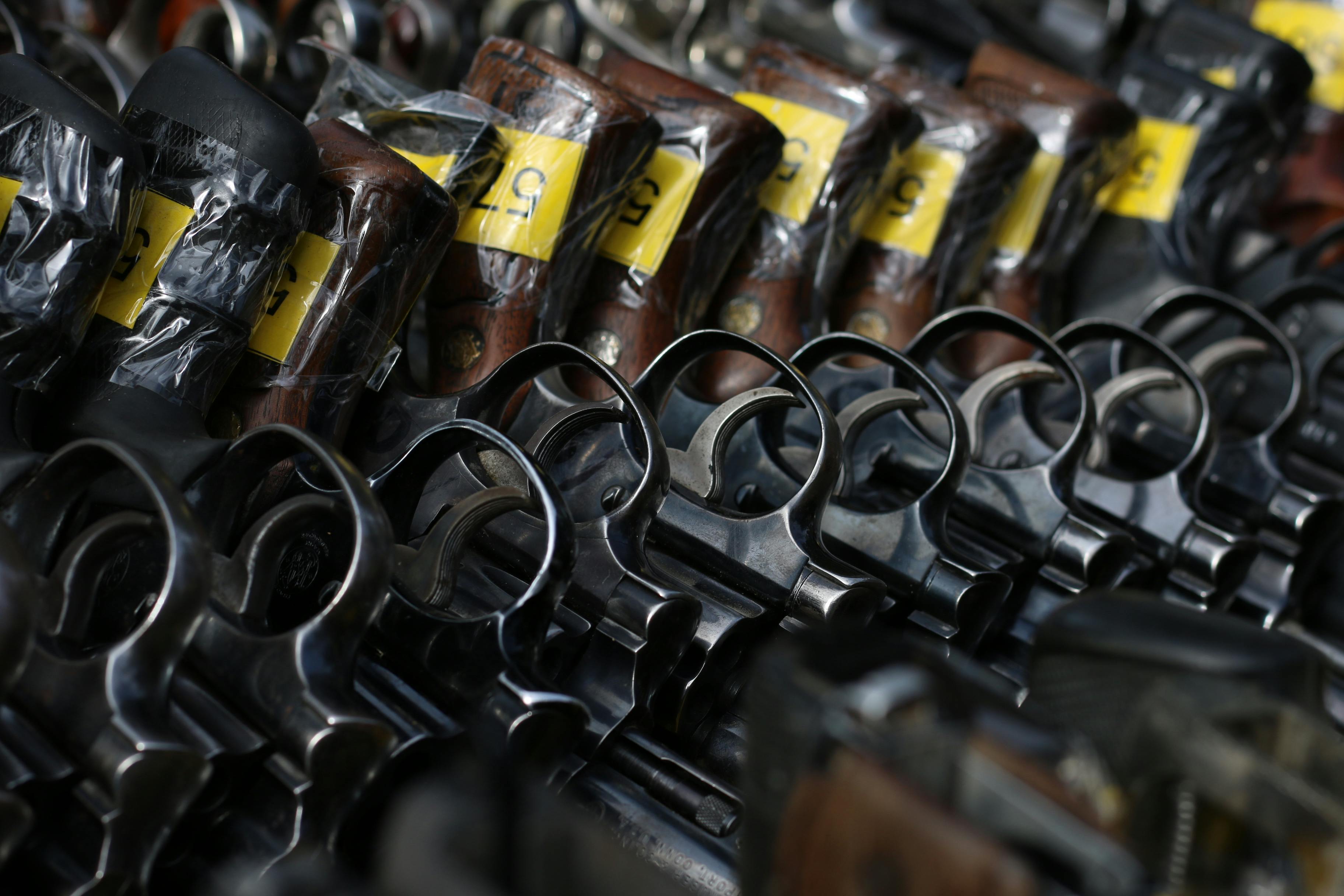
One of the best places to find overlooked guns is the secondary market. When enthusiasm shifts, owners sell perfectly good firearms to fund whatever they now want more. That means trade-in counters and private sales often fill with quality guns that are not defective, just displaced by changing tastes
This is especially common with full-size pistols, hunting rifles, and certain shotguns. Buyers who once wanted practical, all-purpose firearms often pivot toward compact carry guns, optics-ready models, or highly accessorized rifles. Their previous purchases then hit the market at prices that can be surprisingly attractive, especially if the configuration is less fashionable but still highly useful.
The condition can also be better than expected. A lot of trend-abandoned guns were bought with enthusiasm, shot only a few times, and then stored. That creates the sweet spot every practical buyer wants: lightly used, proven, and discounted. Cosmetic wear is often minor, and in categories like police trade-ins, finish wear can come with years of reliable service history behind it.
The key is knowing what signs matter. Mechanical integrity, parts availability, manufacturer reputation, and magazine cost tell you more than online buzz ever will. If those fundamentals are strong, weak demand can become your advantage rather than a reason to hesitate.
Ammunition, accessories, and support can quietly improve the deal
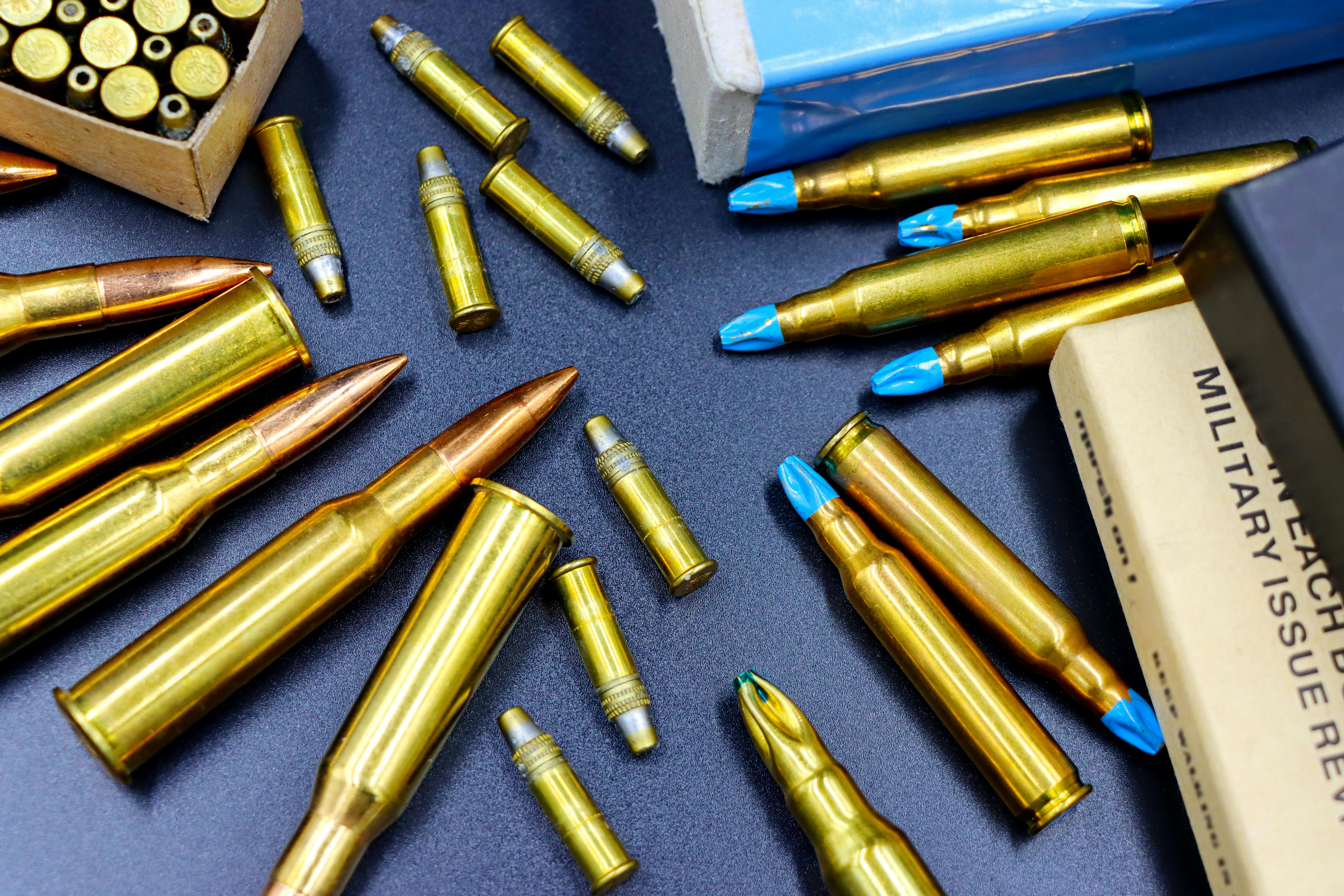
A gun is never just the gun. Total ownership cost includes magazines, holsters, optics compatibility, replacement parts, and ammunition. Interestingly, when demand cools on a firearm category, the supporting ecosystem can become more affordable as well, particularly if retailers are trying to clear related inventory that has slowed down.
That matters more than many buyers think. Saving $100 on the gun itself is useful, but saving consistently on magazines, slings, cases, dies, or spare parts can make the difference between a safe queen and a gun you actually train with. A less-hyped platform may also avoid the accessory shortages that often follow hot launches and panic buying cycles.
Ammunition is part of this equation, too. While some cartridges become expensive during demand spikes, others remain steady or rebound faster once attention fades. Smart buyers watch caliber trends closely because a gun that looks unfashionable in the moment may become far more appealing if its ammunition is widely available and reasonably priced, while trendier calibers remain volatile.
There is also a maturity advantage. Older, established platforms often have years of aftermarket support, armorer knowledge, and documented fixes already available. That can make ownership far easier than with a new product line still working through revisions, recalls, or inconsistent parts compatibility.
The right overlooked gun depends on your actual use, not the trend

The biggest mistake buyers make is shopping for identity instead of function. A gun should be matched to a purpose: home defense, concealed carry, hunting, target shooting, collecting, ranch use, or general preparedness. Once you define the real job, many currently ignored firearms start making a lot more sense than the market darlings.
A full-size 9mm pistol, for example, may be a weak social-media status symbol compared with the latest micro-compact, but it is often easier to shoot well, easier to train with, and more forgiving under stress. A used .357 revolver may not be the internet’s favorite recommendation, yet it can serve as a dependable trail gun, training tool, and home-defense option with flexible ammunition choices.
Likewise, a basic bolt-action rifle in a common caliber might be a better buy for many households than a heavily accessorized rifle built around fashion more than need. It can handle hunting, property use, and practical marksmanship with lower complexity and excellent reliability. The same goes for pump shotguns that have fallen out of the spotlight but still work in the real world.
When you shop this way, overlooked categories stop looking neglected and start looking efficient. The best value emerges when your use case is clear enough that hype no longer has much influence over your decision.
Buying what others ignore takes discipline, but it often pays off
There is a reason contrarian buying feels uncomfortable. Human beings are wired to look for reassurance in numbers, and a crowded demand spike feels like proof that something must be good. But in markets of all kinds, including firearms, broad excitement usually means easy gains have already disappeared, and pricing has already absorbed the enthusiasm.
Buying the guns nobody wants right now requires a different mindset. You have to evaluate craftsmanship, reliability, service history, and long-term usefulness instead of reacting to what is receiving attention this month. That takes more patience, but it usually leads to better ownership outcomes: lower cost, less buyer’s remorse, and a gun chosen for performance rather than fashion.
It also positions you well for the future. Today’s ignored firearm can become tomorrow’s respected classic, especially if production slows, quality becomes harder to find, or a once-unfashionable format regains appreciation among experienced shooters. Collectors have seen that cycle repeatedly with revolvers, all-metal pistols, and older sporting rifles.
So if the rack has one section nobody seems to be browsing, do not walk past it too quickly. That quiet corner of the store may be where the best value, the best craftsmanship, and the smartest long-term buy are waiting.