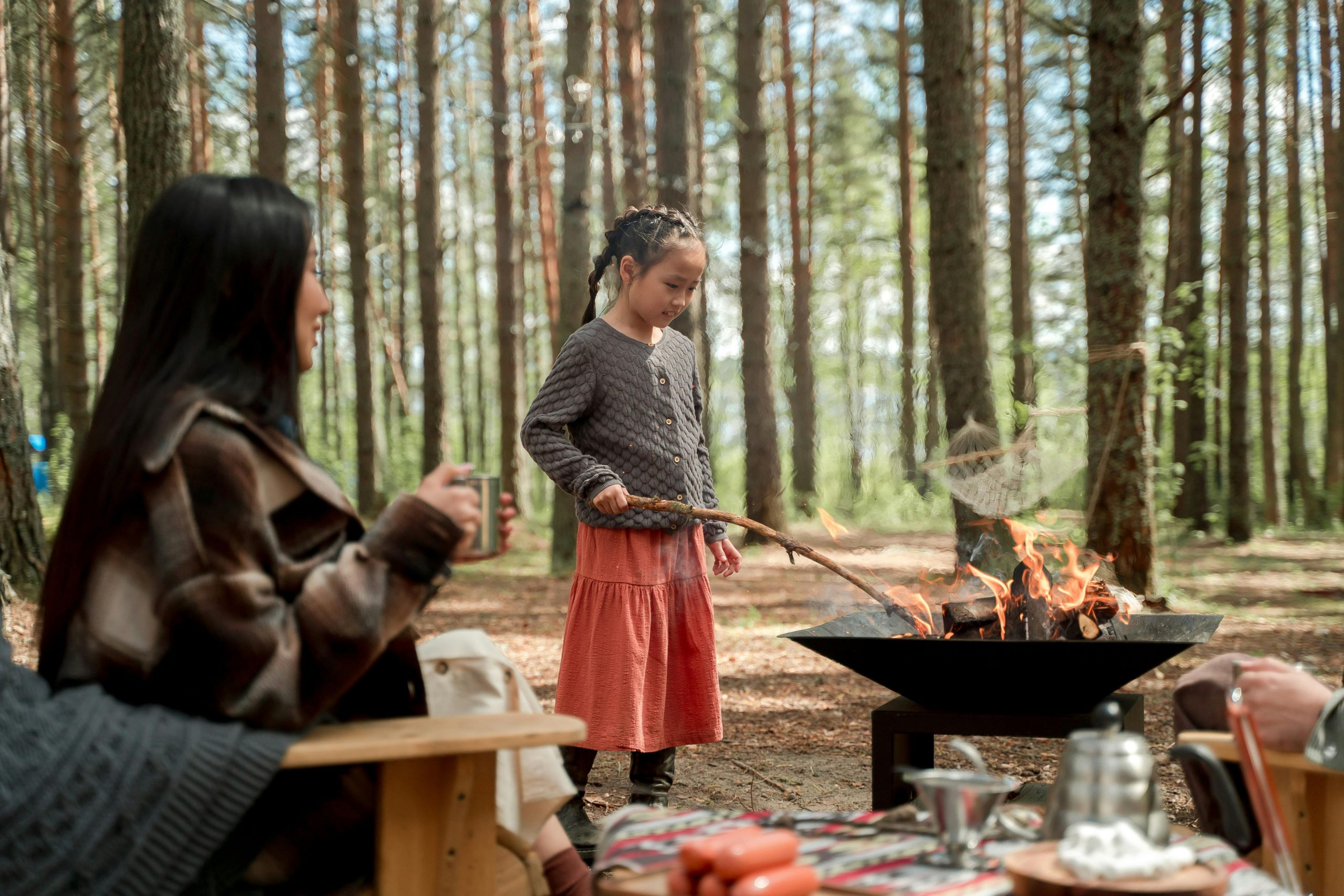
In today’s fast-paced world, many people rely on screens and structured lessons to learn new skills. But the forest offers something no classroom can: real-world problem solving through direct experience. Nature doesn’t follow predictable rules or step-by-step guides. Instead, it challenges you to think critically, stay calm, and adapt when things don’t go as planned. Every sound, texture, and challenge in the forest becomes a silent teacher. From finding shelter to building a fire, each moment reveals lessons about patience, creativity, and resilience that no textbook can deliver.
Facing Real Problems, Not Theoretical Ones
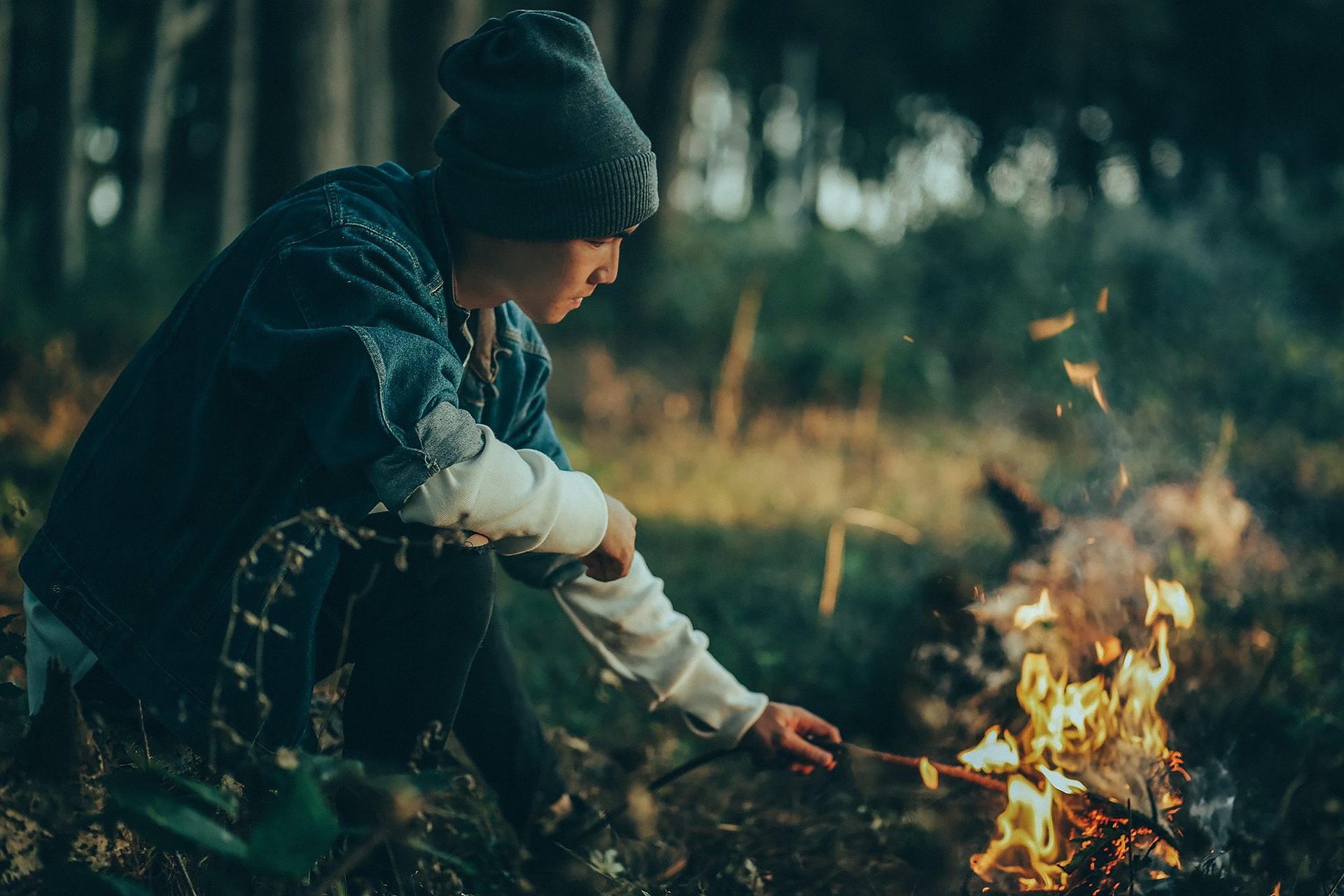
The forest doesn’t present you with neatly packaged questions; it throws real problems your way. Maybe your fire won’t light, or your trail disappears in the mist. These experiences force you to make quick, informed decisions using the resources at hand. Unlike a classroom, where mistakes can be erased, nature holds you accountable. This reality-based learning sharpens judgment and adaptability, building a mindset that thrives on problem-solving through action rather than memorization.
Observation as a Path to Discovery

In nature, every solution starts with observation. You learn to read the forest, spotting animal tracks, understanding wind direction, or noticing moisture on leaves that signal rain. This kind of deep attention trains your mind to recognize subtle cues that often go unnoticed in daily life. The forest teaches that rushing rarely helps; success comes from slowing down, studying your environment, and finding patterns that lead to insight. Observation becomes the foundation for logical, effective problem-solving.
Learning Adaptability in Unpredictable Conditions
No matter how well you plan, nature loves surprises: a sudden storm, a fallen bridge, or a broken tool. Instead of panic, you learn to adjust and improvise. The forest rewards flexibility, teaching that plans are only as good as your ability to adapt them. This constant unpredictability mirrors real-life challenges, where rigidity often leads to failure. Each adaptation, whether it’s crafting a makeshift shelter or finding a new route, builds mental agility and calm under pressure.
Teamwork Built on Trust and Communication

When you’re deep in the woods, teamwork isn’t optional; it’s essential. From carrying supplies to making group decisions, effective communication becomes a survival tool. You quickly learn to listen actively, delegate tasks, and trust others’ instincts. The stakes are real, which strengthens cooperation and empathy. Unlike group projects in classrooms, teamwork in nature has purpose and consequence, teaching that true collaboration depends on shared responsibility and respect, not just completing a checklist.
Creativity Through Limited Resources
The forest rarely provides ideal tools, forcing you to innovate with what’s around you. Need shelter? You might combine branches, leaves, and bark. Lost your lighter? Try striking flint or using friction. These experiences train the mind to find creative solutions within constraints, a skill that applies far beyond survival. The process builds confidence in your ability to improvise and teaches that limitations don’t block problem-solving; they inspire it. Creativity becomes instinctive when necessity demands it.
Building Emotional Strength and Resilience
The forest doesn’t sugarcoat failure; it teaches through it. Maybe your fire fizzles out or your compass skills lead you astray. Instead of frustration, you learn endurance and emotional control. These moments build resilience, the ability to stay composed and positive even when outcomes aren’t ideal. Nature teaches that mistakes are part of the process, not signs of defeat. Each setback becomes an opportunity to adapt, reassess, and grow stronger mentally and emotionally.
Making Decisions Under Pressure
In nature, decisions often carry real consequences, whether it’s choosing a safe path, conserving water, or deciding when to set up camp. These high-stakes choices train you to assess risks quickly and think logically under stress. You learn to gather information, trust your instincts, and act decisively without hesitation. This kind of practical decision-making is hard to replicate in controlled environments. The forest develops both your confidence and your capacity for calm, rational judgment.
Rediscovering Creativity Through Simplicity

Away from screens and noise, the forest clears mental clutter and reawakens creative thinking. With nothing but natural materials and your imagination, you start viewing your surroundings differently. A vine becomes rope, a rock becomes a tool, and leaves become insulation. This stripped-down simplicity reminds you that innovation doesn’t need technology; it needs curiosity. The forest nurtures a creativity rooted in problem-solving and mindfulness, teaching that inspiration thrives when distractions fade away.
Balancing Logic and Intuition
The forest teaches balance between thinking and feeling, planning and reacting. While logic guides your actions, intuition helps you sense danger or opportunity before you consciously recognize it. For instance, a sudden silence in the woods may signal a predator or a weather change. This harmony of logic and instinct forms a deeper kind of intelligence. The forest refines both sides of the mind, showing that true problem-solving relies on awareness as much as reason.
Confidence Through Self-Reliance
Perhaps the greatest gift the forest offers is confidence born of self-reliance. Each solved problem, starting a fire, finding food, or navigating tough terrain, builds trust in your own abilities. This inner assurance carries far beyond the woods, influencing how you handle challenges in everyday life. The forest doesn’t just teach you survival skills; it teaches self-belief. Knowing you can rely on yourself, even when things get tough, is the ultimate form of problem-solving mastery.