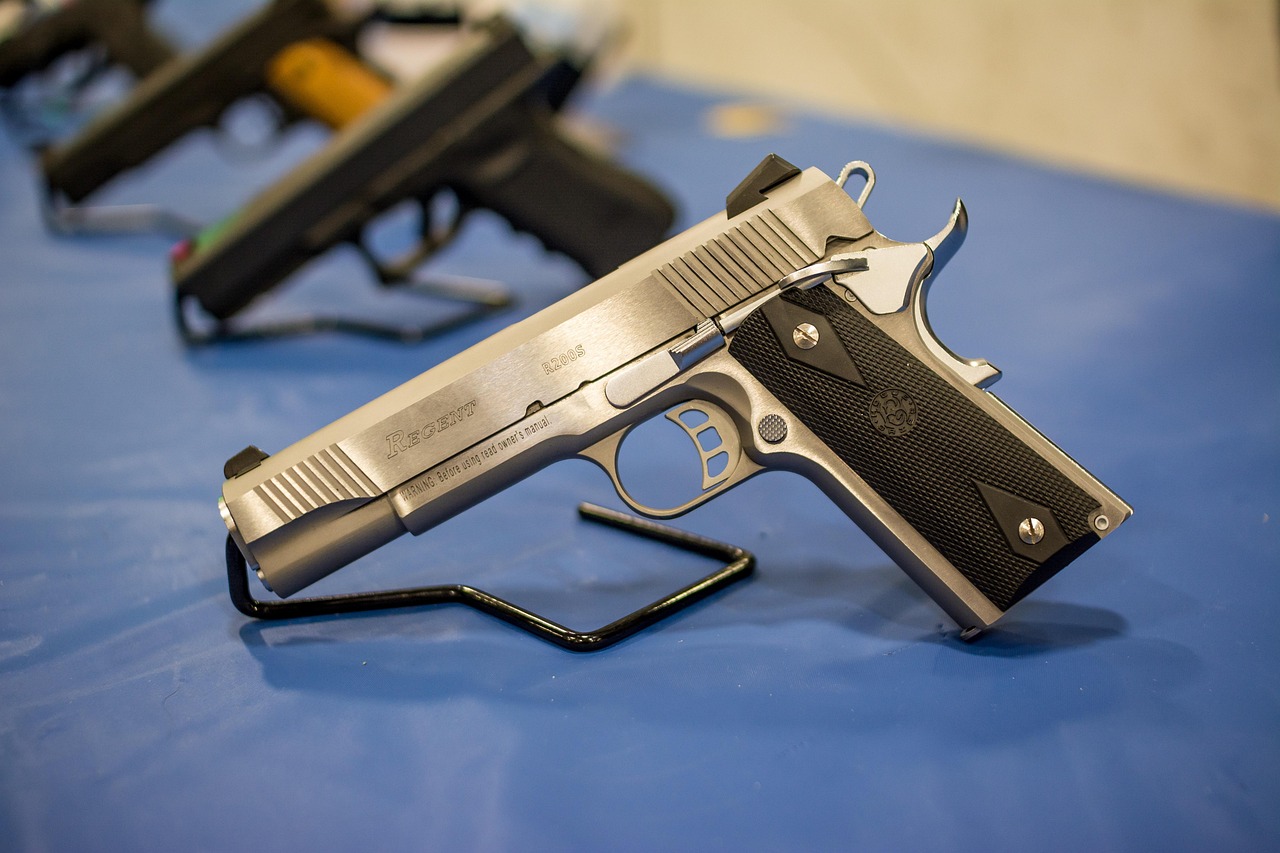
Plenty of hunters think caliber arguments are a modern obsession. They are not.
Long before 6.5 Creedmoor became a punchline and a favorite, deer camps were already divided by a different ammunition feud.
Before the internet, hunters still argued like it was a blood sport
The old deer ammo debate was simple on paper and endless in practice. One side swore by light, fast bullets that shot flatter, recoiled less, and seemed built for open-country shots. The other trusted heavy, slower bullets that punched deep, broke bone, and carried a reputation for authority that numbers alone could not replace.
That split was especially visible in the middle of the 20th century, when cartridges like the .243 Winchester, .257 Roberts, .250 Savage, .30-30 Winchester, .300 Savage, and .30-06 Springfield all had loyal followings. Hunters often inherited not just rifles, but opinions. If your father believed a 100-grain .243 was perfect medicine for whitetails, that belief tended to stick. If your uncle said no deer cartridge should start with anything smaller than .27 caliber, that view got repeated just as confidently.
Gun writers helped fuel the disagreement. Some praised velocity as the future, arguing that modern bullets made smaller calibers deadlier than older hunters realized. Others warned that paper ballistics could not measure what happened when a buck quartered through brush or soaked up a marginal hit and vanished into a swamp.
The rise of speed changed what deer hunters thought a rifle should do.
After World War II, American shooters entered a period obsessed with velocity. New powders, better metallurgy, and a booming sporting market made speed feel like progress. Roy Weatherby became the most famous evangelist for this idea, promoting high-velocity cartridges that promised flatter trajectories and dramatic terminal effect, and many hunters began to see speed not just as useful, but as modern.
That mindset trickled into ordinary deer hunting. Even if a hunter never bought a Weatherby, the appeal was obvious. A flatter-shooting rifle reduced the need to guess holdover at 250 or 300 yards, and in regions with fields, cuts, and powerline rights-of-way, that mattered. Lighter recoil also helped many shooters place shots better, a practical advantage that often gets overlooked when people talk only about caliber diameter.
The .243 Winchester, introduced in 1955, became the poster child for this new thinking. It was mild to shoot, widely available, and effective with proper bullets. To many hunters, especially younger shooters and smaller-framed adults, it represented efficiency. To skeptics, it represented the beginning of a dangerous trend toward using “just enough gun” and trusting velocity to do work that bullet weight once handled.
Heavy bullets kept their reputation because deer do not always cooperate
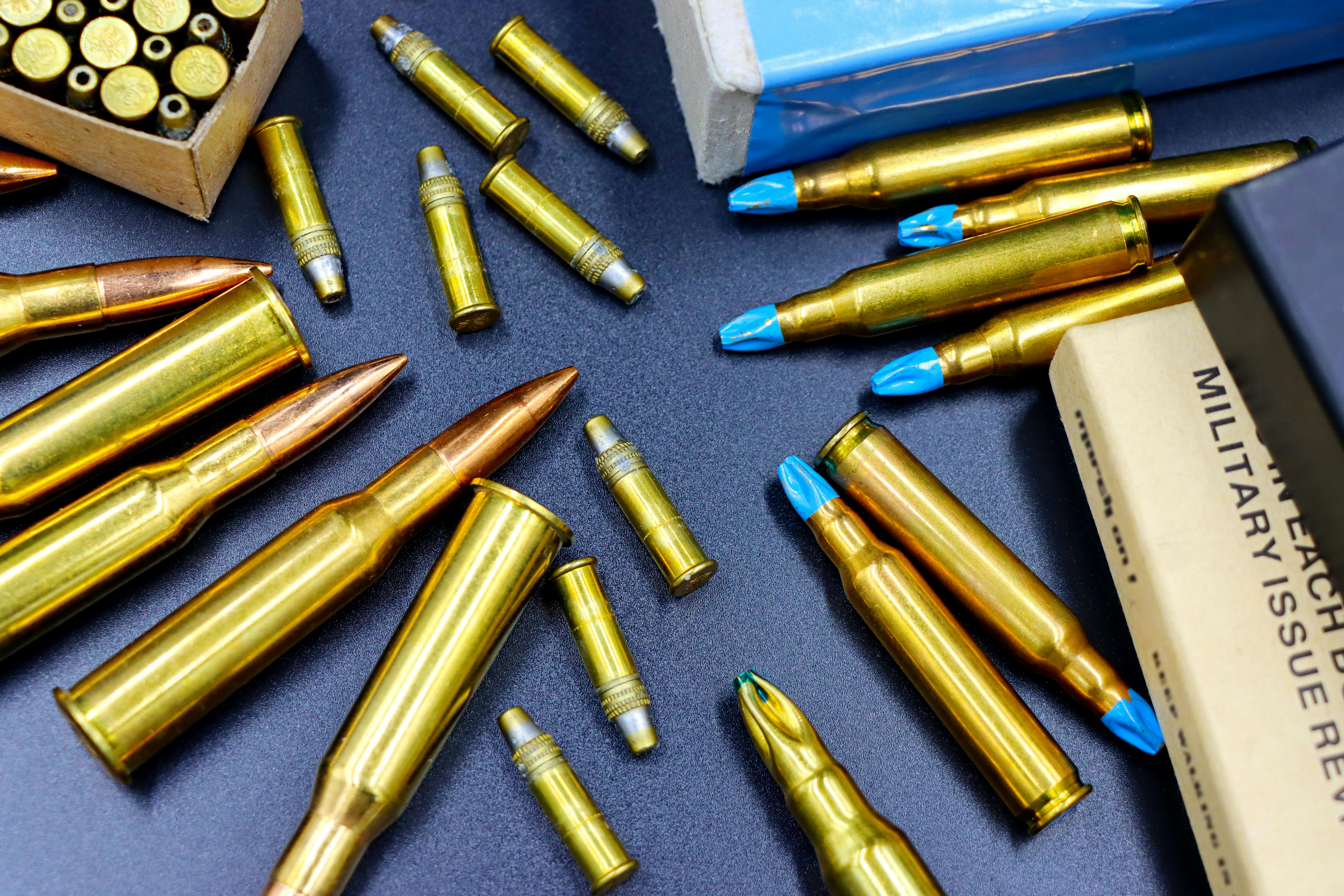
The opposing camp was not anti-innovation. It was anti-disappointment. Hunters who favored heavier bullets had usually seen enough real-world messiness to distrust ideal conditions, because deer rarely stand broadside at known distance on level ground with no branches in the way.
A 170-grain .30-30 bullet, a 150- or 180-grain .30-06 load, or a stout .35 Remington round built confidence for reasons that went beyond muzzle energy charts. These bullets tended to penetrate through shoulders, hold together on quartering shots, and leave blood trails that were easier to follow in thick cover. In hardwoods, river bottoms, and brush country, those traits often mattered more than trajectory tables.
This was the heart of the old argument. The “heavy bullet” crowd believed deer should be anchored with margin to spare, not dispatched under perfect assumptions. Their stories were vivid and persuasive: bucks lost after splashy hits from fast bullets, or animals dropped quickly by slower loads that smashed through both lungs and out the far side. Those campfire stories became a kind of field data long before every hunter had access to gelatin tests and slow-motion footage.
Bullet construction mattered more than many hunters realized at the time.
A big reason this debate lasted so long is that both sides were sometimes right. The outcome often depended less on raw caliber than on bullet design, and older bullet technology could be inconsistent by modern standards. A fast, light bullet that expanded properly could kill deer cleanly. A fast, light bullet that fragmented too early could create exactly the kind of failure critics warned about.
Cup-and-core bullets dominated the market for decades, and while many worked very well, they had limits. At close range and high impact velocity, some soft-point designs shed weight rapidly. At longer range, some tougher bullets failed to expand enough. That meant a cartridge’s reputation was often shaped by one bad experience with a particular factory load, then generalized across the whole caliber.
As the premium bullet design improved, the terms of the argument changed without ever fully disappearing. Controlled-expansion bullets from companies like Nosler and later bonded designs narrowed the gap between speed and penetration. A lighter caliber could now behave with more consistency on deer-sized game. But by then, the cultural identities were already formed. Hunters were not just defending bullets. They were defending what years of success had taught them to trust.
Geography, tradition, and deer size all shaped the argument

Not every deer hunter was solving the same problem, which is why ammo arguments often sounded irrational across regions. In the Northeast and upper Midwest, shots in timber could be fast and close, and tracking might mean crawling through tag alders, cedar swamps, or laurel. In that world, many hunters prized cartridges that hit hard and exited reliably.
In contrast, hunters in Western states or agricultural areas of the South and Midwest often faced longer shots across bean fields, sage flats, or clear-cuts. There, a flatter trajectory could be genuinely useful, and lighter rifles with softer recoil made practice more enjoyable. A cartridge that seemed marginal in one region could feel ideal in another, especially when local deer averaged 100 to 150 pounds dressed rather than much more.
Tradition deepened those regional preferences. Lever-action country held onto the .30-30 and .35 Remington not simply because people resisted change, but because those rounds kept working under local conditions. Elsewhere, bolt-action culture embraced the .270 Winchester, .243, and .25-06 as symbols of accuracy and reach. The debate was never only about terminal ballistics. It was about landscape, family habits, and what success looked like from one deer camp to the next.
What the old-timers got right, and what they often missed
The old-timers were right about one thing modern shooters sometimes forget: deer are not hard to kill, but they are very easy to lose. A cartridge that prints tiny groups on paper can still be a poor practical choice if it gives weak blood trails, overreacts to brush, or demands perfect shot placement from a hunter who gets one chance in fading light.
They were also right to value penetration and exits. Two holes usually beat one, especially in thick country. A deer that runs 60 yards through an open field is one thing. A deer that runs 60 yards into a cattail marsh or mountain laurel can become a miserable recovery job, and old hunters learned that lesson through effort, not theory.
Still, many traditionalists overstated the inadequacy of smaller calibers. Decades of field use showed that cartridges like the .243 Winchester and 6mm Remington could be highly effective on deer when paired with suitable bullets and disciplined shot selection. The real dividing line was often not “small versus big” but “appropriate versus inappropriate.” That distinction is less dramatic, so it never won many campfire arguments.
Why this pre-Creedmoor fight still explains modern caliber wars
Today, hunters argue over 6.5 Creedmoor, .308 Winchester, .30-06, 7mm-08, and a dozen others with the same emotional energy their grandfathers brought to .243 versus .30-30. The names changed, but the deeper themes did not. People still debate recoil, range, bullet weight, penetration, and whether modern bullet engineering truly compensates for smaller diameters.
What keeps the argument alive is that hunting is personal evidence wrapped in strong memory. One clean kill can create lifelong confidence. One lost buck can create lifelong suspicion. Data matters, but lived experience matters more in hunting culture, which is why debates persist even when ballistic charts and recovered-bullet tests seem to settle things on paper.
The lesson from that older deer ammo feud is not that one side finally won. It is that hunters were always balancing competing priorities: shootability, trajectory, penetration, and forgiveness. The best deer ammunition has always been the load that fits the rifle, the terrain, and the hunter behind it. That was true before 6.5 Creedmoor existed, and it is still true every fall when the arguments start up again.