Some hunters want the full challenge. Others want expert help and a better shot at making a hard trip count.
Why DIY hunting has become a badge of credibility

DIY hunting has picked up real status in the modern hunting conversation, especially among hunters who value self-reliance, woodsmanship, and public-land grit. That shift is not just social media talk. Organizations tied closely to hunting ethics, including Boone and Crockett, openly describe do-it-yourself hunting as part of North American hunting culture and note that many hunters find it especially satisfying when they succeed on their own.
That matters because respect in hunting is often tied to what had to be earned. A hunter who drew the tag, scouted the country, packed camp, located animals, and made the shot without hired help tends to be seen as carrying the full burden of the hunt. In many circles, that full-process ownership has become a kind of currency.
The rise of western public-land hunting media helped push that image further. DIY elk, mule deer, and backcountry deer hunts are now framed less as budget alternatives and more as proof of competence. Hunters talk about access, navigation, meat care, and adaptation to weather as marks of seriousness, not just logistics.
So yes, DIY hunting is becoming more respected in many communities. But the reason is not snobbery alone. It is tied to a long-standing belief that the harder the process, the stronger the story and the deeper the accomplishment.
Fair chase is driving much of that respect

A major reason DIY hunting earns admiration is its close association with fair chase. Boone and Crockett continues to frame fair chase as central to ethical hunting, emphasizing wild, free-ranging game and the idea that success is not the only measure of a hunt. In that framework, effort, restraint, and uncertainty matter.
DIY hunting often looks like the clearest expression of those values. The hunter is reading habitat, making decisions alone, and accepting failure as part of the process. That does not automatically make every DIY hunt more ethical than every guided hunt. But culturally, many hunters see a strong overlap between self-guided effort and fair-chase ideals.
This is especially true when the comparison is not simply DIY versus guided, but DIY versus highly managed experiences. Boone and Crockett has repeatedly pushed back against trends that blur the line between hunting and buying outcomes, especially where trophy expectations, fenced settings, or heavily controlled conditions weaken the spirit of fair chase.
That distinction is important. Respect for DIY hunting often rises when hunters feel the broader public is already skeptical of hunting. Research published in 2024 on U.S. attitudes toward hunting found that views become more negative when a hunt appears trophy-driven. In that climate, DIY hunting can appear more authentic, more defensible, and more aligned with conservation-minded ethics.
Guided hunts are not losing respect, but the kind of respect is different

Guided hunts still carry plenty of legitimacy, especially among experienced hunters who know how hard some species and regions really are. Sheep country, coastal brown bear country, wilderness horseback hunts, and remote northern moose camps are not places where hiring expertise automatically reduces the challenge. In many cases, it is simply the practical and safe thing to do.
A good guide does much more than point at animals. They manage access, safety, stock, local regulations, meat handling, weather decisions, and recovery logistics. For hunters entering unfamiliar terrain or chasing species with steep learning curves, that help can turn a reckless trip into a responsible one.
Boone and Crockett’s own guidance on choosing an outfitted hunt reflects this balance. It recognizes the deep satisfaction of DIY success while also noting that guided hunts have a place and do not guarantee game. That is an important point because the stereotype that guided equals easy often falls apart in real mountains, real weather, and real low-success units.
The respect guided hunts receive is usually different in tone. It is less about rugged independence and more about judgment. Hunters tend to respect guided trips when the hunt is physically demanding, fair chase is intact, and the hunter is honest about what the guide contributed rather than pretending it was a solo achievement.
Cost, access, and time are shaping opinions
Part of the new respect for DIY hunting comes from economics. Guided hunts can cost thousands, and for some premium species or remote destinations, far more. That reality makes DIY success feel more democratic. It suggests a hunter earned the experience through planning, persistence, and labor rather than simply purchasing the best odds.
Time also plays a role. Many working hunters have limited vacation windows, and guided hunts can maximize a short trip. That is practical, but it can also affect perception. When one hunter spends months e-scouting and burns a week learning a unit, while another arrives at a polished lodge with local intel waiting, the first story often resonates more strongly with peers.
Access is another factor. In parts of the West, public land and over-the-counter or draw-based opportunities have helped fuel the DIY identity. In contrast, in regions where private land dominates, guided hunts, leases, or local connections can be the only realistic path. Respect often follows local realities more than ideology.
Even survey-based hunting culture hints at this split. Recent access-related polling from hunting-land organizations suggests many hunters still value comfort and guided experiences, while others strongly prefer self-directed hunting. That means the culture is not moving in one simple direction. It is sorting hunters by what they value most: autonomy, efficiency, comfort, challenge, or opportunity.
Social media has changed what hunters admire
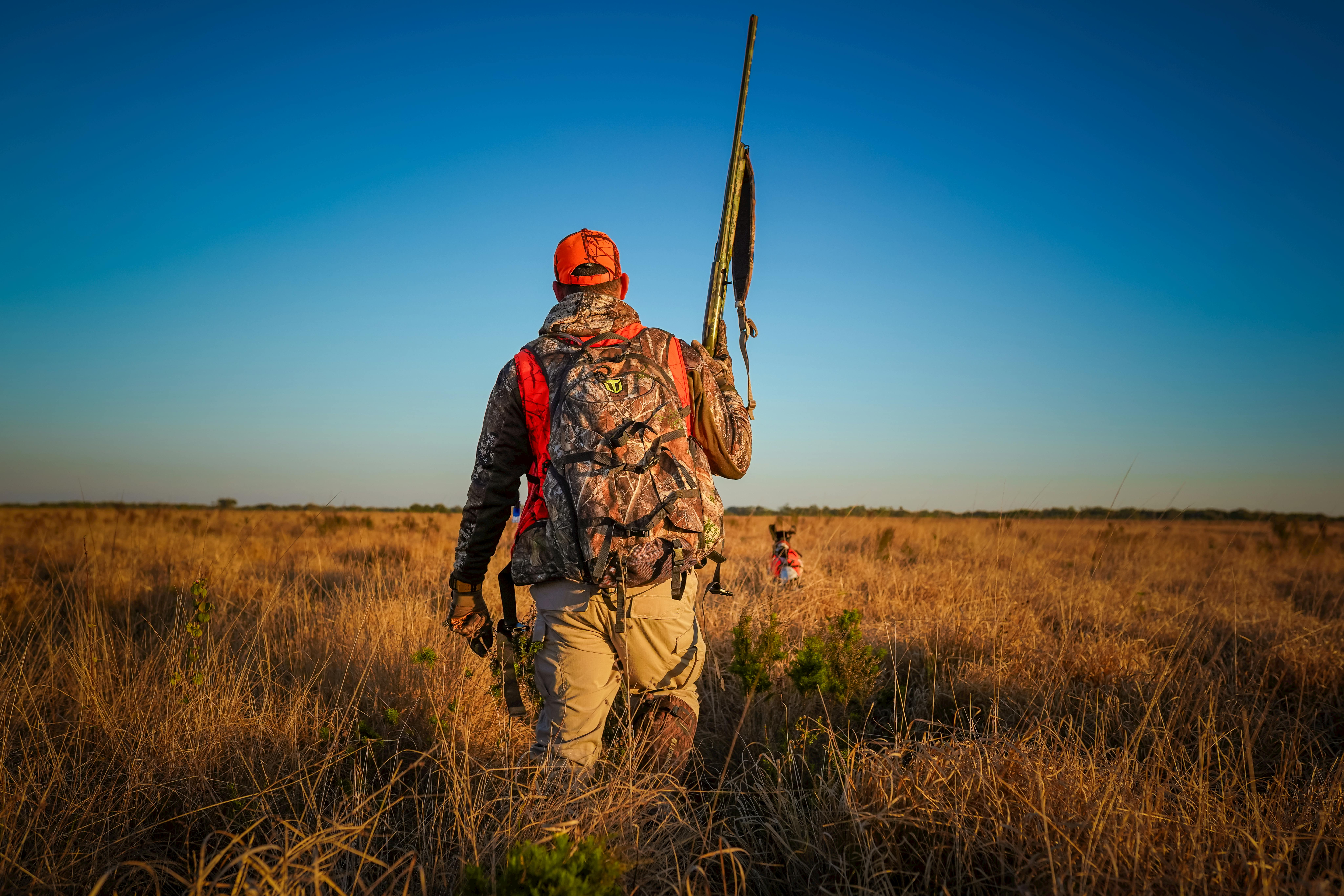
If this debate feels louder than it did 20 years ago, media is a big reason why. Hunting content today rewards storytelling, and DIY hunts tell a powerful story. They are easier to frame as raw, uncertain, and personal. A solo truck-camp elk hunt with blown stalks and a final-day punch carries a narrative arc that audiences immediately understand.
That storytelling advantage creates prestige. Online audiences often celebrate the hunter who slept rough, hiked farther, and figured it out. The animal matters, but the visible grind matters more. In that environment, DIY hunting becomes symbolic. It stands for effort, humility, and competence under pressure.
Guided hunts can still command admiration, but they are judged more critically online. Viewers want to know whether the hunt remained fair chase, whether the guide’s role is represented honestly, and whether the experience feels earned rather than packaged. When those answers are unclear, credibility drops fast.
At the same time, social media can flatten reality. A five-day guided sheep hunt may be far more difficult than many DIY deer hunts, yet the DIY label itself can trigger automatic respect. That is one reason the debate gets overheated. The optics of a hunt and the actual difficulty of a hunt are not always the same thing.
New hunters often benefit most from guided experiences
One of the biggest mistakes in this conversation is treating respect as the same thing as usefulness. For beginners, a guided hunt or mentored hunt may be the fastest path to doing things right. It can teach safety, shot discipline, tracking, recovery, animal care, and decision-making in ways that books and videos cannot.
That point matters because recruitment is now a major issue for the future of hunting. The National Deer Association’s 2024 Deer Report highlighted adult mentored hunting and learn-to-hunt programs across regions, reinforcing how important guided learning has become for bringing new people into the field.
For many newcomers, a quality guide is not a shortcut around the experience. It is an on-ramp into it. A first western hunt, first bear hunt, or first backcountry trip can be overwhelming, and the cost of mistakes can be serious for safety, ethics, and meat care. In that context, guidance is often a mark of responsibility, not weakness.
Many seasoned hunters understand that. They may admire DIY mastery while still encouraging first-timers to get help. In fact, some of the strongest DIY hunters started by learning from outfitters, older relatives, or experienced mentors. Respect grows when hunters use guidance to build skill rather than substitute for it forever.
The real shift is toward earned authenticity
What is really happening is not that guided hunts are falling out of favor across the board. It is that hunters increasingly respect authenticity, and DIY hunting often signals authenticity faster. It shows process, risk, and accountability in a way that is easy to recognize.
But guided hunts still deserve respect when they preserve fair chase, demand real effort, and serve a clear purpose. Remote access, unfamiliar species, physical safety, low-odds tags, and educational value are all legitimate reasons to hire a guide. The problem is not guidance itself. The problem is when money appears to replace skill, patience, or ethics.
That is why the sharpest hunters usually avoid blanket judgments. They know a DIY whitetail hunt from a box blind can be less demanding than a brutal guided mountain hunt. They also know some guided experiences drift too close to manufactured success and deserve criticism. The label alone does not settle the issue.
So, is DIY hunting becoming more respected than guided hunts? In many circles, yes. But the deeper truth is that hunters are rewarding hunts that feel honestly earned, and DIY simply fits that ideal more often.