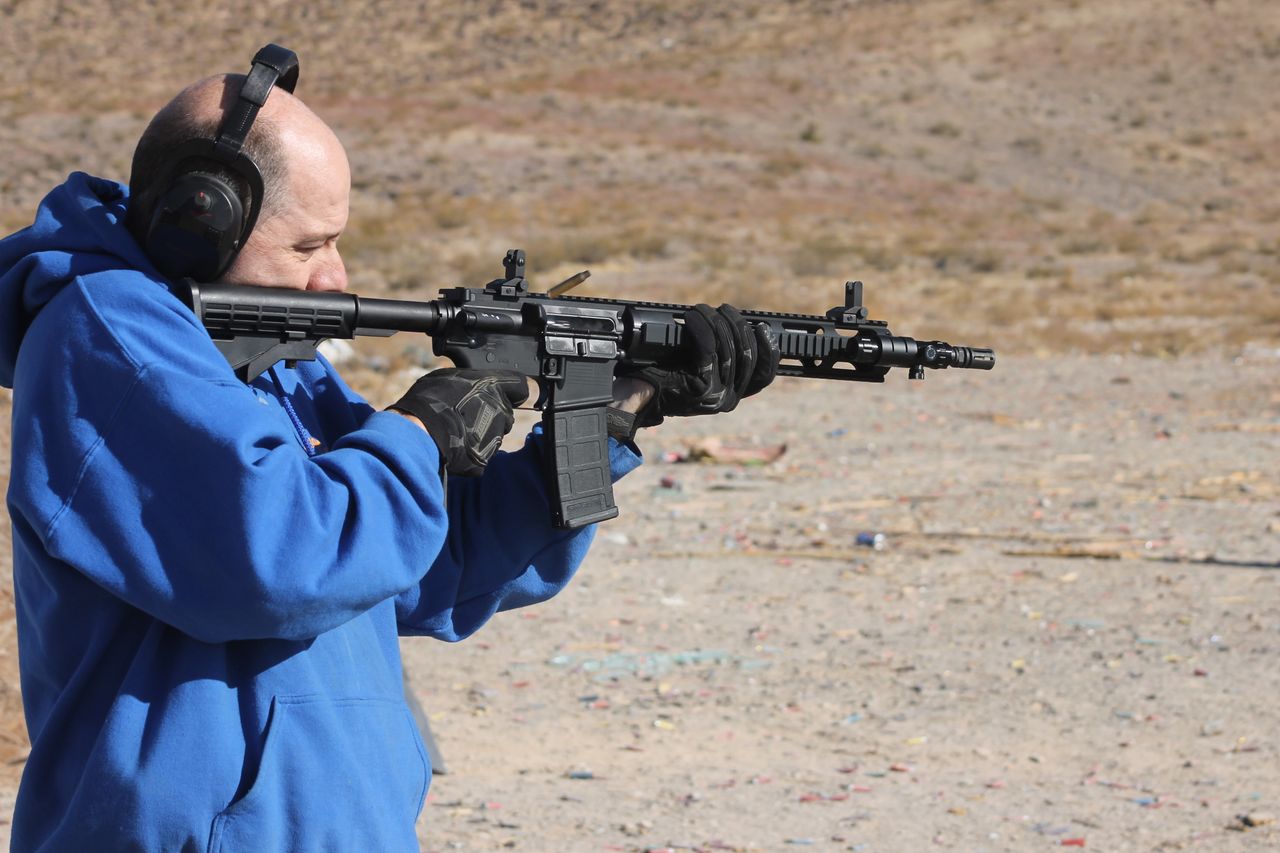
Few firearm debates get people talking faster than this one. The AR-10 and AR-15 look like cousins, but they behave like entirely different tools.
Why this debate never really goes away

At a glance, the AR-10 and AR-15 seem close enough that many newer shooters assume the choice is mostly cosmetic. Both share the familiar AR-style layout, both are semiautomatic platforms in their common civilian form, and both can be configured in endless ways. That surface similarity is exactly what keeps the debate alive, because the rifles promise a similar experience while delivering very different results.
The real split starts with caliber and the chain reaction that follows from it. The AR-15 is most commonly chambered in 5.56 NATO or .223 Remington, while the AR-10 is typically built around larger cartridges such as .308 Winchester or 7.62 NATO. That one difference affects recoil, effective range, rifle weight, magazine size, ammunition cost, terminal performance, and even how long you want to carry the gun in the field.
Gun owners tend to form opinions based on what they actually do with a rifle. A rancher dealing with predators, a recreational shooter running fast drills at 50 yards, and a hunter expecting a clean shot on a deer-sized animal at distance will not evaluate these platforms the same way. That is why the argument feels so personal. People are often defending not just a rifle, but a use case.
The caliber difference is the whole story and not the whole story.
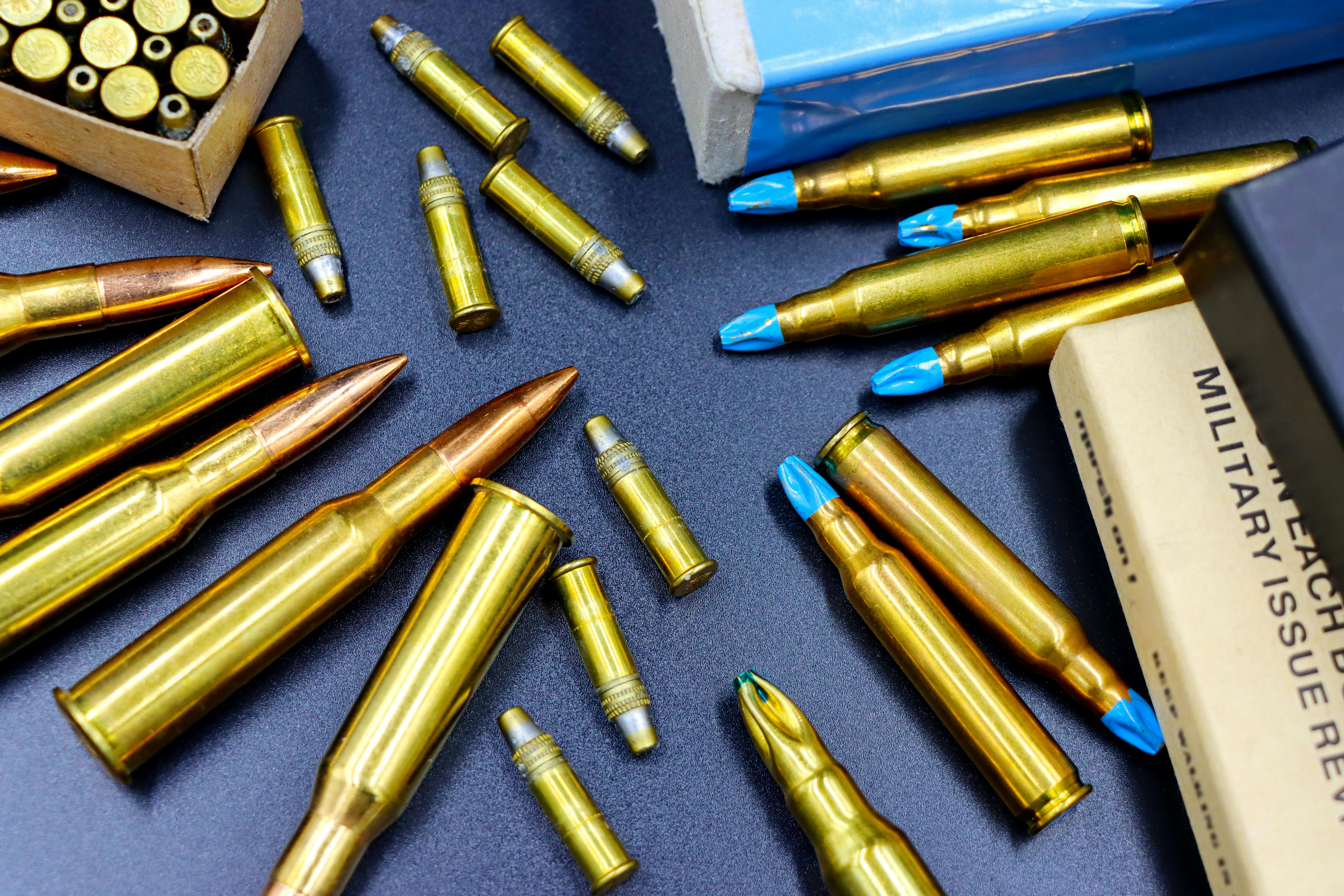
If you strip the debate down to one point, it is this: the AR-15 usually fires a smaller, lighter, faster round, and the AR-10 usually fires a larger, heavier, harder-hitting one. A typical 5.56 load might launch a bullet in the 55 to 77 grain range at high velocity. A .308 load often throws a 147 to 175 grain bullet with much greater mass and energy. On paper, that gives the AR-10 an obvious advantage in raw power.
But caliber is only the beginning. A bigger cartridge requires a larger receiver set, a heavier bolt carrier group, and generally more rifle around it. That means the AR-10 is not simply an AR-15 with more punch. It is a heavier, bulkier system that asks more of the shooter in exchange for stronger downrange performance.
This matters because practical shooting is never just about ballistics charts. Energy numbers look impressive, but shooters feel recoil, notice muzzle movement, and pay attention to recovery between shots. For many owners, especially those training regularly, that practical side matters more than what a cartridge can theoretically do at 500 yards.
Recoil, handling, and what the shooter actually experiences
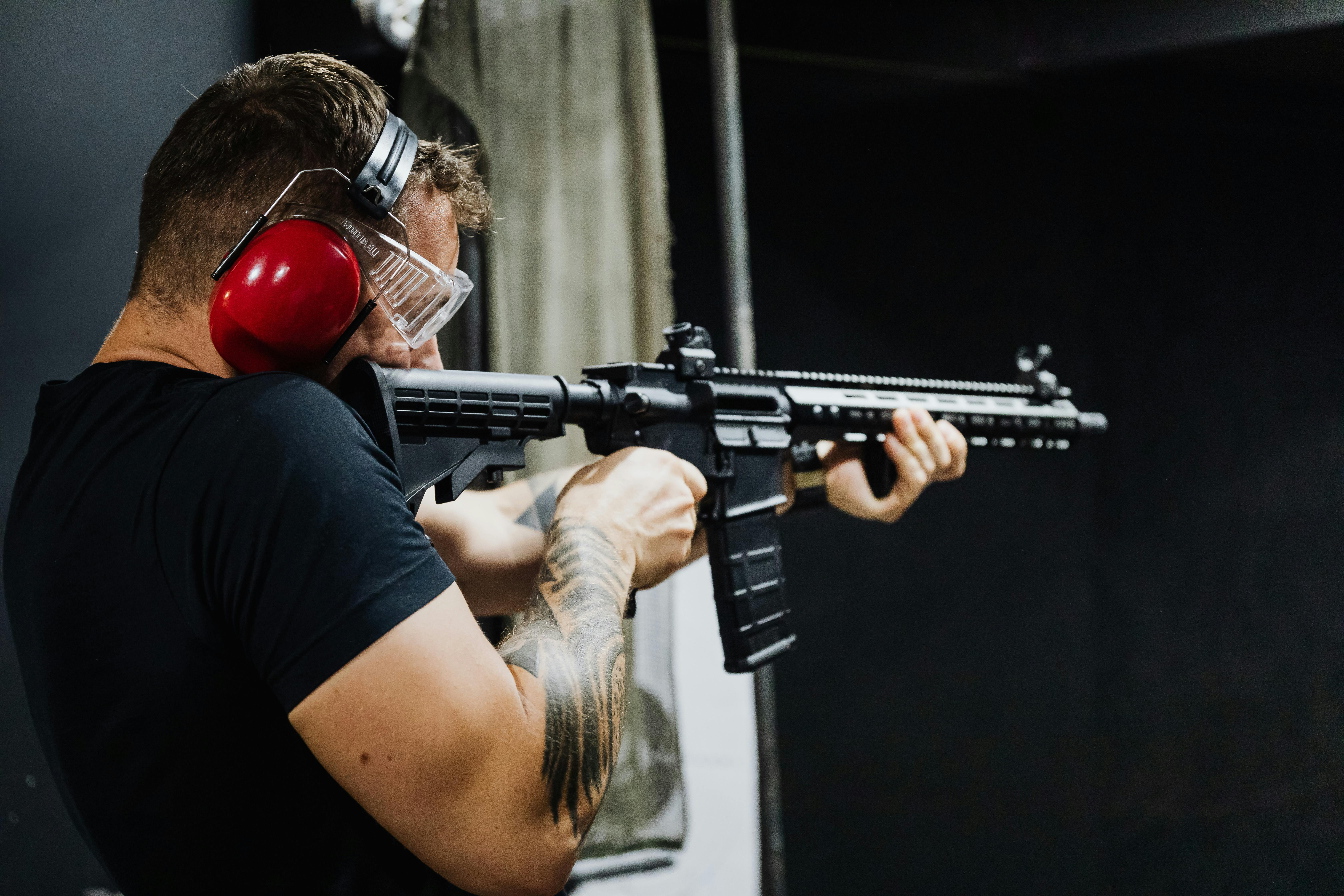
This is where many people become firmly pro-AR-15. The AR-15 is lighter, quicker to shoulder, easier to keep on target, and generally more forgiving for newer or smaller-framed shooters. Recoil is mild enough that follow-up shots come fast, and long-range sessions are less fatiguing. If you want to shoot often and shoot accurately at speed, the AR-15 makes a very strong case.
The AR-10 delivers a different experience. It is more authoritative, and many shooters like that. There is a satisfying sense of power behind each shot, but the tradeoff is sharper recoil, more muzzle rise, and a little more work to run the rifle well. Even if the recoil is manageable, and for experienced shooters it usually is, there is no pretending it feels like a 5.56 gun.
Weight changes the equation, too. A heavier AR-10 can soak up some recoil, but that same weight becomes noticeable when carrying the rifle all day during a hunt or moving through a training course. An AR-15 with a lightweight setup can feel almost effortless by comparison. In real-world ownership, comfort and convenience often decide the winner more than raw capability.
Hunting, defense, and range use split opinions fast

For hunting, the AR-10 often gets the nod because .308-class cartridges offer more reliable performance on medium and larger game. In many regions, hunters view the AR-10 as the better ethical choice for deer and hogs, especially if shots may stretch out or impact angles are less than ideal. It carries more energy and usually provides greater penetration, which matters in the field.
For home defense or general defensive use, the AR-15 tends to dominate the conversation. Its lighter recoil, faster handling, and higher standard magazine capacity make it easier for most people to use effectively under stress. Ammunition and rifle setups are also more accessible, which means owners are more likely to train consistently. In defensive firearms, familiarity often beats theoretical power.
At the range, the answer depends on what kind of shooting you enjoy. If you like high-volume practice, steel targets, carbine classes, or simply spending an afternoon without burning through your budget, the AR-15 usually makes more sense. If you enjoy stretching distance, ringing heavier steel, or shooting a battle rifle-caliber platform, the AR-10 scratches an itch the smaller gun cannot quite reach.
Cost, parts, and the realities of ownership
Money has a way of ending romantic caliber debates. In general, AR-15 rifles are cheaper to buy, cheaper to customize, and cheaper to feed. Bulk 5.56 or .223 has long been more affordable than .308 or 7.62-class ammunition, even though market swings can narrow or widen the gap dramatically. Over a few thousand rounds, that difference becomes impossible to ignore.
Parts support also strongly favors the AR-15. The platform has benefited from decades of standardization, huge aftermarket competition, and broad consumer demand. Triggers, handguards, barrels, bolts, stocks, optics mounts, magazines, and small replacement parts are everywhere. With AR-10s, compatibility can be trickier because patterns are not always as standardized across manufacturers.
That matters for beginners more than many enthusiasts admit. Building or upgrading an AR-15 is usually straightforward, with an enormous base of knowledge behind it. The AR-10 can be rewarding, but it is less plug-and-play. If you are the kind of owner who likes to tinker, the AR-15 feels like a mature ecosystem. The AR-10 can feel more specialized, and sometimes more expensive in ways that do not show up on the price tag alone.
Accuracy, range, and the myths people repeat only one
A common oversimplification is that the AR-15 is for short range and the AR-10 is for long range. That is too neat to be true. A quality AR-15 with the right barrel length and a good 77-grain load can be remarkably capable well beyond 300 yards. Competitive shooters and precision-minded owners have shown for years that the smaller platform can deliver serious accuracy.
Still, the AR-10 does have an edge once distance and wind become bigger factors. Heavier .308-class bullets generally retain energy better and can offer stronger performance on targets where 5.56 begins to lose authority. For shooters concerned with barrier penetration, larger game, or reaching confidently into the 500 to 800 yard zone, the AR-10’s strengths become more apparent.
The internet often turns this into a macho argument about what a rifle should be able to do. In reality, most civilian shooters spend the vast majority of their time inside 200 yards. For that reason, the AR-15 remains more practical for many owners. The AR-10 offers more reach and punch, but a lot of people pay for capabilities they rarely use.
So which rifle actually makes more sense for most people?
For the average owner, the AR-15 is usually the smarter first choice. It is easier to shoot, easier to carry, easier to customize, and easier on the wallet. It handles a huge range of roles from recreational shooting to defensive use and light varmint or predator work. If someone wants one rifle to train with often and enjoy regularly, the AR-15 wins on usability.
The AR-10 makes sense when your needs clearly justify the bigger cartridge. If you are hunting deer or hogs, prioritizing longer-range energy, or simply want a semiautomatic rifle with more authority on target, it delivers exactly that. It is not overkill if your job or environment actually calls for its strengths. The mistake is buying it because bigger automatically sounds better.
That is why this debate remains so heated. Both camps are right within their own lane. The AR-15 is the more versatile everyday platform for most shooters, while the AR-10 is the more powerful specialist that shines when distance, game size, or impact energy matter most. Choose the rifle that matches your real use, not the one that wins the loudest argument.