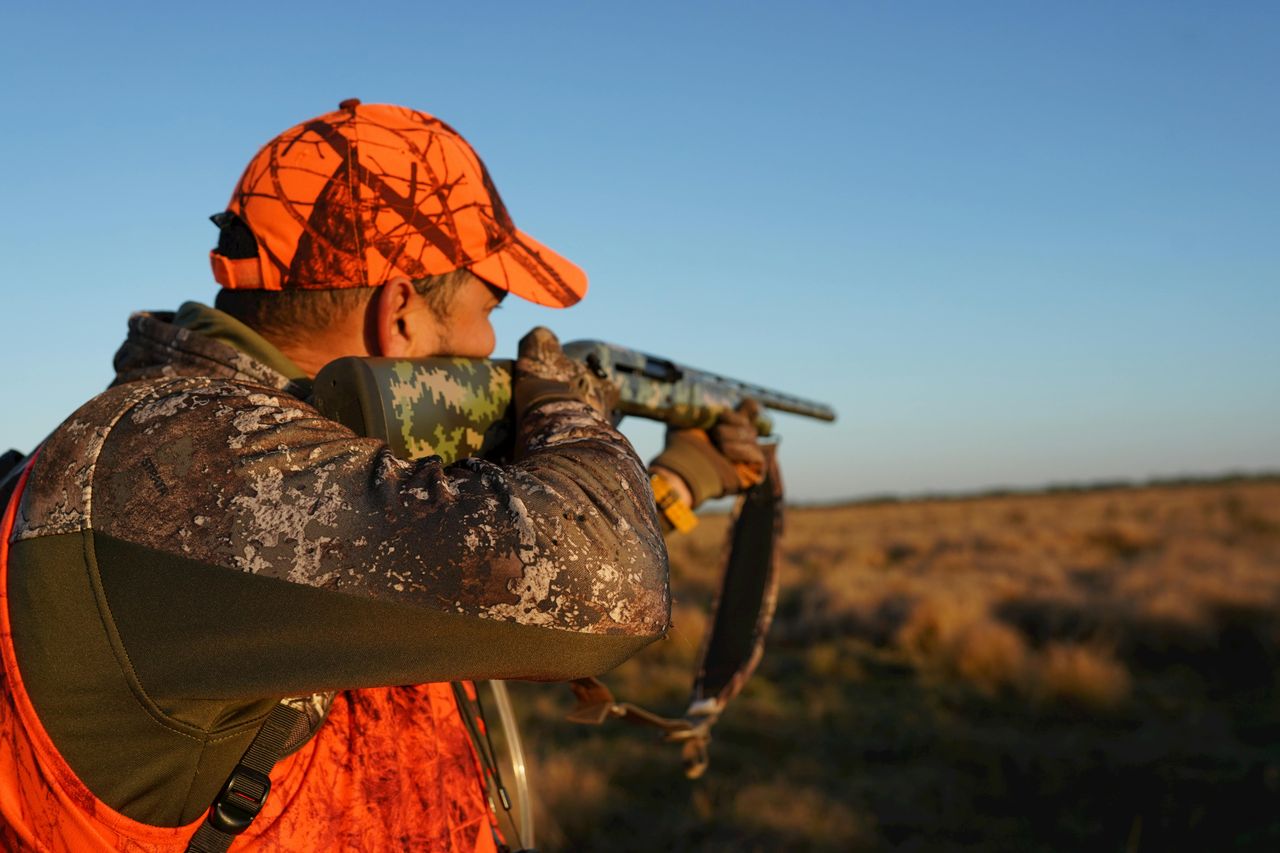
Landing a hunting license has never been purely about luck, but in 2026 the process is getting tougher in many places. Wildlife agencies are cutting quotas, tightening habitat protections, and responding to public pressure around sensitive species. For hunters, that means more applications, closer review, and a lot more competition for some of the most coveted tags in the field.
Bighorn Sheep Tags
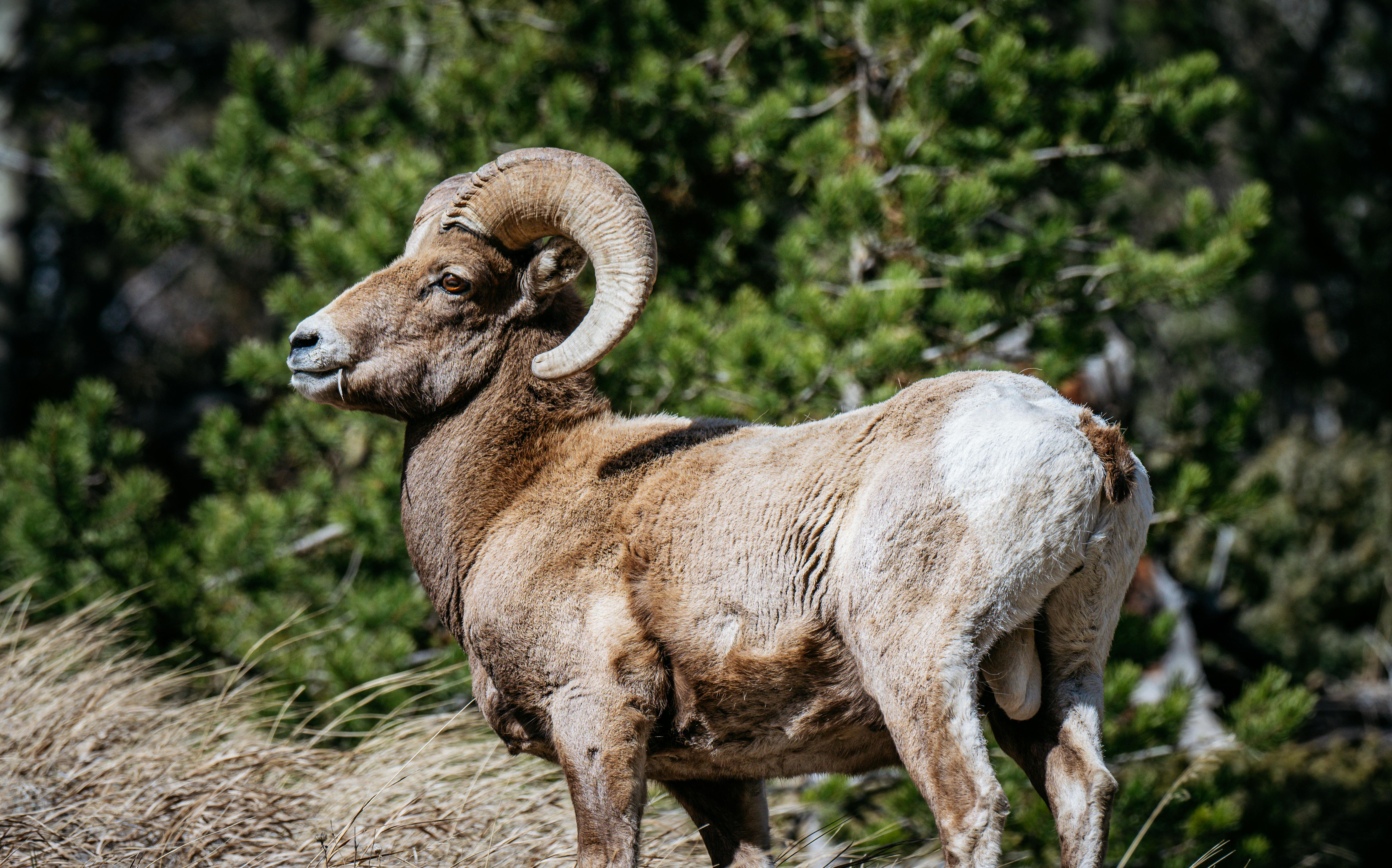
Few licenses carry more prestige than a bighorn sheep tag, and that prestige is exactly why approval is getting harder in 2026. In many Western states, herds remain closely managed because disease risk, drought, and habitat pressure can quickly erase years of recovery work.
Agencies are responding with smaller quotas and more conservative issuance, especially in units where population surveys show uneven ram recruitment. Even hunters with preference points are finding that the math no longer feels reassuring.
The result is a process that looks less like a routine draw and more like a rare wildlife allocation. When tags are this limited, every application cycle feels higher stakes.
Mountain Goat Permits
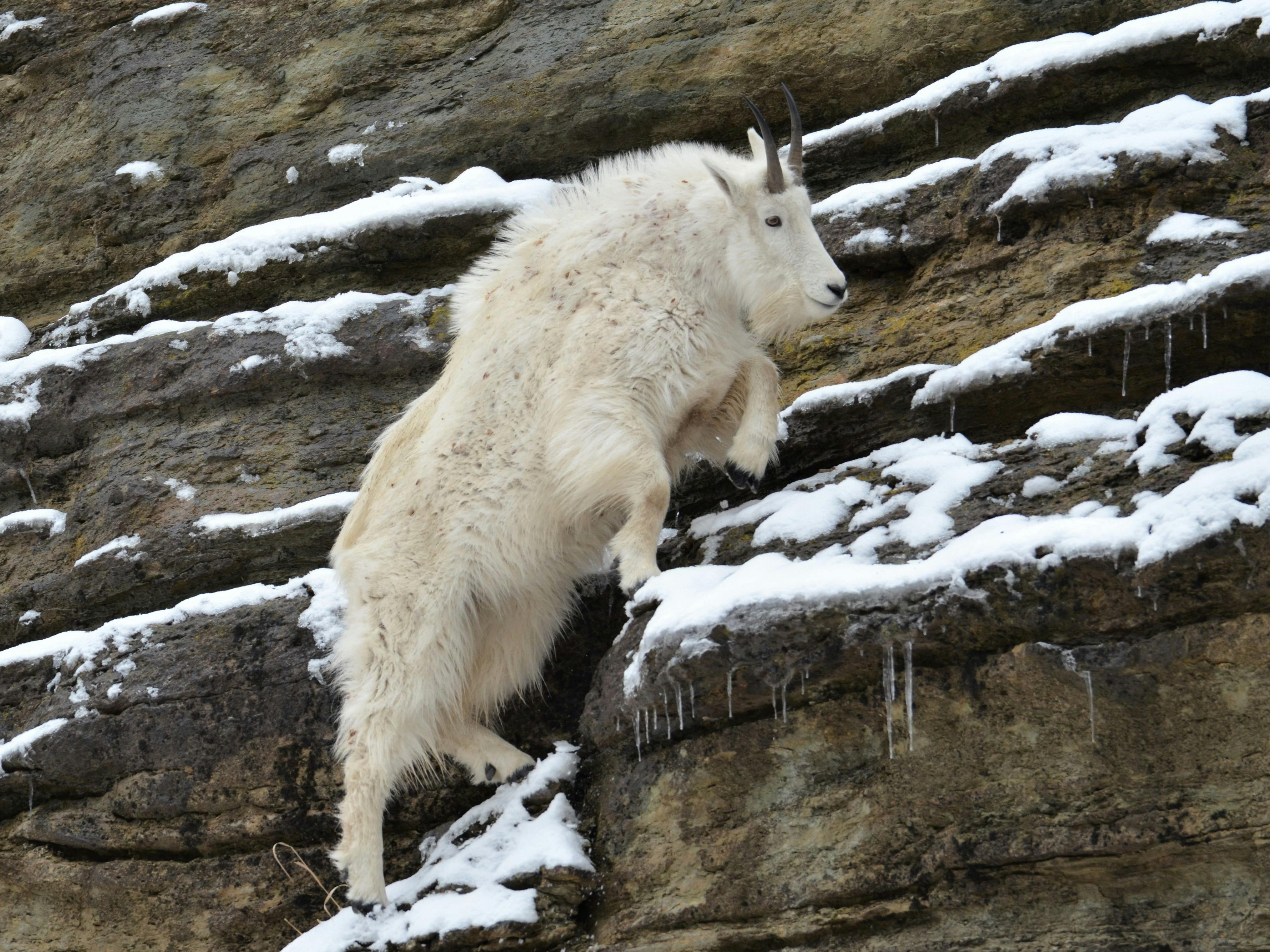
Mountain goat permits were never easy to land, but 2026 is shaping up to be especially selective. Harsh winters in some ranges and fragile high-elevation habitat have pushed agencies to take a slower, more protective approach to tag approval.
That caution matters because goat populations can be highly localized. A strong unit next to a struggling one does not mean the broader picture is healthy, and regulators are leaning into unit-by-unit restraint.
For applicants, the challenge is not just demand. It is that fewer licenses may be available in the very areas hunters have traditionally targeted, making every draw feel narrower than before.
Grizzly Bear Hunt Licenses

Where grizzly bear hunting remains part of the policy conversation, approval is becoming more difficult because the issue is no longer just biological. In 2026, legal scrutiny, tribal concerns, and intense public debate are making any permit pathway far more complicated.
Even in places where managers argue populations have rebounded, the political environment remains volatile. A tag that exists on paper can still face review, delays, or a sudden policy reversal before hunters ever head afield.
That uncertainty has made grizzly licenses some of the hardest to count on. Hunters are navigating not only wildlife rules, but an unusually charged regulatory climate.
Moose Tags
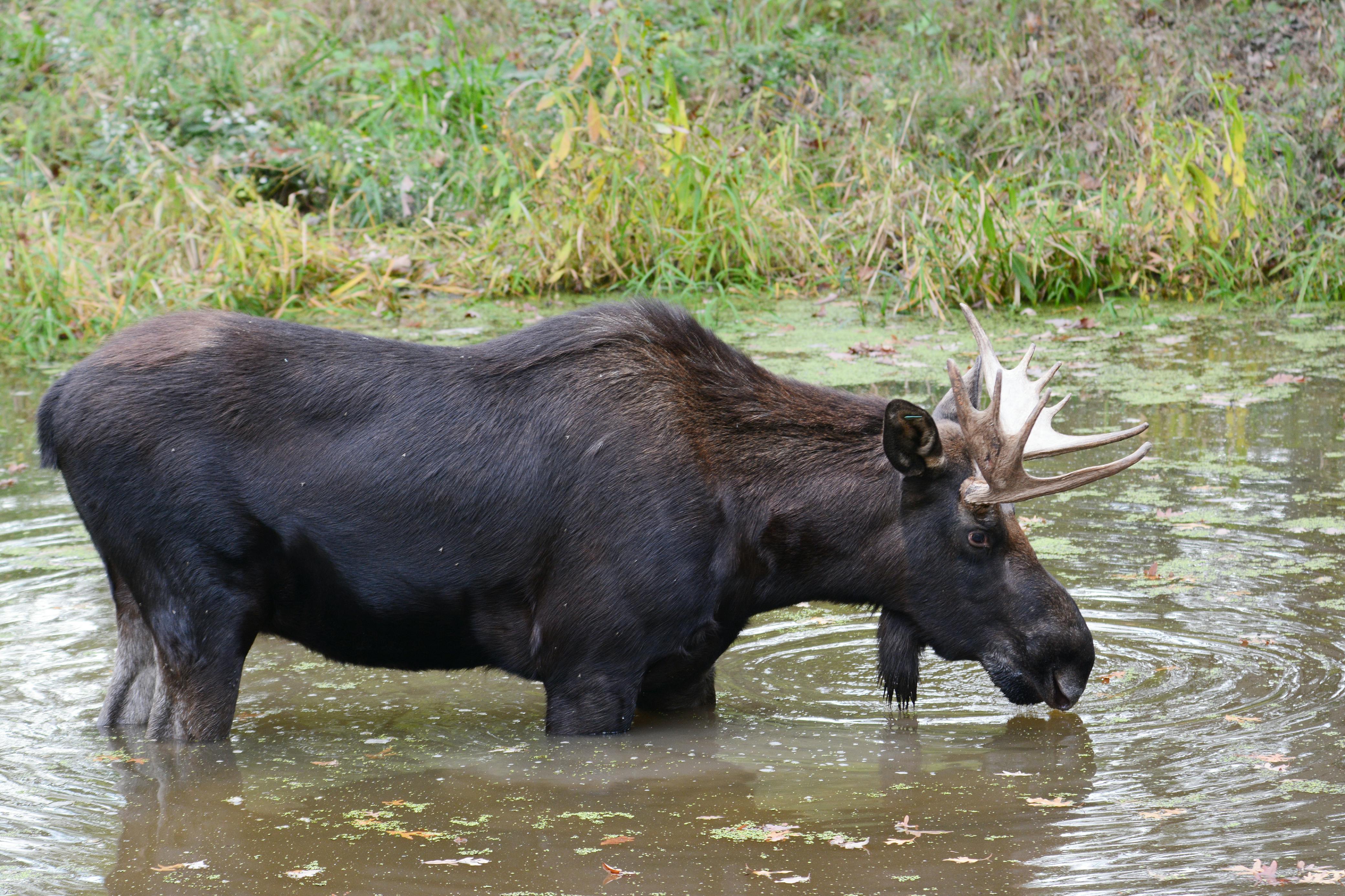
Moose tags are tightening in many regions as agencies confront a mix of warming temperatures, parasite issues, and changing habitat conditions. In places where moose once looked resilient, managers are now taking a closer look at long-term survival and calf recruitment.
That has translated into reduced permit numbers and more selective approval standards, especially for nonresident hunters. Some jurisdictions are also shifting allocations to protect local access and reflect conservation-first priorities.
The big takeaway for 2026 is simple: moose are still iconic, but they are no longer treated as a species with unlimited room for harvest pressure. The licensing process reflects that new caution.
Trophy Elk Licenses in Premium Units
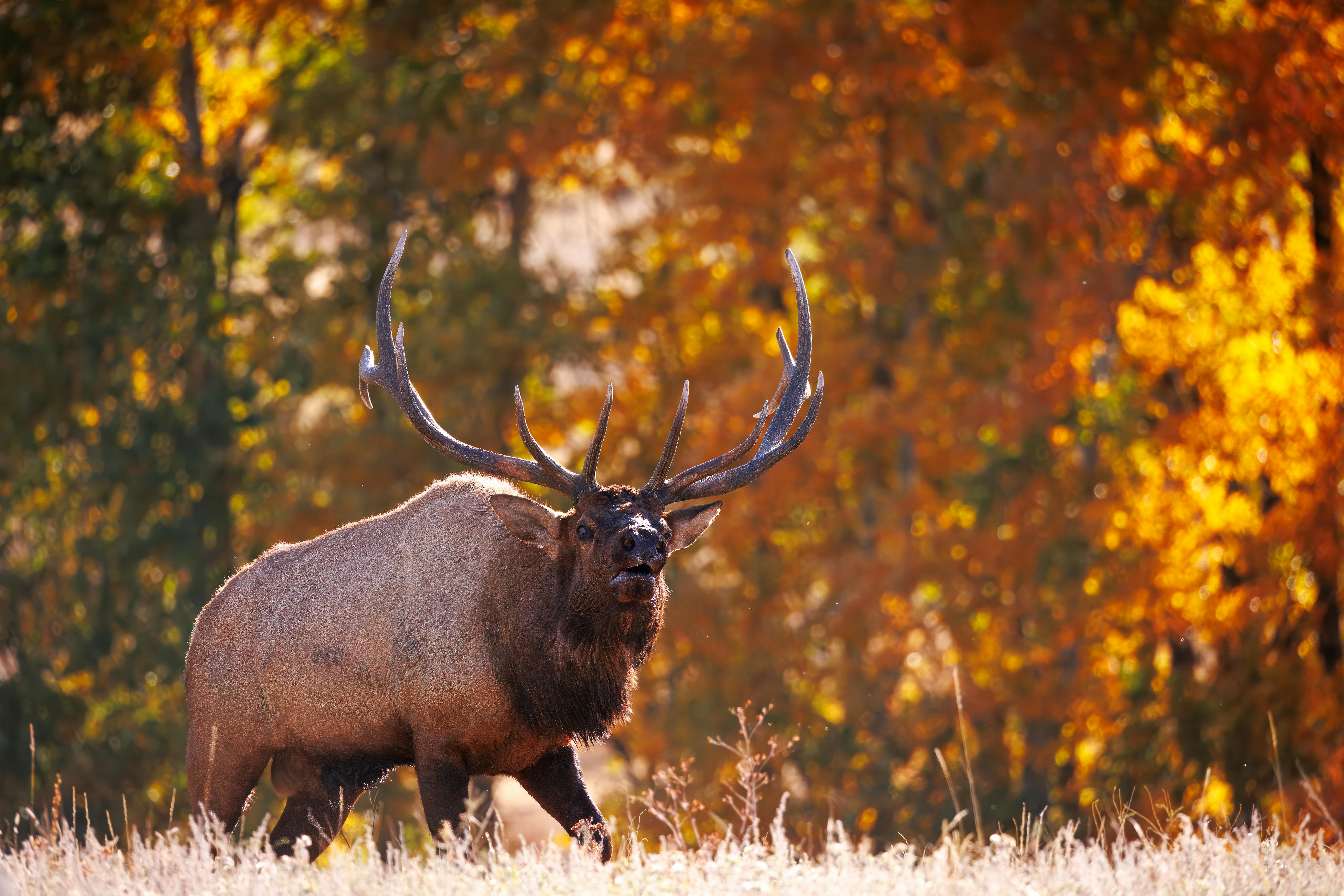
Regular elk opportunities still exist in many places, but premium-unit licenses aimed at mature bulls are getting much harder to secure. In 2026, wildlife departments are under pressure to balance hunter demand, age-class management, and crowding concerns on high-profile landscapes.
That often means fewer tags in the units people most want, not because elk have disappeared, but because managers are trying to preserve hunt quality. A famous unit can become a victim of its own reputation.
For applicants, the shift feels sharp. The same points that once made someone competitive may now only keep them in the conversation, especially when resident demand keeps climbing.
Mule Deer Buck Tags in Drought-Strained Areas
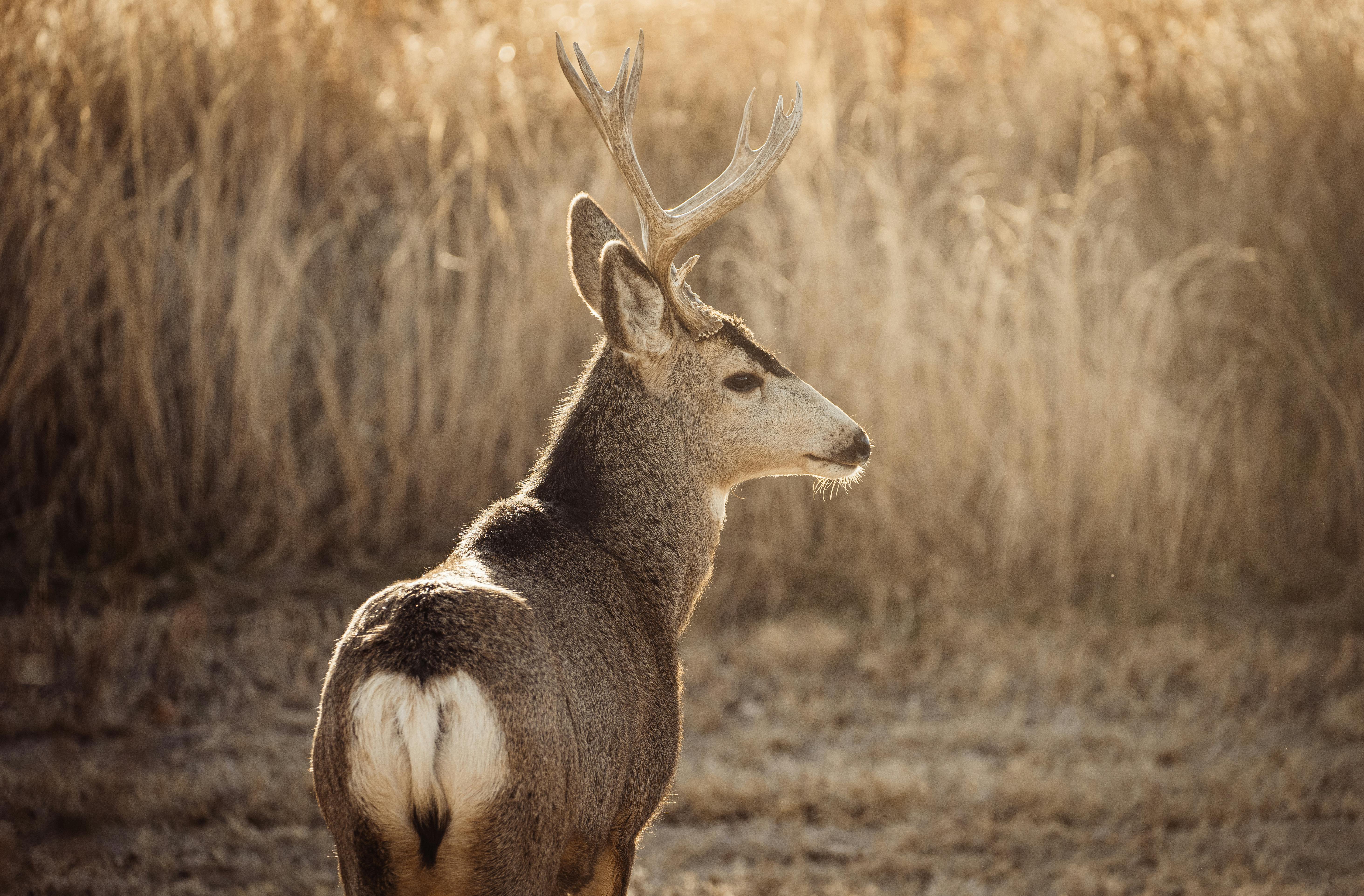
Mule deer management is entering a more cautious phase, especially in landscapes hammered by drought and severe winter swings. In 2026, agencies are showing less willingness to approve buck tags in units where habitat stress has clearly affected herd performance.
What makes this especially frustrating for hunters is that deer can still be visible on the ground while the population data tells a more worrying story. Fawn recruitment, winter survival, and forage conditions often matter more than a few encouraging sightings.
That disconnect is driving tighter approvals. Managers would rather absorb complaints now than risk pushing a recovering mule deer herd in the wrong direction for years.
Pronghorn Tags in Limited-Quota Units

Pronghorn tags can look abundant from a distance, but the most desirable limited-quota units are becoming much harder to draw in 2026. Drought, fence impacts, and patchy fawn survival have forced agencies to get more conservative in several high-demand areas.
At the same time, pronghorn remain one of the most appealing western hunts for newer applicants. That combination of broad interest and shrinking opportunity creates the kind of pressure that quickly clogs a draw system.
The result is a license category where headline numbers may seem stable, yet quality-unit approval odds keep slipping. Hunters are learning that not all antelope tags are created equal.
Wild Turkey Permits in Declining Regions
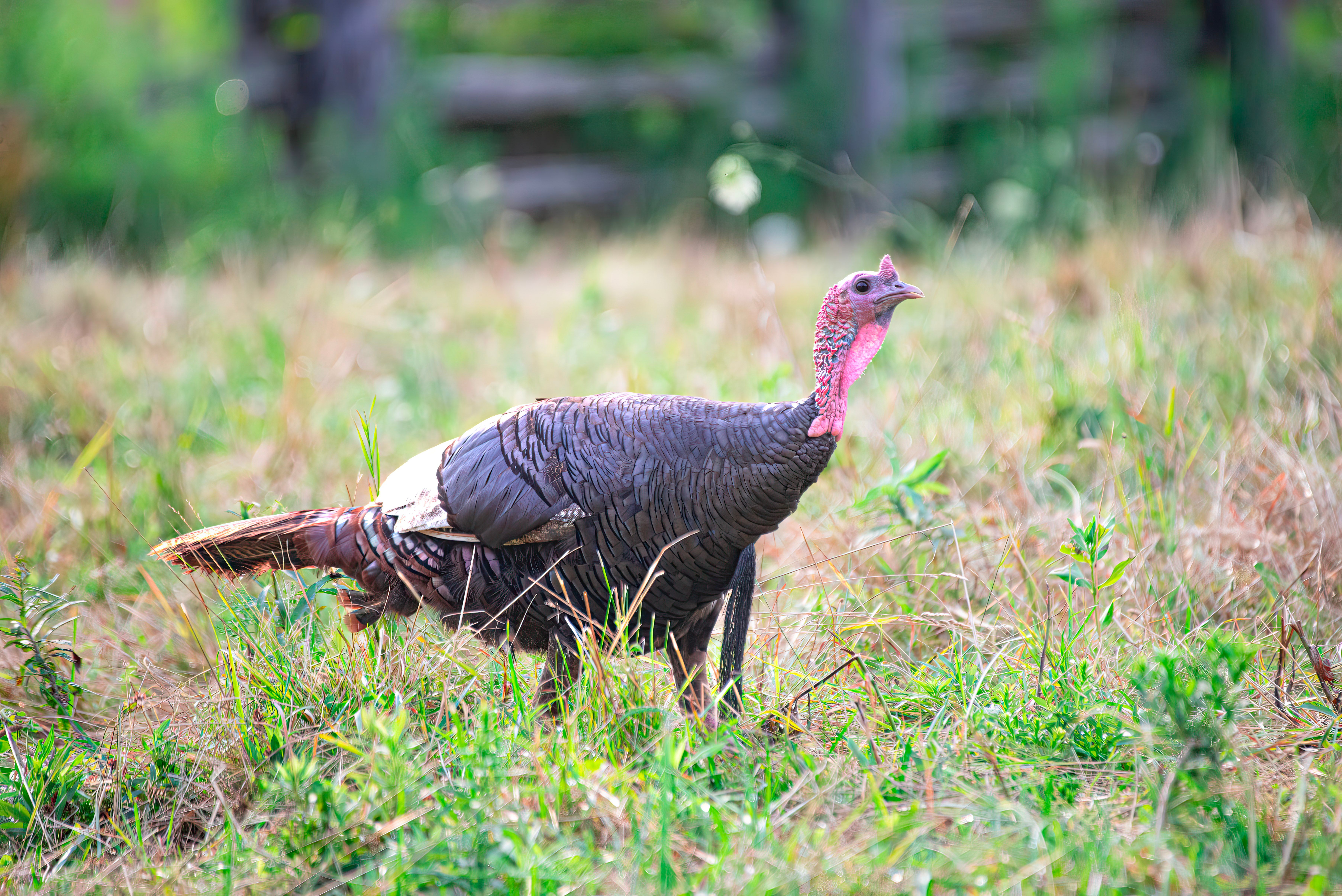
Turkey hunting still feels accessible in many areas, but permits are tightening where brood surveys and harvest trends point the wrong way. In 2026, some states are adjusting season structures and reducing approvals in response to weak reproduction and uneven regional recovery.
That can surprise hunters because wild turkeys remain highly visible in suburban edges and farm country. Yet wildlife managers are increasingly separating local abundance from broader population health.
The licensing changes reflect a preventive mindset. Rather than wait for steeper declines, agencies are trimming opportunities now, especially in zones where repeated poor hatches have raised red flags over several seasons.
Black Bear Tags in Conflict Zones
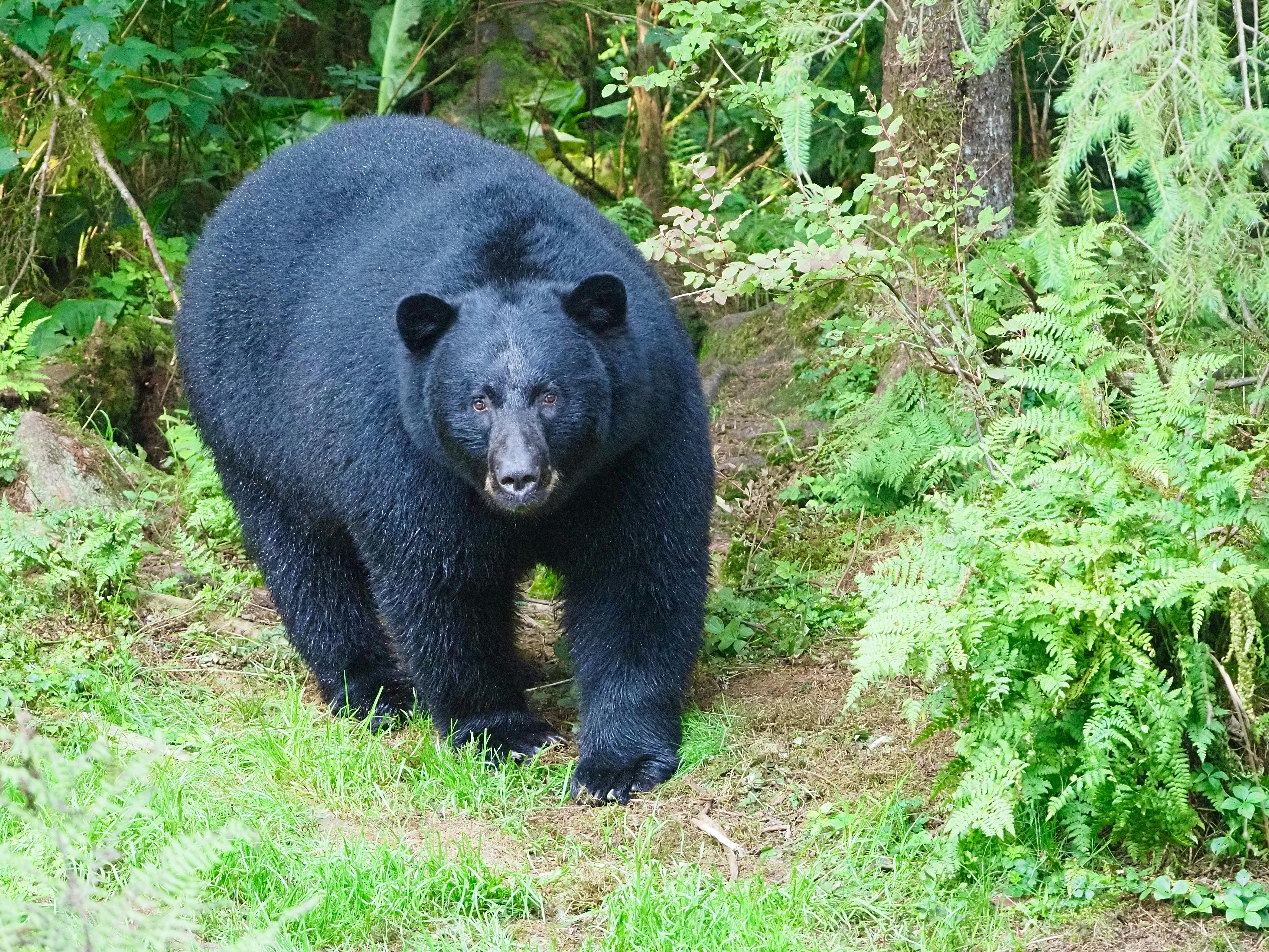
Black bear licenses are getting more complicated in places where bear numbers, human development, and public attitudes are colliding. In 2026, agencies are facing pressure to justify every hunt approval in regions where bear encounters are rising but support for hunting is mixed.
That creates a strange policy tension. Managers may view hunting as one tool for population balance, while local communities focus on optics, safety messaging, and nonlethal alternatives.
For applicants, that means more volatility in how permits are issued and defended. A black bear tag might still be available, but the regulatory path to getting one approved can be much less straightforward than it used to be.
Alligator Harvest Permits
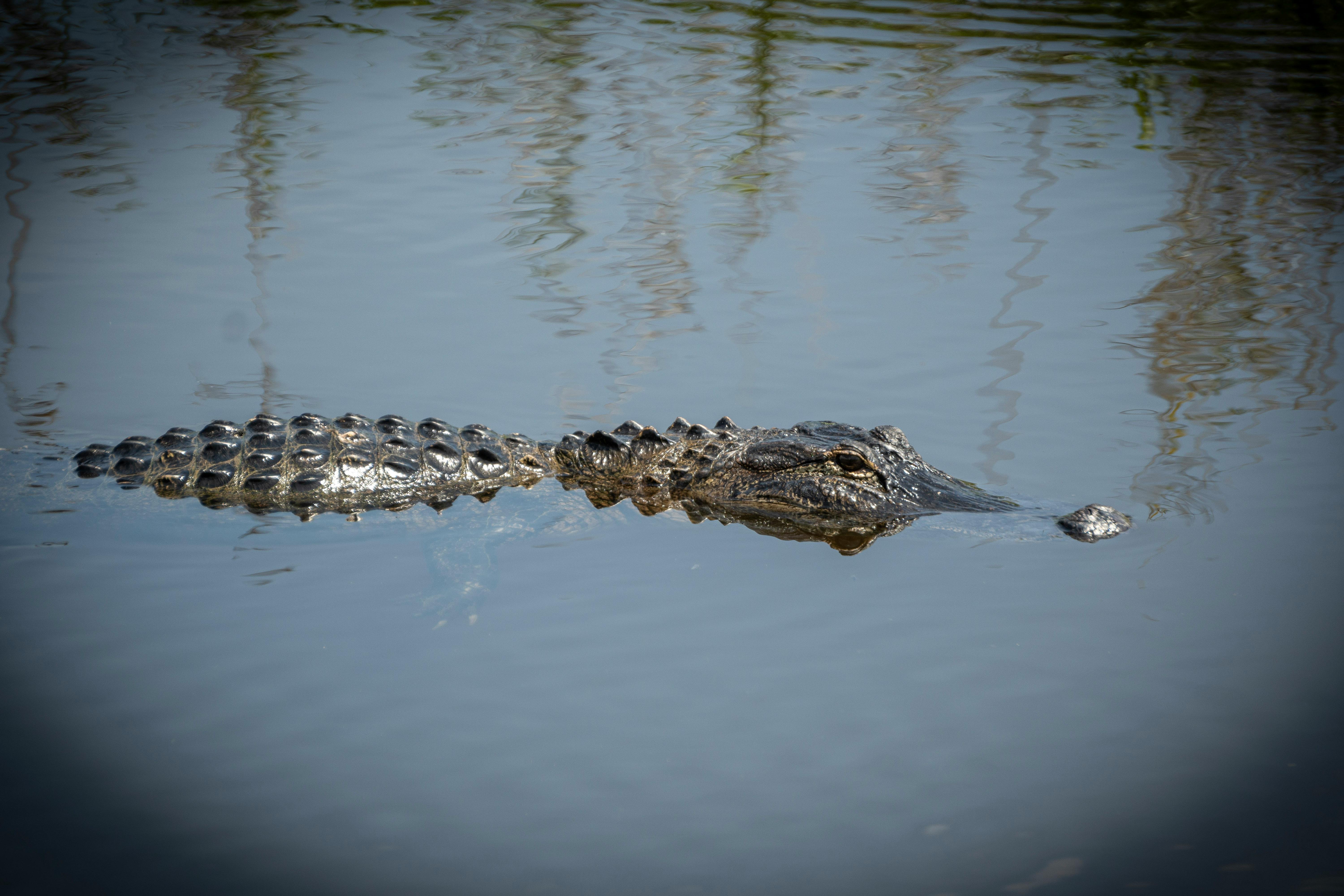
Alligator harvest permits remain highly sought after, and in 2026 they are getting tougher to approve in popular southern states. Part of that is simple demand, but agencies are also refining how they evaluate waterways, nuisance trends, and sustainable harvest pressure.
These permits sit at the intersection of recreation, safety, and conservation, which means every season is heavily watched. When environmental conditions shift or public concern rises, regulators tend to move cautiously.
That caution shows up in tighter quotas and more selective permit allocations. Hunters who once counted on a reasonable shot in the draw are increasingly facing the reality of a much steeper application hill.
Waterfowl Permits on Managed Refuges
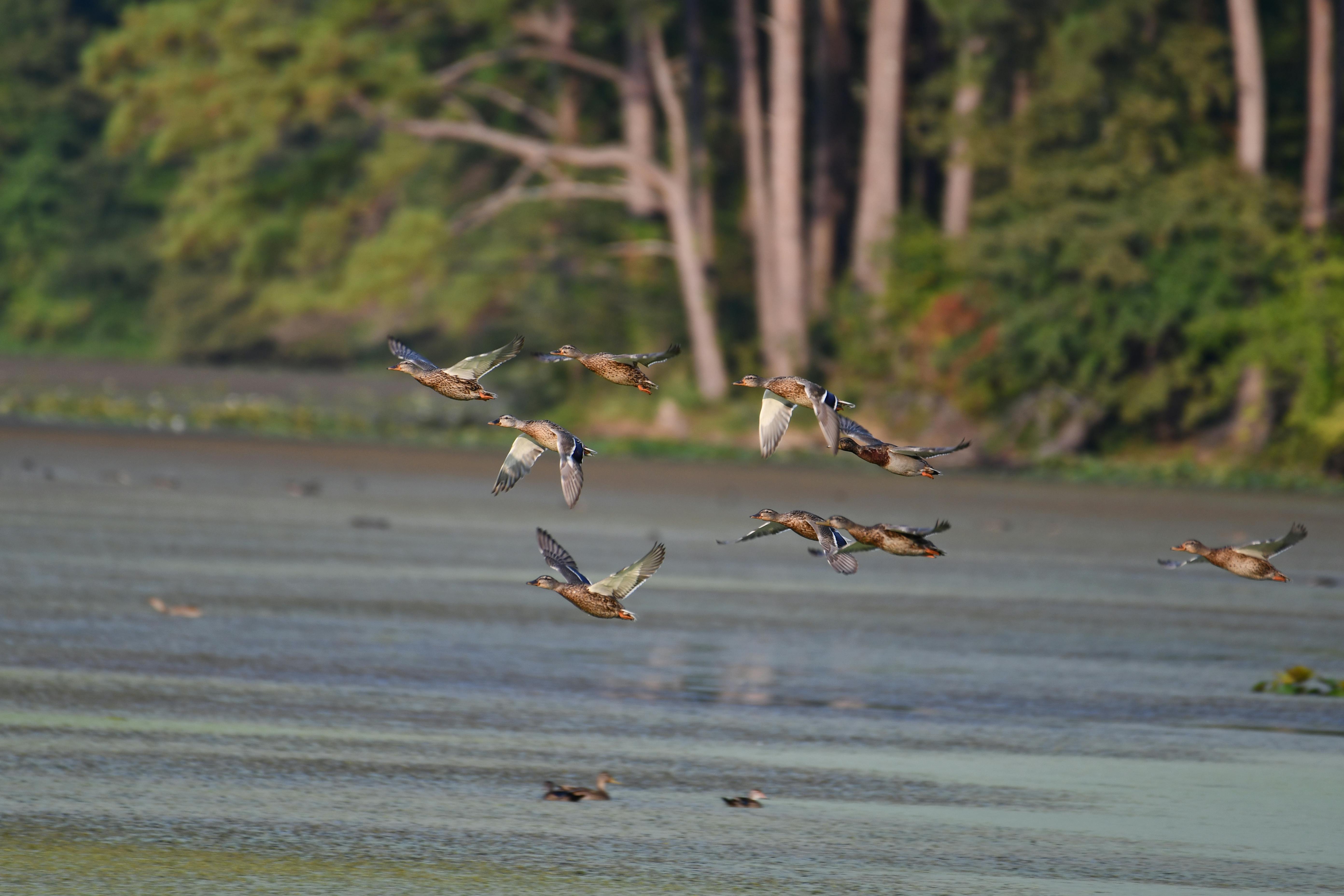
General duck and goose seasons may still offer broad access, but permits for top managed refuges are becoming far more competitive. In 2026, habitat variability, migration shifts, and crowd-control efforts are all pushing refuge systems toward tighter reservation and approval structures.
Hunters feel this most on public areas with a reputation for reliable birds. A few dry years, changing flight paths, or local habitat issues can make managers dramatically more protective of pressure levels.
So while waterfowling itself is hardly disappearing, premium access is getting harder to secure. The bottleneck is not only the birds. It is the limited number of well-managed places where success remains consistently attractive.