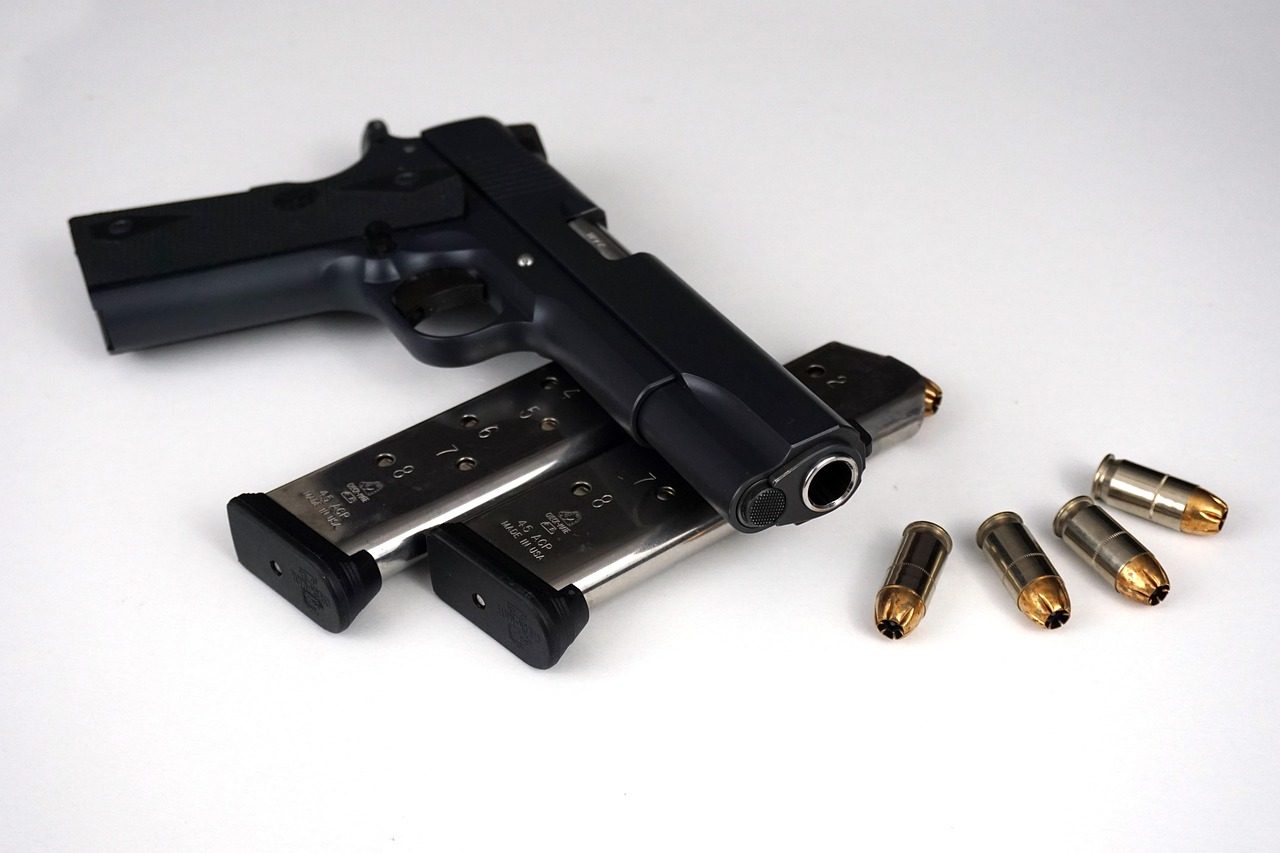
The .500 S&W Magnum has a reputation that arrives before the first shot does. It is huge, loud, expensive, and famously hard on both wrists and wallets, yet dedicated shooters still line up to own one. That contradiction is exactly what makes it fascinating: this is a cartridge built for extremes in a world where practicality usually wins.
It Was Built Around Maximum Power, Not Everyday Use
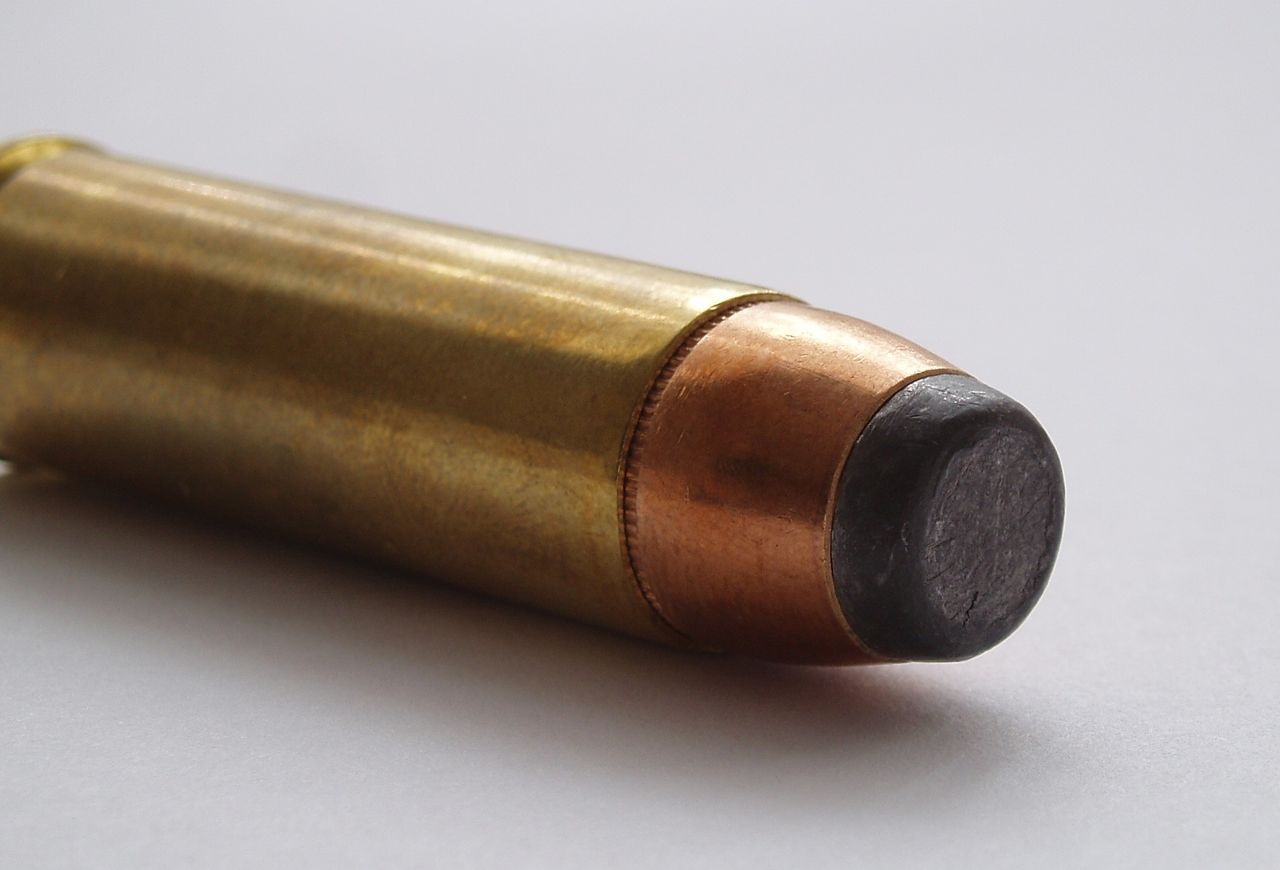
The .500 S&W Magnum was never meant to be a sensible, do-everything handgun round. From the start, it was engineered to push handgun power into territory that looked more like rifle performance than traditional revolver use.
That ambition gave it instant notoriety, but it also guaranteed compromise. A cartridge this large demands a massive revolver, heavy construction, and a shooter willing to deal with the consequences. For hunting or novelty, that can make sense. For routine range sessions, home defense, or general carry, it feels like bringing industrial equipment to solve a household problem.
The Recoil Is Famous for a Reason
Even experienced shooters tend to describe the recoil of a .500 S&W with a mix of respect and caution. It is not just a sharp snap or a simple push. Depending on the load, it can feel like the gun is trying to rotate skyward while driving straight back into your hands.
That makes technique matter more than ego. Grip, stance, and follow-through all become part of basic survival, and a long afternoon with full-power loads can leave hands sore and confidence humbled. Plenty of serious shooters enjoy that challenge, but very few would call it relaxing.
The Guns Chambered for It Are Enormous
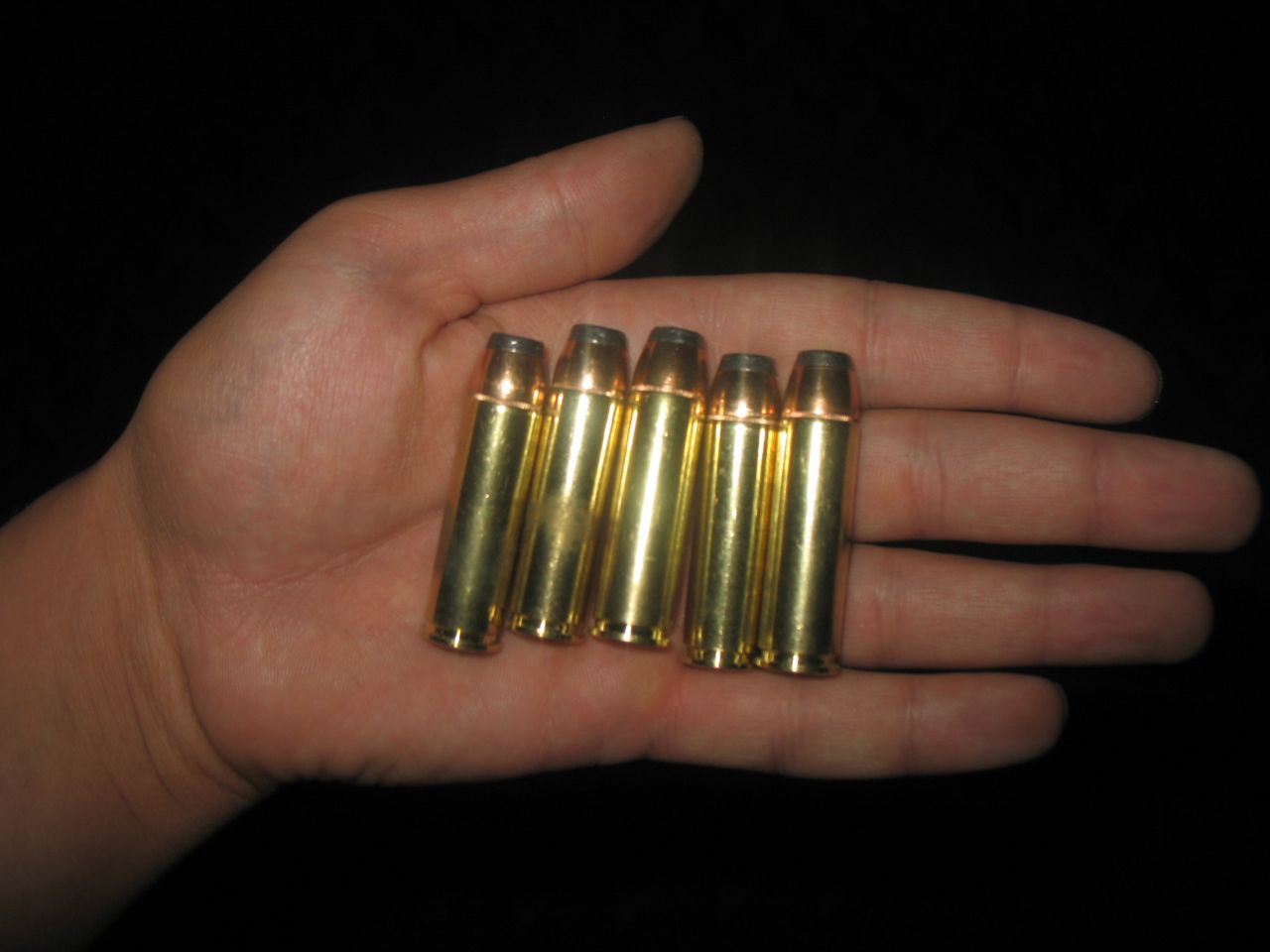
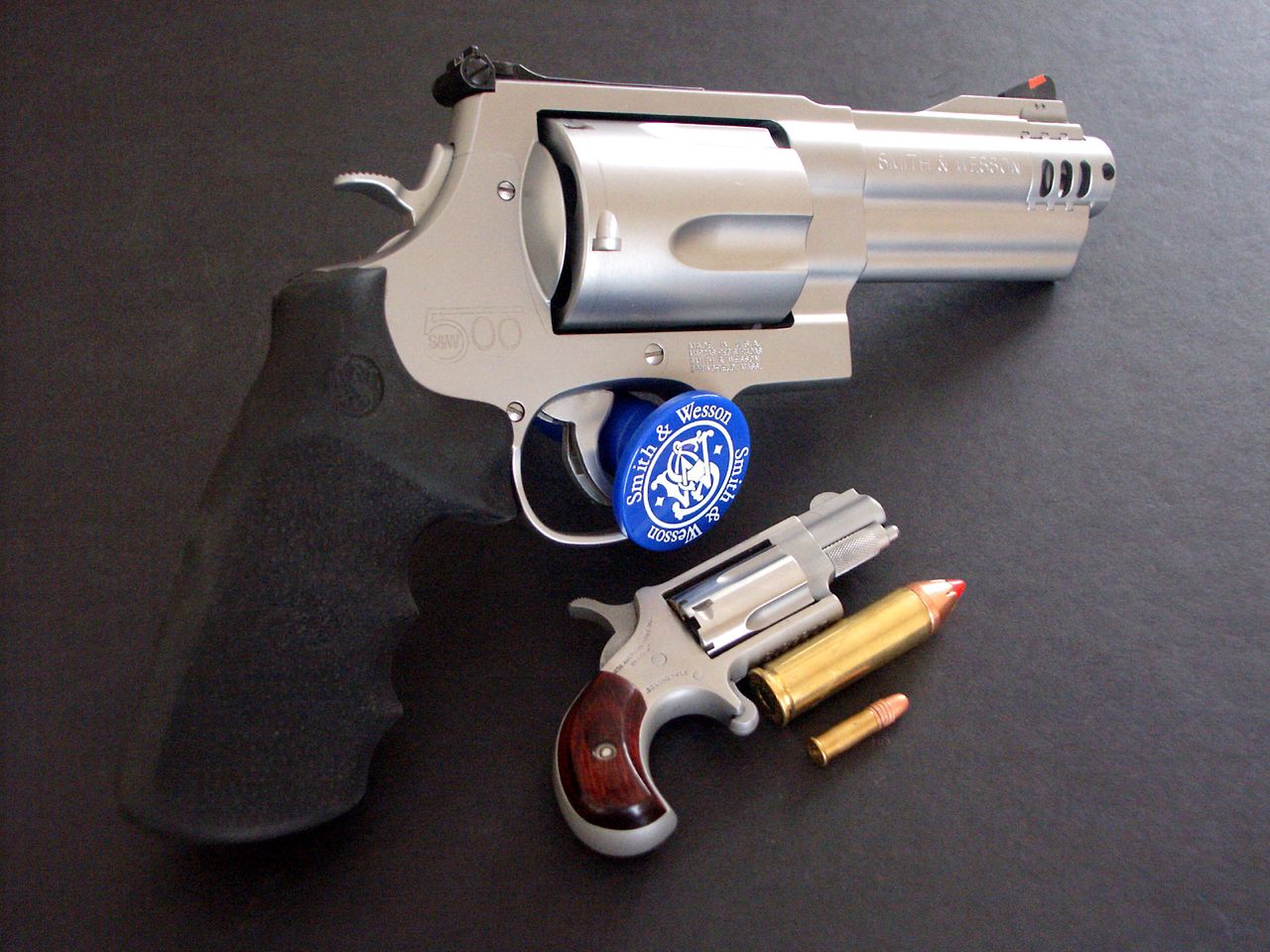
There is no hiding the size of a revolver built for .500 S&W. The frame has to be huge, the cylinder has to be long, and the overall package usually looks oversized even next to other magnum handguns.
That size helps manage pressure and recoil, but it creates a new problem: portability. These are not discreet belt guns for most people, and they are certainly not easy carry pieces. They can feel more like specialized field tools than sidearms. Serious shooters may appreciate the engineering, yet the sheer bulk is one of the clearest signs that practicality was never the main goal.
Ammo Prices Make Every Trigger Pull Feel Important
One reason many owners do not shoot their .500 S&W as often as they expected is painfully simple: ammunition is expensive. Even people comfortable paying magnum prices can be startled by how quickly a single box disappears, especially when each round carries such a premium.
That changes behavior at the range. Instead of casual practice, every cylinder can feel like a financial decision. Some shooters turn to handloading to reduce the sting, but factory ammunition remains a serious commitment. It is hard to call any cartridge practical when the cost of staying proficient discourages regular shooting in the first place.
Muzzle Blast Turns Heads Instantly
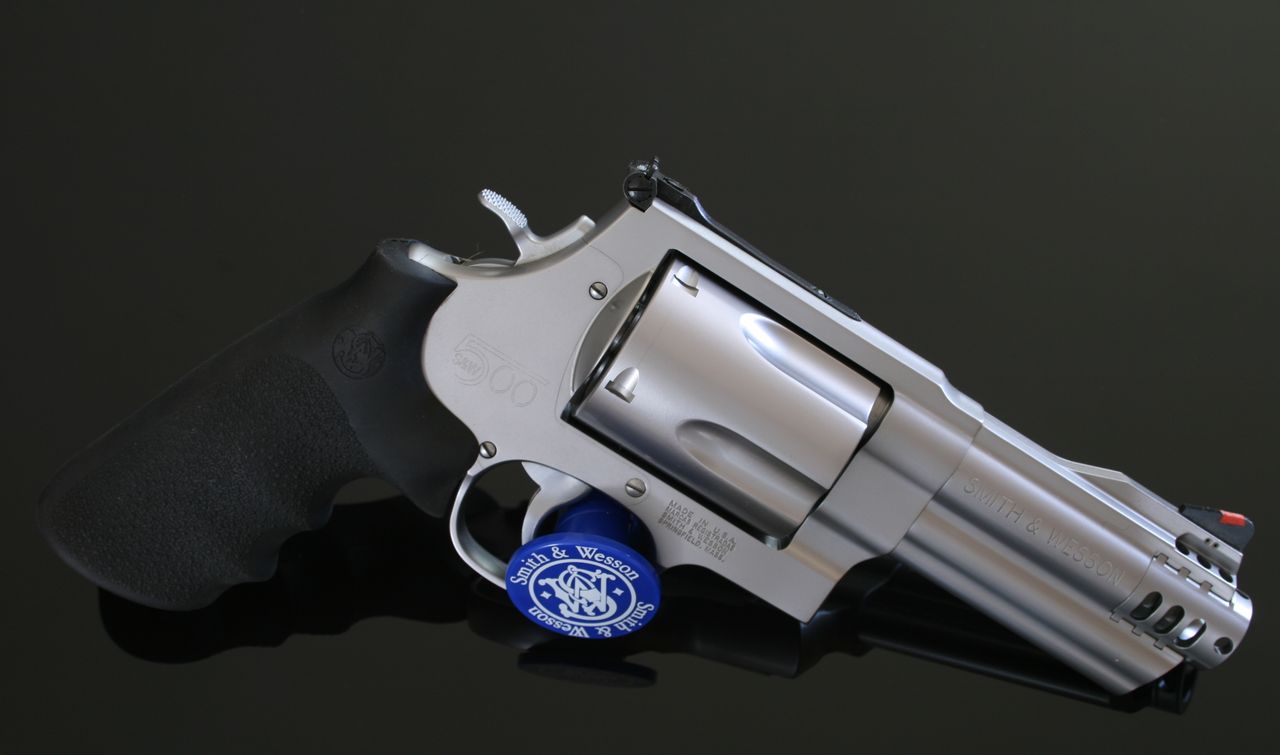
The .500 S&W does not simply make noise. It announces itself with concussion, flash, and the kind of blast that causes neighboring shooters to glance over even if they knew exactly what was coming. Its presence on a firing line is impossible to ignore.
That spectacle is part of the cartridge’s appeal, but it is also part of the inconvenience. Indoor ranges can make the effect feel even harsher, and extended sessions become fatiguing in ways that go beyond recoil alone. Owning one means accepting that every shot is an event, which is exciting right up until you want something less dramatic.
Most Shooters Will Never Need This Much Power
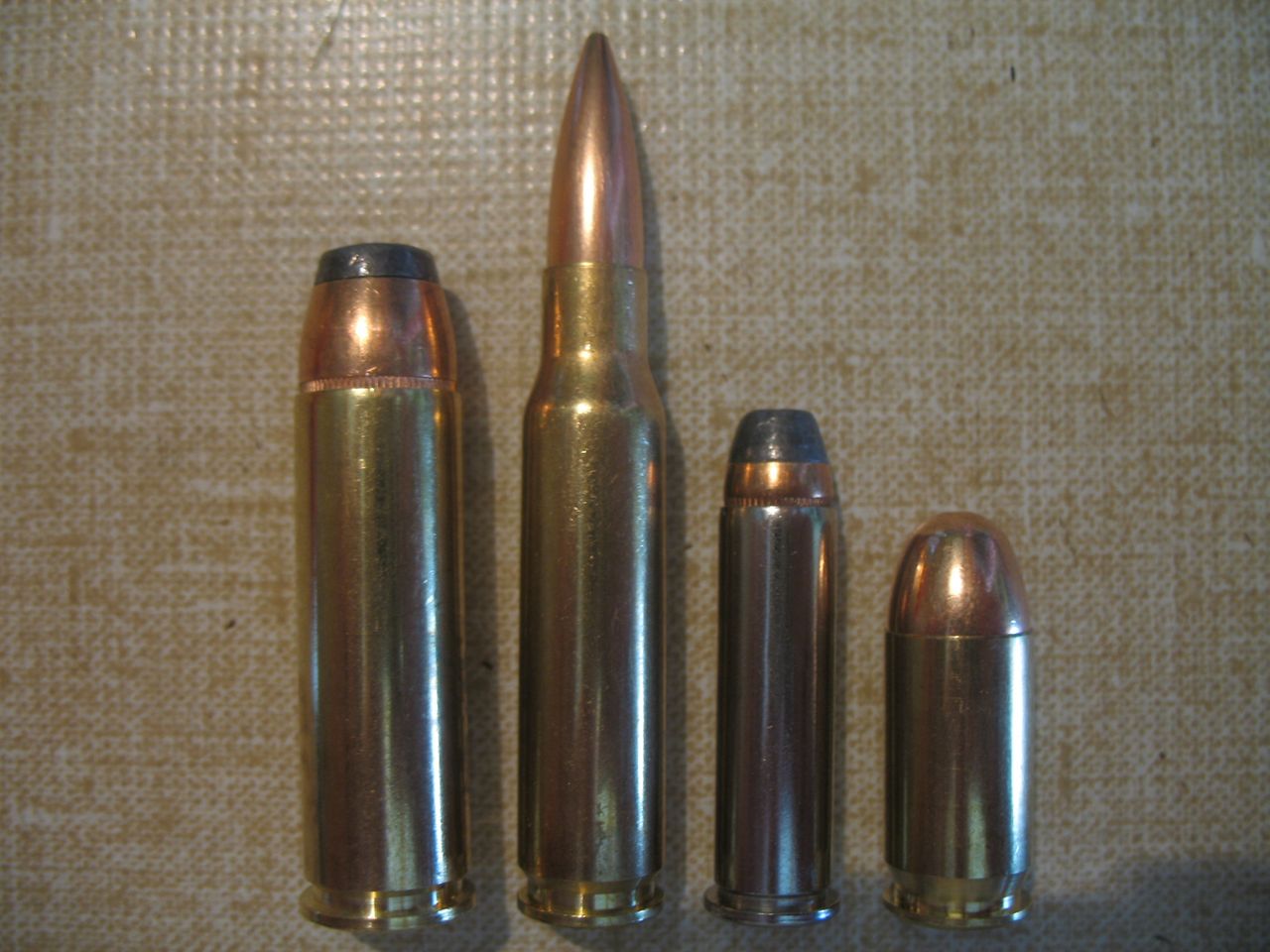
The truth behind the .500 S&W is that its capabilities exceed the real-world needs of most handgun owners by a very wide margin. For specialized handgun hunting or protection against large animals in remote country, it has a place. Outside that niche, its strengths become harder to justify.
That mismatch is what makes it so impractical. For target work, milder revolver rounds are easier and cheaper. For defense, smaller calibers are faster and more controllable. For carry, the gun’s size becomes a deal breaker. Serious shooters know all of that, and many buy it anyway because need was never the point.
It Demands Commitment From the Shooter

A .500 S&W is not the kind of handgun most people can pick up and master casually. It asks for disciplined practice, careful handling, and an honest understanding of your limits. Flinching, anticipation, and poor grip are magnified quickly when the cartridge is this forceful.
That can make it oddly rewarding for dedicated enthusiasts. There is satisfaction in learning to shoot a difficult gun well, and some serious revolver fans enjoy precisely that steep learning curve. Still, any platform that requires this much physical and mental buy-in is living far outside the boundaries of everyday practicality.
Its Real Appeal Is the Experience, Not the Logic
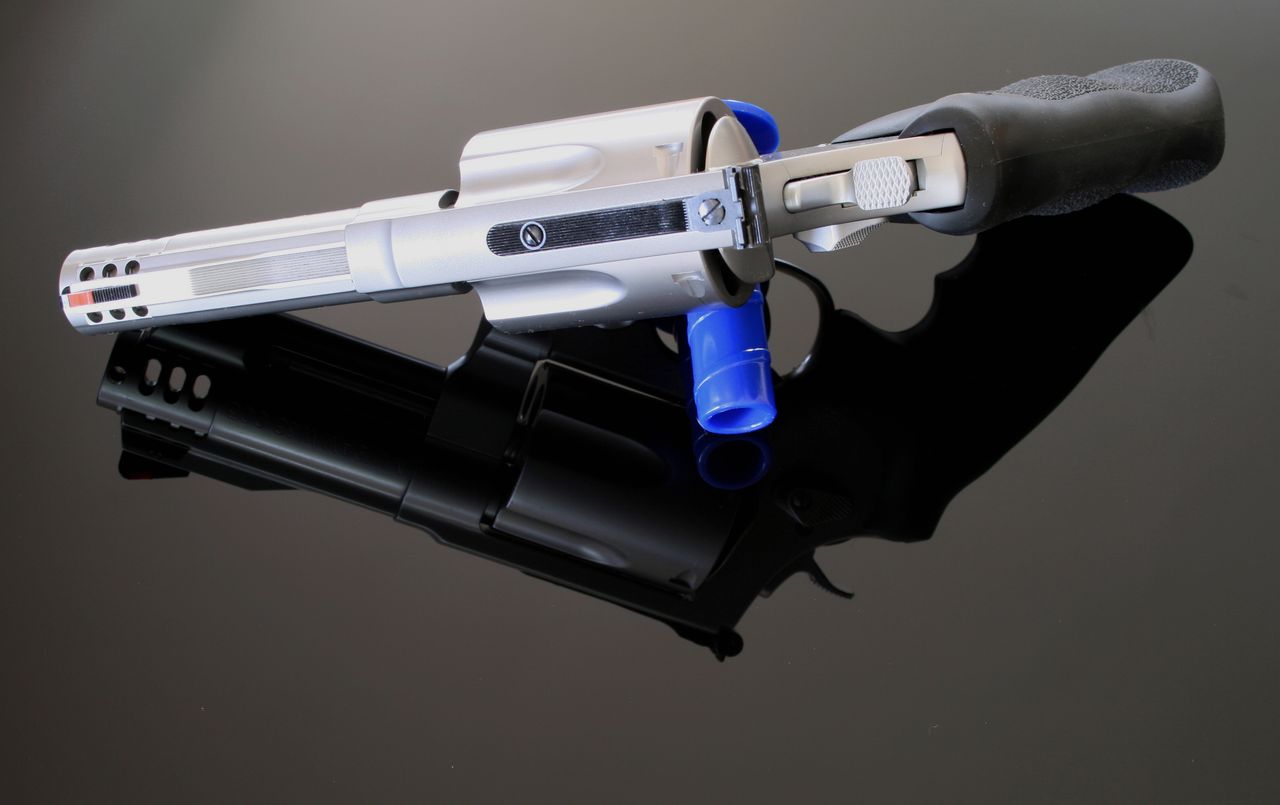
In the end, the .500 S&W keeps selling because logic is only part of why people buy firearms. Some shooters want history, some want utility, and some want the unforgettable feeling of handling one of the most extreme production handgun cartridges ever offered.
That is why the round survives every practical objection thrown at it. It is too big, too costly, too punishing, and too specialized for mainstream use, yet none of those criticisms fully matter. For a certain kind of serious shooter, owning a .500 S&W is about curiosity, ambition, and pure mechanical theater, and practicality never had much chance against that.