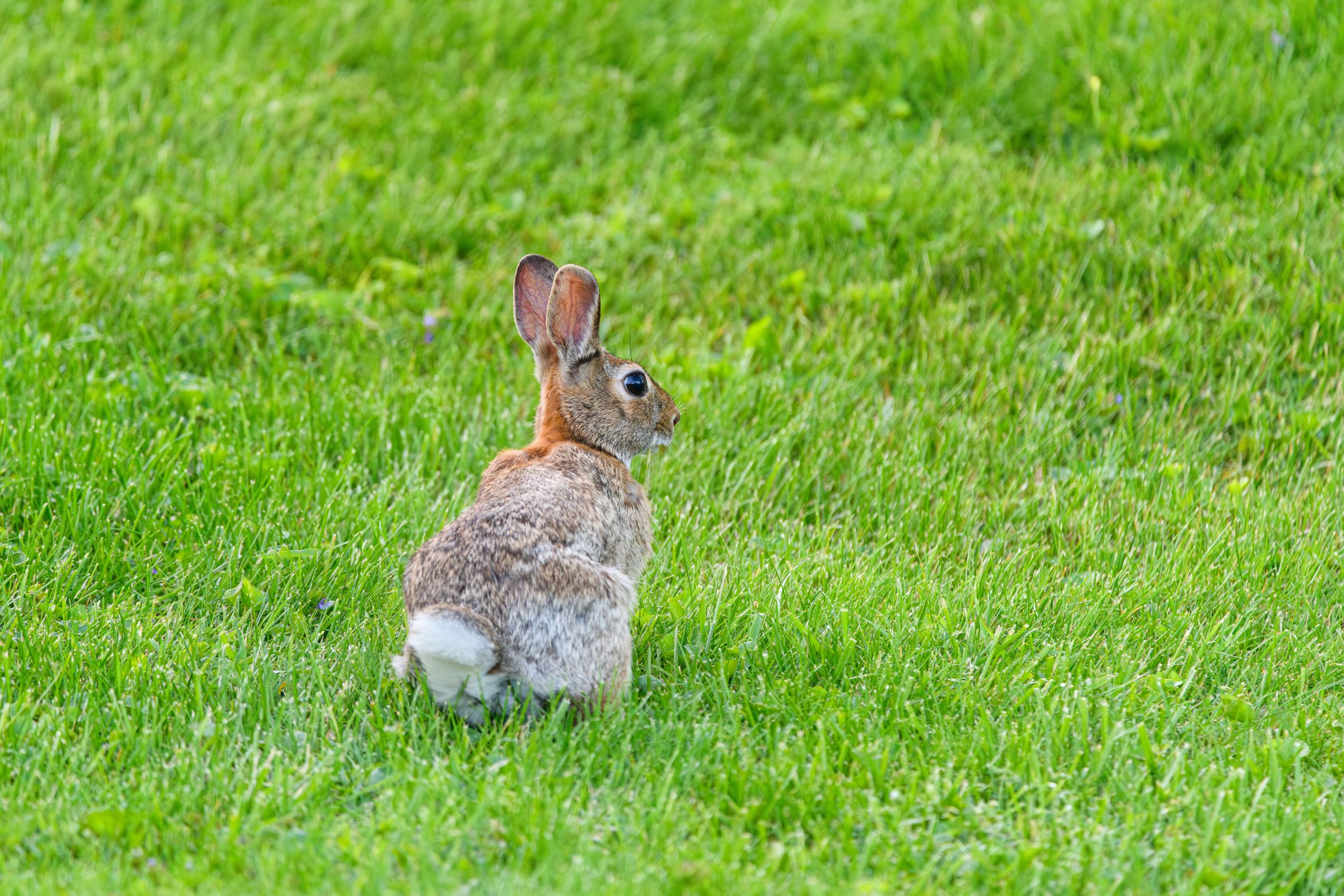
Rabbit hunting is often overlooked by people who are curious about hunting but unsure where to begin. That is a shame because small-game hunting can provide a practical introduction to many of the skills that matter in the field. It can be accessible, active, and relatively simple while still demanding patience, observation, and responsible decision-making. For beginners, the experience is less about chasing a trophy and more about learning how wildlife, habitat, regulations, and outdoor conditions all fit together.
1. The Learning Curve Is Surprisingly Gentle

Rabbit hunting offers beginners a manageable way to learn the basics without immediately dealing with the scale of a big-game hunt. A new hunter can practice 4 core skills in one outing: reading habitat, moving quietly, identifying legal game, and making safe decisions. Rabbits often live around brush, field edges, briars, and young woodland, so the signs can be easier to understand. The experience also teaches patience because a hunter may walk several likely spots before seeing anything. Those simple lessons build confidence quickly. That makes it a practical first step.
2. You Can Hunt Close to Home
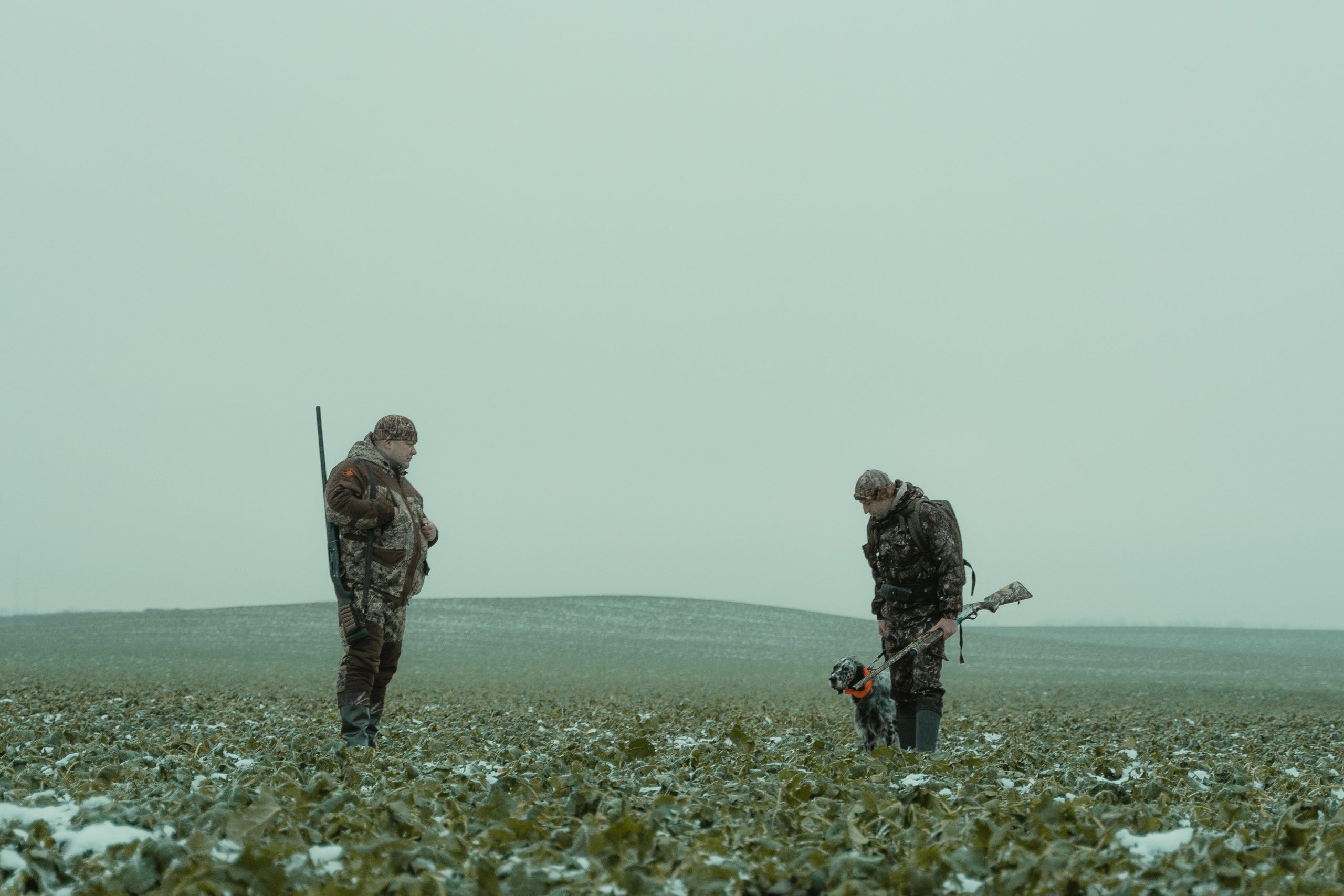
One major advantage is access. Rabbit habitat can occur around farms, hedgerows, brushy margins, and small woodlots rather than only in remote public forests. A beginner who lives within 30 miles of suitable habitat may have several possible areas to investigate, although permission and local regulations always matter. Short trips also make it easier to learn gradually. Instead of planning a full weekend expedition, a new hunter can spend 2 or 3 hours scouting and hunting, then return home and think about what worked. That flexibility can lower the cost and time barrier for newcomers.
3. The Gear List Can Stay Simple
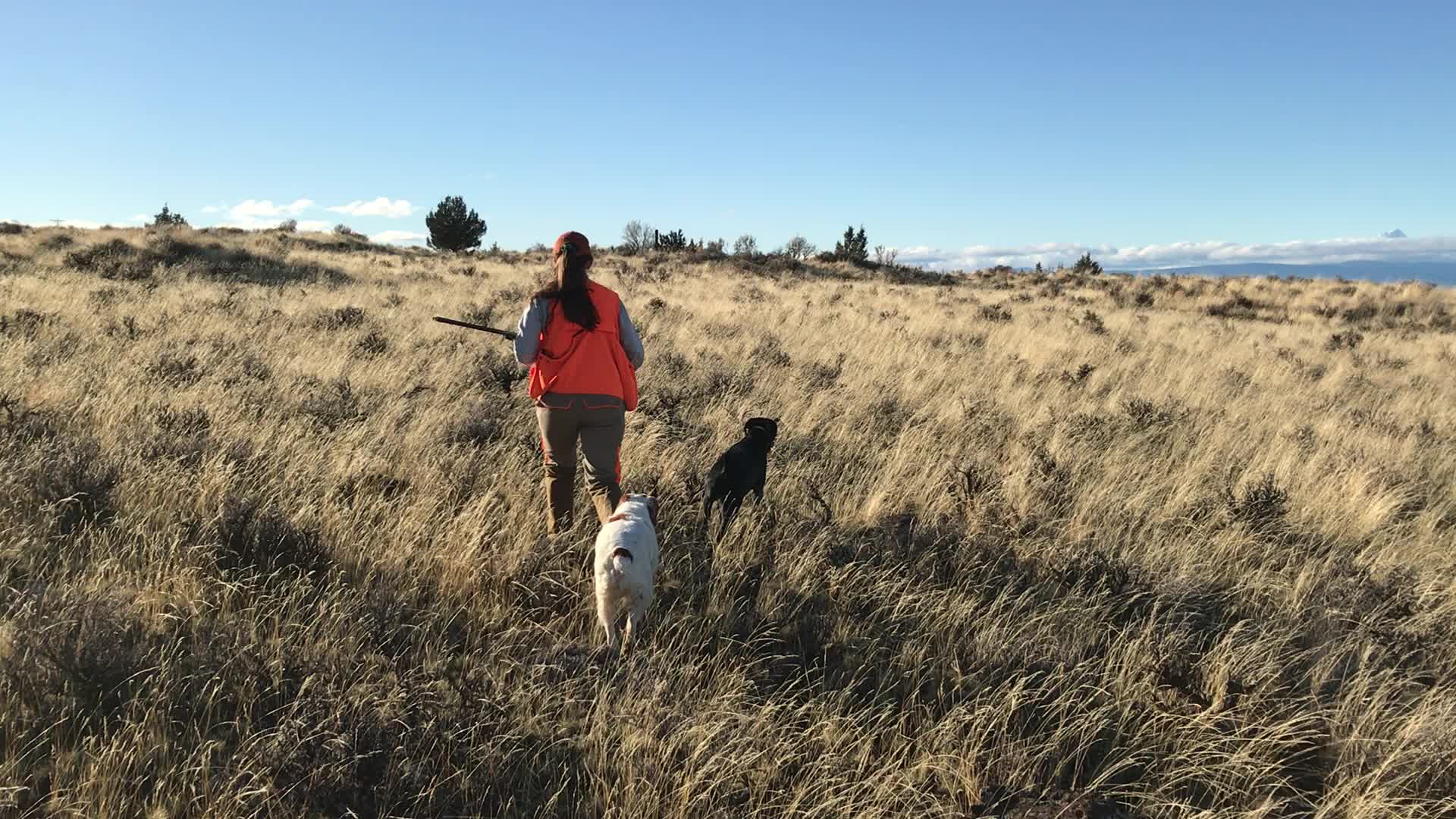
Rabbit hunting does not require a giant collection of specialized equipment, which can make the first season less intimidating. A beginner can focus on 5 essentials: legal hunting clothing, sturdy footwear, eye protection, a small game license where required, and an appropriate legal firearm or other permitted method. A blaze-orange requirement may also apply depending on the location and season. Keeping the setup simple lets beginners concentrate on safe handling, movement, habitat, and identification instead of worrying about buying 15 pieces of gear before their first outing.
4. Rabbits Teach You to Read Habitat
Learning where rabbits spend time is one of the most useful skills a beginner can develop. They commonly favor places offering both cover and food, including brush piles, briars, overgrown field edges, and dense vegetation. A hunter who examines 3 features at once — cover, nearby food, and escape routes — starts thinking like a small-game hunter rather than simply walking through the woods. This skill transfers well to other pursuits because wildlife rarely chooses habitat at random. Understanding why an animal uses an area makes future scouting more productive.
5. The Walk Itself Builds Field Skills

Rabbit hunting naturally turns a simple walk into a practical lesson in the outdoors. Moving through uneven ground encourages beginners to watch their footing, control their pace, and stay aware of what is around them. During a 2-hour hunt, they may notice tracks, feeding areas, trails, droppings, birds, and changing vegetation. Those observations matter because hunting is not only about seeing game. It is also about understanding an environment. The more carefully a beginner reads those small details, the better prepared they become for longer and more demanding hunts.
6. It Rewards Patience Without Feeling Slow

Rabbit hunting can teach patience in a way that feels active rather than repetitive. A hunter may cover several hundred yards of habitat, pause at thick cover, and carefully work likely areas before getting a chance. That rhythm helps beginners understand that wildlife encounters are unpredictable. Even when a hunt produces no rabbit, 1 outing can still reveal useful information about tracks, cover, weather, and animal movement. Learning to accept an empty game bag without becoming frustrated is an important part of becoming a responsible hunter, and rabbit hunting provides plenty of practice.
7. It Can Become a Social First Hunt
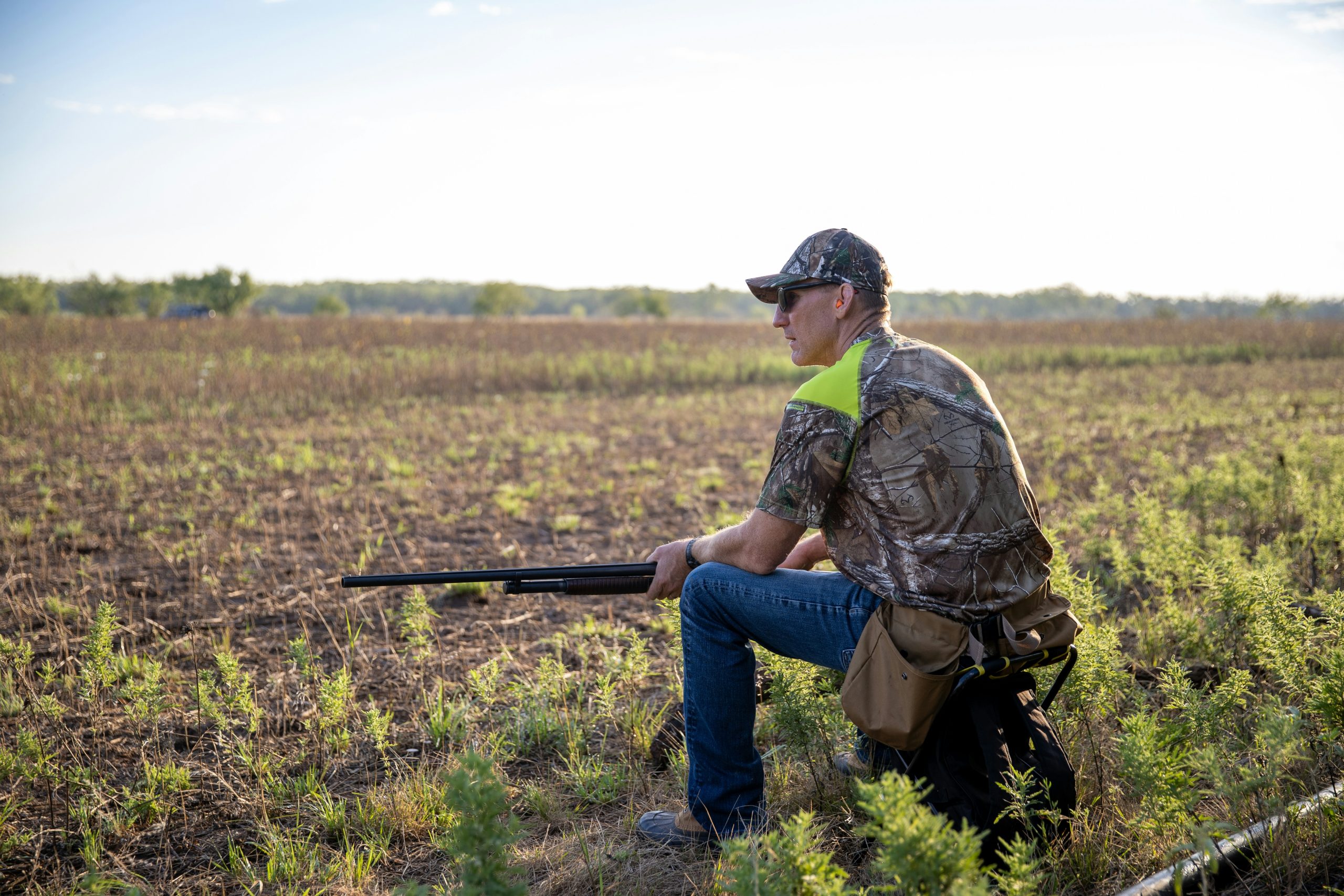
Rabbit hunting is also well suited to learning with an experienced partner. A mentor can explain safety rules, local regulations, habitat clues, and ethical decisions while the beginner gains real field experience. A group of 2 people can also make the outing more engaging without requiring a large hunting party. For families or friends, the activity can become a shared tradition built around walking, scouting, and learning rather than trophies. That social side matters because many new hunters stay involved when their first few outings feel welcoming, practical, and enjoyable.
8. Success Can Lead to Bigger Adventures
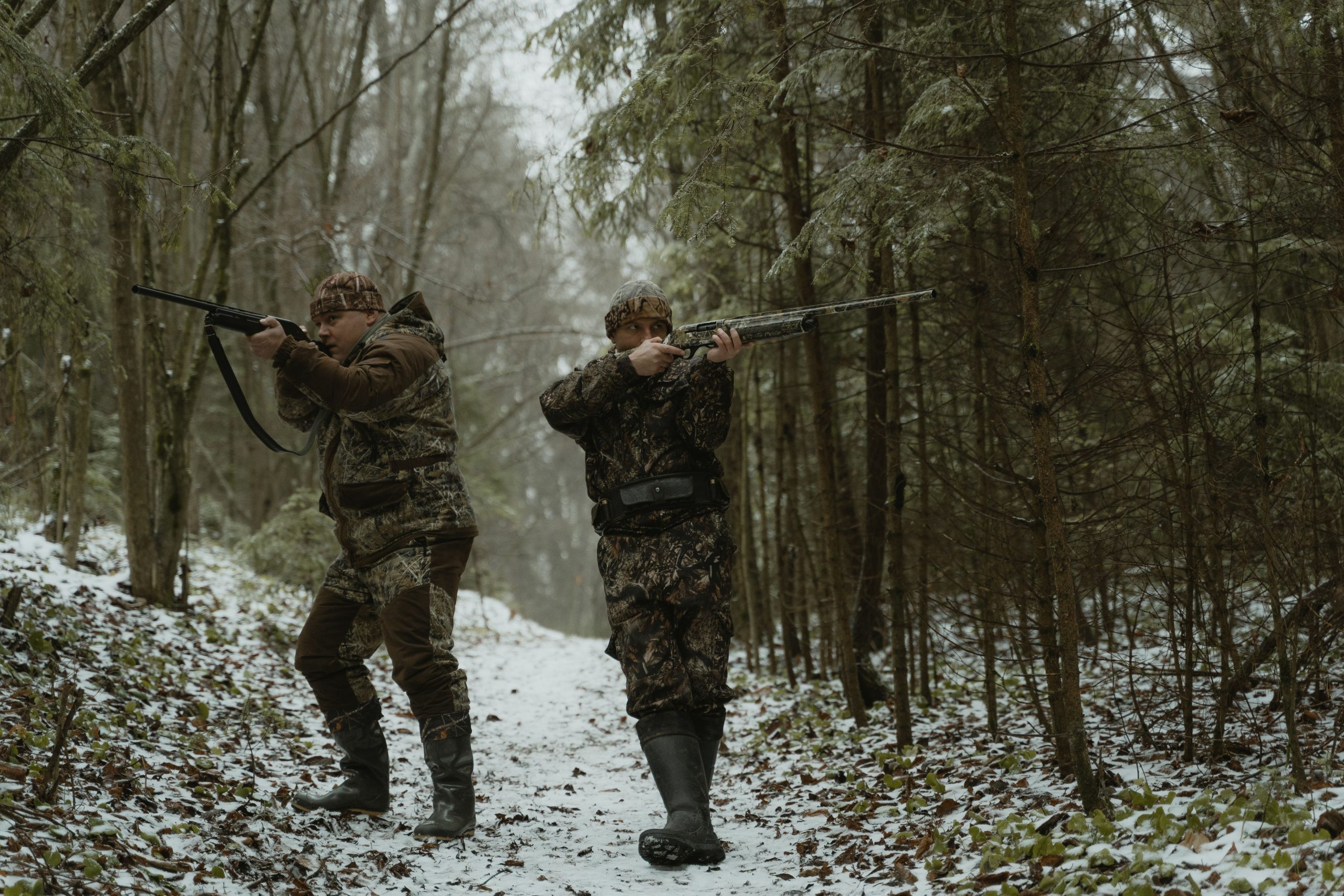
Rabbit hunting can serve as a foundation for broader hunting interests because many lessons carry forward. After 1 or 2 seasons, a beginner may feel more comfortable with scouting, regulations, weather, field etiquette, and safe equipment handling. Those skills can support future pursuits such as squirrel, upland bird, or other small-game hunting where legal. The important point is that rabbit hunting does not demand that a newcomer know everything on day one. It creates repeated opportunities to learn, make better observations, and gradually become a capable and responsible outdoorsperson.