A lot of collector guns are genuinely special. A surprising number, though, are just expensive because enough people keep repeating that they should be.
The biggest mistake: treating “old” like it automatically means “rare.”
The collector gun market has always rewarded true rarity, documented provenance, and exceptional original condition. What gets people into trouble is assuming age alone does the job. A 1950s or 1960s firearm can be desirable, but if it was made in huge numbers and survives in healthy quantities, it is not automatically scarce just because it is no longer in production.
That is why so many ordinary Winchester Model 94s, M1 Carbines, and postwar commercial .22s get priced like museum pieces. The Winchester name carries enormous emotional weight, and GunBroker data has shown that Winchester remains a dominant force in the used market. But dominance in the resale market is not the same as genuine rarity. A common configuration with finish wear and no special provenance is still a common configuration.
Even Winchester collectors say the quiet part out loud about commemoratives and mass-market variants. Winchester Collector notes that commemoratives were produced in relatively large numbers and that their rarity is far lower than that of original antique Winchesters. That matters because many buyers still see engraving, special markings, or a presentation-style box and assume they are looking at a future grail rather than a mass-produced nostalgia product.
The same inflation happens when sellers borrow the halo of exceptional auction pieces. Rock Island Auction’s headline sales are real, and in 2024, it posted multimillion-dollar sporting and collector auctions with standout rarities bringing huge results. But those are exceptional guns, not proof that every average example sitting on a local rack should be tagged at premium-auction levels.
M1 Garands and M1 Carbines are great collectibles, but average examples get stretched hard.
Few American military rifles inspire more romance than the M1 Garand, and that romance has become a pricing engine of its own. The Civilian Marksmanship Program has long shaped the Garand market, and coverage in Guns.com and NRA Shooting Sports Journal highlighted both continuing demand and the arrival of brand-new CMP-associated Garands. That kind of attention reinforces the idea that every Garand is now a blue-chip collectible.
The problem is that collectors often flatten the differences that matter most. A documented, correct, original World War II rifle is one thing. A mixmaster rebuilt through decades of arsenal work, fitted with later parts and a replacement barrel, is another. Both are historically interesting, but they are not equally scarce, and they should not be priced as if they are.
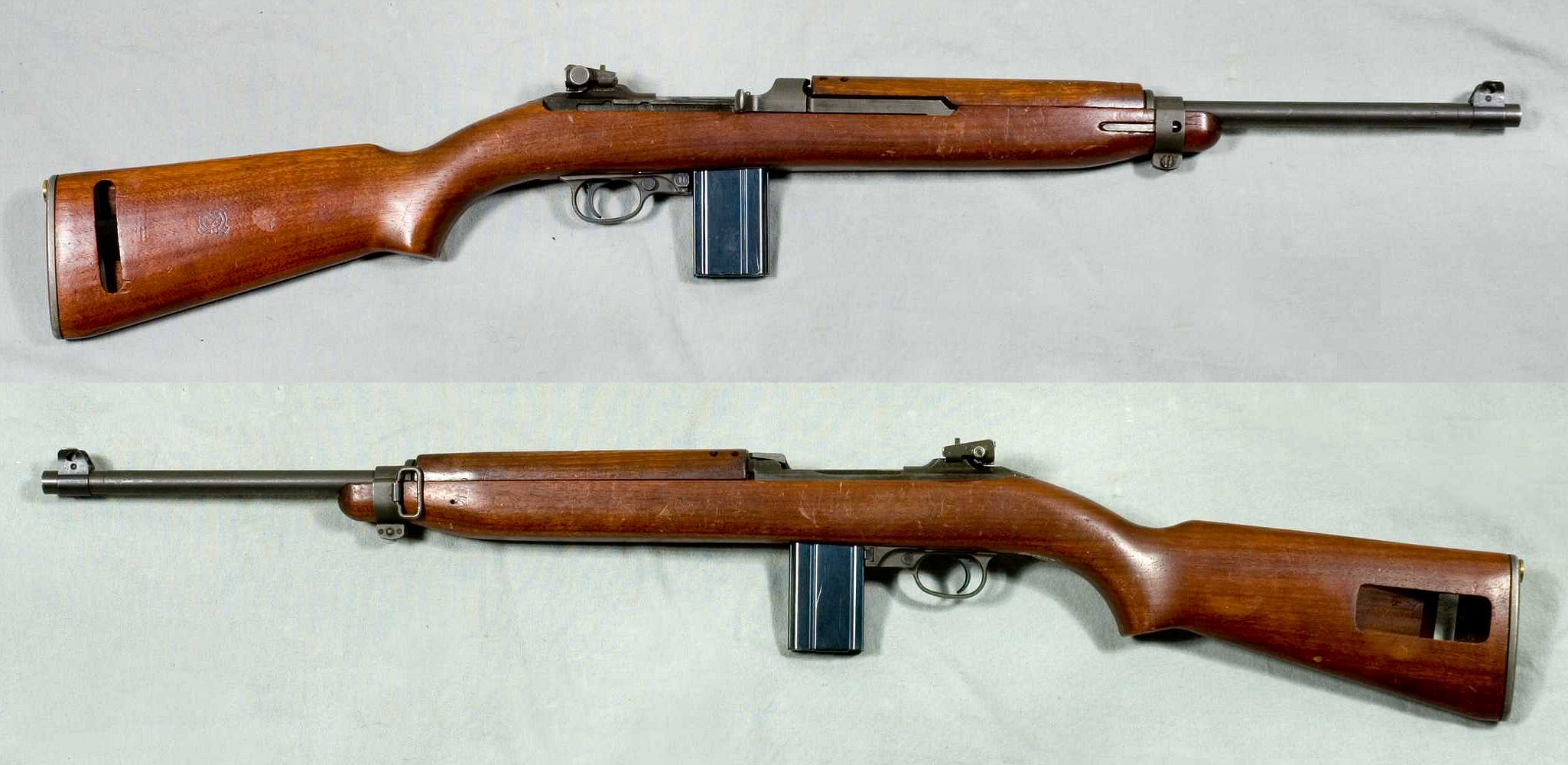
The M1 Carbine suffers from a similar distortion. Originality, maker, import marks, rebuild status, and configuration all matter, yet many sellers reduce the whole conversation to “it’s a U.S. carbine.” That broad-brush pricing ignores the fact that a lot of carbines on the secondary market are rebuilt shooters rather than pristine collector-grade examples.
This is where overvaluation becomes self-reinforcing. Buyers see elevated asking prices, assume the market has permanently reset, and repeat those prices in future listings. In reality, the premium often belongs only to the best, best-documented rifles. The average Garand or Carbine is still collectible, but not everyone deserves a price tag inflated by nostalgia, patriotic symbolism, and fear that supply has vanished forever.
Colt Pythons prove that a famous name can make people stop thinking clearly.

The Colt Python is a legitimately important revolver. It has craftsmanship, prestige, visual drama, and a long reputation for hand-fitted quality. Rock Island Auction has tracked strong Python trends, and market guides continue to show real premiums for original-production examples, especially rare barrel lengths, mint condition, or boxed guns with papers. None of that is imaginary.
Where people go off the rails is in how broadly they apply the Python premium. Once a gun becomes culturally anointed, owners start believing every specimen is elite. A rough revolver with finish loss, replacement grips, timing concerns, or no box somehow gets discussed like a collector centerpiece simply because the sideplate says Colt and the barrel says Python.
The reintroduction of the Python sharpened this confusion instead of calming it. Current-production Pythons created a lower-priced path into the name, while originals retained collector cachet. That should have made the categories clearer. Instead, it encouraged some sellers to use the prestige of high-end vintage examples to justify ambitious pricing across the board, even on very ordinary originals.
In practice, the market still distinguishes. Some value guides place average-condition original Pythons in a much more grounded range than the breathless talk would suggest, while rare examples and special configurations run far higher. That is exactly the point. Python is not overrated as a model. It is overvalued whenever buyers forget that condition, originality, and exact variation matter more than mythology.
Commemorative rifles are where sentiment routinely outruns scarcity
If you want to find the collector category most likely to disappoint people financially, start with commemoratives. Winchester made a huge variety of them, and they look the part: fancy roll marks, attractive finishes, historical themes, presentation boxes, and just enough ceremonial flair to make owners feel they are safeguarding an heirloom. Sometimes they do hold value respectably. Often, they do not behave like true rarities.
The NRA Museums’ valuation guidance makes a blunt point: to bring top value, a commemorative generally needs to be unfired, complete with original box and papers, and factory-produced rather than later embellished. Even then, condition and completeness do not magically create scarcity. They simply preserve whatever value the market is willing to assign to an item that may have been made in large numbers from the beginning.
Winchester Collector is even more direct, noting that many commemoratives were produced in relatively large quantities. That production reality is why so many owners are shocked when a rifle they carefully stored for decades brings only modest money compared with a truly scarce standard-production antique Winchester in honest original condition.
This is the classic collector trap: confusion between ceremonial appearance and real rarity. A commemorative can be handsome, historically themed, and fun to own. But if thousands were made and many were never fired, the pool of high-condition survivors is naturally large. That limits upside. Buyers paying true-rarity money for mass-produced commemoratives are usually buying a feeling, not a scarce asset.
Nostalgia guns like the Remington Nylon 66 and Marlin 39A can get overheated fast.

Some overvalued guns are not fancy at all. They are memory machines. The Remington Nylon 66 is a perfect example. It is a fascinating rifle with genuine design significance, and it earned a loyal following because it was light, reliable, and unlike anything else on the rack. But collector heat around nostalgic .22s often outruns the underlying case for rarity, especially on common examples.
That does not mean these rifles are worthless or uninteresting. It means buyers can start paying premium money for guns whose main credential is that a lot of people remember them fondly. The secondary market is full of cases where “my grandfather had one” becomes a stronger pricing force than production numbers, exact variant, or condition relative to similar survivors.
The Marlin 39A shows how this works at a slightly higher level. It is a superb rifle with real quality and a dedicated following, especially for earlier JM-marked examples. But once a model becomes shorthand for “they don’t make them like this anymore,” prices can float upward even for ordinary rifles that are desirable as shooters more than truly scarce collectibles.
Nostalgia absolutely has monetary value. It just should not be mistaken for scarcity. A clean, early, special-variant Nylon 66 or an especially desirable 39A may deserve collector attention. A beat-up common example priced like a boutique investment usually does not. Sentiment is powerful, but it is also one of the easiest forces for sellers to exploit.
What actually separates a smart collector buy from an overpriced one
The first question serious buyers ask is not “Is this old?” It is “What exactly is this?” Maker, production period, configuration, finish originality, matching parts, import marks, factory letters, box, papers, and documented history all change the answer. The more a seller relies on broad labels like rare, collectible, or investment-grade without hard details, the more cautious you should become.
Auction headlines also need context. Rock Island’s own materials make clear that exceptional condition and rarity drive standout results, and its pricing discussions include the buyer’s premium because that reflects what collectors actually paid. But that still does not make every local listing equivalent to a premier-auction gun. In fact, average guns are often dragged upward by attention generated at the very top of the market.
Another smart rule is to separate the collector value from the shooter value. Many overvalued firearms are perfectly good guns. They are just not especially rare ones. If you want a Winchester 94, M1 Garand, M1 Carbine, Python, 39A, or Nylon 66 because you love it, that can be a fine purchase. Trouble starts when buyers confuse personal desire with objective scarcity.
The healthiest approach is simple: pay premiums only for things the next informed buyer will also recognize. True originality, documented provenance, scarce configurations, and exceptional condition tend to endure. Hype, nostalgia, and auction envy come and go. In the collector gun world, the most overvalued pieces are usually not bad guns at all. They are just ordinary guns wearing extraordinary price tags.
Custom footer at the end of the article.