Price tags fool people. On handguns, especially, they fool a lot of shooters.
A budget pistol can shoot far beyond its reputation, and an expensive one can underperform in ordinary hands. The reason usually comes down to one overlooked truth: the most important interface on the gun is the trigger.
Why the trigger changes everything
If you want the shortest answer, here it is: the one modification that most often makes a $400 pistol outshoot a $1,200 one is a better trigger. Not a lighter recoil spring, not a match barrel, and not a flashy compensator. A clean, predictable trigger lets the shooter press straight through the shot without disturbing the sights, and that matters more than almost any premium feature stamped onto the slide.
Mechanical accuracy and practical accuracy are not the same thing. Many modern pistols, even affordable striker-fired models, are already capable of better group sizes from a rest than their owners can produce standing on demand. The gap between what the gun can do and what the shooter can do is where the trigger lives.
That’s why seasoned instructors often sound repetitive on this point. They know that a gritty, heavy, stacking trigger causes people to snatch, jerk, and anticipate recoil. A smoother break with a more tactile reset doesn’t magically turn someone into a champion, but it removes one of the biggest barriers between intent and impact.
The expensive pistol advantage is often overrated.d
A $1,200 pistol usually brings something to the table. You may get better fit and finish, tighter machining, improved ergonomics, upgraded sights, more refined coatings, and a cleaner trigger from the factory. Those are real advantages, and in the right hands they matter.
But for many general shooters, the practical performance gain is surprisingly small once both guns are loaded with quality ammunition and fired at normal defensive or range distances. At 7 to 15 yards, where a lot of handgun shooting happens, a clean trigger can outweigh a long list of premium upgrades. If the shooter can break the shot without yanking the muzzle off target, the cheaper pistol suddenly stops looking cheap on paper.
This is why police armorers, competitive shooters, and firearms trainers often talk less about price and more about shootability. A modest pistol with a refined trigger can feel easier to control than a prestige gun with a mushy wall, excessive creep, or an inconsistent break. The target does not care what the invoice says.
What better trigger actually improves
When people hear “trigger upgrade,” they often think only about pull weight. That is part of it, but it is not the whole story. In many cases, the real improvement comes from reducing grit, smoothing take-up, making the wall more defined, shortening overtravel, and creating a more positive reset.
Those details matter because the hand is never perfectly still. Every extra ounce of force and every bit of unpredictable movement gives the shooter another opportunity to move the sights off alignment just before the shot breaks. A cleaner trigger narrows that error window.
Consider a common real-world example: a basic polymer 9mm with a 7-lb factory trigger that feels spongy and vague. Swap in a well-designed trigger kit that drops it to a crisp 4.5-5 lb pull with less creep and clearer reset, and many shooters immediately tighten groups. Not because the barrel changed, but because they stopped fighting the gun during the press.
Real-world results on the range
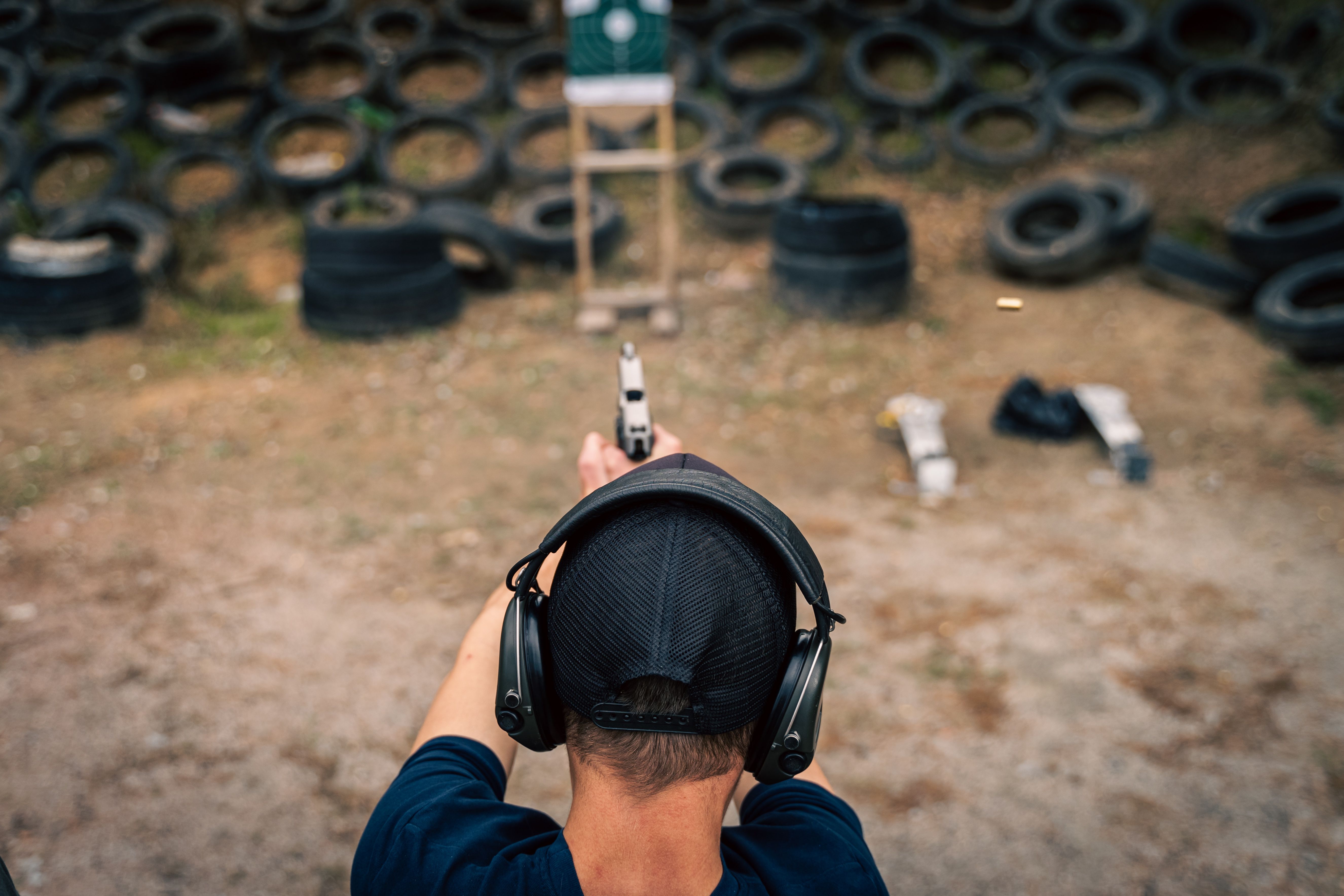
This effect shows up everywhere from casual range lanes to practical shooting matches. Give an average shooter two pistols of similar reliability and barrel length, one budget model with a polished, predictable trigger and one expensive pistol with a mediocre factory trigger, and the cheaper gun often wins in timed strings and slow-fire groups alike.
The reason is simple under stress: people revert to what they can control. A good trigger helps them prep the shot, confirm the sights, and break cleanly without collapsing the grip. That becomes especially noticeable on smaller targets, partial targets, and shots taken at speed.
Competitive shooters have understood this for years. Many of them start with relatively ordinary production-friendly pistols and focus on trigger quality before chasing boutique parts. Even outside competition, instructors routinely see students shoot qualification courses better after a trigger improvement, because fewer rounds are thrown low-left or low-right by poor trigger manipulation.
Why does this not mean “make it as light as possible”
There is a point where trigger improvement becomes trigger obsession. The goal is not the lightest possible pull. The goal is a controllable, consistent, safe trigger that supports the pistol’s intended use.
For a range toy or competition gun, shooters may prefer a very light break and short reset. For a carry pistol, most experienced people want something more measured: smoother, cleaner, and more predictable than stock, but not so light that it becomes unforgiving under adrenaline. Reliability and safe handling still come first.
That distinction matters because bad modifications can create real problems. Poorly fitted parts, weakened ignition, unreliable reset, or an overly reduced pull weight can make a pistol less dependable exactly when dependability matters most. A great trigger job improves press quality without compromising ignition, internal safeties, or consistency across hundreds of rounds.
The smartest way to make the upgrade
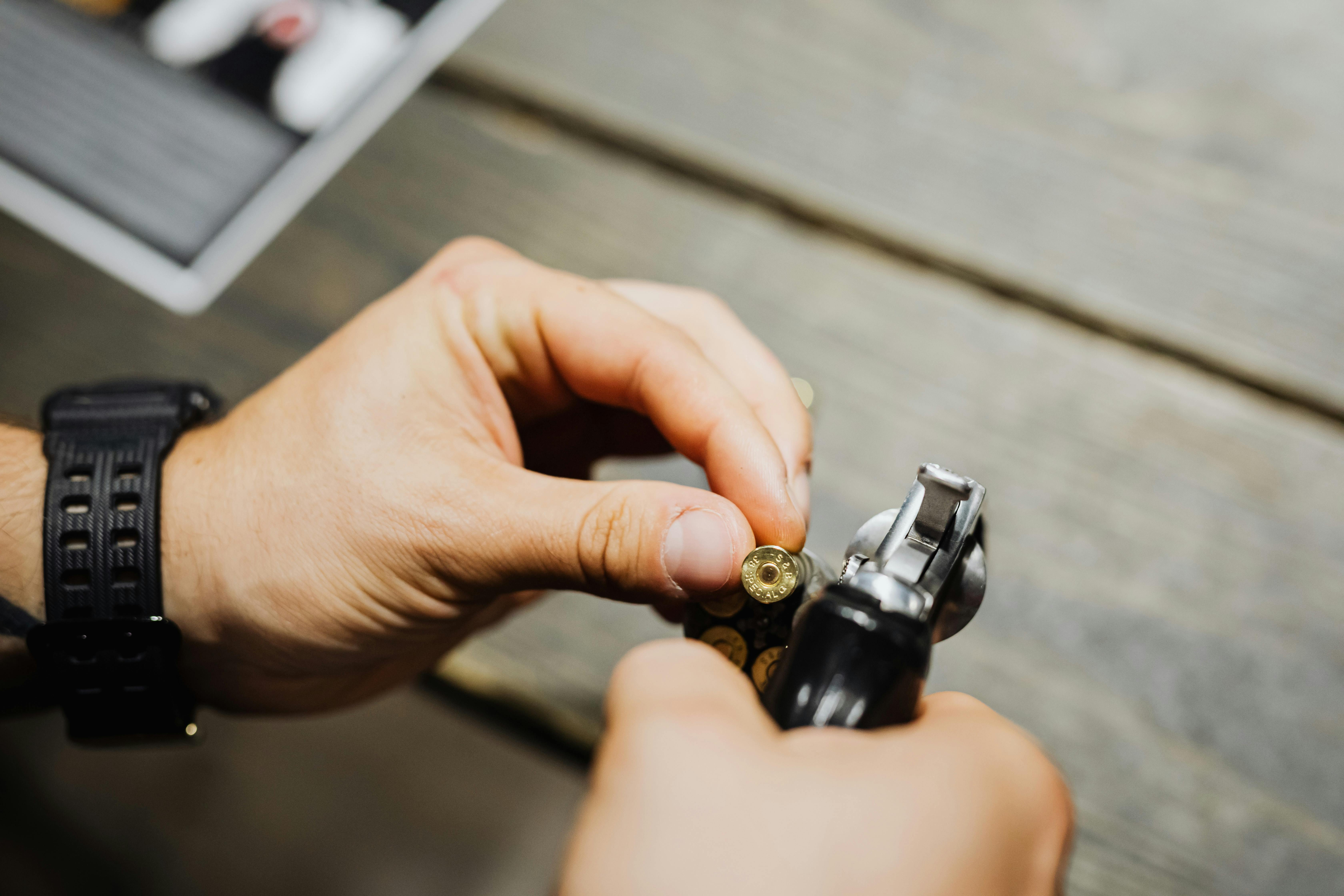
The best trigger upgrade is rarely the cheapest mystery part in a bag. It is usually a well-vetted kit or professional trigger job from a reputable maker with a track record for reliability. Good components improve feel while preserving safe function, and good installation matters just as much as the parts themselves.
Before changing anything, shoot the pistol enough to understand what is actually holding you back. Is the issue excessive pull weight, a rolling break you dislike, too much overtravel, or a weak reset you can barely feel? The more specific you are, the better the result will be.
It also helps to remember that ammunition, sights, and grip technique still matter. A trigger upgrade is powerful because it affects every shot, but it works best when paired with practice. Dry-fire especially lets shooters learn the new break and reset without burning through cases of 9mm.
The bottom line for ordinary shooters
If you gave me $800 to improve handgun performance, I would not automatically spend it on a pricier pistol. In many cases, I would keep the reliable $400 gun, install a proven trigger upgrade, buy quality sights if needed, and use the remaining money on ammunition and training. That combination usually produces better practical results than simply buying a more expensive handgun and hoping cost translates into hits.
This is the part many buyers resist because it is less glamorous. A premium logo, slide cuts, and a handsome finish feel exciting. A better trigger feels subtle until the timer starts or the groups are measured, and then subtle turns into obvious.
So yes, the one modification that can make a $400 pistol outshoot a $1,200 one is the trigger. Not because it changes physics, but because it changes the shooter’s ability to use the gun’s built-in accuracy. In handgun shooting, that is often the difference that matters most.