Snakes are part of the American landscape, but in some states, the balance is changing fast. What looks like a simple rise in sightings is often a deeper story about climate, development, invasive species, and more frequent human contact.
Florida Is Ground Zero for America’s Most Alarming Snake Expansion
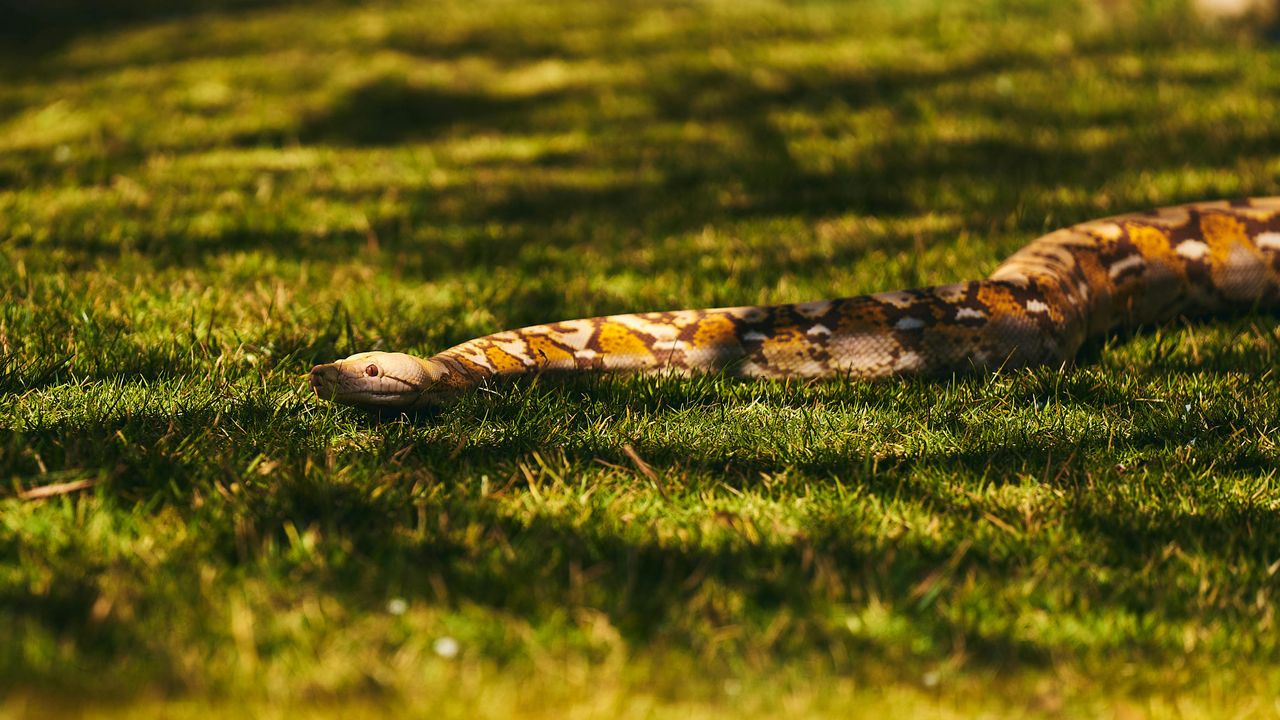
If one state stands out above all others, it is Florida. The problem there is not just native snakes becoming more visible. It is the entrenched spread of invasive Burmese pythons, a species that has transformed parts of South Florida into one of the country’s most serious reptile-management battlegrounds.
Florida wildlife officials have made that clear with their response. The 2025 Florida Python Challenge drew 934 participants from 30 states and Canada, and they removed a record 294 Burmese pythons in just 10 days. The Florida Fish and Wildlife Conservation Commission also says that more than 16,000 pythons have been removed by FWC and South Florida Water Management District contractors since 2017. Those are not the numbers of a small, contained issue. They reflect an invasive population that remains widespread and resilient.
The ecological stakes are huge. Burmese pythons are top-level predators in the Everglades, feeding on mammals, birds, and reptiles in a system that did not evolve with them. Their camouflage, nocturnal behavior, and ability to survive in dense wetlands make them especially hard to detect. A recent Scientific Reports study found that nighttime surveys between roughly 8 p.m. and 2 a.m. are the most effective for locating and removing them, which shows just how specialized Florida’s response has become.
What makes Florida especially dangerous is the combination of snake size, breeding capacity, and habitat suitability. In most states, concern centers on bites. In Florida, the bigger worry is an ecological takeover by a large constrictor that is already deeply established. That is why Florida remains the clearest example of a state where snake growth is not just noticeable but genuinely dangerous.
Texas Faces a Different Threat: More Encounters Across a Huge Landscape
Texas does not have Florida’s python problem, but it has a different kind of snake risk: scale. With vast rural land, booming suburban growth, warm weather, and a large diversity of venomous species, Texas is one of the states where human-snake encounters remain a serious public safety issue.
The state is home to multiple rattlesnake species, copperheads, cottonmouths, and coral snakes. According to Texas Parks and Wildlife, venomous bites are still relatively uncommon compared with the number of outdoor activities people engage in, but that does not mean the risk is trivial. Texas also appears prominently in national occupational snakebite data. A CDC bulletin noted that from 2014 to late 2015, Texas had the second-highest number of occupational venomous snakebites in the ToxIC registry, behind only Arizona.
What pushes Texas into this conversation is not evidence of a single invasive explosion, but a steady pattern of exposure. Fast-growing suburbs around Dallas-Fort Worth, Austin, Houston, and San Antonio continue to expand into former grassland, scrub, and woodland habitats. That means more fences, sheds, retaining walls, and backyard brush piles in places where snakes already live. People often assume the animals are “moving in” when in reality, people are building deeper into existing snake territory.
Texas also illustrates how danger is often situational. Warm nights, drought breaks, heavy rain, and rodent activity can all increase encounters. In a state this large, the snake issue is not one story but many smaller ones unfolding at once. That makes Texas less dramatic than Florida, but no less important when it comes to growing risk.
Arizona’s Snake Danger Is Intensifying With Heat, Season Length, and Exposure
Arizona has long been snake country, but the modern concern is how often people now cross paths with venomous species. The state is famous for rattlesnakes, and Arizona Game and Fish says it has more rattlesnake species than any other state. That fact alone does not mean populations are exploding, but it does mean even modest increases in activity can have outsized consequences.
The CDC has flagged Arizona as the leading state in occupational venomous snakebites in one major registry period. That matters because it points to a real-world pattern of exposure, especially for outdoor workers, landscapers, and others spending time in snake habitat. In Arizona, those habitats often overlap directly with growing metro areas, especially around Phoenix and Tucson.
Recent seasonal warnings have reinforced that concern. In spring 2025, Arizona officials and local reporting noted that rattlesnake season was already in full swing as temperatures climbed. Warmer conditions can bring snakes out earlier and keep them active longer, particularly in desert and foothill environments where daytime and nighttime temperature shifts strongly influence movement. That does not automatically mean there are more snakes in absolute terms, but it can absolutely mean more dangerous encounters.
Arizona’s risk also feels more immediate because of the species involved. Rattlesnakes are highly adapted to arid terrain, and people hiking, gardening, walking dogs, or even stepping into garages can end up too close without warning. In Arizona, danger grows not only from snake presence but from how seamlessly snake habitat blends into everyday human space.
North Carolina Has Become a Leading Hotspot for Snakebites

North Carolina surprises many people in this discussion, but it should not. The state has repeatedly ranked among the national leaders in reported snakebites, and doctors there have been openly warning about strong bite seasons, especially in suburban and semi-rural communities.
One reason is the copperhead. North Carolina wildlife officials say more than 90% of the state’s venomous snakebites are caused by copperheads. That tracks with what clinicians in the state report year after year. In 2024, hospitals in the Triangle region told local media they were already seeing a significant early-season flow of patients, with Duke, UNC, and WakeMed all reporting bite cases and antivenom treatments. Duke physicians estimated their hospital alone sees roughly 35 to 65 bites annually.
Copperheads are a perfect example of why “dangerous growth” does not always mean giant snakes or invasive predators. These snakes are extremely well camouflaged, often freeze instead of fleeing, and tolerate edge habitats remarkably well. That makes them common around woodpiles, leaf litter, garden borders, trails, and backyard transition zones where neighborhoods meet older vegetation.
North Carolina’s fast development pattern is part of the story. Expanding suburbs around Raleigh, Charlotte, and other metros have increased the places where people and snakes overlap. Add warm evenings, wooded lots, and residents who may not recognize a motionless copperhead in dim light, and the result is a state where snake danger is growing through proximity rather than spectacle.
Georgia and the Southeast Are Seeing the Same Pressures Build
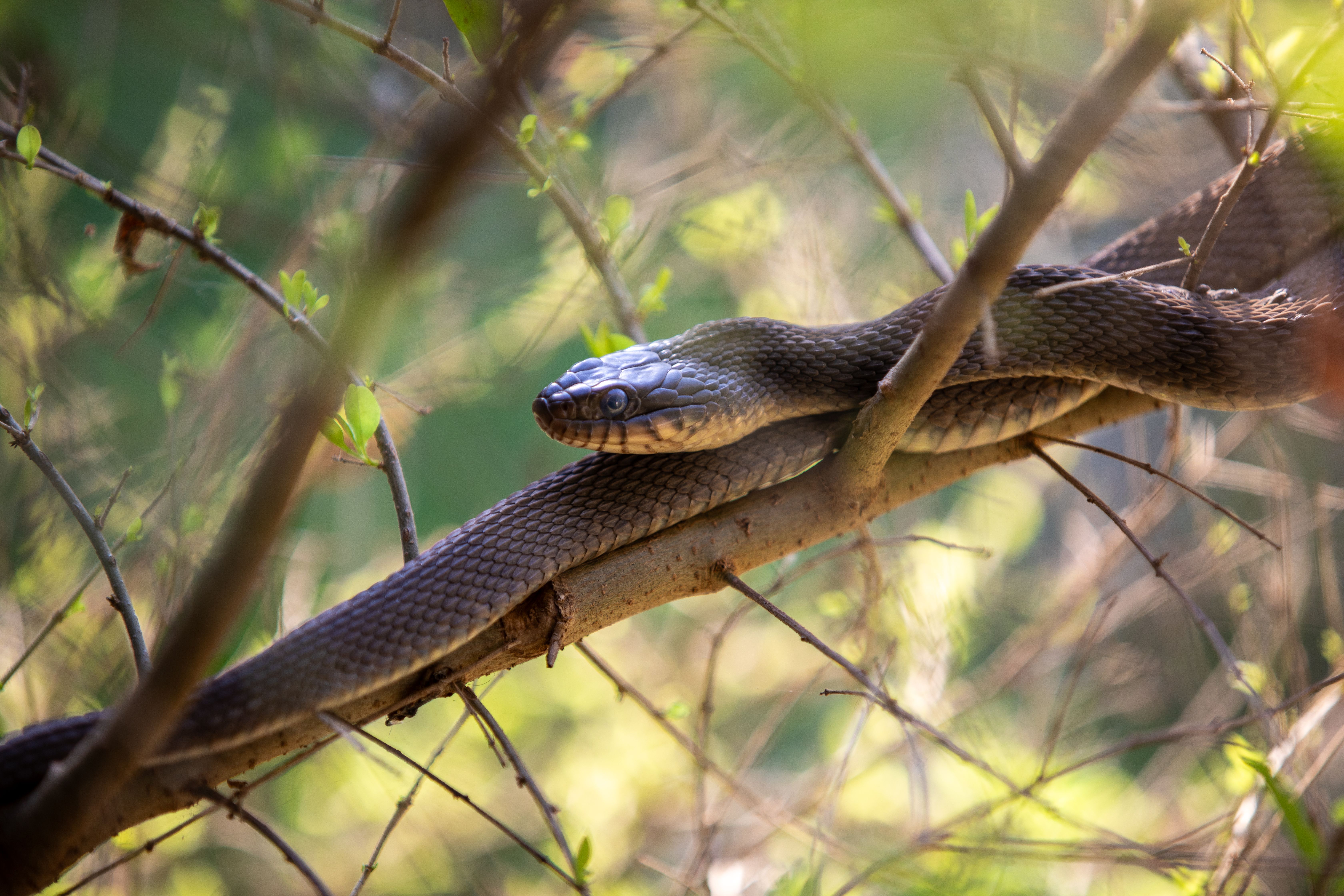
Georgia belongs in this conversation because it shares many of the same structural pressures seen in North Carolina and Texas. It has venomous native species, expanding suburbs, long warm seasons, and a landscape where human development keeps pushing into snake habitat. That combination can drive encounter risk upward even without an obvious statewide population boom.
Regional reporting over several years has pointed to Georgia as one of the states experiencing increasing snakebite pressure, especially from copperheads in suburban settings. The pattern is familiar by now: neighborhoods replace woods or farmland, snakes persist in fragments of suitable habitat, rodent prey remains abundant, and residents are surprised to find venomous animals under decks, near trash cans, or along walking paths.
Georgia also sits close enough to Florida that people sometimes wonder whether the python problem could spread meaningfully northward. For now, Florida remains the clear center of established Burmese python expansion. Georgia has had occasional concern and sightings tied to escaped or released exotic snakes, but it does not currently face Florida’s level of invasive constrictor establishment. That distinction matters.
Still, Georgia illustrates how snake danger often grows quietly. It is not always driven by a headline species. Sometimes it comes from a simple formula: more houses, more habitat edges, more outdoor recreation, and more people unfamiliar with the snakes already living nearby. In that sense, Georgia is very much part of the broader southern trend.
Why Snake Risk Is Growing, and What States Are Really Telling Us
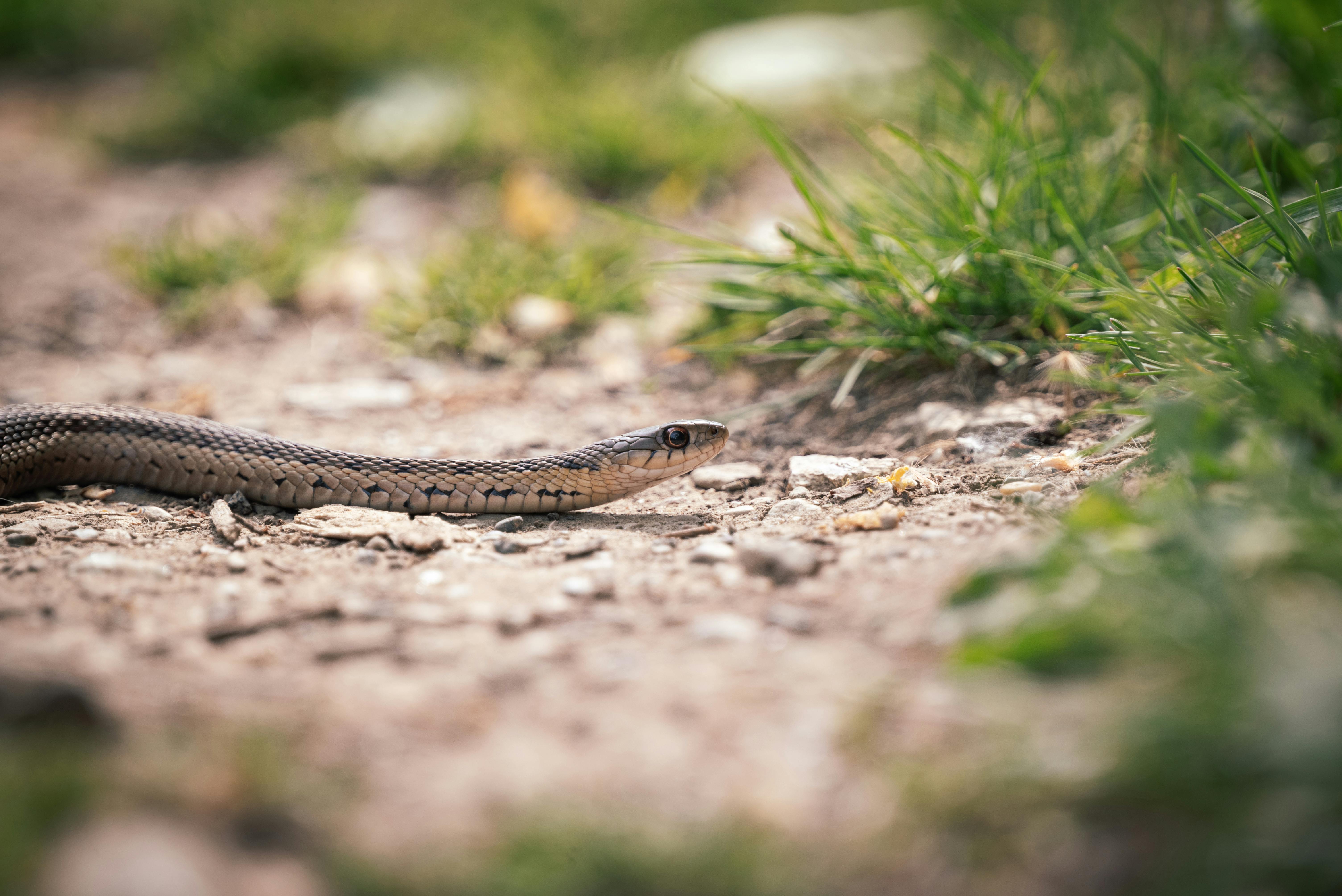
The bigger national lesson is that snake danger is not growing for just one reason. According to the CDC, venomous snakebites have been gradually increasing in most states, and the agency points to climate-related habitat shifts, extreme weather, and human encroachment as important drivers. That is a crucial framework, because it helps explain why several very different states are ending up with similar problems.
In Florida, the issue is invasive growth on a massive ecological scale. In Arizona, it is long seasons and high exposure to rattlesnakes. In Texas, it is size, diversity, and sprawling development. In North Carolina and Georgia, it is suburban overlap with copperheads and other native species. These are different versions of the same underlying pattern: humans and snakes are colliding more often.
That does not mean snakes are “taking over” the United States, and it certainly does not mean every sighting signals a crisis. But it does mean some states are seeing risk become more concentrated, more frequent, and more disruptive. The most important distinction is between fear and reality. The real danger comes from established invasive populations, expanding habitat overlap, and rising encounter rates, not from sensational stories alone.
So if you want the shortlist of states where snakes are growing dangerously, start with Florida as the most severe case, then watch Texas, Arizona, North Carolina, and Georgia as states where the danger is increasing through exposure, habitat change, and human expansion. That is where the evidence points, and it is where wildlife managers and hospitals are paying closest attention.
Custom footer at the end of the article.