Big cartridges make big promises. In a real survival situation, though, the little .22 LR often solves more problems than it gets credit for.
Survival Is About Efficiency, Not Bravado
Most people imagine survival through the lens of power: bigger rifle, harder hit, more dramatic capability. That sounds convincing until you start thinking about what actually matters after the first 24 hours. Survival is usually a game of calories, mobility, water, shelter, and repeatable decision-making under stress. In that world, efficiency beats swagger almost every time.
That is where the .22 Long Rifle quietly shines. Introduced in 1887, it has survived every technology wave in ammunition because it solves practical problems better than almost anything else. It is still the dominant rimfire cartridge in the world, largely because it is inexpensive, widely available, and easy to shoot well. The round’s longevity is not nostalgia; it is proof of usefulness.
A survival caliber has to do more than look good on a spec sheet. It has to let ordinary people hit what they aim at, carry enough ammunition to matter, and keep shooting without getting battered by recoil or noise. The .22 LR checks those boxes with unusual consistency, especially in simple bolt-actions, lever guns, and proven semiautos.
That does not mean it is perfect. It means people often judge it by the wrong standard. The question is not whether a .22 LR is the best fight-stopper in a vacuum. The real question is whether any other common cartridge gives you more practical survival value per ounce, per dollar, and per shot. Very few do.
You Can Carry a Serious Ammunition Supply
One of the biggest survival advantages of .22 LR has nothing to do with terminal ballistics. It is weight. Ammunition is heavy, and heavy gear slows you down, burns energy, and limits how much food, water, or medical gear you can pack. The .22 LR dramatically changes that equation.
A standard .22 LR load typically uses a 36- to 40-grain bullet, and common high-velocity offerings like CCI Mini-Mag push a 40-grain bullet at about 1,235 fps from rifle-length barrels. That is not centerfire rifle performance, but it is enough for the jobs survival ammunition most often needs to do: foraging, pest control, signaling in a pinch, and small-game hunting. More importantly, you can carry a lot of it.
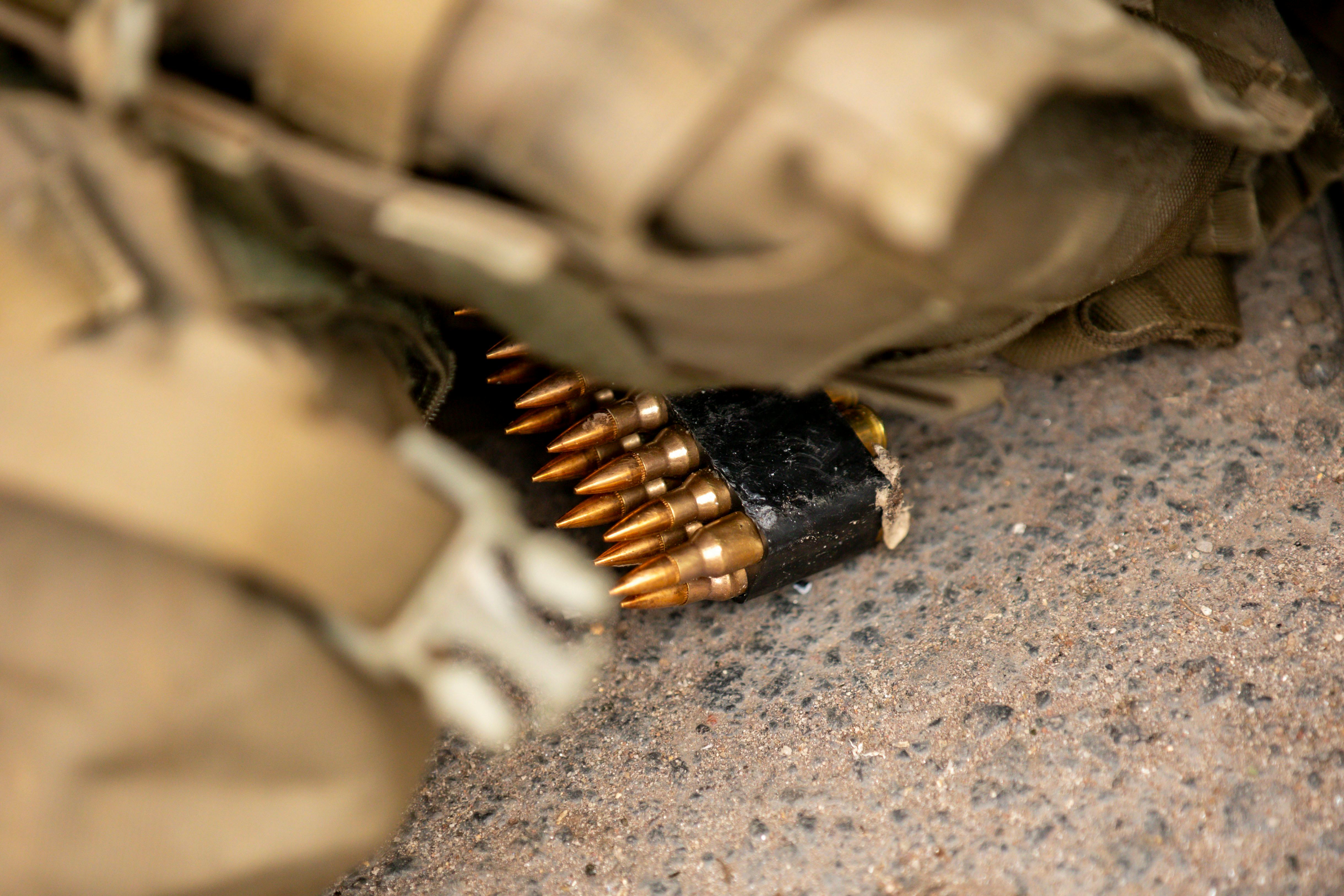
With centerfire cartridges, a few loaded magazines and a reserve stash add up quickly. With .22 LR, hundreds of rounds can ride in a pack pocket without turning your bag into an anchor. That matters because survival rarely rewards the person who brought the loudest gun; it rewards the person who can stay mobile and keep options open for days or weeks.
The round is also comparatively cheap, which matters before any emergency ever starts. A caliber you can afford to practice with is a caliber you are more likely to shoot well. The National Shooting Sports Foundation and generations of trainers have pointed to rimfire ammunition as the entry point for high-volume marksmanship practice. In survival, familiar hits beat theoretical power every single time.
It Puts Food on the Ground Without Wasting Meat
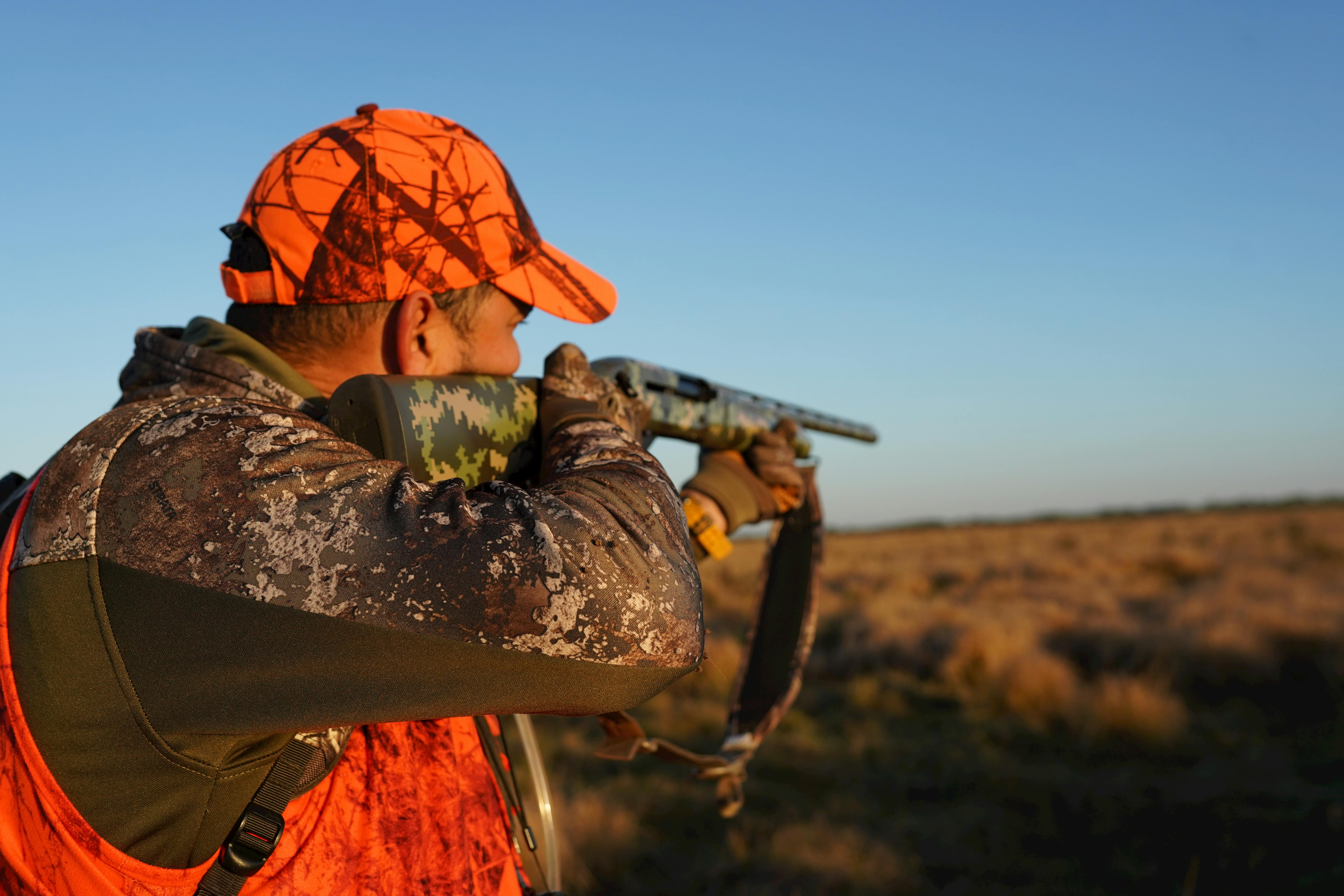
If you strip survival down to basics, one firearm job rises near the top: getting edible protein. For that task, the .22 LR is far more useful than many larger cartridges. Rabbits, squirrels, grouse, and other small game have historically fed struggling families, trappers, and rural hunters precisely because they are common, accessible, and manageable with a rimfire.
A bigger cartridge can certainly kill small game, but often at a price. Excessive tissue damage ruins meat, especially on animals that may only provide a modest meal to begin with. The .22 LR is well suited to careful head shots or precise chest shots at practical distances, allowing a hunter to harvest cleanly without turning dinner into scraps. In a survival setting, conserving food value matters.
This is where the .22 LR’s mild report and soft recoil become major assets. You can take more careful shots without flinching, and in many setups the report is less disruptive than centerfire alternatives. Research cited by the CDC on suppressors and low-velocity ammunition also supports what experienced shooters already know: reducing impulse noise lowers auditory risk. Even without specialized gear, the .22 LR is simply less punishing to be around than larger rounds.
The cartridge is also flexible. Standard-velocity, high-velocity, solids, and hollow points all offer slightly different performance envelopes. That lets a prepared shooter tailor loads for accuracy, reliability, and intended use. In a real survival scenario, adaptable and meat-friendly matters more than dramatic muzzle energy.
Low Recoil Means More Hits for More People

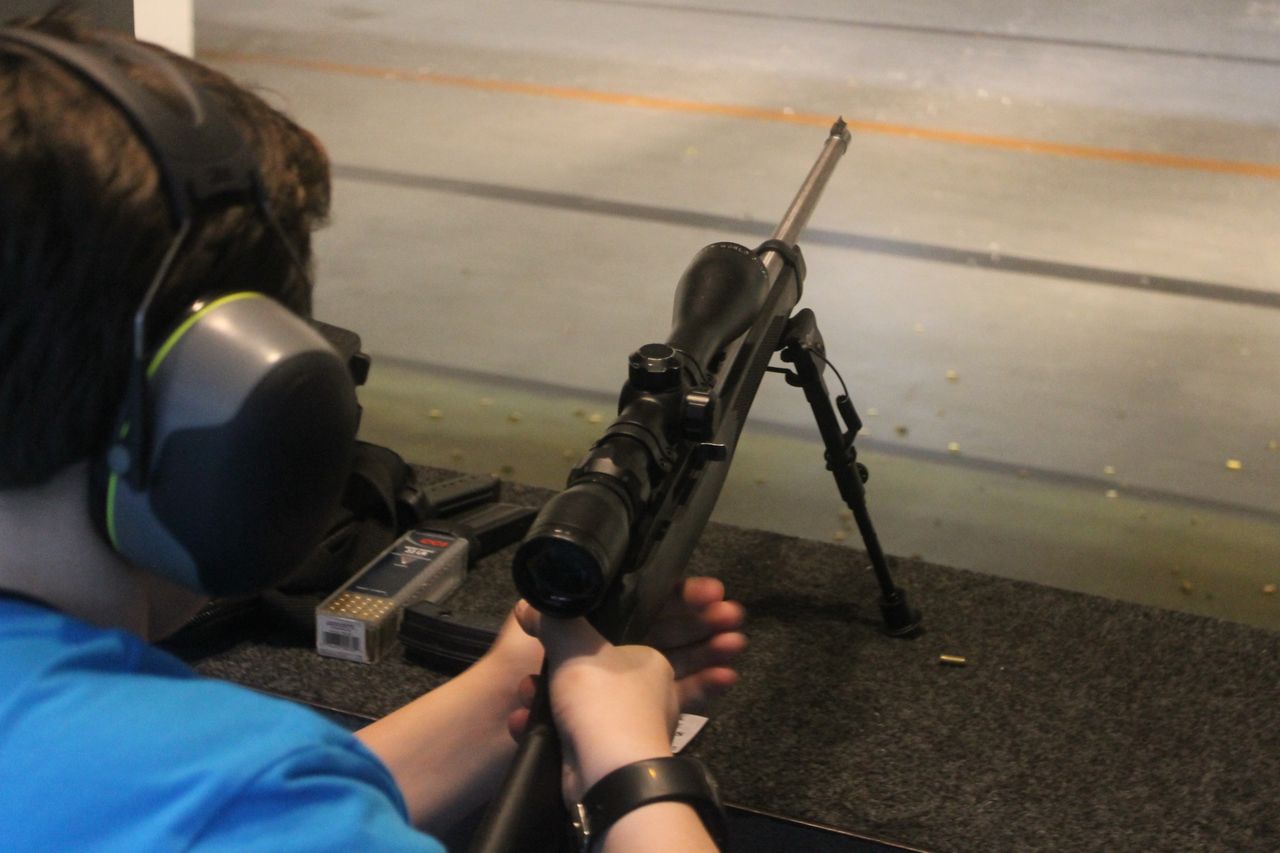
A survival firearm is only as good as the shooter behind it, and that is another reason the .22 LR is underrated. It is one of the easiest cartridges in the world to learn on. Minimal recoil means new shooters can focus on sight picture, breathing, trigger press, and follow-through instead of bracing for punishment. That builds skill fast.
This matters more than enthusiasts sometimes admit. In a household emergency, the gun may be used by the strongest member of the group, but it may also need to be used by a spouse, teenager, older adult, or someone with limited upper-body strength. A .22 LR rifle gives a much wider range of people a legitimate chance to make accurate hits under pressure. Accessibility is a survival advantage.
It also encourages practice because it is simply less tiring. Spend a long day shooting centerfire rifles and most people start to lose focus. Spend a long day with a rimfire and many shooters stay sharper, longer. The result is more repetitions, better fundamentals, and greater familiarity with the firearm’s handling, magazines, and sights.
That repeatability is the hidden backbone of preparedness. Fancy gear does not save the day if nobody in camp can run it well. A plain .22 LR carbine with a reliable optic or iron sights, in trained hands, becomes an extremely competent tool. Not glamorous, maybe. Useful, absolutely.
Quiet, Compact, and Mechanically Simple Wins in the Real World
Survival gear should be boring in the best possible way. It should be easy to maintain, simple to carry, and predictable to operate when you are cold, hungry, wet, and tired. The .22 LR fits naturally into that philosophy because it works well in trim, lightweight firearms that do not demand much from the shooter.
Many of the best survival-style rifles chambered in .22 LR are compact take-downs, youth-size carbines, or plain bolt-actions. That matters because portability is not an afterthought; it is often the deciding factor in whether a gun actually comes with you. A rifle left at home because it is too bulky is irrelevant. A rimfire that rides easily in a truck, canoe, or pack has real-world value.
Mechanical simplicity matters too. Bolt-action and lever-action .22s are famously straightforward, and even semiautomatic rimfires have benefited from more than a century of refinement. Ammunition sensitivity can still exist, especially in autoloaders, which is why many experienced shooters favor proven high-velocity loads for reliability. But once a rifle shows what it likes, it can become a deeply dependable field tool.
Then there is noise discipline. Every shot advertises your location, scares game, and adds stress to everyone nearby. The .22 LR is not silent, of course, but it is discreet compared with centerfire rifles and shotguns. In many survival contexts, less blast is not a luxury. It is a tactical and practical benefit.
The .22 LR Has Limits, but Its Strengths Matter More Than People Admit

The honest case for the .22 LR starts by admitting what it is not. It is not the ideal choice for large game, long-range precision, or stopping dangerous threats with the authority of serious centerfire rifle cartridges. Rimfire ignition is also generally less robust than centerfire ignition, which is one reason ammunition selection, storage, and firearm maintenance matter so much.
But the mistake people make is treating those limitations as disqualifying. Survival is not a movie, and most real-world needs are far less dramatic than internet arguments suggest. More often, you need a firearm that can gather food, dispatch pests, train inexperienced shooters, preserve hearing better than louder options, and let you carry enough ammunition to stay useful over time. That is exactly where the .22 LR excels.
It has also earned that reputation over generations, not through marketing hype. Rural families, trappers, campers, and woodsmen kept coming back to the .22 LR because it was practical, affordable, and effective within its lane. Cartridges do not stay popular for nearly 140 years by accident. They stay popular because they keep solving real problems.
That is why the .22 LR may be the most underrated survival caliber ever made. It does not dominate with spectacle. It wins with usefulness. And in a genuine survival situation, usefulness is the trait that keeps you alive.
Custom footer at the end of the article.