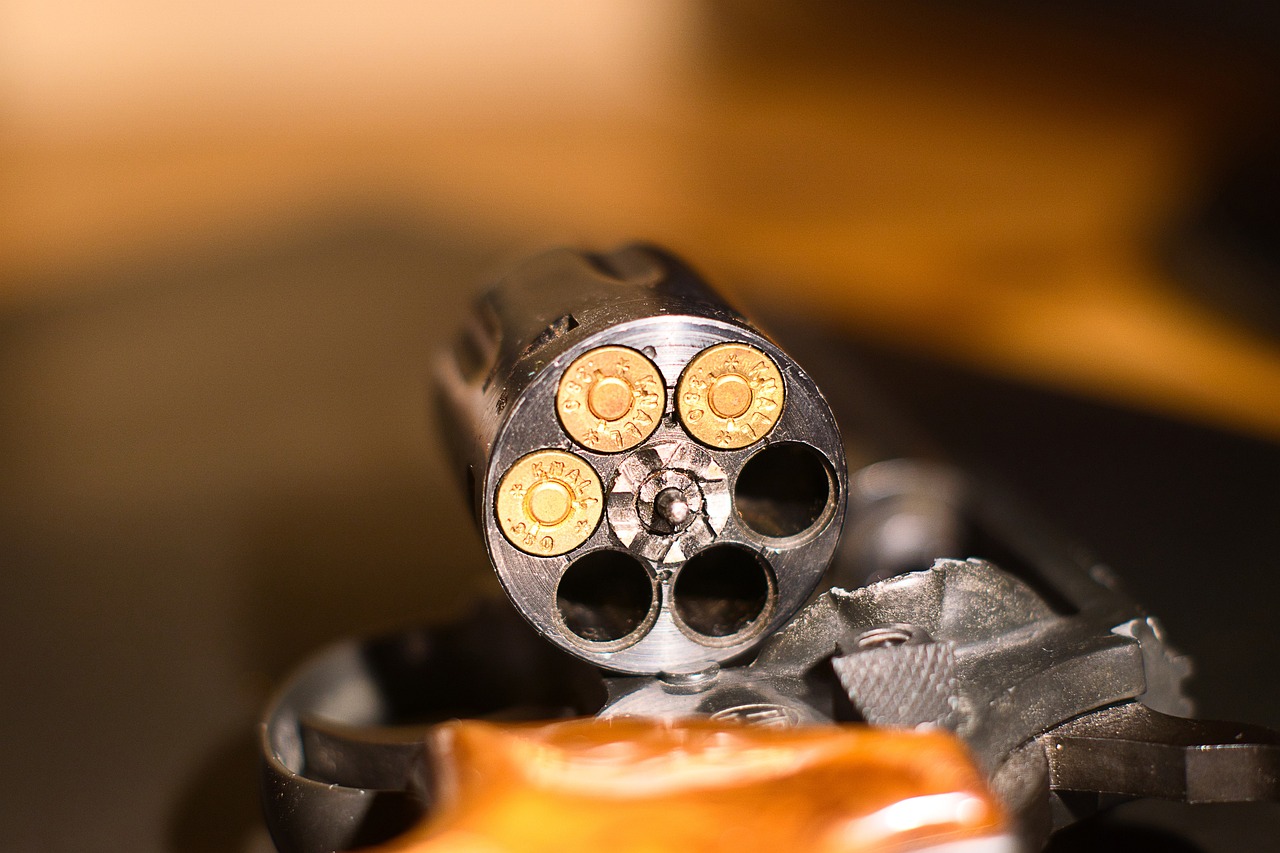
Most revolvers leak gas. The Nagant M1895 was the oddball that found a way around it.
A Revolver Built Around One Brilliant Idea
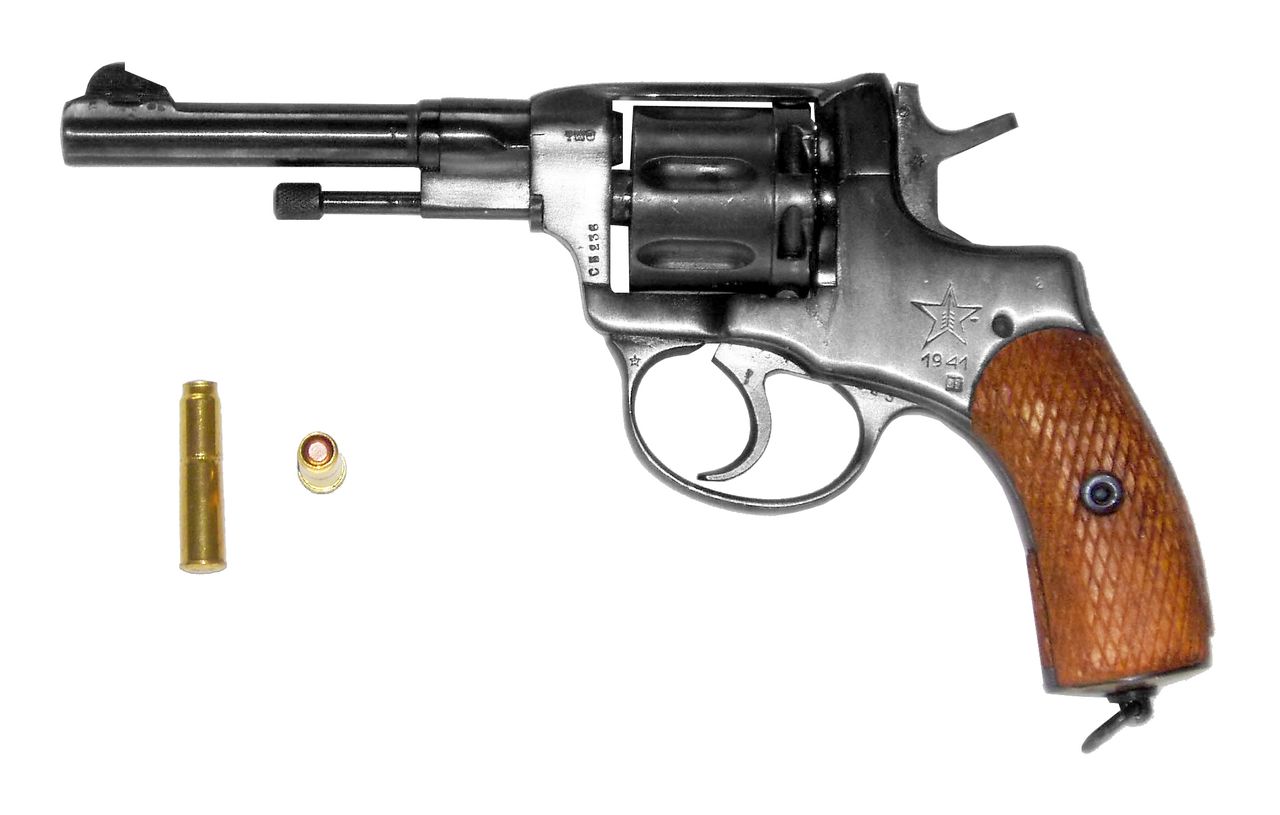
The Nagant M1895 was adopted by Imperial Russia in 1895, and at first glance it does not look revolutionary. It is a seven-shot, solid-frame revolver with a loading gate and an ejector rod, features that already seemed dated next to faster-loading Western handguns.
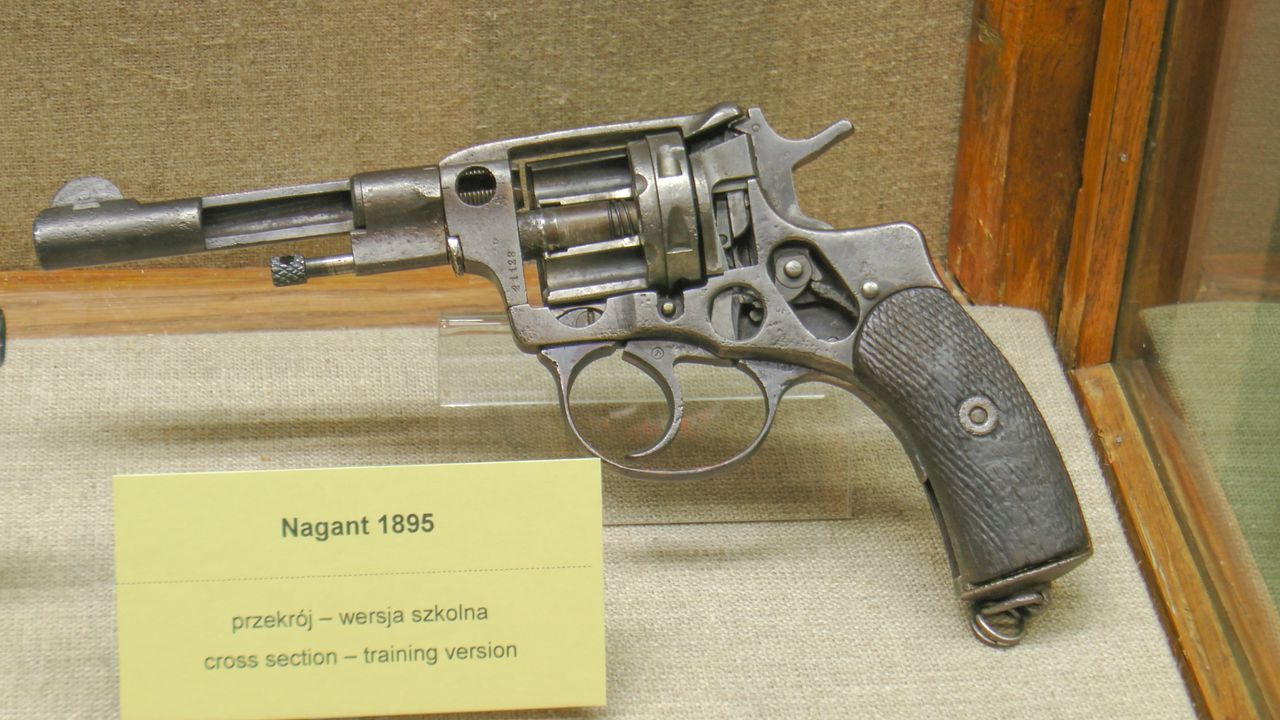
What made it special was the gas-seal system patented by Léon Nagant in the 1890s. When the shooter cocked the revolver, the cylinder moved forward, and the cartridge mouth extended into the rear of the barrel, closing the normal gap that lets hot gas escape.
That sounds like a small detail, but in revolver design it was a major departure. According to museum and firearms-history sources, that seal slightly boosted efficiency and created the one feature that gave the M1895 its lasting fame.
Why Ordinary Revolvers Couldn’t Do The Same Thing
A conventional revolver has a cylinder gap between the front of the cylinder and the forcing cone of the barrel. When the gun fires, gas escapes sideways through that opening, which is why revolvers produce a sharp flash and blast near the shooter’s hands.
That leakage is not just noise. It also makes suppressors far less effective, because even if the muzzle is muffled, a large share of the blast still vents from the cylinder gap.
The Nagant’s moving cylinder changed that equation. By sealing the chamber to the barrel, it reduced the side blast enough that a suppressor could actually do meaningful work, something almost no standard revolver could claim.
The Cartridge Was Part Of The Trick
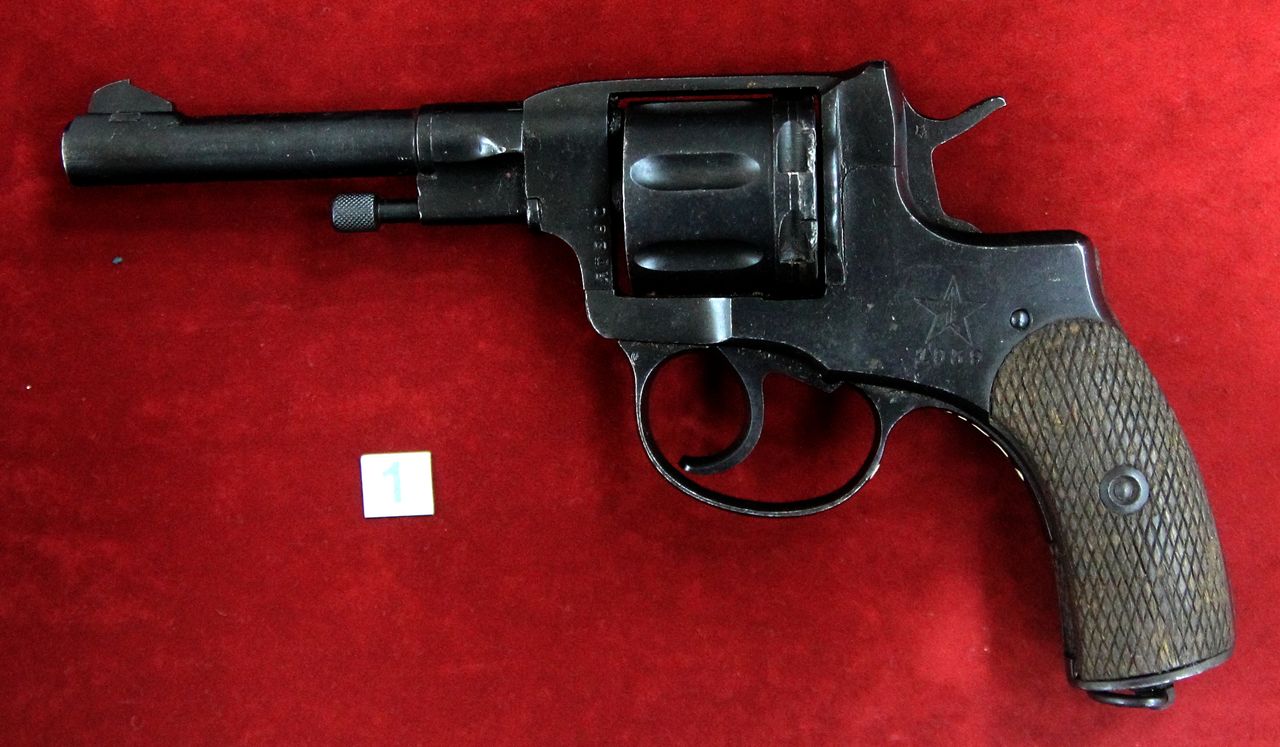
The revolver’s unusual 7.62×38mmR cartridge was designed specifically to make the gas seal work. Its bullet sat recessed inside the case, and the long case mouth projected forward far enough to enter the barrel throat when the action locked up.
On firing, the case mouth expanded and helped complete the seal. This meant the gun and cartridge were really one integrated system rather than separate components that happened to fit together.
That also explains why the M1895 is hard to judge by modern handgun standards. Its cleverness came from the interaction between mechanism and ammunition, not from raw power, quick handling, or easy logistics.
The One Suppressed Revolver That Really Worked
This is the feature other revolvers could not match in practical terms: the ability to be effectively suppressed. Histories of the M1895 note that suppressors were indeed fitted to some examples, especially in Soviet service, because the sealed system prevented the usual revolver gas blowout.
That did not make it whisper-quiet like a movie gun. It simply made suppression genuinely worthwhile, which is a very different thing.
For military and clandestine use, that mattered. A suppressed Nagant offered a rare combination at the time: revolver reliability with noise reduction that was normally reserved for self-loading pistols and long guns.
Clever Engineering Came With Real Tradeoffs
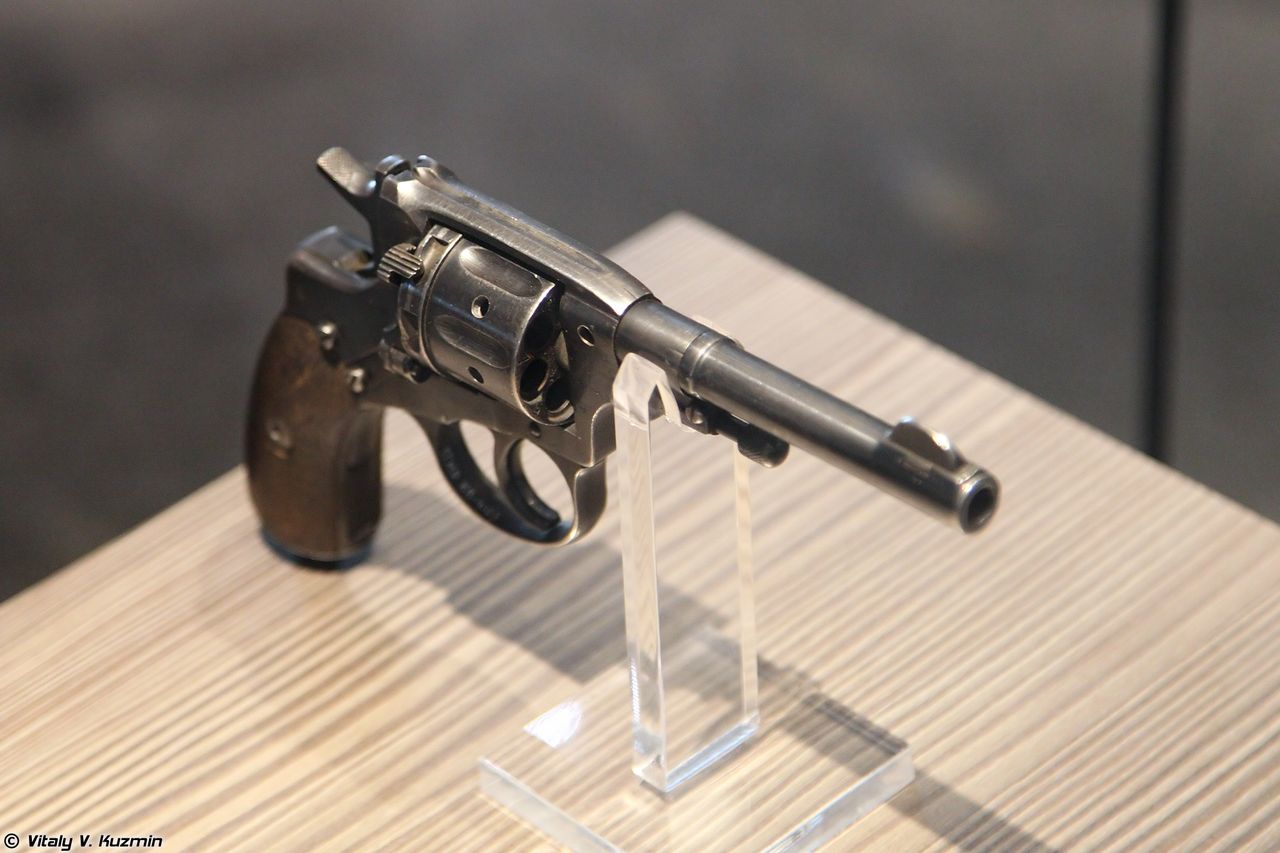
The same revolver that solved one problem lagged behind in several others. Reloading was slow, because spent cases had to be ejected one at a time and fresh rounds inserted individually through the side gate.
The trigger was also famously heavy, especially in double action. Firearms historians have long pointed out that the mechanism needed extra effort because it was not only rotating the cylinder but also pushing it forward into sealing position.
So the M1895 was never a perfect fighting handgun. It was ingenious, but it asked the shooter to accept awkward handling in exchange for a feature few people had ever seen in a revolver.
Why Russia And The Soviet Union Kept It So Long
Despite its drawbacks, the Nagant stayed in service for decades under Imperial Russia and later the Soviet Union. That longevity says a lot about how military sidearms were viewed at the time: as secondary weapons where ruggedness and simplicity often mattered more than rapid reloads.
The design was also durable, mechanically distinctive, and backed by a proprietary cartridge that reinforced its niche. Even after semi-automatic pistols became the future, the Nagant remained useful enough to hang on in inventories.
That long service life helped turn it from a technical curiosity into a historical icon. Collectors still remember it because it was not merely another old revolver; it did something genuinely different.
The M1895’s Legacy Is Bigger Than Its Power
Plenty of handguns were stronger, faster, or easier to shoot. Very few were as mechanically original.
The Nagant M1895 endures because it answered a question other revolver makers mostly ignored: what if you could eliminate the cylinder gap instead of simply living with it? The answer was a gun that looked conservative on the outside but behaved unlike almost anything in its class.
That is why its reputation survives. The M1895’s unmatched feature was not style or stopping power, but the rare ability to seal its gases and make a suppressed revolver actually practical.