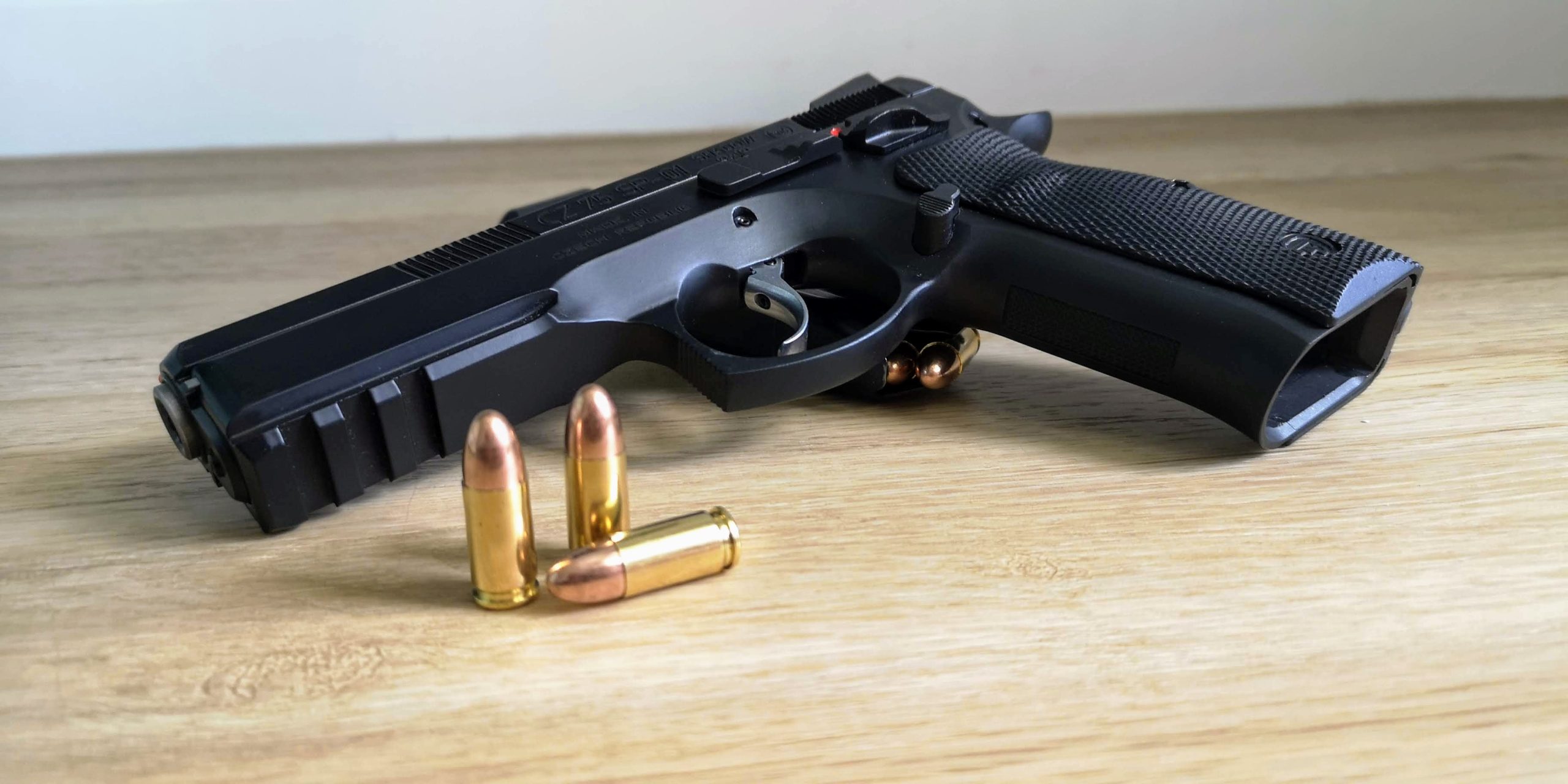
A pistol can earn strong reviews in controlled range sessions yet reveal different limitations when exposed to rain, dust, cold, sweat, or prolonged use. Reliability depends on more than a brand name or an impressive specification sheet. Ammunition quality, maintenance, environmental exposure, individual condition, and design choices can all influence performance. Some pistols prioritize light weight, while others use specialized finishes or tighter-fitting components that demand appropriate care. The models below illustrate potential trade-offs rather than prove that any particular pistol is universally unreliable. Even highly regarded firearms need proper maintenance and realistic evaluation.
1. Glock 19

The Glock 19 is widely appreciated for its compact dimensions and straightforward design, but rough conditions still demand proper care. Glock recommends cleaning and lubricating the pistol after exposure to rain, snow, perspiration, dust, or dirt. Its polymer frame resists corrosion, yet metal components and magazines are not immune to neglect. At roughly 7.4 inches long, the pistol is easy to carry, but its compact size does not eliminate the effects of contamination or worn parts. Its reputation should encourage regular maintenance, not the assumption that it can be ignored.
2. SIG Sauer P320
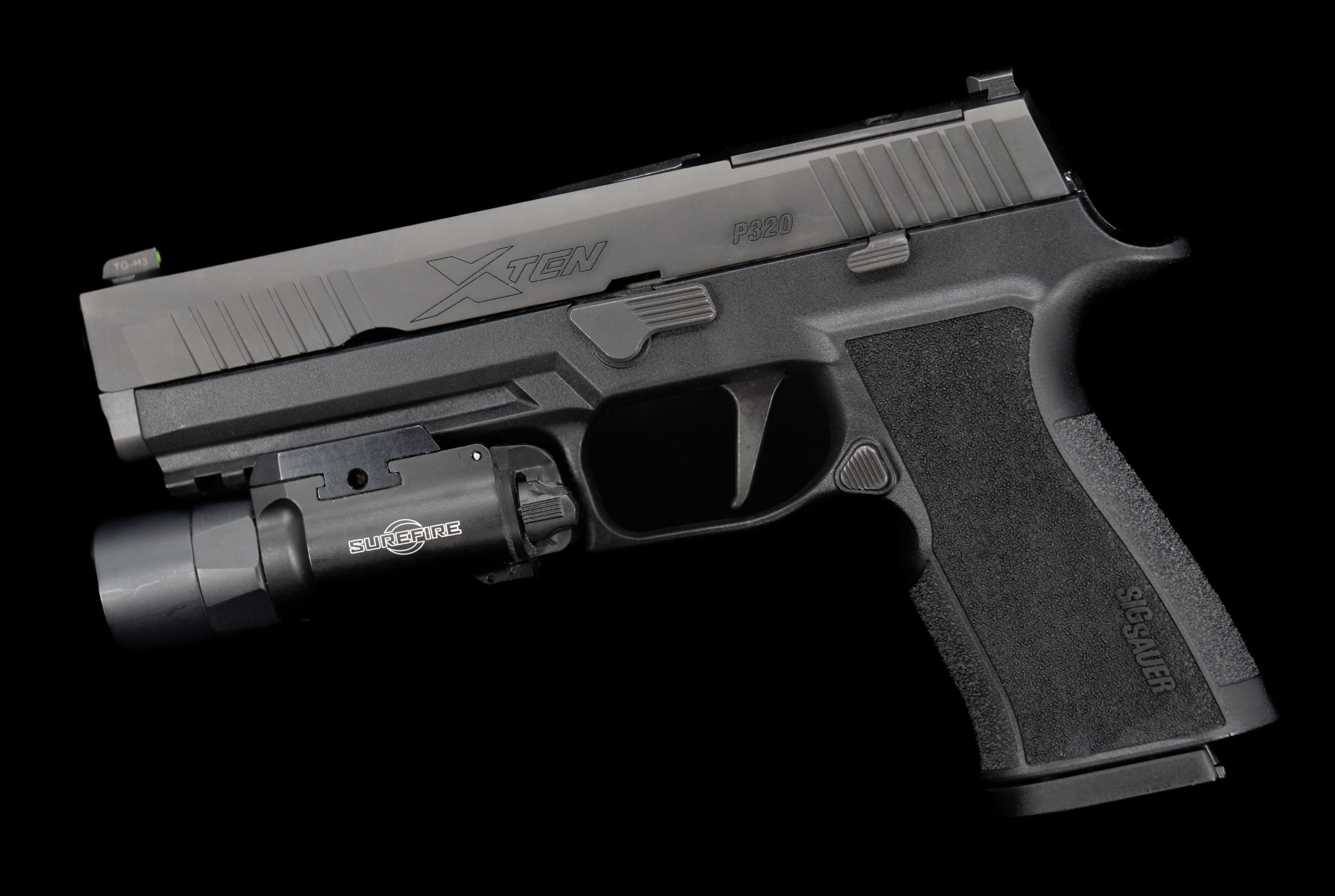
The SIG Sauer P320 offers modular construction and a range of configurations, making it attractive to many shooters. However, interchangeable grip modules and different sizes do not remove the need for careful maintenance in harsh environments. The manufacturer describes testing involving rain, humidity, heat, cold, mud, sand, and dust, but individual condition and maintenance remain important. Its modular system can also make ownership more involved for someone unfamiliar with compatible components. Rather than assuming the pistol will fail outdoors, buyers should understand the specific model, follow its manual, and seek qualified service if damage or unusual operation appears.
3. Kimber Micro 9
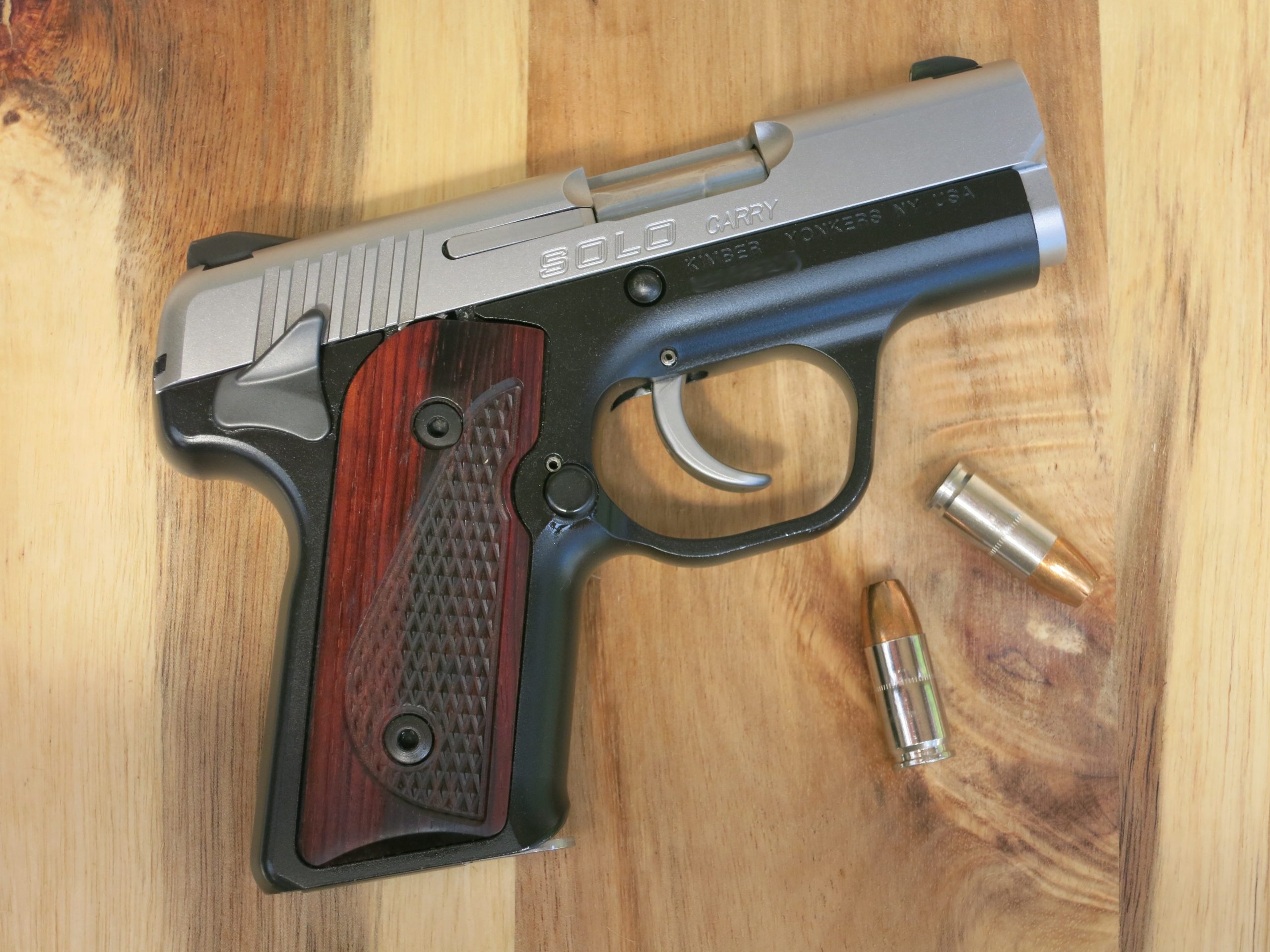
The Kimber Micro 9 appeals to people who prefer a small metal-framed pistol, but compact dimensions involve trade-offs when conditions become uncomfortable. Its short grip offers less room for larger hands, and its light, small format may feel less forgiving during extended range sessions. Sweat, moisture, and accumulated debris can also affect any firearm if maintenance is neglected. Owners should pay attention to the manufacturer’s cleaning guidance and the condition of magazines and other components. A compact pistol may be convenient to carry, but its small size should not be mistaken for immunity to rough handling or environmental exposure.
4. Springfield Armory Hellcat
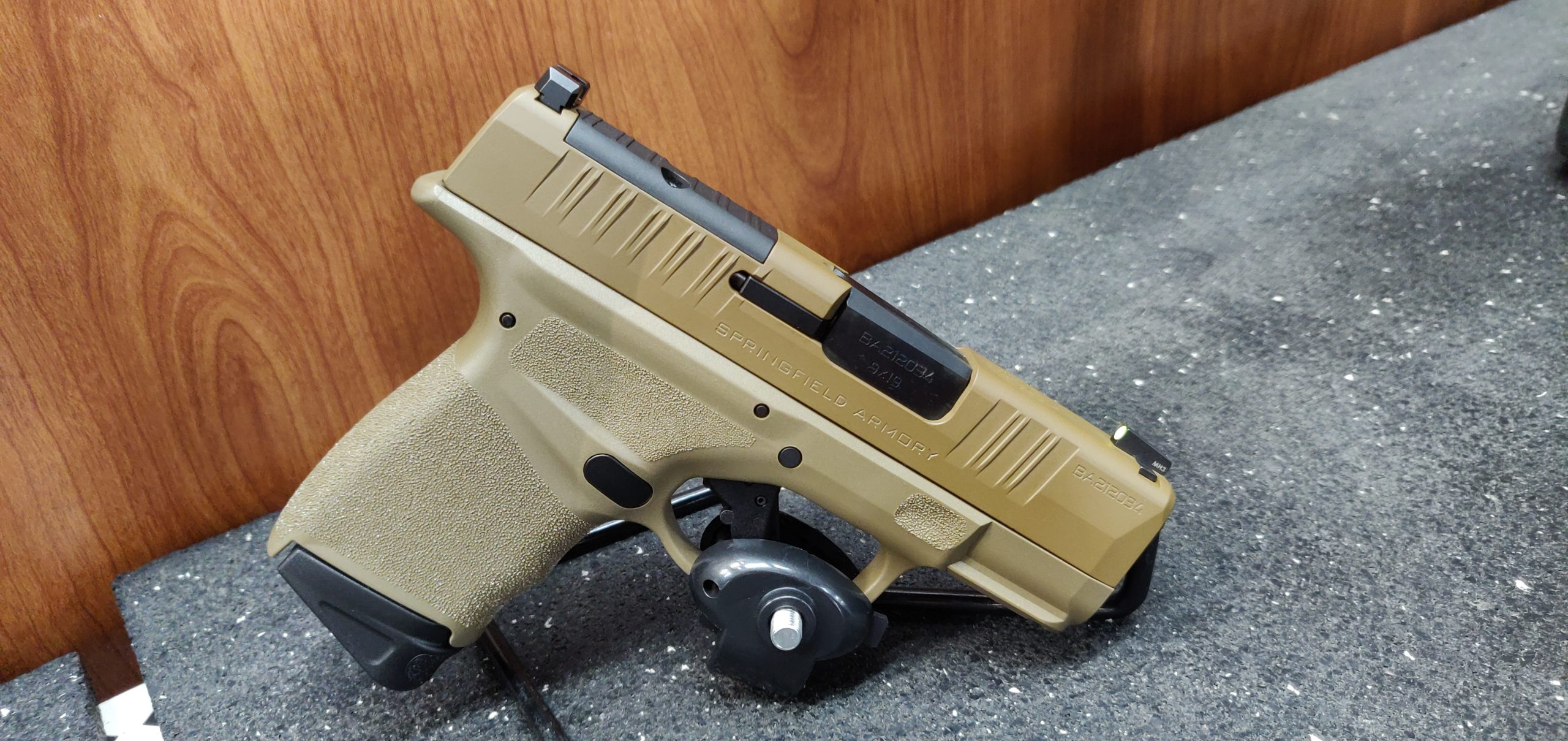
The Springfield Armory Hellcat combines a small frame with a magazine capacity of up to 13 rounds in certain configurations. That compact layout makes it convenient for some users, although its short grip and limited surface area can be less comfortable with wet hands or bulky gloves. Cold weather may also make controls harder to operate for some shooters. These are ergonomic considerations, not proof of poor reliability. Dust, moisture, and neglected magazines can challenge any semiautomatic pistol, so the Hellcat still requires appropriate inspection and care. Its suitability depends on the individual configuration, the owner’s experience, and the conditions involved.
5. Ruger LCP

The Ruger LCP prioritizes minimal size and low weight, making it easy to carry but less substantial in the hand than a full-size pistol. Its small grip can be difficult to manage with cold fingers or gloves, while its short sight radius may make accurate shooting more demanding for some users. These limitations become more noticeable during extended practice or uncomfortable weather. They should not be confused with a proven tendency to malfunction. Like other compact firearms, the LCP needs suitable ammunition, clean magazines, and maintenance according to its manual. Its strongest advantage is portability, not maximum comfort in every environment.
6. Beretta 92FS
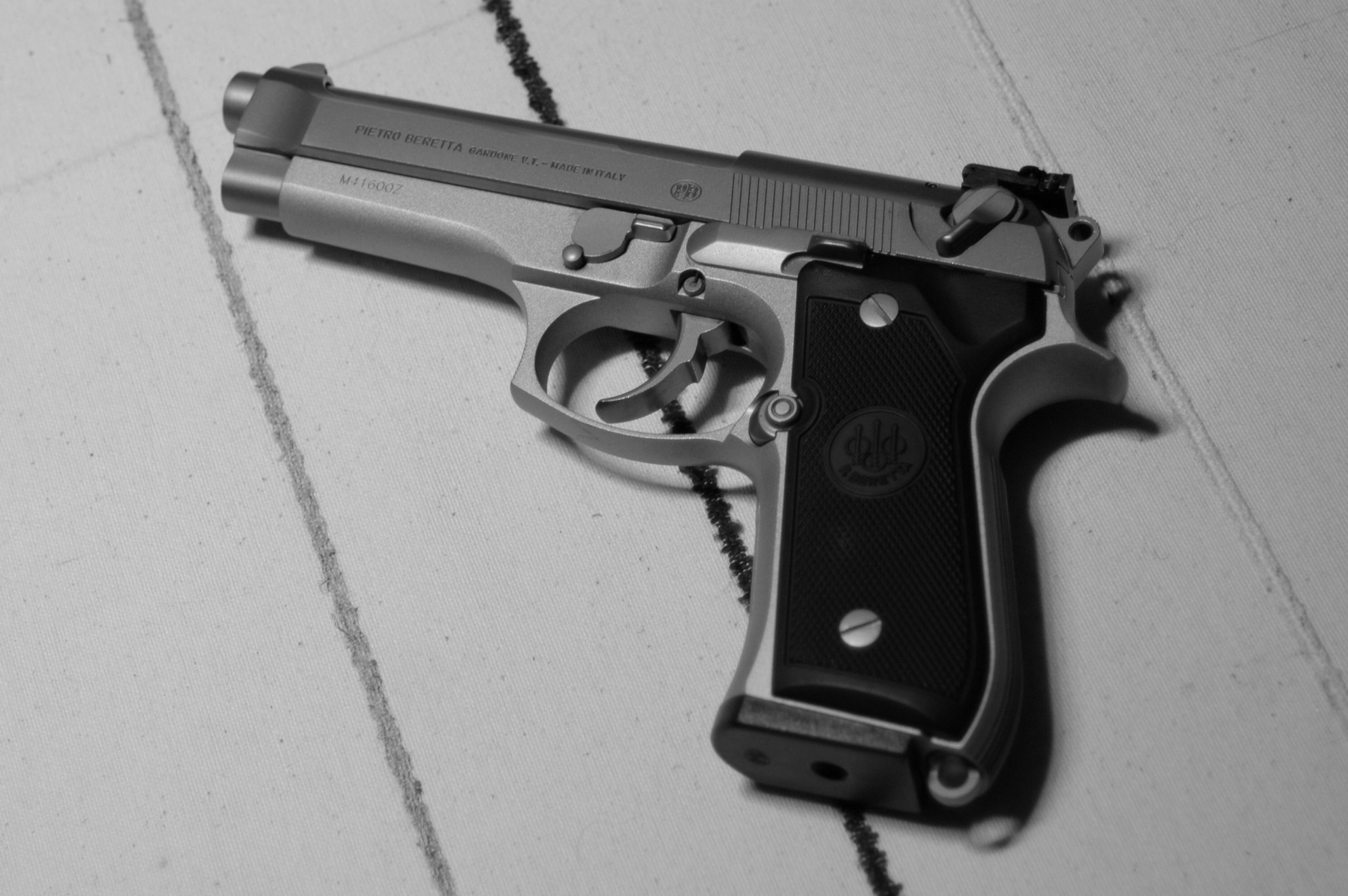
The Beretta 92FS has a long service history and a reputation for comfortable shooting, but its full-size construction brings practical trade-offs. At approximately 34 ounces unloaded, depending on configuration, it is relatively heavy to carry over long periods. Its exposed metal surfaces and magazines also require sensible care after exposure to moisture, particularly in humid environments. Dirt or unsuitable lubrication can affect the operation of semiautomatic firearms generally. The 92FS is not inherently unsuitable for rough conditions, but its size, weight, and maintenance requirements matter when comparing it with lighter polymer-framed alternatives.
7. Heckler & Koch VP9
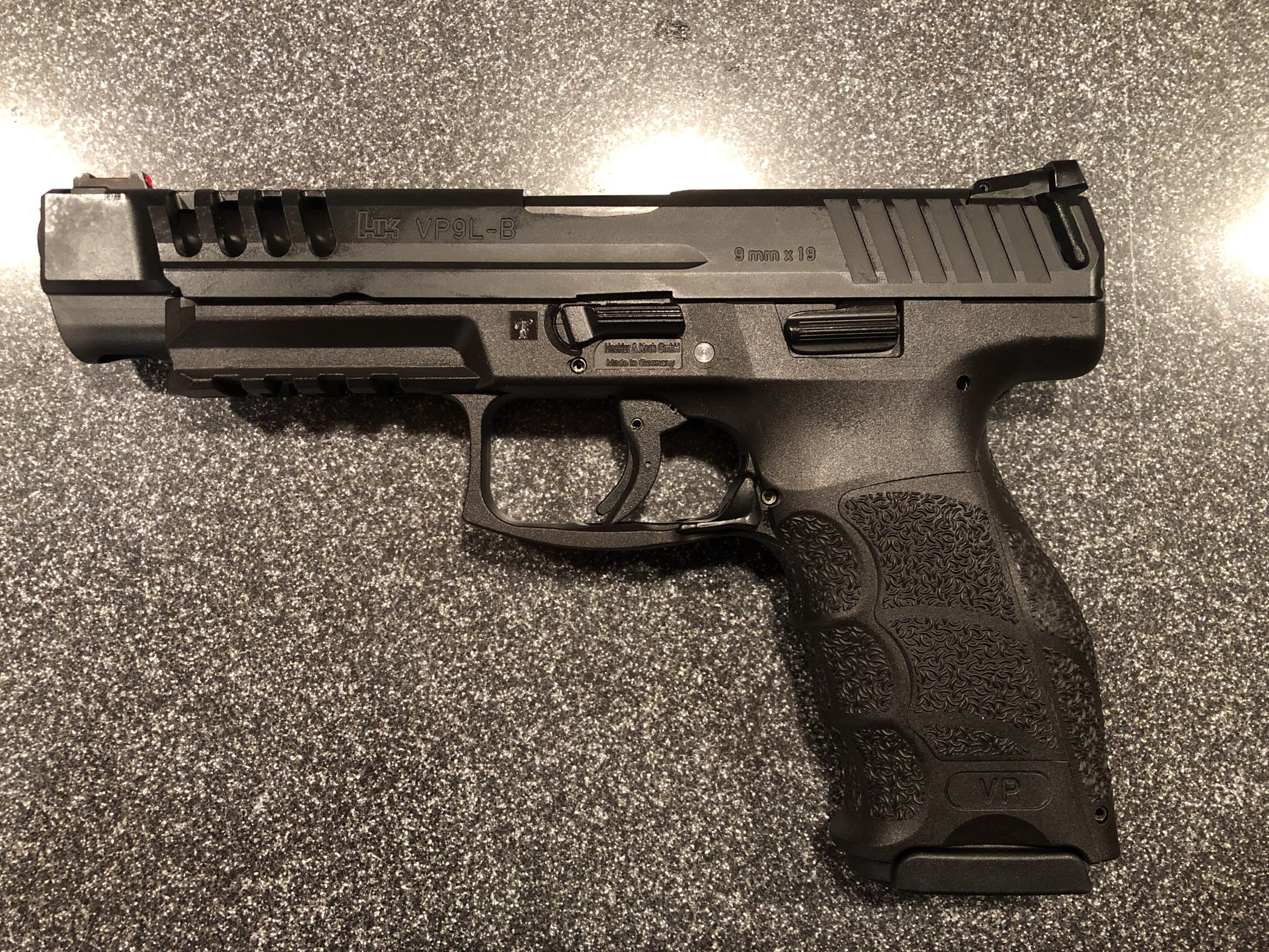
The Heckler & Koch VP9 is known for its adjustable grip options and comfortable ergonomics, but performance in challenging weather still depends on the individual setup and its condition. Interchangeable grip panels can improve fit, although a configuration that feels secure in dry conditions may feel different with wet hands or gloves. Its metal slide and other components also need appropriate care after exposure to moisture and contaminants. The VP9 should not be labeled unreliable simply because it has moving parts and accessories. Regular inspection, correct ammunition, and adherence to the owner’s manual remain more meaningful than assumptions based on weather alone.
8. CZ 75 SP-01

The CZ 75 SP-01 uses a steel frame that helps provide stability during range shooting, but its approximately 40-ounce unloaded weight makes it a substantial handgun. Carrying that mass over a long day can be tiring, especially when clothing and weather add discomfort. Steel surfaces also require sensible protection against corrosion in damp conditions, while dirt and neglected magazines can affect operation. The SP-01 is valued by many sporting shooters, and its weight is an advantage for some applications. However, people who expect a lightweight, low-maintenance outdoor companion should consider these practical trade-offs before choosing it.
9. Smith & Wesson M&P Shield
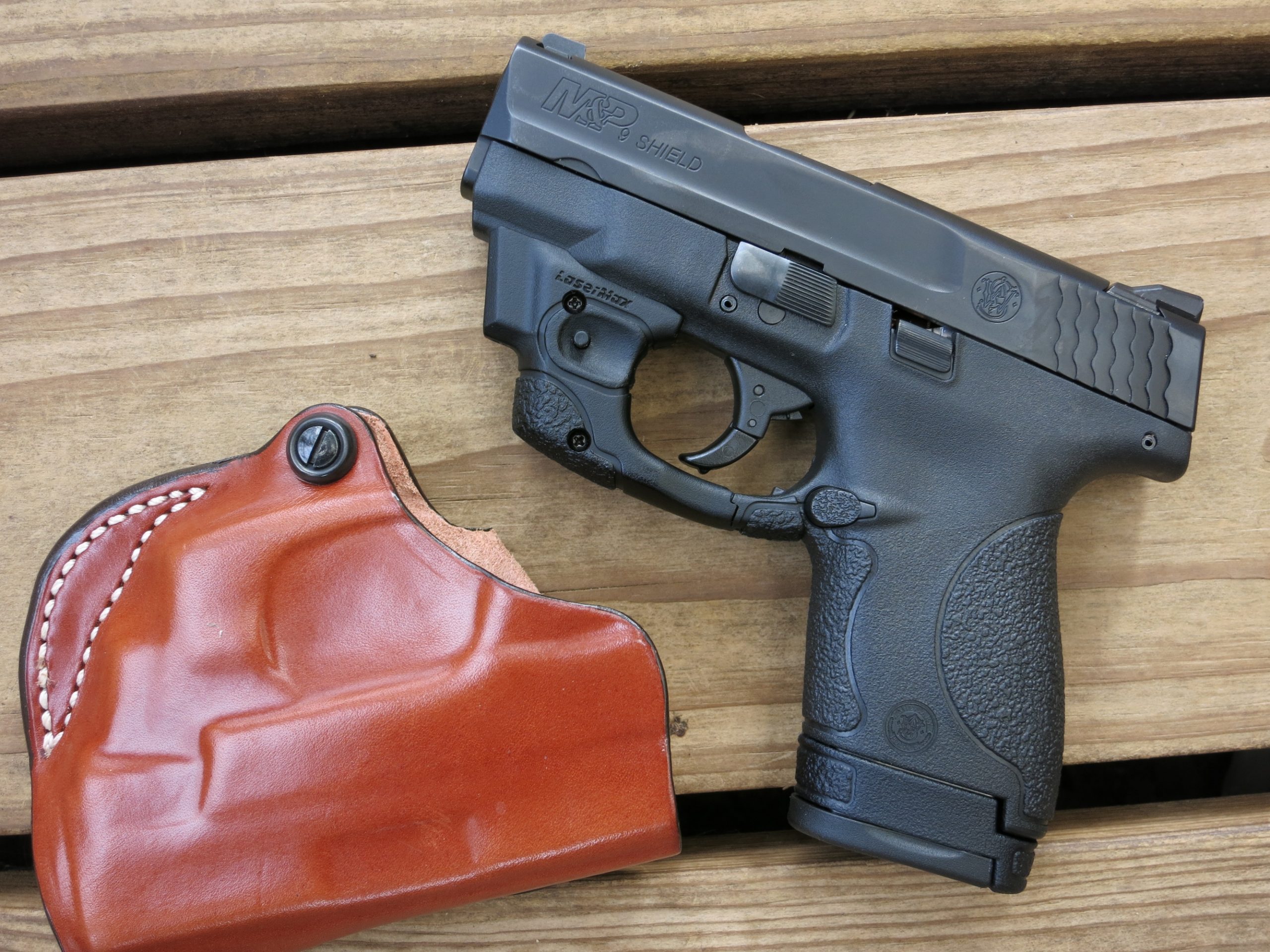
The Smith & Wesson M&P Shield is designed around a slim profile, which can make it convenient to carry but leaves less grip area than many full-size pistols. With cold fingers, wet hands, or gloves, some users may find the smaller grip less comfortable to control. Its compact format also makes individual fit and familiarity particularly important during practice. Environmental exposure creates additional maintenance responsibilities, as moisture and debris can affect metal components and magazines. None of these factors proves that the Shield is unreliable. They simply show why compactness, ergonomics, and regular care should be evaluated together.
10. FN Five-seveN
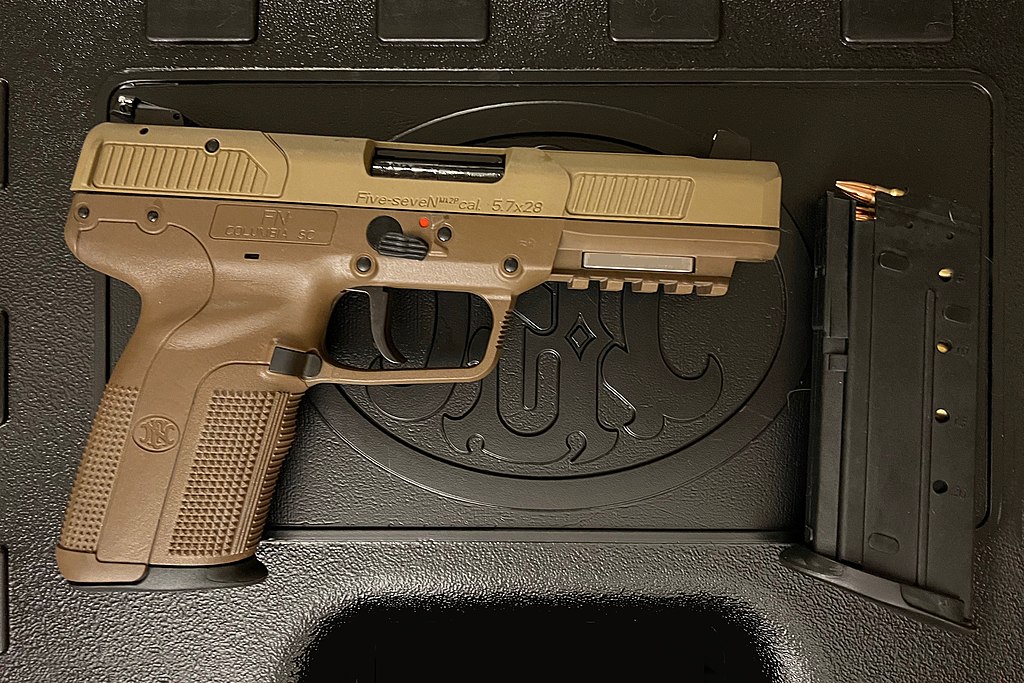
The FN Five-seveN stands out for its lightweight polymer construction and 5.7×28mm chambering. However, that specialized ammunition may be less convenient to obtain in some regions than common 9mm cartridges. Its full-size dimensions can also be awkward for users who need a more compact setup, while any firearm exposed to rain, dust, or heavy perspiration requires suitable maintenance. The pistol’s reputation and distinctive cartridge do not guarantee identical performance in every environment. Buyers should consider ammunition availability, service support, and the manufacturer’s maintenance requirements before deciding whether it suits their intended use.
11. Walther PPK
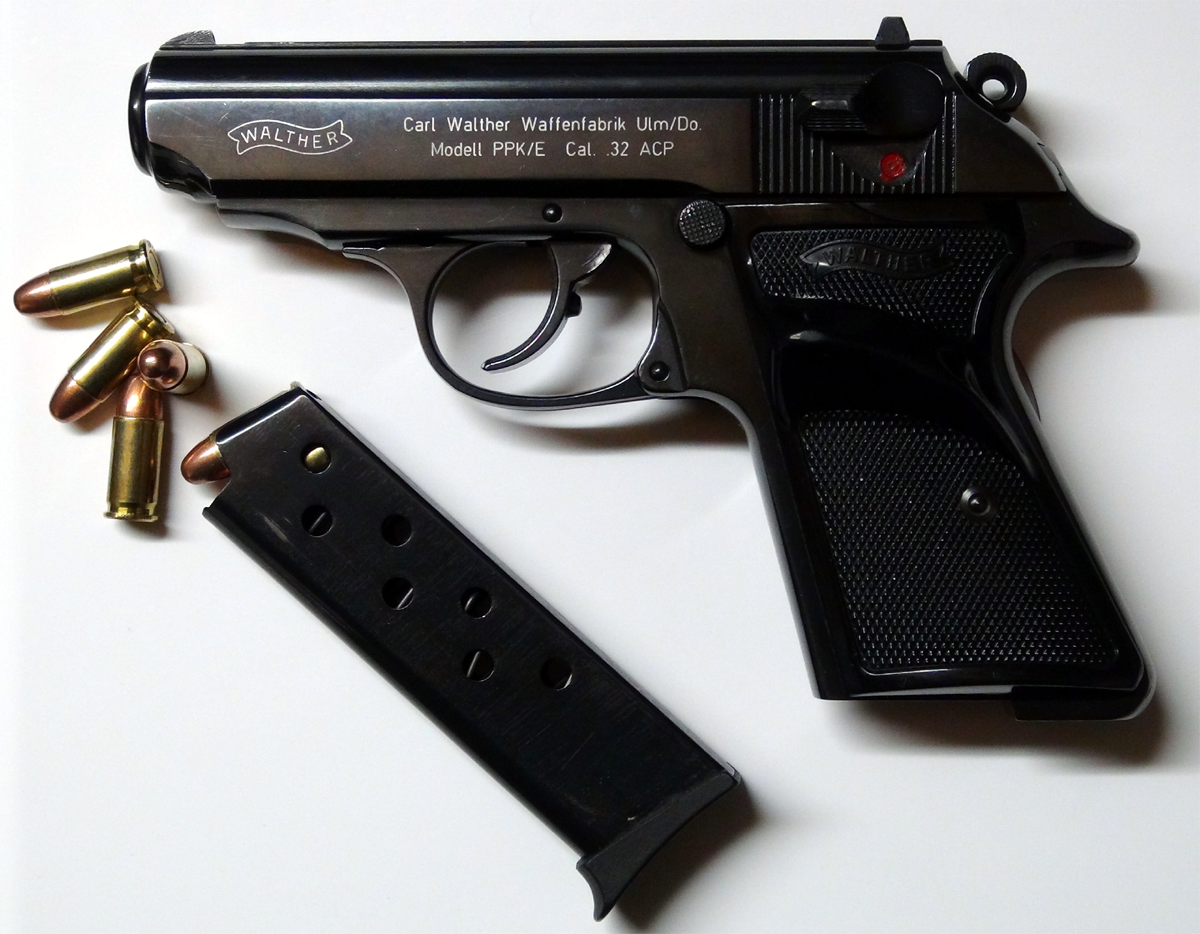
The Walther PPK has a recognizable profile and a long history, but its compact metal construction brings several practical considerations. Depending on the version, the pistol is relatively heavy for its size, and its grip may feel cramped for some users. Older examples require particular attention because decades of use or storage can affect springs, finishes, and other components. Moisture can also damage neglected metal surfaces over time. A well-maintained PPK is not automatically unreliable, but a used example should receive a careful professional inspection. Its historical appeal should be balanced against condition, ergonomics, and parts support.
12. 1911 Government Model
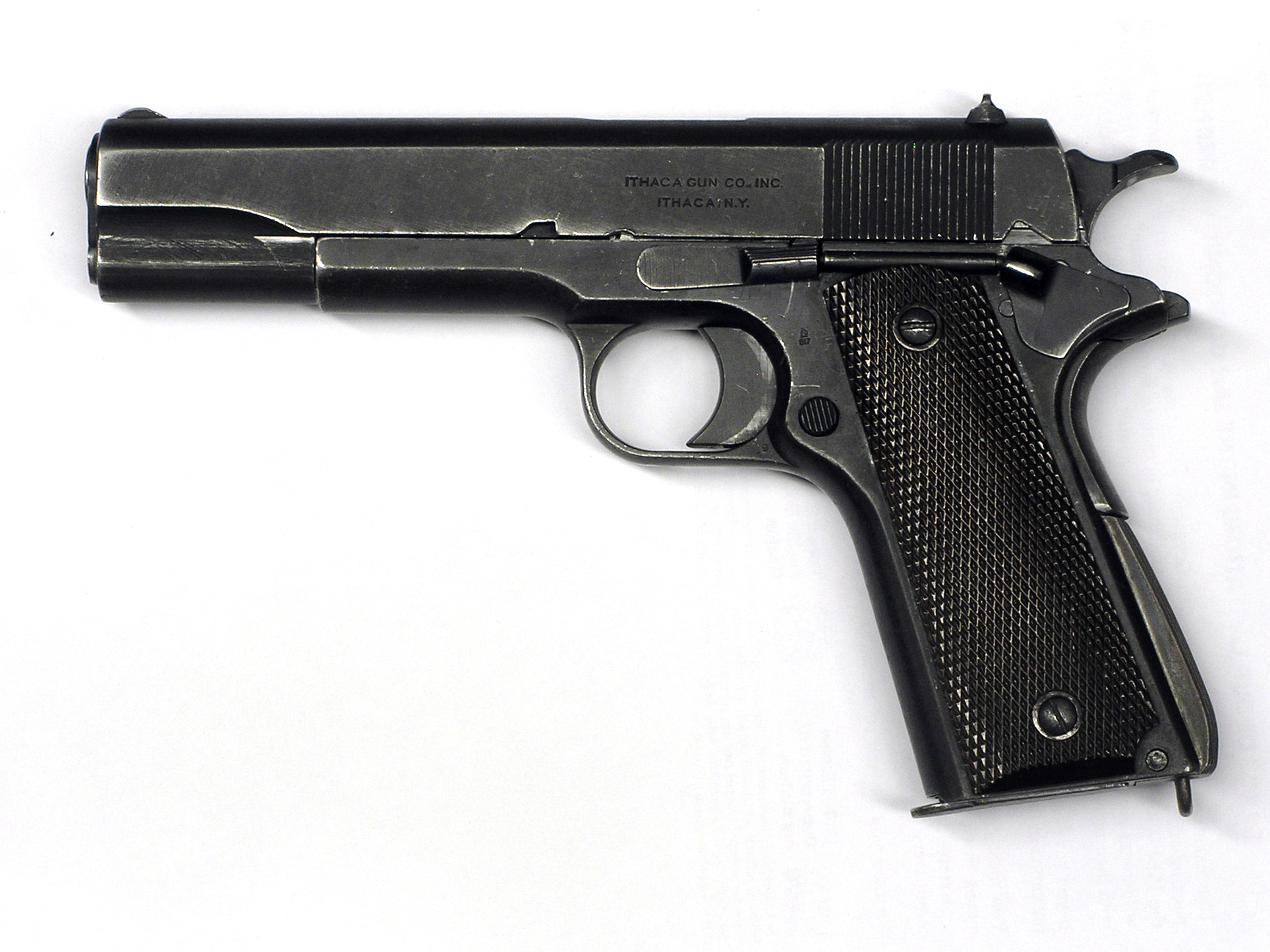
The traditional Government-size 1911 is admired for its trigger characteristics and established design, but its performance depends on the particular pistol, its condition, and proper maintenance. Many versions use steel frames and weigh around 39 to 40 ounces unloaded, making them heavier than several modern polymer pistols. Different manufacturers and variants can also have different specifications and component compatibility. Dust, moisture, worn parts, or unsuitable ammunition may cause problems in any firearm. A quality 1911 can serve reliably, but owners should avoid assuming that every model shares identical tolerances, maintenance needs, or environmental performance.