A handgun may appear straightforward when viewed in a photograph or handled briefly at a gun counter, but consistent shooting involves much more than pulling a trigger. Grip shape, recoil, sight design, trigger characteristics, and overall weight can all influence how a pistol feels in practice. Some models are designed for experienced competitors, while others have unusual mechanisms or compact dimensions that require time to become familiar with. The nine handguns below illustrate why reputation and appearance do not always reflect the learning curve. Individual fit, proper instruction, and regular supervised practice remain important factors.
1. Desert Eagle Mark XIX
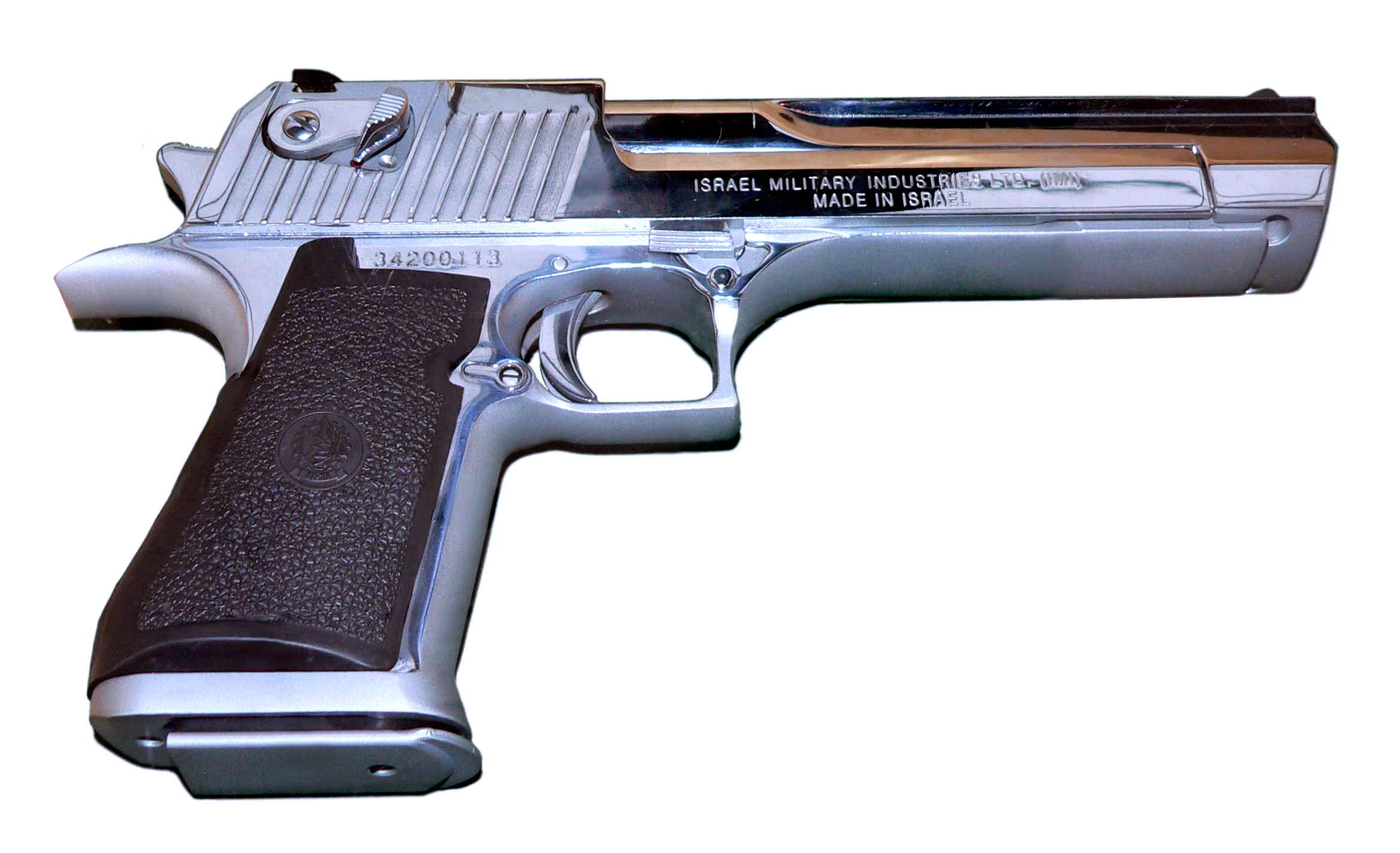
The Desert Eagle Mark XIX looks impressive, but its size and powerful chamberings make it a demanding handgun for many shooters. Depending on configuration, it can weigh around 4 to 5 pounds unloaded, and versions chambered in .50 Action Express produce substantial recoil and muzzle blast. Its gas-operated mechanism also differs from that of most conventional semiautomatic pistols. These characteristics can make the gun tiring during extended range sessions. Although experienced enthusiasts appreciate its engineering and distinctive appearance, its weight, ammunition costs, and specialized operation make it less forgiving than its dramatic reputation might suggest.
2. Smith & Wesson Model 500
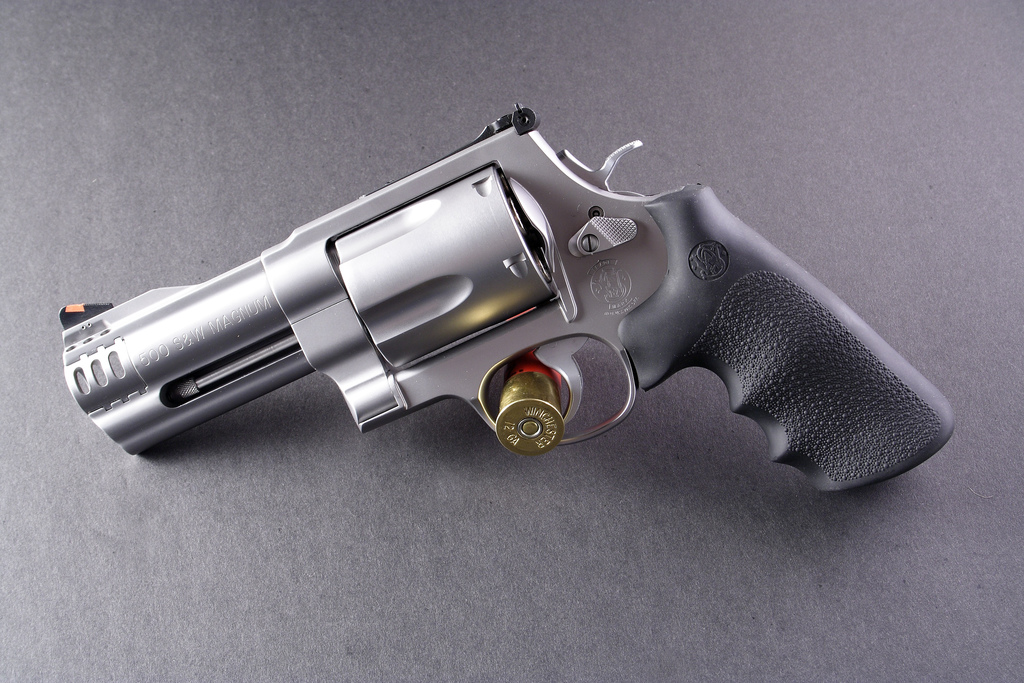
The Smith & Wesson Model 500 is a large-frame revolver chambered for the powerful .500 S&W Magnum cartridge. Introduced in 2003, it was designed for specialized sporting applications rather than casual introductory shooting. Its substantial weight helps absorb some recoil, but powerful ammunition still produces considerable movement, noise, and muzzle blast. Barrel lengths vary, with some versions measuring 8.38 inches or more. New shooters may underestimate the physical demands of shooting such a revolver. Its appeal is undeniable, but effective, responsible use requires suitable instruction, proper range conditions, and an honest assessment of personal experience.
3. Colt Python
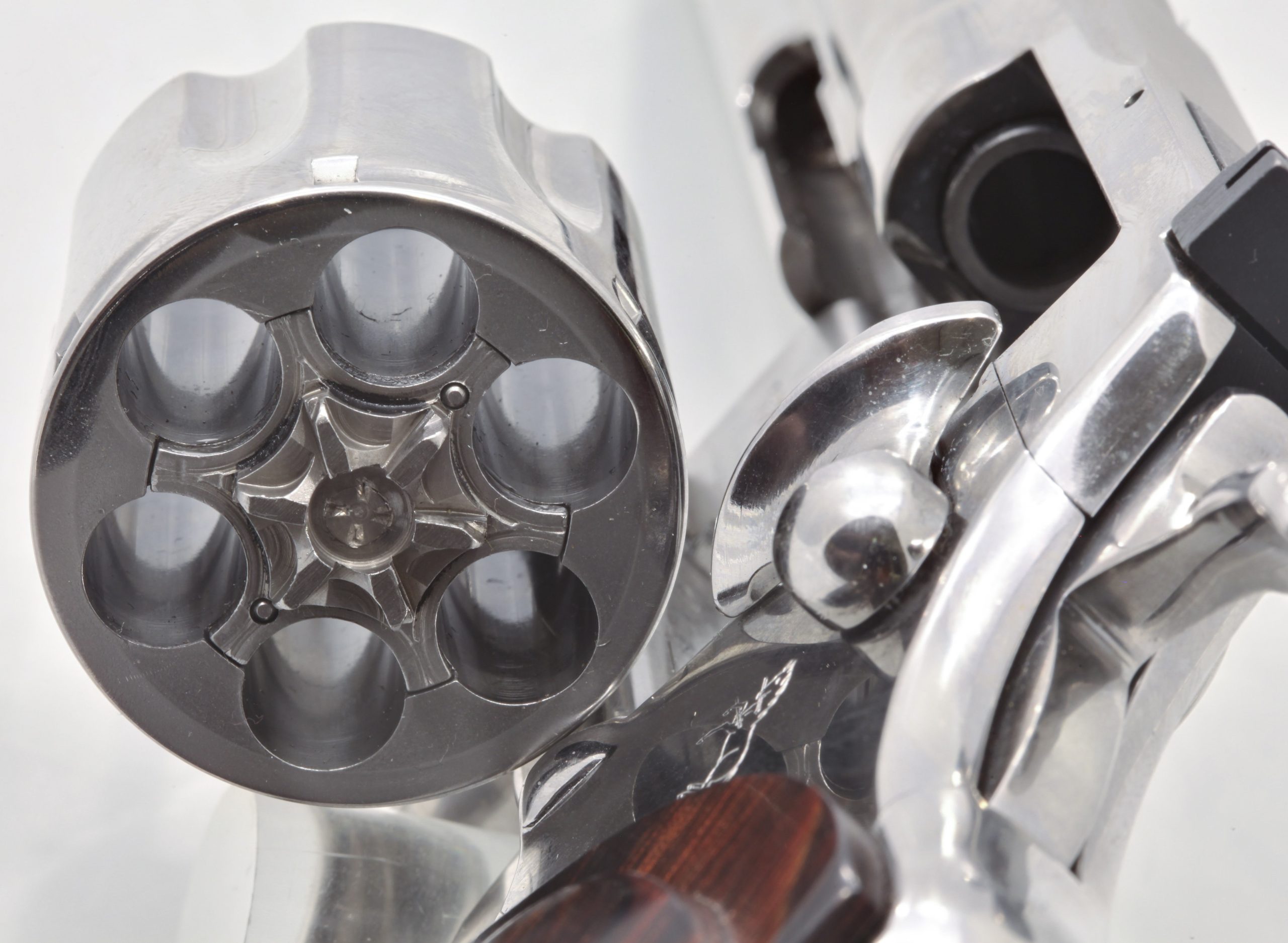
The Colt Python is celebrated for its refined finish, distinctive profile, and smooth double-action trigger when properly maintained. However, achieving consistent results with a revolver requires learning a different trigger technique from that used with many semiautomatic pistols. Its long double-action pull can expose small inconsistencies in finger movement, while single-action operation presents a different feel. Barrel lengths and production generations also influence handling. The Python is not inherently difficult to shoot accurately, but its precision-oriented reputation can create unrealistic expectations. Understanding its controls and maintaining the individual revolver properly are important parts of mastering this classic design.
4. SIG Sauer P226
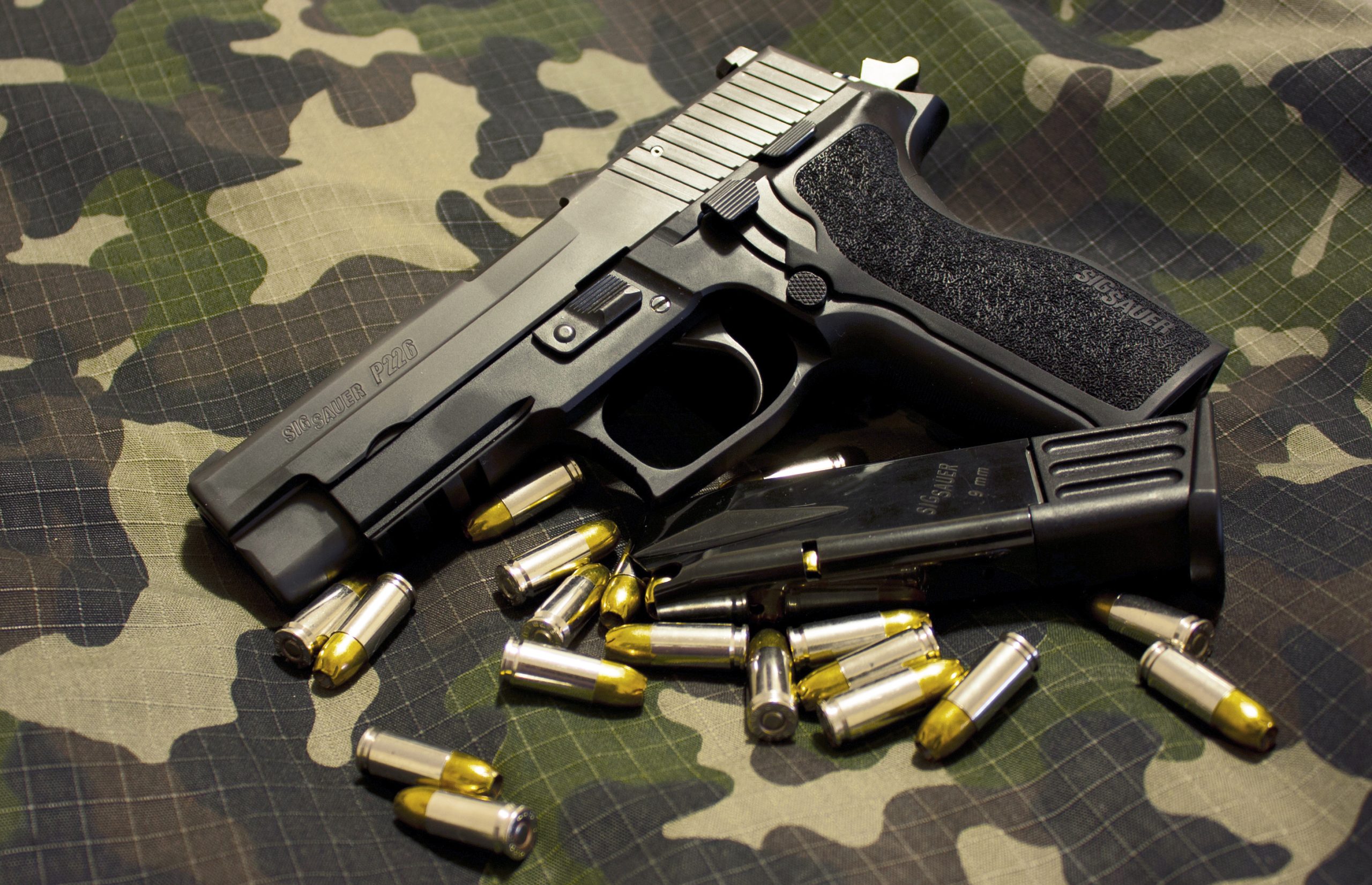
The SIG Sauer P226 is a full-size service pistol known for its established military and law-enforcement history. Many versions use a double-action/single-action trigger, meaning the first trigger pull differs from subsequent shots. That change can challenge beginners who expect every pull to feel identical. Its metal construction also makes it heavier than many polymer-framed alternatives, with a typical unloaded weight around 34 ounces depending on the version. The P226 offers excellent potential in experienced hands, but consistent results require familiarity with its controls, trigger characteristics, and individual fit rather than relying on its reputation alone.
5. Beretta 92FS
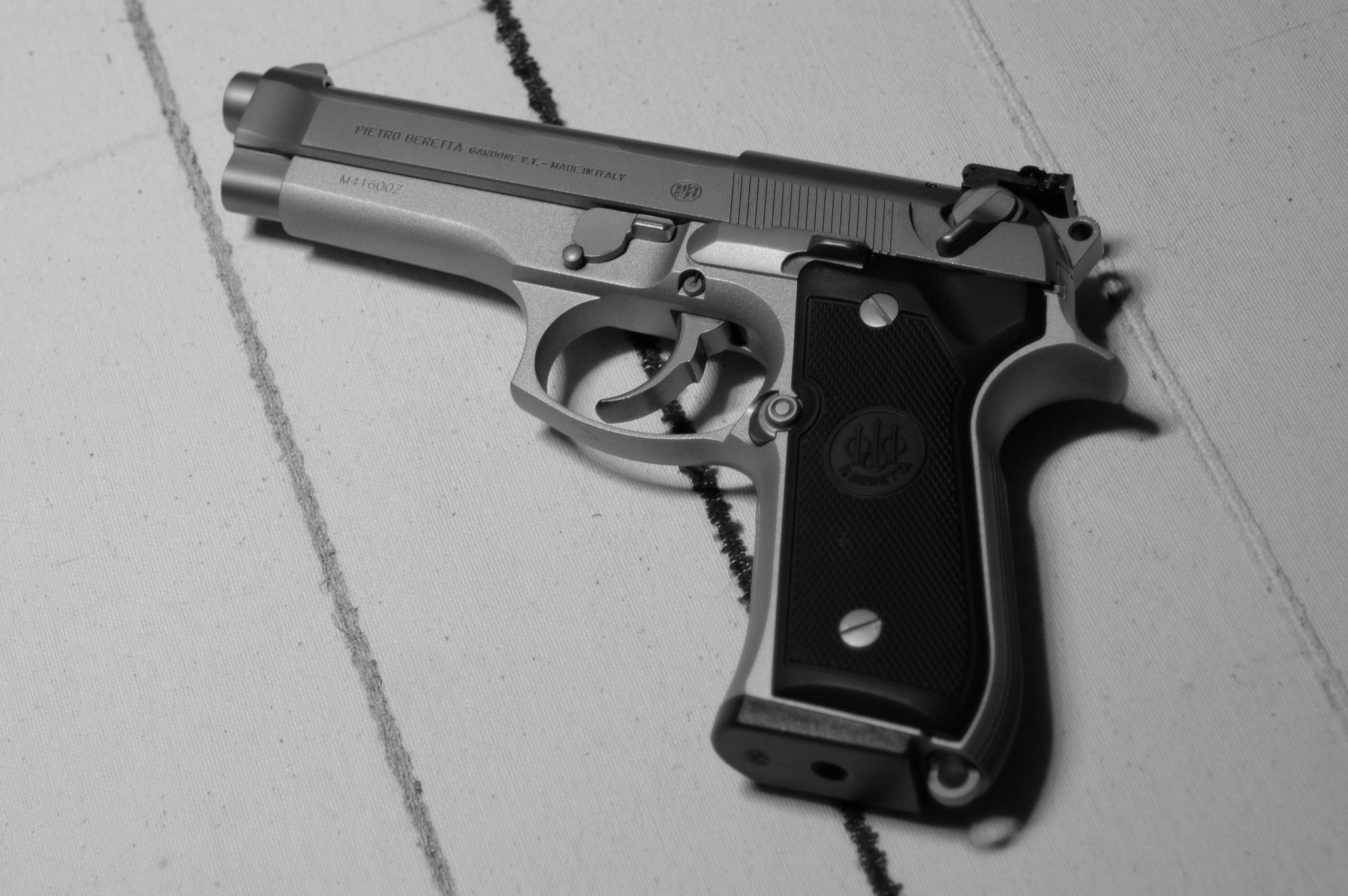
The Beretta 92FS combines a full-size grip, an exposed hammer, and a double-action/single-action trigger system. Its approximately 34-ounce unloaded weight can help manage movement during firing, but its broad grip may not suit every hand. The first trigger pull is typically longer and heavier than later single-action pulls, creating a noticeable change in feel. Its slide-mounted safety and decocking arrangement also differ from those on many modern striker-fired pistols. These features are manageable with proper instruction, yet they demonstrate why familiarity matters. The 92FS rewards practice, particularly for shooters learning its distinctive controls and trigger system.
6. FN Five-seveN
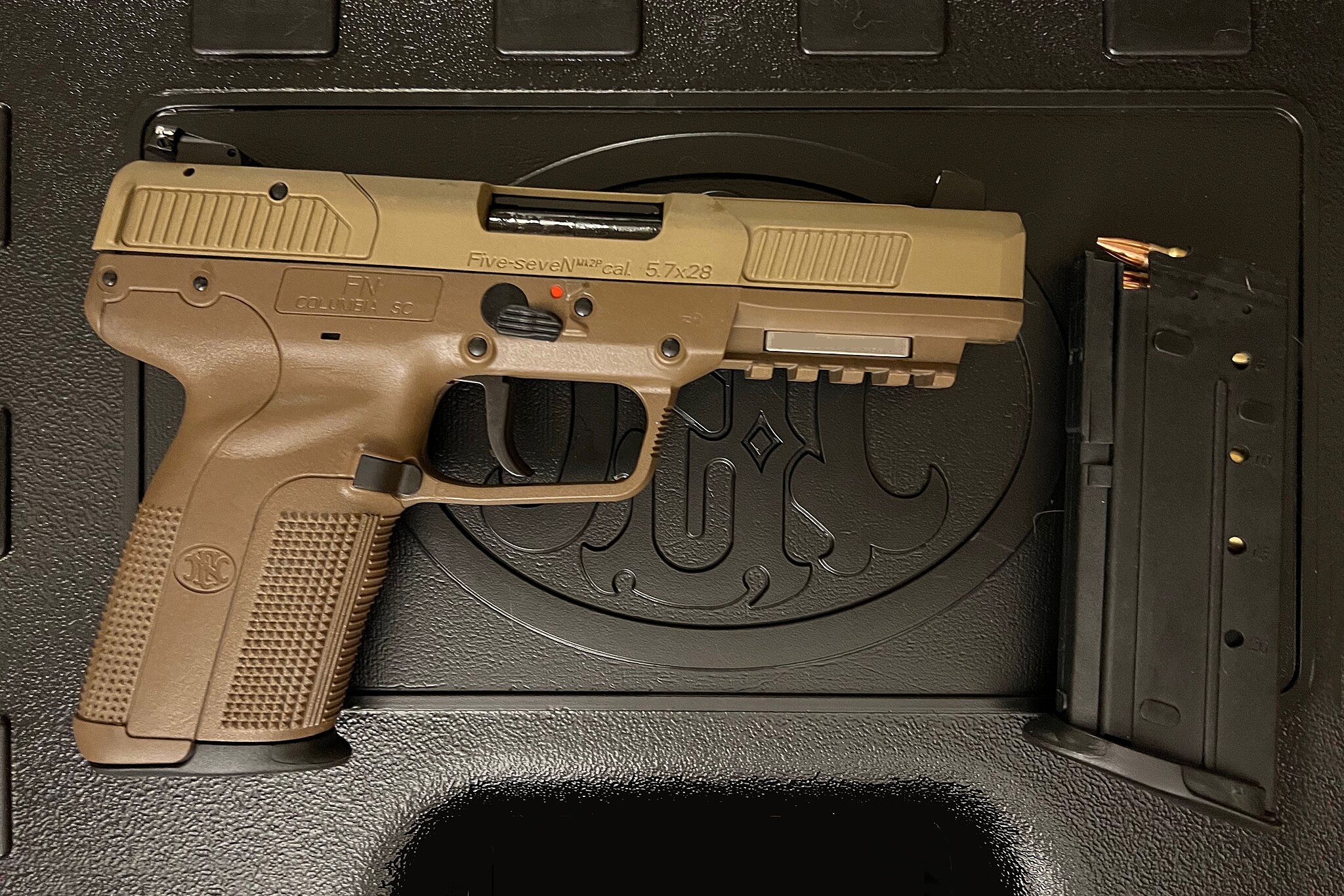
The FN Five-seveN uses the specialized 5.7×28mm cartridge and has a lightweight polymer frame with a relatively large overall profile. Its low weight can make it comfortable to hold, but the grip shape, sight arrangement, and trigger feel may take adjustment for someone accustomed to conventional 9mm pistols. Ammunition availability and cost can also affect how frequently an owner practices. Different generations and regional versions have varying specifications, so assumptions based on one model may not apply to another. The Five-seveN is distinctive and capable, but becoming familiar with its characteristics takes more than a brief introductory session.
7. CZ 75 SP-01
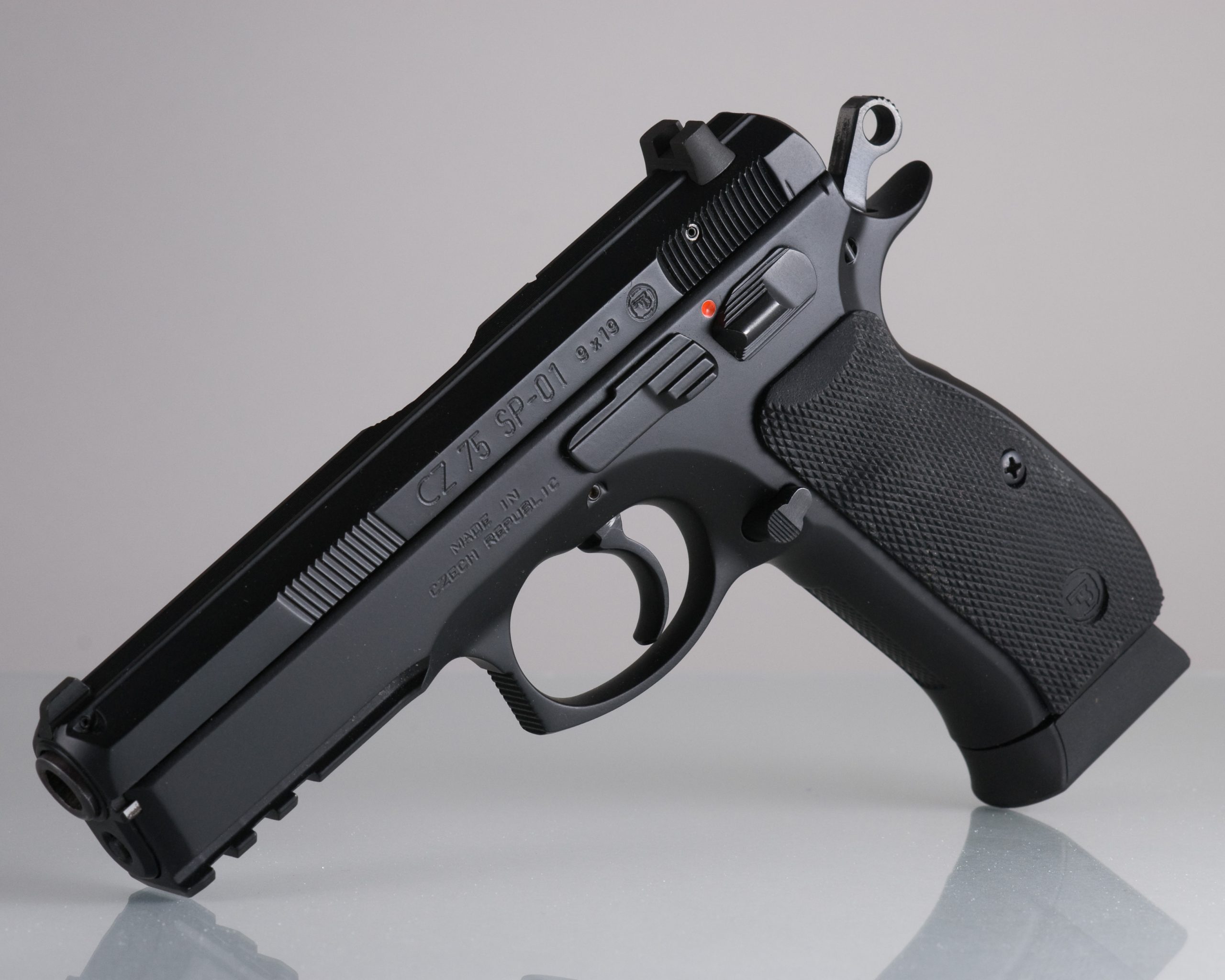
The CZ 75 SP-01 is a steel-framed 9mm pistol weighing approximately 40 ounces unloaded. Its mass can help reduce perceived recoil, but it also makes the handgun noticeably heavier than many modern polymer models. The design commonly uses a double-action/single-action trigger, so the first pull differs from subsequent ones. Its slide travels inside the frame rails, another feature that distinguishes it from many familiar pistols. These characteristics do not make the SP-01 unusually inaccurate or unreliable. Rather, its weight, grip geometry, and trigger system reward time spent learning the specific model under qualified supervision.
8. Walther PPK

The Walther PPK is a compact pistol with a long history and a recognizable metal-frame design. Its relatively small grip and short sight radius can make consistent shooting more challenging than its modest dimensions suggest. Depending on the version and chambering, recoil can also feel sharper than expected from a pistol of its size. The traditional double-action/single-action trigger adds another learning consideration because its first pull differs from later shots. Older examples may have different specifications or maintenance needs. The PPK remains historically significant, but its compact format does not automatically make it the easiest handgun for a beginner to master.
9. Magnum Research BFR
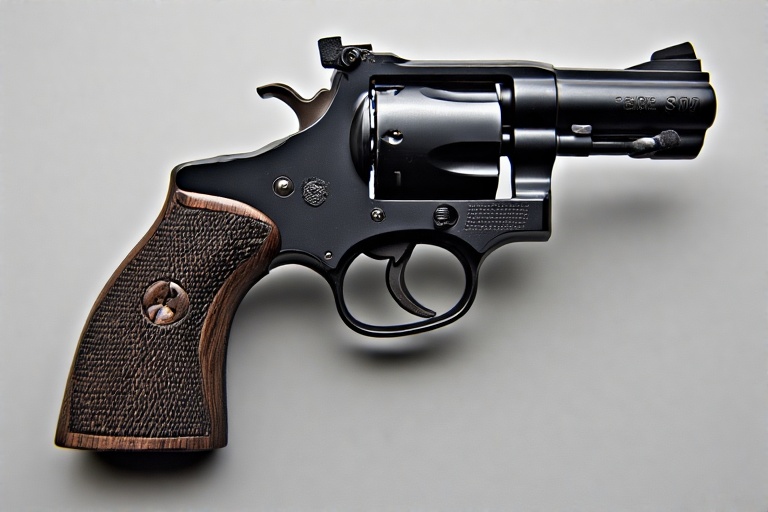
The Magnum Research BFR is a large single-action revolver available in several powerful chamberings. Some versions are built for cartridges associated with hunting rifles, and their long barrels and substantial frames make them specialized sporting handguns. The single-action mechanism requires the shooter to understand its operating controls and safe handling characteristics, while powerful ammunition can generate significant recoil and muzzle blast. Depending on the version, the firearm may weigh several pounds and extend well beyond the dimensions of an ordinary service pistol. The BFR is an impressive engineering piece, but its size and specialized purpose place it firmly outside the typical beginner’s comfort zone.