Winter changes nearly every part of snowshoe hare hunting, from spotting animals in thick cover to understanding the tracks they leave behind. These hares inhabit northern forests where deep snow, freezing temperatures, and limited daylight create a demanding outdoor experience. Their seasonal camouflage, powerful hind legs, and preference for dense vegetation make them surprisingly difficult to locate, even when fresh tracks appear across the snow. Successful outings depend on reading the landscape carefully, recognizing changing conditions, and preparing for cold weather. Understanding these 8 differences helps explain why winter hare hunting requires a different approach from hunting in milder seasons.
1. Seasonal Camouflage Changes Visibility
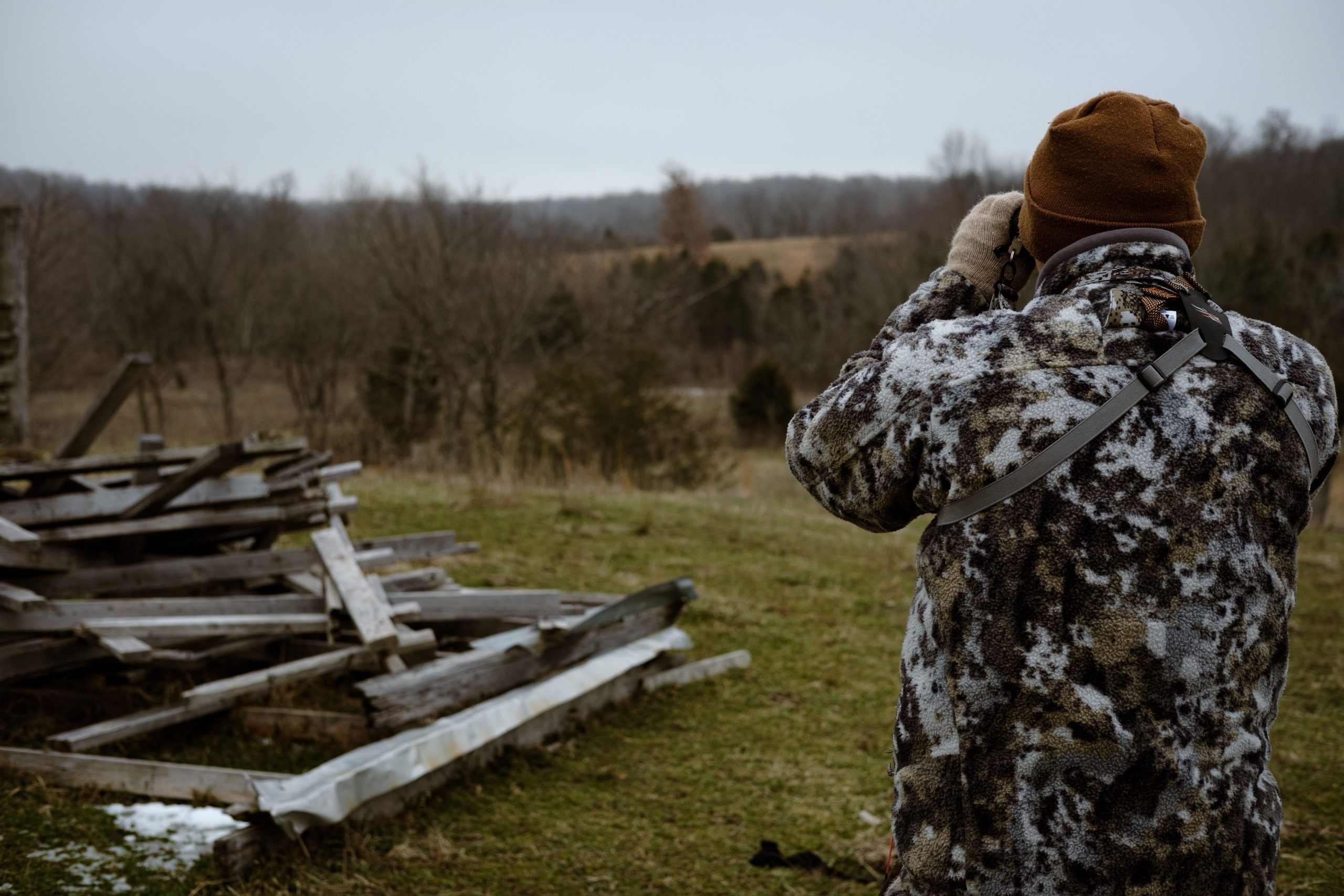
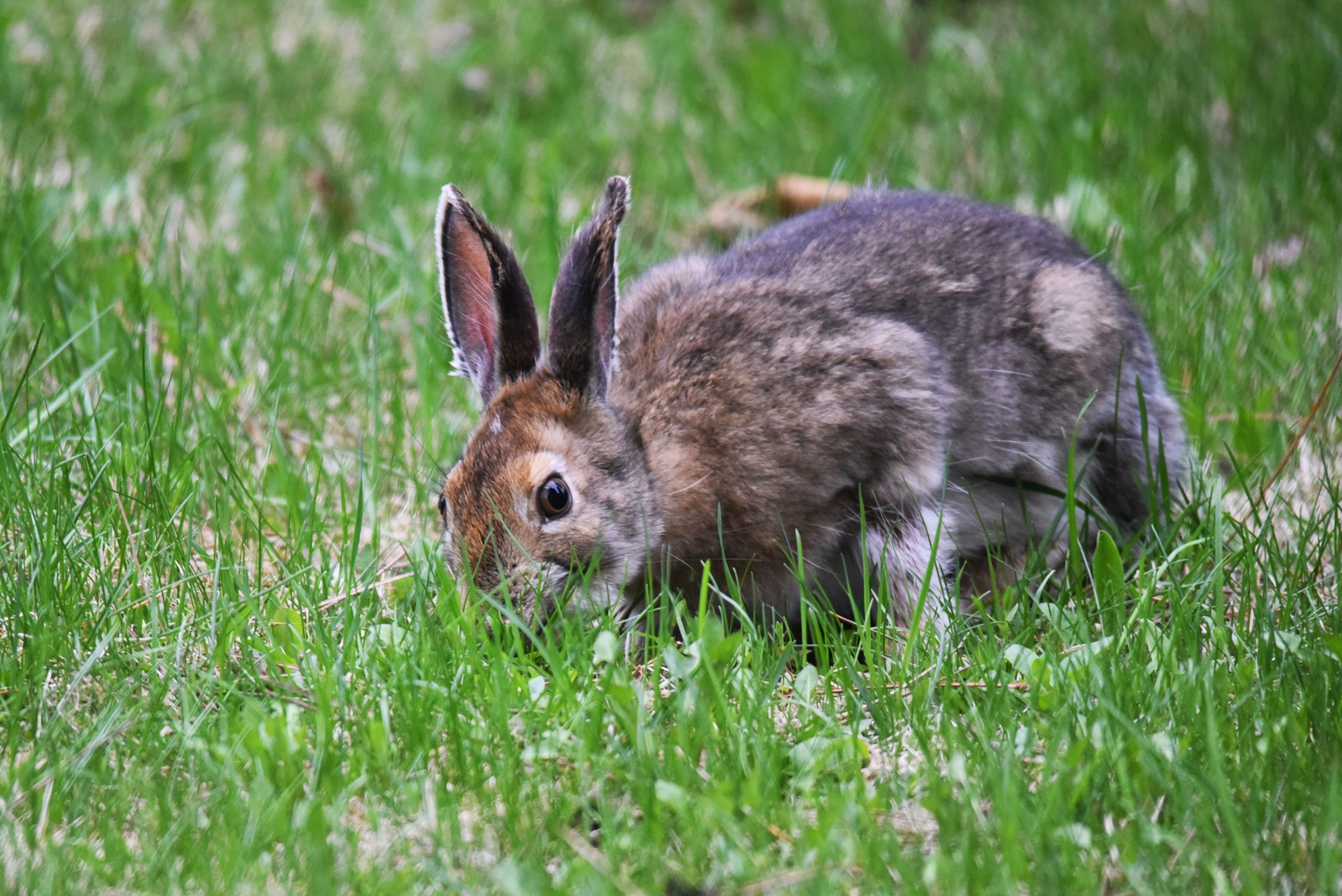
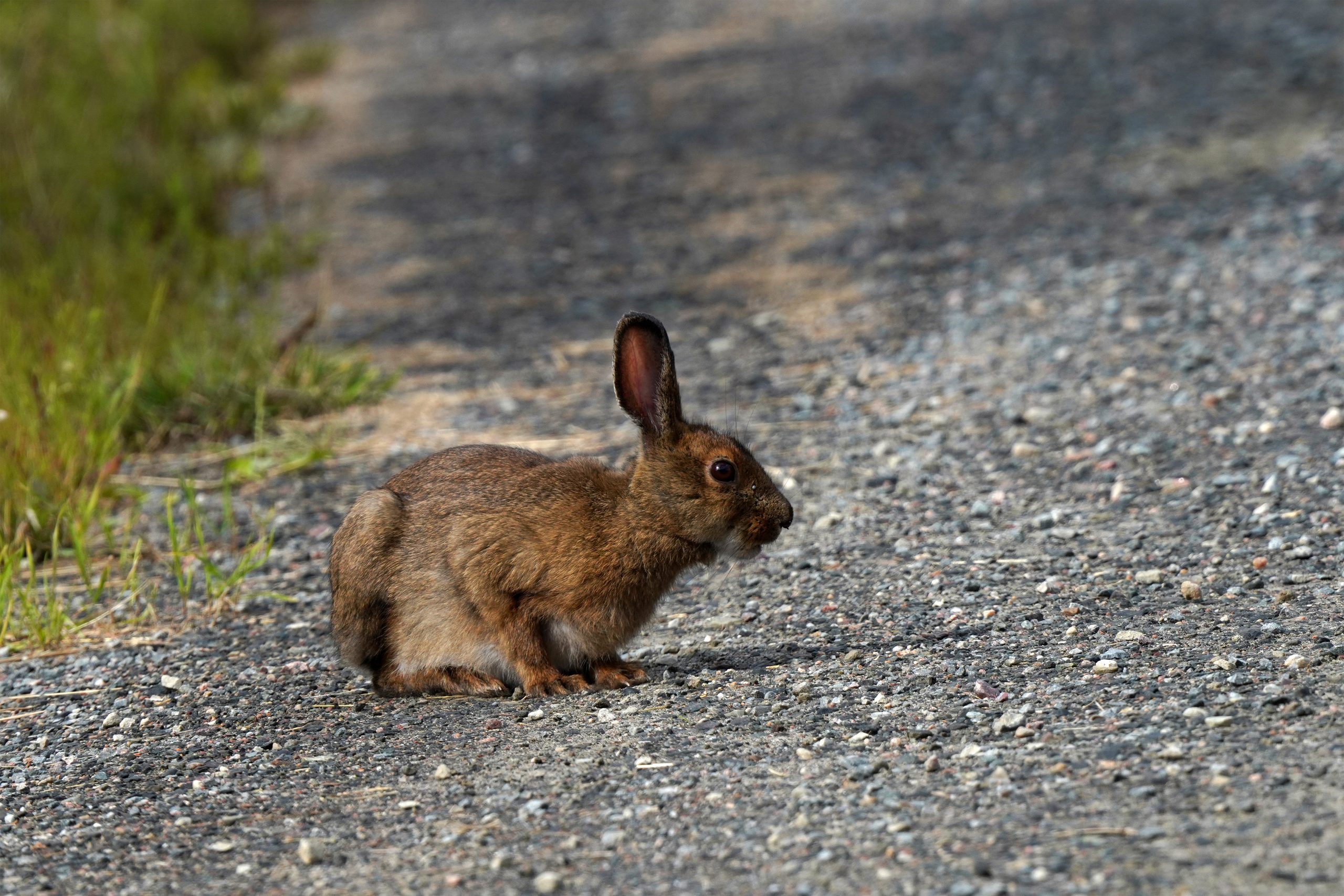
Snowshoe hares develop a white winter coat in many northern regions, helping them blend into snow-covered surroundings. However, the timing of this change does not always match snowfall, leaving some animals conspicuous against brown vegetation or patchy ground. Adults typically measure about 16 to 20 inches long, excluding the tail. Their dark eyes and black ear tips can offer useful clues, but thick brush may hide these features. Hunters must scan the landscape carefully because a motionless hare can remain difficult to distinguish from snow, branches, and shadows.
2. Snow Tracks Become a Major Source of Information
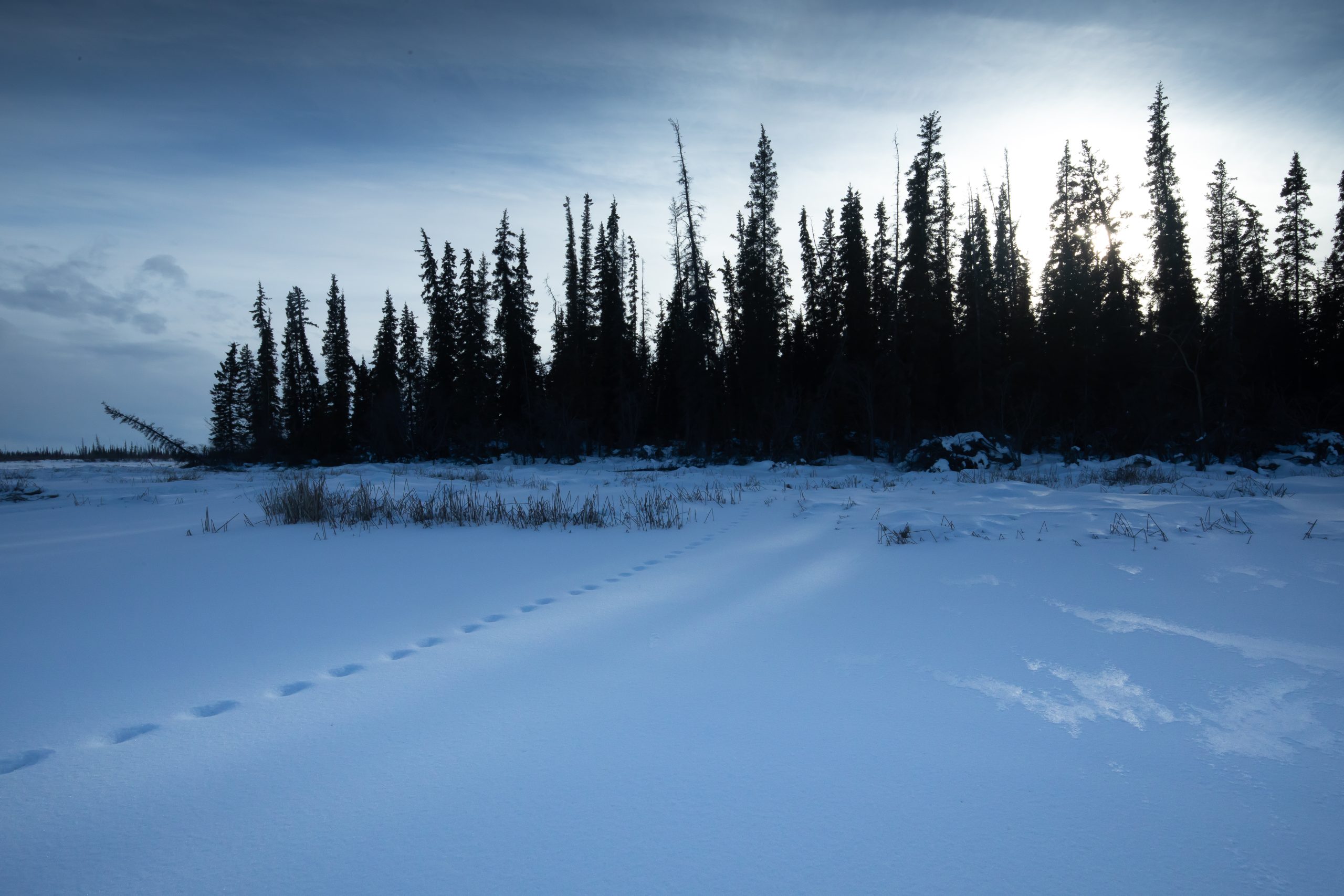
Fresh snow reveals the movement of snowshoe hares more clearly than many summer surfaces. Their hind feet are larger than their front feet, helping distribute weight over soft snow, and their bounding gait creates recognizable groups of prints. A trail may lead beneath low branches, into dense cover, or across a small opening before disappearing. Snowfall and wind can quickly obscure older tracks, while melting conditions soften their outlines. Comparing track sharpness, spacing, and surrounding disturbances helps assess activity, although footprints alone cannot establish exactly when a hare passed.
3. Dense Winter Cover Limits Visibility
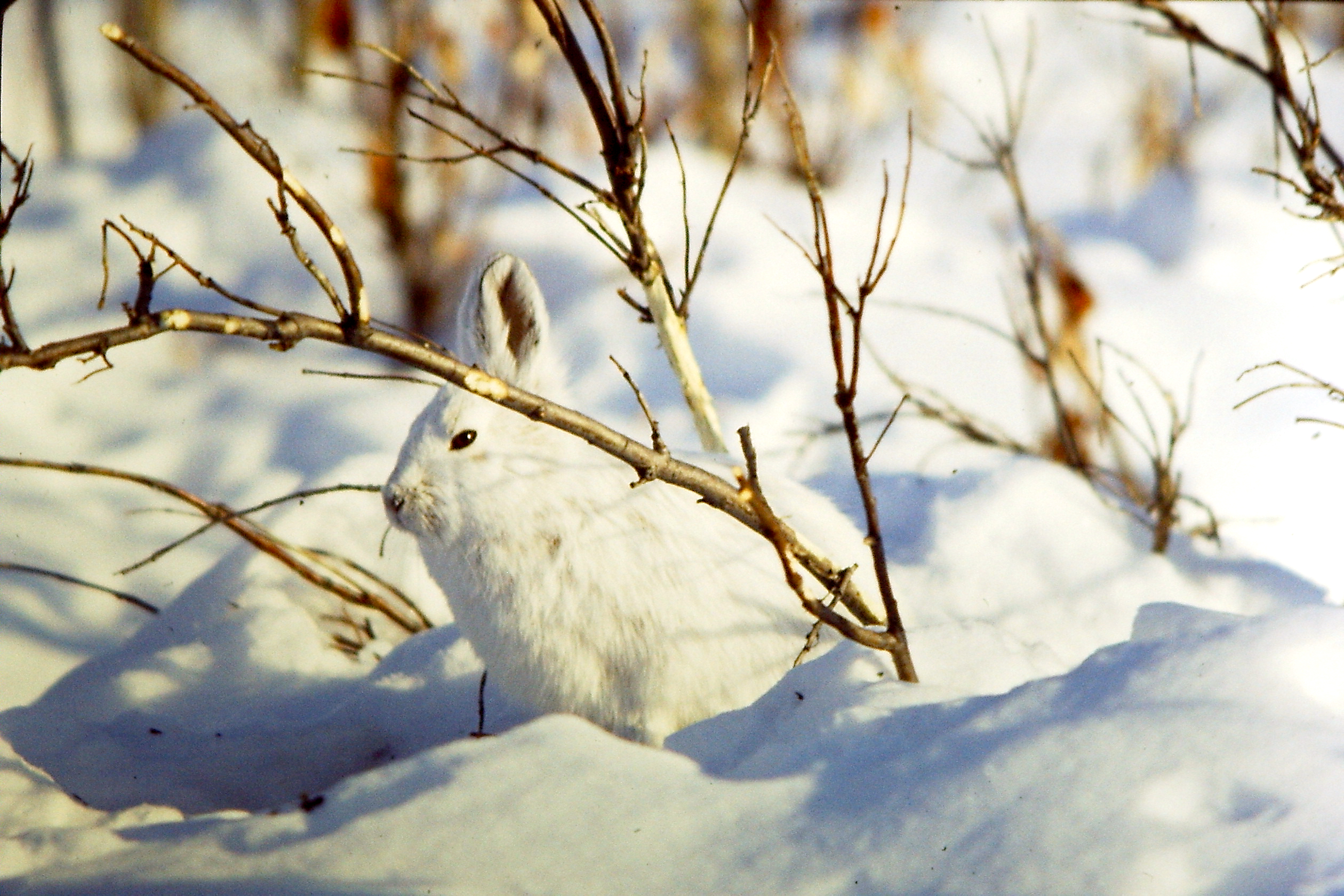
Snowshoe hares commonly use conifer stands, brush piles, young forests, and tangled woodland edges for shelter. These areas offer protection from predators but make it difficult to see an animal sitting quietly beneath branches. Even a short distance of 10 to 20 feet can provide enough cover to conceal a hare in thick spruce or fir. Snow weighing down vegetation may narrow familiar openings or create new hiding places. Hunters need to recognize how fallen limbs, evergreen boughs, and low shrubs break up sightlines, while moving cautiously through uneven, obstructed terrain.
4. Quiet Movement Becomes More Important
Frozen leaves, crusted snow, and brittle branches can produce sharp sounds that carry through otherwise quiet winter woods. A hare may detect movement before it becomes visible, particularly when surrounding vegetation offers several escape routes. Soft powder can sometimes reduce footstep noise, but a hard snow crust may crack underfoot and make each step noticeable. Conditions can change over a distance of just a few yards as sunlight, shade, and temperature affect the snow surface. Slow, controlled movement helps reduce unnecessary disturbance and makes it easier to notice subtle activity nearby.
5. Shorter Days Restrict Field Time
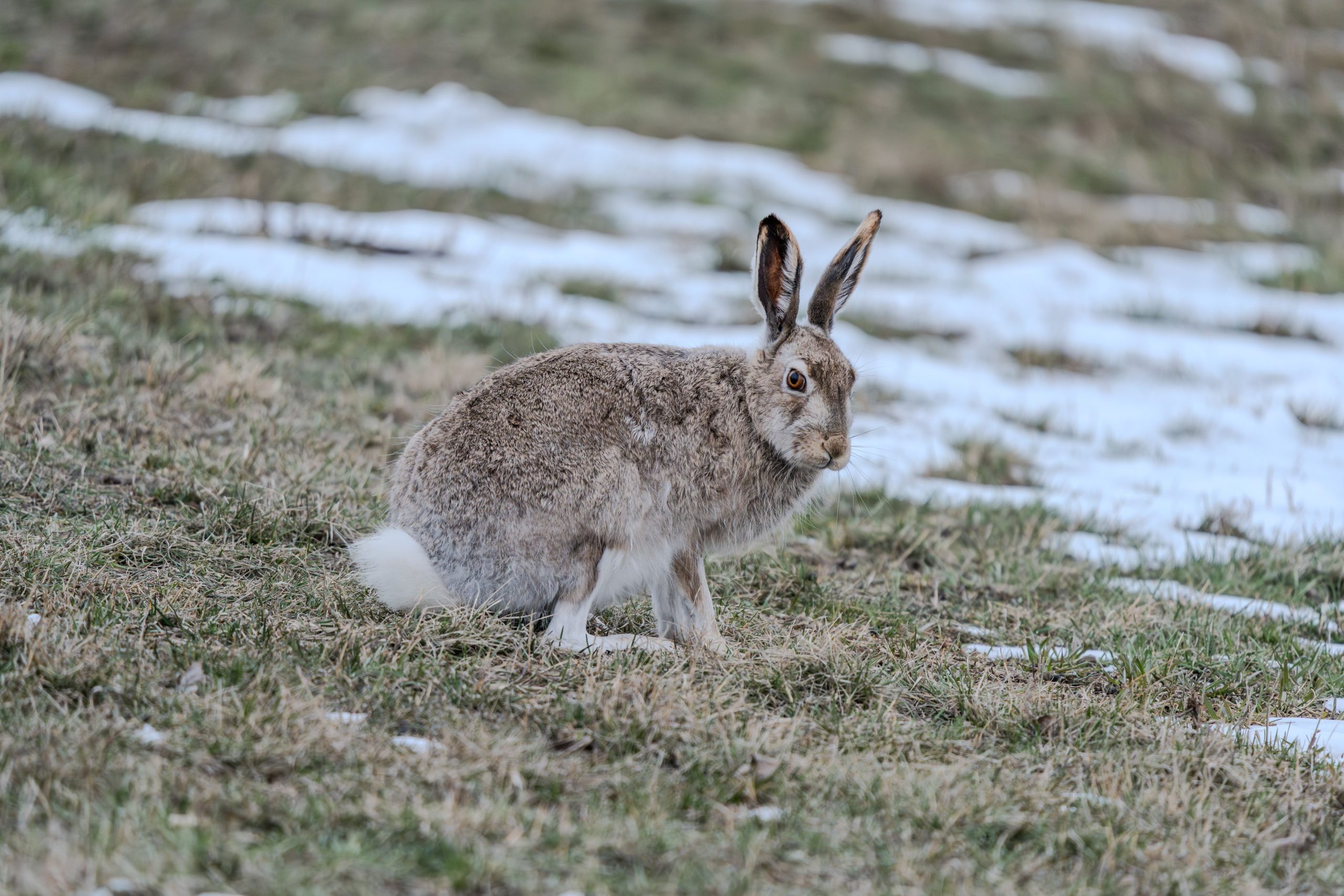
Winter brings limited daylight across much of snowshoe hare country, leaving less time for travel, observation, and hunting. In northern areas, daylight can fall below 9 hours during the shortest days, although the exact duration depends on latitude and date. Cold mornings may also require extra time for clothing, equipment checks, and safe travel to the hunting area. Planning a route before entering unfamiliar woods helps prevent delays as darkness approaches. A charged phone, map, compass, and dependable light source are valuable safeguards when snow obscures trails and familiar landmarks.
6. Cold Weather Demands Better Preparation
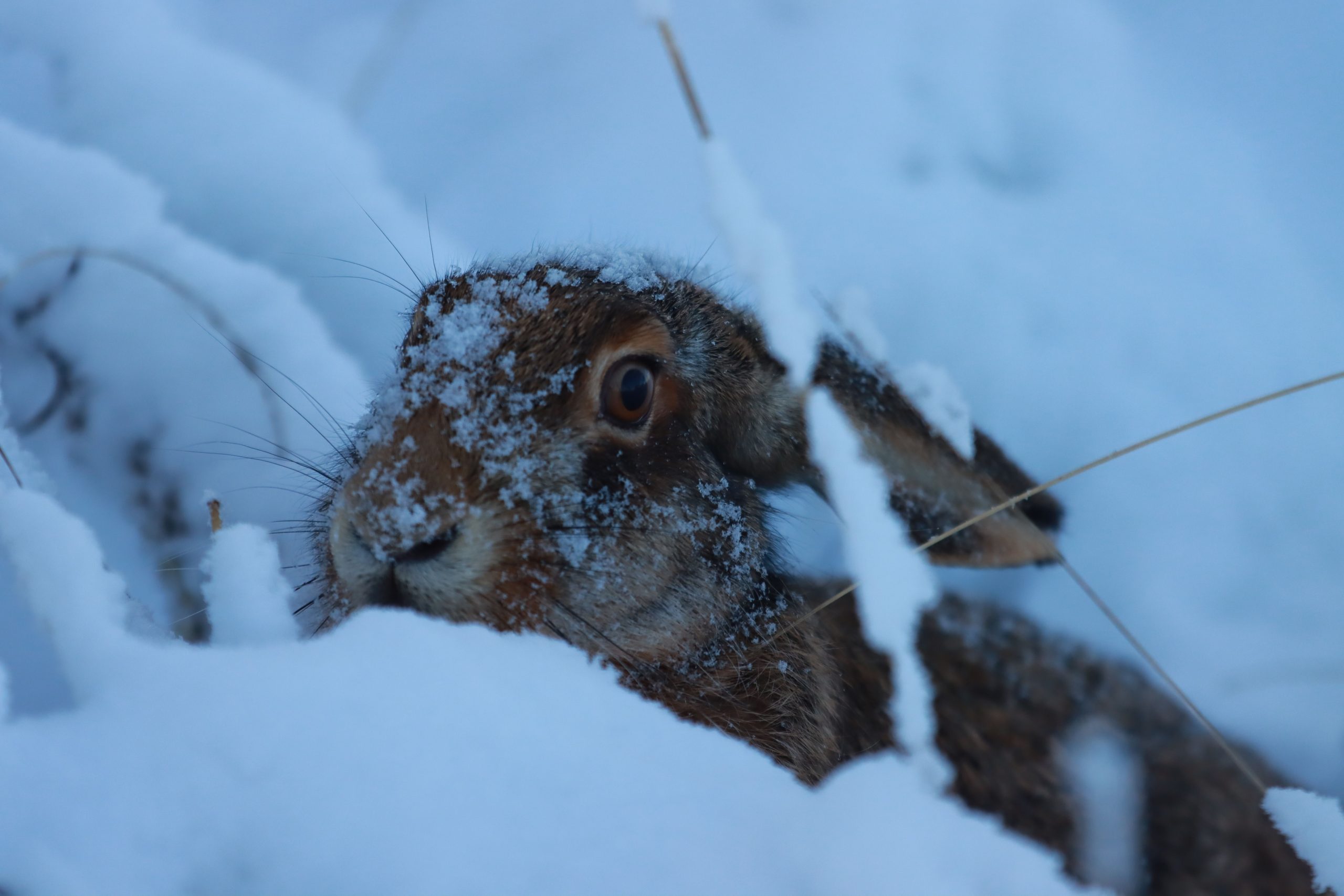
Freezing temperatures make clothing and equipment choices especially important during winter hare hunting. Layered garments help manage warmth while walking, and waterproof boots reduce discomfort when snow melts around the feet. Temperatures near 32°F, or 0°C, can create wet conditions around melting snow, while colder weather raises the risk of frostbite on exposed skin. Gloves must provide warmth without preventing safe equipment handling. Carrying spare dry layers, drinking water, and emergency supplies helps prepare for unexpected delays. Check forecasts before leaving, because wind can make conditions feel much colder.
7. Hare Behavior Reflects Winter Food and Shelter
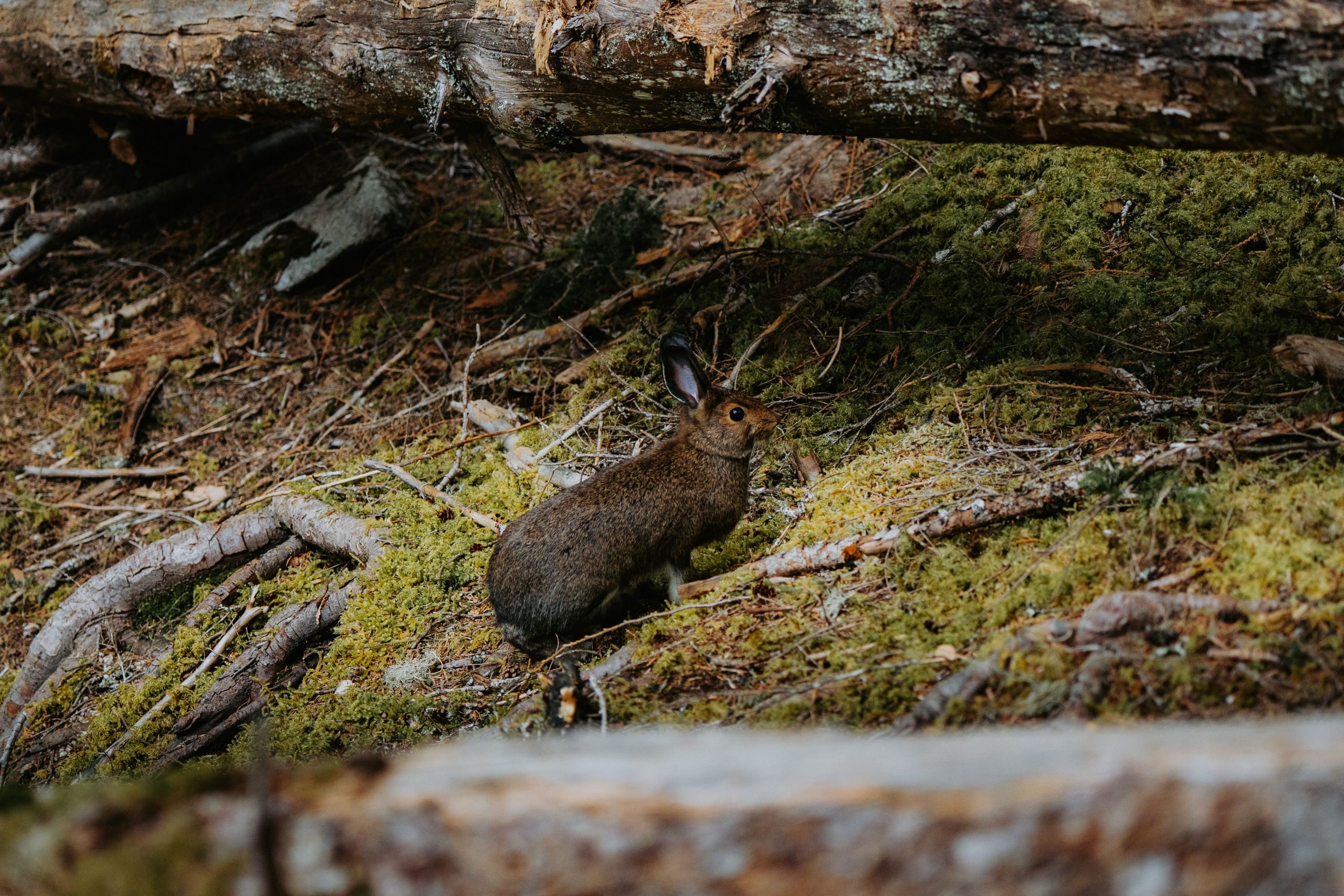
During winter, snowshoe hares rely heavily on woody browse, including twigs and buds from shrubs and young trees. Their feeding areas may be close to dense cover, where they can retreat quickly when disturbed. Food availability, snow depth, and local predator activity influence where hares spend time, so one productive patch may not remain equally active throughout the season. Their hind feet can measure roughly 4 to 6 inches long, providing useful support on snow. Looking for clipped twigs, droppings, and tracks together gives a more complete picture than relying on one sign alone.
8. Changing Snow Conditions Affect Every Outing
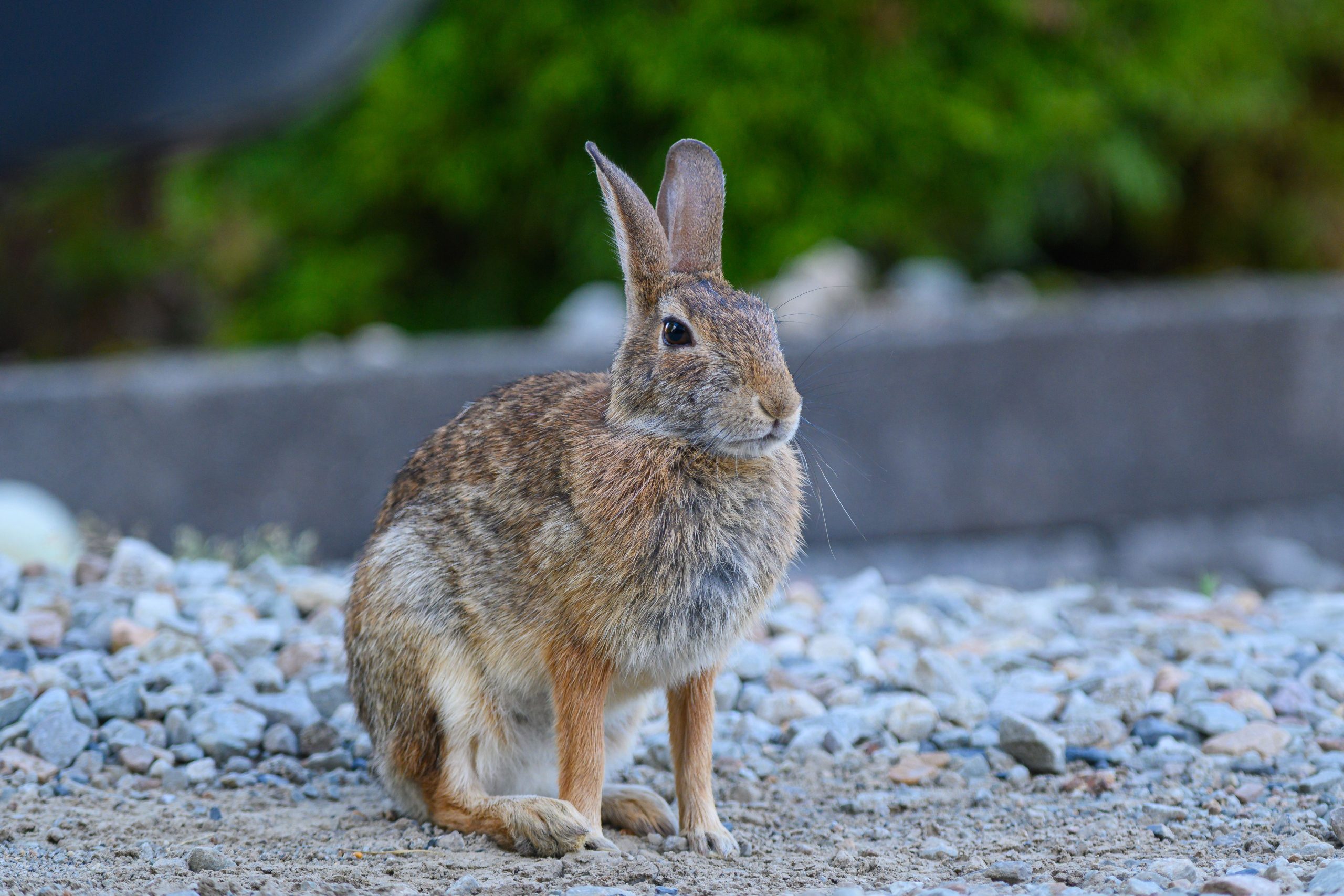
Powder snow, packed trails, and icy crust create very different conditions for both hunters and hares. Deep powder can make walking exhausting, while a hard crust may support a person’s weight in one place and break unexpectedly in another. Snowshoe hares can travel efficiently with their broad hind feet, but their movements still depend on local terrain and snow conditions. A change of only a few degrees can affect melting and refreezing, altering tracks and footing over several hours. Check snow depth, avoid unsafe ice, and adjust plans when visibility or travel conditions deteriorate.