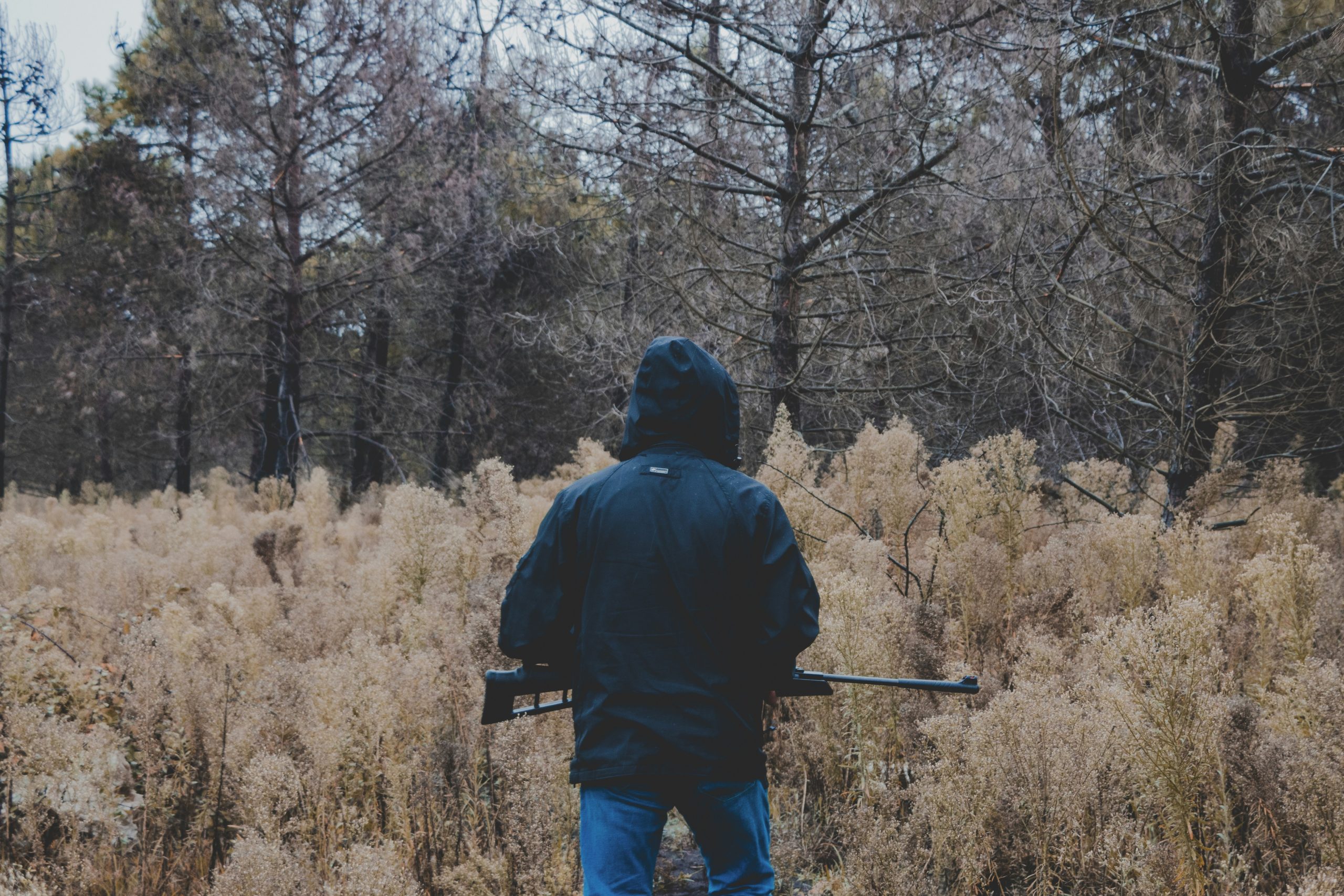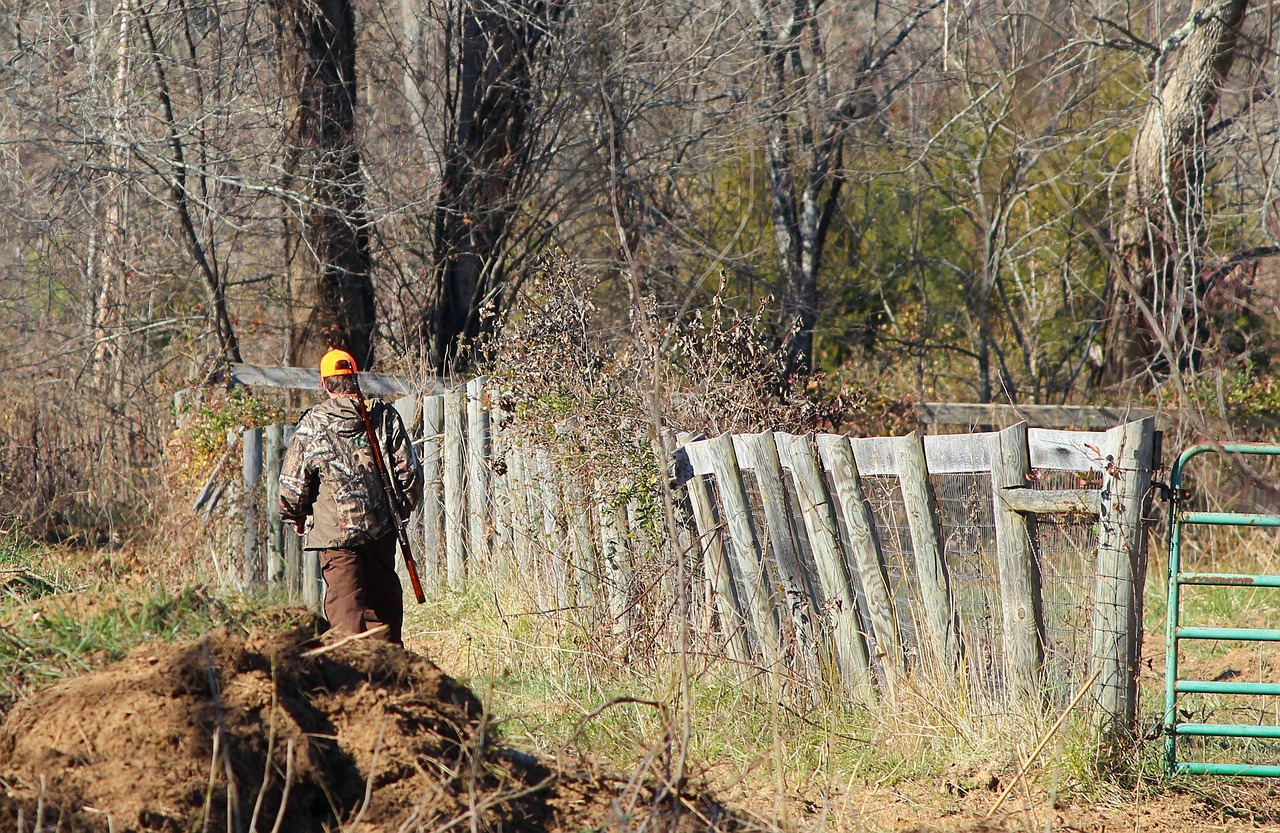
Something subtle is happening in deer camps and gun safes across America. The classic bolt gun is still respected, but it is no longer the automatic first choice it once was.
The bolt action still matters, but its dominance is fading.

For most of the 20th century, the bolt action was the American hunting rifle. It earned that place honestly through simplicity, accuracy, and rugged reliability. A good bolt gun could ride in a truck, survive bad weather, and still print tight groups when the season opened. That reputation still holds, which is why this is not a story about failure. It is a story about changing priorities.
What is changing is not whether bolt actions work, but whether they best match how many people actually hunt now. Hunters are spending more time in blinds, hunting smaller parcels, and taking quicker shots at moderate distances. In those situations, the old strengths of a turn-bolt rifle do not disappear, but they stop being exclusive advantages. Other platforms have caught up in accuracy while offering faster follow-up shots and easier handling.
Walk into many gun stores today, and the shift becomes obvious. First-time buyers often ask about compact semi-automatics, straight-wall carbines, or lighter chassis-style rifles before they ask about a traditional walnut-stocked bolt gun. Retailers have noticed that younger buyers often value modularity, optics compatibility, and recoil management as much as classic field reliability. The bolt action remains a standard, but it is no longer the default answer for every hunter.
Modern semi-automatics are better than many hunters remember.r

A big reason for the change is that semi-automatic hunting rifles are not what they were a generation ago. Older hunters often remember bulkier rifles, hit-or-miss accuracy, and a lingering stigma that semis were for the range rather than the woods. That perception has weakened as manufacturers improved barrels, triggers, gas systems, and overall fit. Today, many hunting-ready semi-autos deliver accuracy that would have surprised people twenty years ago.
The rise of the AR platform played a major role. What started as a niche choice for predator hunters and hog hunters expanded into deer hunting, especially in states that allow cartridges like .350 Legend, 6.5 Grendel, and .450 Bushmaster. These rifles are easy to scope, easy to customize, and easy to fit to smaller-framed shooters. Adjustable stocks and familiar controls matter more than gun traditionalists sometimes admit.
There is also the reality of the second shot. Many hunters fire one rou,nd and the hunt is over, but not all shots go perfectly, especially under pressure. A semi-automatic allows a faster follow-up without changing the shooting position or breaking sight picture as dramatically as a bolt action. In thick timber, on running hogs, or during coyote stands, that difference is not theoretical. It changes outcomes.
Recoil, comfort, and fit are reshaping what hunters buy.

One of the least romantic but most powerful reasons behind the shift is comfort. Hunters are increasingly honest about recoil, and they should be. A rifle that kicks hard can create flinching, slower practice habits, and poorer shot placement. Bolt actions chambered in traditional full-power cartridges still do the job, but more buyers are choosing rifles that let them shoot more often and with more confidence.
Semi-automatics spread recoil impulse differently, and that softer feel can be significant. Add modern recoil pads, muzzle devices, and lighter intermediate cartridges, and the experience becomes much friendlier for new hunters, teenagers, and many older shooters. This matters in a period when hunter recruitment is a major concern for state wildlife agencies. A rifle people enjoy practicing with is more likely to stay in use.
Fit matters too, and this is where newer rifle designs often outclass the old one-size-fits-most hunting bolt gun. Adjustable length of pull, cheek risers, optics-ready rails, and better stock geometry help shooters get behind the gun correctly. That translates to faster target acquisition and more consistent accuracy in real field positions. Hunters may not always describe it in technical language, but they absolutely notice when a rifle simply feels easier to shoot well.
Hunting laws and local terrain are pushing buyers in new directions
Regional hunting rules have quietly nudged the market away from the classic long-action deer rifle. In several Midwestern states, straight-wall cartridge seasons or equipment rules reshaped what hunters carry. That change opened the door for compact rifles chambered in .350 Legend, .360 Buckhammer, and .450 Bushmaster. Some of those are bolt guns, but many buyers have embraced semi-automatic or other fast-handling platforms designed around close to moderate range hunting.
Terrain matters just as much as regulations. A hunter in the mountains of the West may still value a light bolt action in a flat-shooting cartridge for longer shots. But a huge share of American hunting happens in hardwoods, box blinds, crop edges, and southern timber where shots are often inside 150 yards. In those environments, portability, speed, and quick target reacquisition often matter more than squeezing out the last bit of long-range precision.
Hog hunting has accelerated this trend. In states where feral hog populations are a year-round problem, hunters often favor rifles that can handle multiple targets quickly. Bolt actions can certainly be used, but they are not ideal for sounders moving through brush or fields at dusk. The more hunters spend time in that style of hunting, the more natural it feels to bring similar preferences into deer season as well.
Optics, accessories, and modular design changed expectations

Today’s hunter expects a rifle to work seamlessly with modern optics. That includes low-power variable scopes, red dots, thermal units for predator work, and clip-on accessories in some specialized settings. Many contemporary rifles are built from the start to make mounting those systems simple and repeatable. Traditional bolt guns can absolutely be outfitted well, but older designs often feel less flexible by comparison.
Modularity has changed buyer psychology. Instead of owning one rifle exactly as it left the factory for twenty years, many hunters now expect to personalize fit and function. They want to swap stocks, change grips, add slings, mount bipods, and tailor the rifle to a specific use. The AR platform normalized this mindset, but the expectation has spread well beyond ARs. Once customization becomes the norm, fixed-format rifles lose some appeal.
There is also a social component. Hunters watch videos, compare setups with friends, and see a flood of product choices that make rifles look more like adaptable systems than heirloom objects. That does not mean tradition is gone. It means the culture of ownership has shifted from preserving a classic tool to configuring a practical one. Bolt actions still sell well, but they increasingly compete in a market built around versatility.
Cost and value are changing the entry point for new hunters
Price plays a major role, especially for younger hunters entering the sport. For years, the affordable bolt action package was the obvious budget recommendation. In many cases, it still is. But the gap has narrowed as entry-level semi-automatics and feature-rich carbines have become more competitive. A buyer looking at total value now compares not just accuracy, but included rails, magazine capacity, stock adjustability, and ease of upgrade.
Used markets tell an interesting story too. There are still countless reliable used bolt guns available, often at fair prices. But many new buyers are less interested in inheriting someone else’s idea of the perfect deer rifle. They would rather buy a platform they can tune over time, even if the initial price is a little higher. That is a different way of thinking about value, and it favors newer rifle formats.
Manufacturers have responded accordingly. Product launches increasingly emphasize suppressor readiness, optic compatibility, lighter recoil cartridges, and compact dimensions. Even companies famous for traditional hunting rifles now advertise modular stocks and detachable magazine systems more aggressively than old-school elegance. When the industry markets adaptability as the modern standard, it is no surprise that buyer behavior follows.
Bolt actions are not disappearing, but they are becoming more specialized

None of this means the bolt action is headed for extinction. In fact, it remains the best answer for many hunters, especially those who prioritize maximum mechanical simplicity, long-range precision, or ultralight mountain carry. Western hunters, backcountry elk hunters, and precision-minded shooters still have excellent reasons to choose a bolt gun. The platform remains deeply effective and deeply relevant.
What is changing is its role. Instead of being the universal hunting rifle for nearly everyone, the bolt action is becoming one strong option among several. Hunters now choose rifles based on specific situations, body types, local laws, and shooting styles rather than inherited assumptions. That is why the move away from bolt actions feels quiet. It is not a rejection of tradition so much as a practical recalibration.
In the end, American hunters are doing what they have always done when gear evolves. They are keeping what works and dropping what no longer feels essential. Bolt actions still work brilliantly, but they no longer own the field by default. In a hunting culture shaped by modern optics, changing terrain, recoil awareness, and faster-paced shooting opportunities, many hunters have decided that another kind of rifle simply fits their reality better.