Pocket pistols helped shape concealed carry by making personal firearms smaller, lighter, and easier to keep out of sight. Their history stretches from compact revolvers and tiny vest-pocket guns to modern semiautomatic pistols designed around slimmer frames and practical controls. Each generation reflected changing ideas about portability, ammunition, reliability, and everyday convenience. These 8 notable designs stand out not simply for their size, but for the ways they influenced firearm design and the expectations of concealed-carry users.
1. FN Browning Model 1900
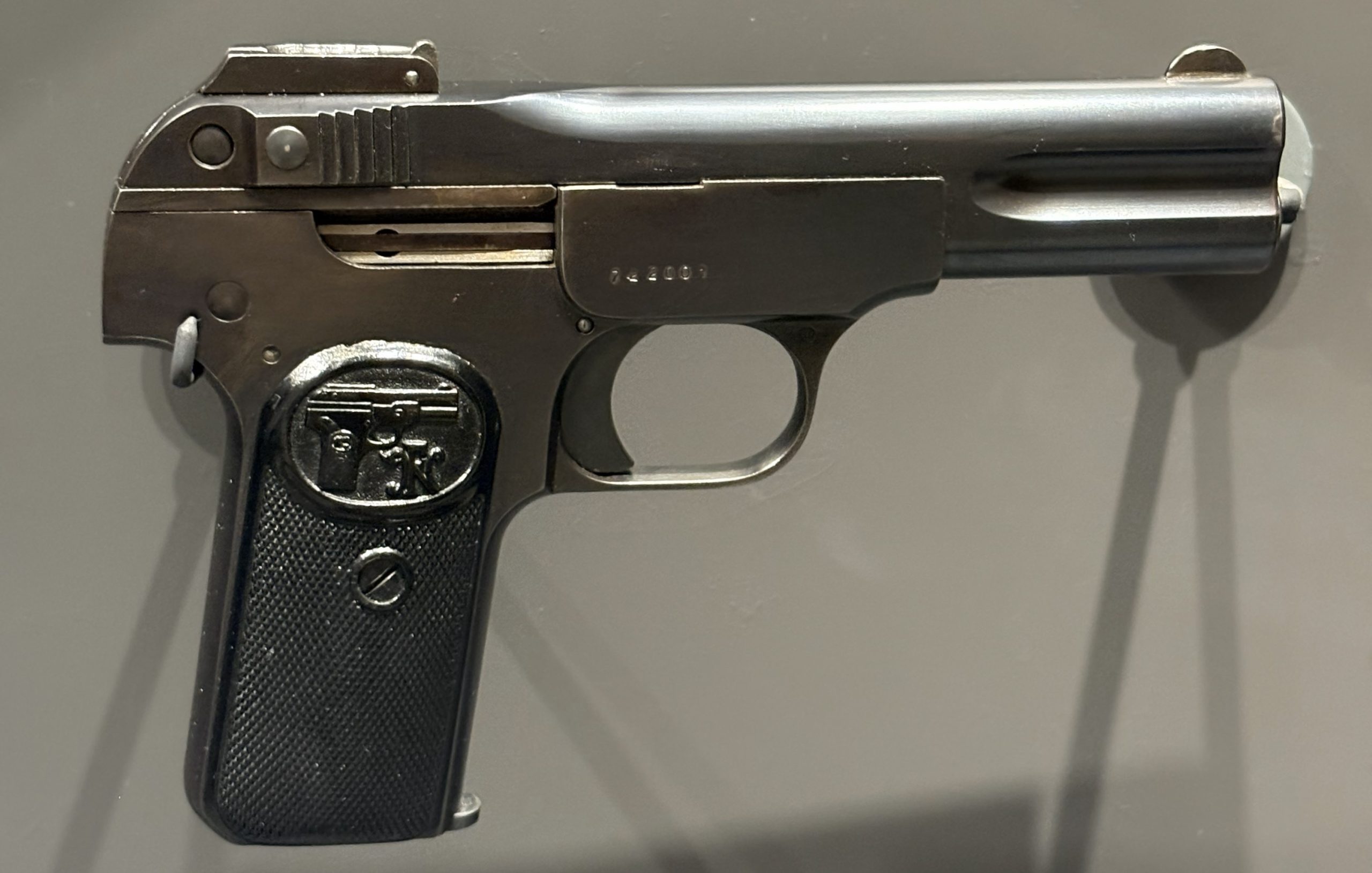
Introduced in 1900, John Browning’s FN Model 1900 helped establish the modern pocket semiautomatic pistol. Chambered in 7.65×17mm Browning, commonly called .32 ACP, it used a 7-round detachable magazine and a compact blowback design. Its slim profile and internal hammer made it easier to carry discreetly than many earlier handguns. The Model 1900 also helped popularize the slide-operated semiautomatic layout, making it an important step between 19th-century pocket guns and later compact pistols. Its influence reached far beyond its original production era.
2. Colt Model 1903 Pocket Hammerless
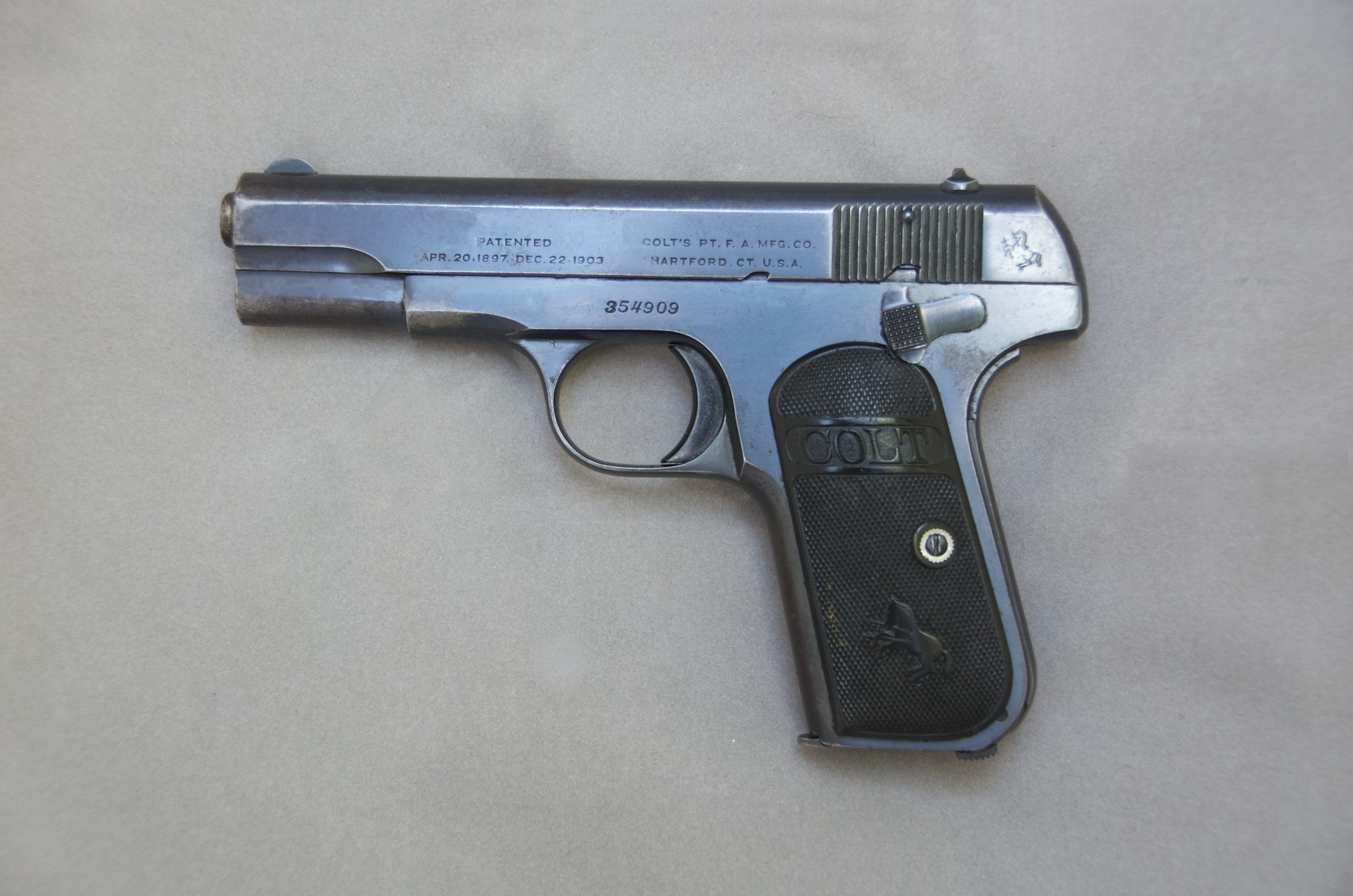
Colt introduced its Model 1903 Pocket Hammerless in .32 ACP, followed by a .380 ACP version in 1908. Despite the name, the pistol used an internal hammer rather than being truly hammerless. Its smooth outline, grip safety, and compact dimensions suited discreet carry, while its metal frame gave it a substantial feel compared with many later polymer pistols. More than 570,000 Model 1903 pistols were produced, and the design became familiar to civilians, military officers, and law-enforcement users during the 20th century. Its clean lines remain recognizable to collectors today.
3. Browning Baby
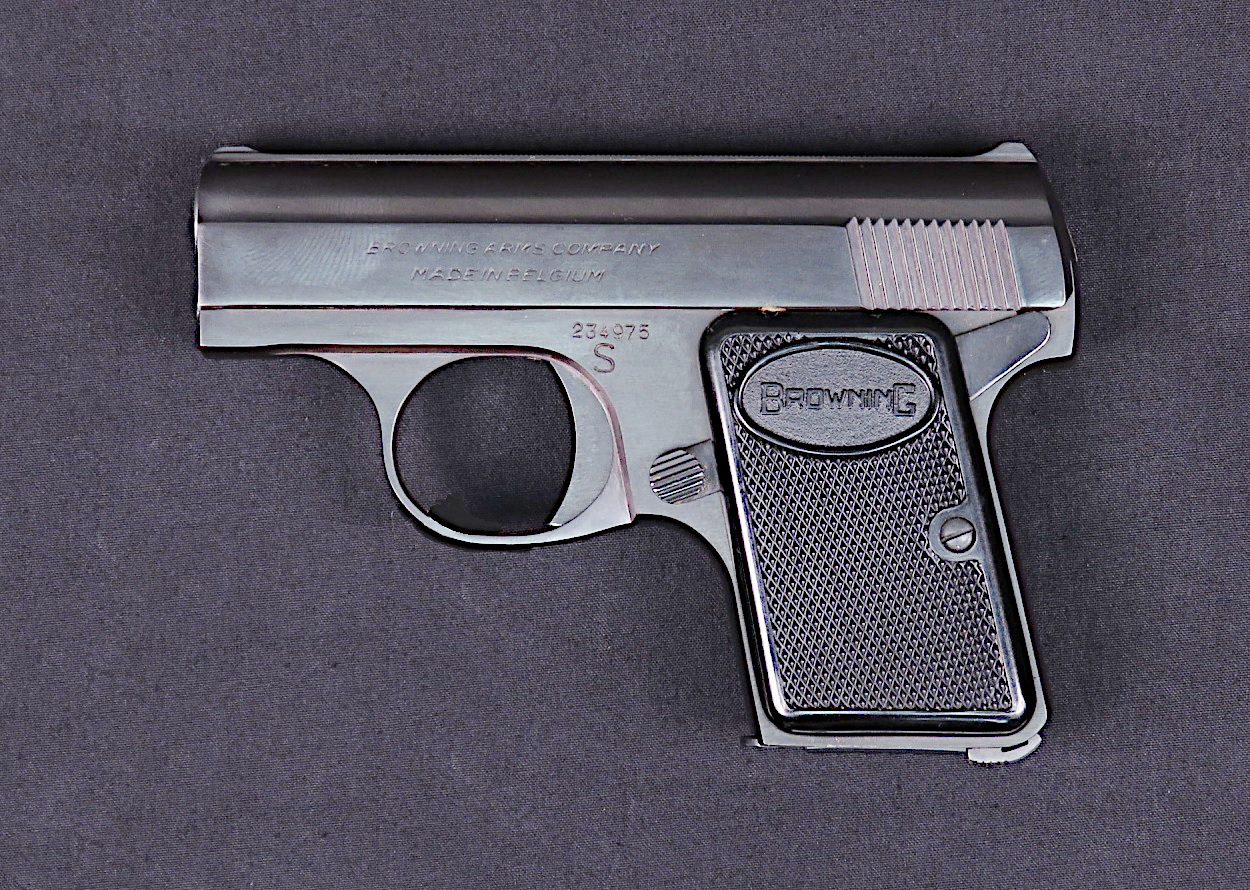
The Browning Baby arrived in 1931 as an especially small semiautomatic pistol chambered in 6.35mm Browning, also known as .25 ACP. Its magazine held 6 rounds, and the pistol’s tiny frame made it easier to conceal than most service handguns of its era. The trade-off was limited power and a grip that many shooters found difficult to hold securely. Produced in Belgium, the Baby became a recognizable example of the vest-pocket pistol: a design built around minimum size rather than the handling comfort of a larger handgun. Its compact proportions influenced the image of the classic pocket pistol.
4. Walther PPK
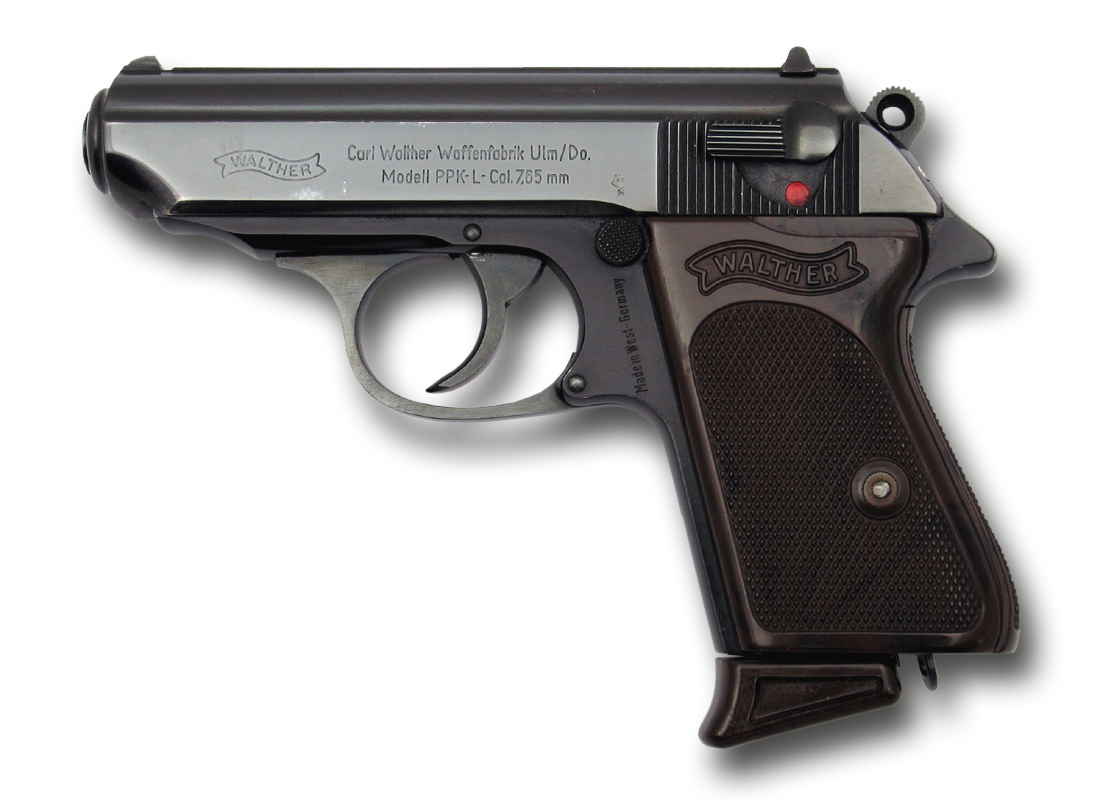
Introduced in 1931, the Walther PPK brought a compact double-action trigger system to a pistol small enough for discreet carry. It was offered in several chamberings, including .32 ACP and .380 ACP, with capacity depending on caliber and version. The PPK’s exposed hammer, slide-mounted safety and decocker, and short grip gave it a distinctive profile. Its later appearances in popular films made it internationally recognizable, but its historical importance rests on packaging useful controls and a double-action first shot into a compact metal-framed pistol. It remains one of the best-known names in concealed-carry history.
5. Colt Detective Special
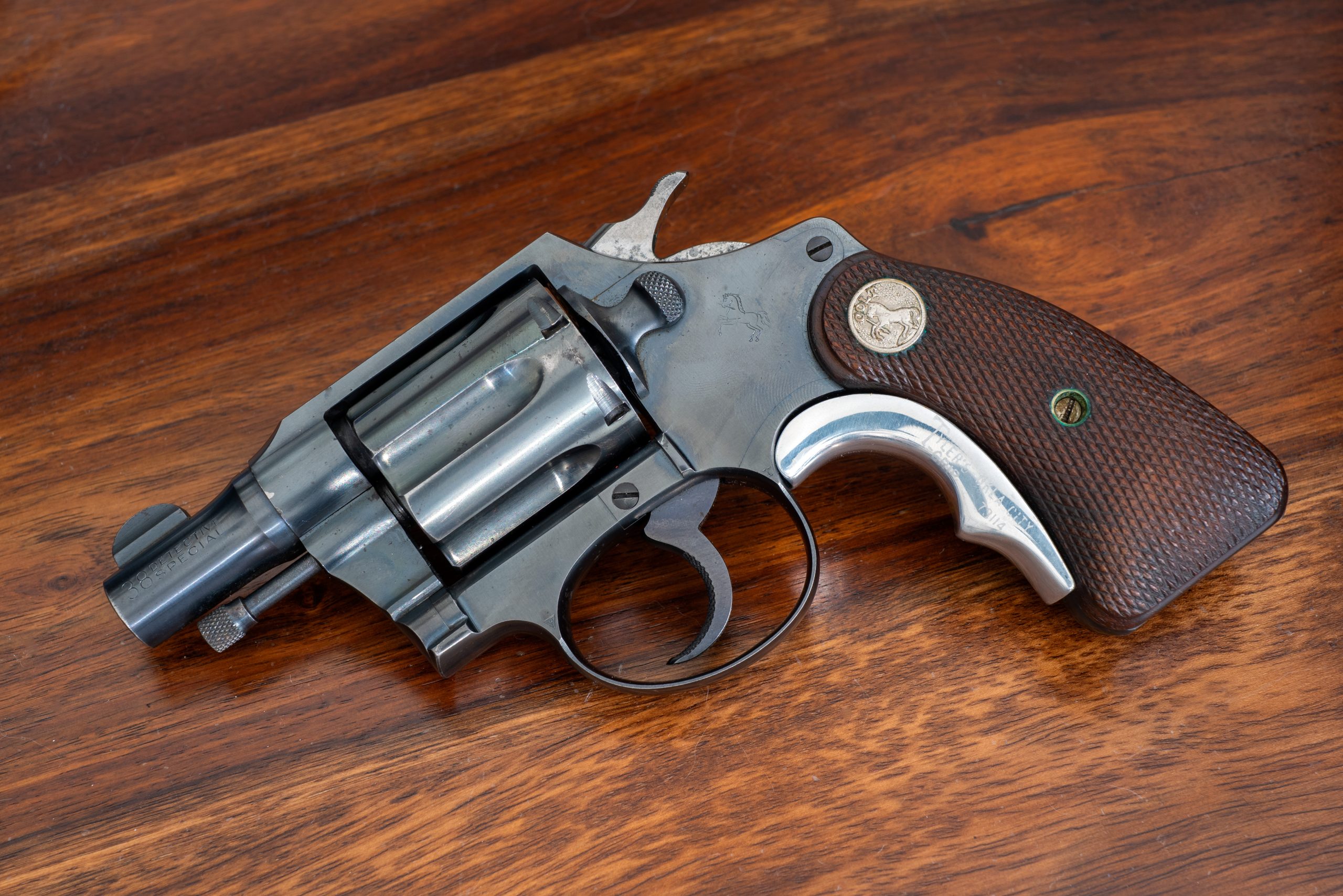
Colt’s Detective Special, introduced in 1927, helped make the compact double-action revolver a lasting concealed-carry category. It used a swing-out cylinder holding 6 rounds of .38 Special, offering two more shots than many small-frame revolvers of the period. Its short barrel and rounded profile made it easier to hide beneath a coat or jacket, while the revolver mechanism avoided the need for a detachable magazine. The Detective Special showed that a pocket-sized carry gun did not have to sacrifice all the capacity of a larger revolver. Its six-shot format became a defining feature of compact revolvers.
6. Beretta 21A Bobcat
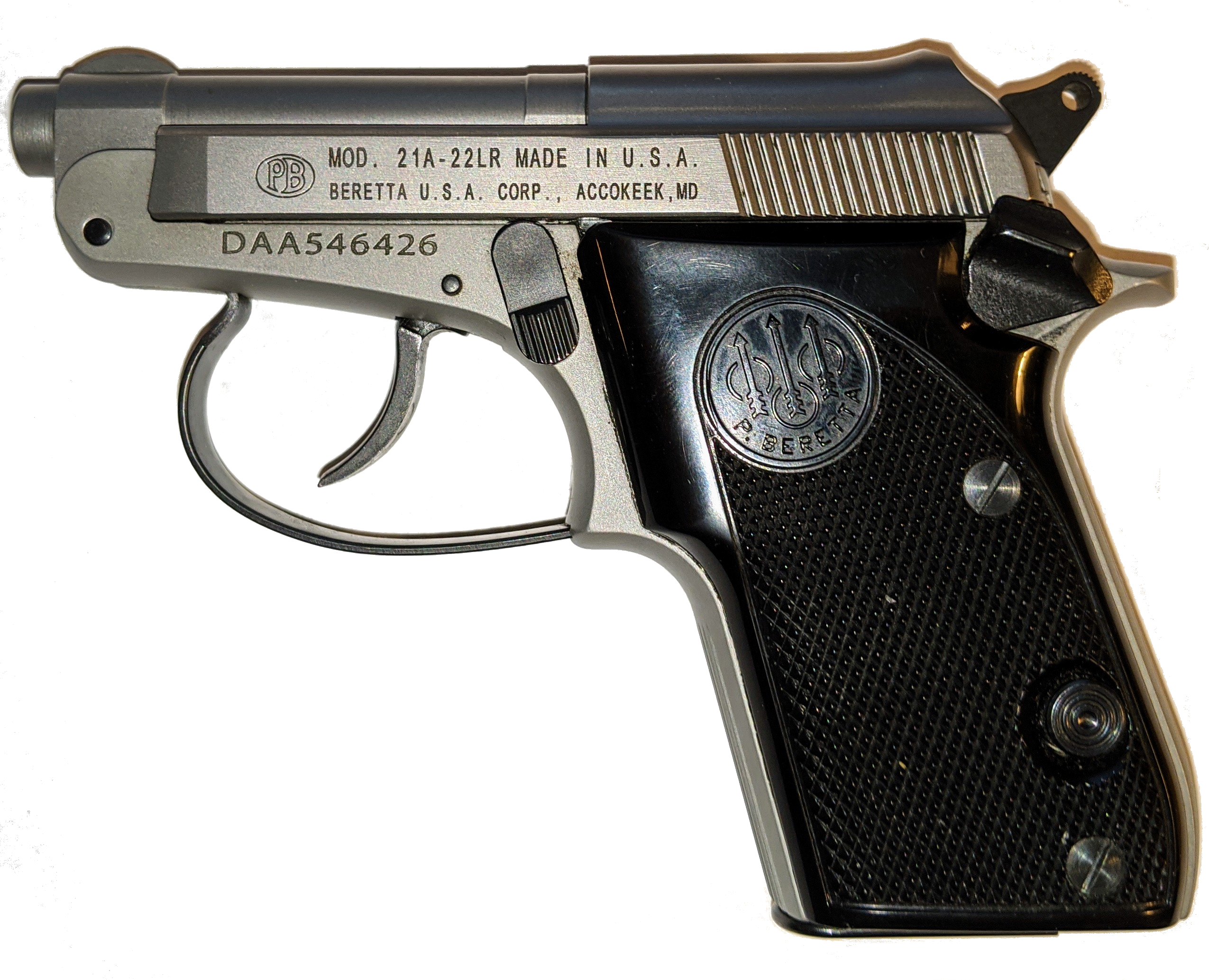
Beretta introduced the Model 21A Bobcat in the 1980s as a compact semiautomatic chambered in .22 LR or .25 ACP, depending on the version. Its magazine holds 7 rounds in .22 LR or 8 in .25 ACP, and its tip-up barrel lets a user access the chamber without retracting the slide. That unusual feature made the pistol distinctive among pocket guns, though its small controls and light weight can challenge some hands. The Bobcat represents a modern continuation of the tiny, easy-to-carry pistol tradition. Its design prioritizes compact dimensions and convenient access over service-pistol capacity.
7. Kel-Tec P-32
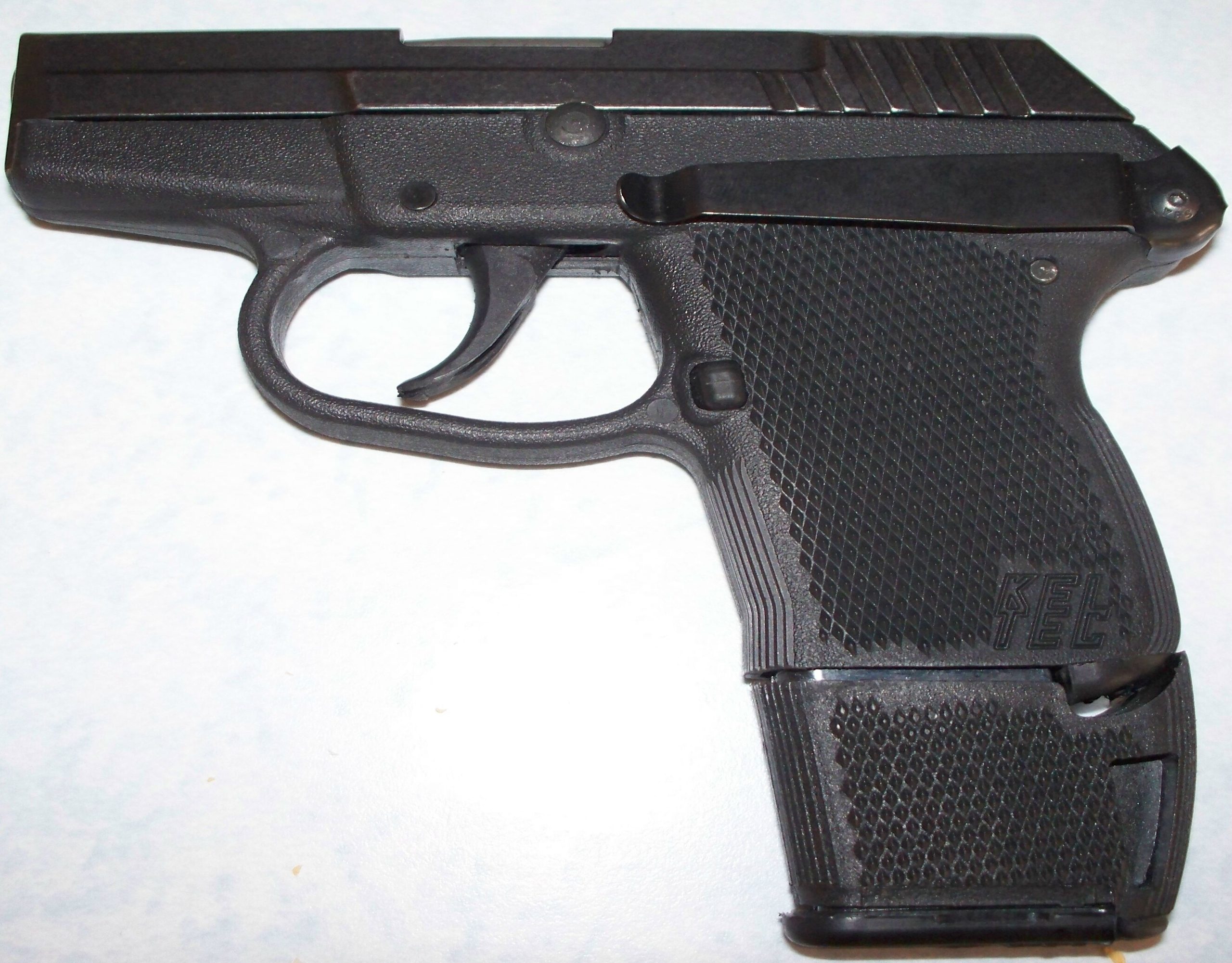
Released in 1999, the Kel-Tec P-32 helped renew interest in ultra-light pocket pistols by using a polymer frame and a 7-round magazine for .32 ACP. At roughly 6.6 ounces unloaded, it weighed far less than many older all-metal pocket guns. Its flat shape and minimal bulk made it easy to carry in a suitable pocket holster, while the modest cartridge helped keep recoil manageable for its size. The P-32 showed how modern materials and simplified construction could reduce weight without making the pistol much larger than a wallet. It helped establish lightweight polymer construction as a major direction in pocket-pistol design.
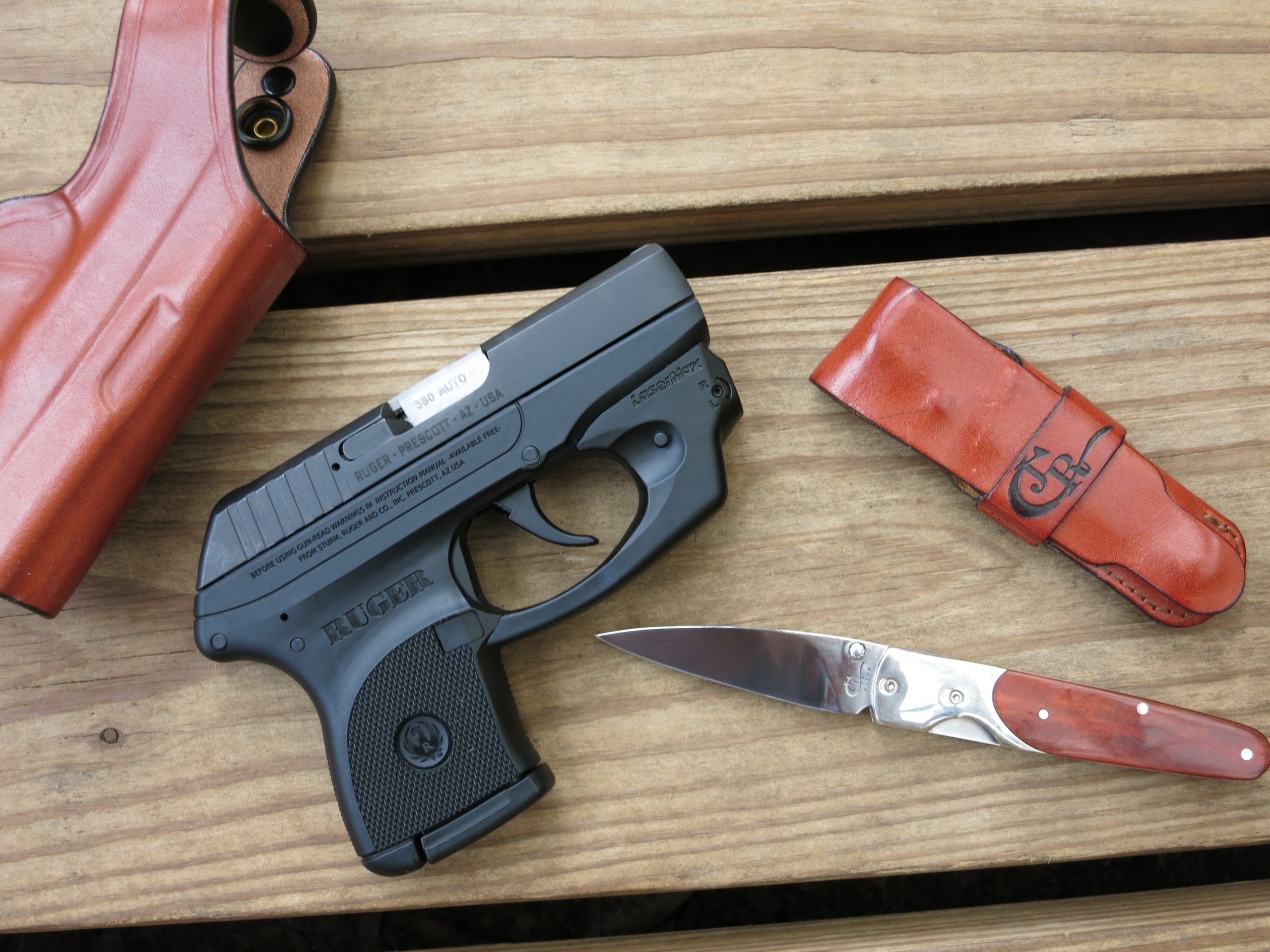
8. Ruger LCP
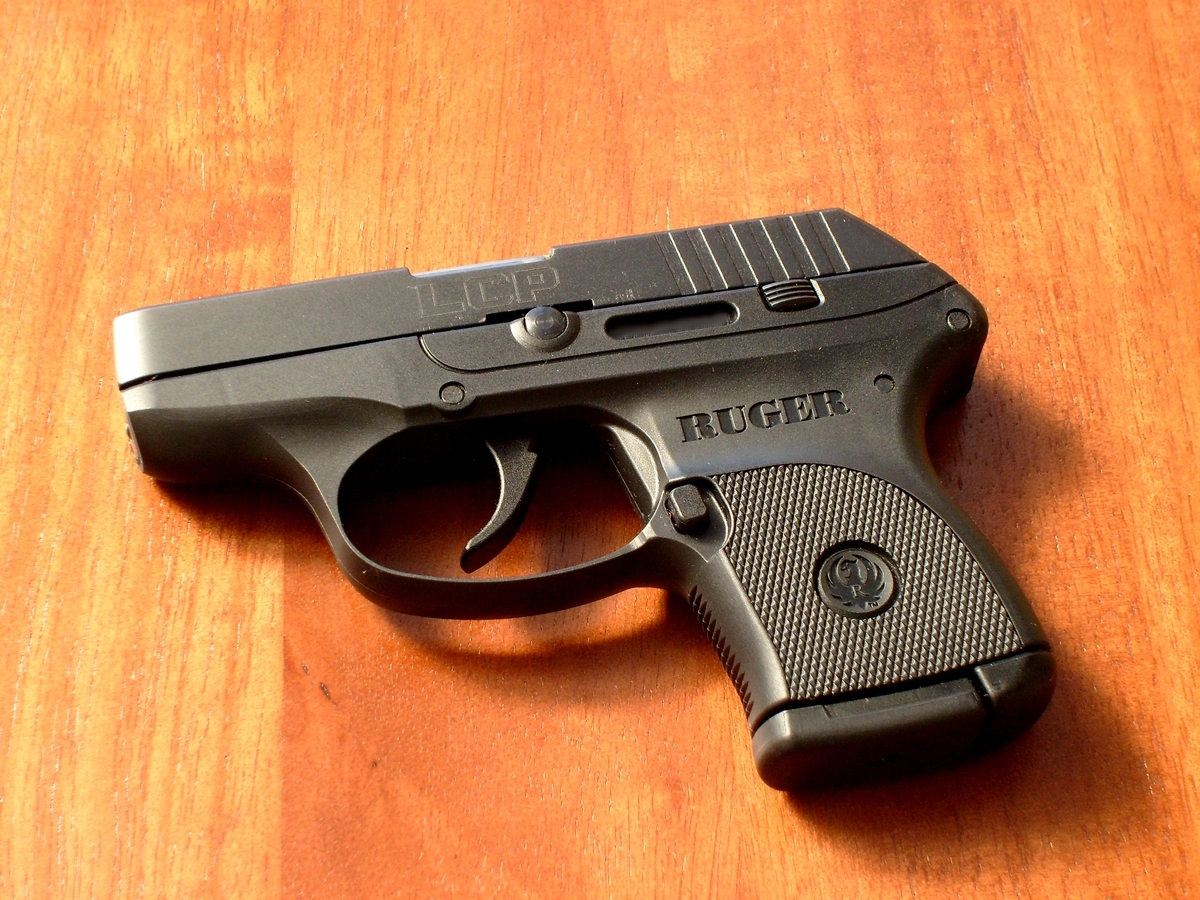
Ruger launched the LCP in 2008, responding to demand for a small, lightweight pistol chambered in .380 ACP. The original model held 6 rounds in its magazine and weighed about 9.4 ounces unloaded, making it notably lighter than many traditional metal-framed pocket pistols. Its rounded edges and slim polymer frame suited pocket carry, although the short grip and small sights required practice for consistent handling. The LCP helped popularize a new wave of compact .380 pistols and influenced the pocket-carry market for years afterward. Its success demonstrated the appeal of a purpose-built pistol with minimal bulk.