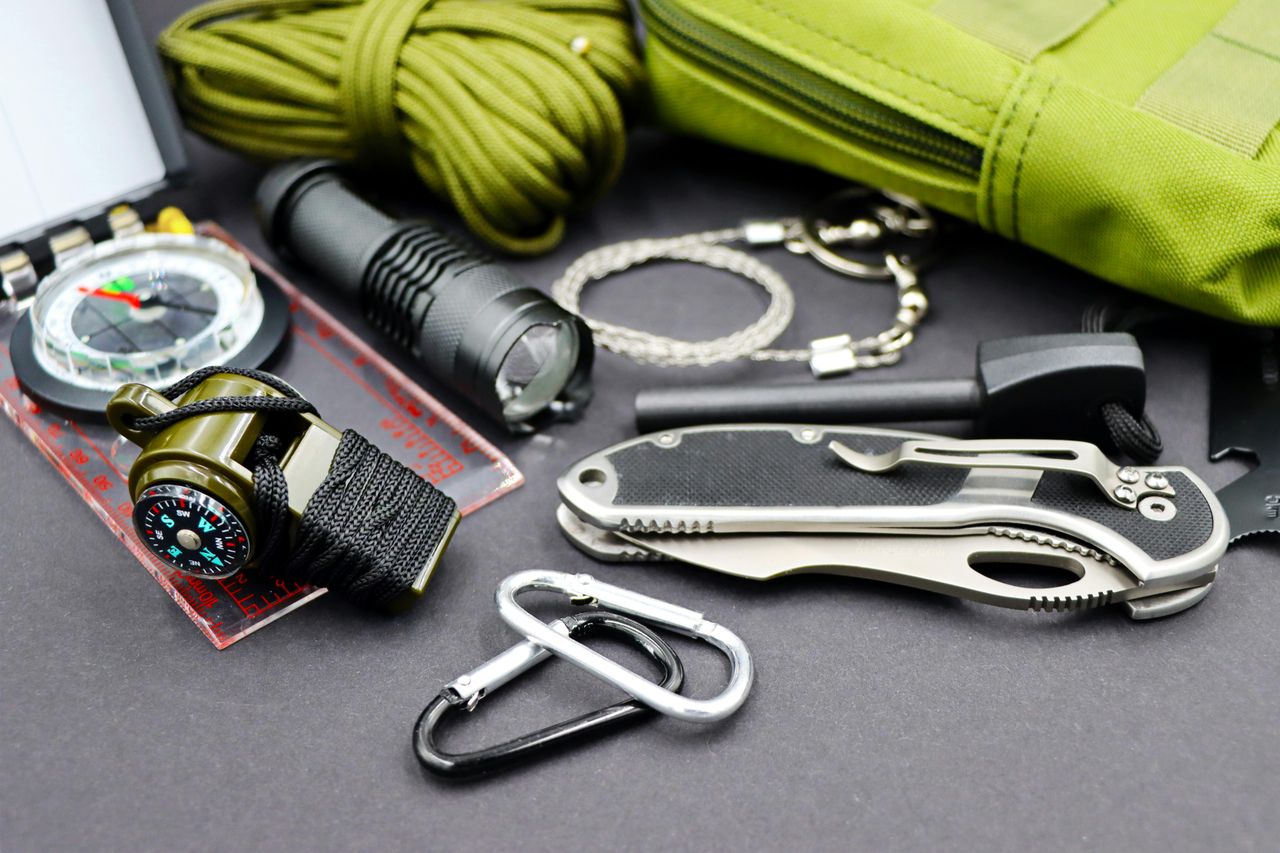
Survival content online can make almost any gadget look essential, especially when it throws sparks, folds into six tools, or promises to save your life in seconds. But many instructors, wilderness guides, and search-and-rescue veterans say some popular items create more false confidence than real capability. This gallery breaks down nine pieces of survival gear experts often dismiss, and what tends to work better when conditions turn serious.
Cheap Wire Survival Saws

Wire saws look brilliant in a tiny survival tin. They are light, compact, and endlessly hyped in videos that show them slicing through branches in perfect conditions. In real use, many cheap versions bind quickly, snap under tension, or shred your hands before they make meaningful progress.
Outdoor instructors often point out that energy is a survival resource too. If a tool burns calories, frustrates you, and fails when wood is wet or awkwardly positioned, it is not helping much. A small folding saw or even a sturdy fixed blade paired with good technique usually gives far better results and far less drama.
Tactical Pens Marketed as Life Savers

The tactical pen occupies a strange space between office supply and action-movie prop. Online, it is sold as a discreet self-defense tool, glass breaker, and all-purpose emergency companion. Experts tend to see it differently, as an expensive pen that promises far more than most people can realistically use under stress.
In an actual emergency, training matters more than a pointed barrel and a rugged clip. If your goal is preparedness, a dependable flashlight, a charged phone, and basic first-aid items will solve more common problems than a pen built to look intimidating. For daily carry, reliability and familiarity usually beat gimmick appeal every time.
Oversized Survival Knives With Hollow Handles
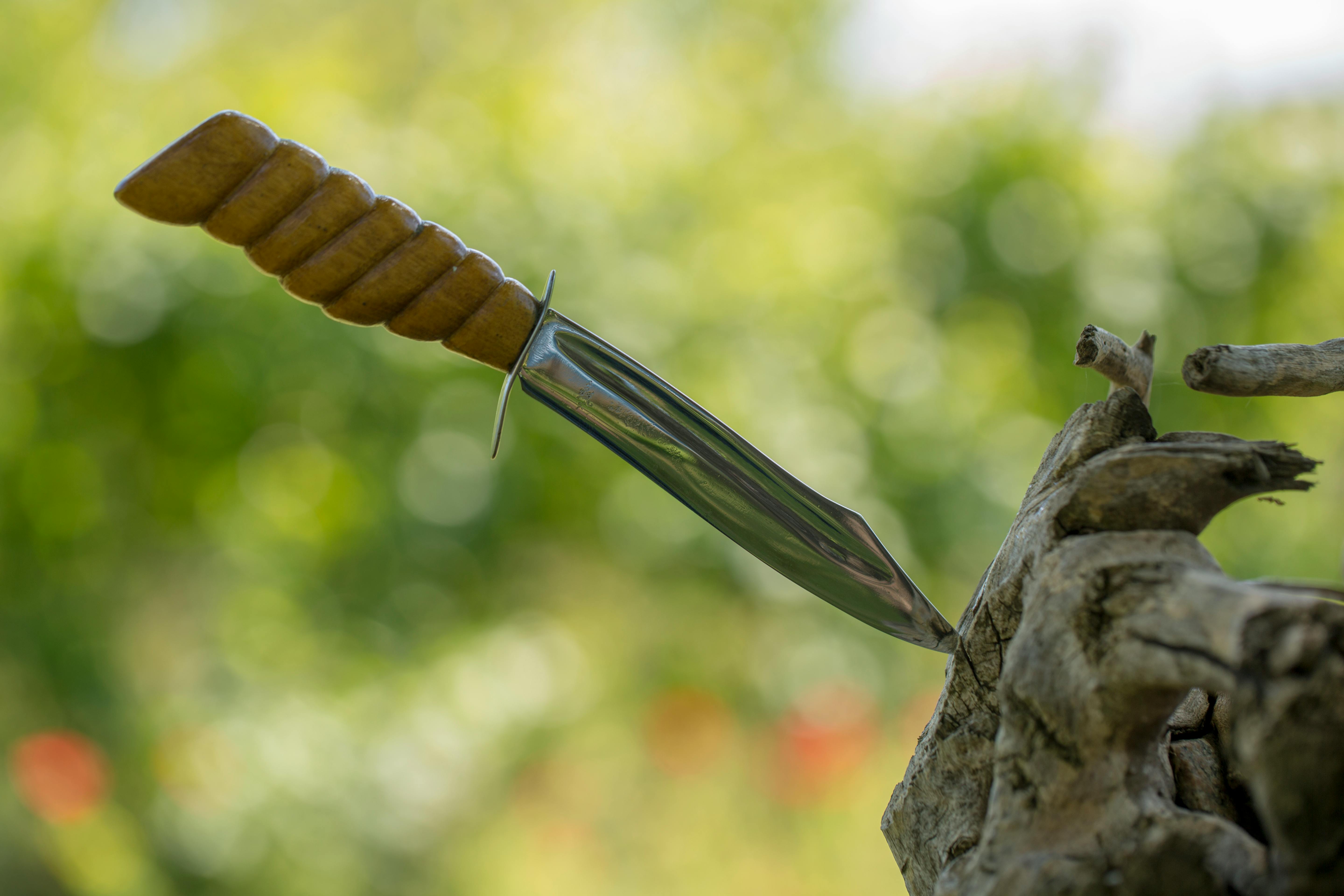
Big hollow-handle survival knives still benefit from decades of movie mythology. They look rugged, and the idea of storing matches or fishing line inside the handle sounds clever. But many experts criticize them for weak construction, poor balance, and fantasy-level expectations about what one giant blade should do.
A survival knife needs to be dependable first. Batoning wood, carving kindling, preparing food, and doing small camp tasks all demand control and strength, not theatrical size. Many seasoned users prefer a modest fixed blade with full tang construction, because it is simpler, sturdier, and easier to trust when the weather turns bad and the light fades.
Paracord Bracelets Packed With Tiny Tools

Paracord itself can be useful, which is why the bracelet version sells so well. The problem is that many bracelets add miniature compasses, tiny whistles, ferro rods, and saw blades that look ingenious but work poorly. Experts often describe them as wearable clutter that trades actual function for the feeling of being prepared.
A bracelet also gives you cordage in one inconvenient bundle on your wrist, right until you need to unravel it under pressure. Most survival teachers would rather see people carry quality cord, a real whistle, and a proven fire starter in accessible places. Good gear does not need to be clever if it is dependable.
Credit Card Multitools

Credit card multitools are a favorite of gift guides and viral gear videos because they seem impossibly efficient. A wallet-sized sheet of steel that acts as a knife, wrench, ruler, bottle opener, and screwdriver sounds like modern survival magic. In practice, they are usually awkward, uncomfortable, and too compromised to do important jobs well.
Experts tend to value tools you can safely grip and actually control. Thin edges bite into your fingers, tiny openings rarely fit what you need, and the whole thing can become dead weight after the novelty wears off. A compact multitool or small Swiss Army style knife is usually more useful, safer, and far easier to live with.
Mini Fishing Kits in Altoids Tins
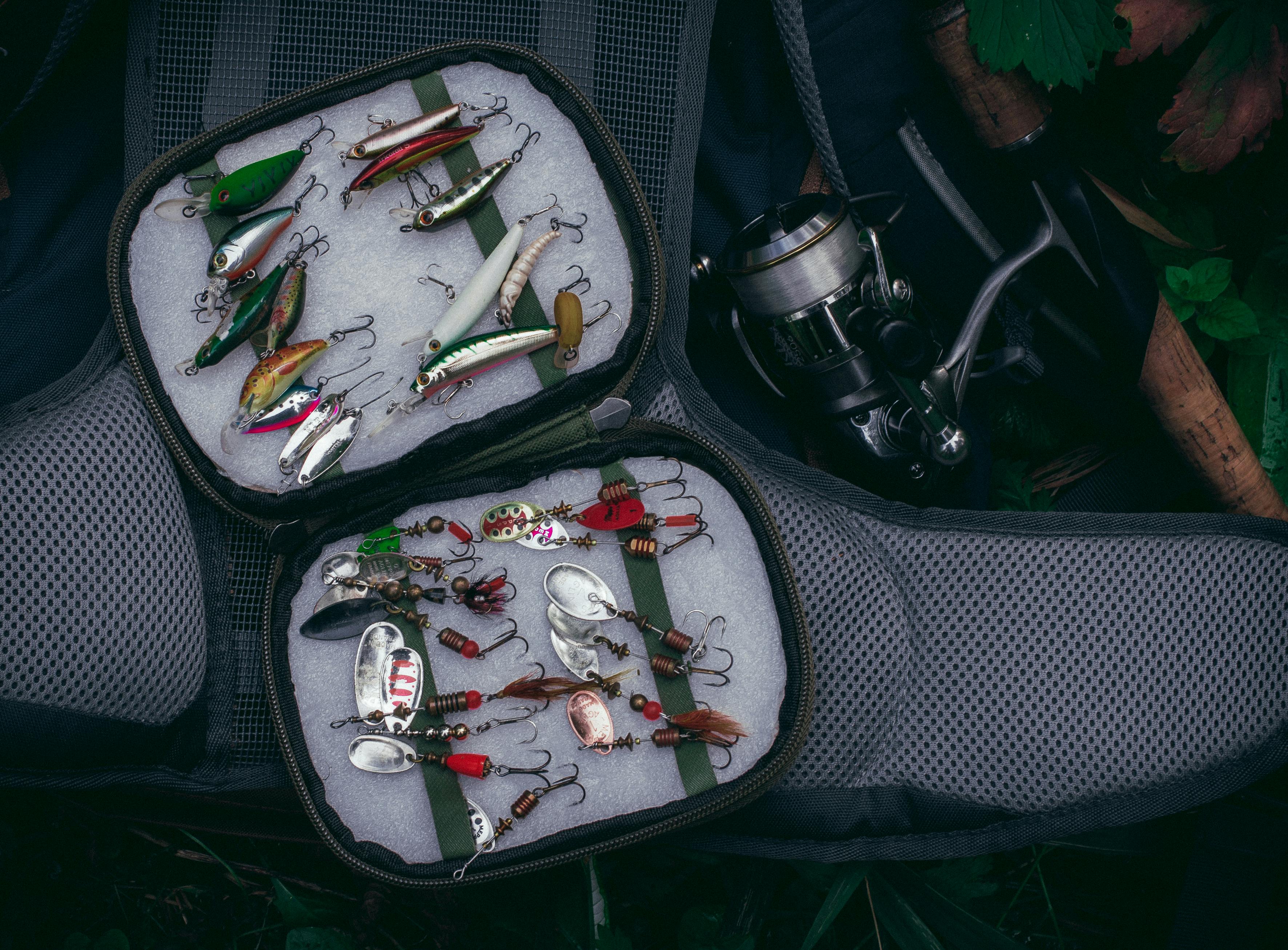
Tiny fishing kits make for great internet theater. A few hooks, a bit of line, and some sinkers tucked into a mint tin suggest that food is only one cast away. Survival experts are quick to temper that fantasy, because catching fish consistently takes time, local knowledge, suitable water, and more luck than many videos admit.
In a true emergency, passive food fantasies can distract from shelter, warmth, hydration, and signaling, which are usually more urgent. The little tin also tends to hold too little line and too few useful components to be genuinely versatile. Experts generally favor practical basics over romantic miniature kits designed more for views than outcomes.
Pocket Chainsaws of Dubious Quality

Pocket chainsaws can work, but the cheap ones pushed online often earn a bad reputation fast. Videos show them ripping through logs in seconds, usually with fresh wood, ideal positioning, and plenty of room to move. In the field, low-grade versions snag, kink, dull quickly, and become exhausting if the branch is overhead or unstable.
That matters because wood processing is one of the easiest places to waste energy and invite injury. Experts who spend time outdoors usually recommend a quality folding saw before they recommend a bargain chain in a pouch. If a compact cutting tool is part of your kit, smooth performance and predictable handling are worth much more than flashy marketing.
Ultra-Cheap Solar Chargers for Backcountry Use
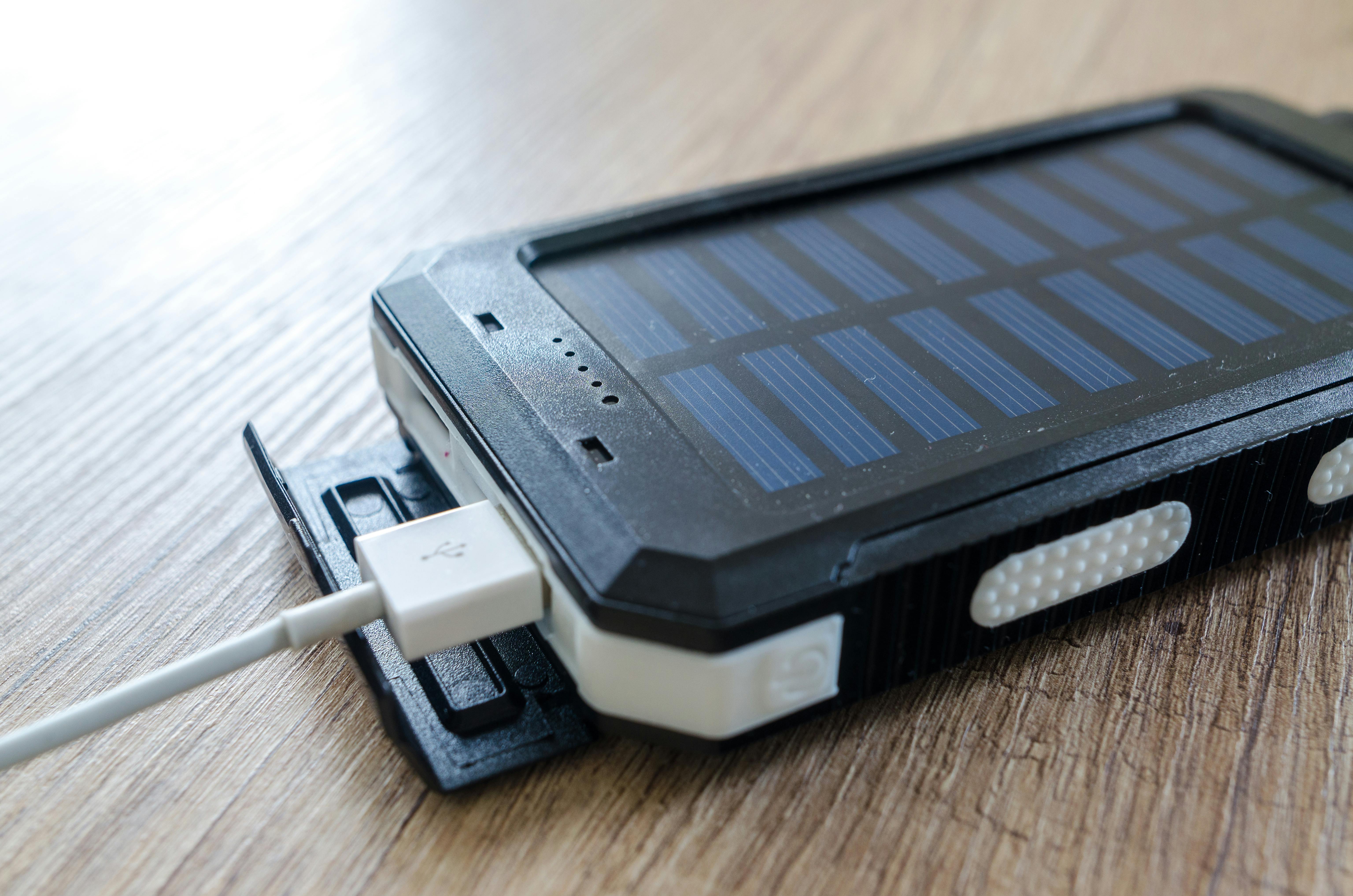
Small bargain solar chargers are marketed as freedom from dead batteries, and that promise is hard to resist. Many people imagine clipping one to a backpack and effortlessly topping off a phone all day. Experts regularly warn that the cheapest versions charge painfully slowly, depend on ideal sunlight, and fail to deliver when weather, tree cover, or battery size enters the equation.
That mismatch matters most when people plan around it. A quality power bank stored full and protected from cold is usually far more dependable for short emergencies. Better solar systems do exist, but the flimsy impulse-buy panels seen online often create unrealistic expectations instead of practical resilience.
Survival Shovels Loaded With Attachments
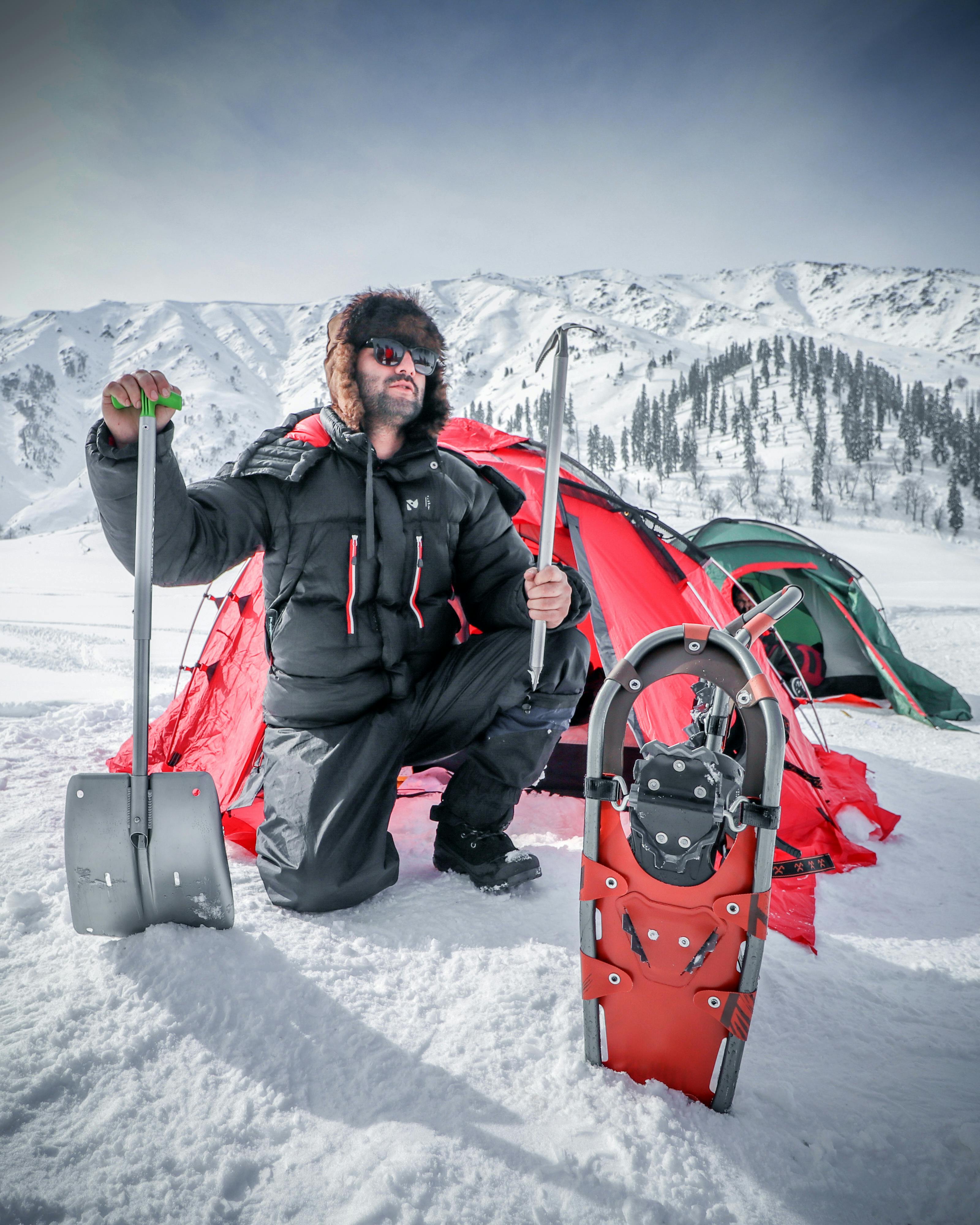
The modern survival shovel is often sold like a toolbox crossed with a weapon. Product pages boast axes, saw edges, bottle openers, fire starters, and hidden compartments, all somehow built into a folding spade. Experts tend to roll their eyes, because every added feature can weaken the main tool and make the whole thing heavier, clumsier, and less pleasant to use.
A shovel has one very good job: digging effectively. In real conditions, that means strength, leverage, and a handle that does not loosen after a few hard strikes. If your kit needs a shovel, a simple proven model usually beats a gadget-packed contraption designed to impress viewers more than help users.