A campsite can feel peaceful long before it is actually secure. Small location choices, from where you pitch your tent to how you use wind and terrain, can broadcast your presence farther than you realize. This gallery breaks down the easy-to-miss setup mistakes that make camps more visible, smellier, and easier for predators to investigate.
Camping Too Close to Water

A lakeshore or creek bank looks ideal after a long hike, but it is also one of the busiest travel zones in the wild. Animals routinely move toward water at dawn, dusk, and overnight, which means your camp can end up planted right in the middle of their regular route.
Water also amplifies sound and scent in surprising ways. Cooking smells, conversation, and lantern light can drift across an open shoreline with very little cover to break them up.
A smarter choice is to camp a good distance away on durable ground with some natural screening. You still get access to water, just without announcing your location to everything coming in for a drink.
Choosing an Open Ridge or Skyline
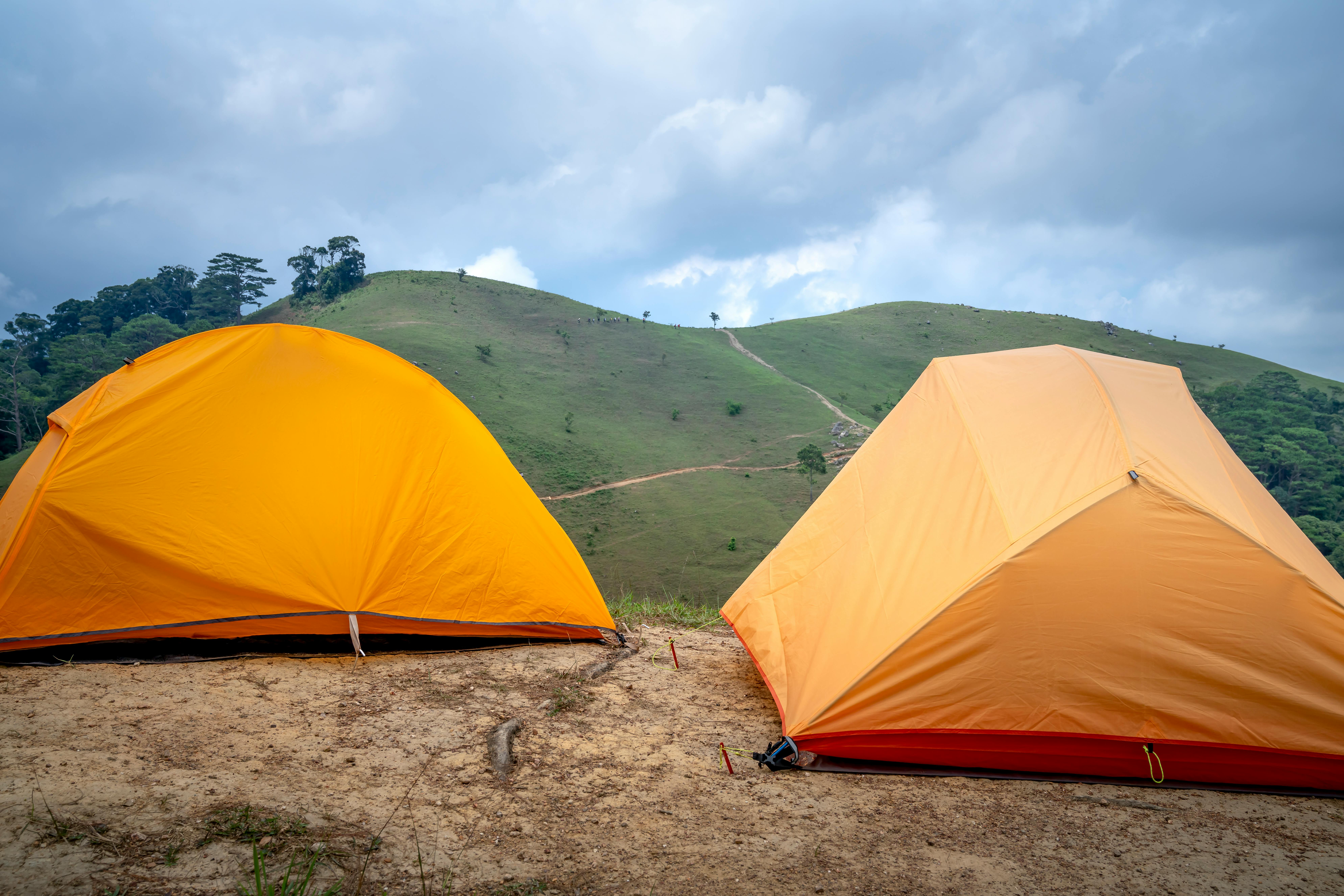
High ground feels safer because it offers a sweeping view, but a tent on a ridge can become a visual beacon. Against the skyline, movement, bright fabric, and artificial light stand out from far away, especially in low-light hours when many predators are most active.
Wind exposure is another problem. Strong gusts spread food odors and human scent over a wider area, effectively advertising that something unusual has arrived.
Instead, look for lower ground that is not in a drainage path and has some tree or brush cover. A hidden camp is usually a better camp than one with the best panorama.
Setting Up on Animal Trails

Some flat, cleared spots look almost custom-made for a tent, and that is exactly the issue. Game trails often appear as convenient corridors through brush or forest, worn smooth by repeated use from deer, elk, bears, and smaller predators following the same routes.
Camp there, and you can trigger a close encounter simply because an animal expects the path to remain open. Even if it avoids you, it may circle nearby trying to figure out what changed.
Before pitching camp, study the ground for tracks, droppings, scat, fur, and narrow worn lanes. If the land looks like a highway, move on and let wildlife keep its right-of-way.
Ignoring the Direction of the Wind
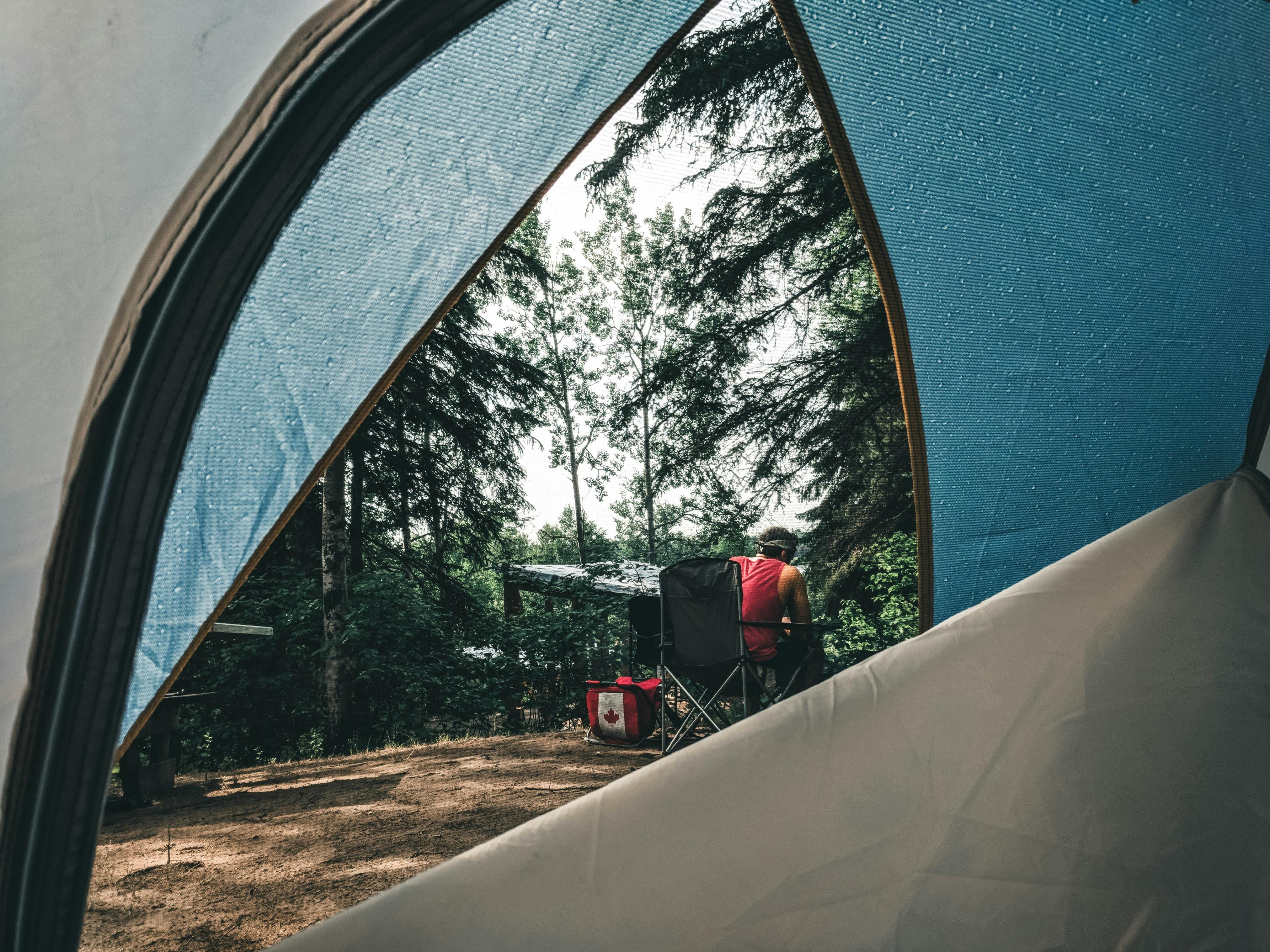
Most campers think about wind for comfort, not concealment. But wind direction controls where your scent travels, and to a predator, that scent map can be more useful than anything visible from a distance.
If your cooking area, food storage, and tent are arranged carelessly, odor can blow straight down a valley, across a meadow, or toward a natural approach route. One meal can leave a lingering scent trail that keeps working after dark.
Check wind before you settle in and again before cooking. Using terrain, vegetation, and smarter camp layout can reduce how far those smells spread and help keep your presence from carrying across the landscape.
Using Bright Lights After Dark
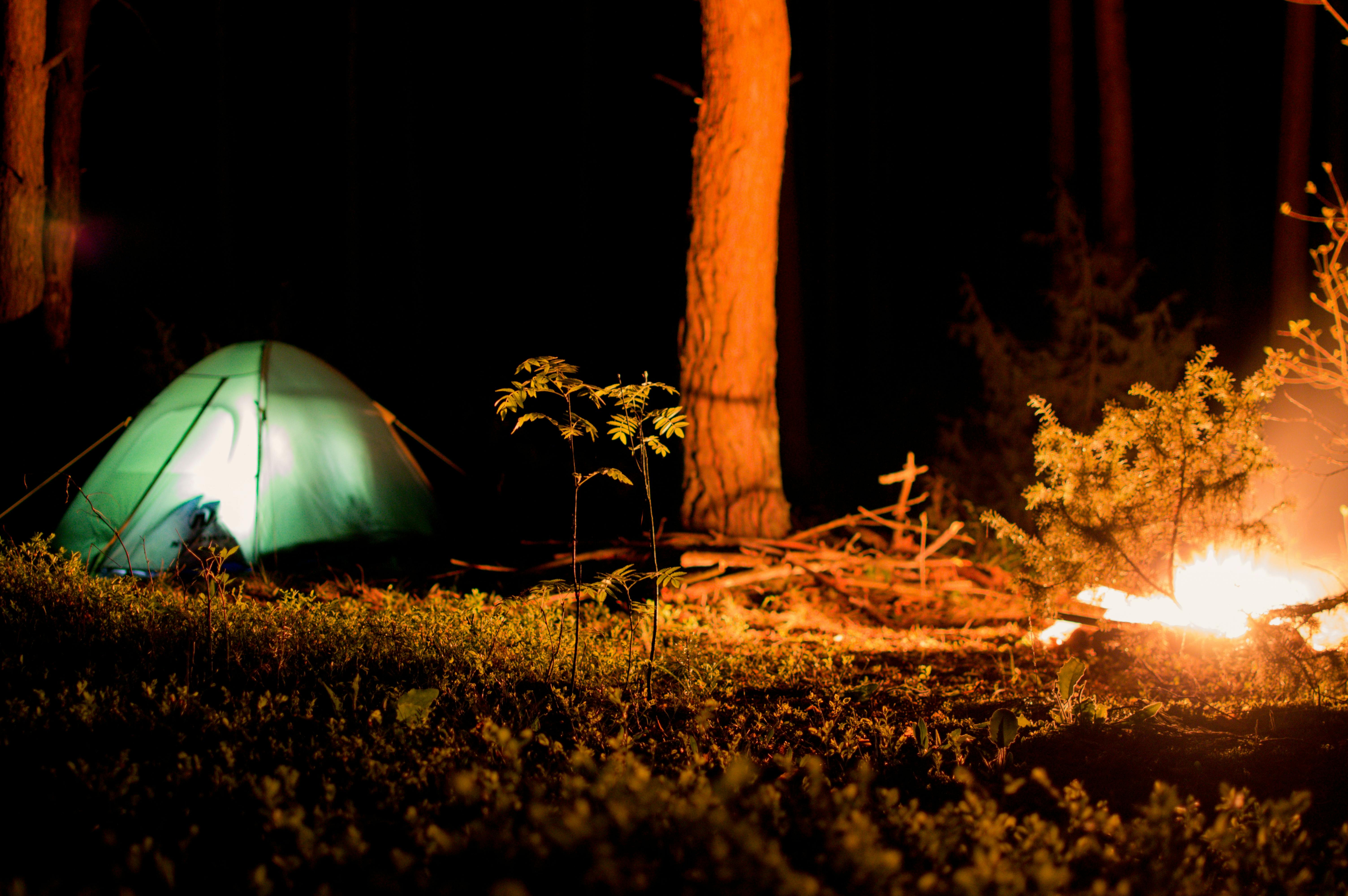
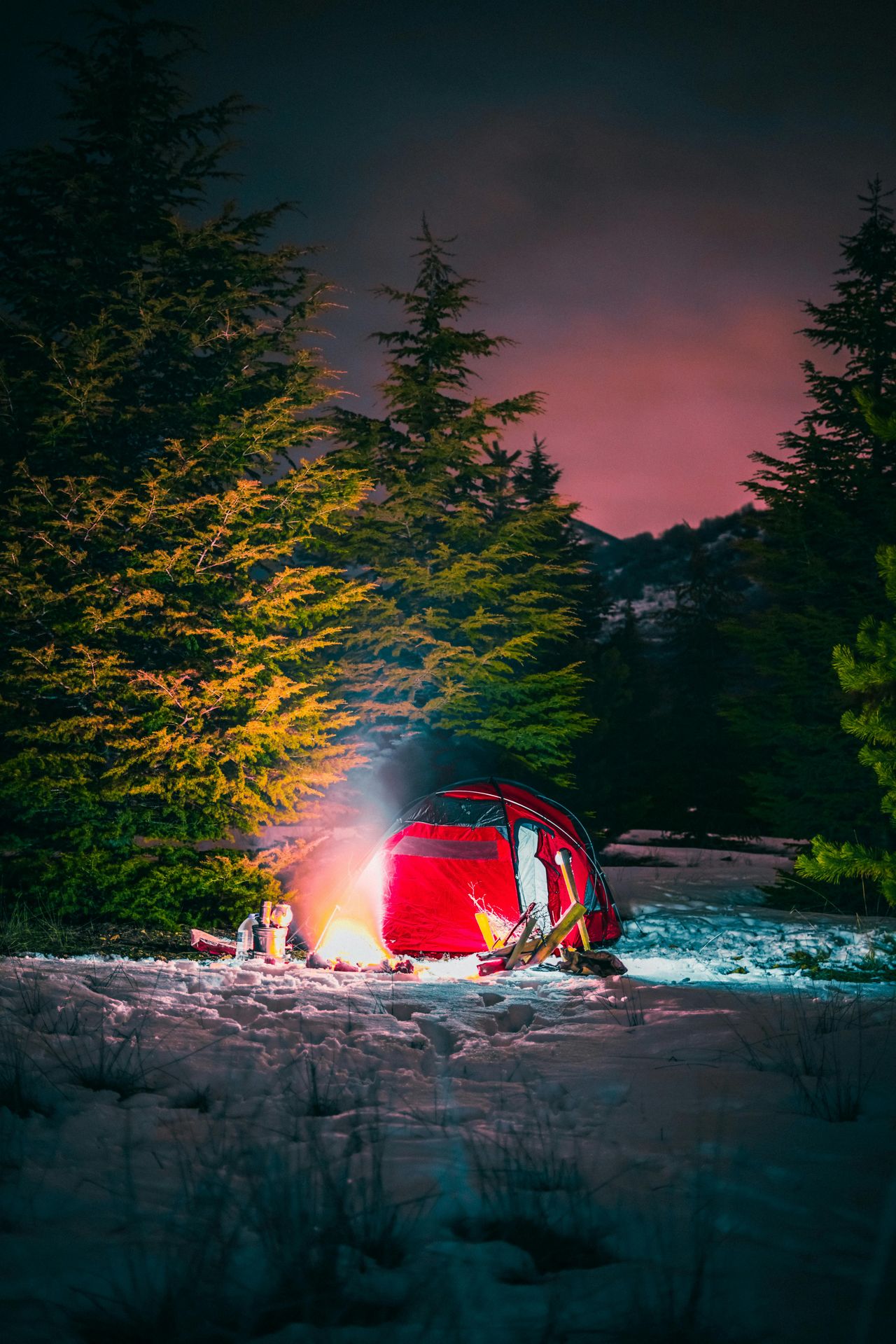
Lanterns, headlamps, and string lights make camp life easier, but they also turn a hidden site into a visible marker. In dark country, even a small light source can glow through trees and brush much farther than campers expect.
Light does more than reveal your location. It can silhouette people moving around camp, making activity obvious to any animal watching from the edge of the woods.
Keep lighting low, brief, and targeted downward whenever possible. Warm, dim light preserves night vision and reduces the chance that your camp will shine like a porch light in the middle of predator territory.
Cooking and Sleeping in the Same Small Space
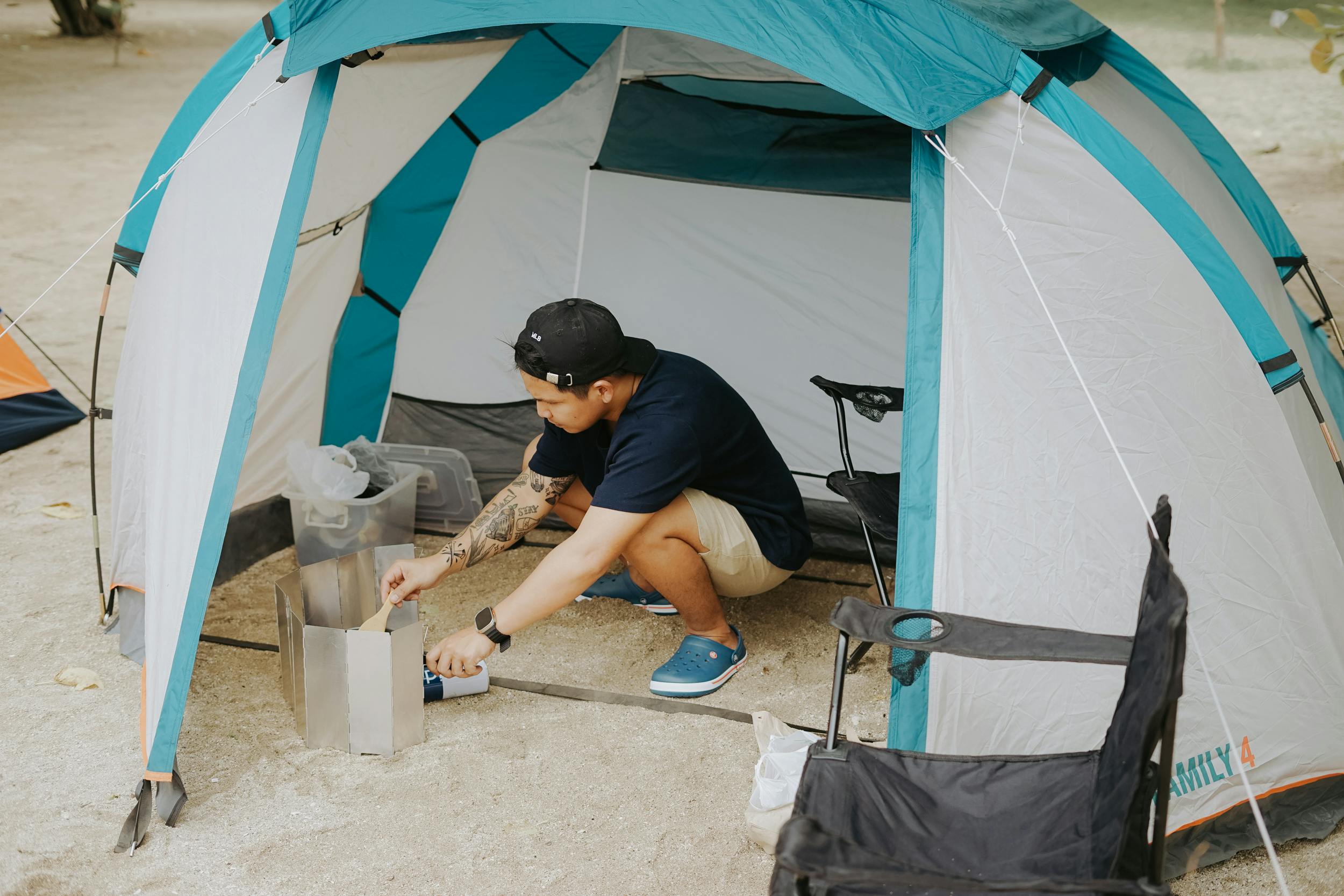
A compact camp setup can feel efficient, especially in bad weather, but combining food prep and sleeping space is one of the easiest ways to make your tent interesting to wildlife. Odors cling to clothing, gear, and fabric long after dinner is over.
That means an animal investigating a food scent may end up nose-to-nylon right where you are trying to sleep. Even snack wrappers or spilled drinks can keep broadcasting through the night.
Give cooking its own area and keep it well separated from where you rest. Clean up thoroughly, change out of food-scented layers if possible, and avoid teaching wildlife that tents smell like an easy meal.
Pitching Camp Beside Dense Berry or Brush Patches
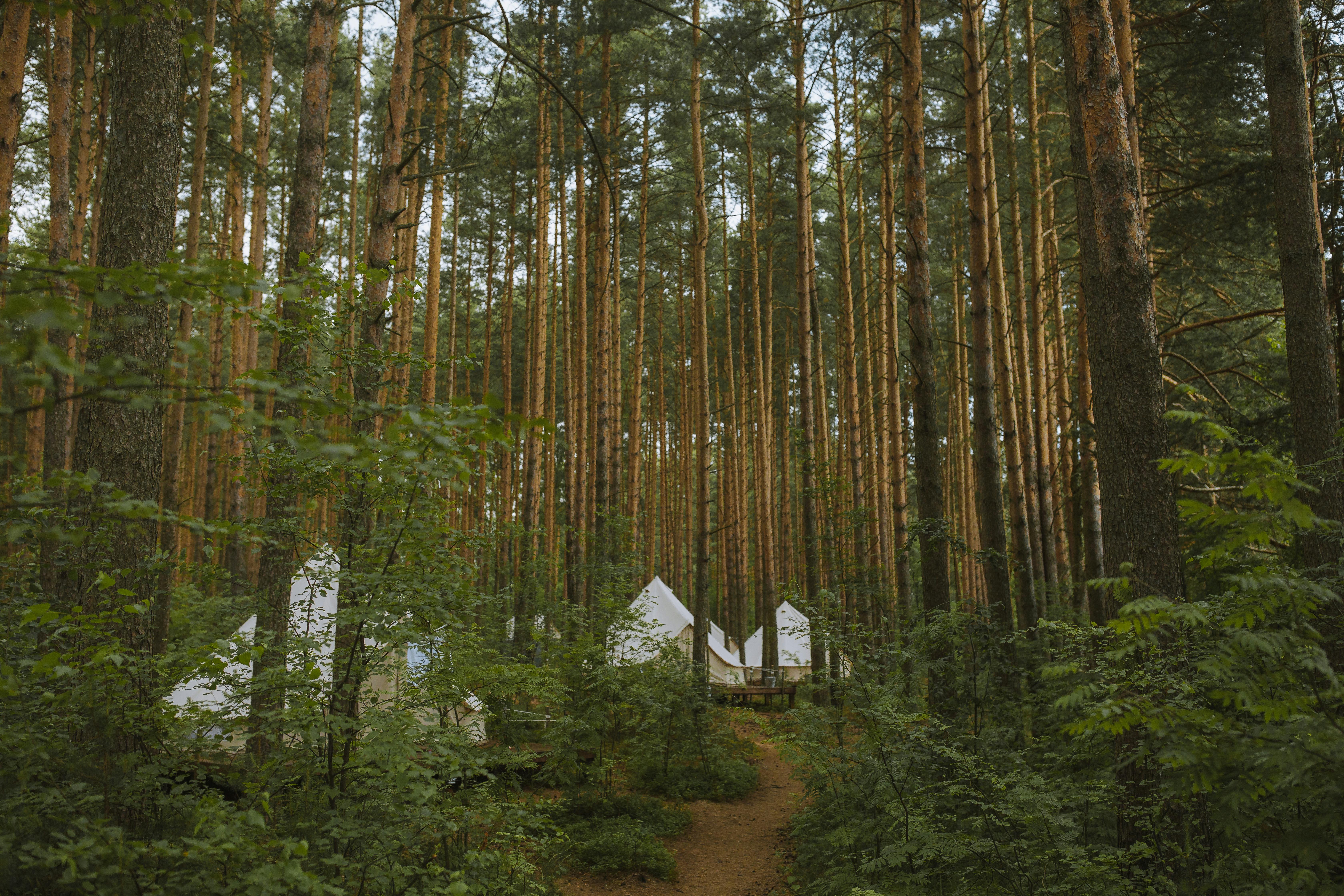
Thick berry stands and brushy edges may offer privacy, but they can also be natural feeding zones and cover for animals. What looks like shelter to a camper can look like dinner and concealment to a bear, boar, or other opportunistic predator.
Dense vegetation also limits your sightlines and muffles movement. An animal can approach much closer before either of you notices the other, which raises the chance of a sudden, stressful encounter.
Choose a spot with some visibility around camp instead of tucking yourself into heavy growth. Natural cover is helpful, but not when it doubles as a buffet and a blind.
Leaving Camp in a Noisy, Smelly Drainage

Low drainages and narrow valleys often seem protected from wind, but they can trap scent and channel movement. Smells from food, trash, and damp gear may linger there longer, while animal traffic often follows the same easy contours through the landscape.
Noise works against you too. Running water or rustling trees can mask the sound of something approaching, and your own camp noises may bounce in odd ways that carry beyond the site.
Look for a place with balance: not fully exposed, but not a scent bowl either. Better airflow, better visibility, and less concentrated odor can make your camp much less noticeable overall.
Relying on Established Sites Without Reading the Signs
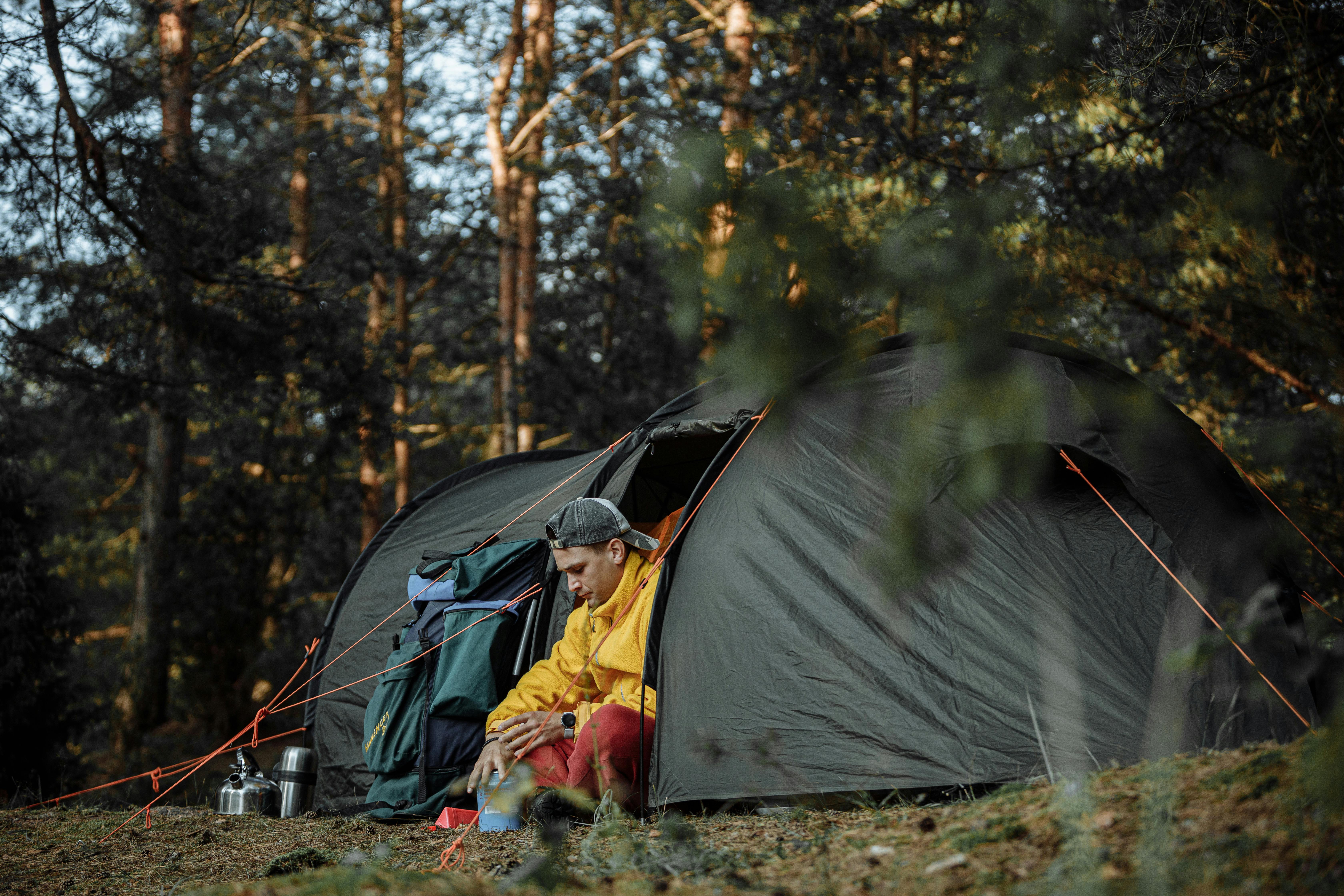
An established site can feel reassuring because others have used it before. But repeated use often means lingering food smells, scraps, fish-cleaning residue, or trash particles that previous campers failed to remove, and wildlife may already associate that spot with rewards.
You also cannot assume the location was chosen wisely. Some popular sites sit beside water, on travel corridors, or in overused clearings that are convenient for people and equally convenient for animals.
Treat every site like a fresh evaluation. Check for tracks, scat, claw marks, overturned logs, and old fire ring debris before settling in. Familiar does not always mean safe, and popular does not always mean smart.
Forgetting That Camp Placement Is About Patterns
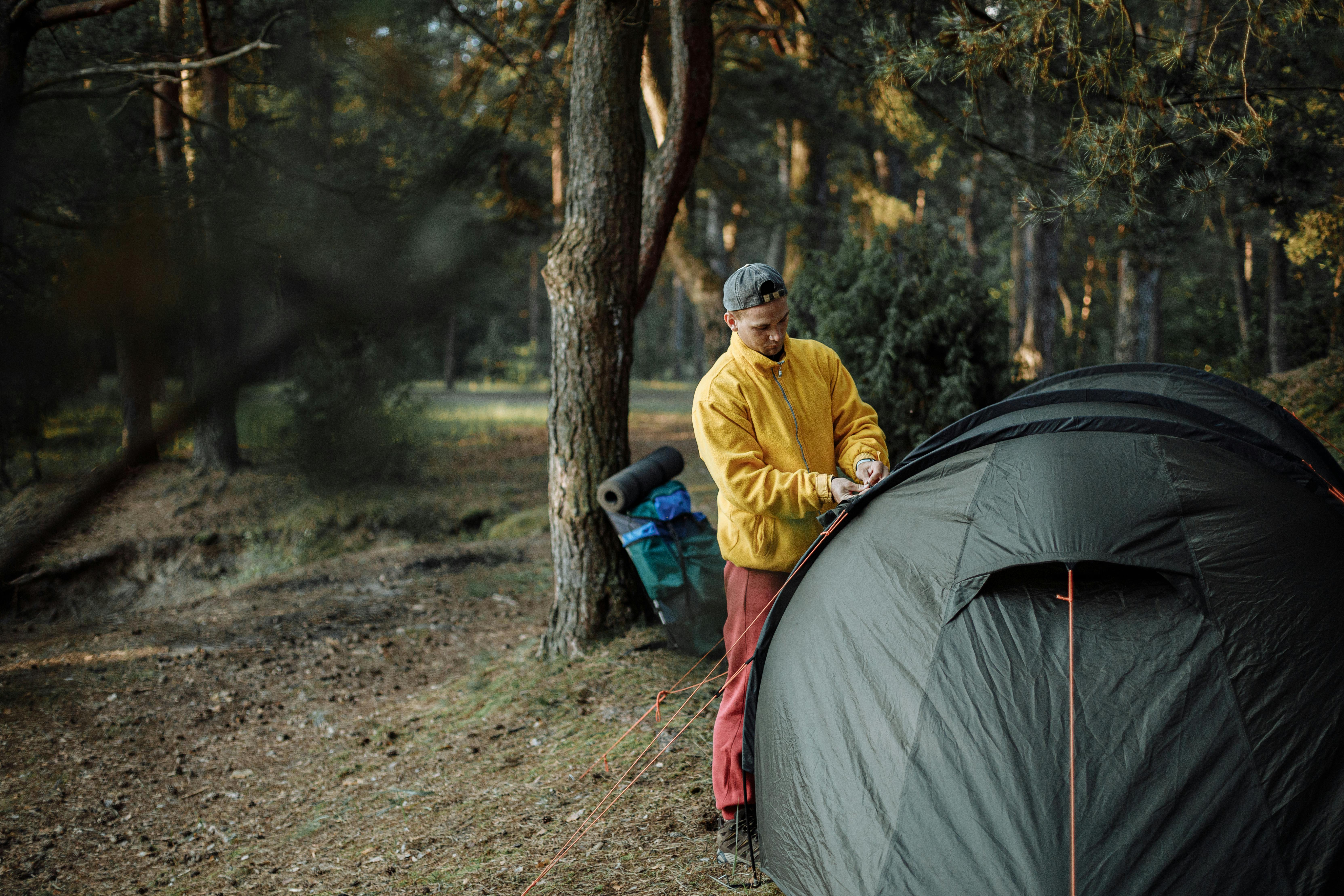
The biggest mistake is thinking one bad choice causes the problem. In reality, predators notice patterns: a visible tent, food odor on the wind, a camp near water, bright lights after dark, and easy approach cover all working together.
That is why a site that seems fine at first glance can still feel wrong after sunset. It is not just where you camp, but how terrain, scent, sound, and routine interact across the entire area.
The safest camps are chosen slowly. Step back, look for movement corridors, think about wind and food, and imagine how your setup appears from the perspective of an animal moving through that landscape at night.