Salmon fishing is more than a pastime; it’s a test of timing, patience, and precision. These powerful fish migrate through rivers and coastal waters at specific times each year, depending on their species and environment. Whether you’re casting in Alaska’s icy streams or the Pacific Northwest’s rolling rivers, knowing when the salmon are running is key. The season you choose can shape the entire experience from the size of your catch to the solitude of the water around you.
Understanding Salmon Migration Cycles

Salmon spend most of their lives in the ocean before returning to freshwater rivers to spawn. This migration typically happens between late spring and early fall, depending on species and temperature. They follow biological instincts linked to daylight and water flow. Learning their timing helps anglers plan effectively. When you align your trip with peak migration, you’ll encounter salmon at their strongest, hungriest, and most active stage, perfect for a rewarding catch.
Early Spring: The Season of Opportunity
Spring fishing offers anglers a fresh start to the year. Between March and May, Chinook and Sockeye begin moving inland as water warms. Though runs are smaller, early fish are often bigger and more aggressive. Spring brings crisp air, quiet waters, and fewer competitors. It’s the best time for anglers who enjoy solitude, subtle bites, and scenic rivers bursting with life as the season begins to unfold.
Summer: Prime Time for Salmon Runs
From June through August, salmon runs hit their peak across most of North America. Coho, Pink, and Chinook species fill rivers in massive numbers, making summer the busiest and most exciting season. Warm weather, long days, and steady flows create perfect conditions for both fly and spin fishing. This is the ideal time for family trips, competitive anglers, and those looking to experience the pure energy of active salmon schools.
Fall: The Grand Finale of the Year
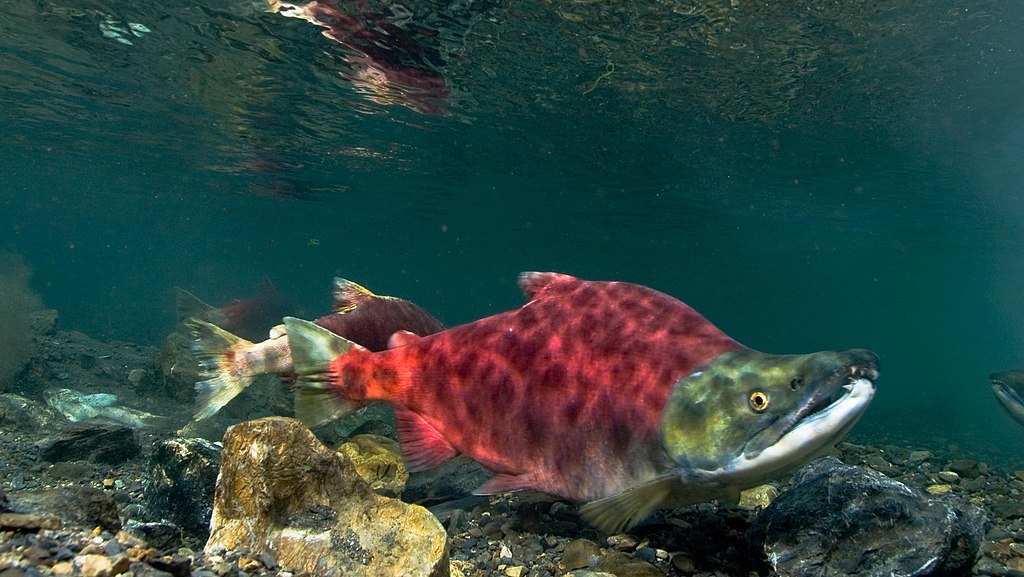
As temperatures drop, fall brings the final and often the fiercest salmon runs. Coho and Chum dominate these cooler months, charging upriver in preparation for spawning. Their colors grow vivid, and their strikes more aggressive. The crisp air, golden leaves, and misty mornings add a sense of magic to every cast. Fall fishing rewards those who don’t mind chilly weather and crave action-packed, late-season battles.
Winter: A Quiet and Challenging Pursuit
Winter salmon fishing is for the dedicated few. While most runs are complete, certain rivers and coastal areas still hold late spawners or residual fish. Between December and February, anglers trade crowds for solitude, using heavier gear and slower presentations. The bite is more subtle, but the satisfaction is unmatched. Winter’s stark beauty, silent waters, and the reward of a rare catch make it a truly meditative experience.
Environmental Factors That Shape Salmon Runs
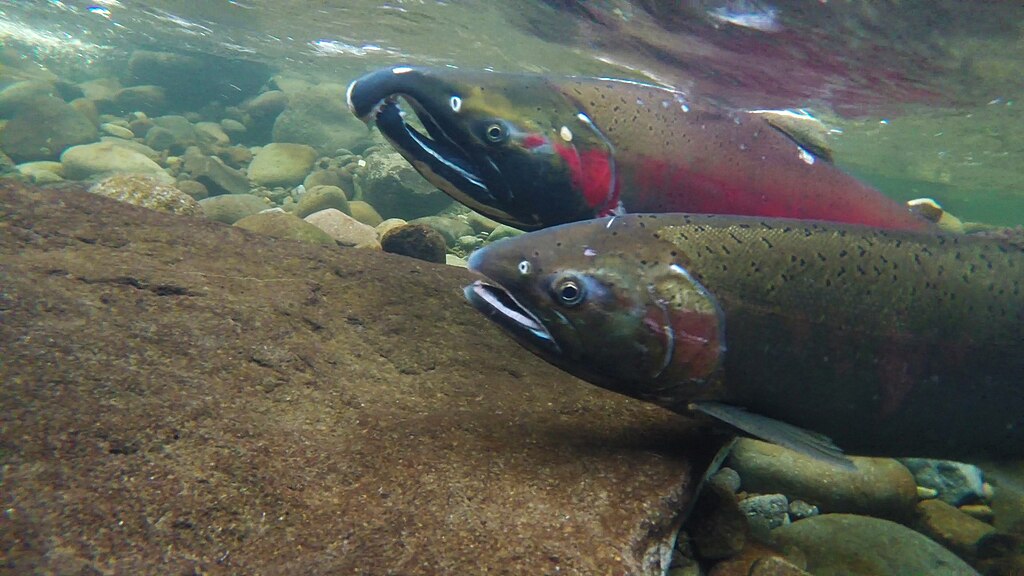
Water temperature, rainfall, and daylight hours influence salmon migration more than the calendar does. A cool spring or delayed melt can shift runs by weeks. Heavy rains trigger upstream movement, while warm water can slow migration. Understanding these conditions allows anglers to adapt and plan accordingly. Monitoring river reports and local forecasts gives you the edge to meet salmon when conditions are just right.
Regional Variations Across North America
Timing differs dramatically between regions. In Alaska, peak fishing happens from June through September, while the Pacific Northwest enjoys longer runs stretching from May to October. The Great Lakes see shorter but intense activity from late summer to early fall. Knowing your region’s unique cycle helps target the best dates. Local guides and fisheries reports can fine-tune your timing for maximum success.
Targeting Different Salmon Species
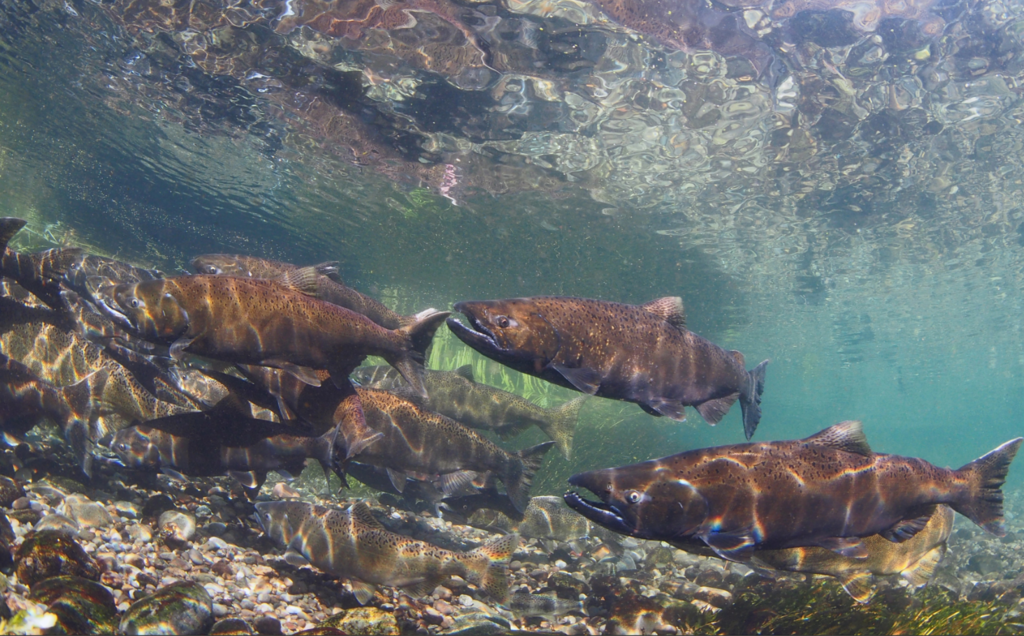
Each salmon species follows its own schedule and habits. Chinook (King) salmon begin early and grow massive, while Sockeye thrive mid-summer. Coho bring strong late runs, and Pink salmon appear every other year in staggering numbers. Chum are fall specialists, striking aggressively in cold rivers. Matching your trip to the species’ prime season ensures more action, better results, and a tailored fishing experience every time.
Seasonal Gear and Technique Adjustments
Adapting your approach to the season can define your success. In spring, deep-running lures help reach cold water fish. Summer demands active presentations and trolling tactics. Fall calls for bold colors and faster retrieves, while winter rewards slow, deliberate movements. Matching rod power, bait, and line strength to seasonal behavior ensures consistent results. Prepared anglers know flexibility is as important as skill.
Planning for the Perfect Fishing Trip
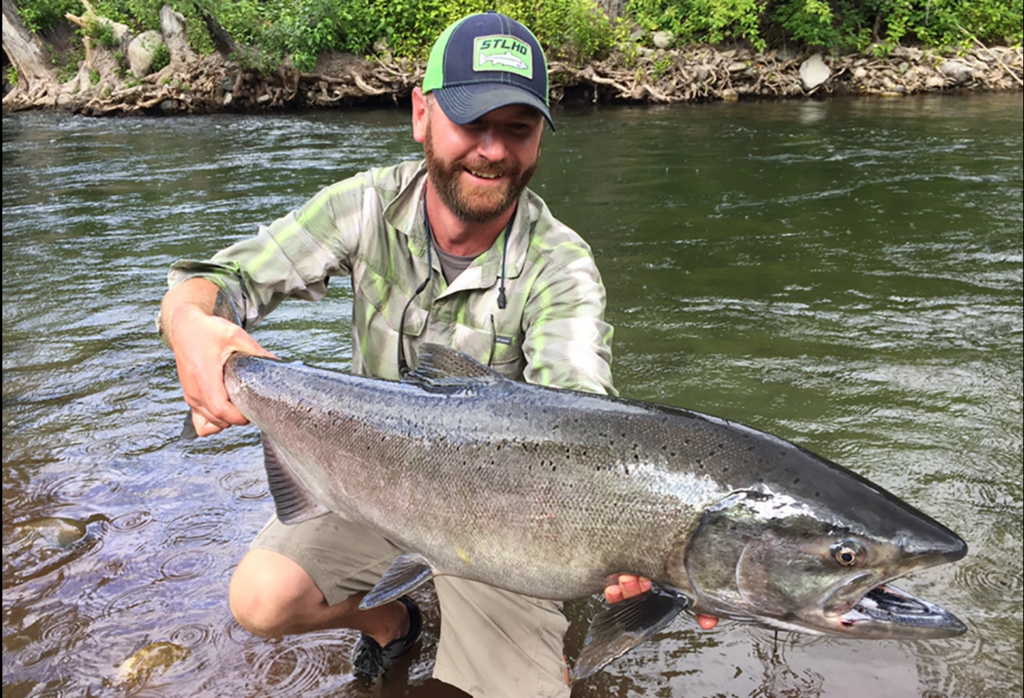
Timing, preparation, and adaptability make for an unforgettable salmon fishing trip. Research migration charts, check weather forecasts, and secure necessary permits in advance. Guided tours can offer expert insights and local knowledge for peak results. Equip yourself for changing conditions with waterproof gear and layered clothing. By blending strategy with patience, every trip becomes more than a pursuit it becomes a story worth retelling.