Few names in American gunmaking carry the mystique of Winchester. From frontier repeaters to elegant special order pieces, the company produced firearms that now sit at the center of serious collecting. This gallery explores nine especially rare Winchesters, highlighting what makes each one so sought after and why their appeal endures far beyond the auction room.
Winchester Model 1866 Musket
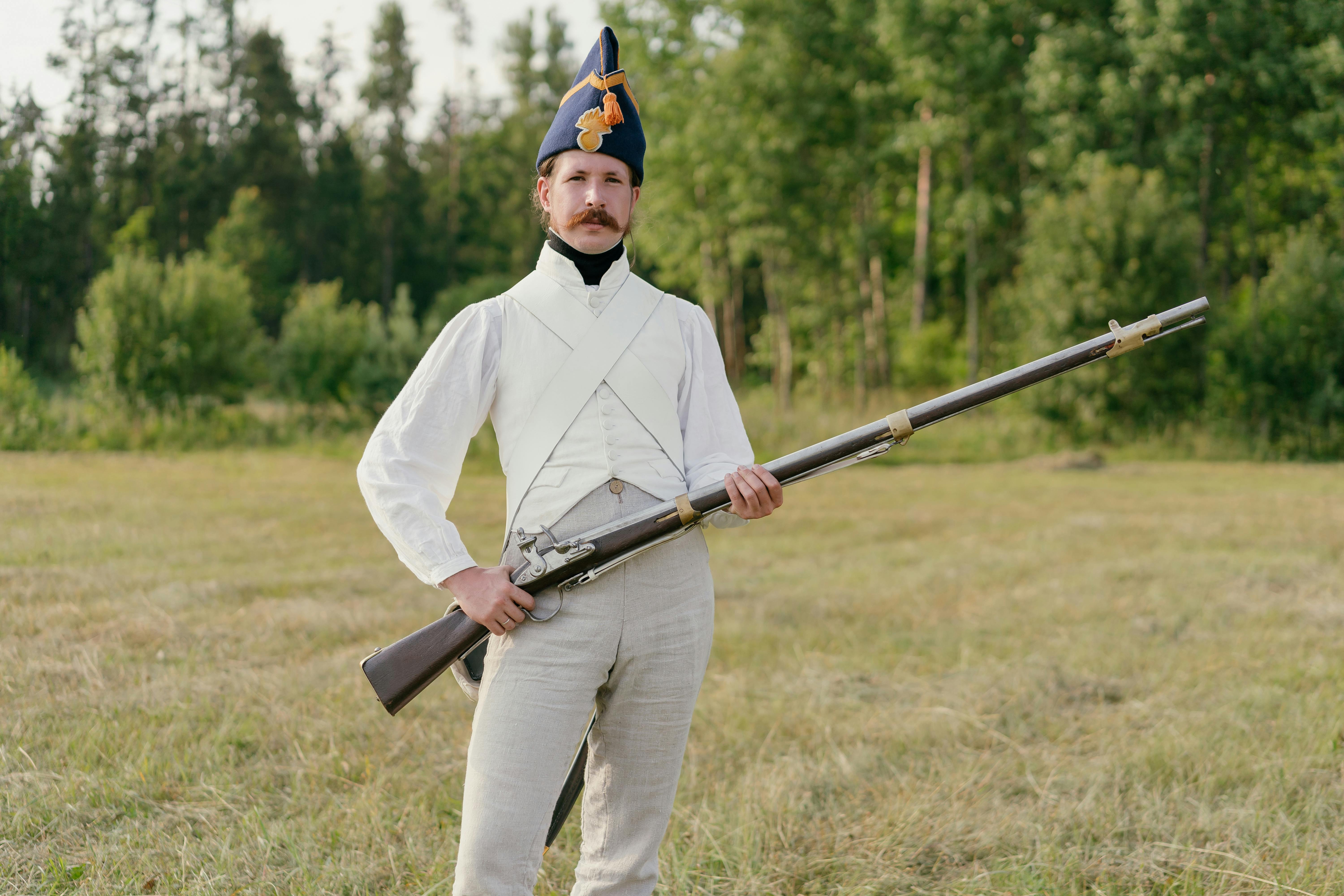
The Model 1866 is already one of Winchester’s most iconic early repeaters, but the musket variation lives in a much smaller universe. Built with a full-length stock and military-style profile, it stands apart from the more familiar rifle and carbine versions collectors usually encounter.
Its rarity comes from limited production and hard use in the field, which means surviving examples often show significant wear. When a musket appears with strong markings, matching features, and honest condition, it immediately draws attention from advanced collectors.
For many enthusiasts, this is the kind of Winchester that tells a broader story about export sales, experimentation, and the company’s early ambitions.
Winchester Model 1873 One of One Thousand

Few Winchester designations stir the imagination like One of One Thousand. These specially selected Model 1873 rifles were chosen for superior accuracy, then marked and sold at a premium, creating an instant aura that still follows them today.
Only a tiny number were produced, and even fewer can be confidently documented, which gives authentic examples almost mythical status. Collectors study every detail, from serial numbers to barrel markings, because originality is everything in this rarified corner of the market.
The appeal is obvious. You get the fame of the Model 1873, often called the gun that won the West, combined with one of the most coveted special order distinctions Winchester ever offered.
Winchester Model 1876 Centennial Rifle

The Model 1876 was Winchester’s answer for buyers who wanted more power in a larger frame lever gun. Named for the Centennial Exposition year, it carried frontier glamour from the beginning, and special configurations now sit high on collector wish lists.
What makes rare Centennial rifles so desirable is the combination of limited surviving numbers and historical associations with hunting, ranching, and western expansion. Deluxe finishes, unusual calibers, and factory letters can push an already scarce rifle into truly elite territory.
It is a firearm that looks substantial the moment you see it. That visual heft, paired with Winchester pedigree, gives the 1876 a dramatic presence in any serious collection.
Winchester Model 1886 Deluxe Take-Down
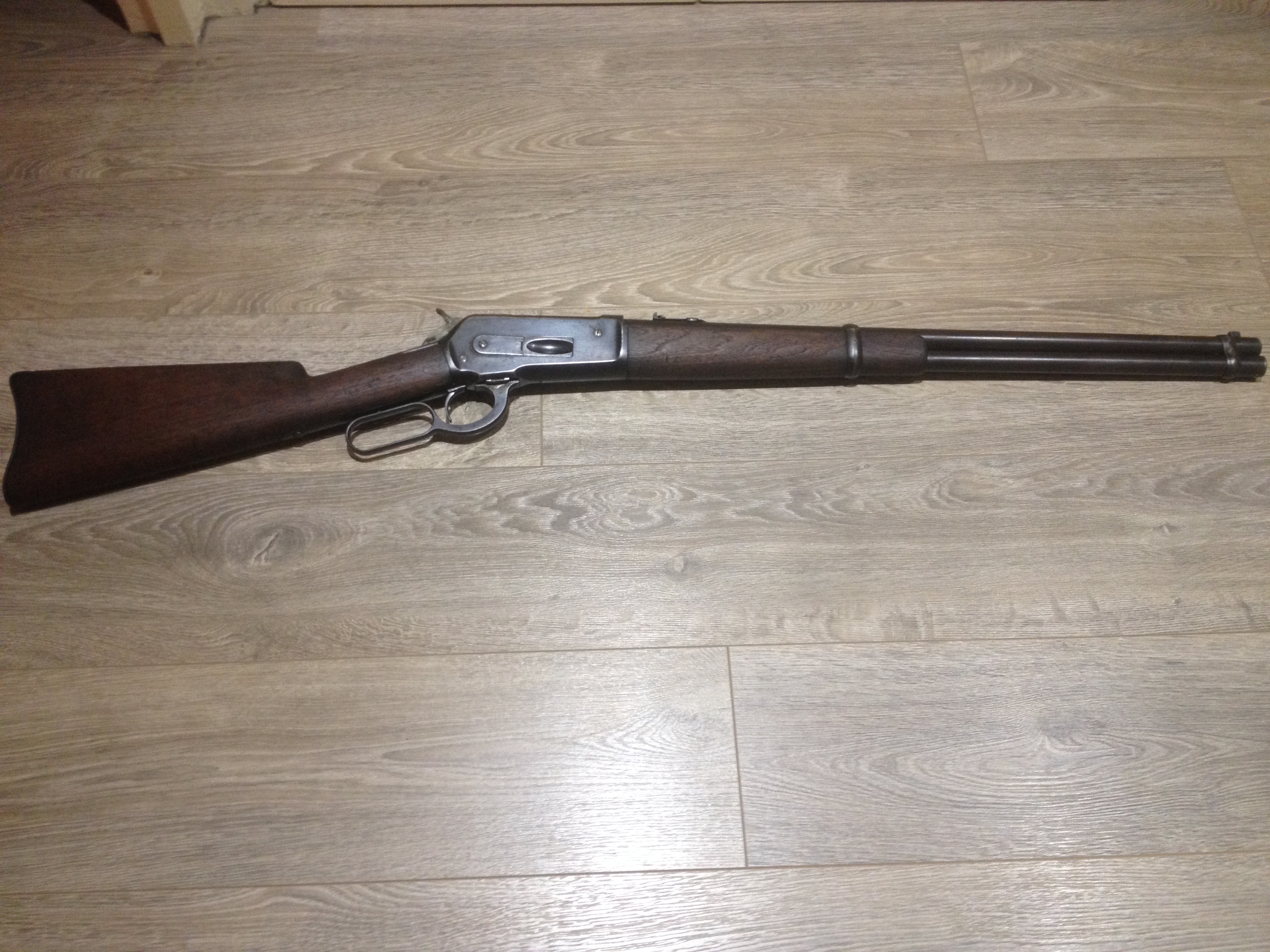
John Browning’s Model 1886 is admired for strength, elegance, and smooth handling, but deluxe take-down examples reach another level. These rifles combined mechanical sophistication with custom-grade touches, giving buyers a premium sporting arm that still feels luxurious today.
Because many were ordered in standard form, a true deluxe take-down with special wood, checkering, and desirable barrel options is much harder to find. Original finish matters enormously, and collectors look closely for factory features rather than later embellishments.
The result is a rifle that appeals to both Browning devotees and Winchester purists. It blends practical engineering with a level of refinement that makes it especially memorable on the show table or in a private collection.
Winchester Model 1892 Trapper Carbine

Short, handy, and undeniably charismatic, the Model 1892 Trapper Carbine has become a favorite among collectors who love compact Winchesters. These carbines were built with shorter barrels than standard versions, making authentic examples scarce and frequently debated.
That debate is part of the intrigue. Because barrel length and configuration are crucial, buyers rely heavily on factory records, expert inspection, and unquestioned originality before declaring one the real thing.
When a verified Trapper turns up, interest follows quickly. It has the familiar appeal of the slick little 1892 action, plus the kind of rarity that makes even seasoned collectors pause for a second look.
Winchester Model 1894 Saddle Ring Carbine in Early Configuration

The Model 1894 is one of the most recognized sporting arms ever made, but truly early saddle ring carbines carry a special kind of collecting energy. Features like desirable calibers, high condition, and untouched original parts can elevate a common model into a rare prize.
Collectors chase the details here. Early production traits, correct sights, and documented finishes can make all the difference between a nice old carbine and a headline-worthy example.
Part of the charm is how familiar the silhouette feels. Everyone knows the 1894, yet an early, well-preserved saddle ring carbine reminds collectors that even famous production guns can become exceptionally scarce when the right features line up.
Winchester Model 1895 Russian Contract Musket
The Model 1895 already stands apart as Winchester’s box magazine lever action, and the Russian contract musket adds a fascinating international twist. Produced in significant numbers for Imperial Russia, many saw hard service, so crisp surviving examples are far from common.
Its long stock, bayonet fitting, and military profile make it visually distinct from sporting Winchesters. That difference gives collectors something they do not always get from the brand: a military rifle with unmistakable Winchester DNA.
The historical pull is strong. This is a firearm tied to global conflict, industrial production, and one of the more unusual chapters in Winchester history, which helps explain its lasting appeal.
Winchester Model 21 Grand American

Not every legendary Winchester is a lever gun, and the Model 21 Grand American proves the point beautifully. This high-grade side-by-side shotgun represents the company’s luxury side, where craftsmanship, engraving, and bespoke appointments mattered as much as mechanical excellence.
Grand Americans were built in very limited numbers, often to exacting customer specifications. That means no two examples feel quite the same, and the finest pieces can look more like functional art than field guns.
Collectors love the contrast. Winchester is often associated with rugged frontier utility, but the Model 21 Grand American shows just how far the brand could go when prestige, presentation, and exclusivity were the goal.
Winchester Model 52 International Match Rifle

Among rimfire enthusiasts, the Model 52 enjoys near sacred status, and rare International Match variants are especially admired. Built for precision competition, these rifles reflect Winchester’s ability to dominate not just in hunting and frontier imagery, but in serious target shooting as well.
Collectors value them for condition, originality, and specific match-oriented features that separate them from standard configurations. A correct stock, sights, and documented variation can transform a fine target rifle into a centerpiece collectible.
There is also a quieter elegance to the Model 52. It lacks the cinematic flair of a lever action carbine, but in collector circles its reputation for accuracy and craftsmanship speaks very loudly.
Winchester Model 70 Super Grade in Rare Pre-64 Configuration

The pre-64 Model 70 is often called the rifleman’s rifle, and rare Super Grade examples occupy the top shelf for many bolt-action collectors. Special chamberings, factory options, and exceptional original condition can turn an already respected sporting rifle into something genuinely hard to replace.
Pre-64 production carries its own prestige because of the action design, finish quality, and enduring reputation among hunters and collectors. Add a scarce caliber or unusual configuration, and competition for the best examples becomes intense.
This is a different flavor of Winchester rarity. It is less about frontier romance and more about classic American sporting refinement, which is exactly why so many collectors want one in the safe.