Weekend hiking often looks simple on paper. A short drive, a few hours on the trail, and back home before dark. In reality, limited time quietly reshapes decisions before boots ever hit the ground. Schedules encourage rushing, shortcuts, and optimistic assumptions that rarely match real trail conditions. These mistakes do not feel reckless while they happen. They feel practical. Over time, however, they lead to fatigue, frustration, and avoidable risk. Understanding how time pressure changes behavior helps hikers make smarter choices without giving up the joy of short adventures.
1. Choosing Routes Based on Distance Instead of Terrain
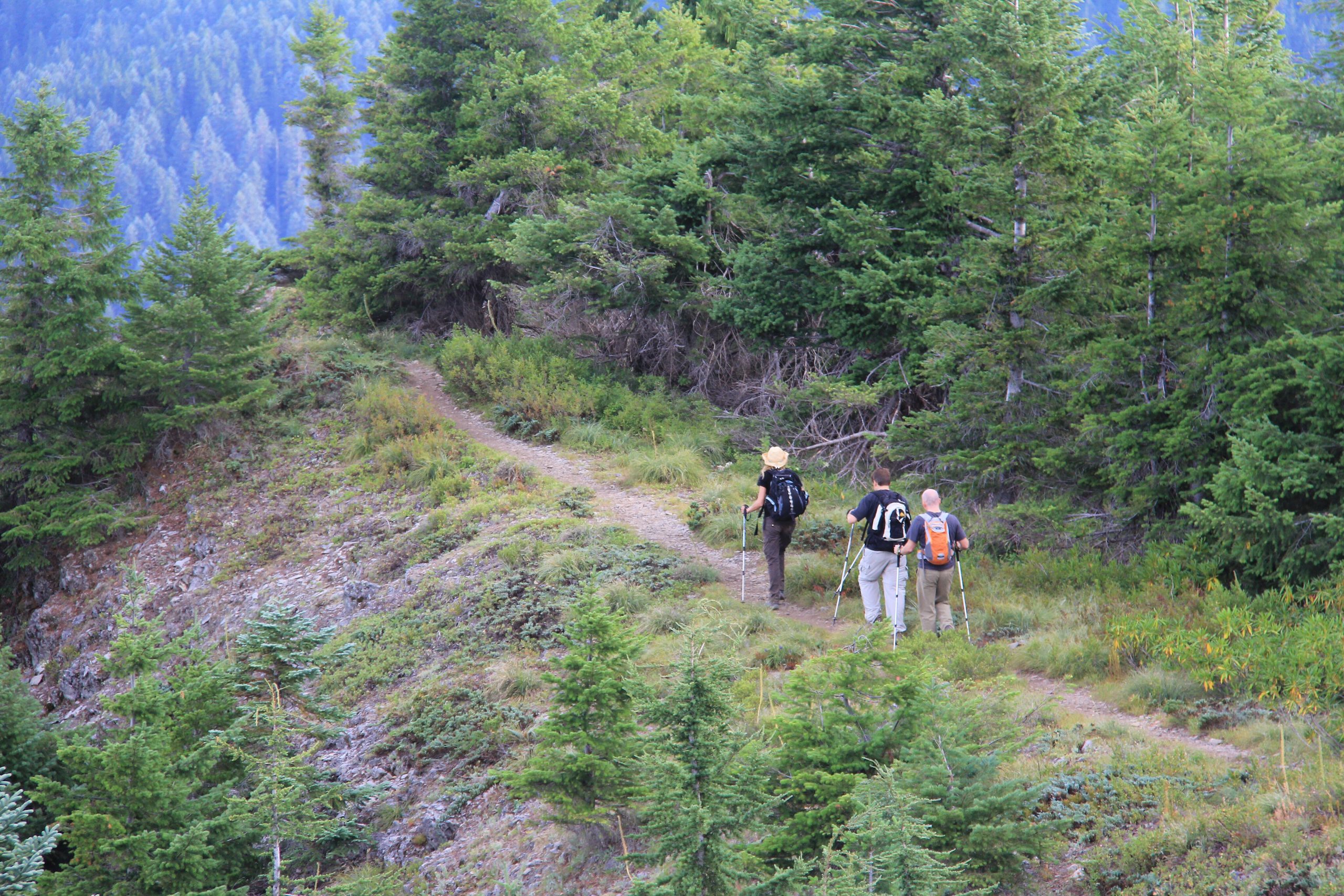
When weekends are short, hikers often judge routes by mileage alone. A trail that looks manageable on a map may include steep climbs, rocky footing, or slow navigation sections. Time pressure encourages optimism, leading hikers to underestimate how long the terrain will actually take. As the hike progresses, the pace becomes rushed, and breaks are shortened or skipped. Fatigue builds earlier, increasing mistakes and joint strain. The problem is not ambition but miscalculation. Terrain controls speed more than distance, and ignoring that reality turns a relaxing hike into a race against the clock.
2. Starting Later Than Planned
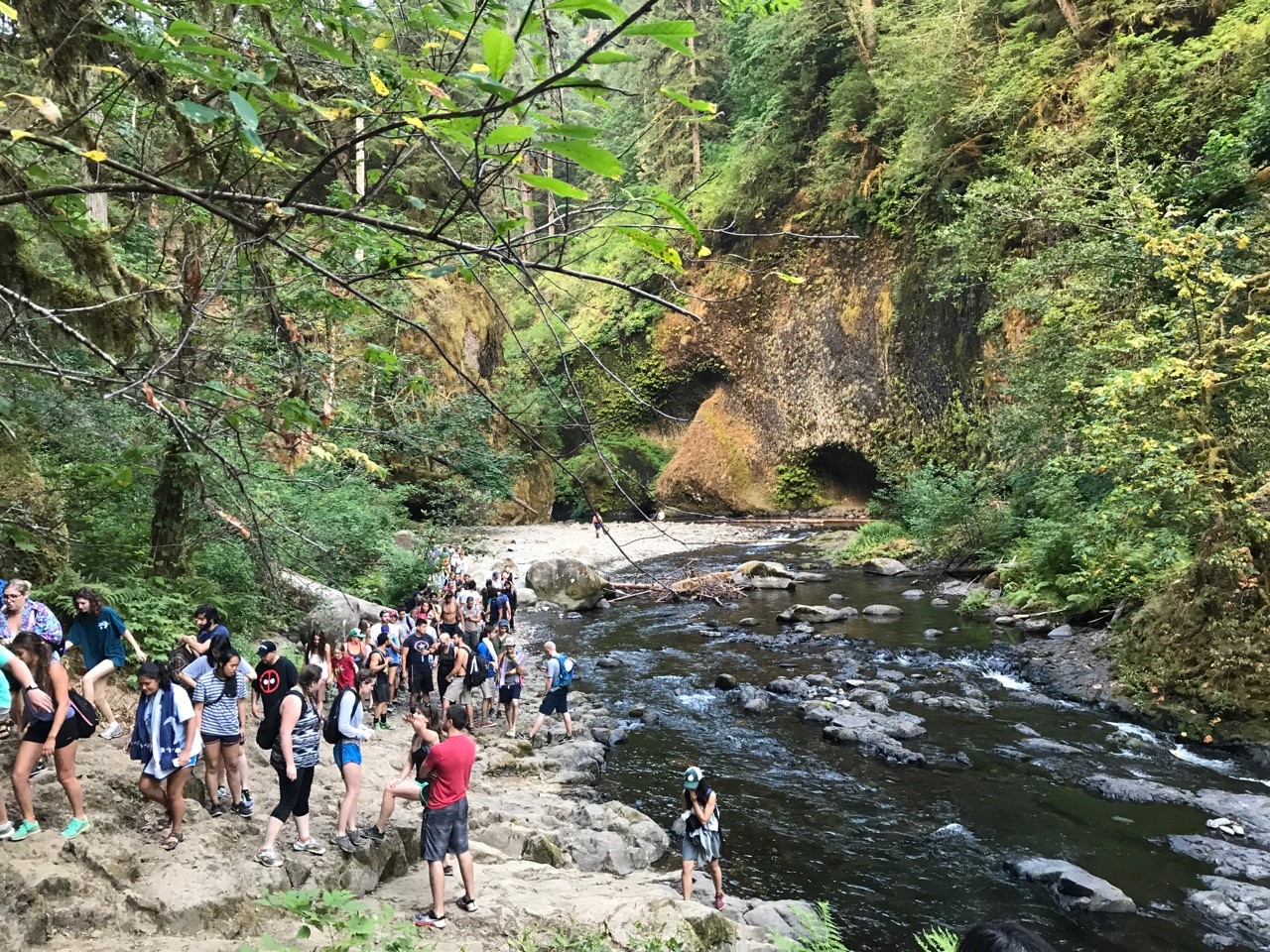
Weekend mornings fill up fast. Travel delays, sleeping in, or slow packing often push start times later than intended. Once on the trail, hikers feel pressure to make up lost time. This leads to faster pacing, fewer rest stops, and less attention to surroundings. Daylight margins shrink, creating anxiety later in the hike. Navigation errors become more likely as fatigue and time stress increase. A late start quietly removes flexibility, turning small delays into major concerns. What begins as a casual morning often ends with rushed decisions and reduced enjoyment.
3. Skipping Proper Warm-Up to Save Time
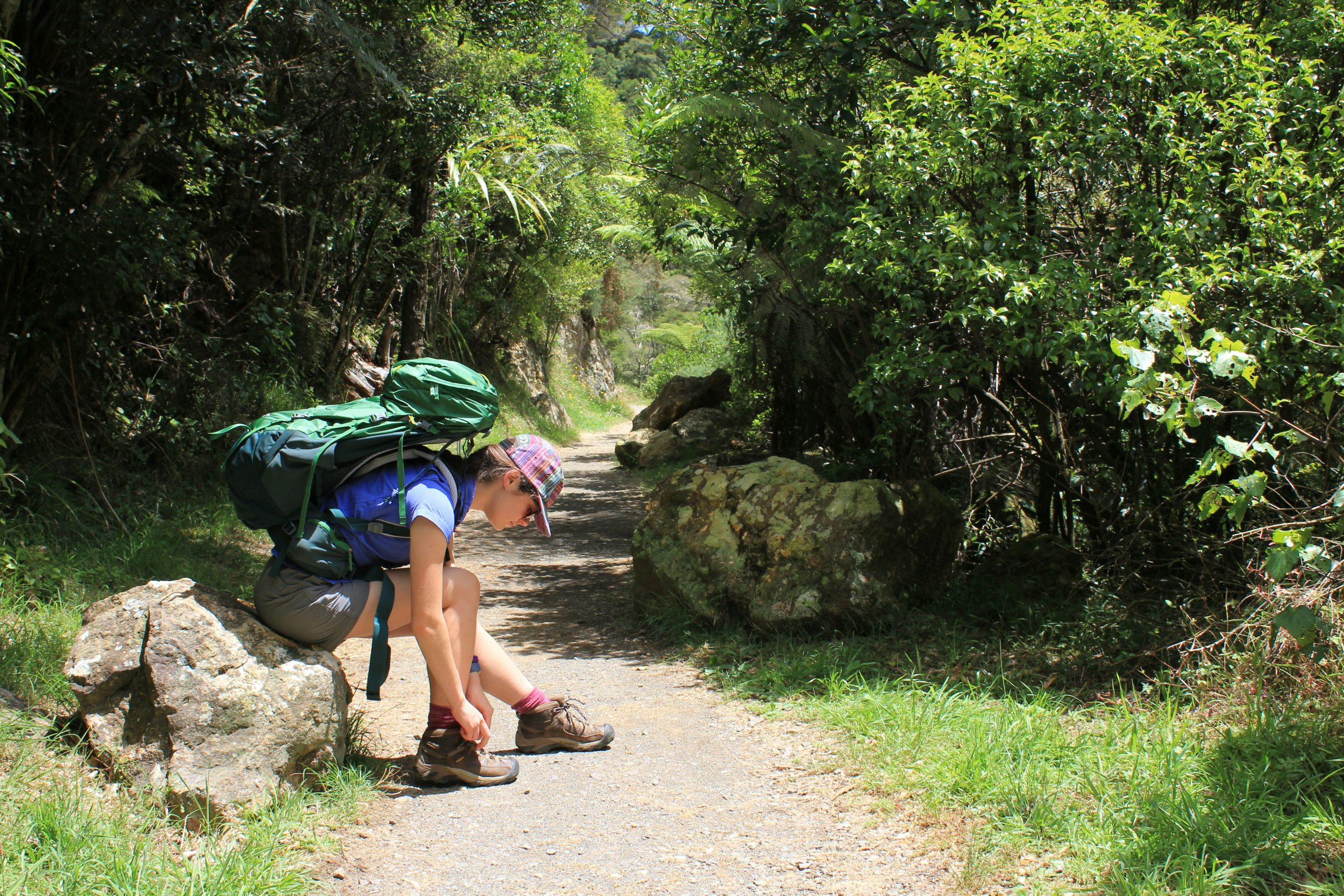
Limited schedules encourage hikers to start moving immediately. Muscles and joints that are cold from driving or sleeping need time to loosen. Without a gradual warm-up, strain builds in knees, calves, and hips. These issues rarely hurt right away. Pain often appears later that day or the next morning. Because the injury feels delayed, hikers rarely connect it to the rushed start. Saving ten minutes at the trailhead often costs days of soreness. Warm muscles move efficiently and safely, especially on uneven terrain common in weekend destinations.
4. Underestimating Weather Because Plans Feel Fixed
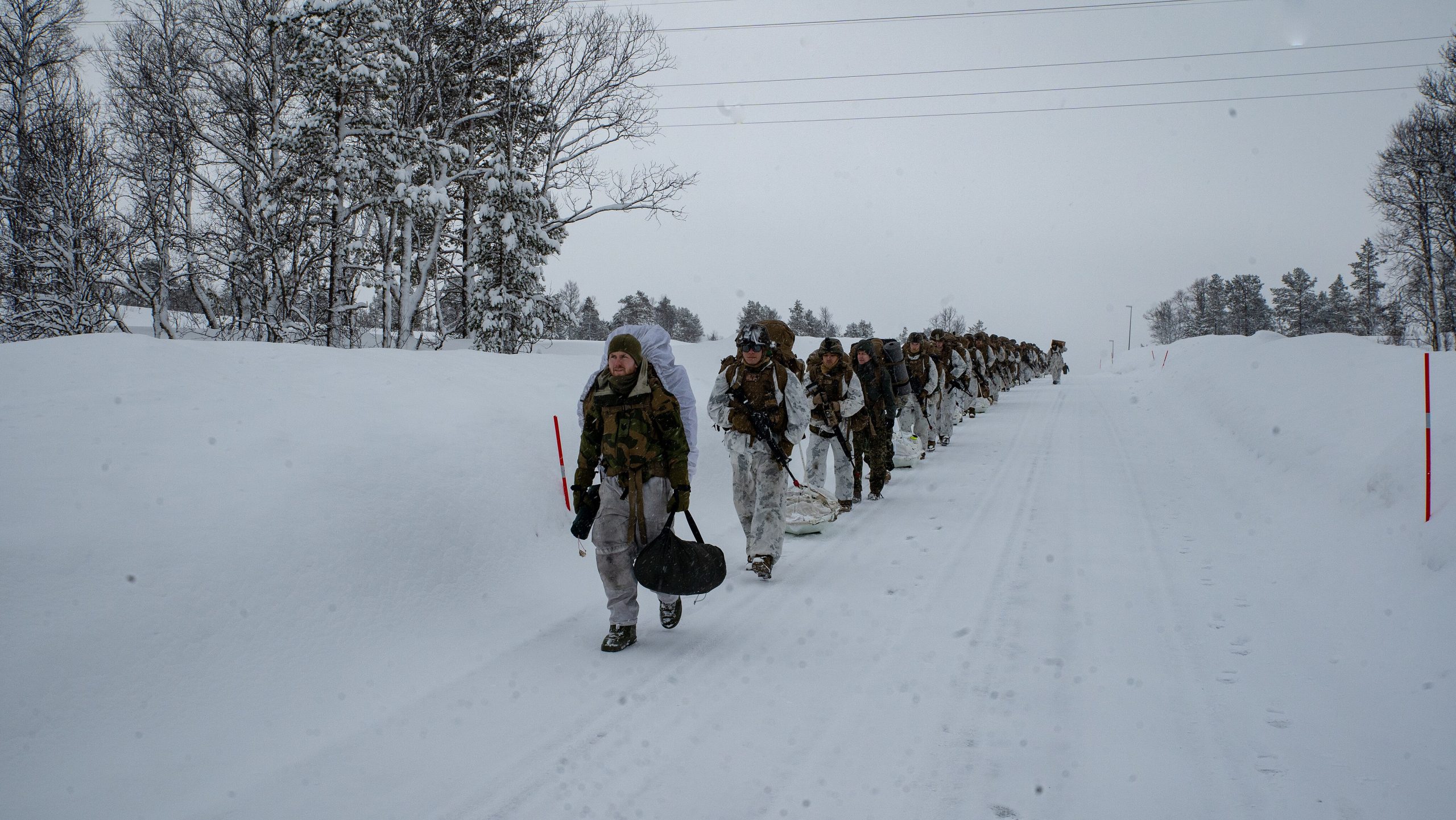
Weekend trips feel less flexible than longer outings. Hikers are more likely to push ahead despite questionable forecasts because rescheduling feels inconvenient. This leads to poor clothing choices and insufficient protection from wind, rain, or temperature drops. Weather discomfort drains energy faster and reduces morale. As conditions worsen, hikers rush instead of adapting. The trail becomes something to finish rather than experience. Ignoring weather signs early often creates bigger problems later. Time pressure turns manageable conditions into stressful ones simply because preparedness was sacrificed for commitment.
5. Carrying Too Little Safety and Comfort Gear

To move faster, weekend hikers often pack lighter than necessary. Extra layers, navigation tools, or emergency items feel optional when time is short. This choice works until something unexpected happens. A missed turn, slower pace, or sudden weather change suddenly makes the hike longer than planned. Without proper gear, comfort drops quickly, and stress rises. These situations feel frustrating rather than dangerous, but they increase risk quietly. Packing only for the best-case scenario leaves no buffer when reality stretches the timeline beyond the original plan.
6. Rushing Breaks and Ignoring Nutrition

Weekend schedules encourage quick snacks instead of real breaks. Hikers eat while walking or skip meals entirely to save time. Energy levels drop unevenly, causing irritability and poor focus. Hydration often suffers as well. These effects build gradually and feel confusing when fatigue hits early. Without proper fueling, muscles tire faster and balance declines. Mistakes increase in technical sections. Taking time to stop feels inefficient, but it prevents larger slowdowns later. Short breaks restore clarity and strength far better than pushing through on empty reserves.
7. Pushing Past Sensible Turn Around Points
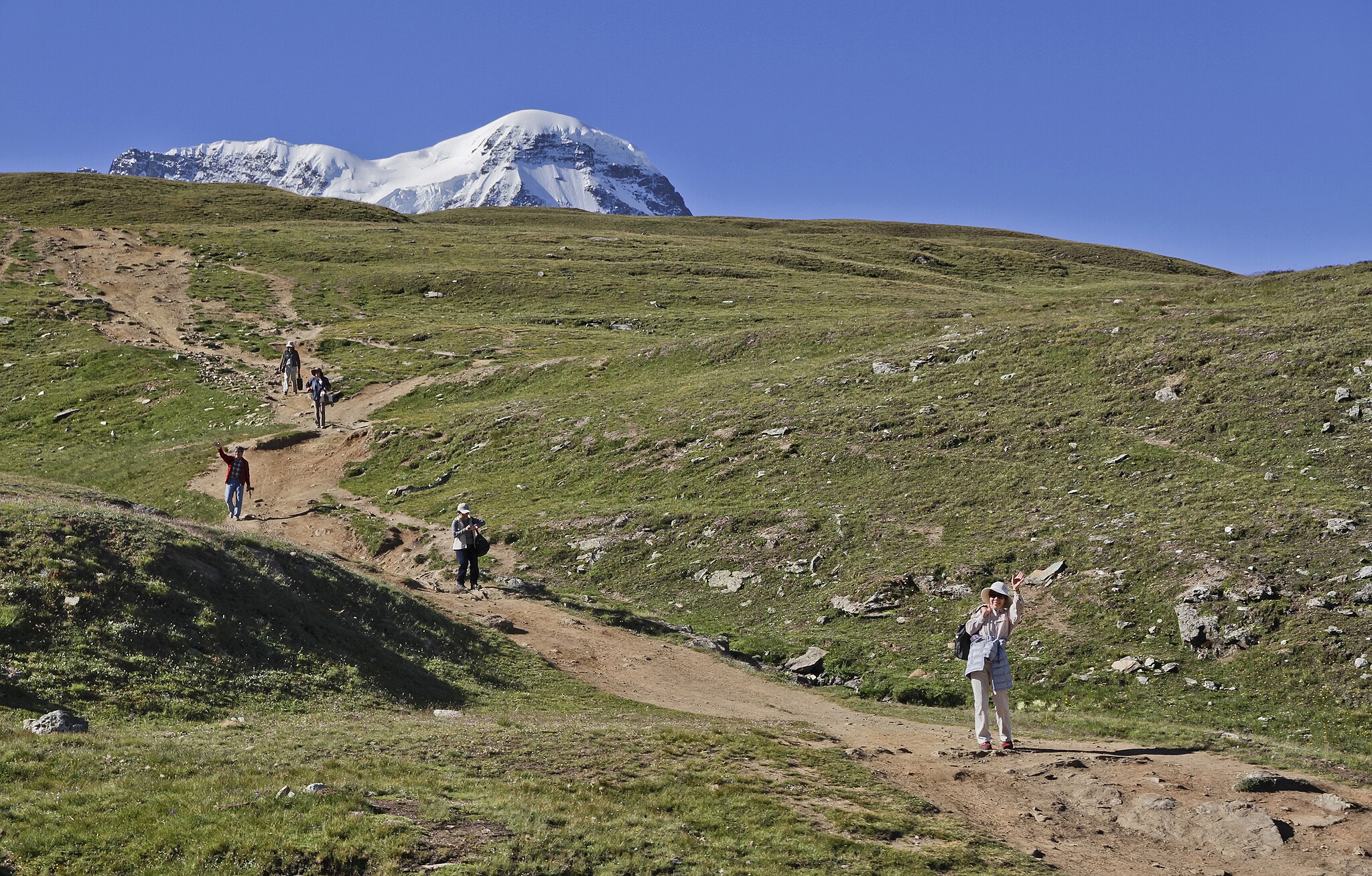
With limited time available, hikers often ignore planned turnaround times. The desire to complete the route overrides logic. As daylight fades or fatigue builds, decision-making becomes reactive instead of thoughtful. Descents are rushed, increasing joint stress and missteps. Navigation errors happen more easily when tired and anxious. What started as a time-saving decision becomes the source of risk. Turn-around points exist to protect safety, not limit achievement. Respecting them keeps weekend hikes enjoyable rather than stressful or unsafe.
8. Skipping Recovery to Move On Quickly
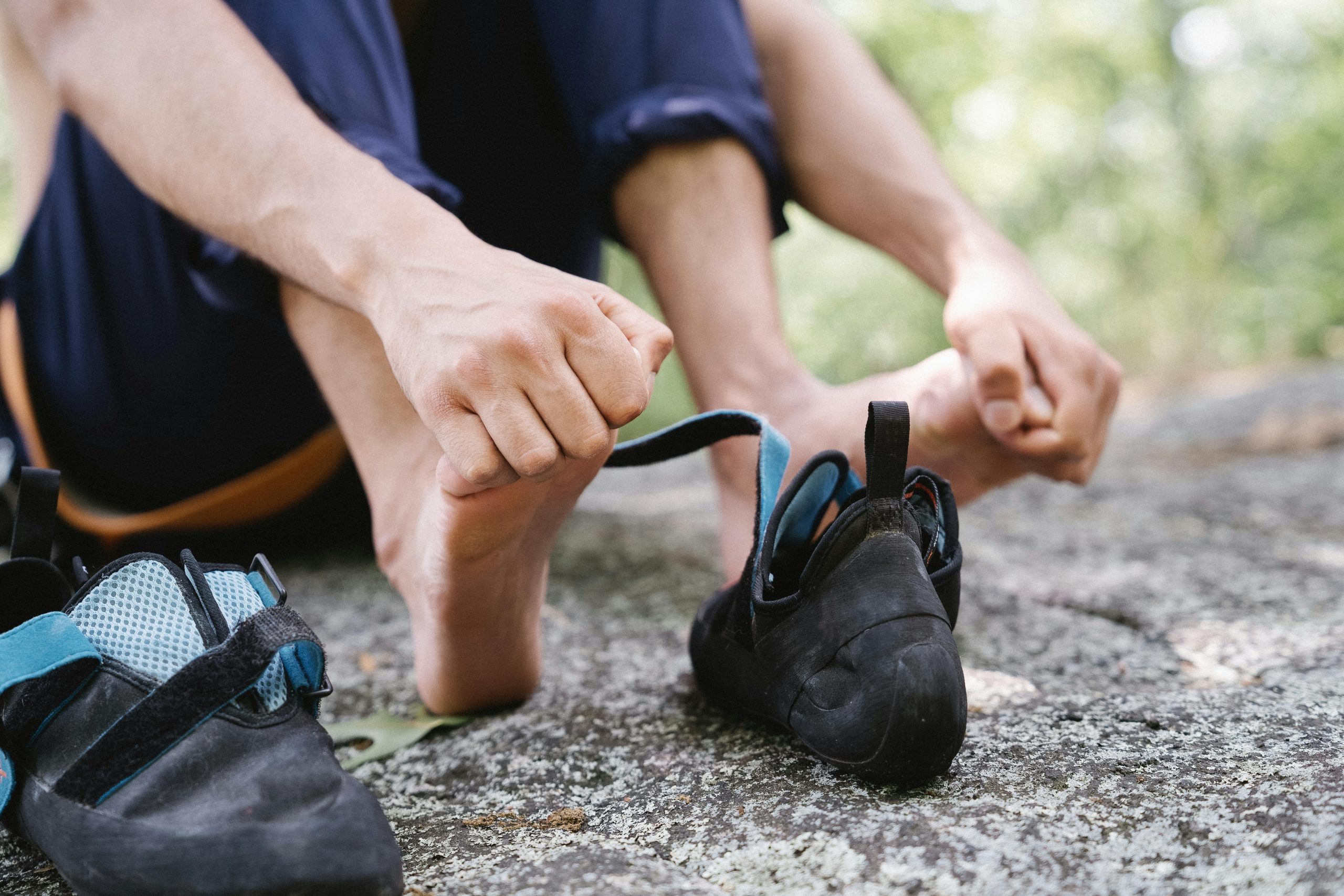
After a tight schedule hike, many people immediately return to driving, chores, or work preparation. Stretching, hydration, and rest are ignored. Muscles tighten as the body cools, increasing soreness later. Recovery feels optional because the hike is already over. Repeating this pattern each weekend leads to lingering stiffness and slow healing. The body never fully resets. Over time, minor aches become persistent issues. Proper recovery does not require much time, but skipping it repeatedly turns short hikes into long-term discomfort.