Gun magazines have always reflected the tastes of the moment, spotlighting what feels new, practical, collectible, or commercially important. That means some firearms that once drew serious attention now get only a passing mention, if they appear at all. This gallery revisits nine guns that used to have a stronger print presence and explores how changing markets, technology, and culture pushed them to the margins.
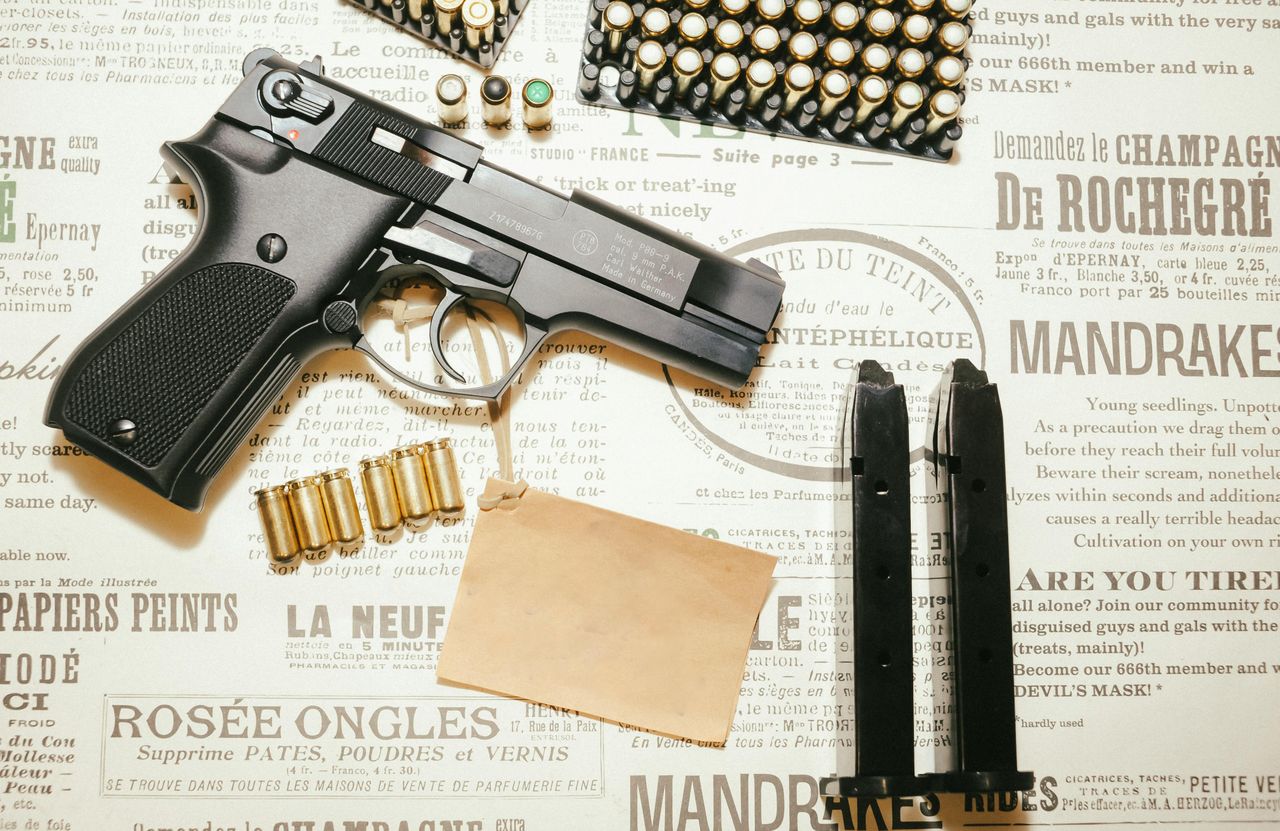
Luger P08

The Luger P08 once had an almost mythic place in gun writing. Its sharply angled grip, distinctive toggle action, and unmistakable silhouette made it catnip for magazine editors looking to add a little history and mechanical intrigue to the page.
These days, it shows up far less often because the story has been told so many times already. Collectors still care deeply, but mainstream magazines tend to prioritize new carry pistols, optics ready handguns, and practical reviews over another look at a famous wartime sidearm.
It remains iconic, just no longer editorially fresh in the way it once was.
Mauser C96
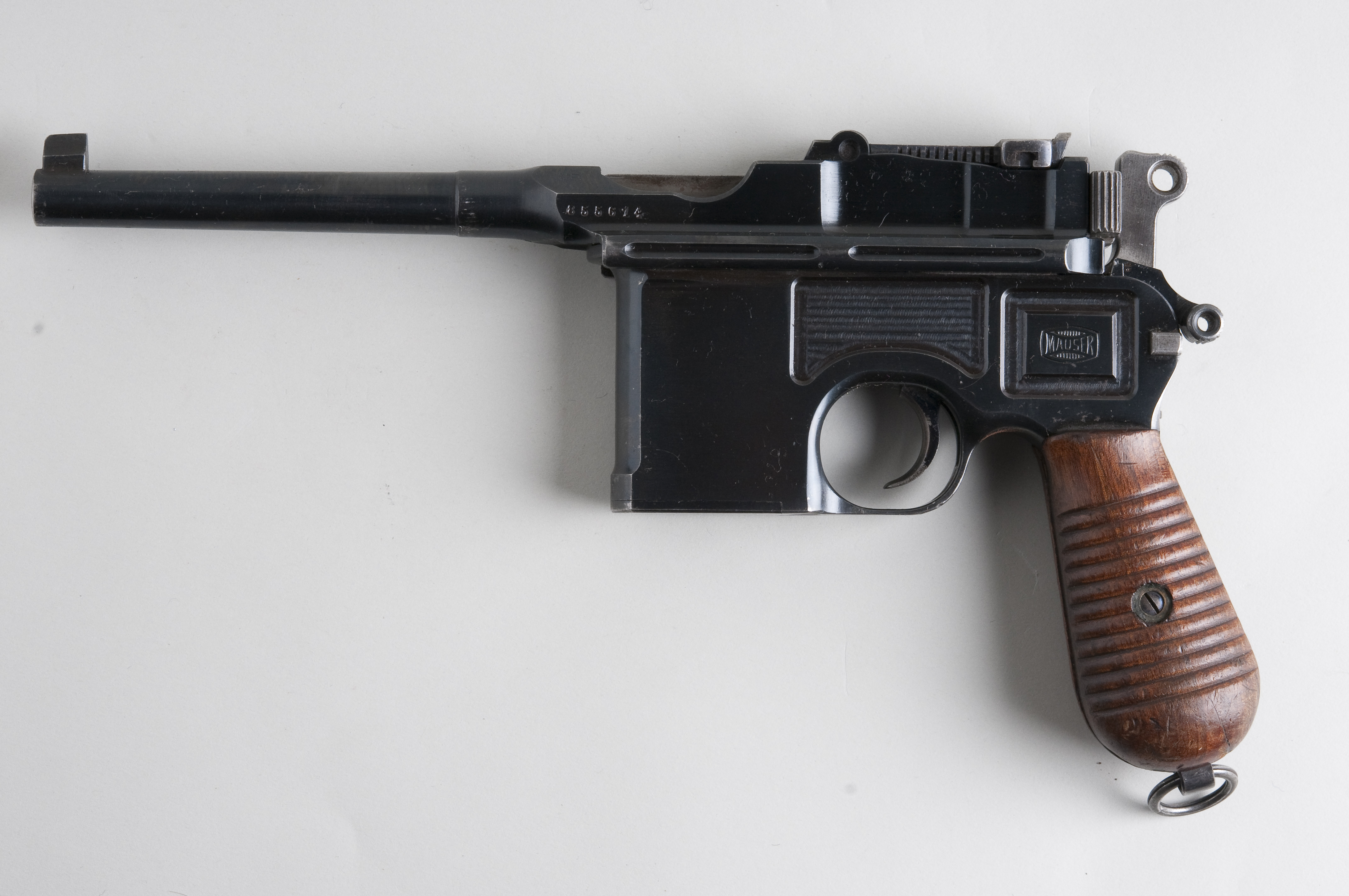
Few handguns are more visually memorable than the Mauser C96. With its long barrel, box magazine ahead of the trigger, and broomhandle grip, it practically demands attention, which is exactly why older magazines loved featuring it in historical pieces.
But novelty alone no longer guarantees space in print. The C96 is expensive, specialized, and mostly interesting to collectors, historians, and devoted military firearm enthusiasts rather than the broader audience that drives modern magazine covers.
It still fascinates people who appreciate oddball engineering, though it now lives more comfortably in niche publications than in mainstream firearm spreads.
Savage Model 99
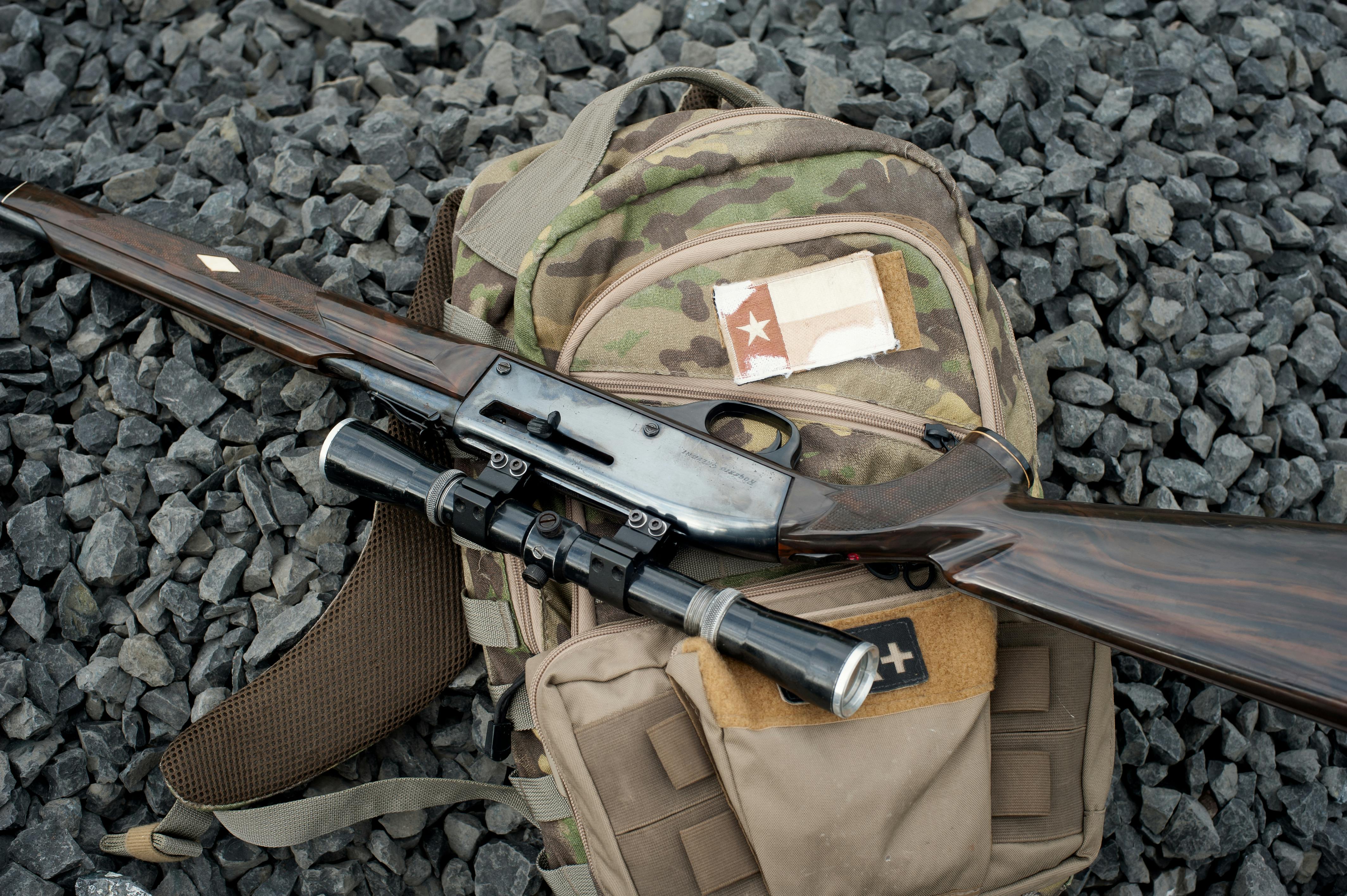
There was a time when the Savage Model 99 represented real rifle sophistication. Its sleek lever action profile and rotary magazine gave gun writers plenty to celebrate, especially when discussing classic American deer rifles that blended tradition with clever design.
Today, it appears less often because the hunting rifle conversation has shifted hard toward bolt actions, chassis systems, and long range performance. The Model 99 still has devoted admirers, but it belongs to a quieter era of field use and print storytelling.
When it does surface, the tone is usually affectionate and nostalgic rather than urgent or trend setting.
Remington Nylon 66

The Remington Nylon 66 used to be a favorite magazine subject because it felt futuristic without being complicated. Its synthetic stock stood out in a world of walnut and blued steel, giving writers an easy hook for stories about innovation in affordable rimfire rifles.
Now that polymer framed designs are completely ordinary, the Nylon 66 no longer feels like a headline. It survives mostly as a charming milestone, remembered fondly by shooters who grew up with one or discovered its reliability long after the hype had faded.
What once looked radical now reads more like a smart early experiment that quietly proved the future was coming.
Ruger Old Army

Black powder revolvers still have a loyal following, but the Ruger Old Army once received more magazine love than most because it combined old style shooting with modern Ruger toughness. That unusual mix made it easier to feature than many purely historical cap and ball replicas.
As editorial space tightened, however, muzzleloading coverage became more seasonal and narrowly focused. Inline hunting guns, specialized historical publications, and online hobby communities ended up taking much of the attention that a revolver like this might once have enjoyed.
The Old Army remains respected, yet it rarely matches the commercial pull of modern defensive handguns or precision hunting rifles.
Browning Auto-5
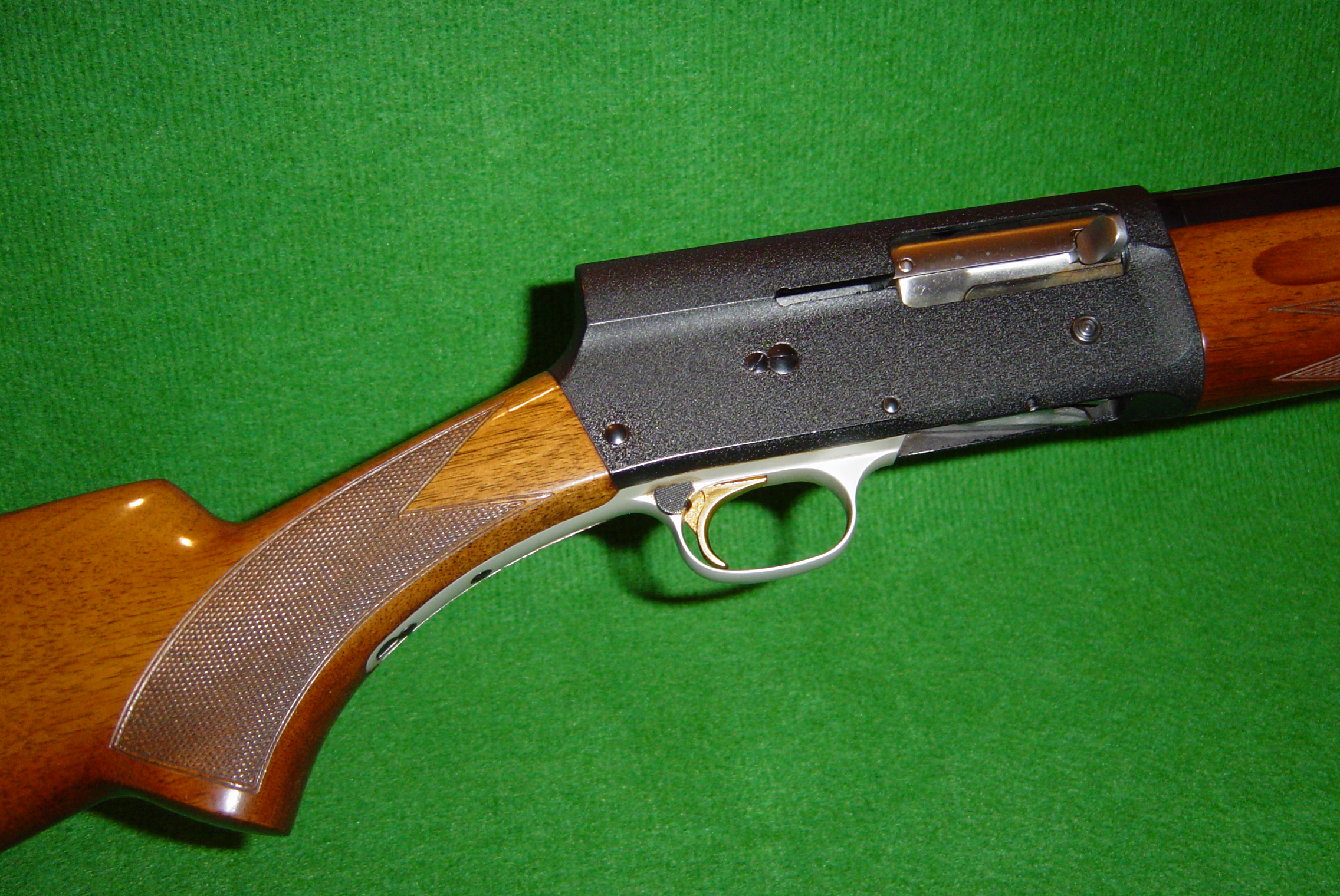
For generations, the Browning Auto-5 was one of the most recognizable shotguns in print. Its humpback receiver gave it instant visual identity, and magazines often treated it as both a practical field gun and a landmark in semi automatic shotgun history.
The reason it appears less now is simple enough: the market moved on. Newer gas and inertia driven shotguns dominate coverage because they are what hunters and clay shooters are buying, testing, and comparing right now.
The Auto-5 still carries enormous prestige, but in many magazine layouts it has been pushed from current equipment to heritage feature.
Colt Woodsman
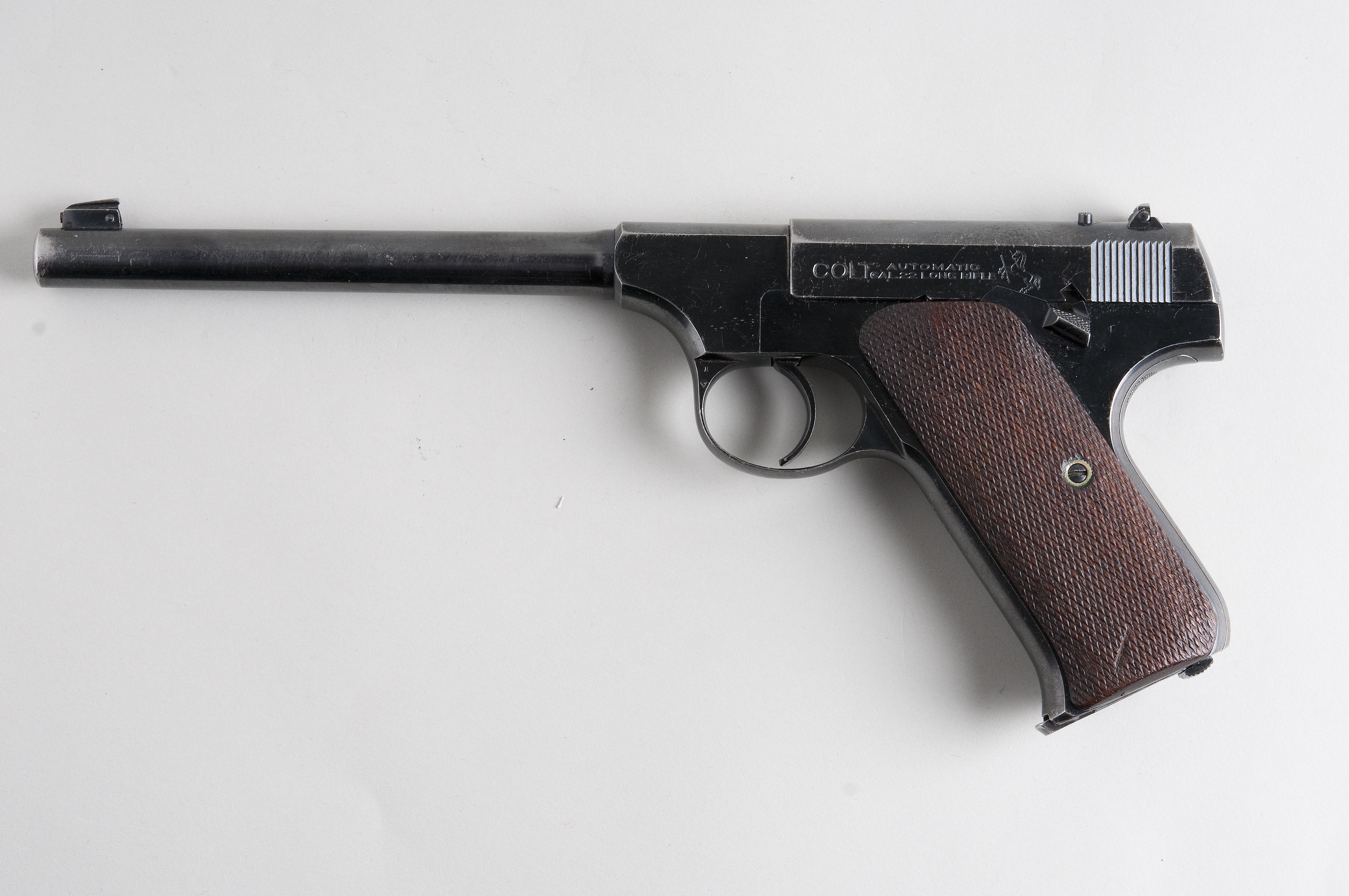
The Colt Woodsman once seemed almost guaranteed to appear in articles about target shooting, camp guns, and refined rimfire craftsmanship. It had elegance, superb handling, and the kind of polished reputation that gave magazine prose an easy, almost literary rhythm.
Its lower visibility today reflects both changing tastes and changing economics. Classic .22 pistols still matter, but publications are more likely to focus on modern trainers, suppressor ready plinkers, and value oriented handguns that speak directly to current consumer habits.
That makes the Woodsman feel like a connoisseur’s pistol now, admired more in retrospect than in routine editorial rotation.
Steyr Mannlicher M95

The Steyr Mannlicher M95 used to turn up in magazine pages whenever surplus rifles were plentiful and affordable. Writers loved discussing straight pull actions, obscure service histories, and the thrill of finding a rugged old military rifle that felt different from the usual bolt action crowd.
That whole ecosystem has changed dramatically. Surplus stocks thinned out, prices rose, and the average reader became more interested in practical sporting rifles than in chasing hard kicking relics with odd ammunition concerns.
As a result, the M95 has slipped from regular coverage, even though it still offers the kind of mechanical personality that collectors never completely forget.
Smith & Wesson Model 3
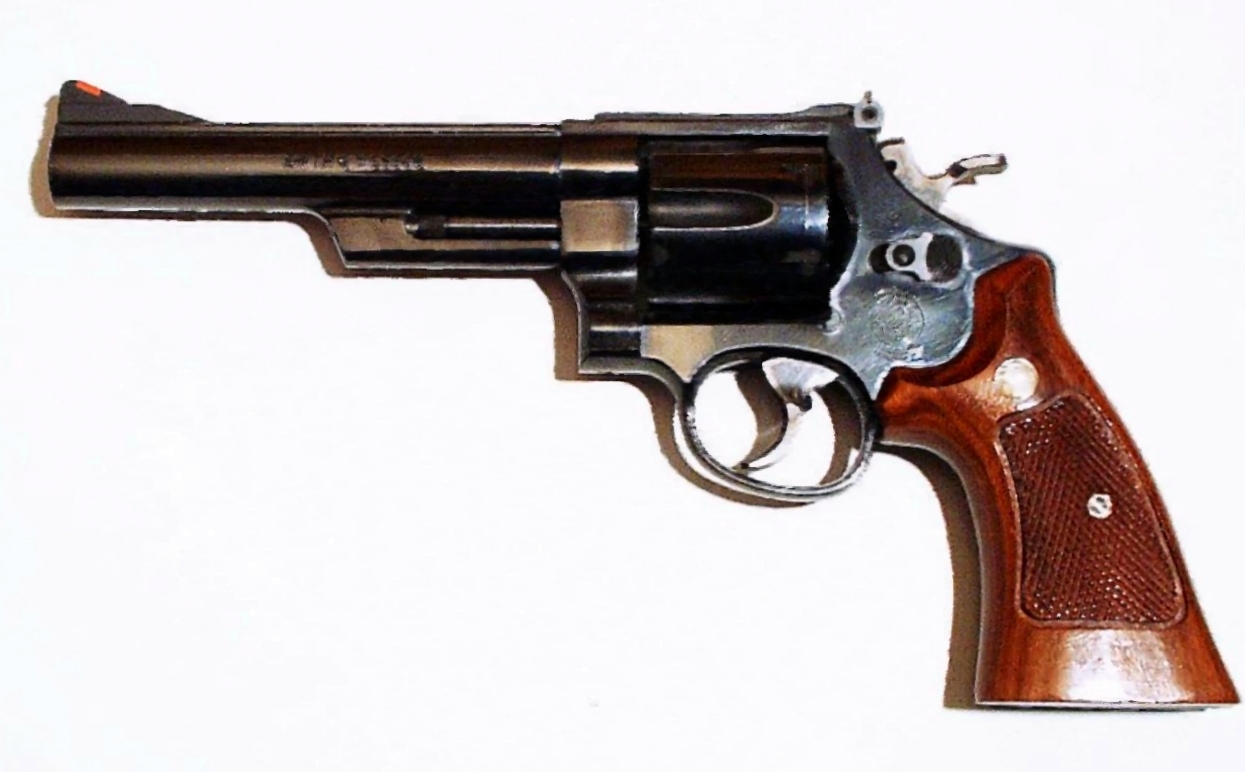
(Original text: kaltduscher)/Wikimedia Commons
The Smith & Wesson Model 3 once gave magazines a perfect way to explore frontier history, top break revolver design, and the global reach of 19th century American handguns. It looked dramatic in photographs and carried enough historical weight to anchor a richly written feature.
Still, modern magazine priorities tend to favor firearms readers can buy, carry, and compare in the present tense. Antique revolvers occupy a narrower lane now, usually reserved for collector issues, cowboy action coverage, or occasional historical retrospectives.
The Model 3 remains deeply important, but importance does not always translate into regular magazine space, especially in a market obsessed with what is next.