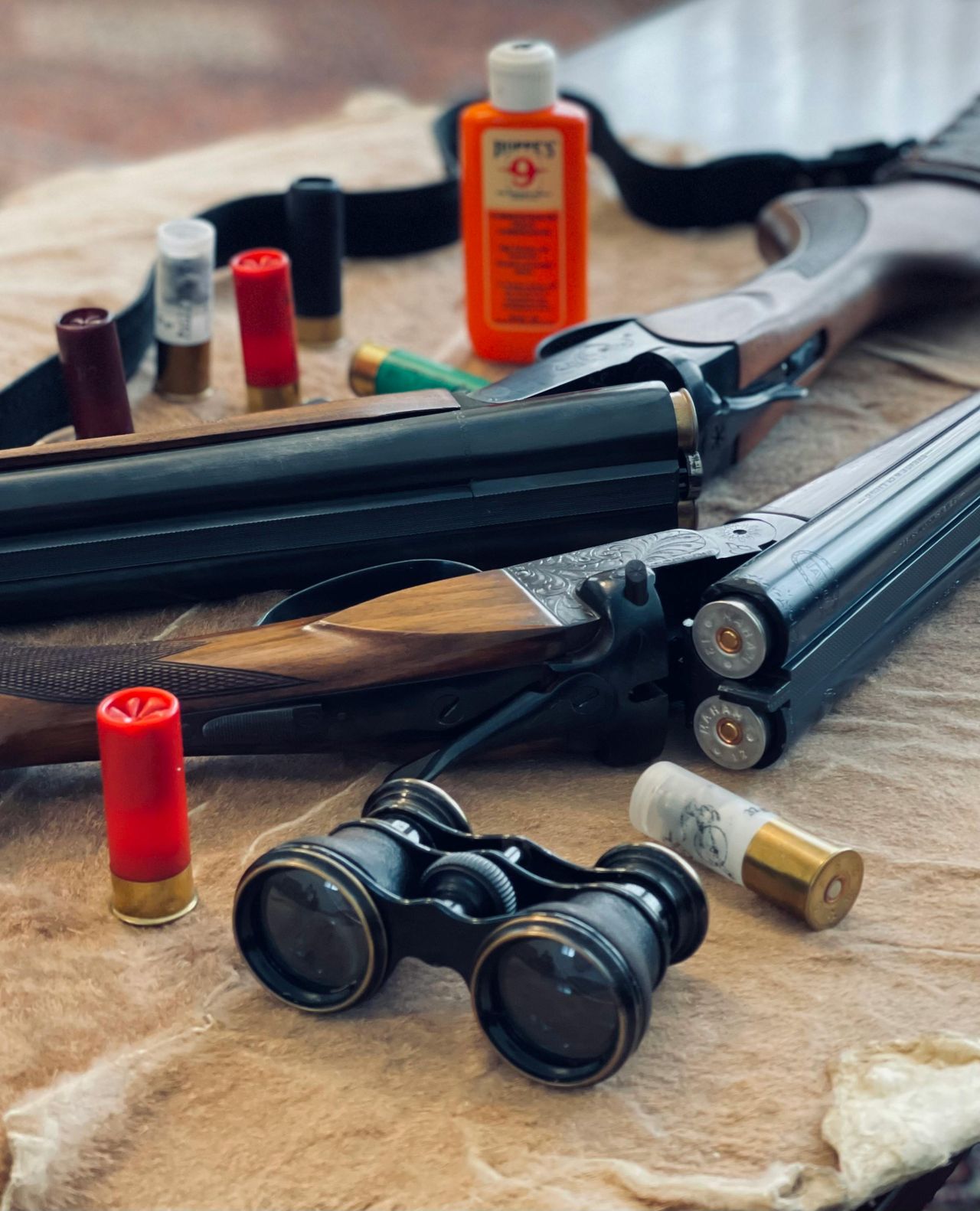
Some cartridges come and go. Others stick around because they simply work.
Why Some Old Calibers Refuse to Fade Away
The shooting world loves novelty, but history has a way of filtering hype from substance. If a caliber survives for generations, it usually means it solved a real problem better than anything that replaced it. Hunters, target shooters, law enforcement officers, and soldiers tend to be brutally honest about what performs and what disappoints.
That is why classics such as .22 Long Rifle, .30-30 Winchester, 12 gauge, .45 ACP, .30-06 Springfield, 9mm Luger, and .38 Special still command respect. These are not museum pieces kept alive by nostalgia alone. They remain common because they are practical, dependable, and widely understood.
A good cartridge earns loyalty the hard way. It must feed reliably, hit with authority, remain available in stores, and perform across many platforms. Old calibers that never disappointed built their reputations one successful hunt, one clean qualification course, and one trustworthy day at the range at a time.
The deeper truth is simple: ballistic performance matters, but usability matters just as much. Recoil, cost, firearm availability, and ease of finding ammunition all shape whether a caliber truly lasts. The old standouts endured because they balanced those factors better than many modern challengers ever have.
The .22 Long Rifle: Small, Cheap, and Endlessly Useful

If one cartridge deserves the title of timeless, it is .22 Long Rifle. Introduced in the 19th century, it remains the universal training round and one of the most useful cartridges ever designed. For countless shooters, it was the first caliber they fired and the one they never stopped using.
Its genius lies in accessibility. Recoil is almost nonexistent, report is mild, and ammunition is usually cheaper than centerfire options by a wide margin. That combination makes it ideal for teaching fundamentals, from sight alignment to trigger control, without punishing mistakes or budgets.
The .22 LR also refuses to be pigeonholed. It excels in plinking, small-game hunting, pest control, youth instruction, and formal competition. Rimfire target events, steel challenge practice, and backyard-style marksmanship all benefit from a cartridge that lets shooters fire hundreds of rounds in a session without fatigue.
Critics sometimes dismiss it because it is not powerful, but that misses the point. A caliber does not need to be dramatic to be indispensable. The .22 LR has remained relevant because no other cartridge matches its blend of affordability, versatility, and sheer usefulness across such a wide range of firearms.
The .30-06 Springfield and .30-30 Winchester: Blue-Collar Legends

Few rifle cartridges have shaped North American hunting culture like the .30-06 Springfield and .30-30 Winchester. They are different tools, but both earned enduring trust through field performance rather than clever marketing. These rounds put venison in freezers long before modern ballistic branding became a selling point.
The .30-30, introduced in the 1890s, became synonymous with lever-action deer rifles. In wooded country where shots are often moderate in distance, it offered fast handling, manageable recoil, and enough power for clean kills on deer-sized game. Generation after generation proved that a simple rifle in .30-30 was more than enough.
The .30-06 brought a broader reach. Adopted by the U.S. military in the early 20th century, it transitioned seamlessly into sporting life. Hunters appreciated its ability to handle bullet weights from roughly 110 grains to 220 grains, making it suitable for everything from varmints to elk with proper loads.
What kept both alive is flexibility rooted in realism. The .30-30 does not pretend to be a long-range specialist, and the .30-06 does not need exotic engineering to perform. They work with conventional rifles, widely available ammunition, and field-proven ballistics that still meet the needs of ordinary hunters remarkably well.
The 12 Gauge: The Most Versatile Working Caliber of All
Purists may argue whether a shotgun bore belongs in a discussion of calibers, but no list of old standouts feels complete without the 12 gauge. It has been a do-everything answer for so long that many households treated one 12-gauge shotgun as an all-purpose survival tool. That reputation was earned honestly.
Its range of loads is almost unmatched in the shooting world. Birdshot handles upland game and waterfowl, buckshot serves defensive roles, and slugs extend usefulness to larger game. Few platforms transition so easily from hunting fields to clay ranges to home defense closets with only a change in ammunition.
The 12 gauge does come with stout recoil, especially in lighter guns, but its effectiveness keeps people coming back. It patterns well, hits hard, and is supported by an enormous market of shotguns and loads. Pump guns, semi-autos, break-actions, and tactical models all reinforce its place as a practical mainstay.
There is also something reassuringly uncomplicated about it. You do not need to be a ballistic theorist to understand why it works. For over a century, the 12 gauge has remained relevant because it solves many different problems with straightforward, proven authority that newer niche options rarely surpass.
The .45 ACP and 9mm Luger: Old Handgun Rounds, Modern Confidence
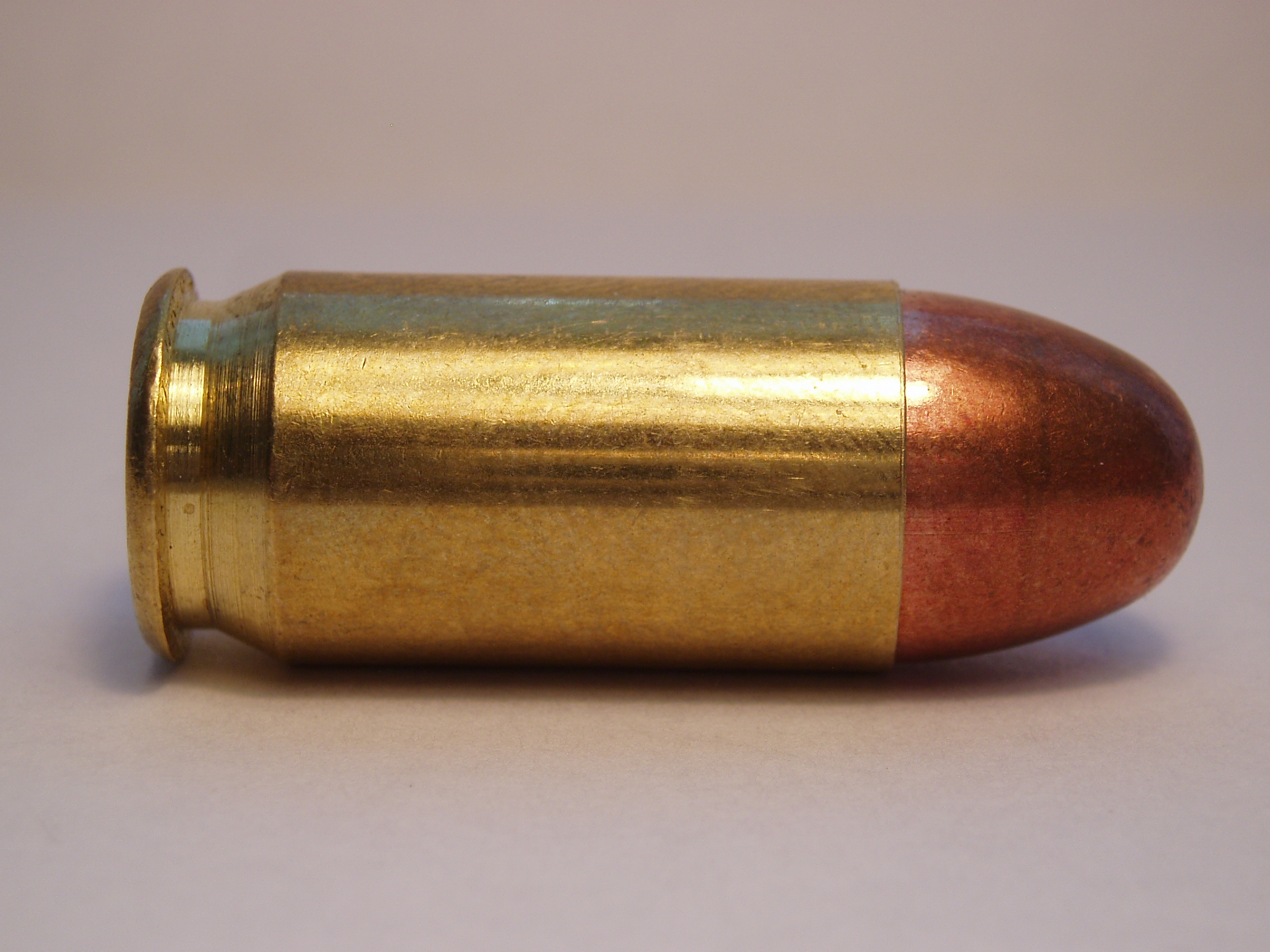
Handgun debates often become tribal, but two early giants continue to define the conversation: .45 ACP and 9mm Luger. Both are old by modern standards, yet both remain frontline choices in civilian carry, law enforcement, military service, and recreational shooting. That kind of staying power is not accidental.
The .45 ACP built its name on a reputation for controllable pressure, strong close-range effectiveness, and excellent compatibility with full-size pistols, especially the 1911. Shooters often praise its smooth recoil impulse, even when the recoil energy is greater than that of smaller rounds. It feels deliberate, substantial, and confidence-inspiring.
The 9mm, meanwhile, became the global standard for a reason. It offers higher magazine capacity, lower recoil, and generally lower ammunition cost, all while delivering modern defensive performance that satisfies demanding standards. Advances in bullet design only strengthened a cartridge that was already practical and widely available.
Rather than proving one old round superior to another, their continued success proves something more important. Good handgun cartridges survive when they strike a useful balance. The .45 ACP still satisfies those who value tradition and authority, while the 9mm keeps winning converts through efficiency, shootability, and broad institutional trust.
The .38 Special: Accuracy, Simplicity, and a Lasting Reputation
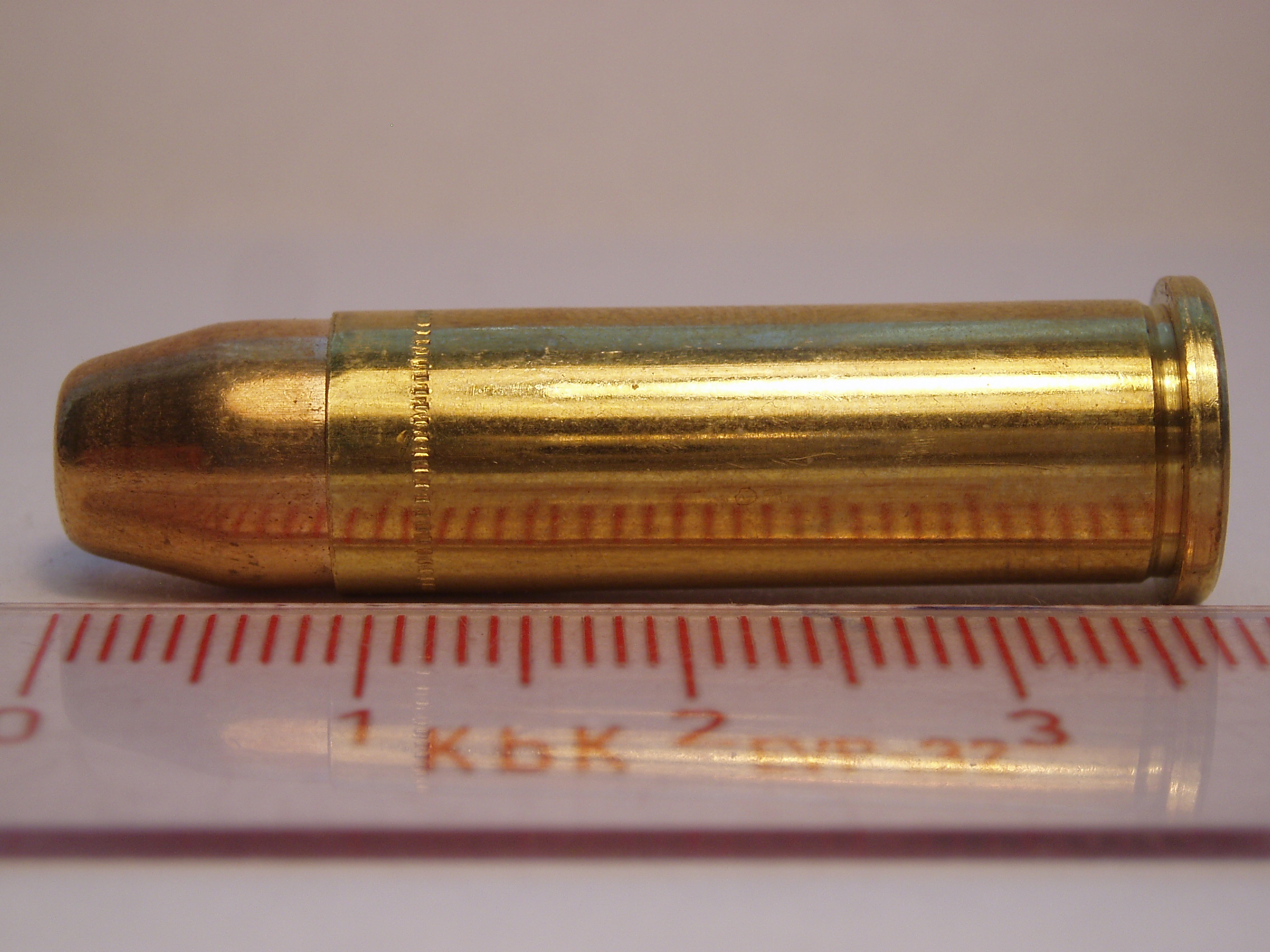
The .38 Special is one of those cartridges that seems modest until you spend time with it. Introduced in 1898, it became a cornerstone of police revolvers and civilian sidearms for most of the 20th century. Its long life came from manners as much as power.
In a medium-frame revolver, .38 Special is famously manageable. Recoil is mild enough for regular practice, accuracy is often excellent, and wadcutter loads turned it into a favorite for target shooting. For decades, that made it a practical answer for officers, homeowners, and new shooters alike.
Even after the rise of high-capacity semi-automatics, the .38 Special never vanished. Lightweight snub-nose revolvers chambered for it remained popular because they were simple, reliable, and easy to carry. A revolver does not depend on magazine springs, slide velocity, or perfect ammunition geometry to function under stress.
It also adapted surprisingly well. Standard-pressure loads remain soft shooting, while +P defensive loads give the cartridge more modern relevance in suitable firearms. That ability to span target use, training, backup-gun roles, and personal defense helped preserve its standing long after many supposedly more advanced revolver rounds had faded from common use.
Why These Classics Still Matter in a World of New Releases
The firearms industry will always produce new cartridges promising flatter trajectories, better terminal performance, or more efficient case design. Some genuinely improve on what came before. But old calibers that never disappointed remind us that success is not measured by novelty alone. It is measured by repeatable results in ordinary hands.
These cartridges remain alive because they are supported everywhere. Ammunition makers continue loading them in multiple styles, gun makers keep chambering firearms for them, and instructors still trust them for teaching core skills. That ecosystem matters more than enthusiasts sometimes admit when discussing pure ballistic theory.
There is also a cultural memory attached to them, and that should not be dismissed as sentimentality. Experience passed from parents to children, mentors to beginners, and veterans to first-time hunters keeps useful knowledge in circulation. When millions of people have seen a caliber work over decades, that is valuable evidence.
In the end, old standouts endure because they continue to answer practical questions with very few downsides. They are not fashionable merely because they are old. They are still here because they built reputations under pressure, then kept proving themselves long after newer options had arrived, claiming those options were obsolete.